Category Archives: Uncategorized

The Jewish museum,Ataturk house and The archeological museum of Thessaloniki

The history of the Jews in Thessaloniki goes back 2000 years. The Jewish community until the early twentieth century formed the majority of the city’s inhabitants, whilst todays population numbers fewer than a thousand who are mainly Sephardic Jews that had emigrated to the city having been expelled from Spain by catholic rulers in 1492. A huge fire in 1917 destroyed 32% of the city rendering 52000 Jews homeless and eventually nearly half the city’s Jews emigrated to France and America. The remaining community thrived over the following years until the Nazi invasion when 90% of the Jewish inhabitants were deported and murdered. The museum had dedicated a whole floor in memory of the Jewish children who perished in the holocaust of the twenty thousand children under the age of seventeen only five hundred survived. A quote at the beginning of the exhibition I thought was very apt “Murdering children is akin to destroying the future”

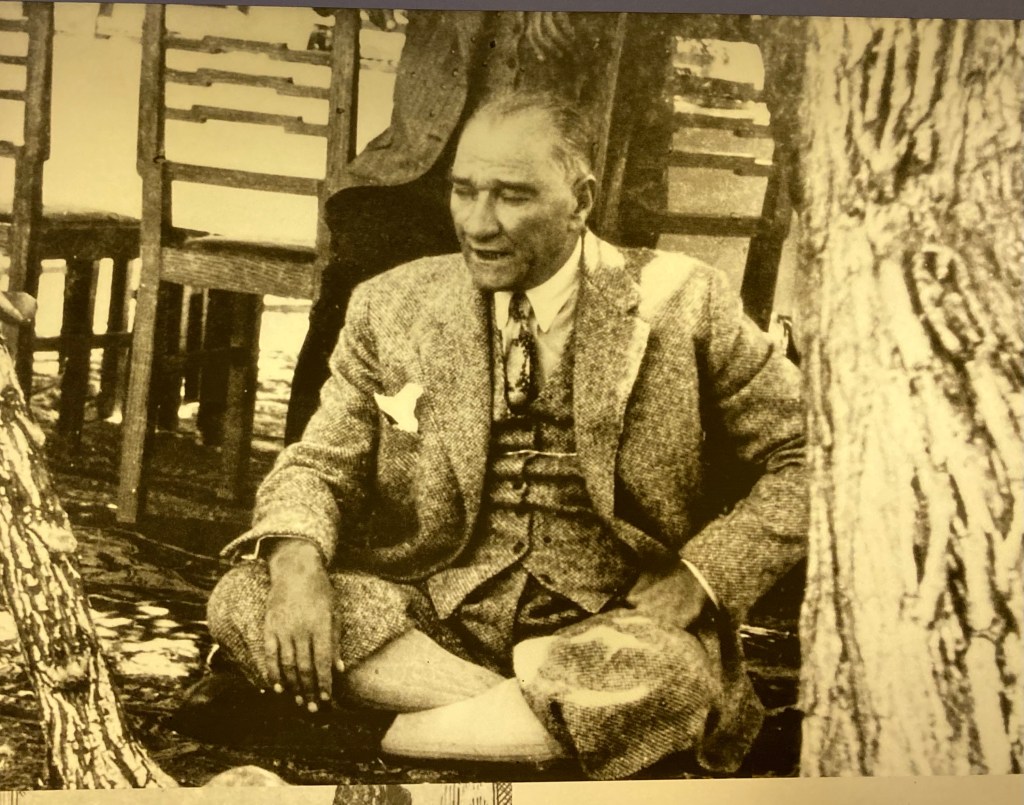
The birthplace of Mustafa Kemal ( better known as Kemal Ataturk) is a very simple house that has been turned into a museum that tells how an ordinary young man became a great statesman.
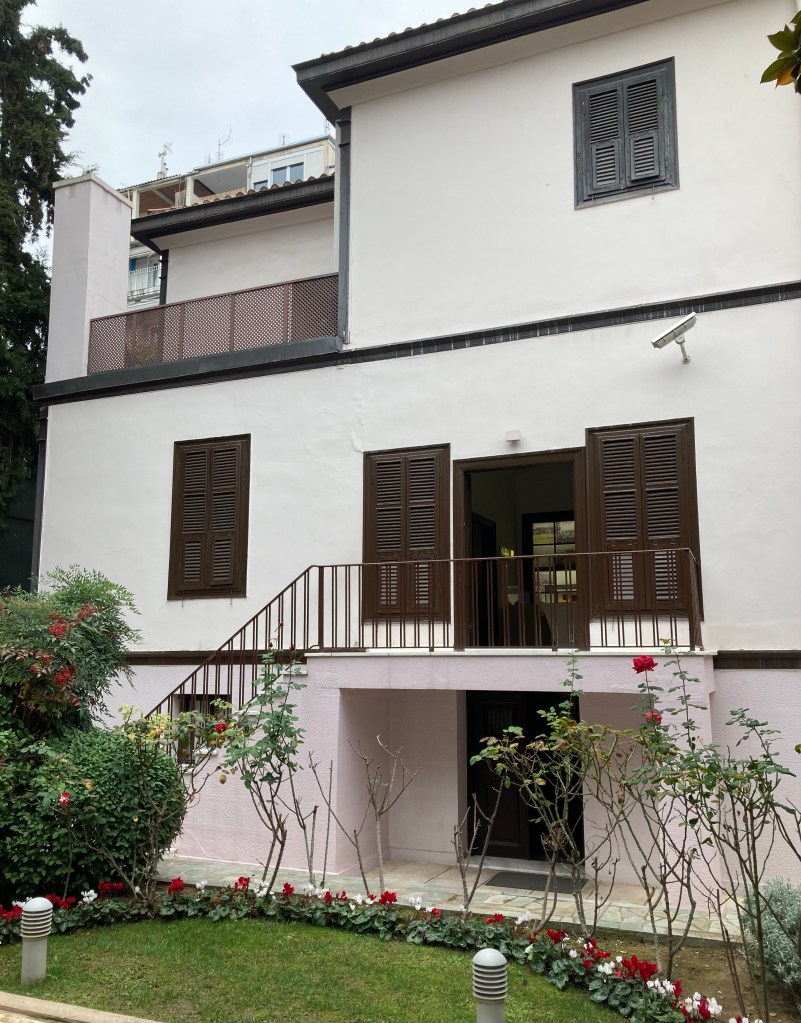
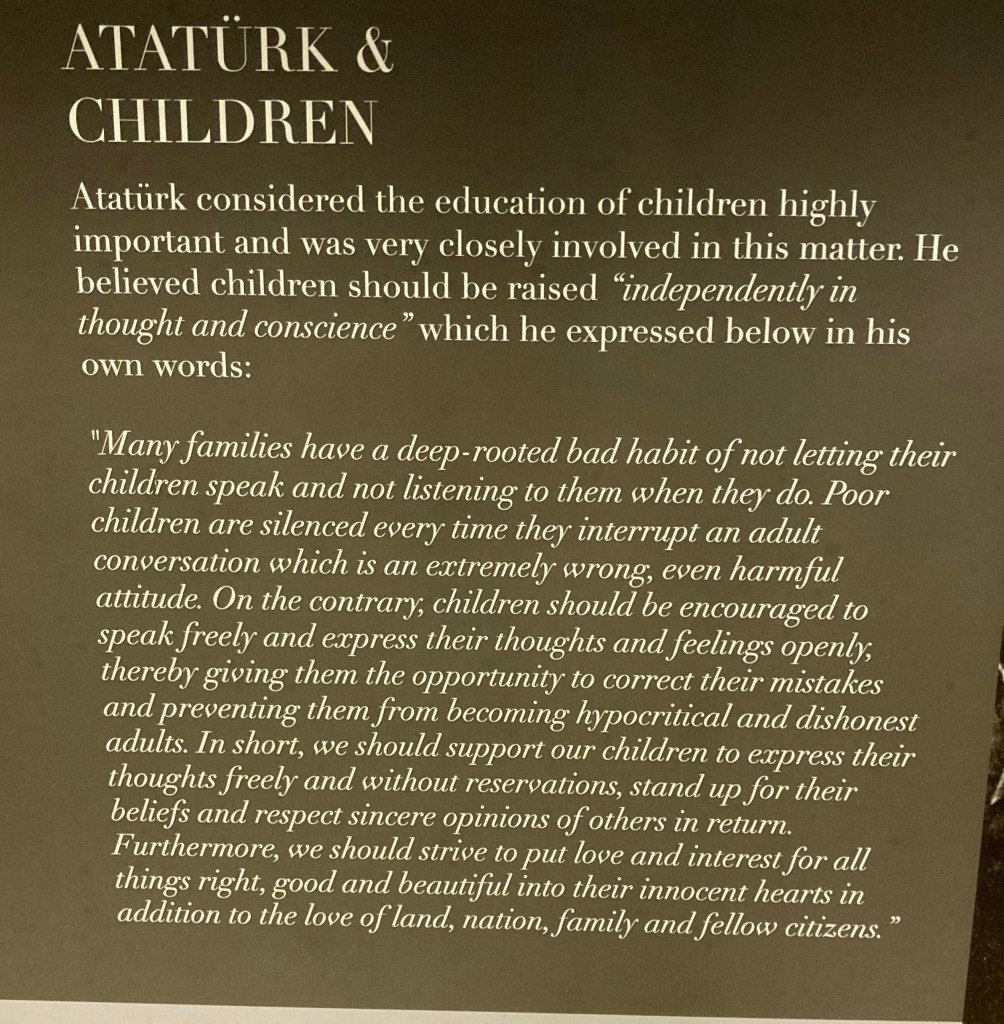
Against his mothers wishes his father who wanted his son to be a moderniser sent him to a secular school rather than the religious school his mother preferred. Paving the way for him to follow in his father’s footsteps and pursue a military career and later to enrol into a military school for his secondary education followed by the war college. His educational background shaped his approach to leadership which was based on persuasion not fear.
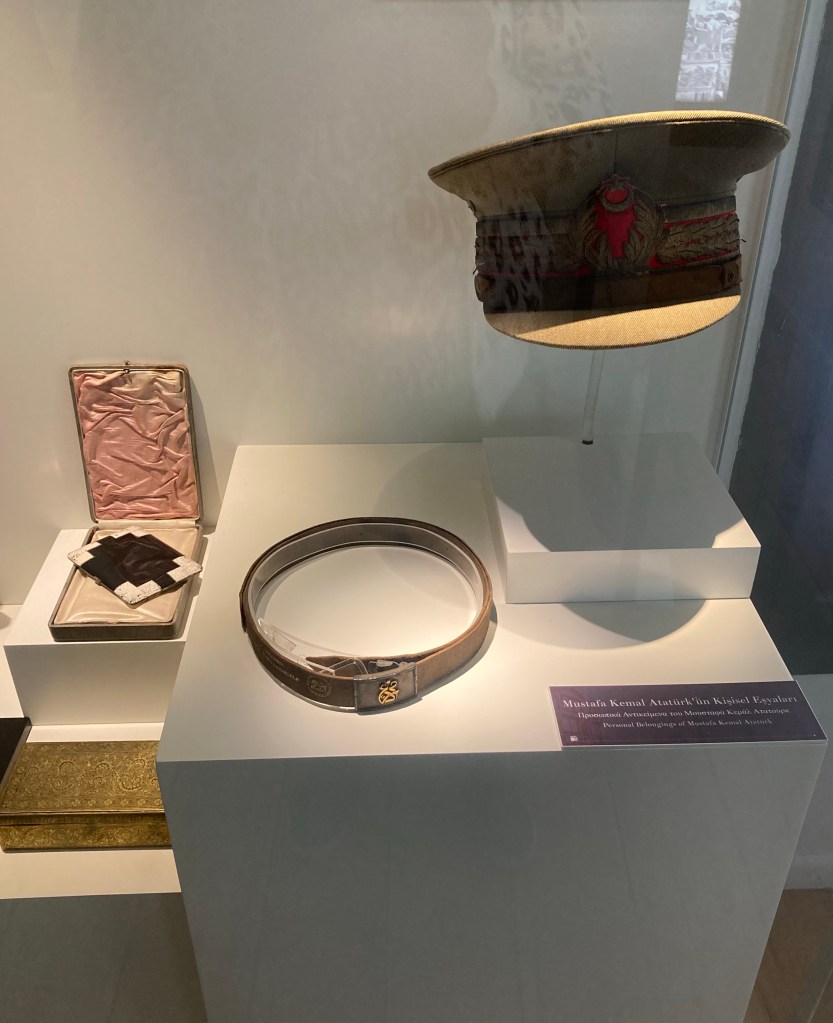
Following the end of the First World War the allied forces began claiming Ottoman territory including parts of Istanbul.Ataturk and a group of friends began to plan a nationalist movement centred on the Ottoman region of Anatolia. The allies fearing an uprising urged the sultan to restore order Ataturk was chosen to fulfil that role instead he gathered support for the nationalist movement forming a congress to represent the people and was elected head. This ultimately led to the downfall of the Ottoman Empire and the forming of a new National Assembly who elected Ataturk as the first president of the republic of Turkey, his goal was to reform and bring it into the twentieth century. His greatest legacy was how he reformed education and encouraged equal rights for women.
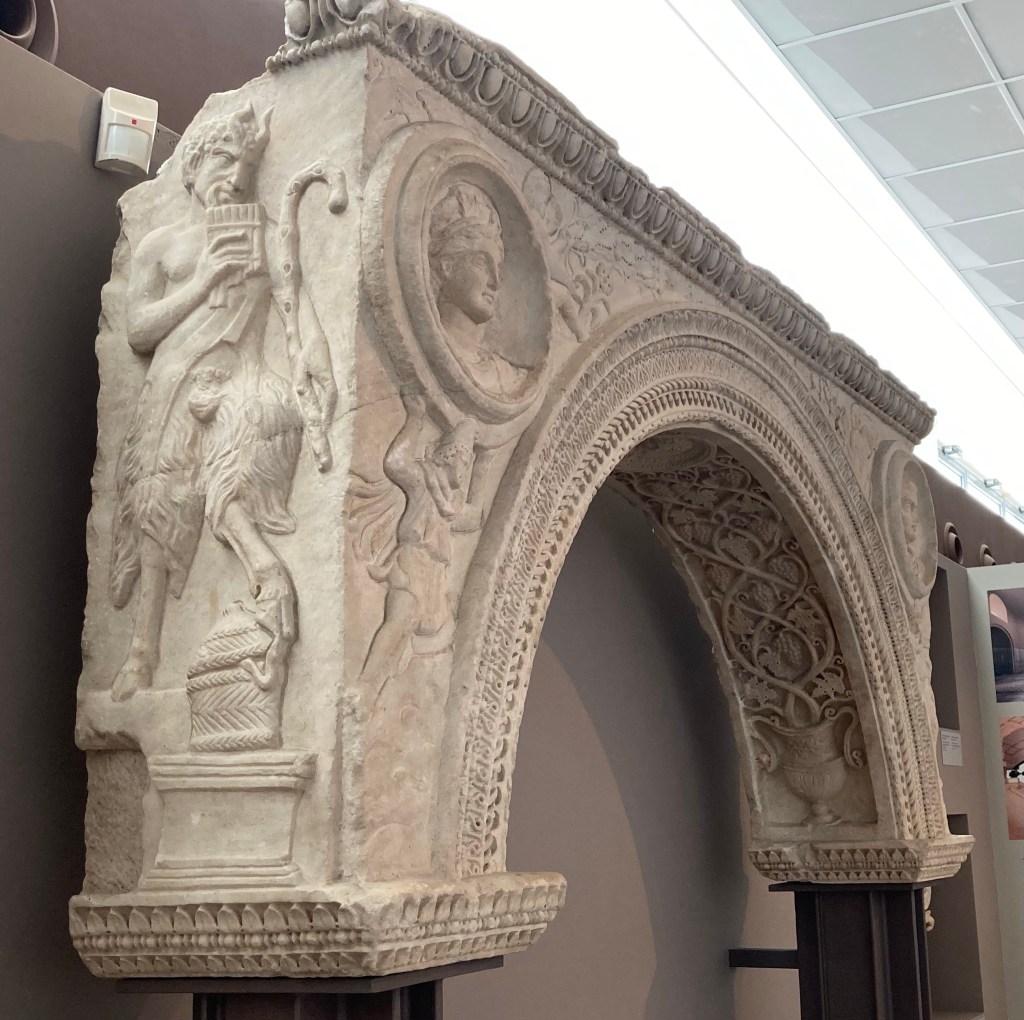
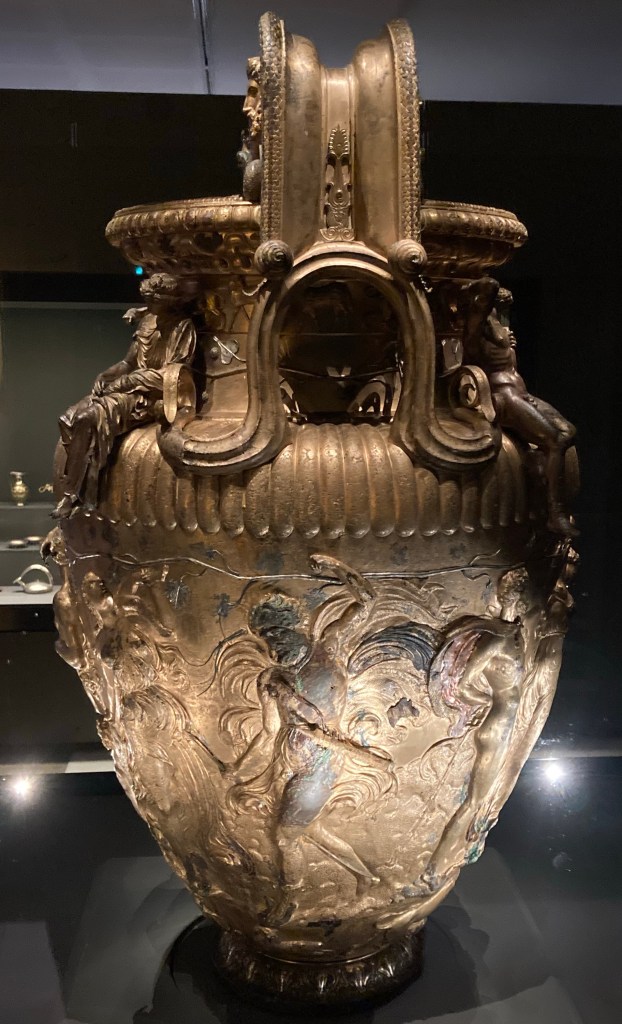
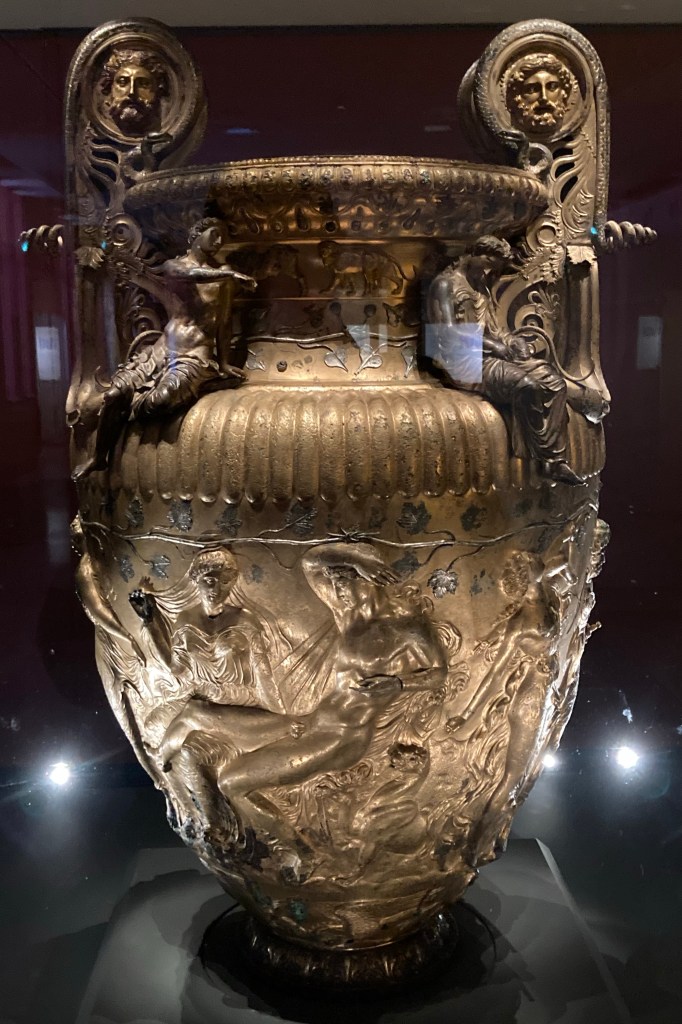
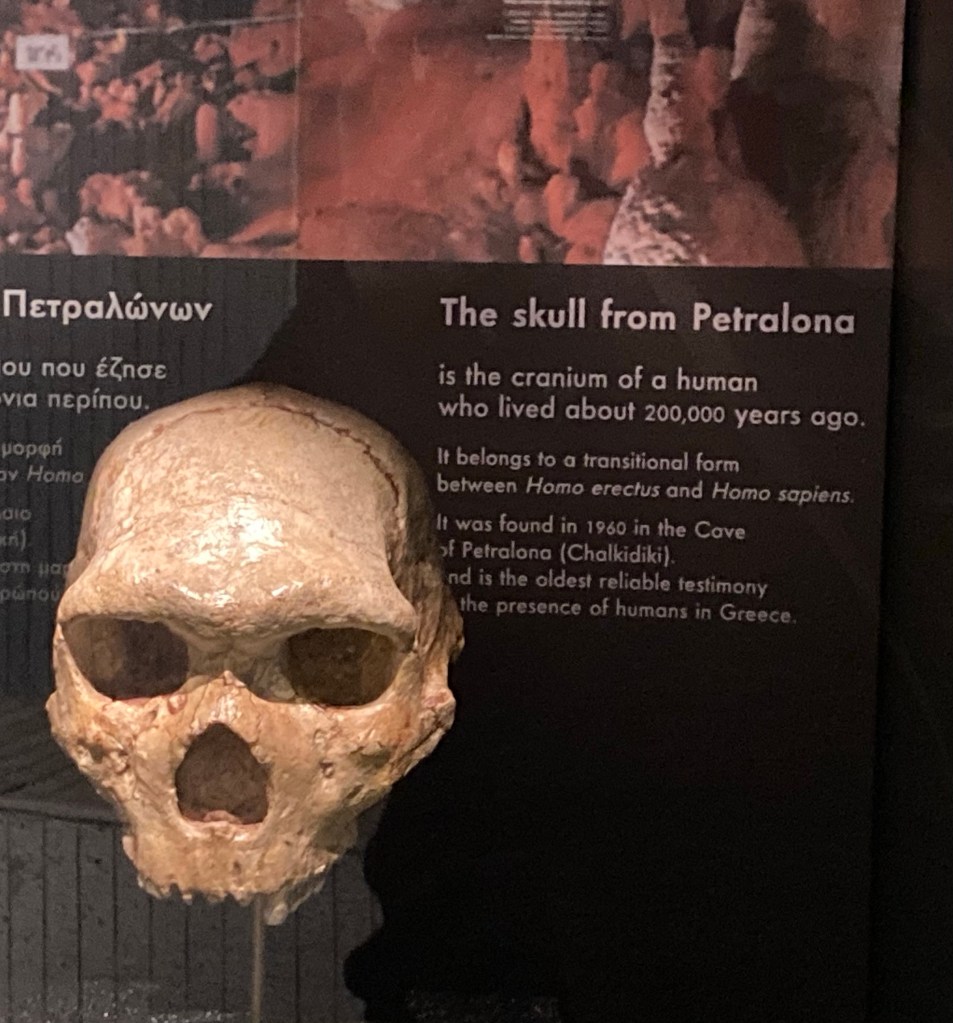
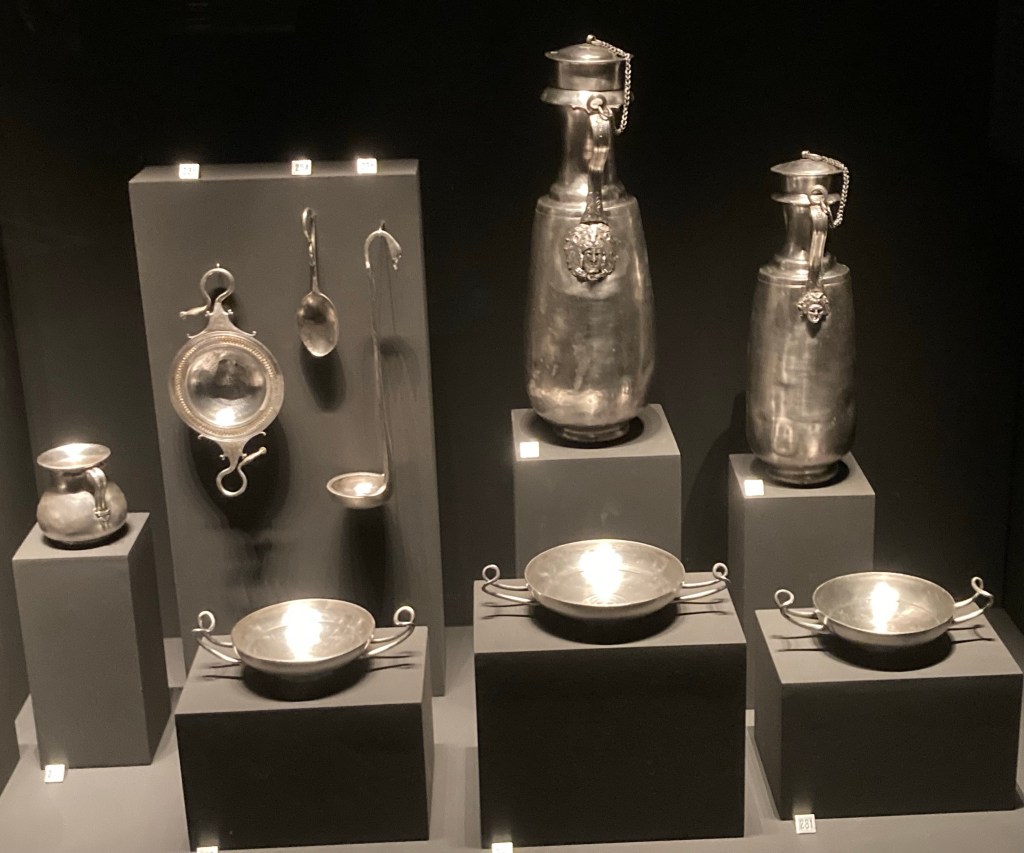
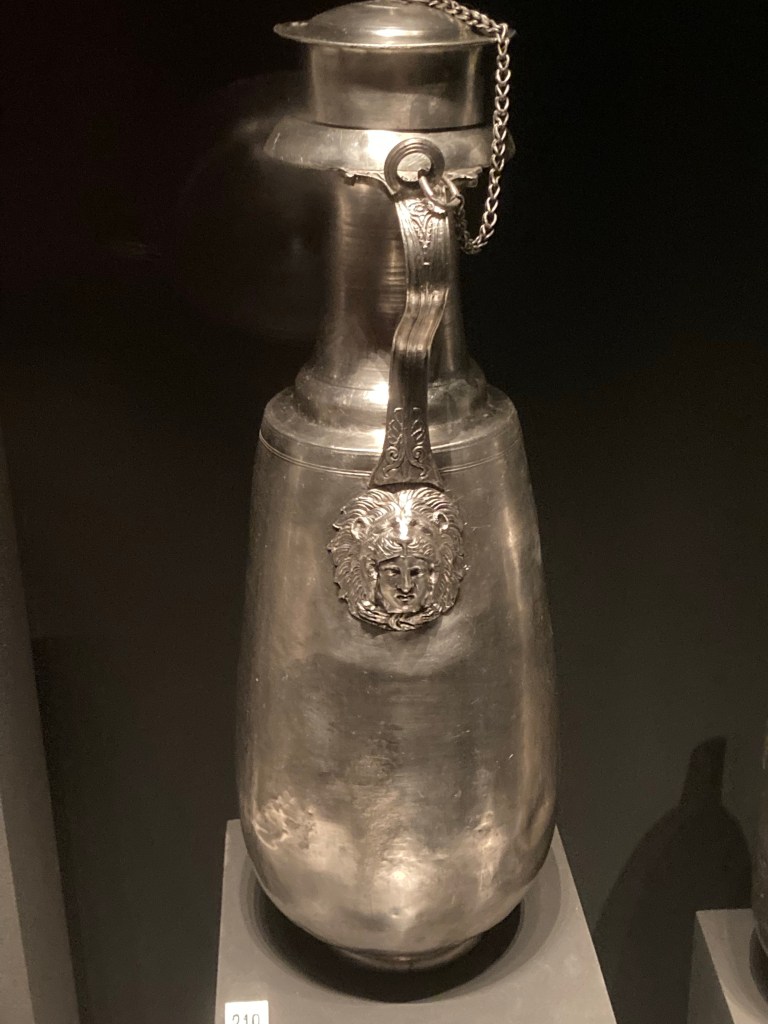
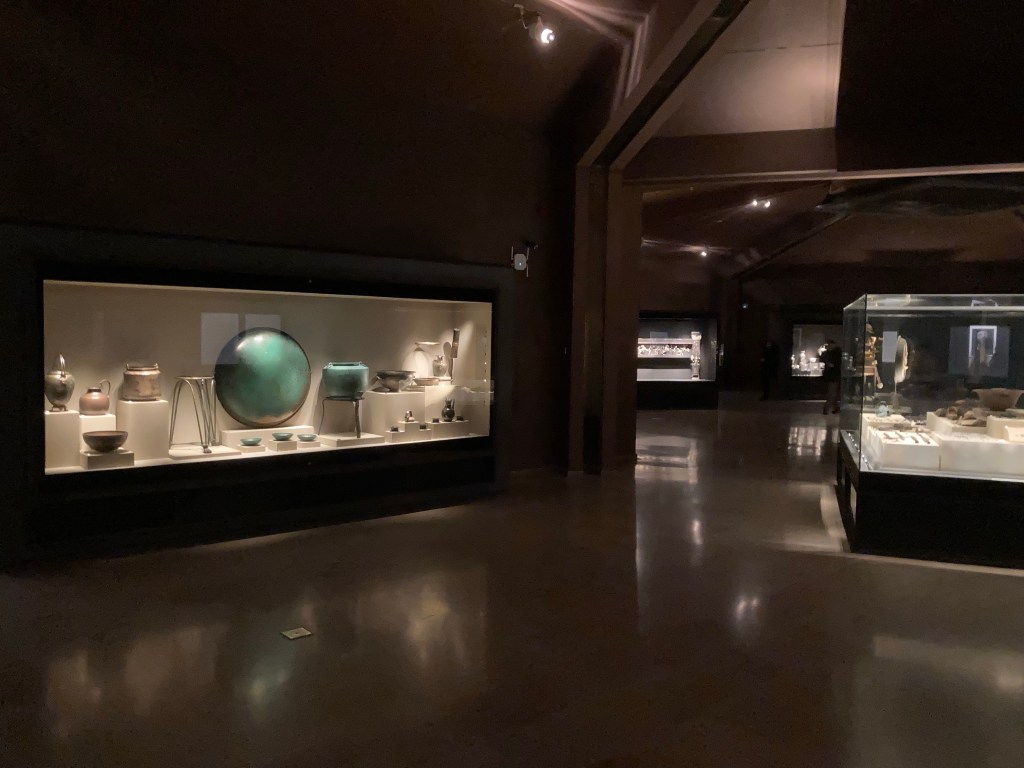
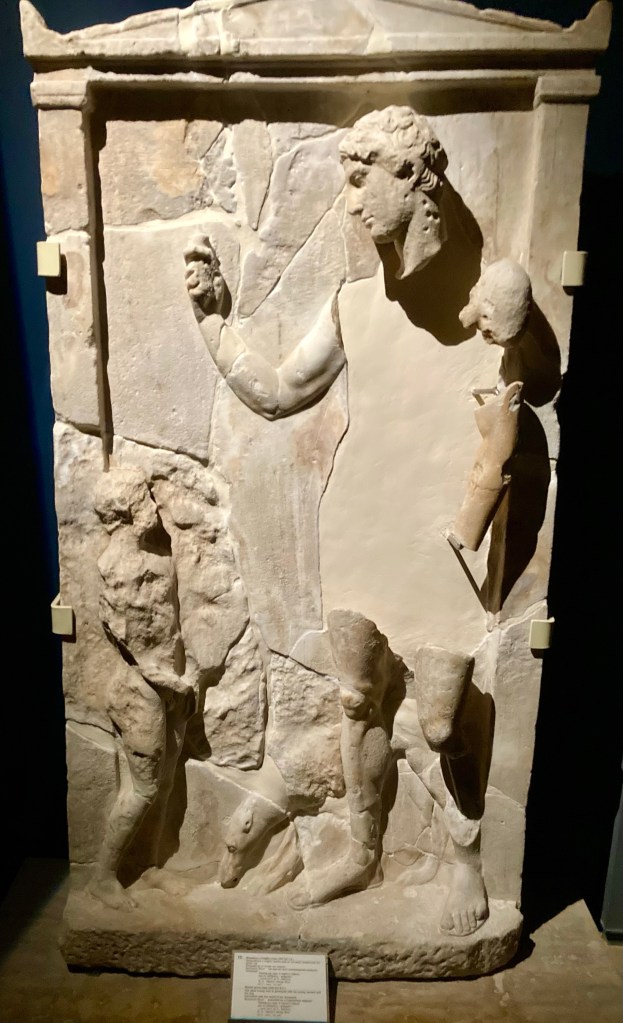
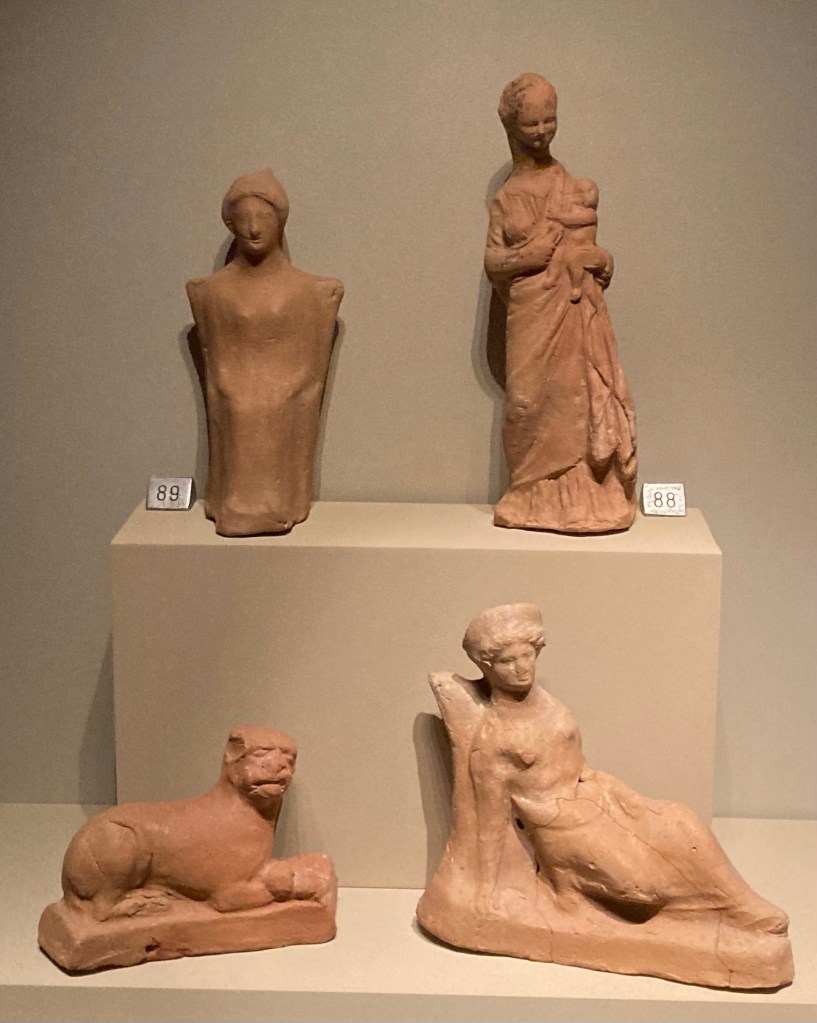
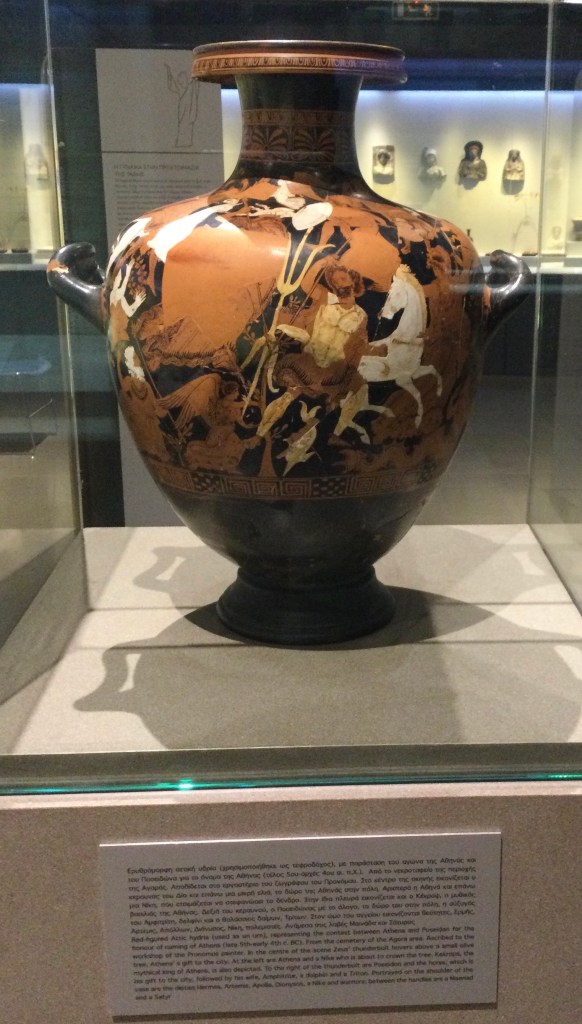
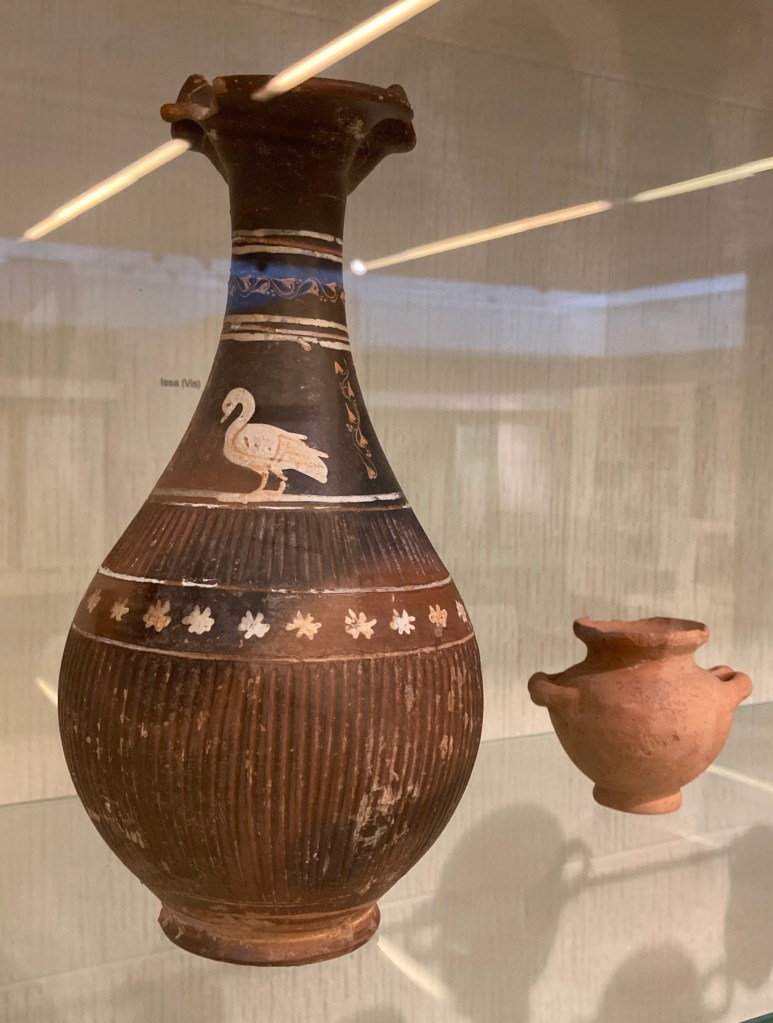
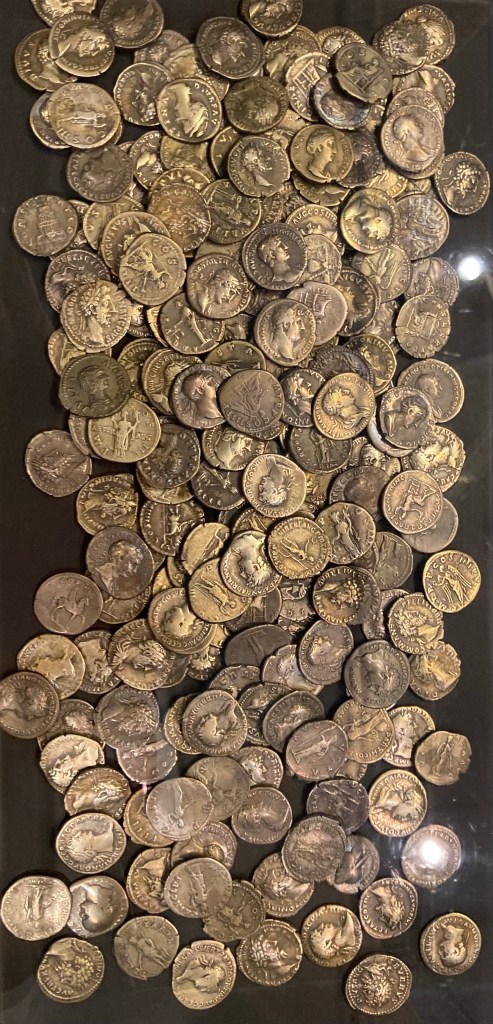
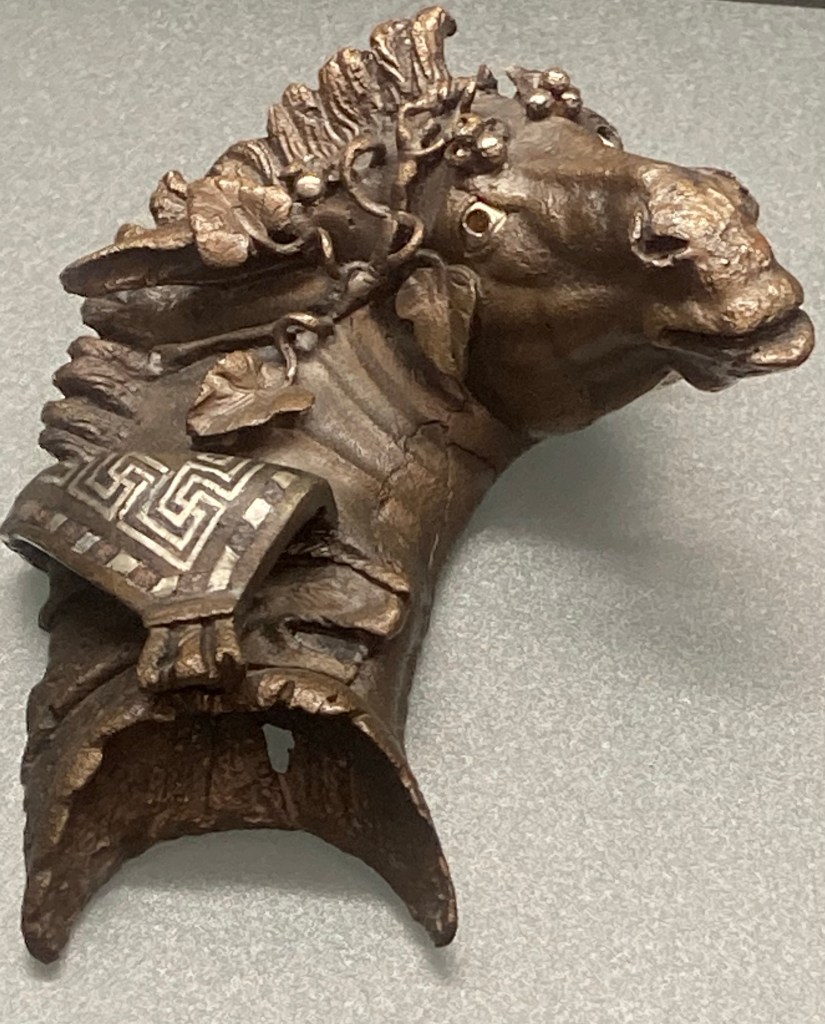
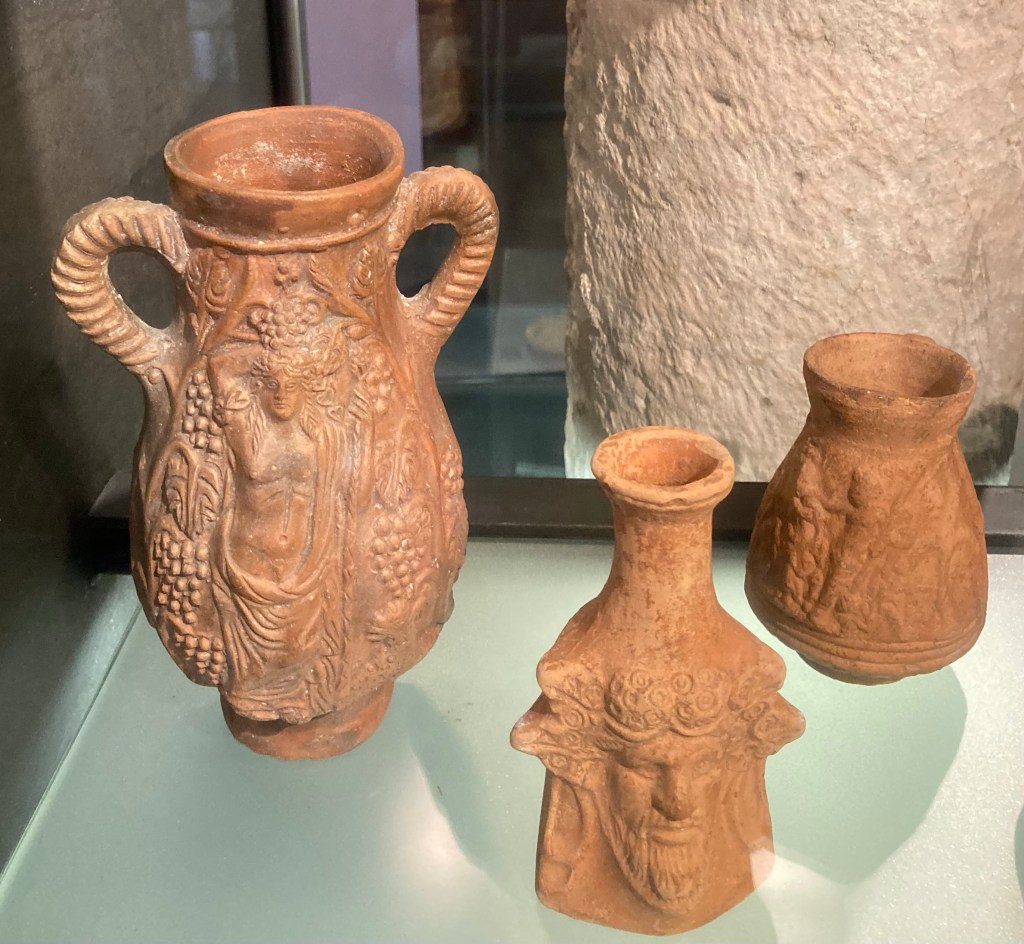
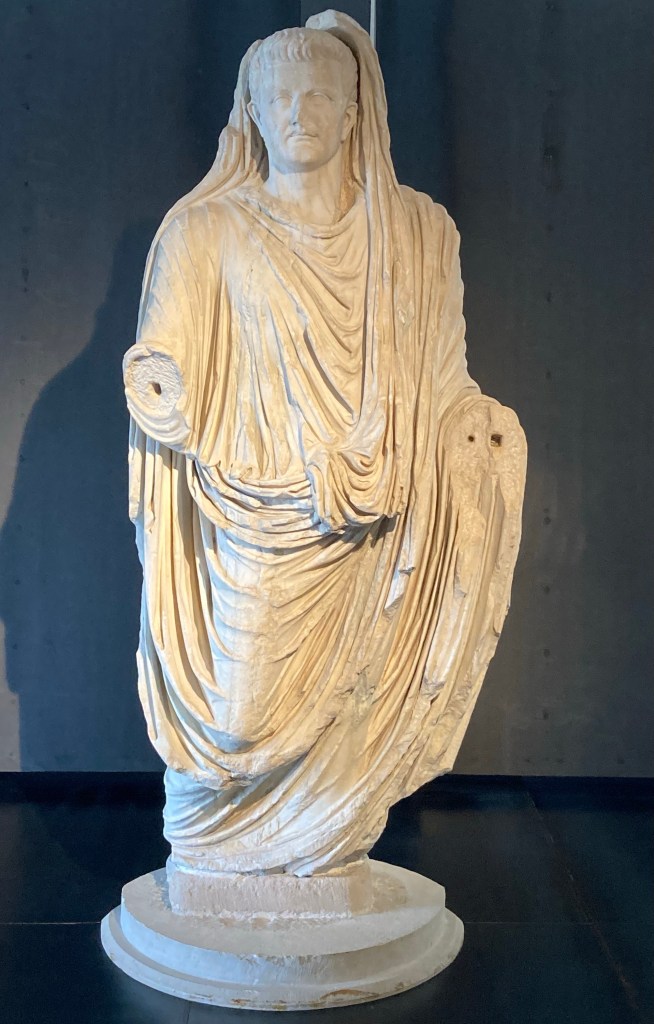
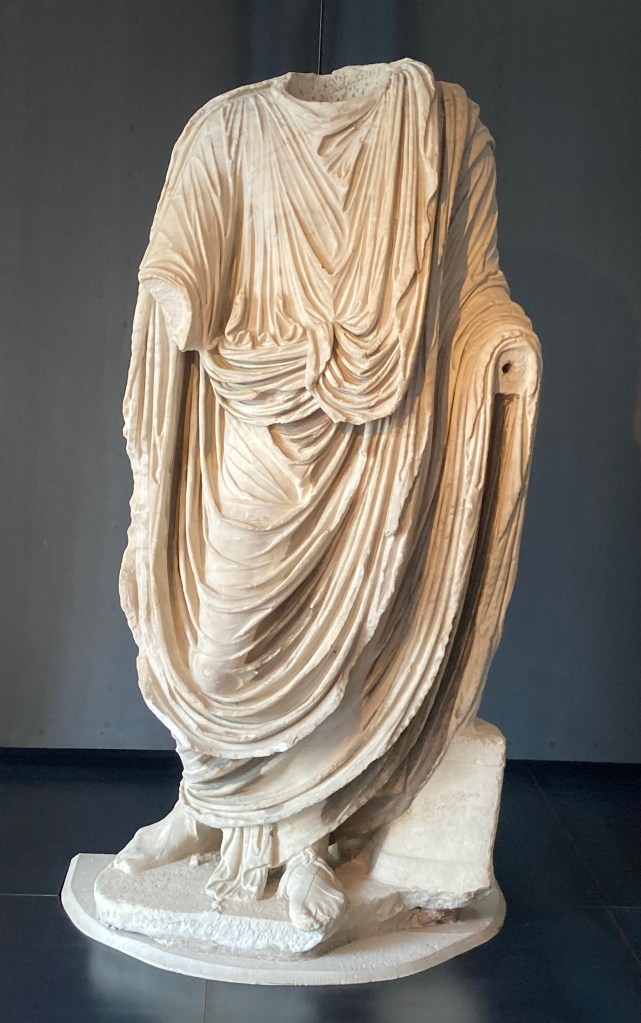
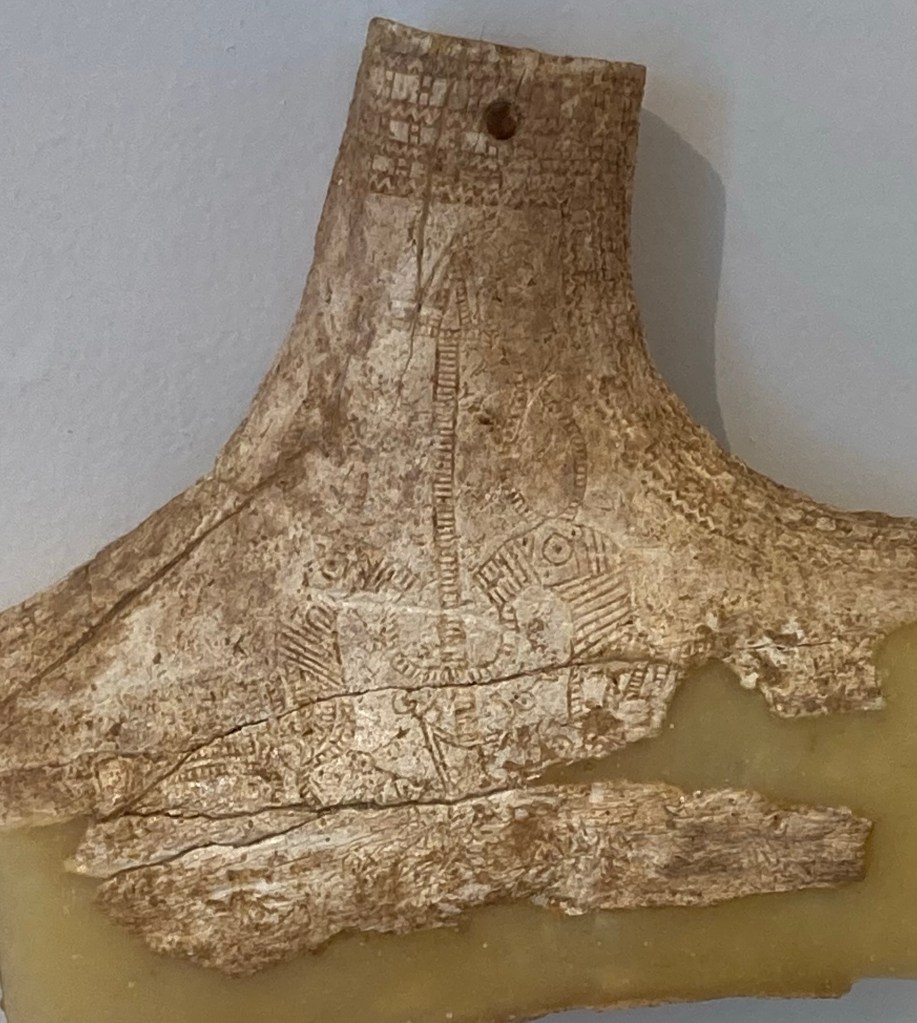
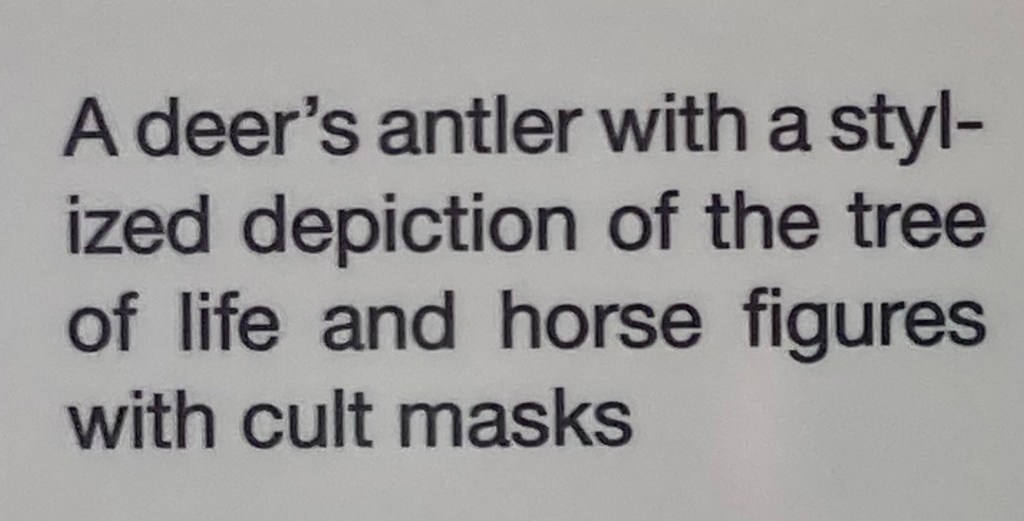
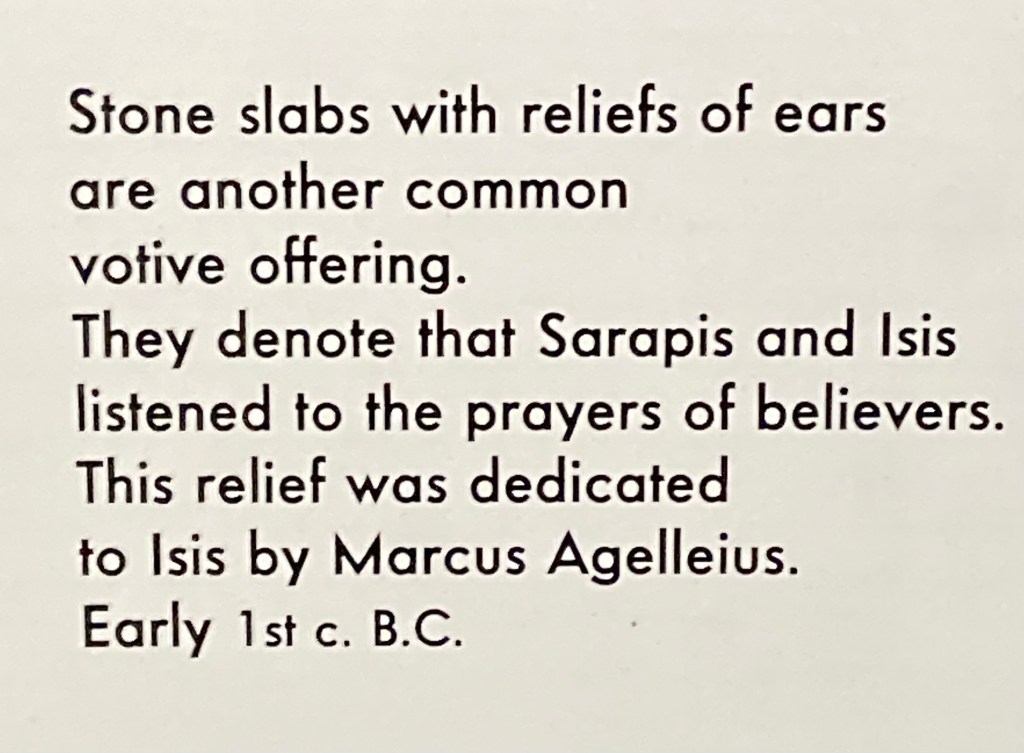
One of the finest collections of Greek artefacts is housed within the Thessaloniki museum the majority of which goes back to the sixth century BC.
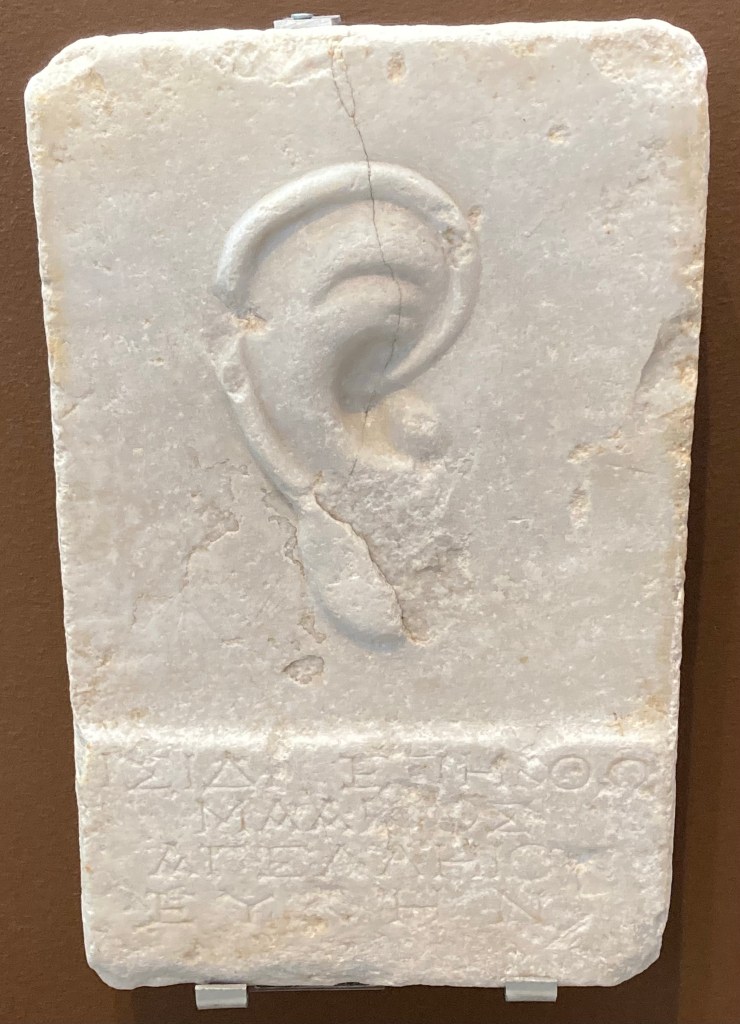
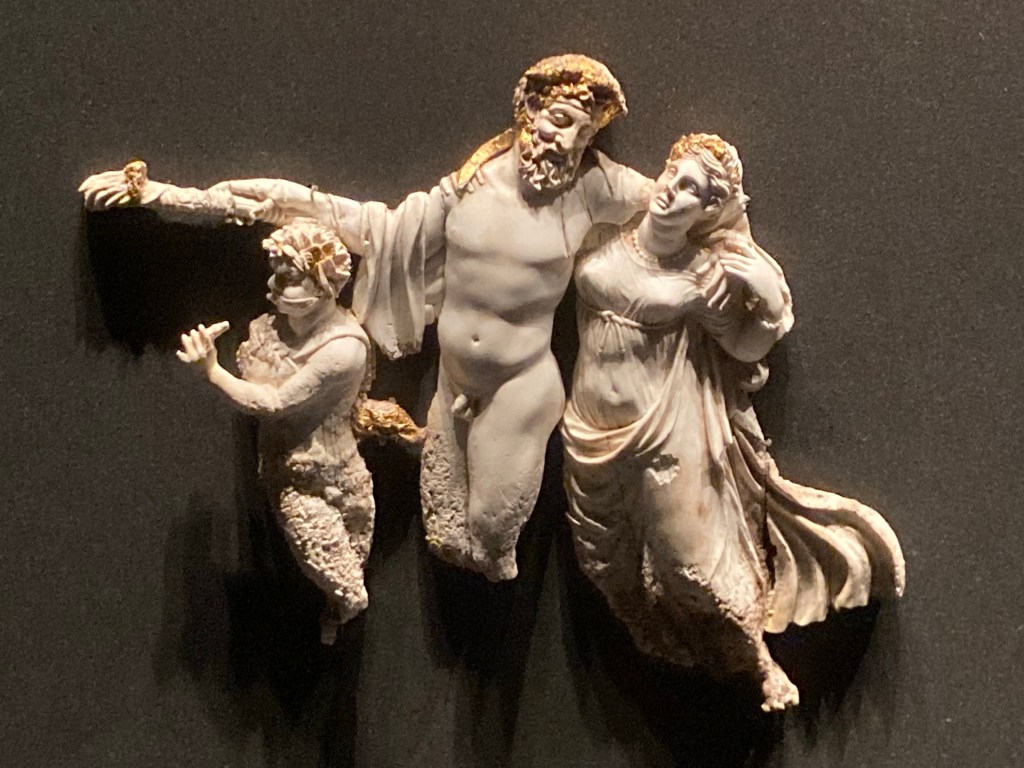
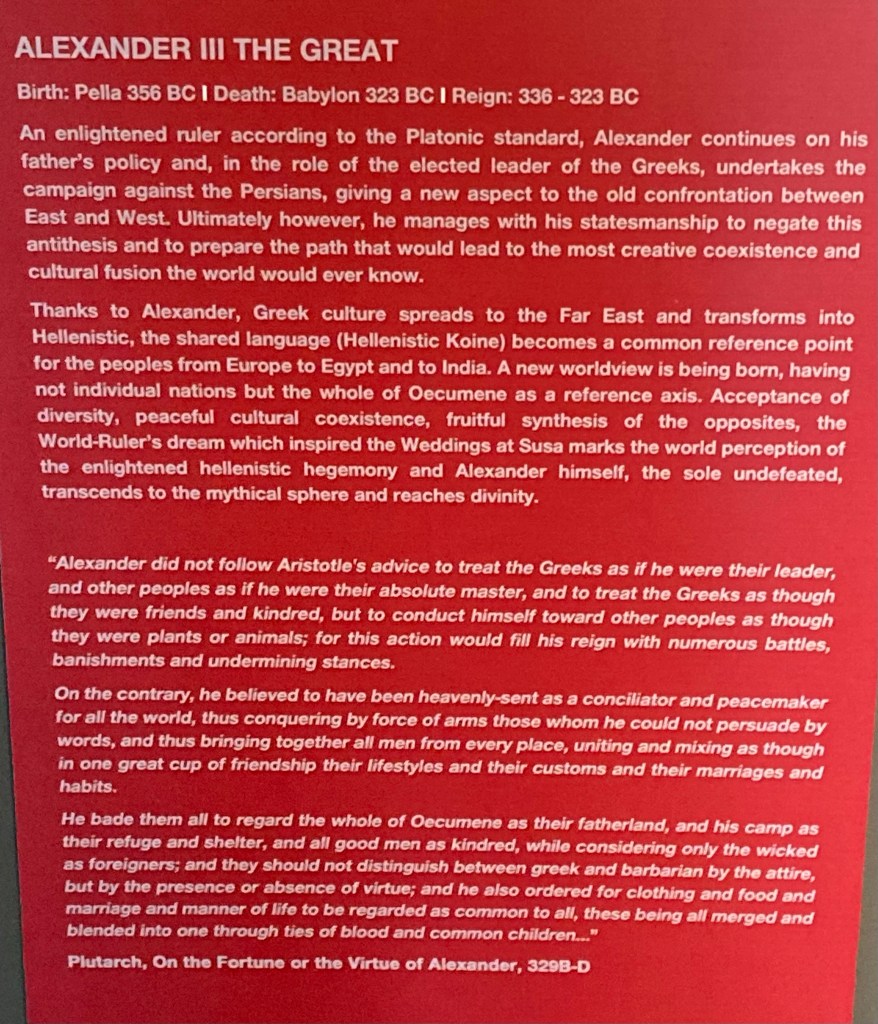
Tombs and Alexander the Great

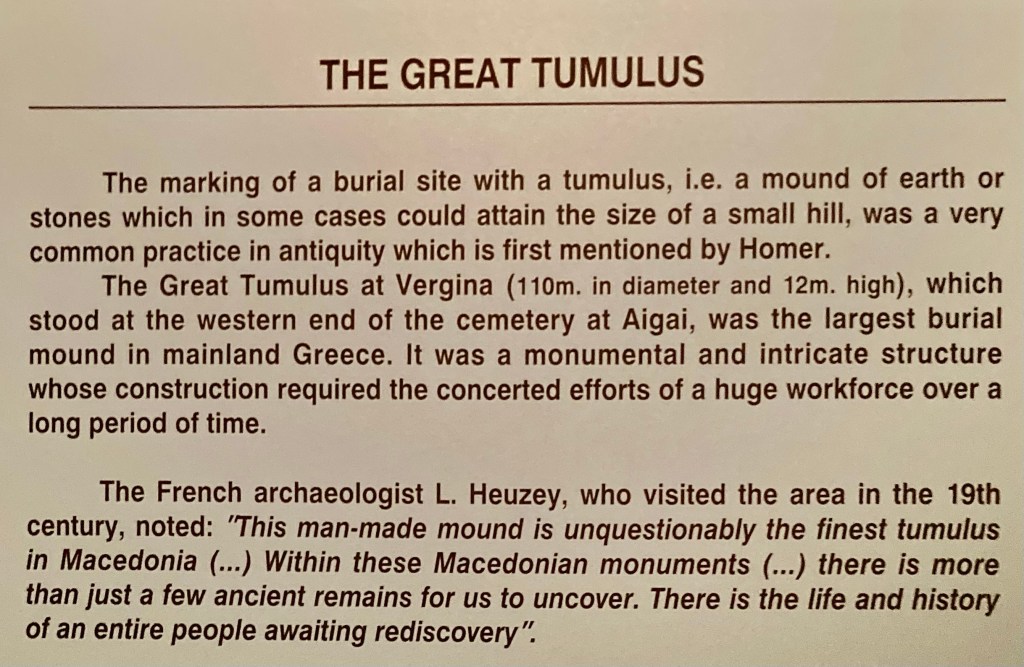
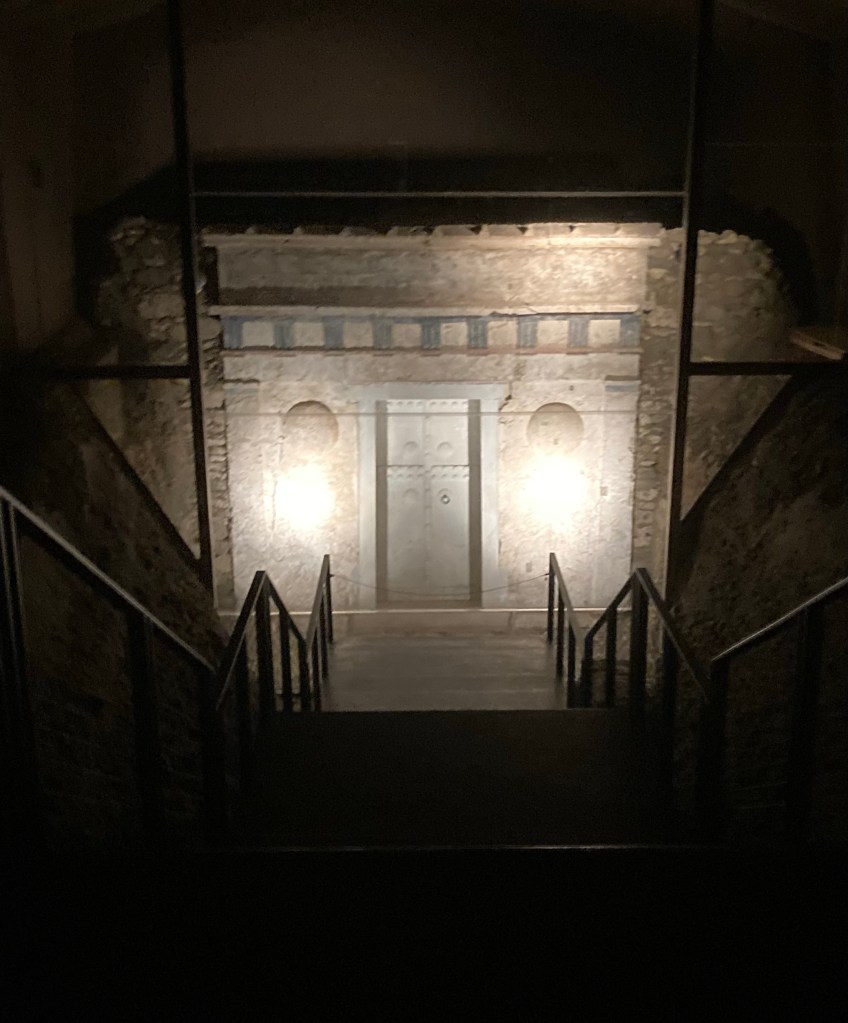
Vergina home to the tombs of the Macedon kings is a small rural village and one of the least likely places to find such a wealth of history. It’s ancient name was Aigia the first capital of Macedon although the capital was later transferred to Pella.

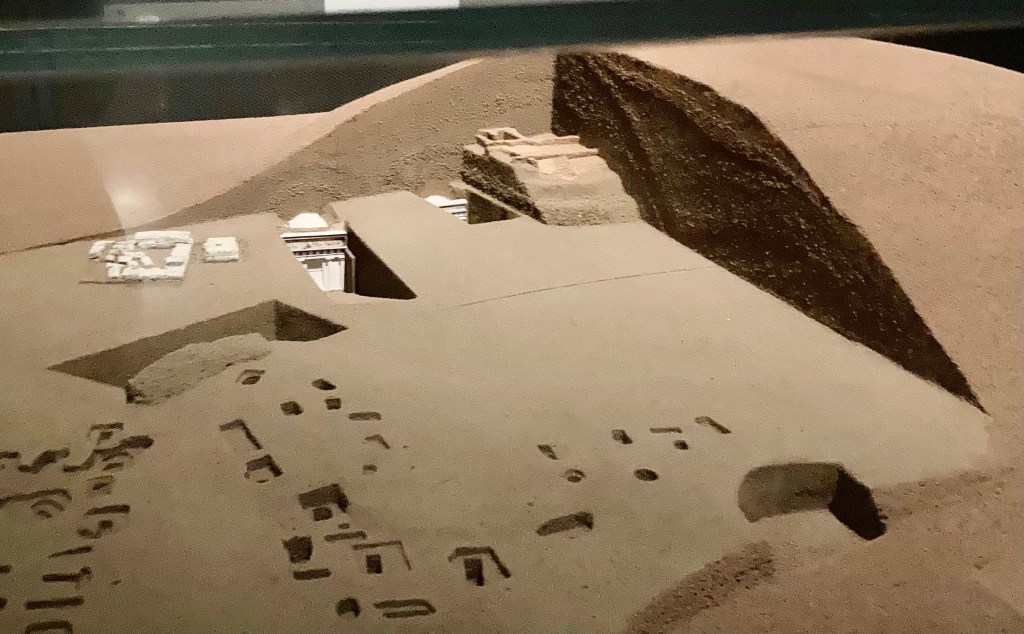
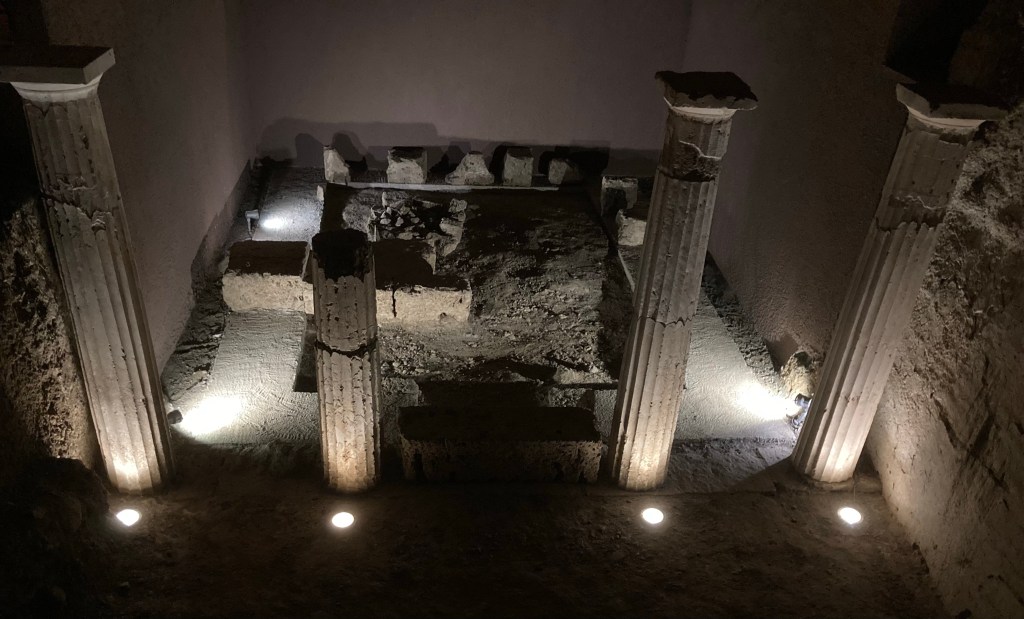
The practice of the Macedons was to bury their dead within elaborate tomb structures covered by mounds of earth resembling small hills along with artefacts both personal and practical for use in the afterlife.

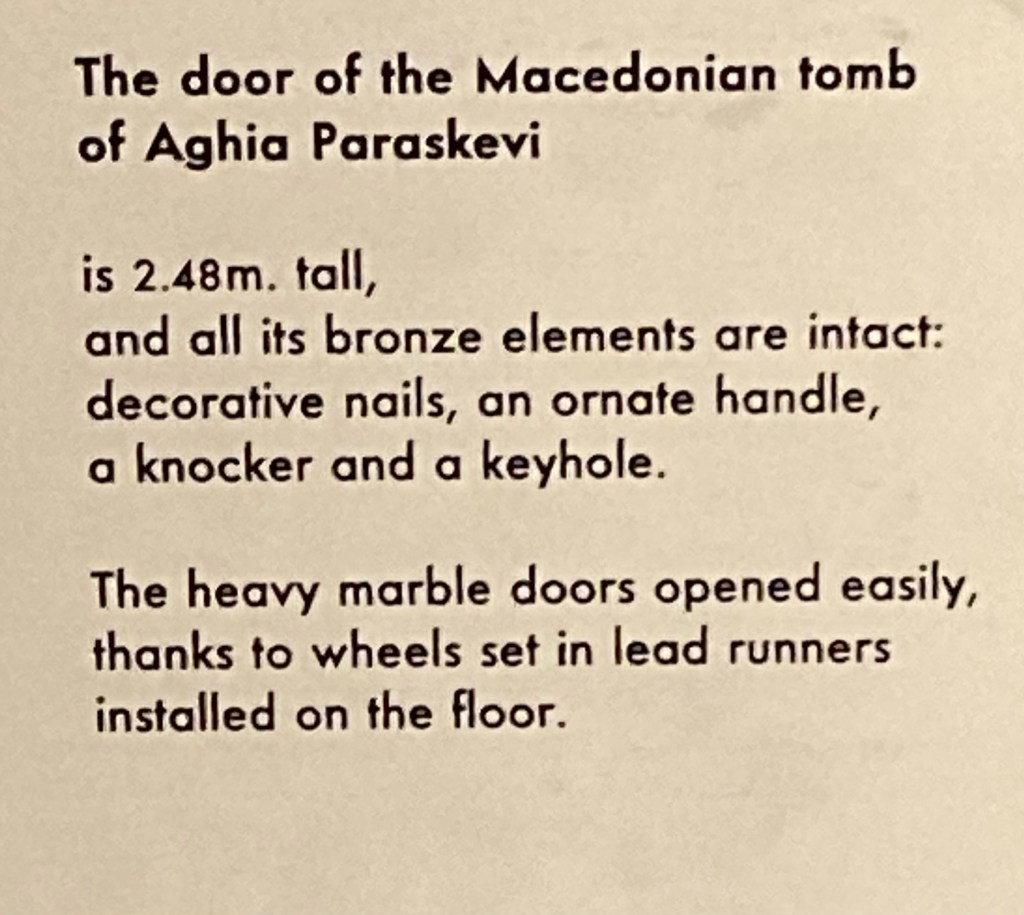
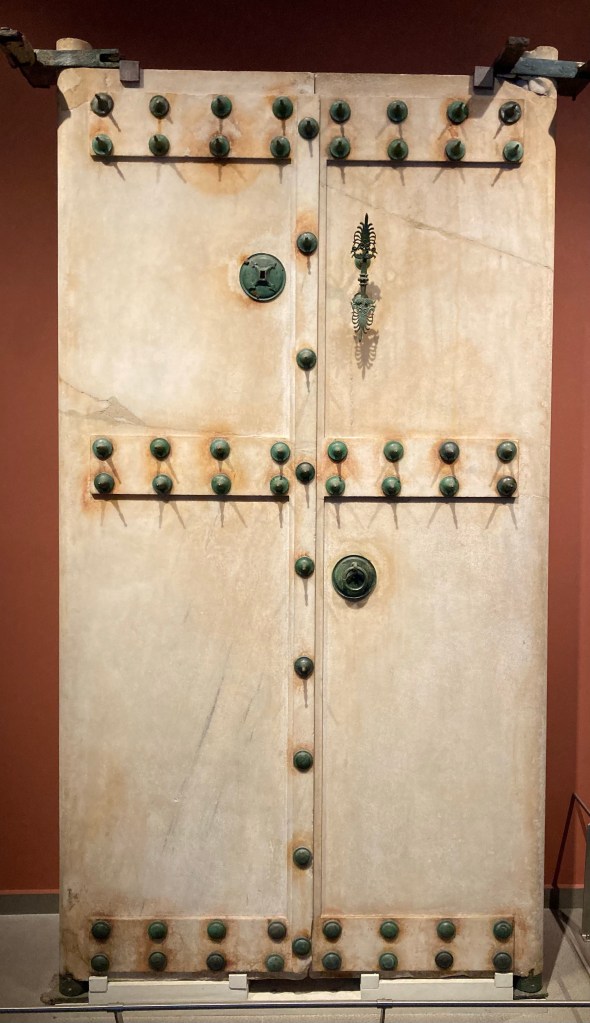
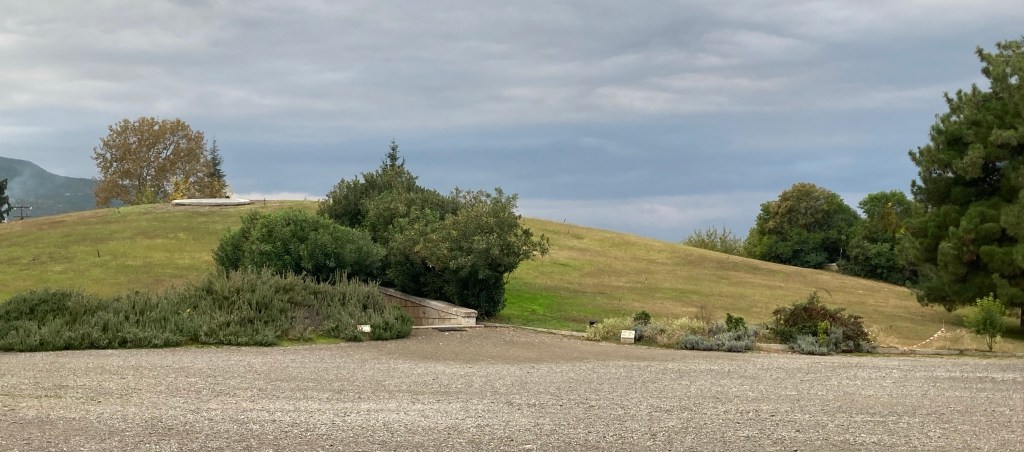
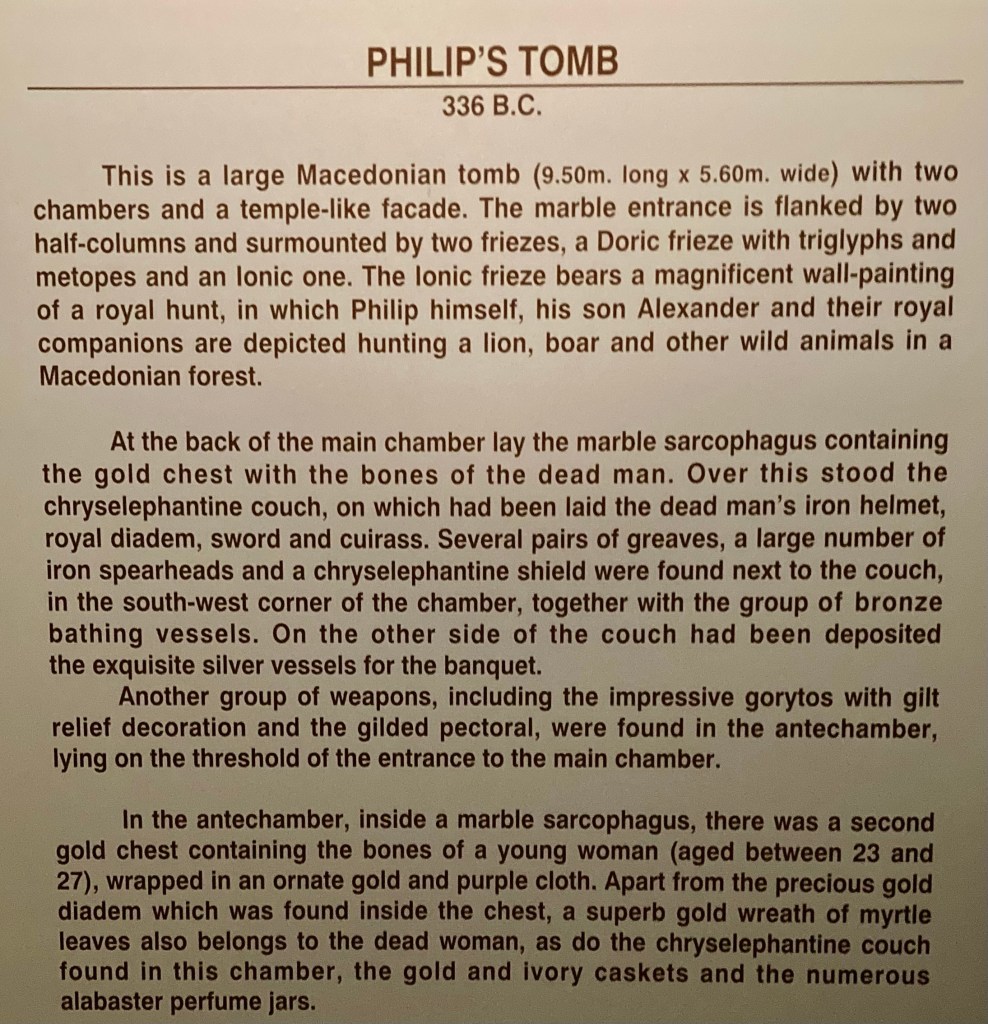
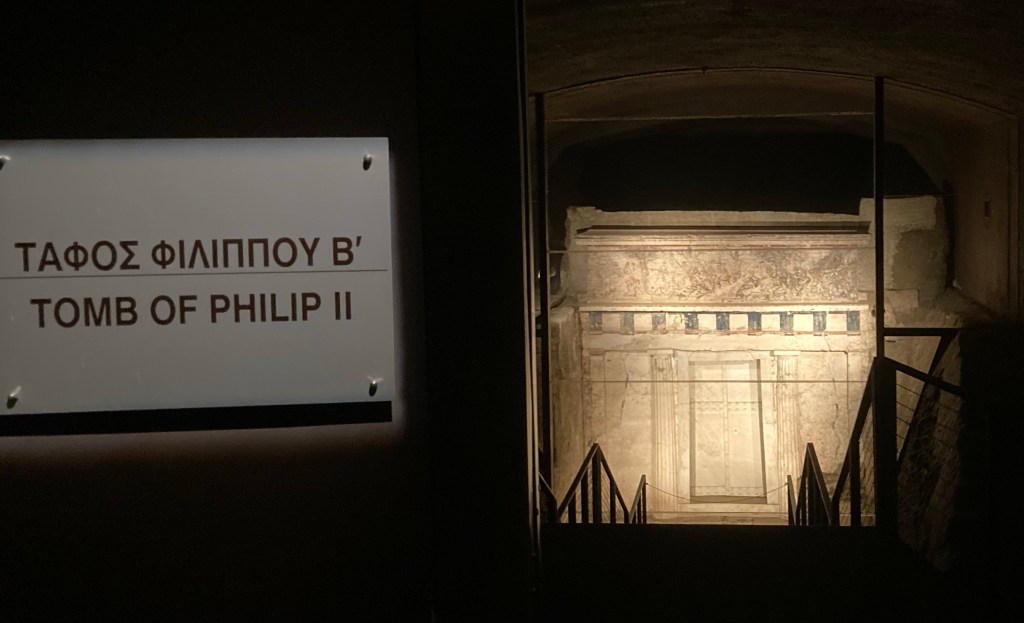
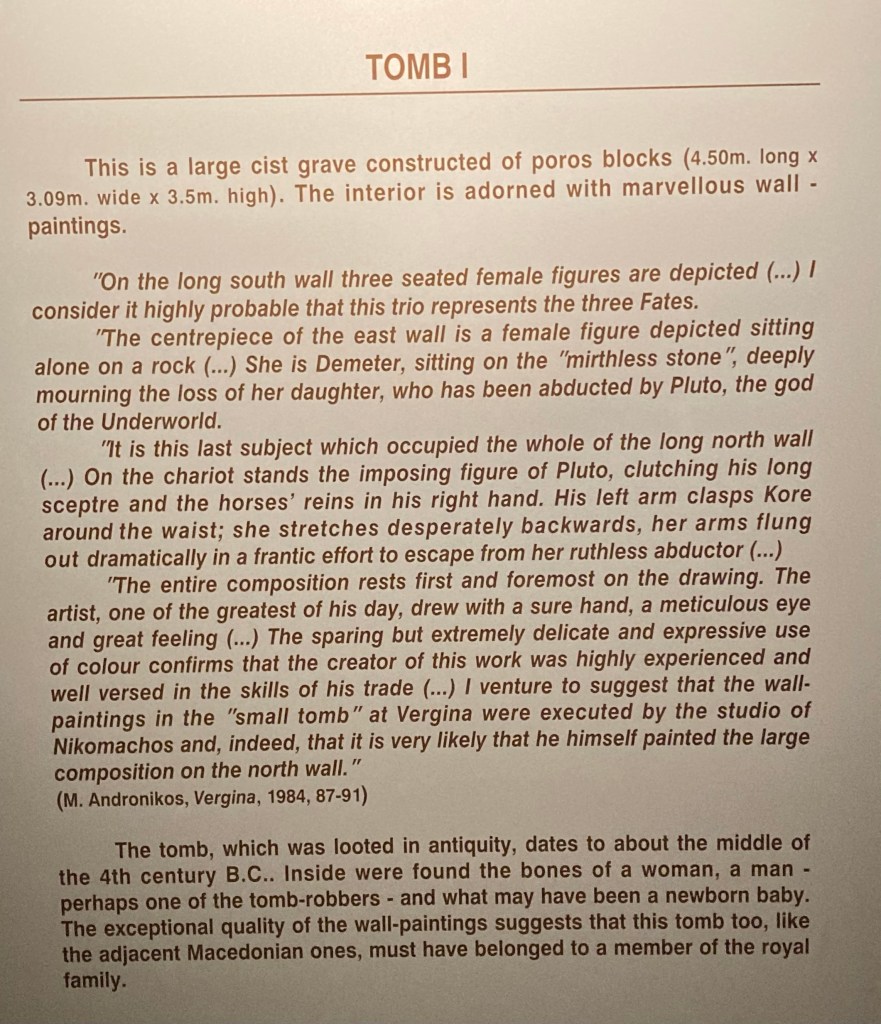
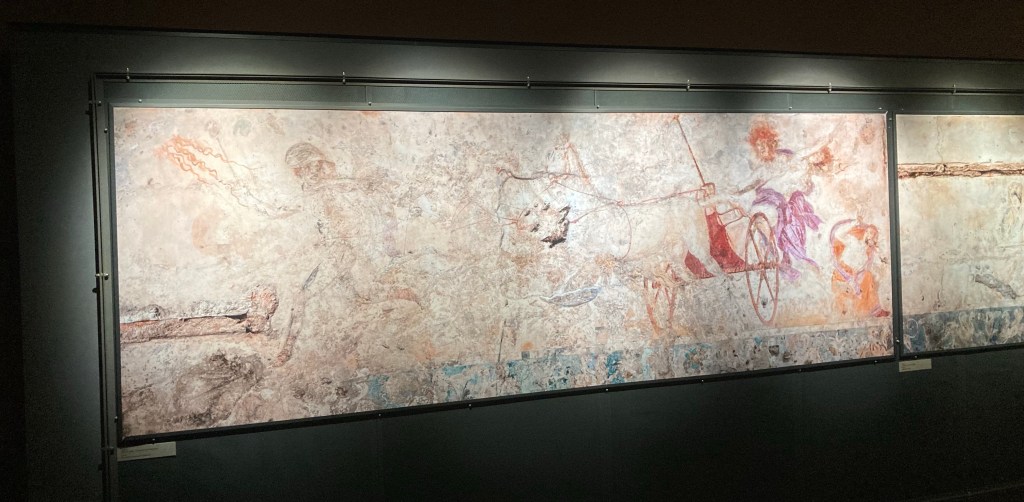
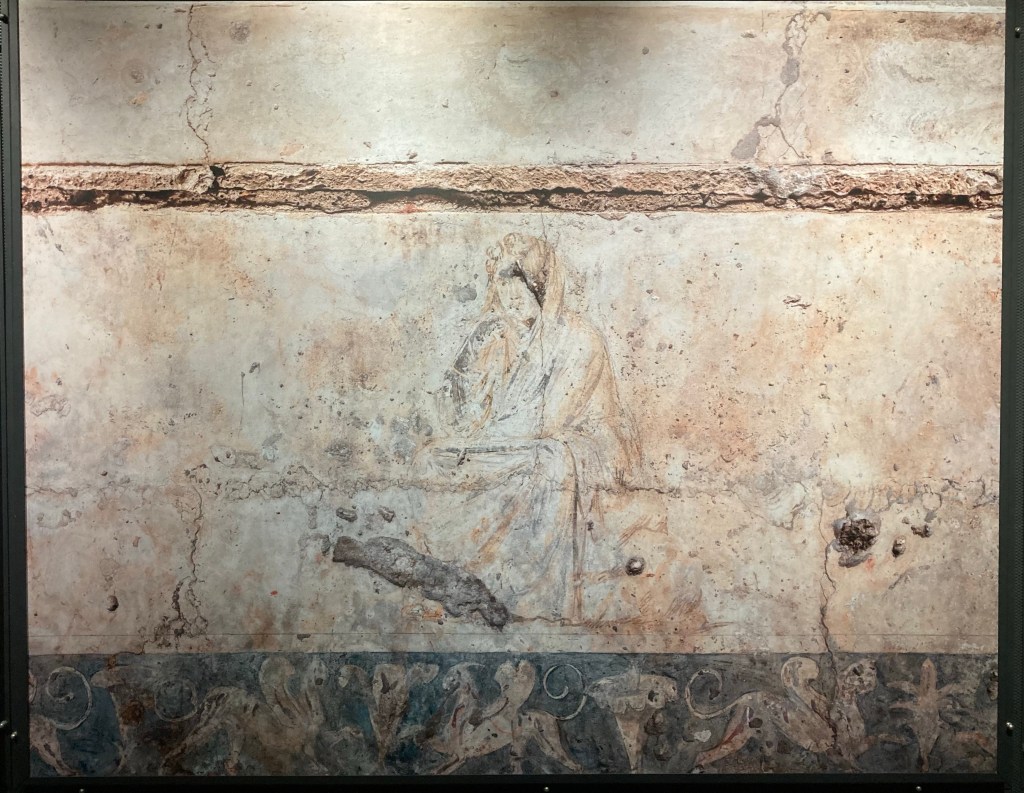
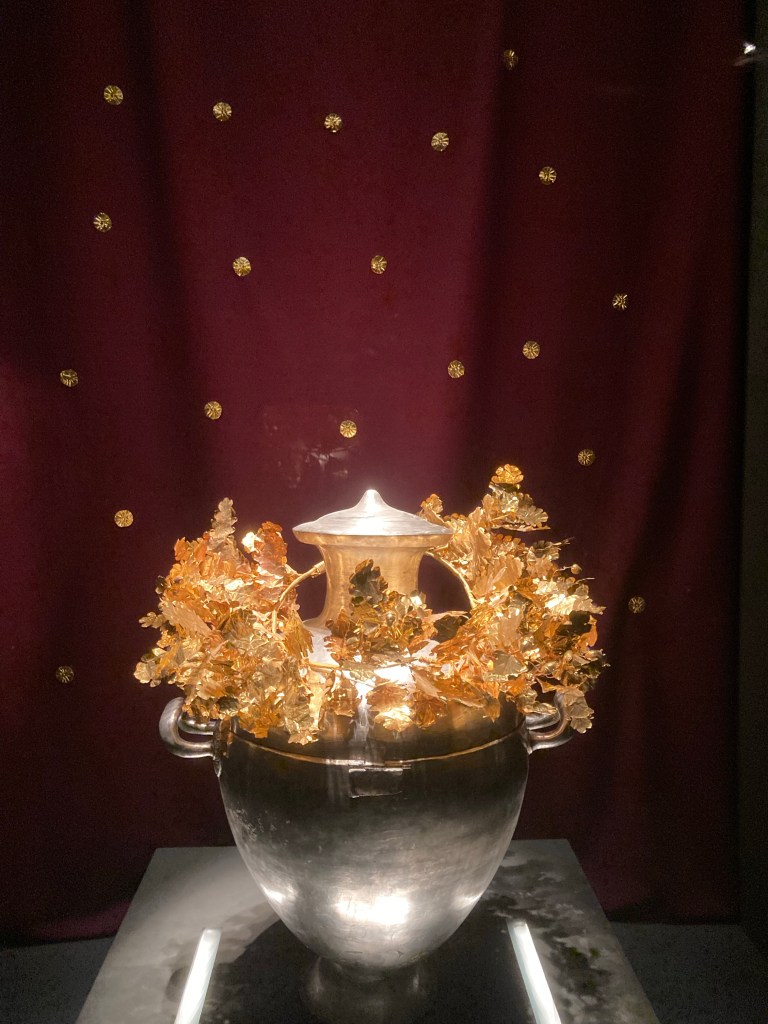
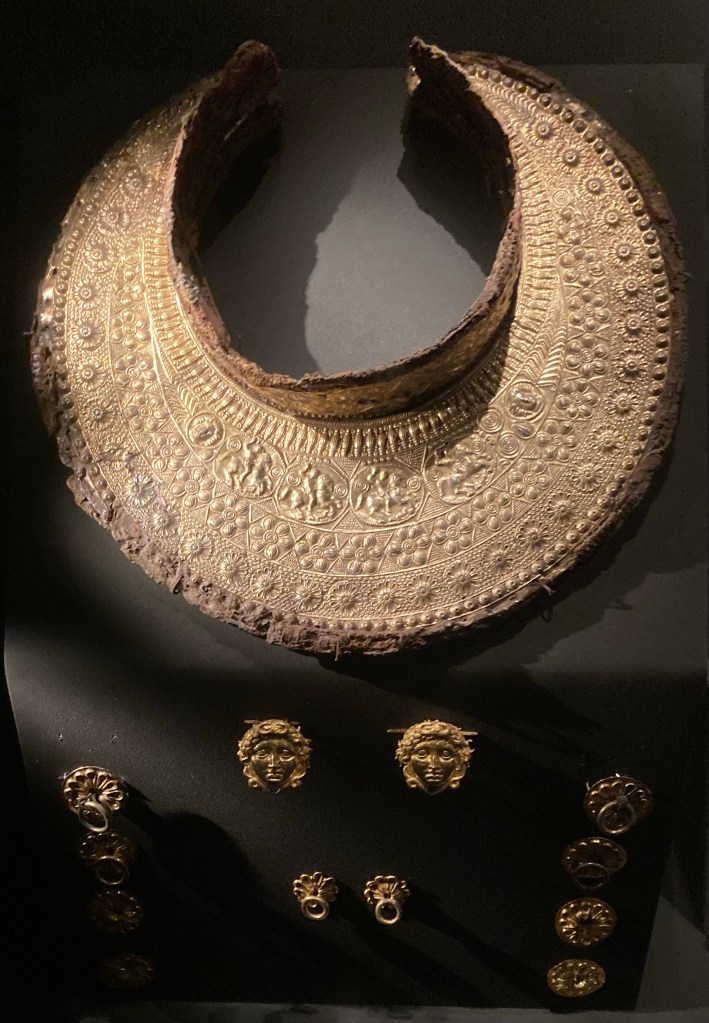
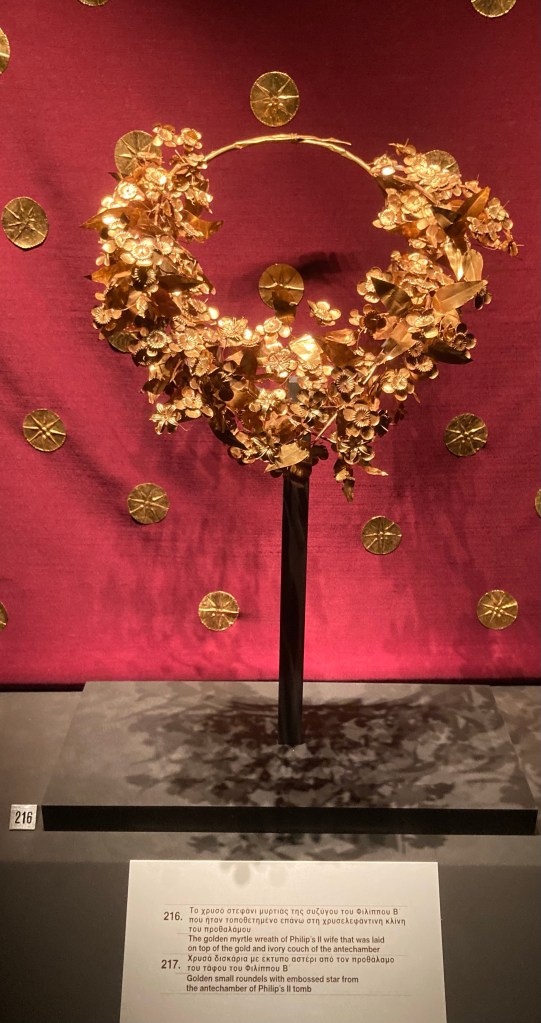
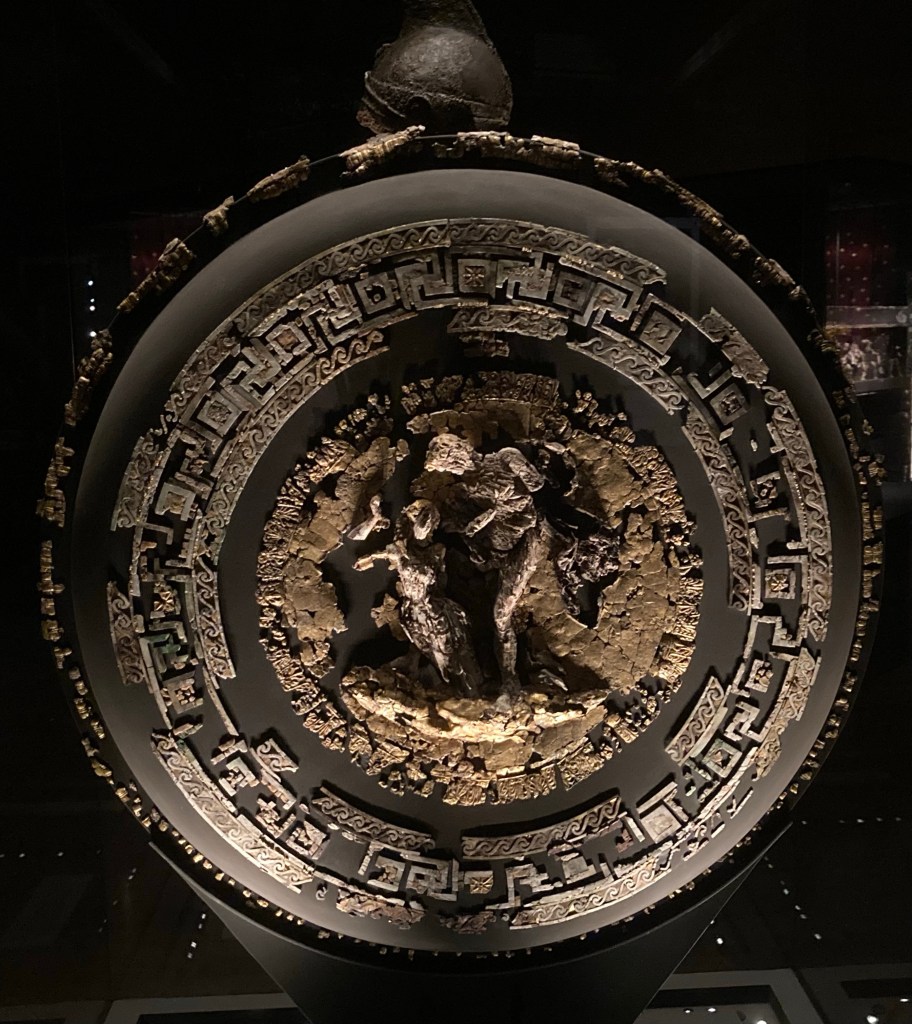
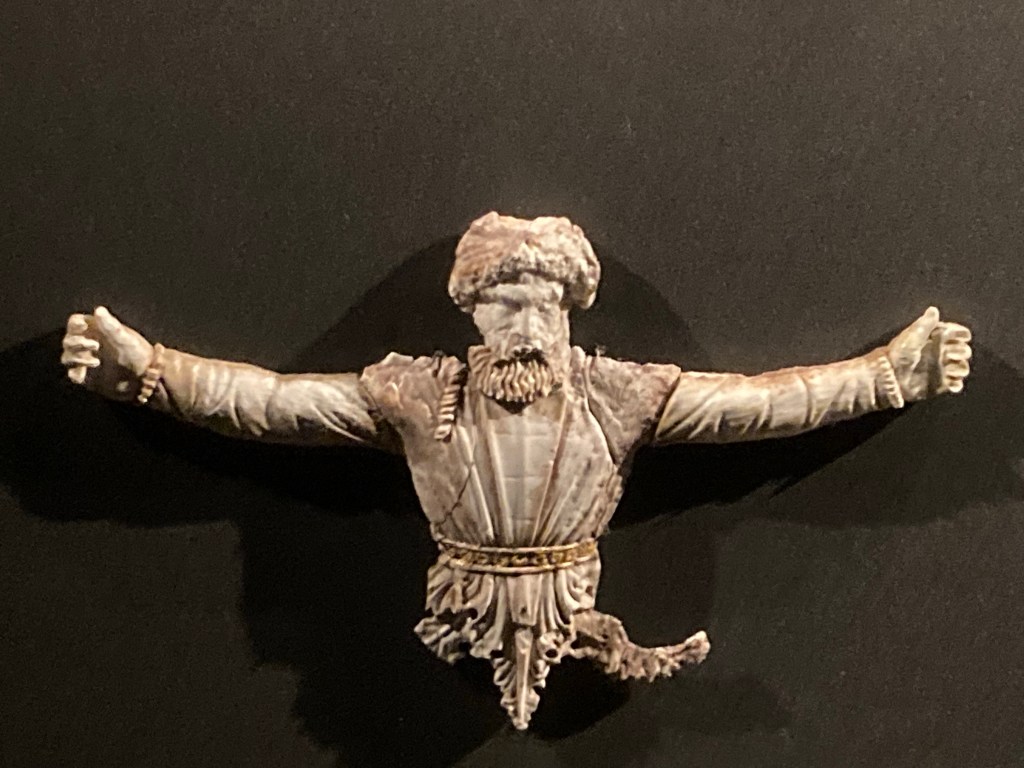
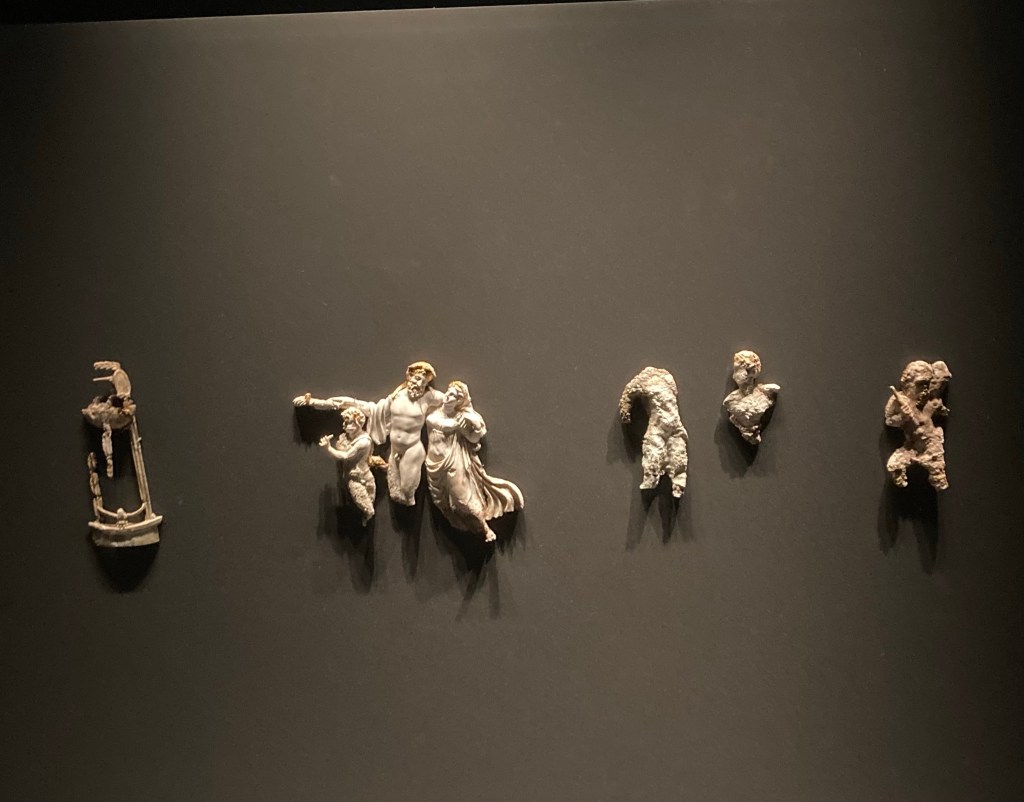
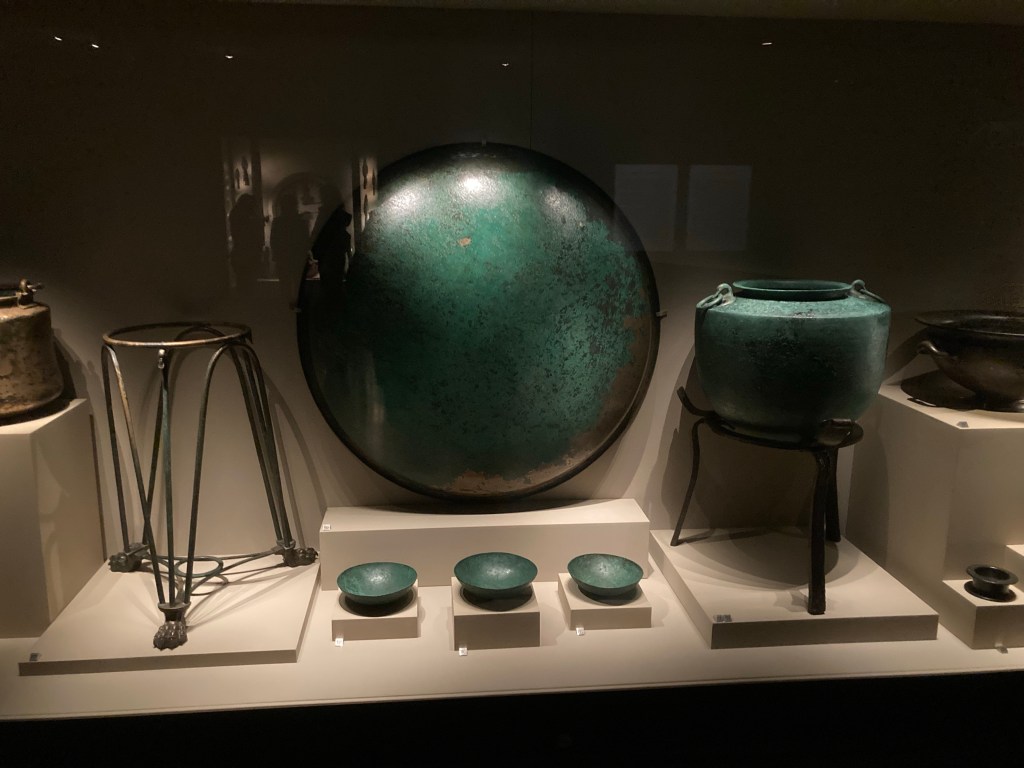
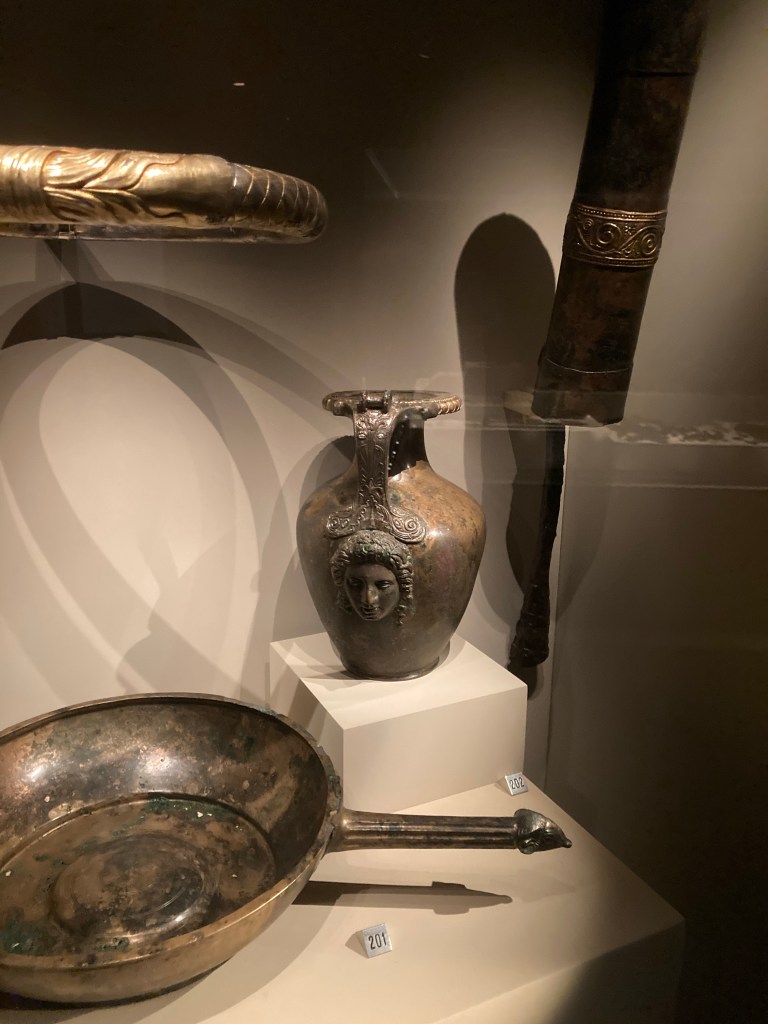
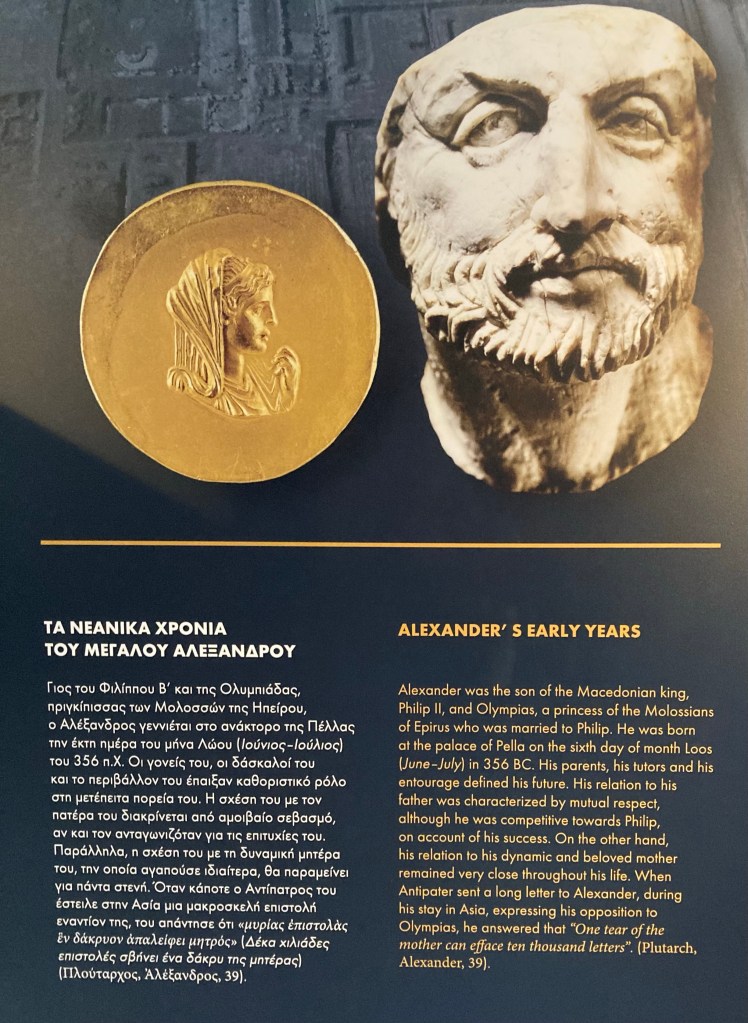
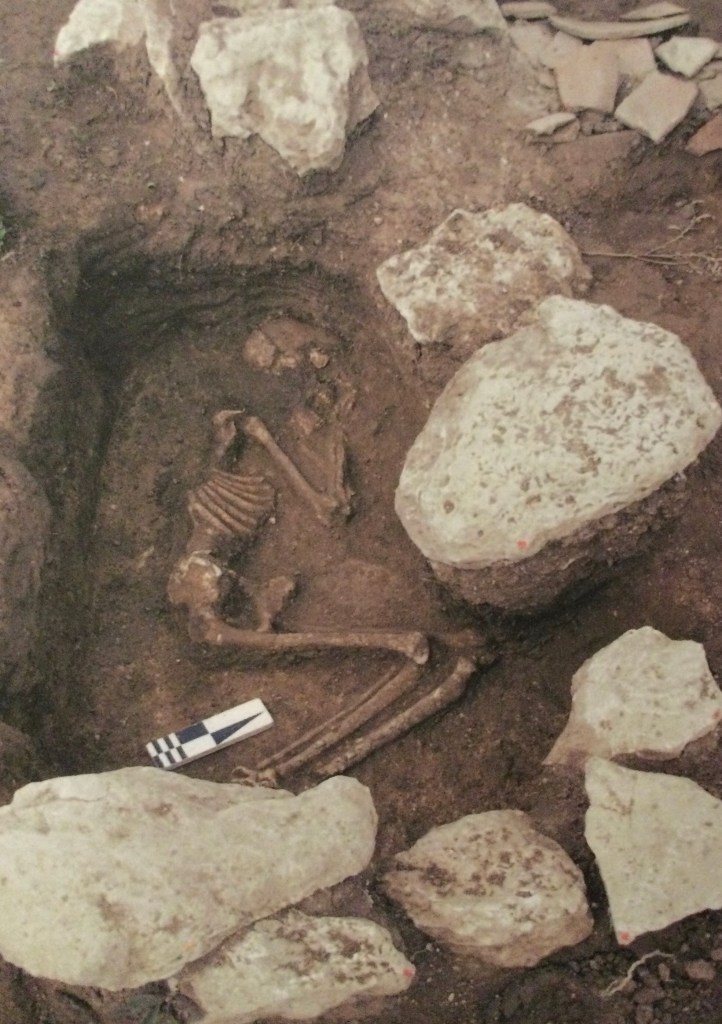
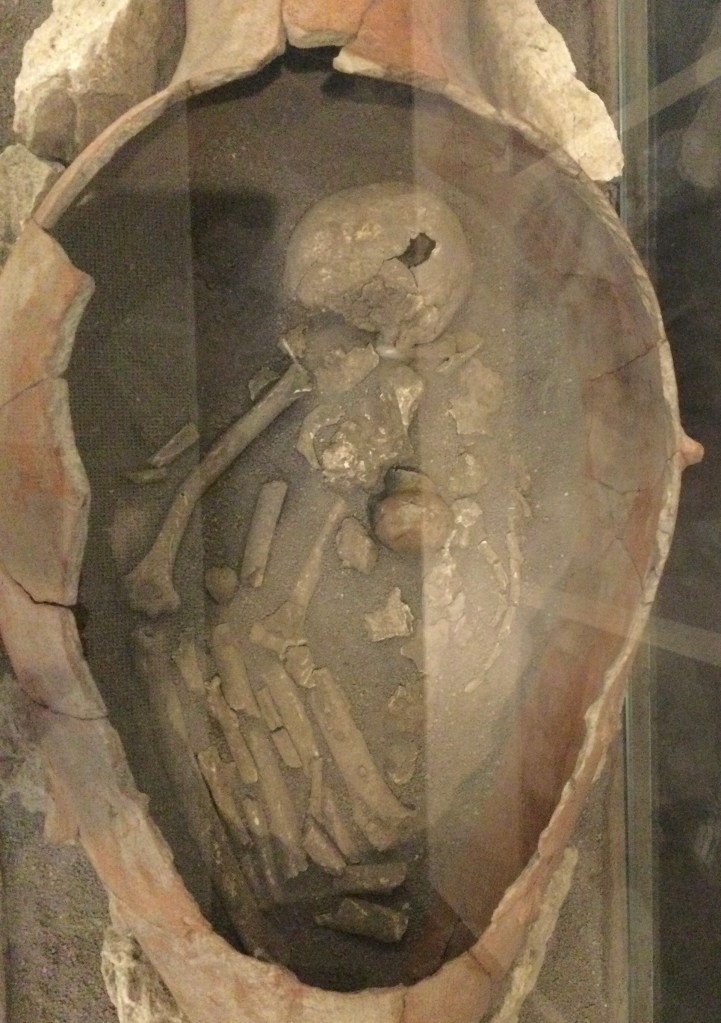
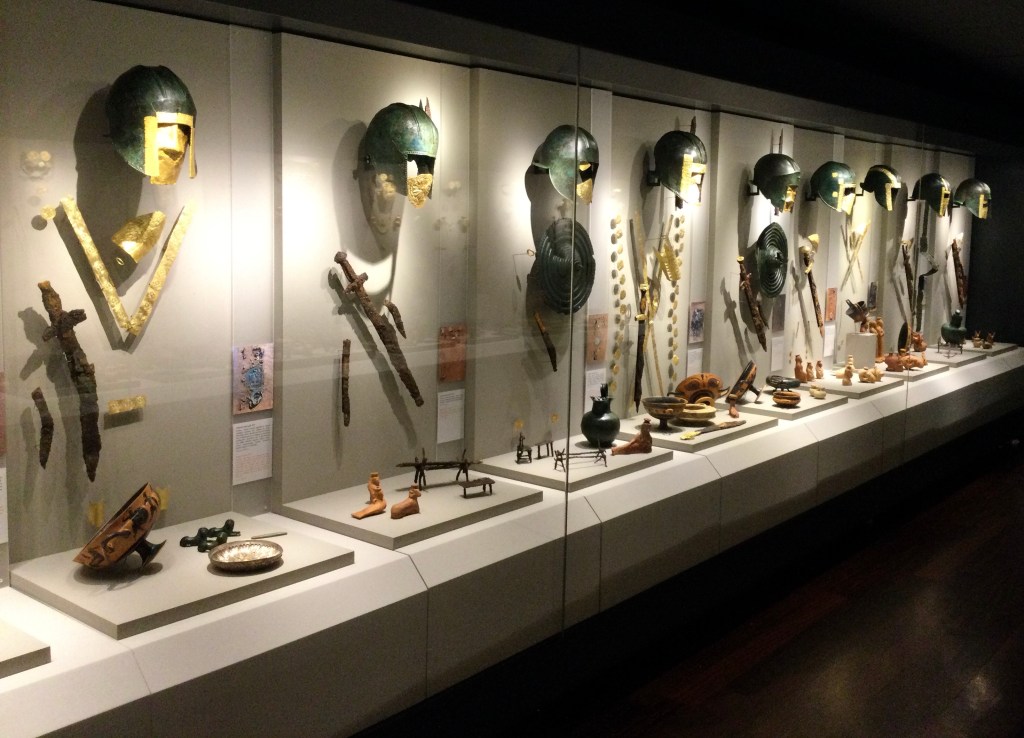
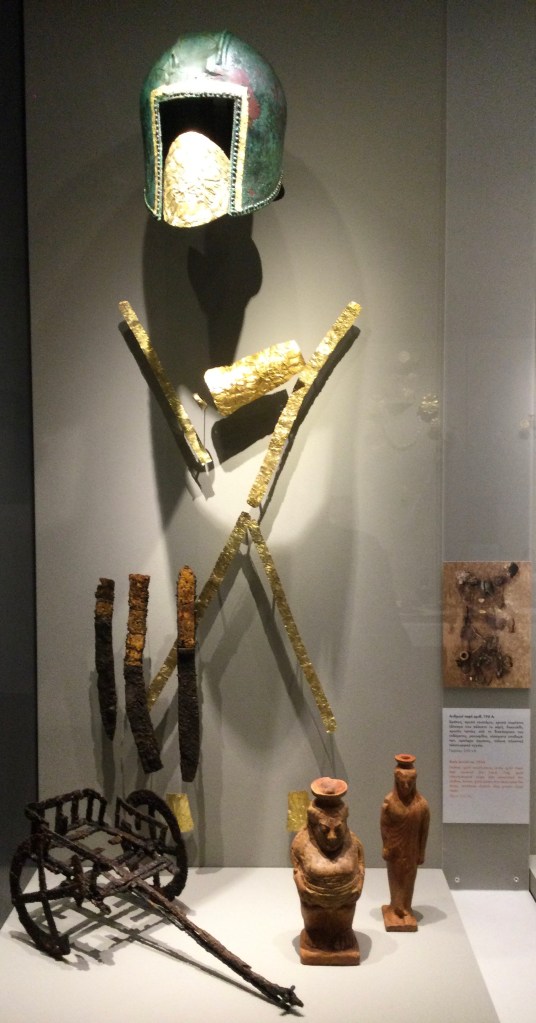
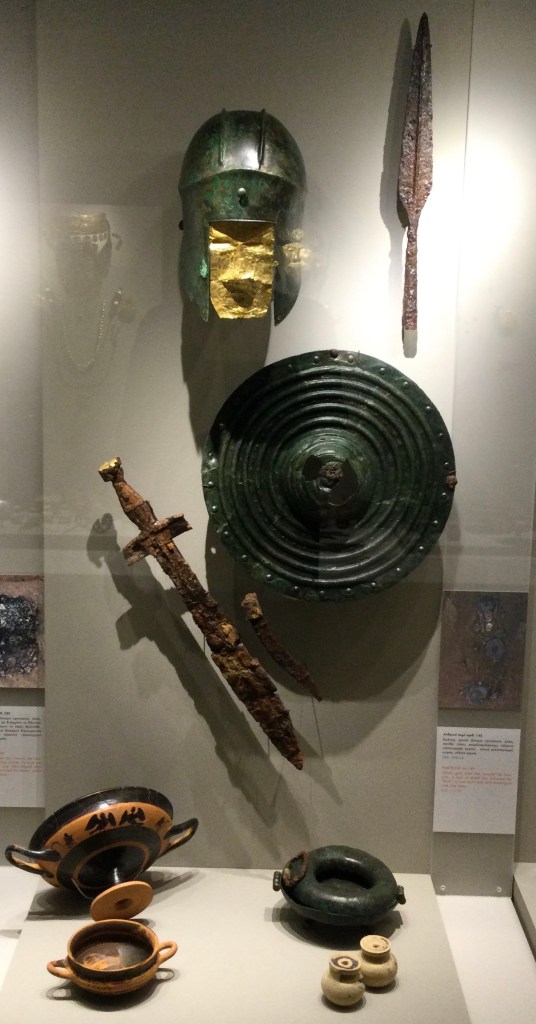
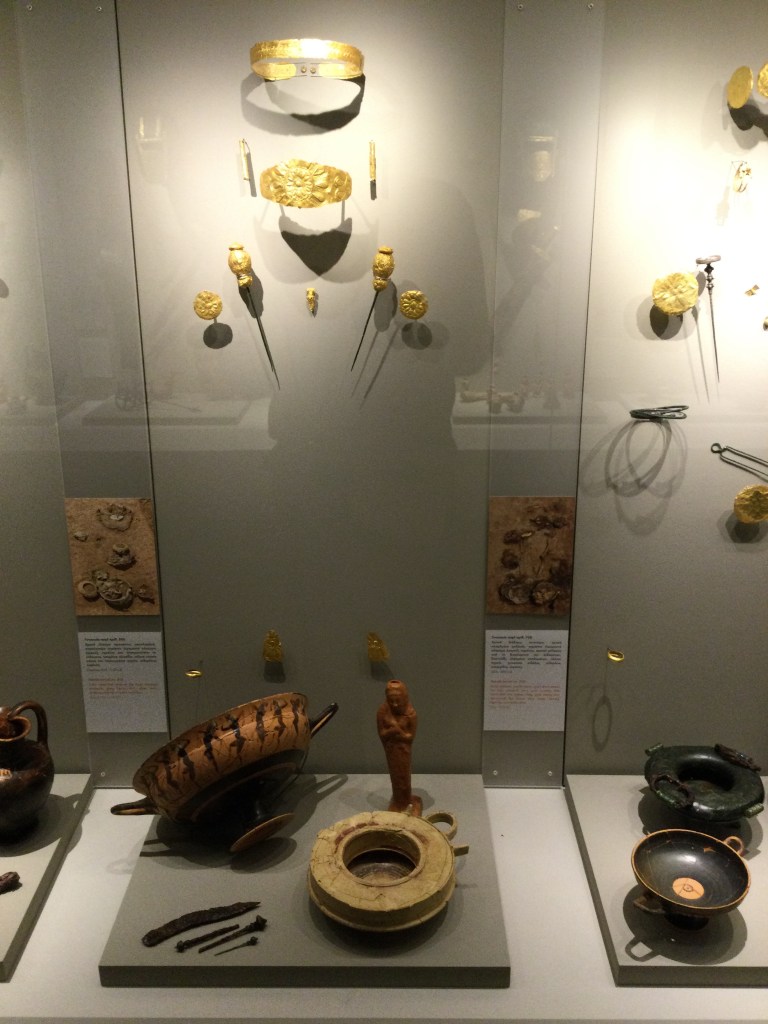
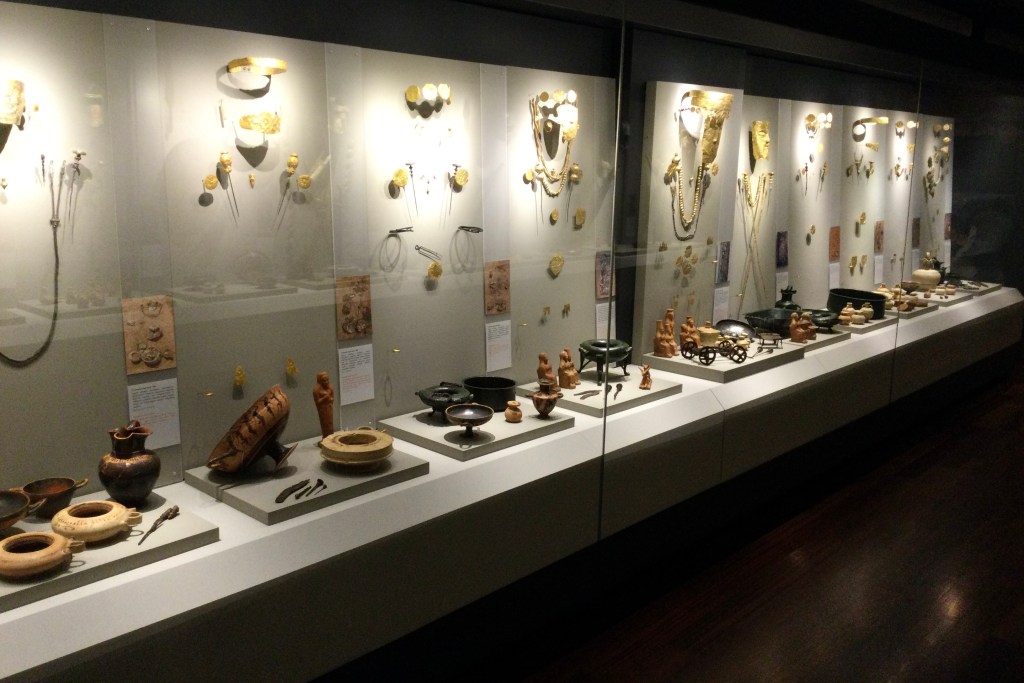
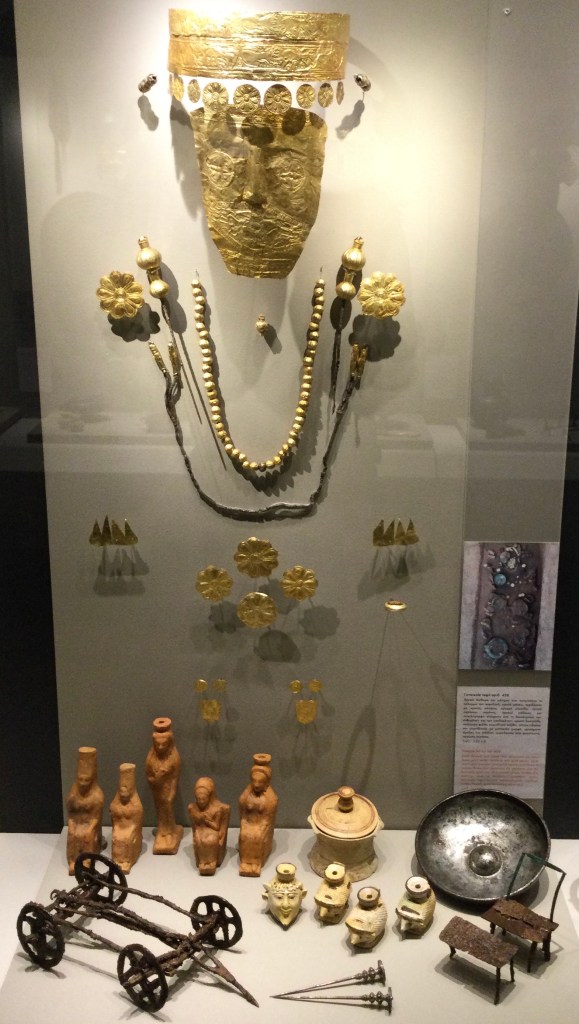
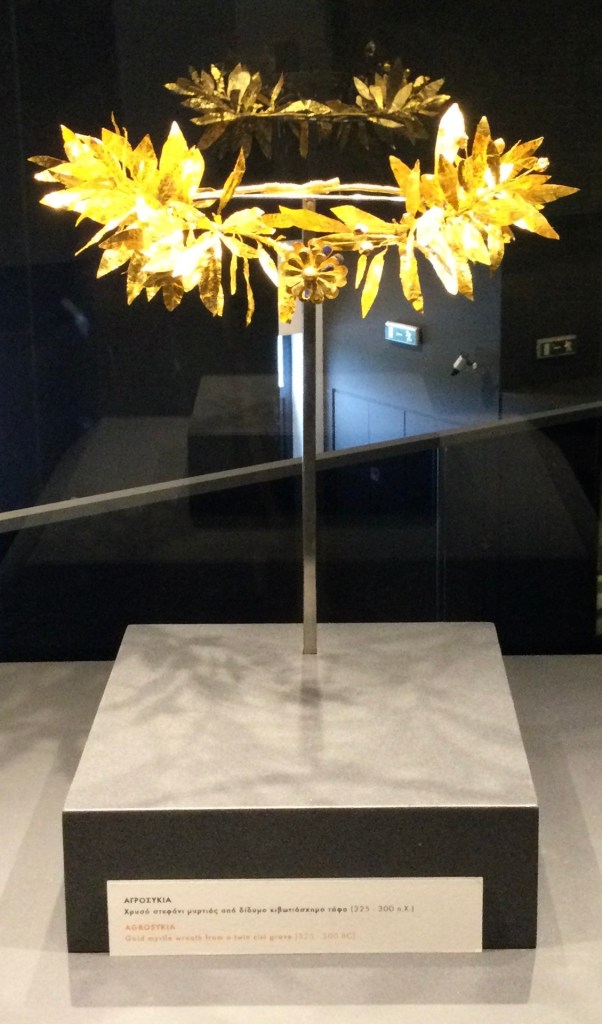
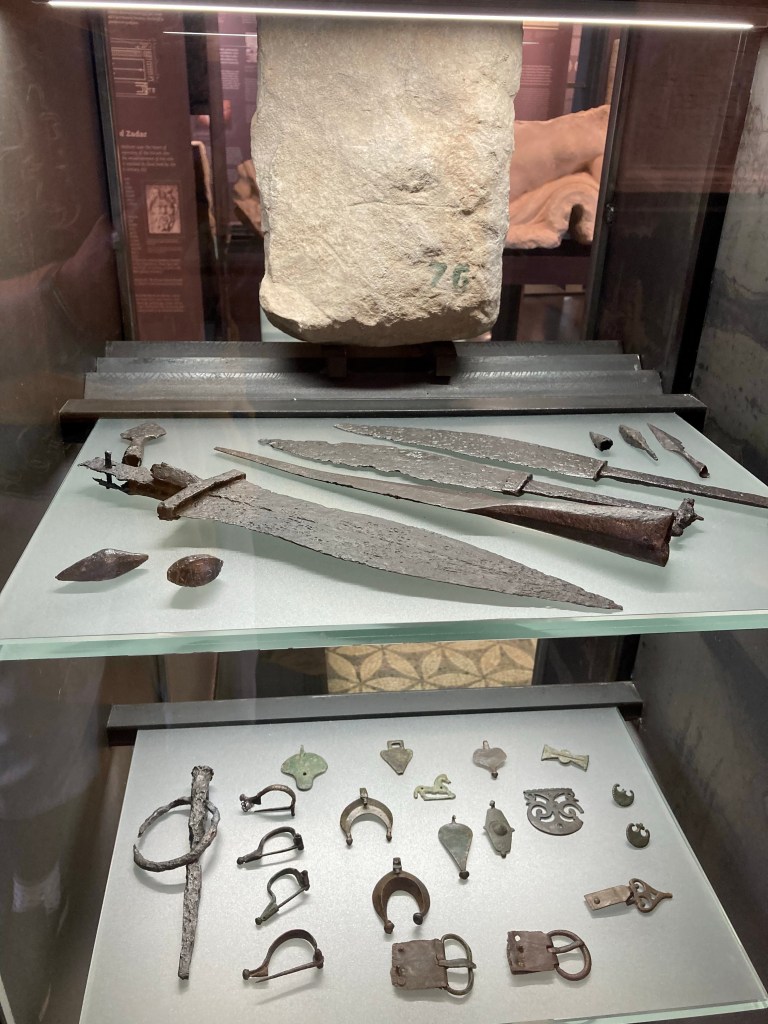
The tomb was that of Philip the second and his son Alexander the Great reconstructed as a museum that mimics the original mound prior to its excavation.The artefacts discovered were in pristine condition and included the elaborate gateways to the individual burial chambers, their armour and individual items buried with them.Other discoveries excavated within the local area were also on display and these included individual headstones, skeletal remains and items found within the graves all of which contributed to the awe inspiring display. Ongoing archaeological excavations have discovered over a thousand graves including burial clusters of royal women, earlier kings and commoners dating back to the Iron Age, revealing the extent of the ancient capital which had covered some 6,500 hectares.

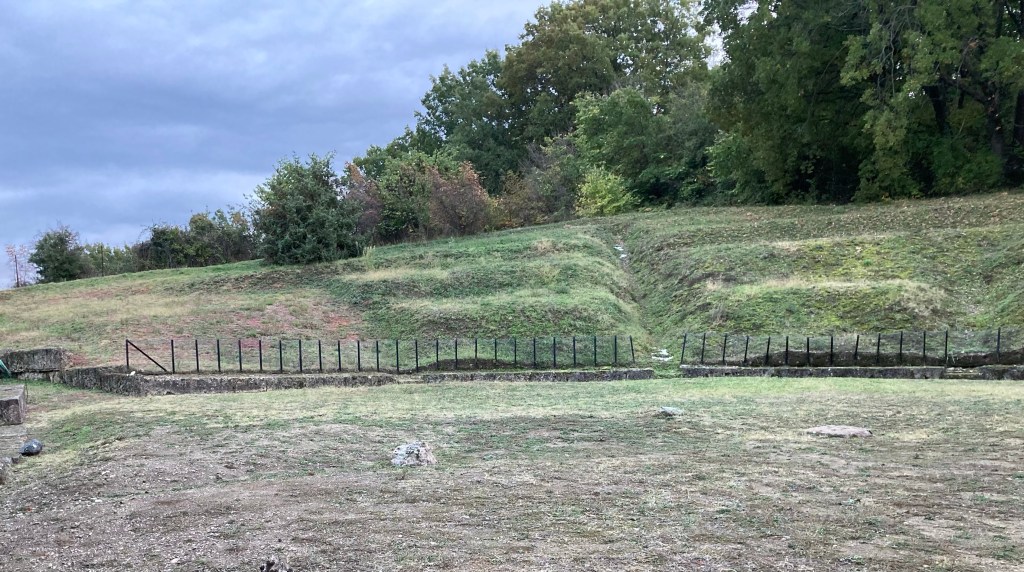
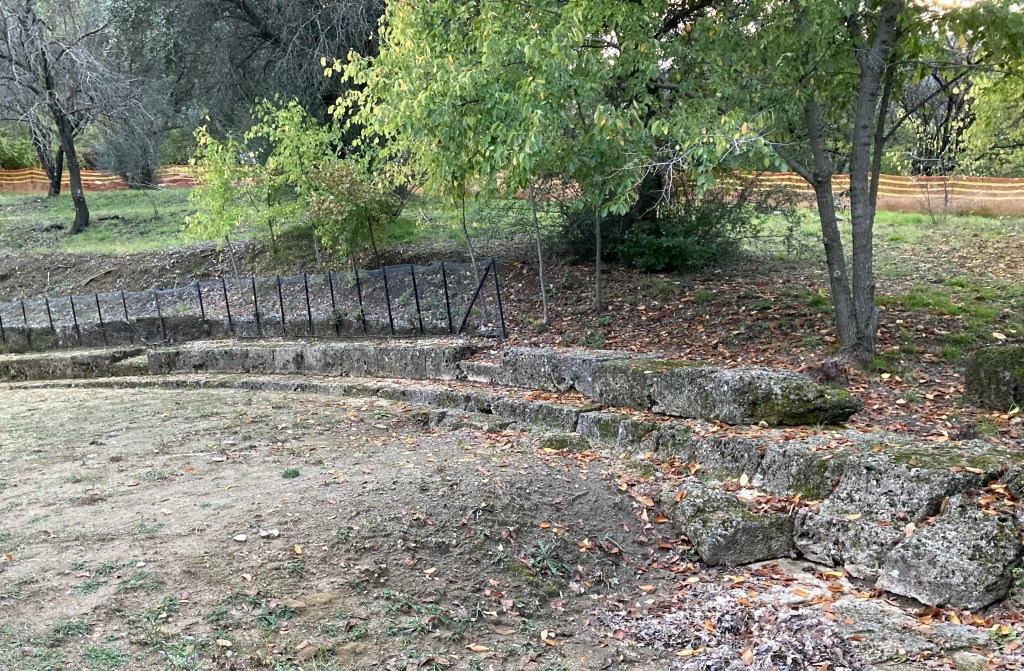
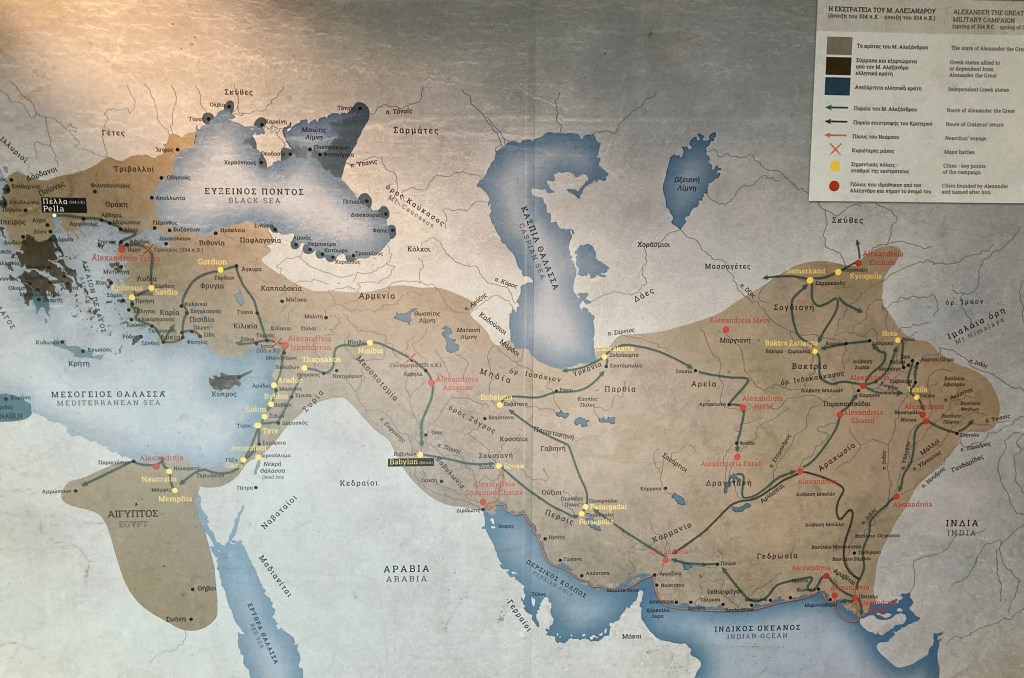
After visiting the museum we walked to the surrounding archaeological sites which included the small theatre arena where Philip was assassinated at his daughters wedding by one of his bodyguards hence making way for Alexander’s kingship. Alexander went on to conquer the Persian empire within eleven years but died in mysterious circumstances aged thirty two. Unfortunately King Philip’s palace was still under excavation and therefore closed to the public.

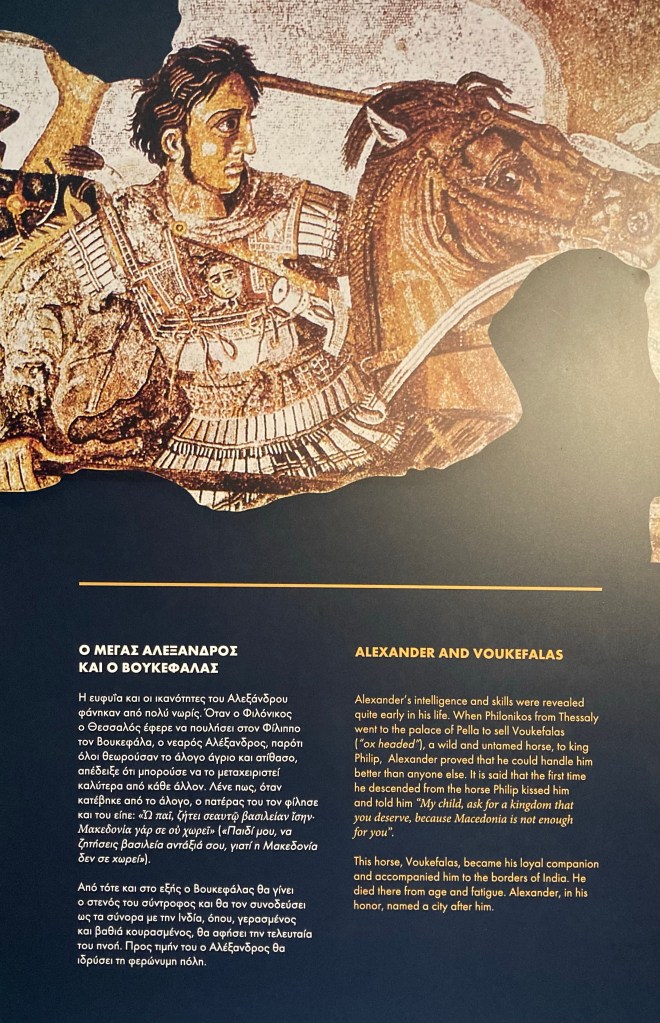
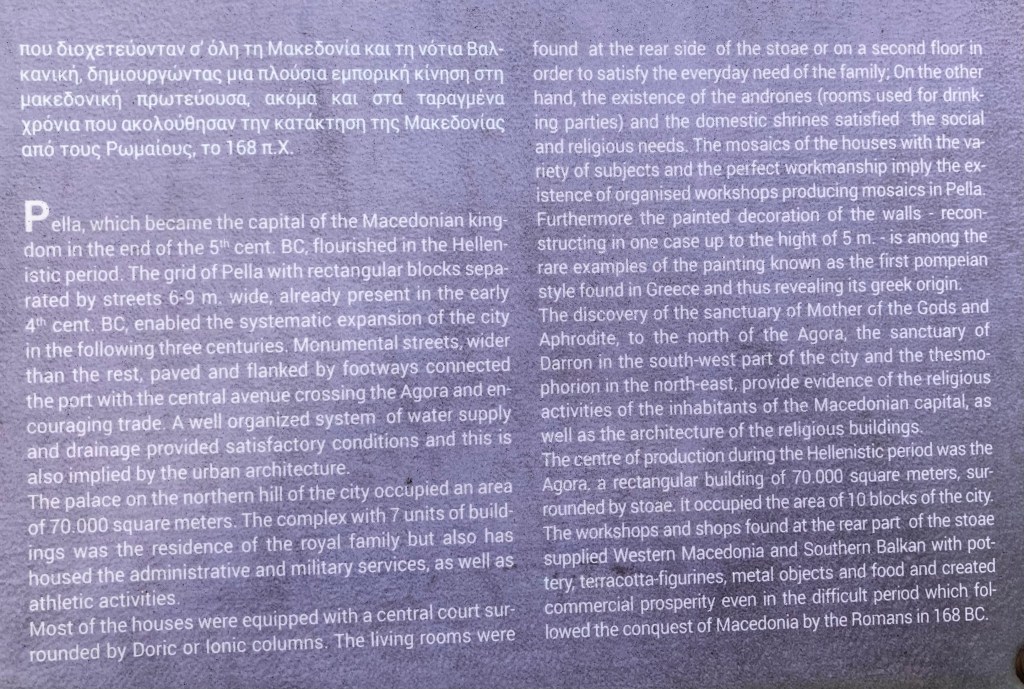
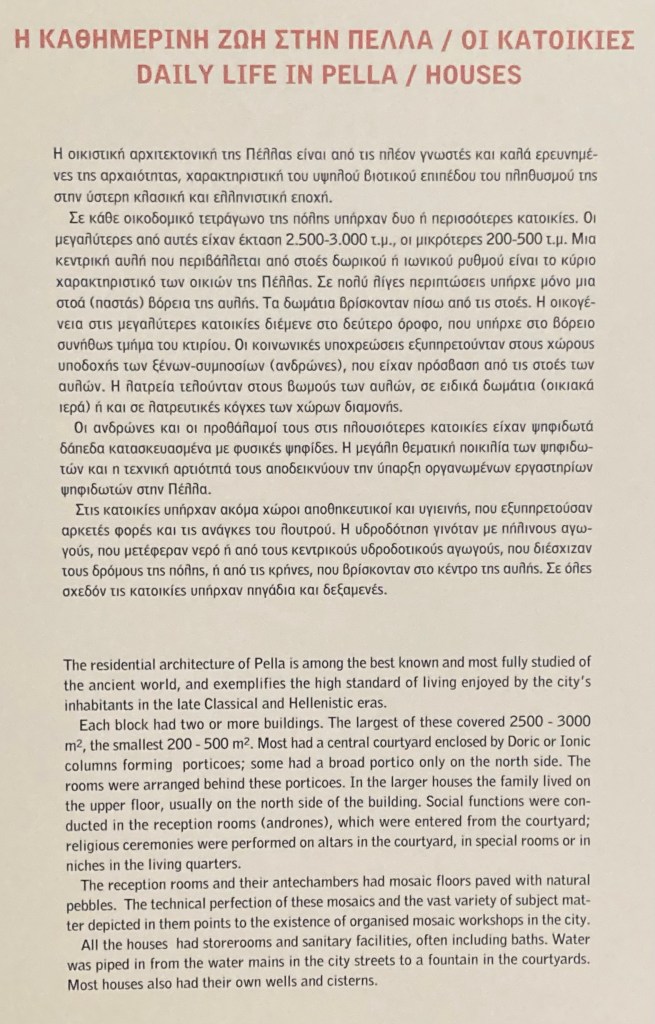
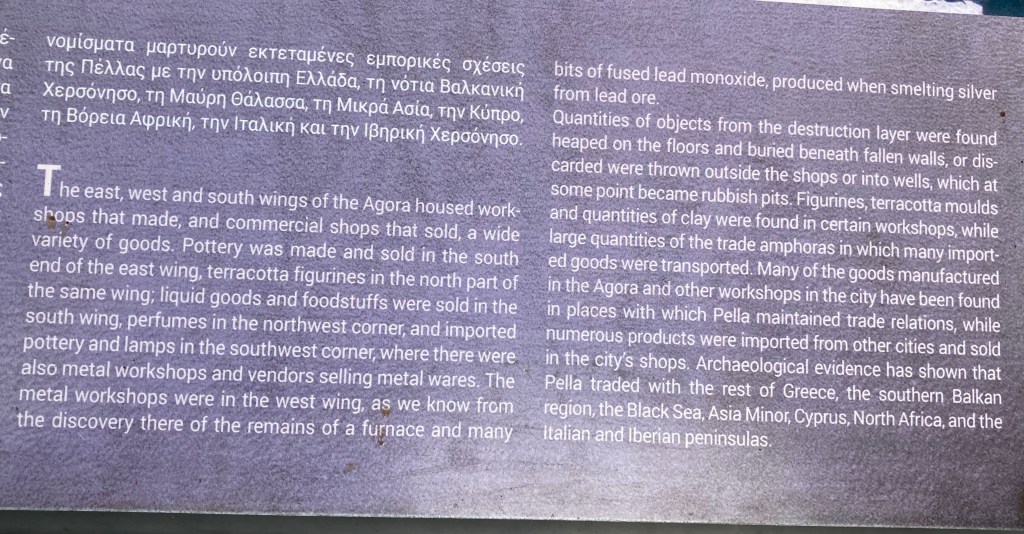
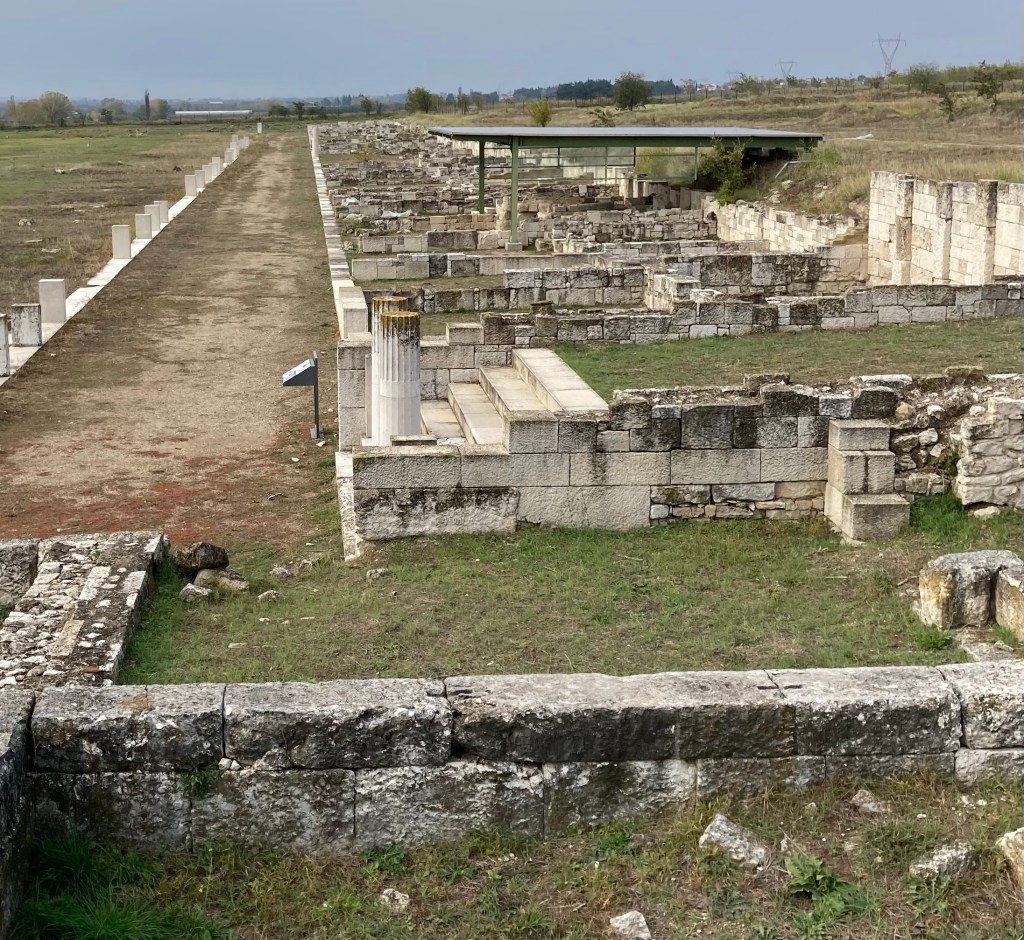
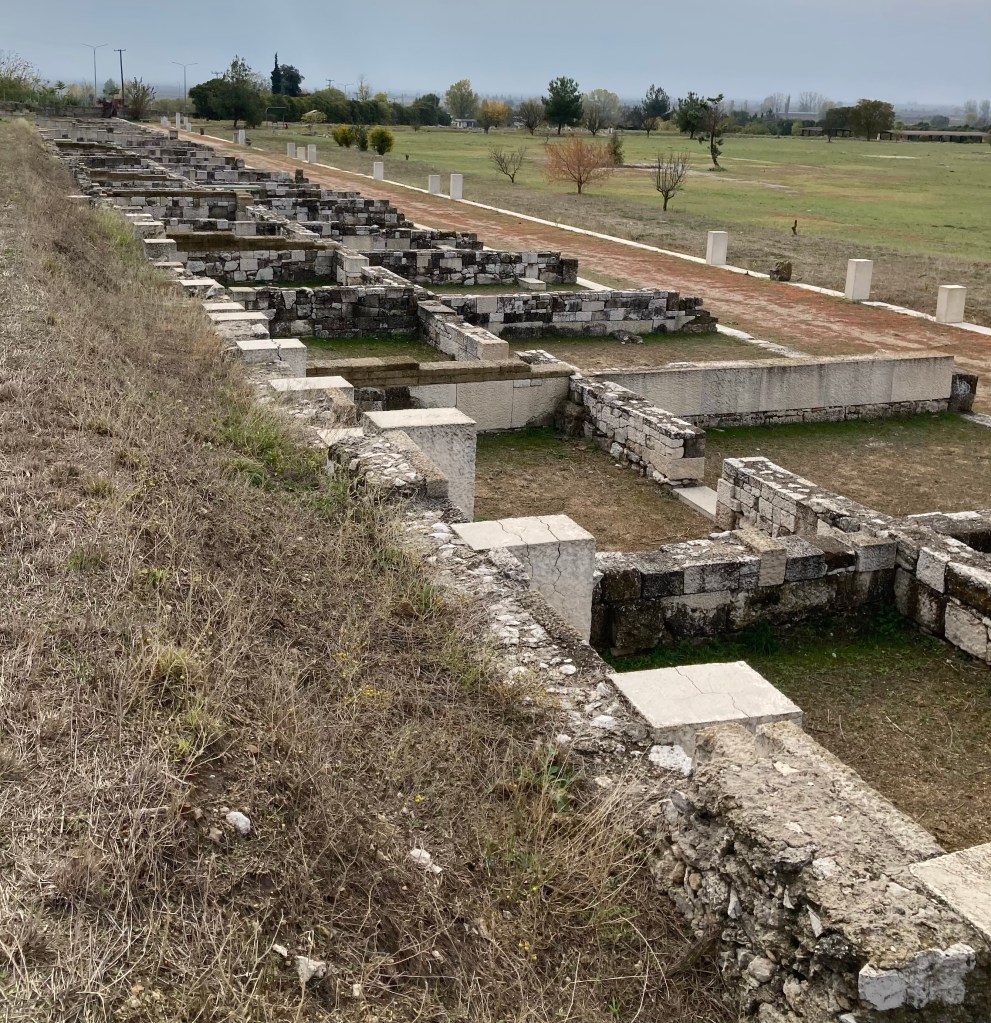
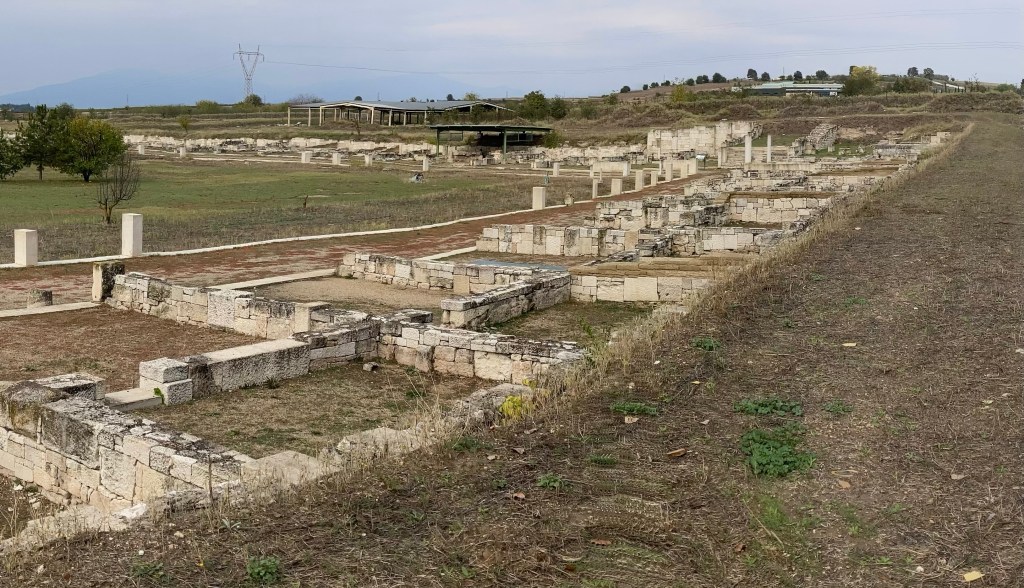
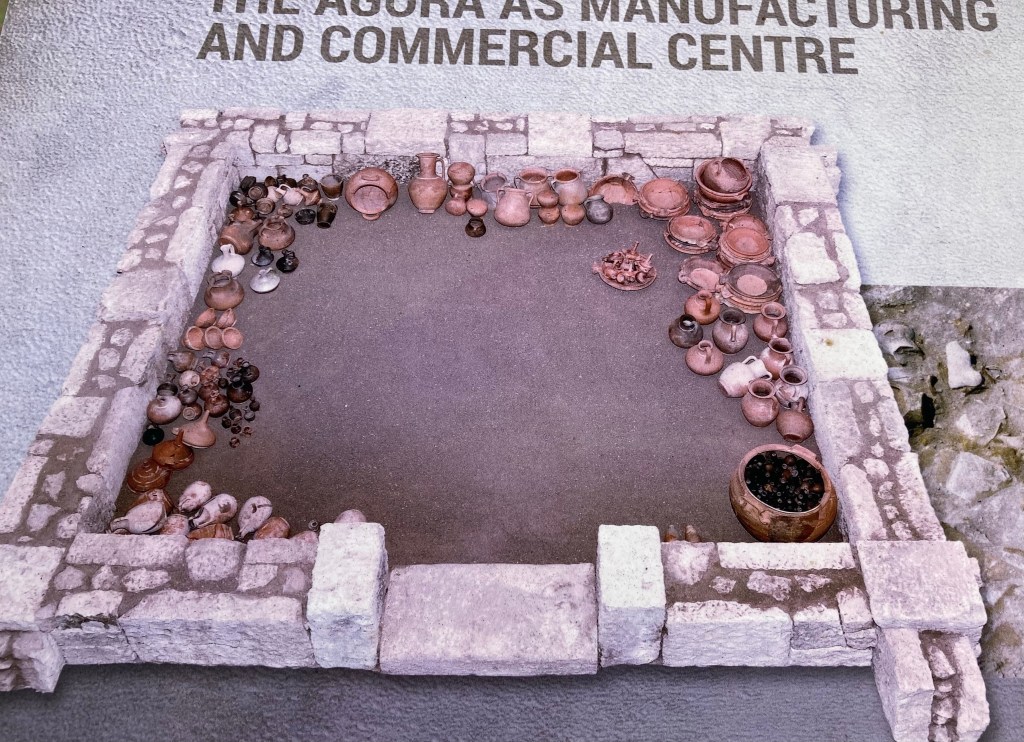
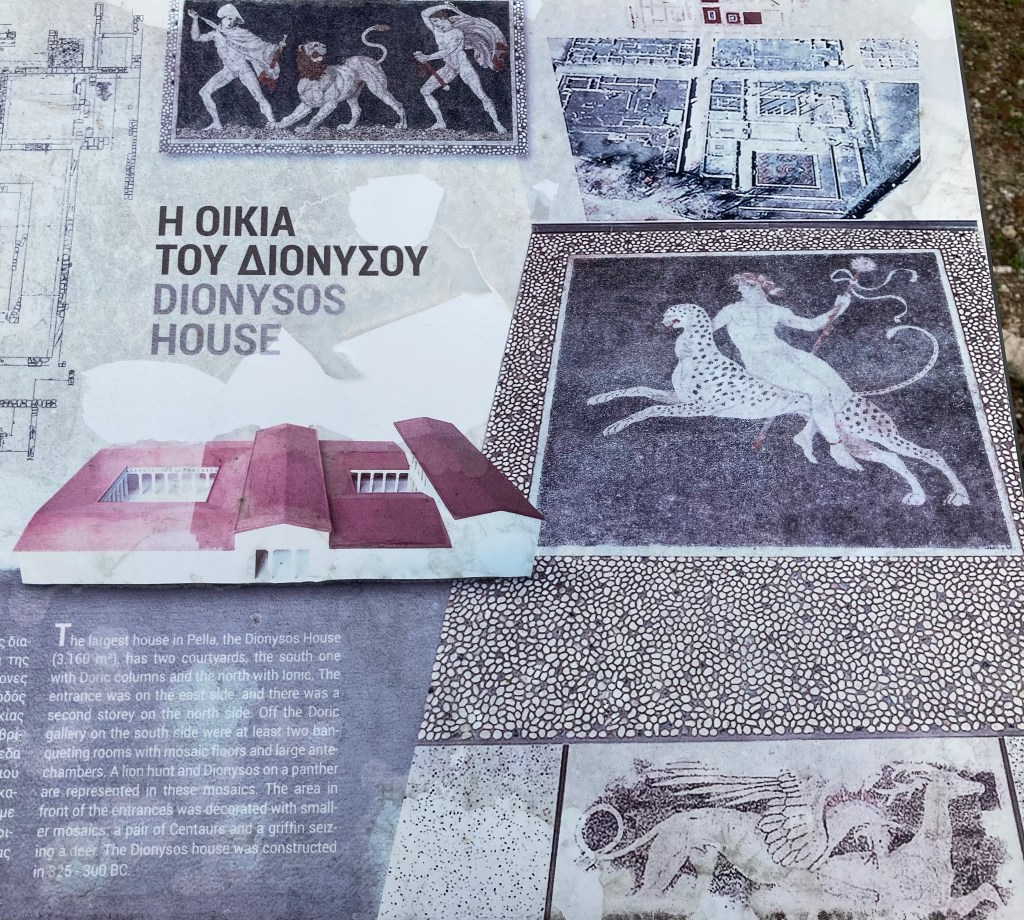
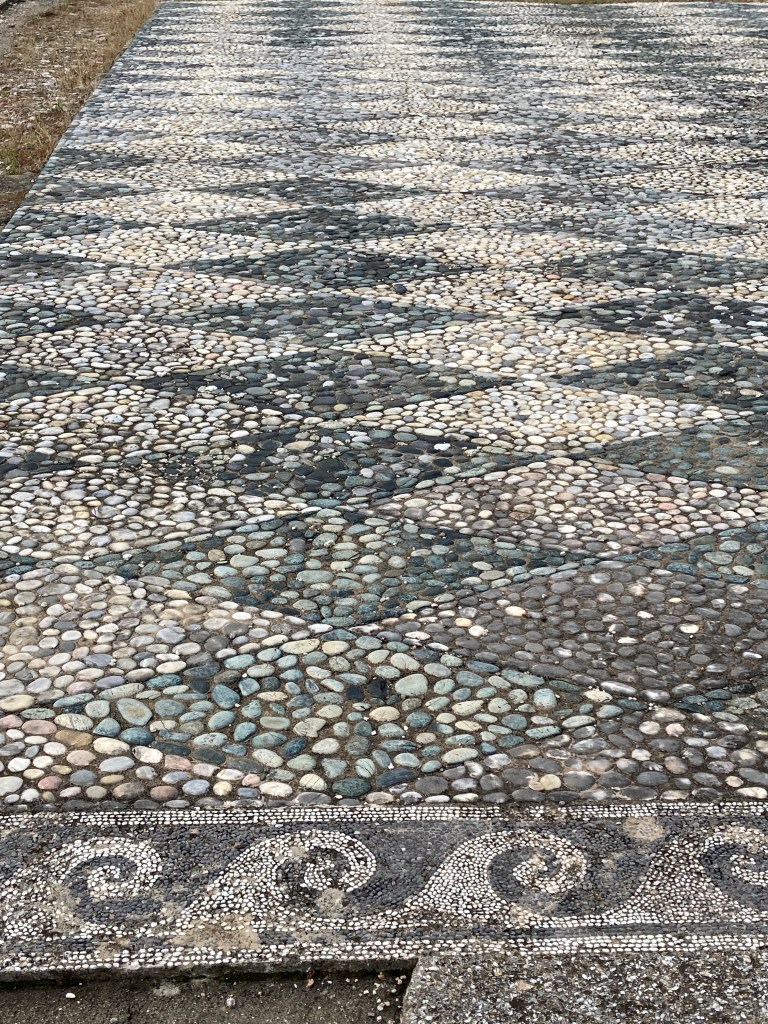
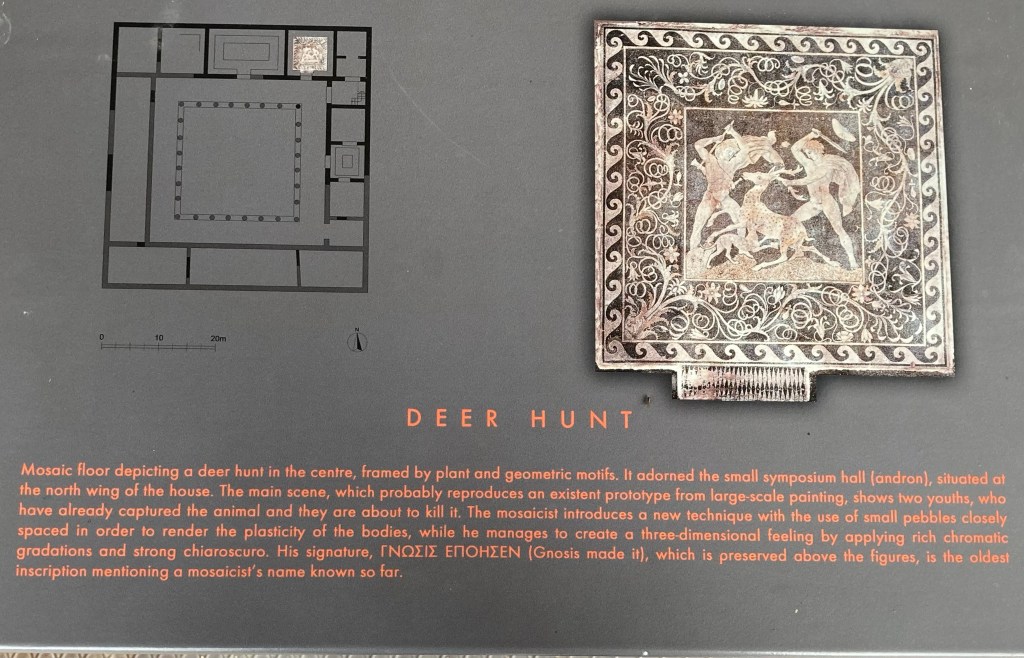
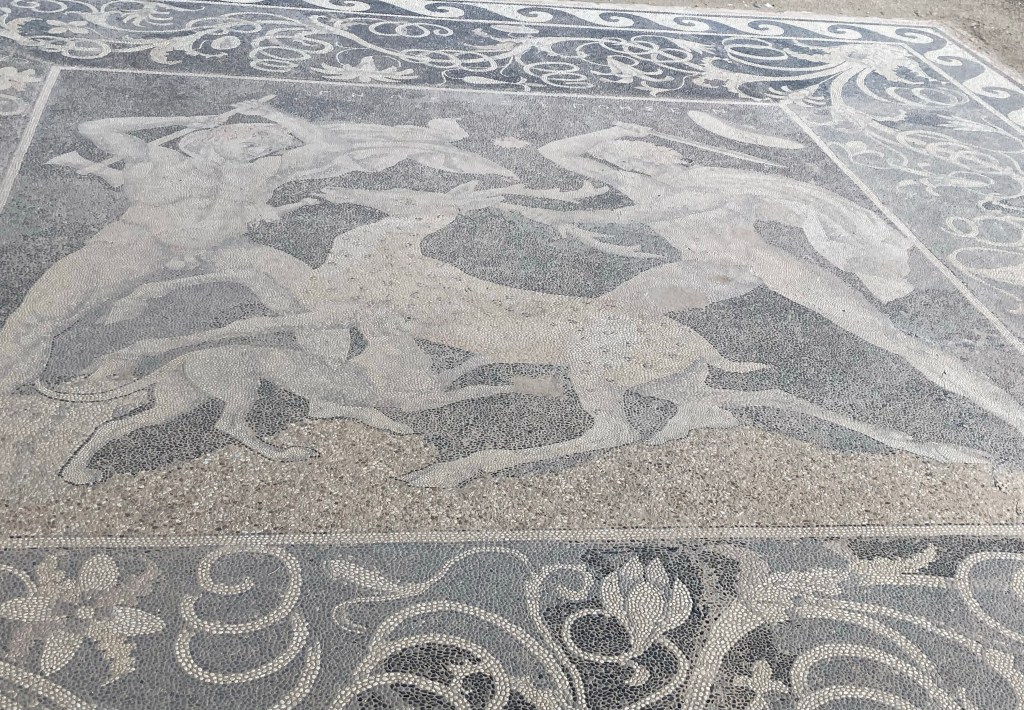
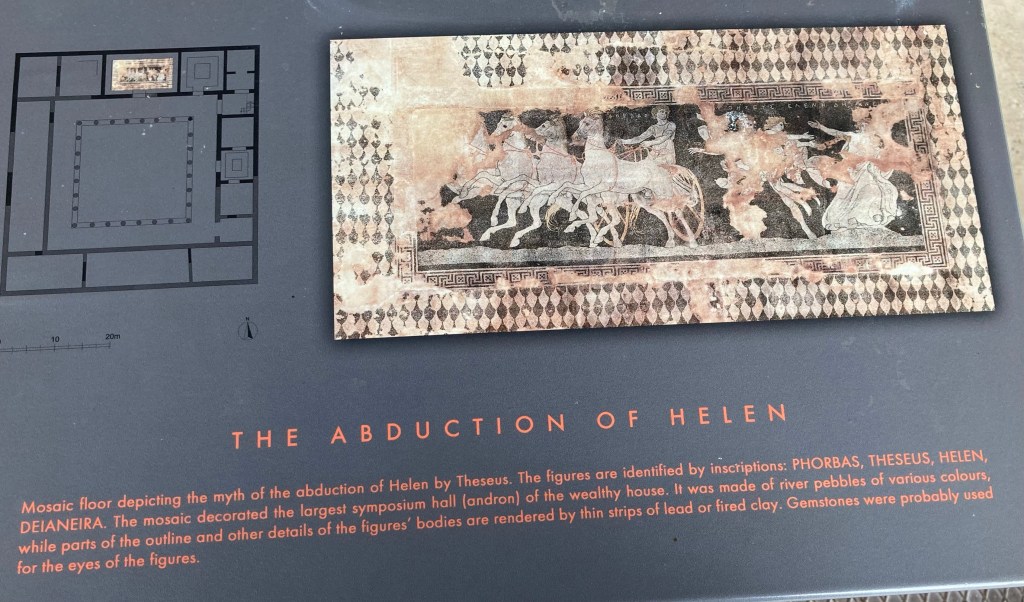
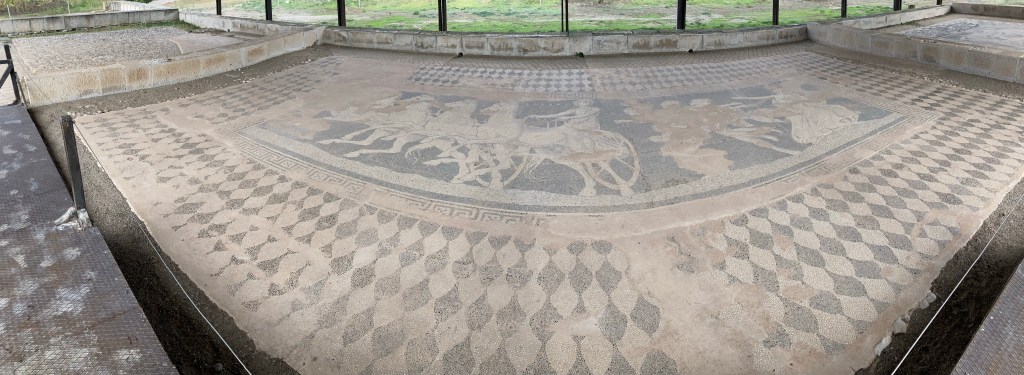
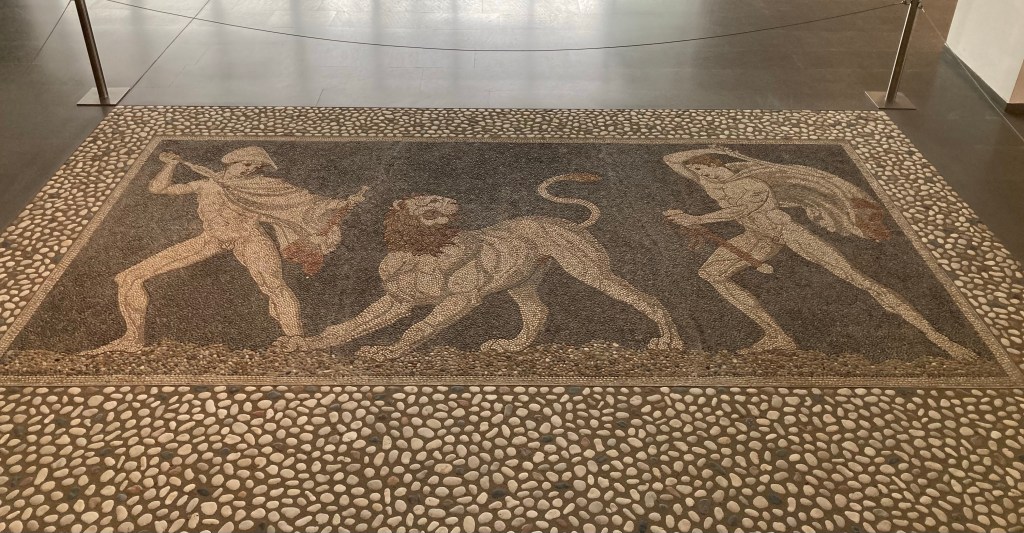
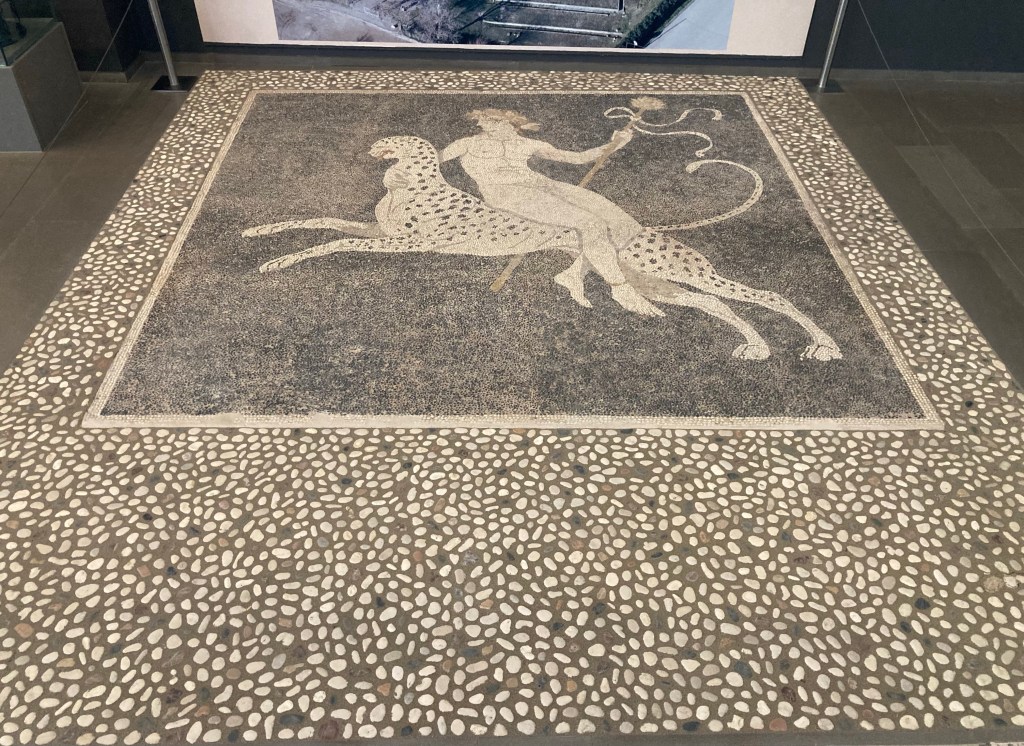
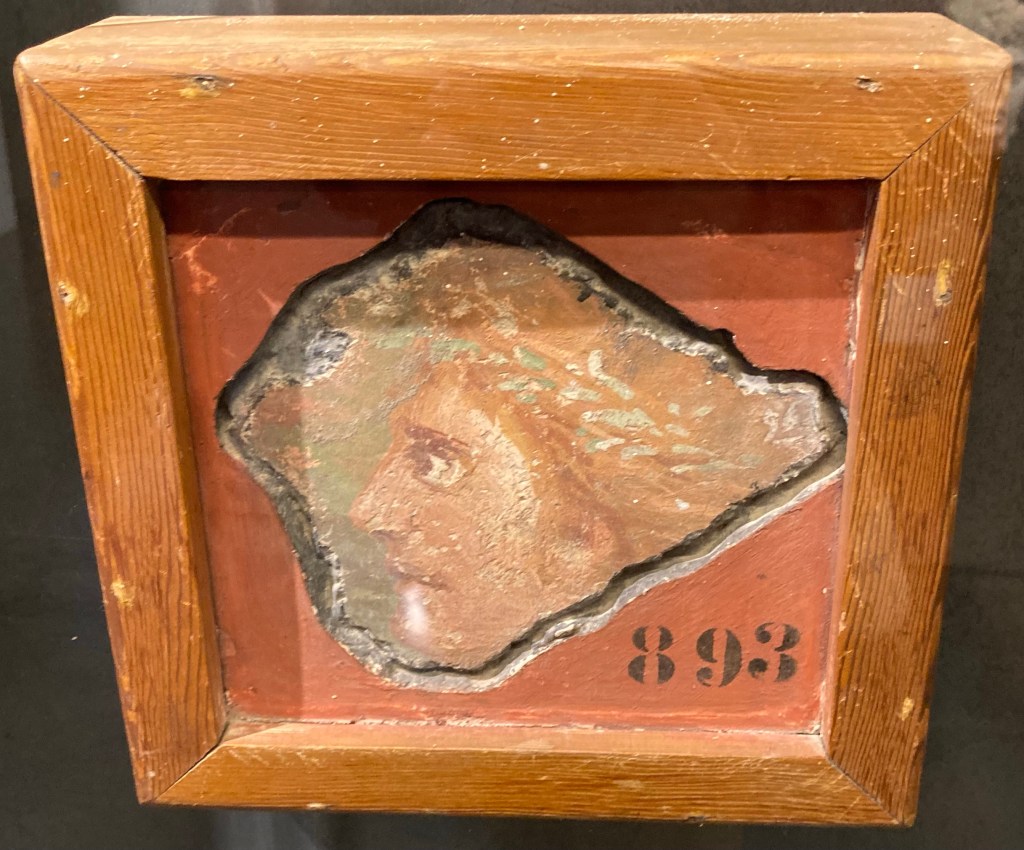
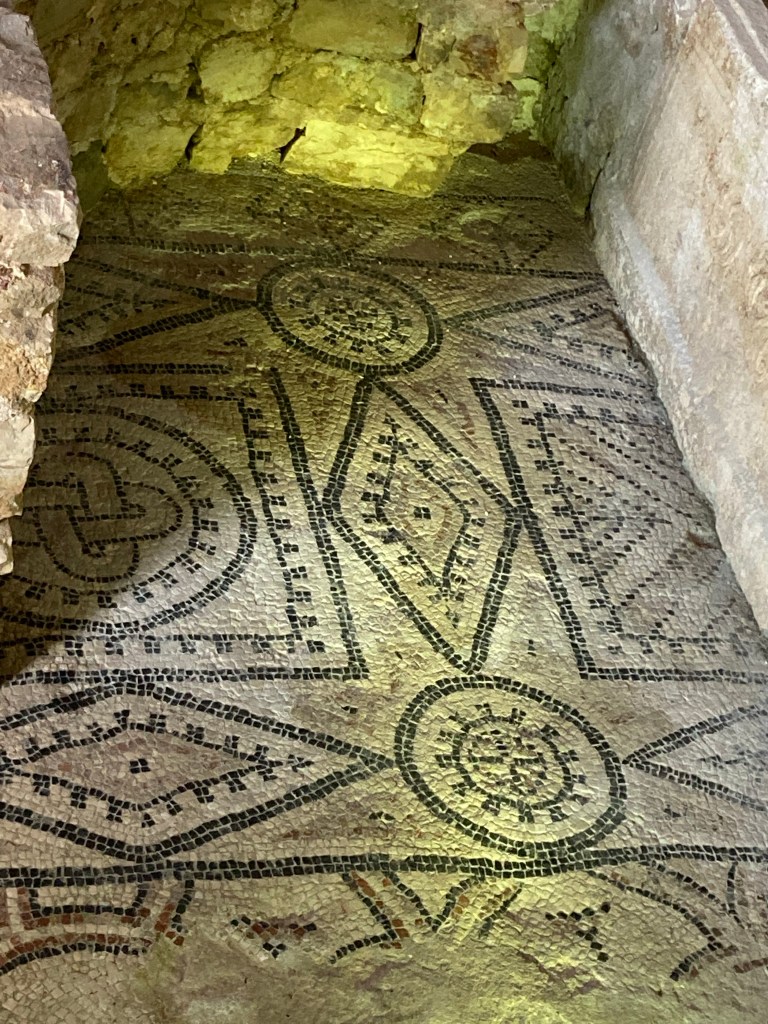
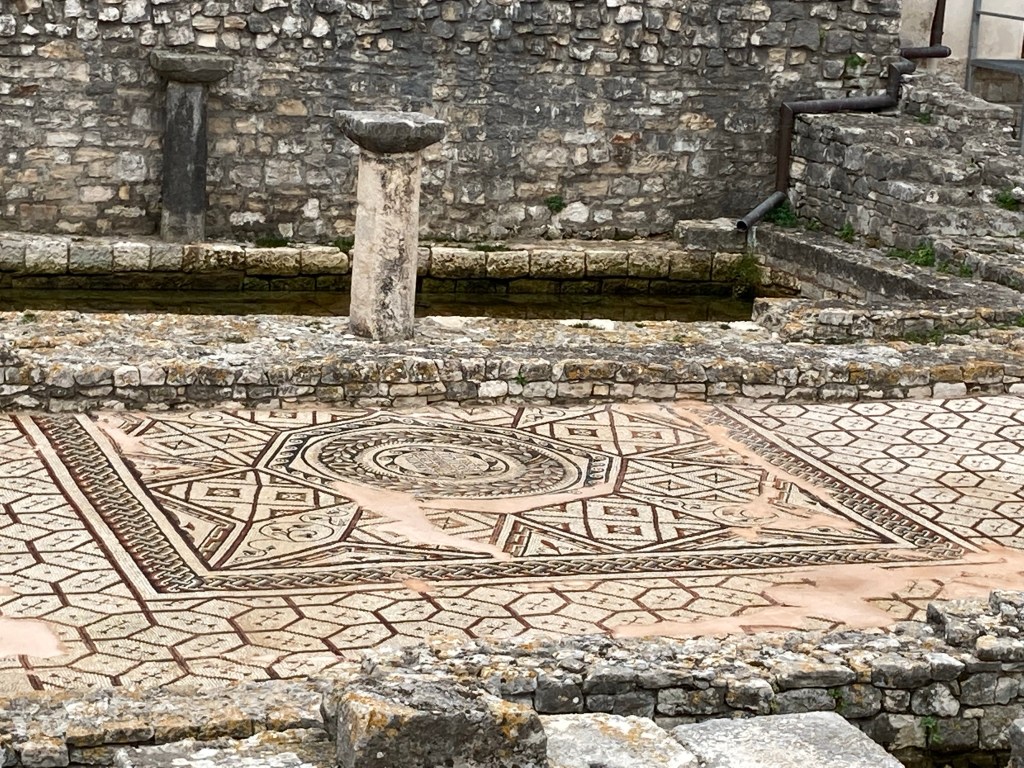
Having learnt about Alexander at Vergina we decided to visit the place of his birth and site of his royal capital at Pella thirty four miles away. The excavations at Pella had revealed the layout of the major buildings of the ancient city which included the commercial centre known as the Agora, key temples and major houses which included large areas of intact mosaic flooring.

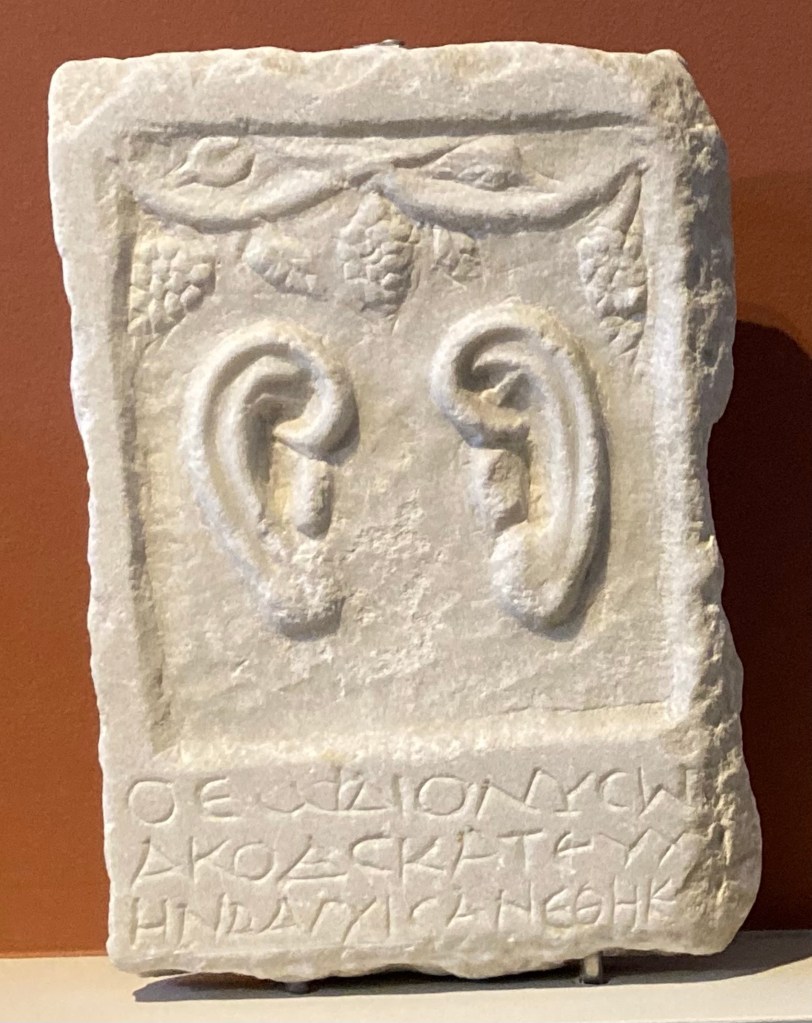
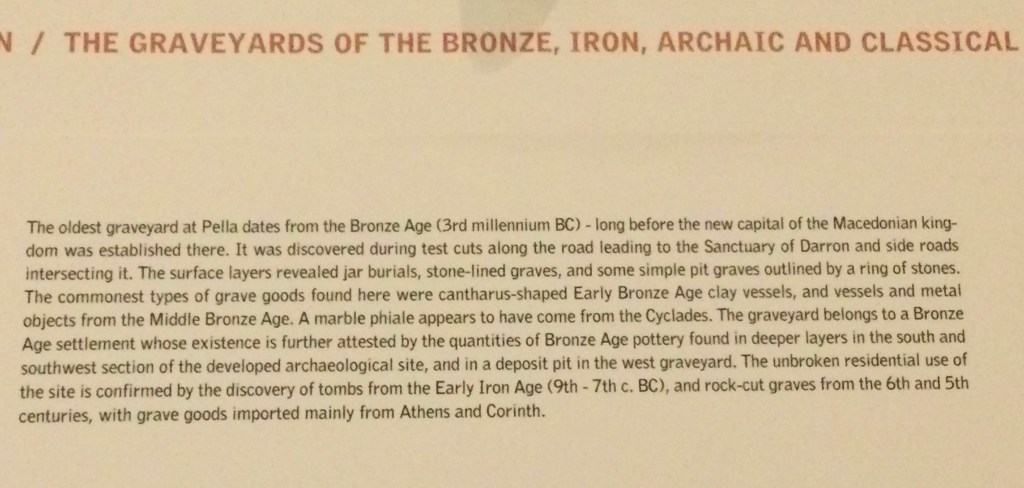
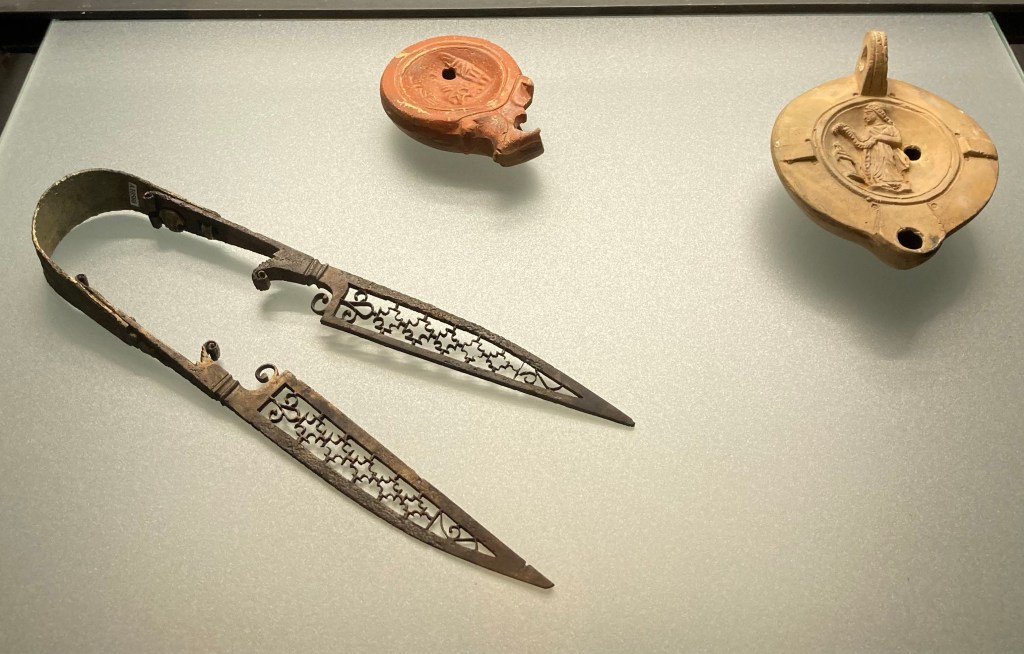
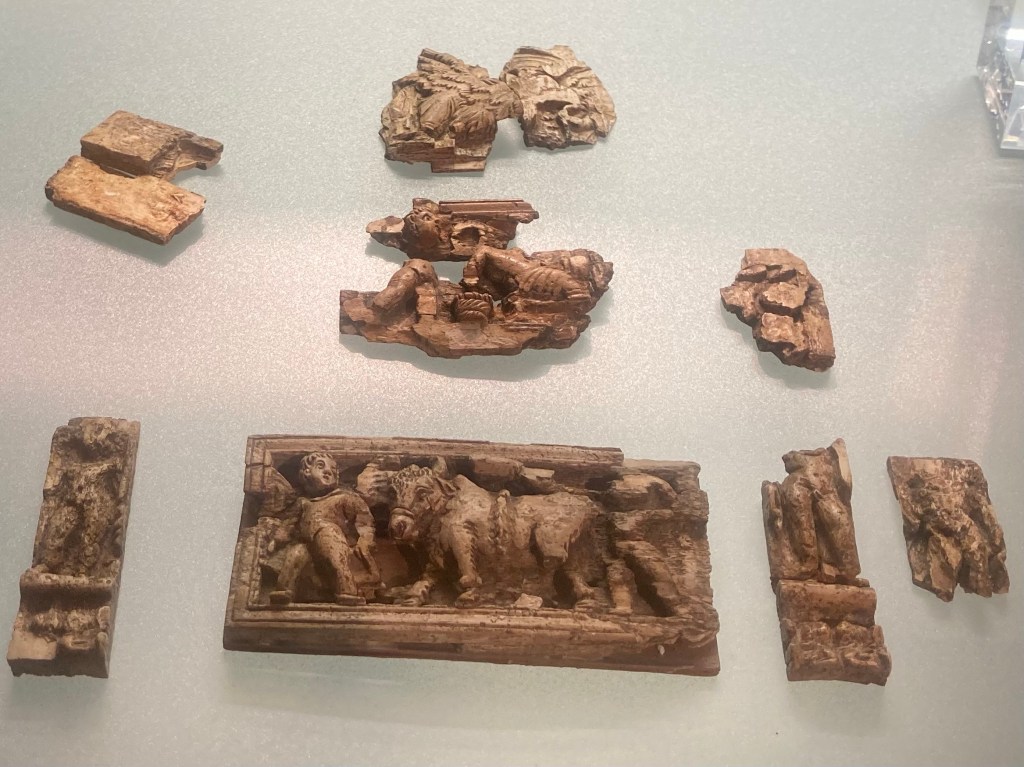
The museum next to the site displayed a wide range of artefacts found within the Pella region.As well as more information on burial rituals and displays showing the typical grave contents.

Northern Greece

Border monastery, ionnina, metsovo and reservoir overnight

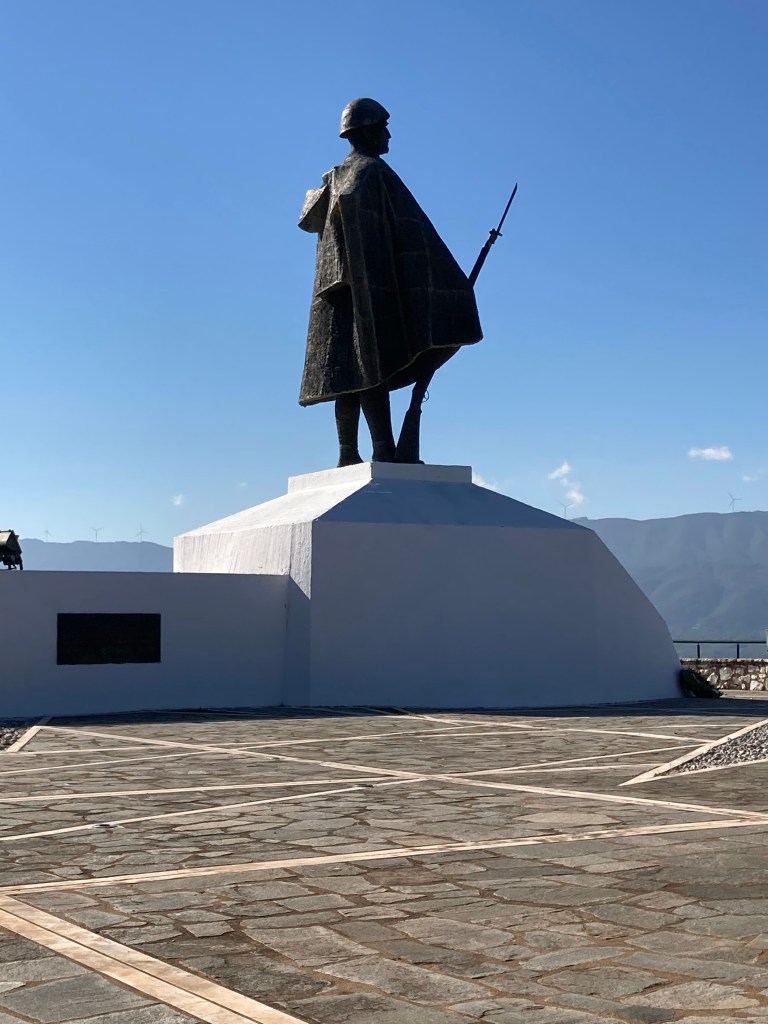
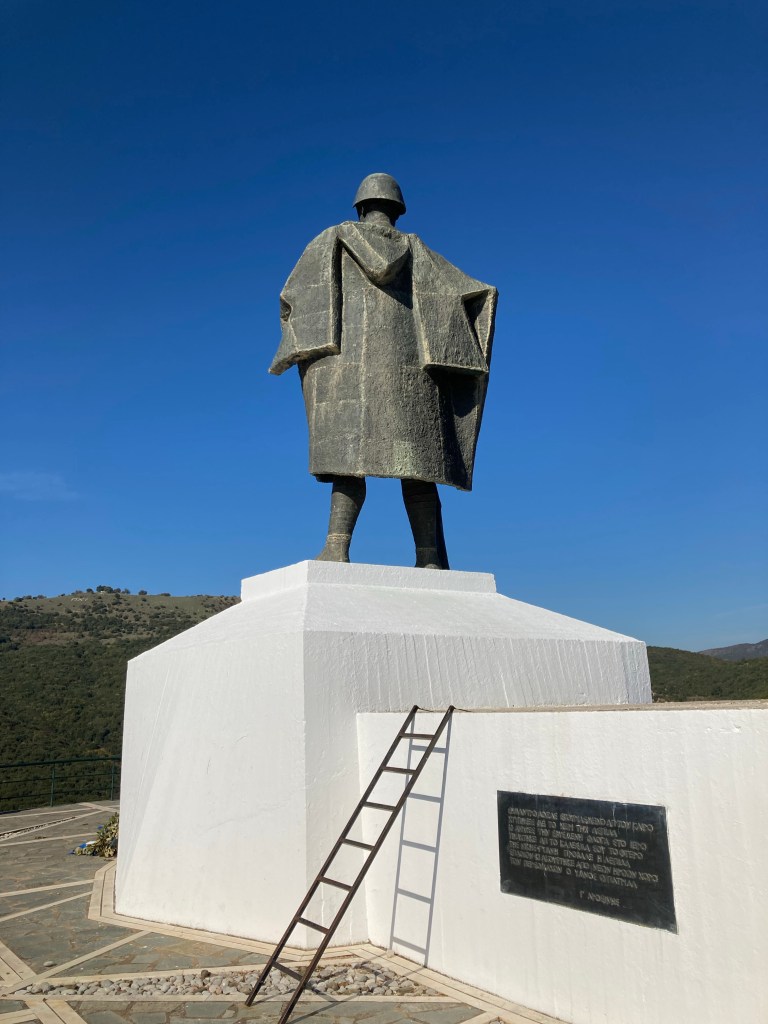
Having gone through the most rigorous customs check at the Albanian border since setting off on our travels (which included an X-ray of Vinnie) it was early evening so we decided to overnight in the small town of Kalpaki approx an hour from the border. Before leaving the next morning we took a pleasant walk to a local monastery and then visited the war memorial overlooking the town erected in remembrance of the resistance of the local people against the Italian forces in October/November 1940.

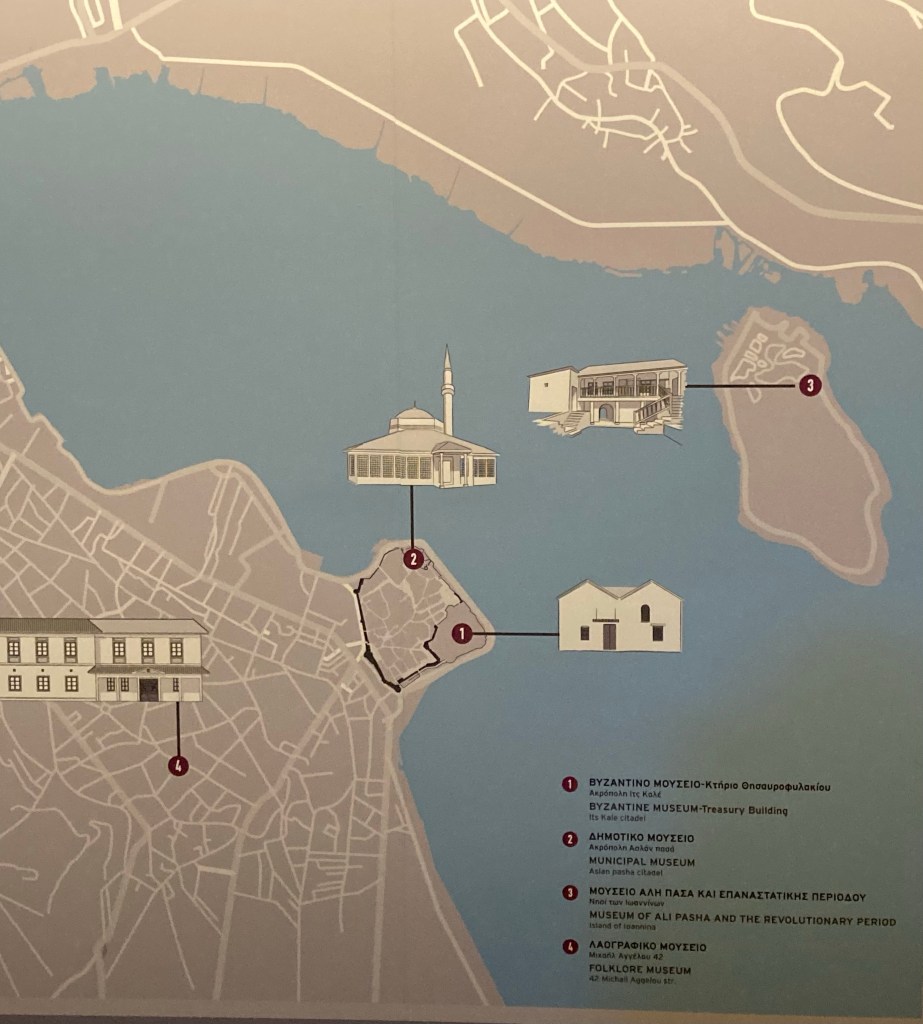
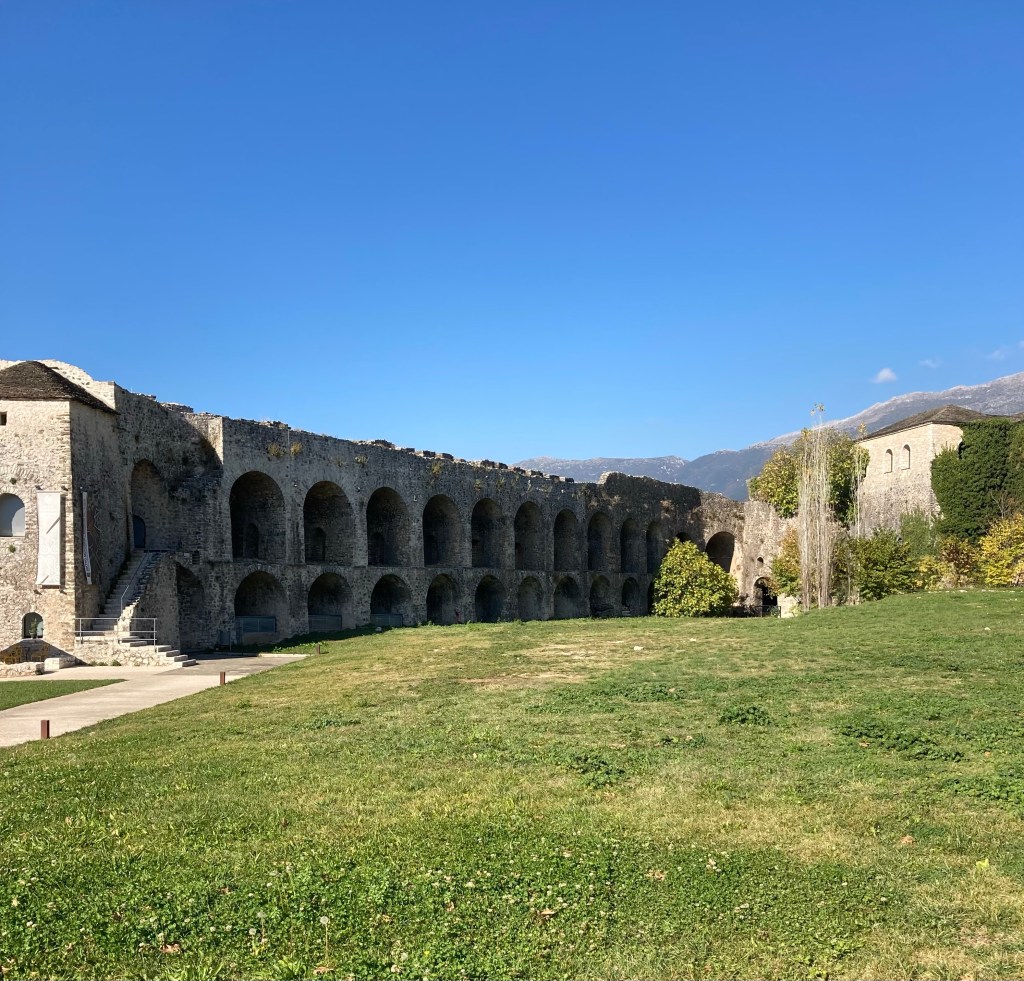
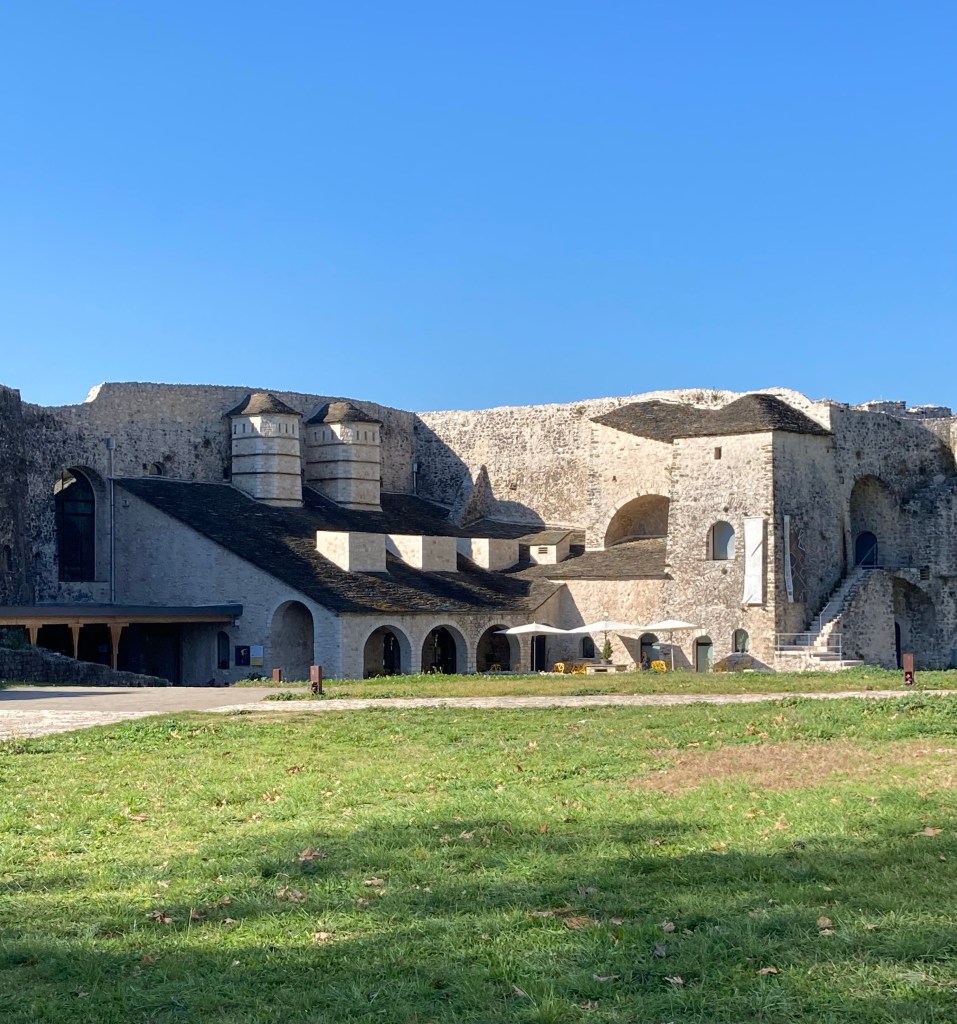
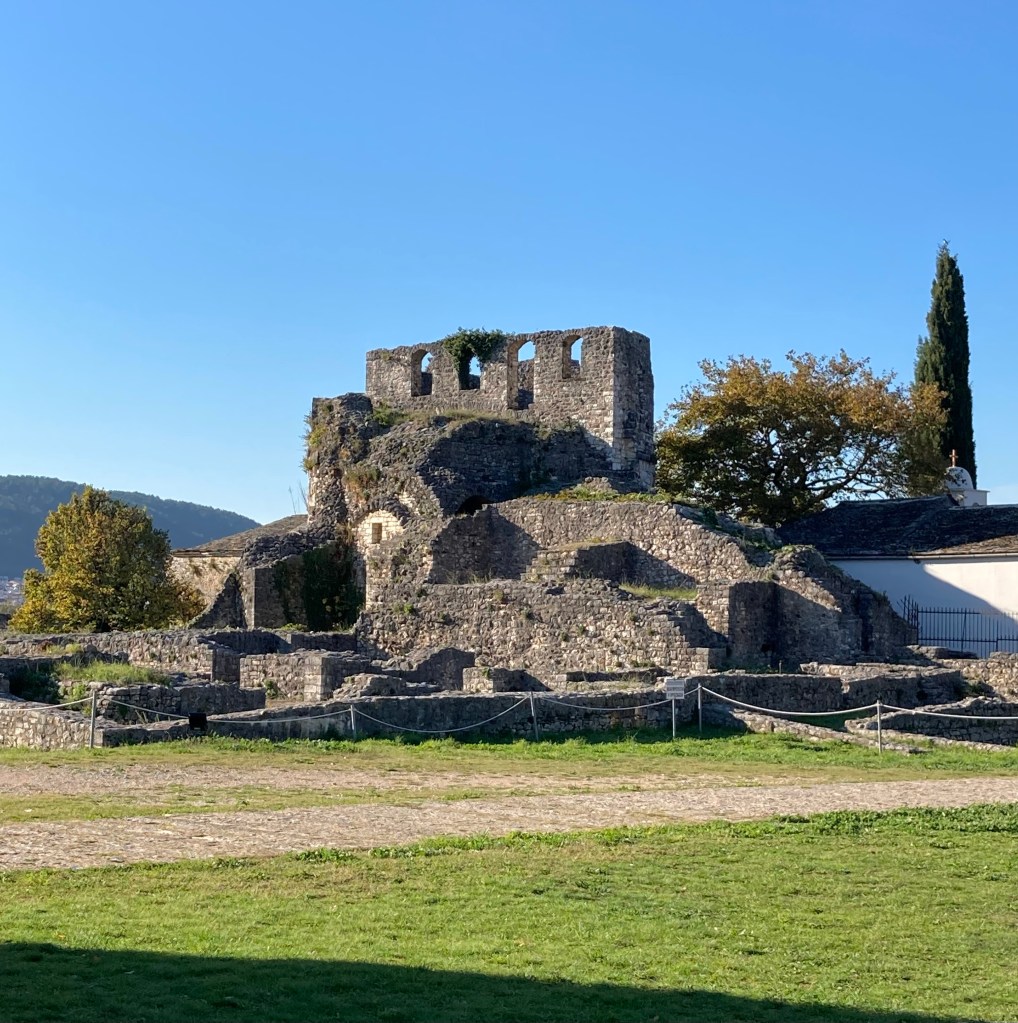
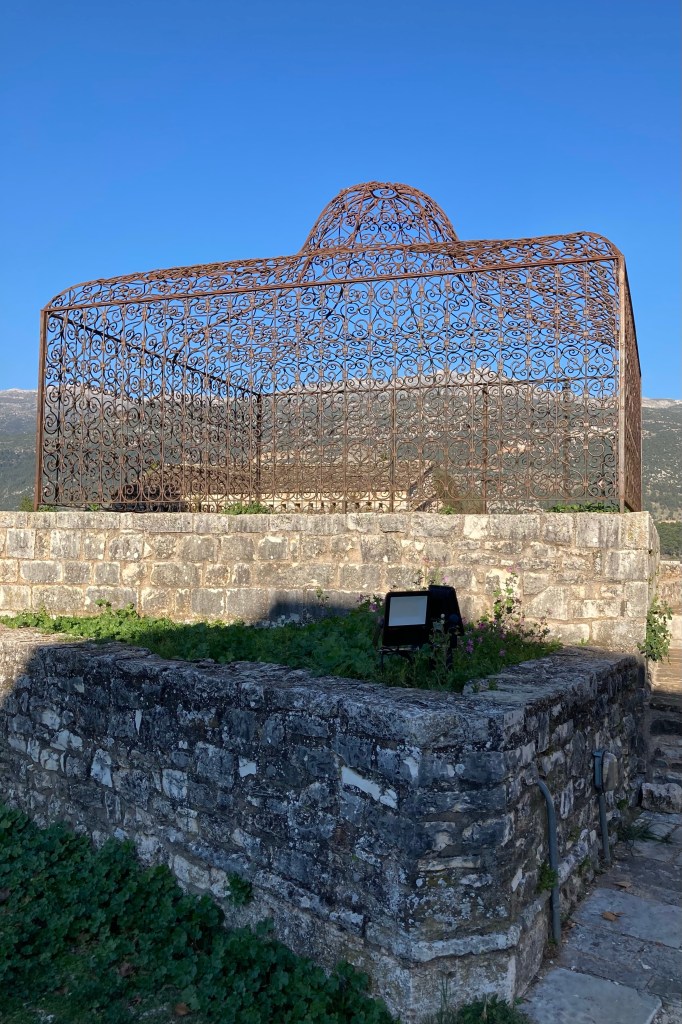
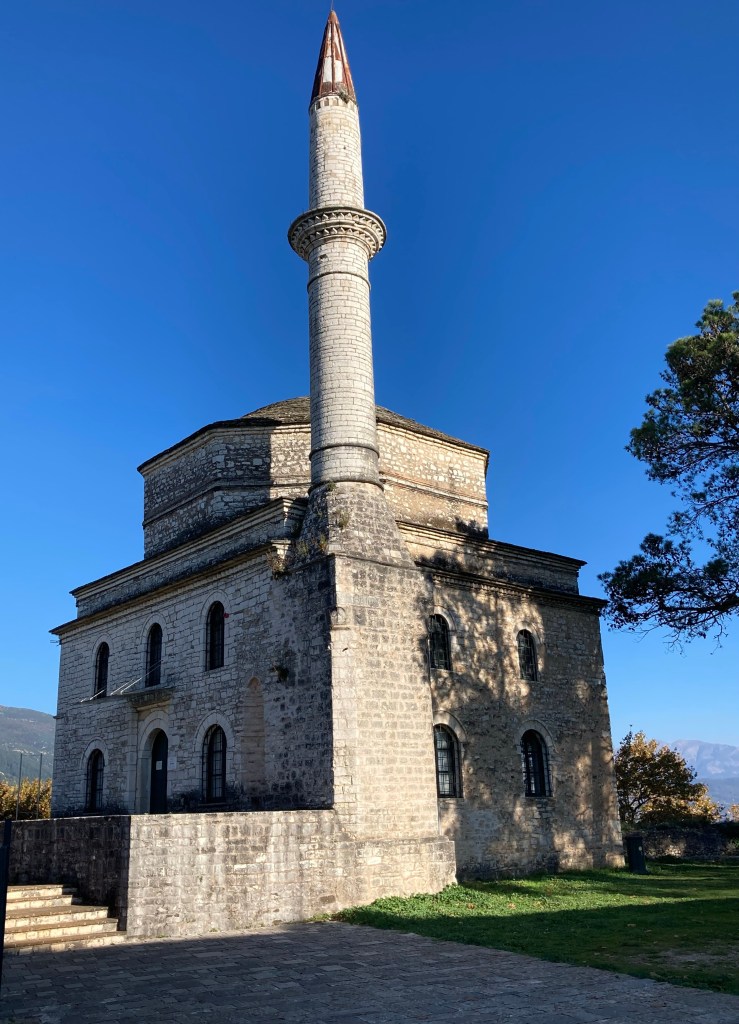
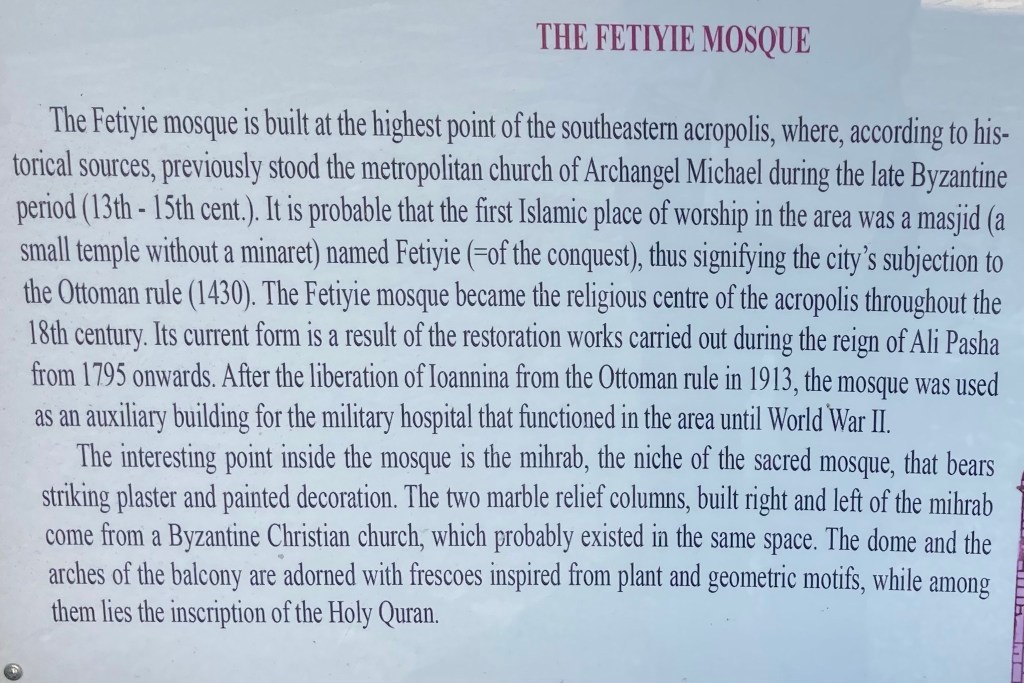
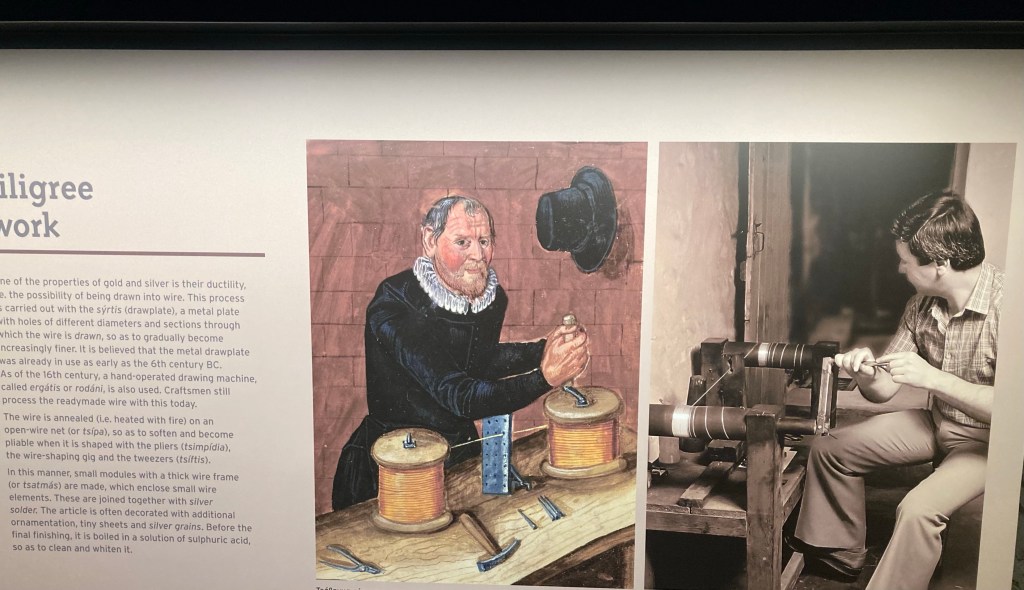
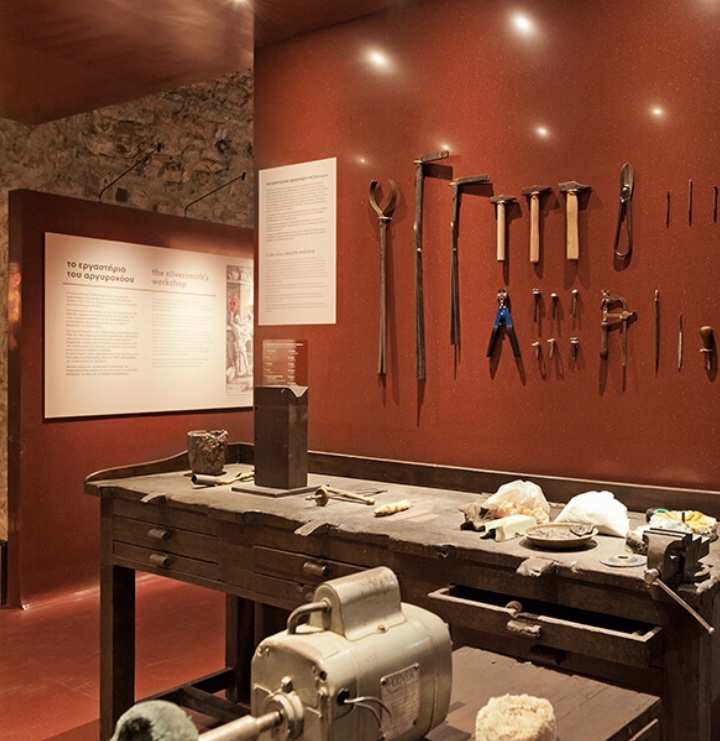
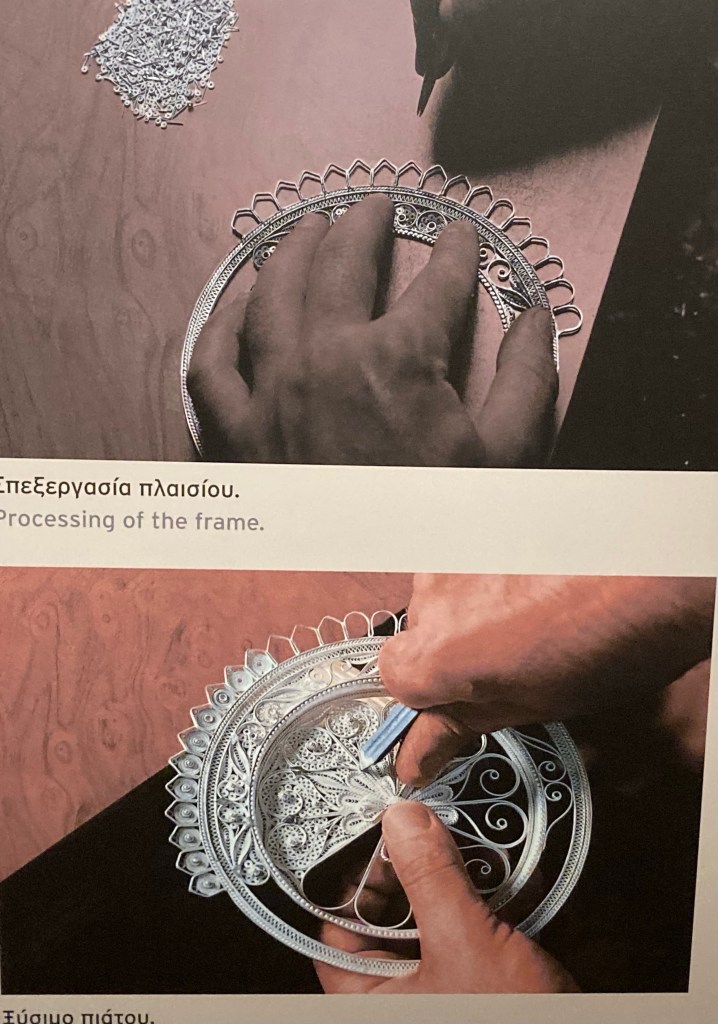
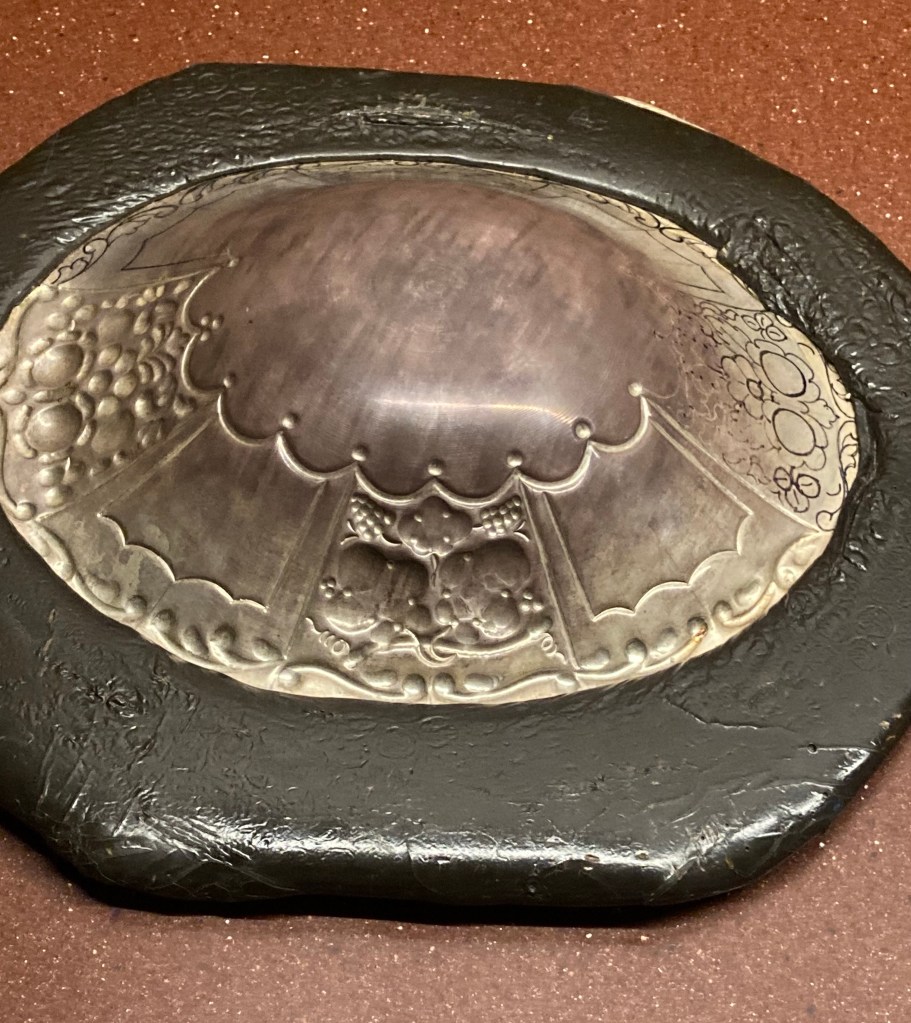
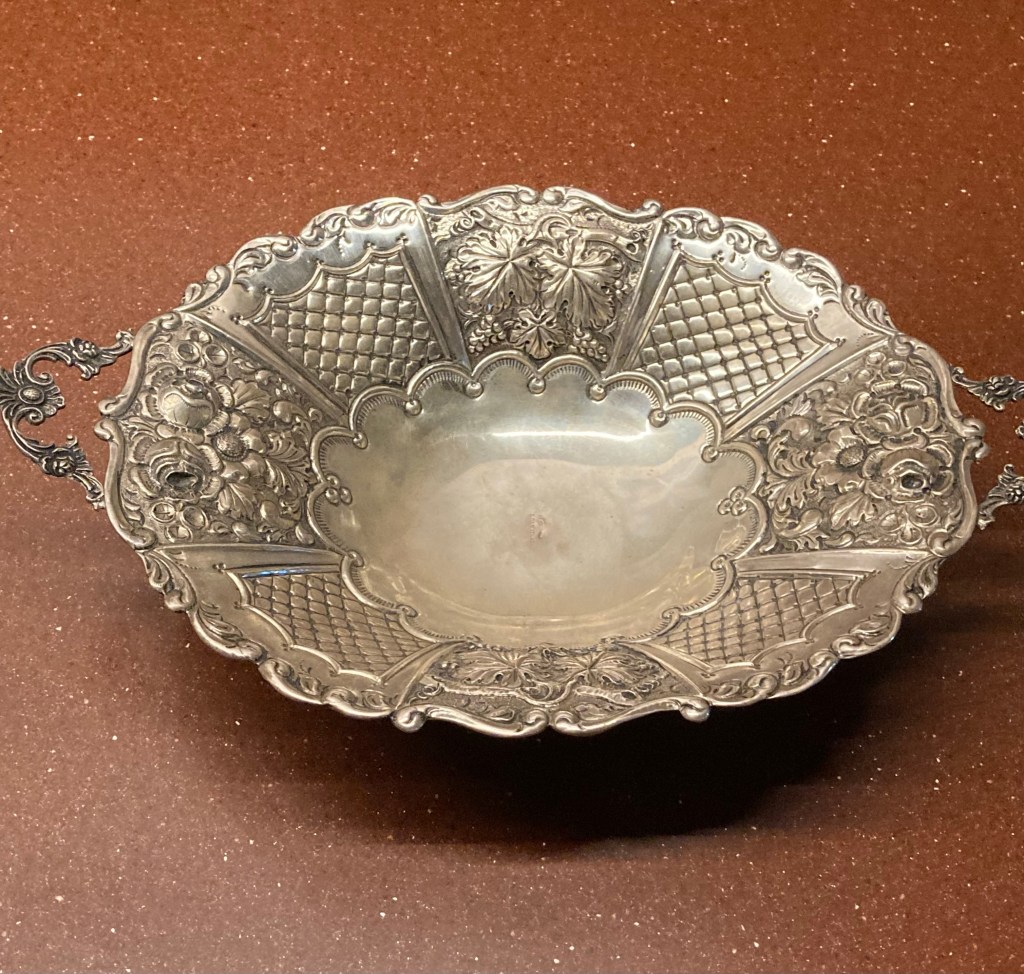
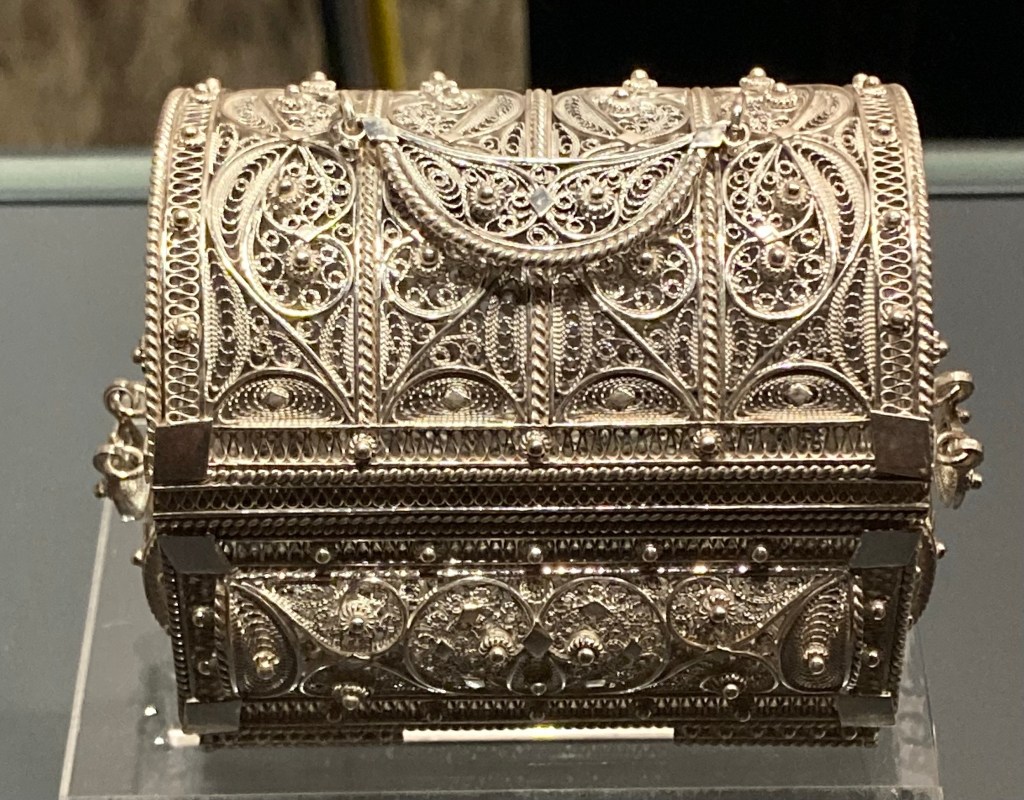
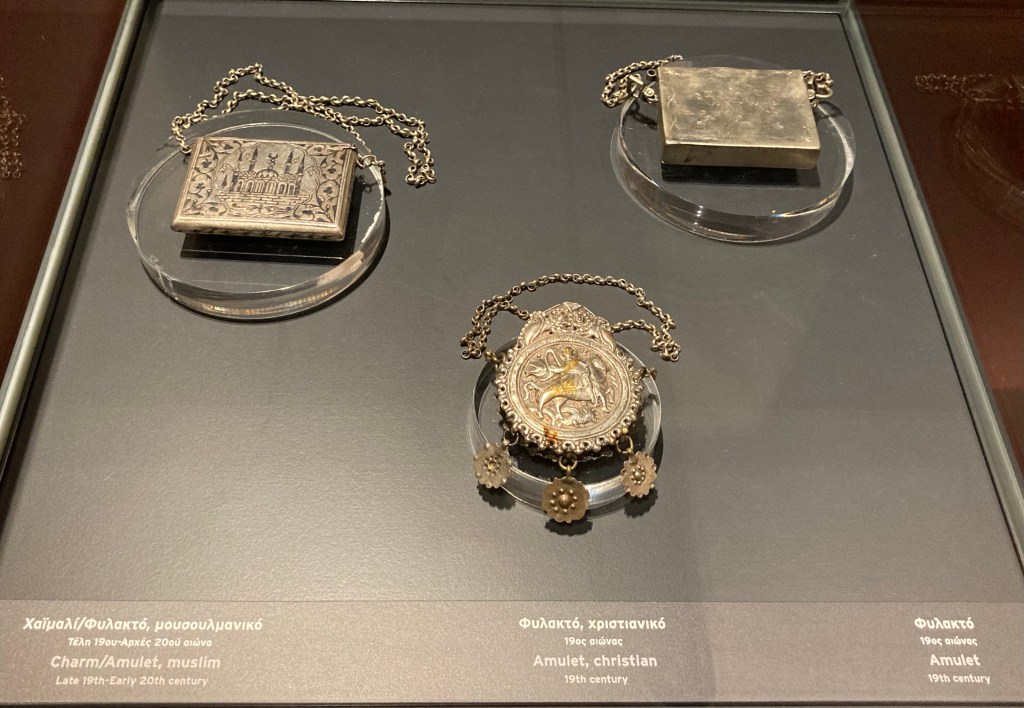
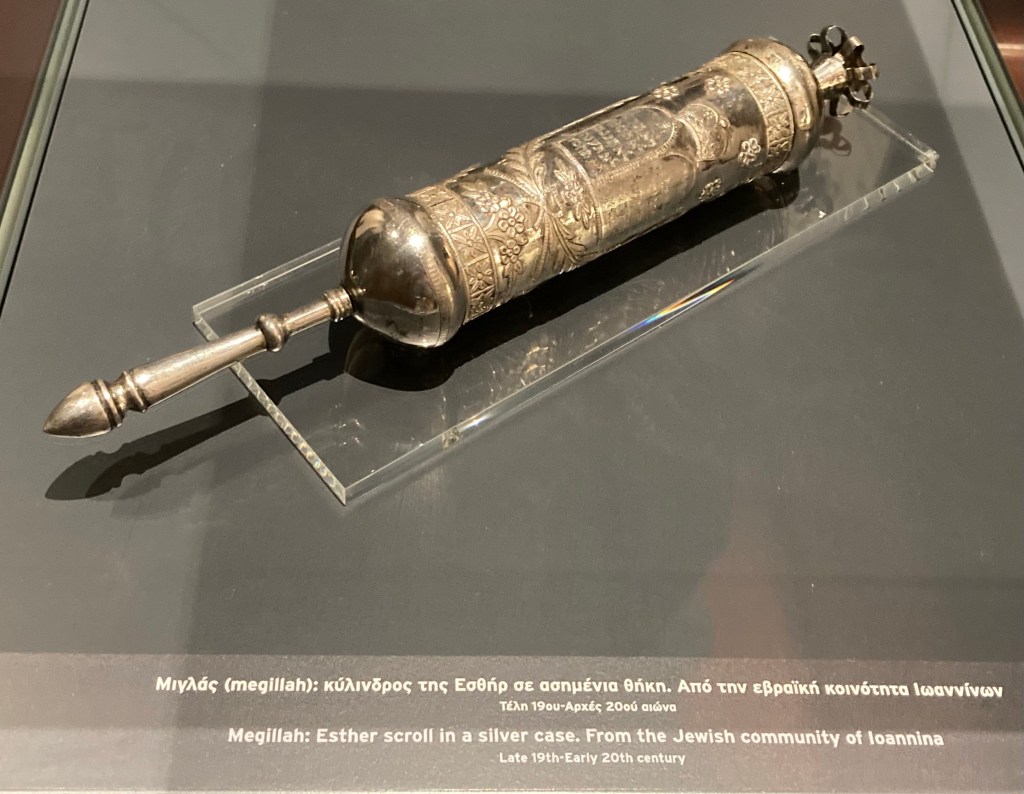
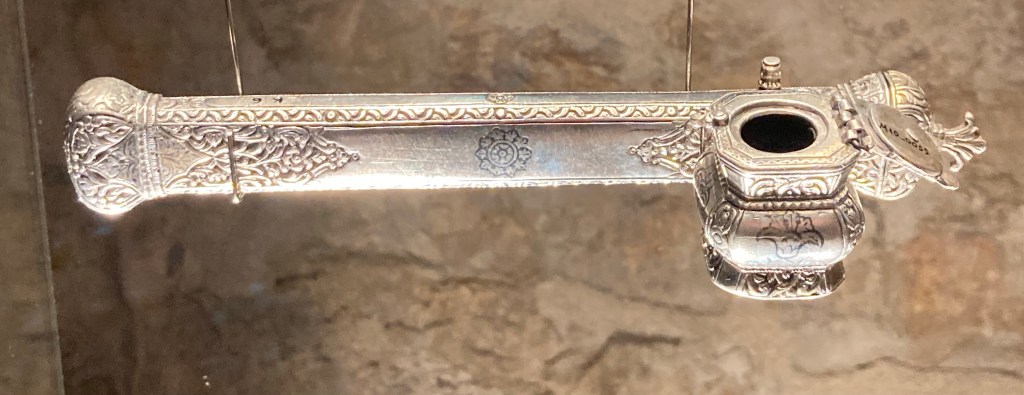
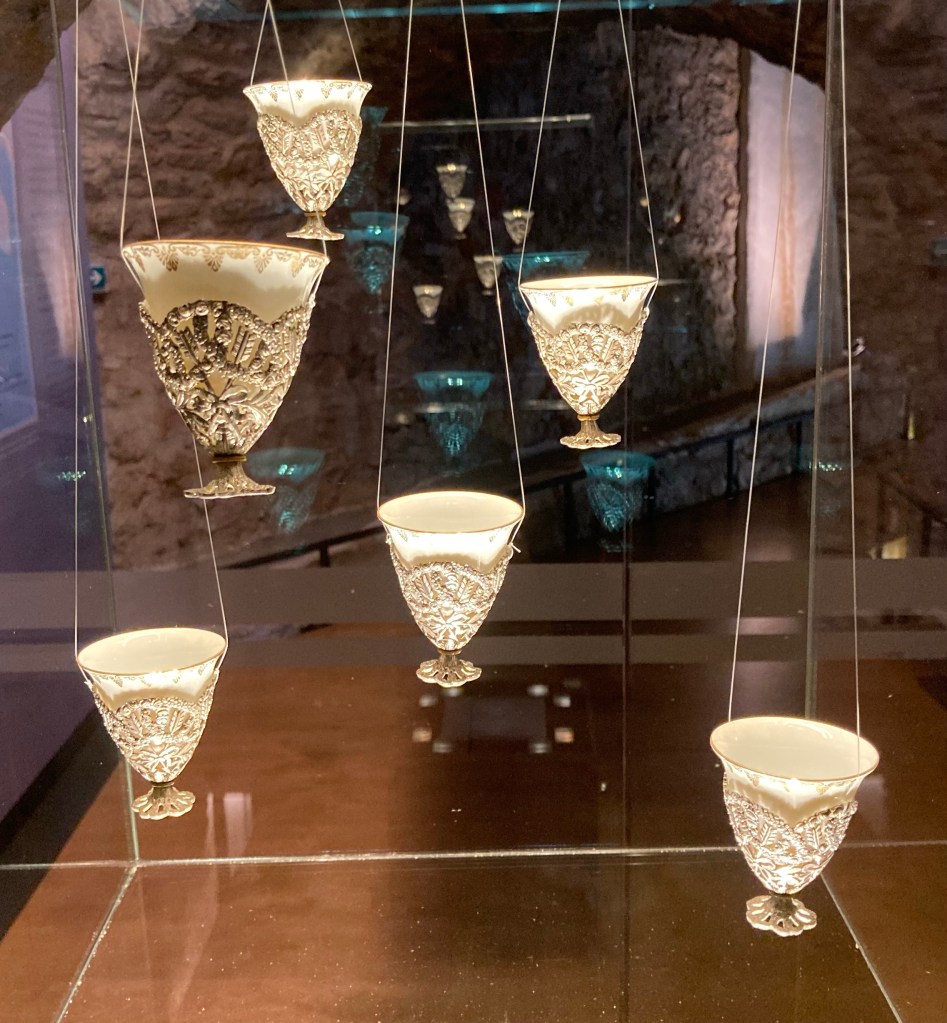
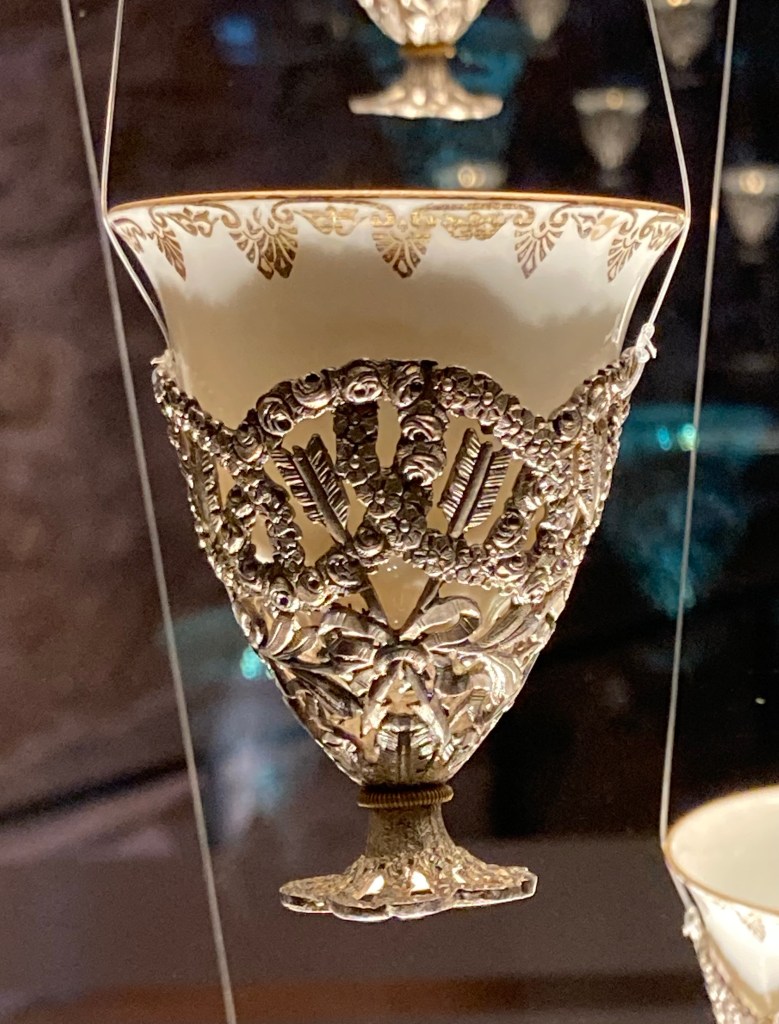
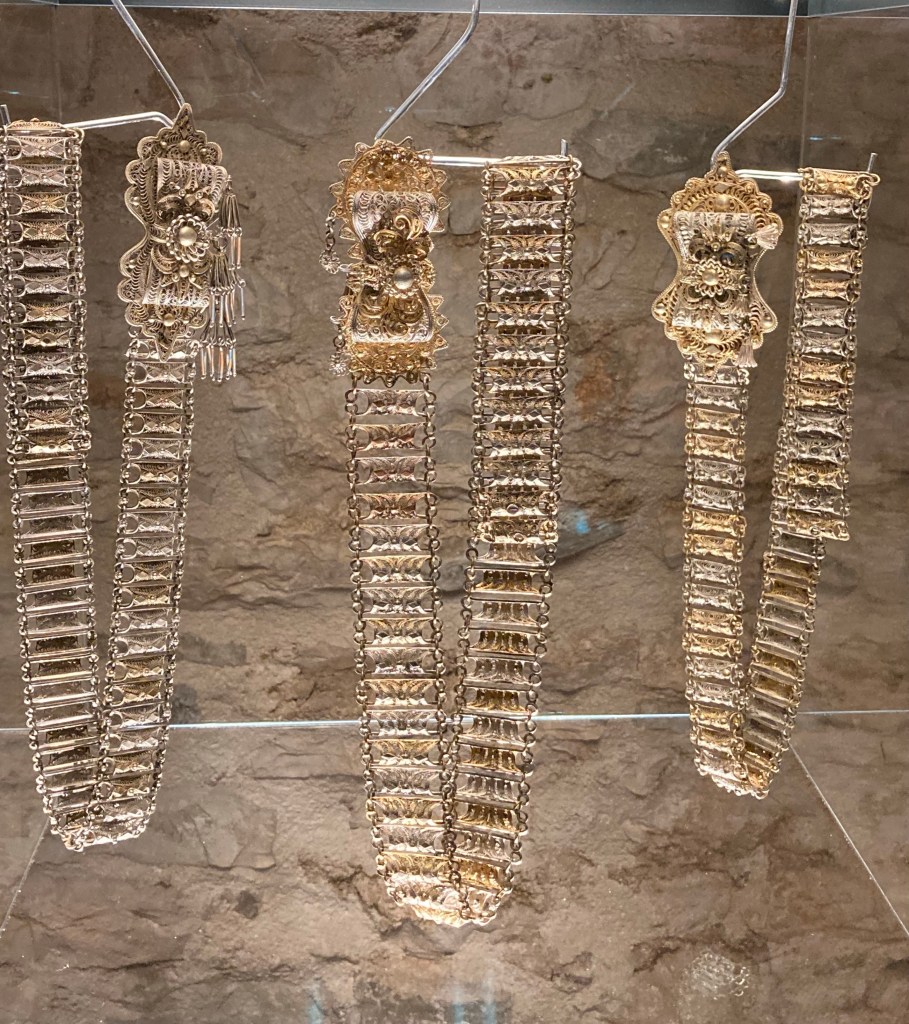
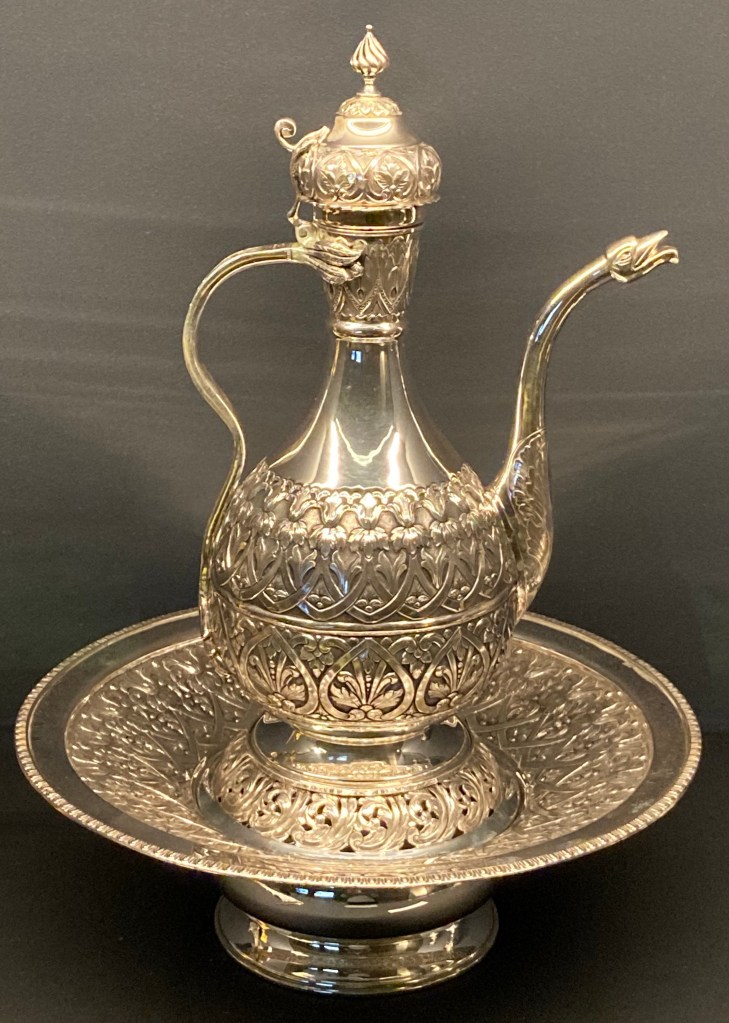
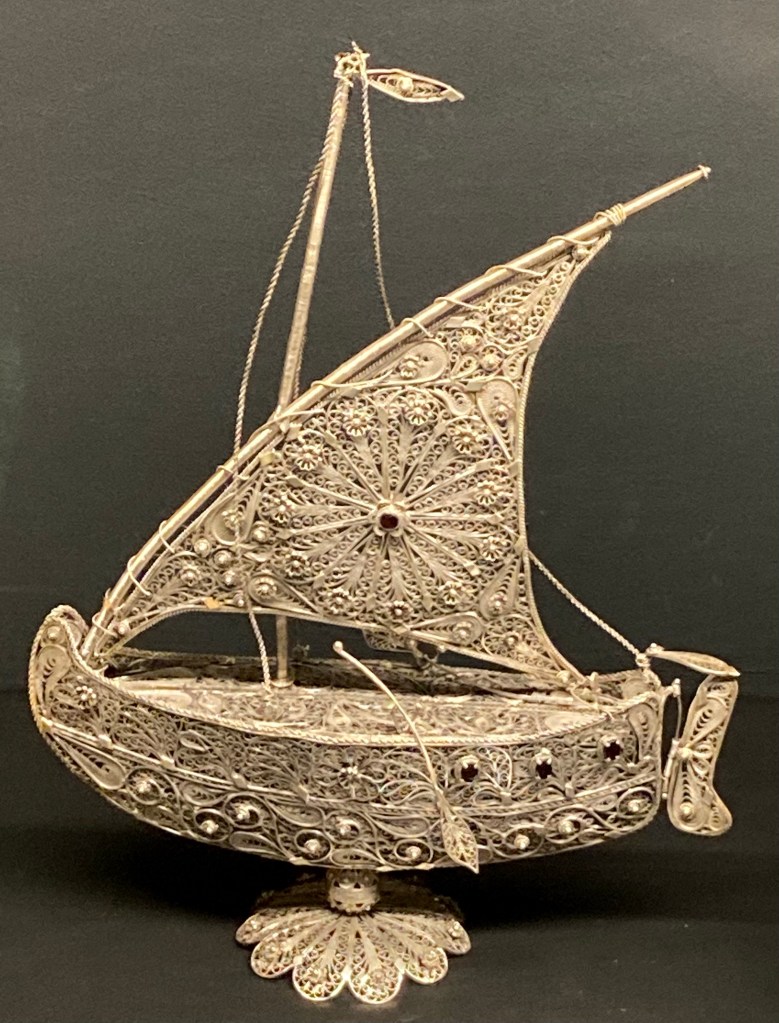
Our next stop took us to Ionnina with its old fortified city containing a number of museums, a mosque and the grave of Ali Pasha who had ruled from Ionnina which in his time had included an area that covered the entire north western part of Greece, southern Albania, Thessaly and the northern parts of the Peloponnese for forty years. His court influenced many leaders of the time including the major figures of the revolution which bought about Greek independence. Arriving late in the day we were unable to visit all the museums but did get to go around the Silver museum which historically had been a school for silversmiths. What made this visit interesting is the museum through it’s exhibits explained the historical development of the methods and tools used in the process of the Silversmiths work alongside some interesting and intricate pieces.

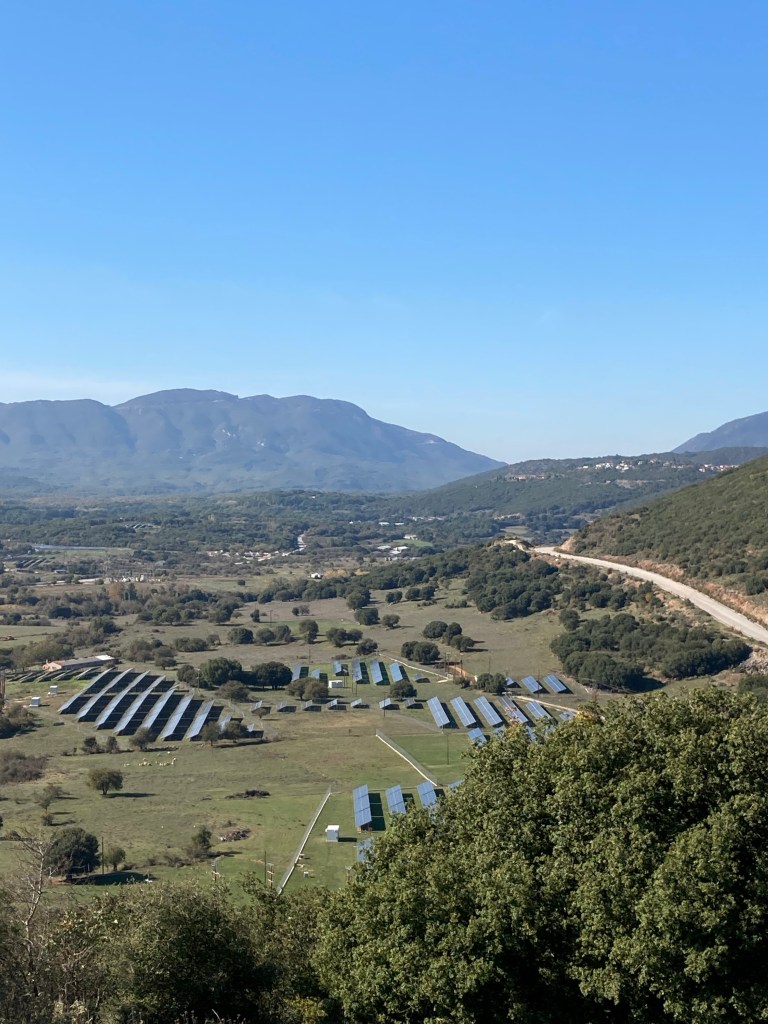
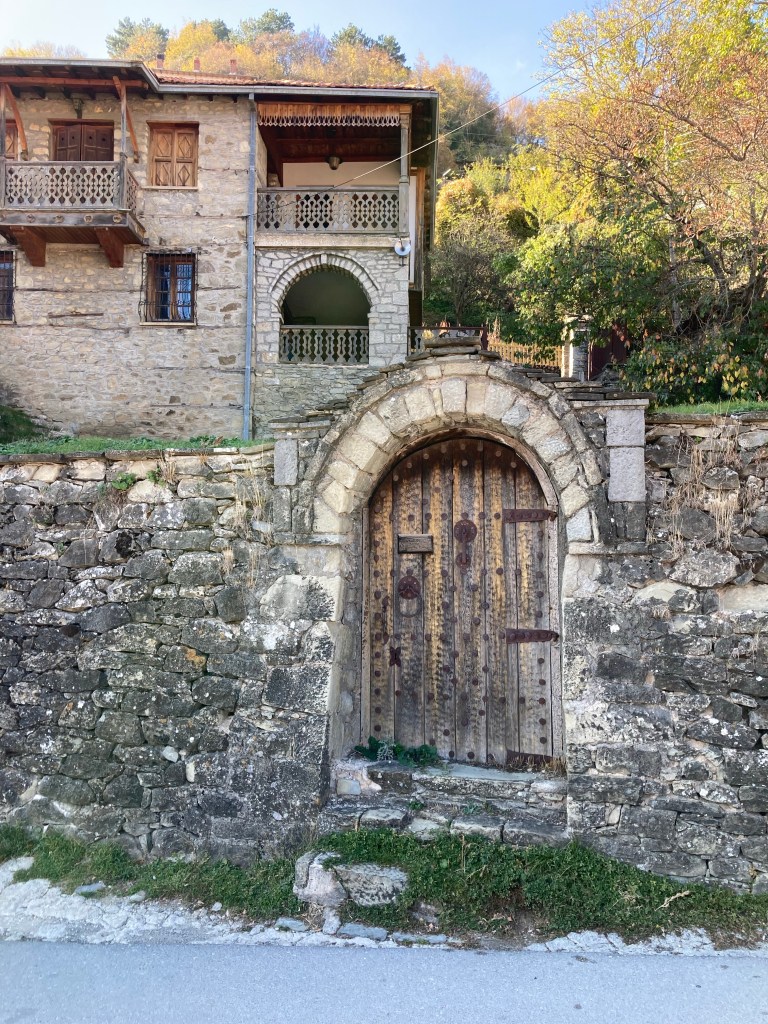
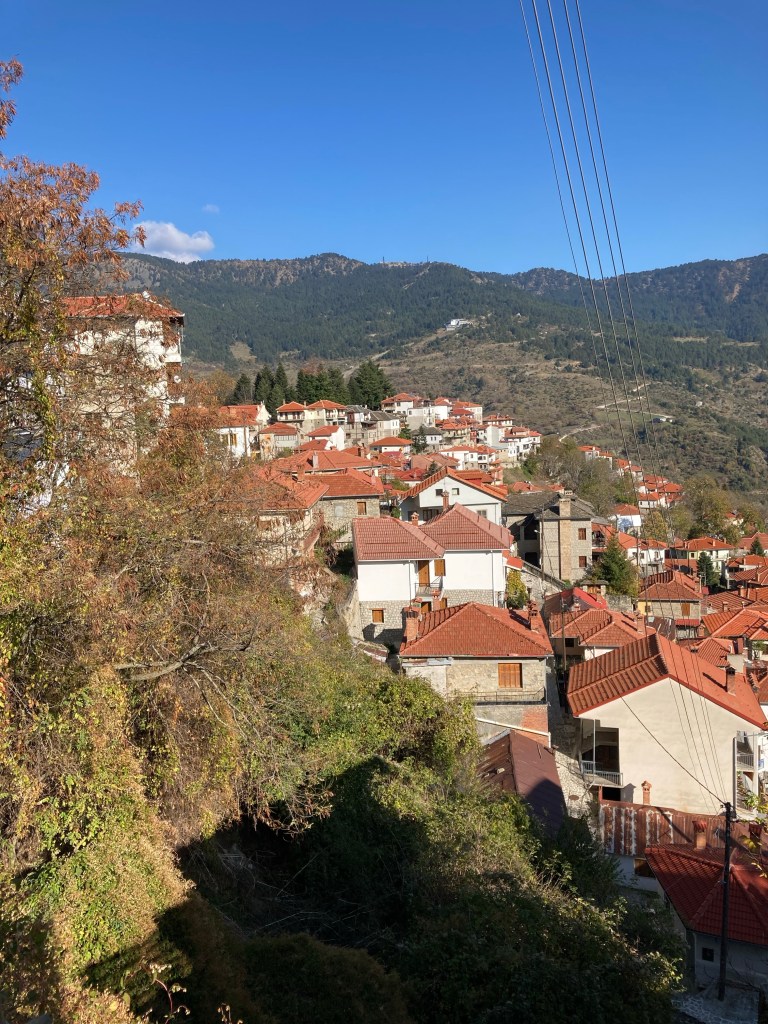
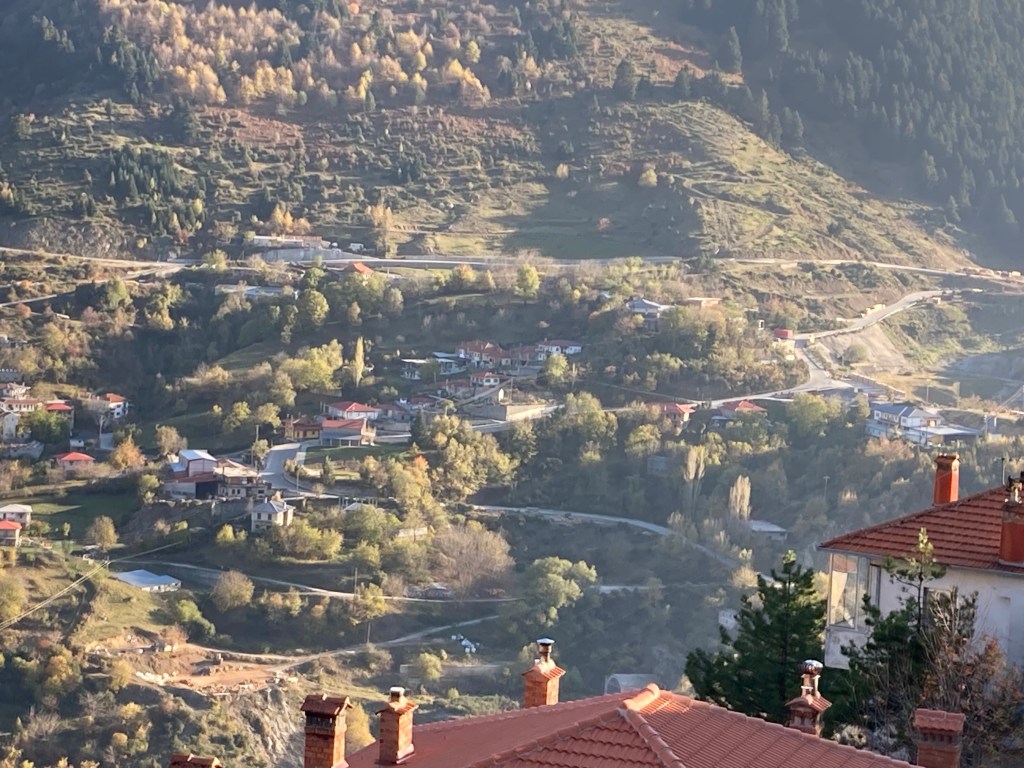
Whilst searching for a stopover we had read a recommendation about a wild camping site high up in the Pindos mountains overlooking a reservoir so decided to investigate and make it our next stop. Our planned route took us via the town of Metsovo which was known for its local cheeses, wine and woodworking and is also a popular winter sports destination. The local population have their own language called Aromanian or Vlach originating from the southern Balkans.

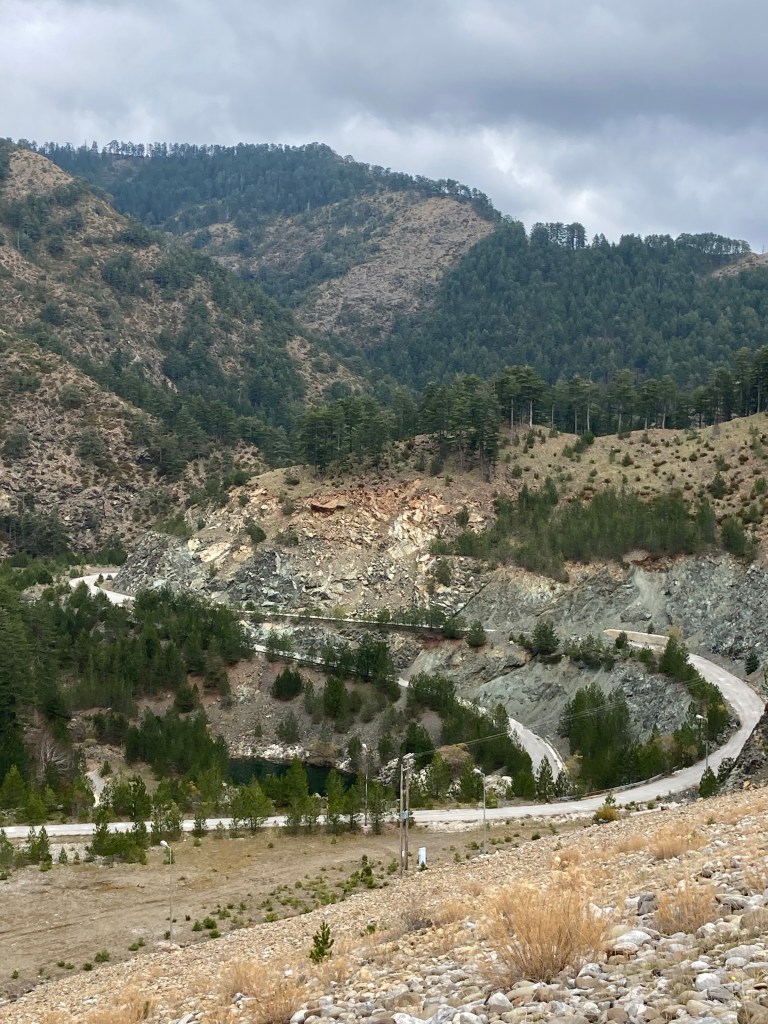
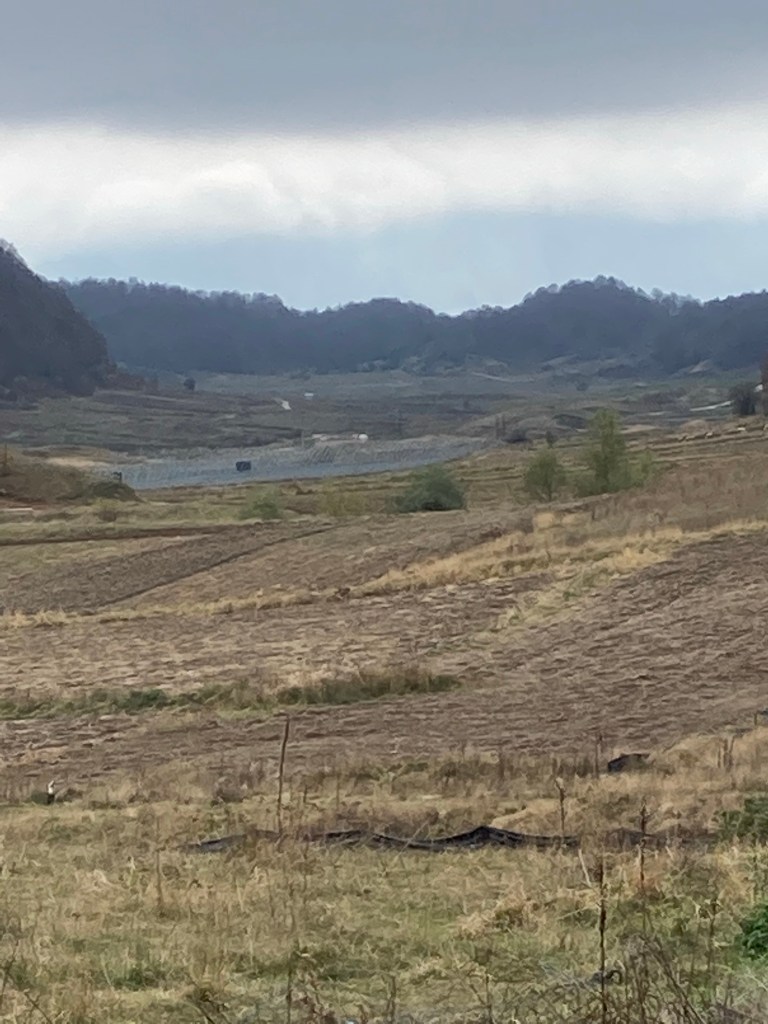
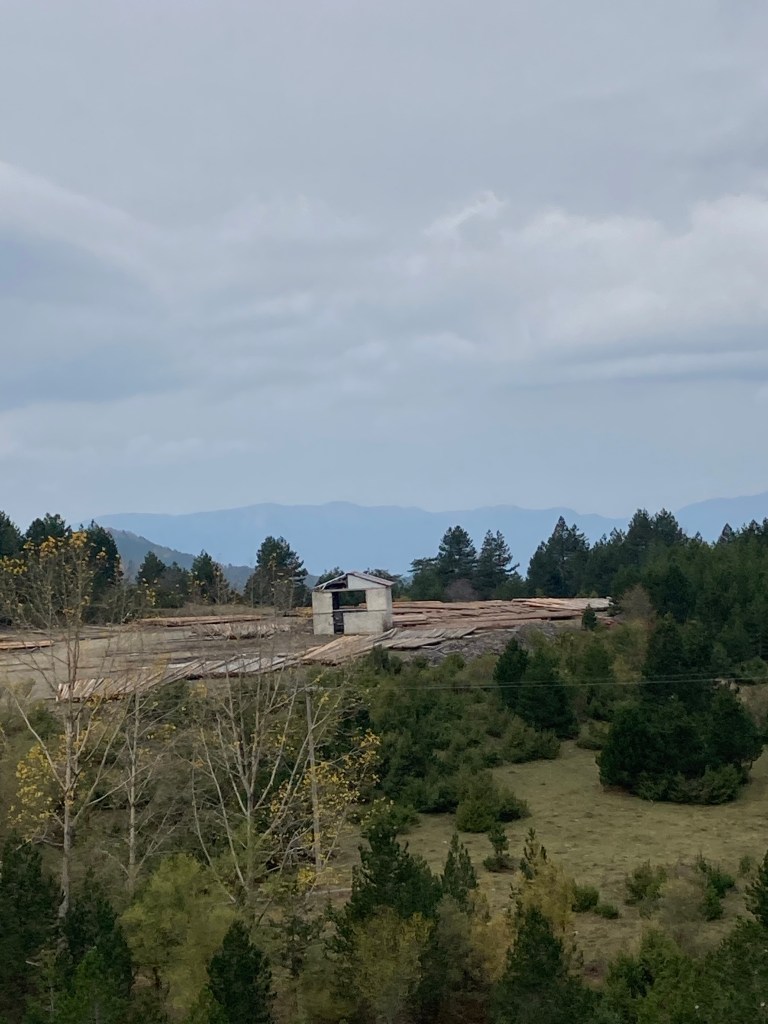
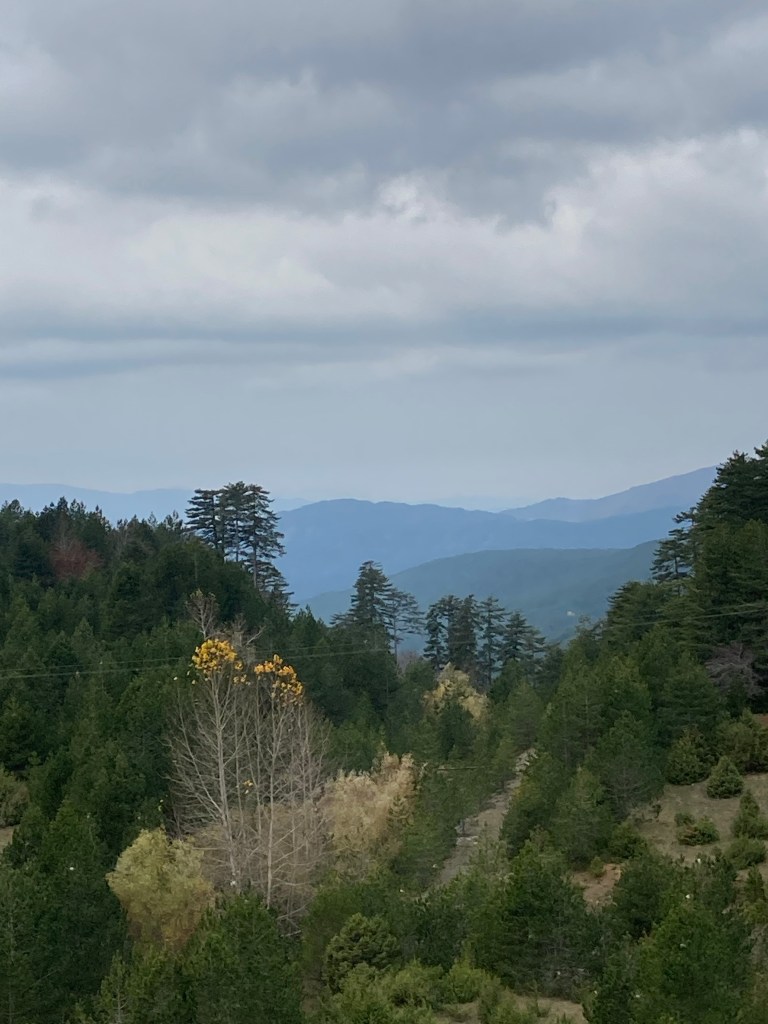
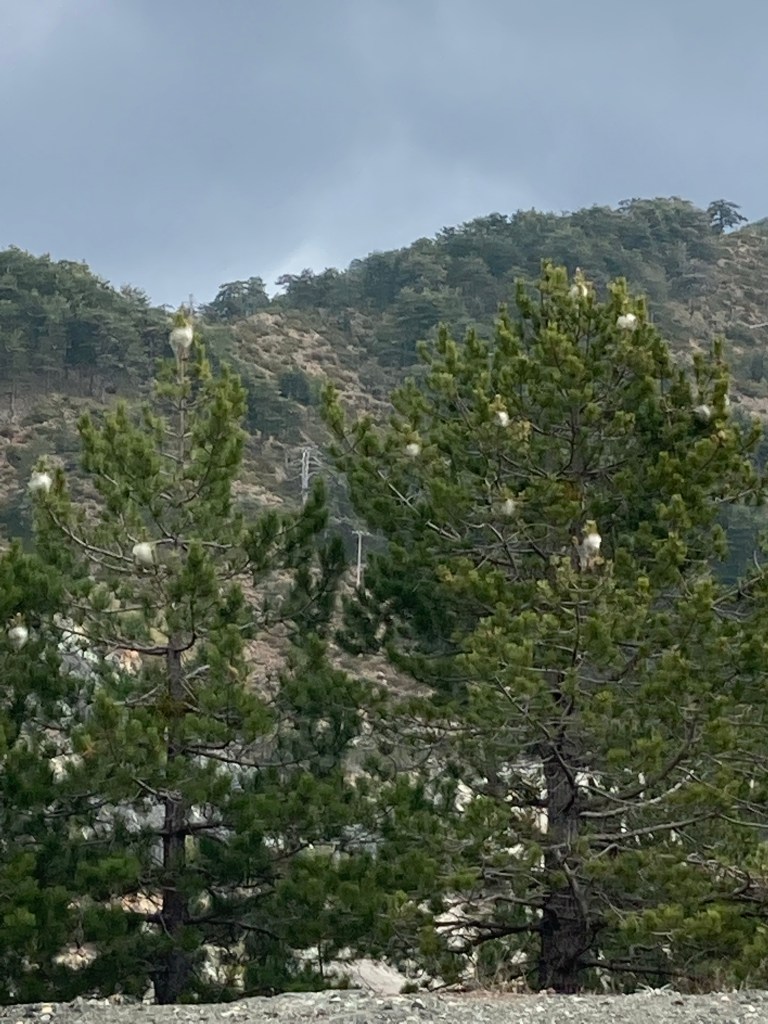
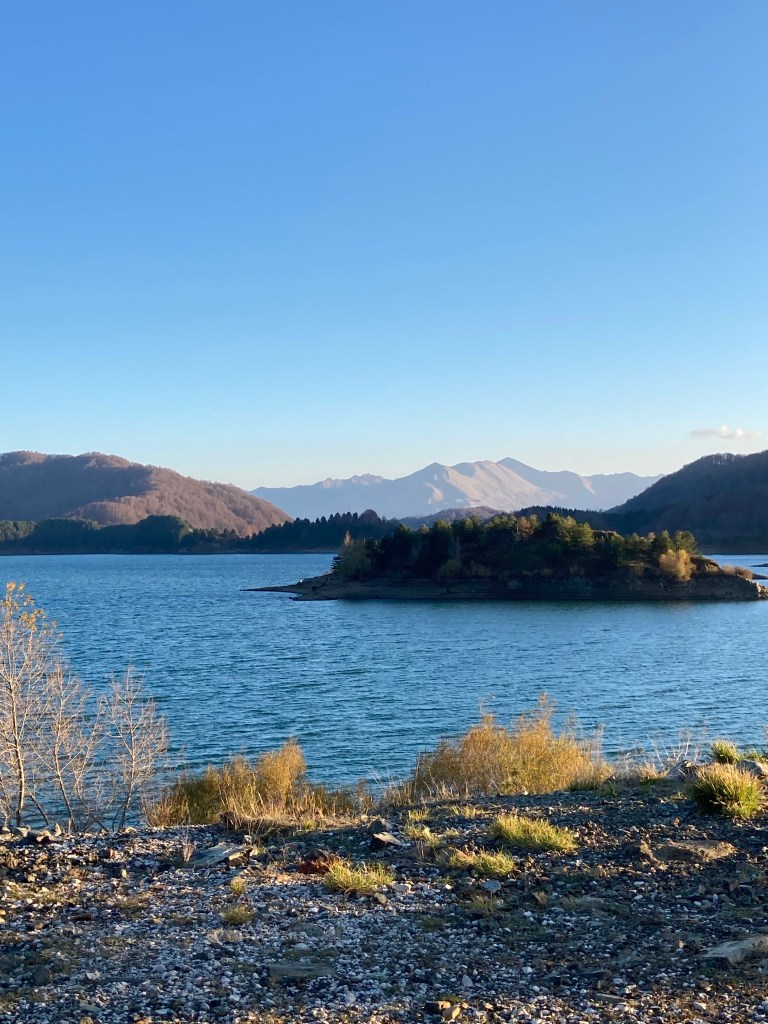
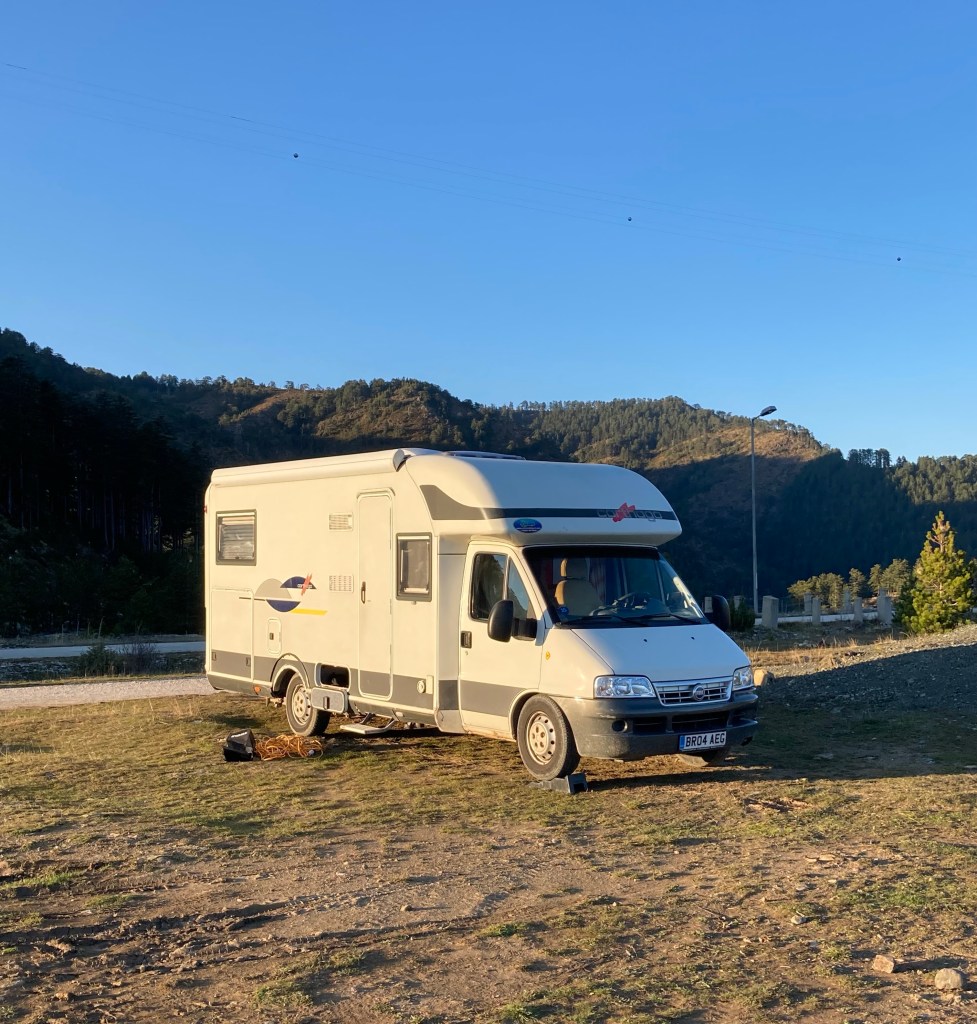
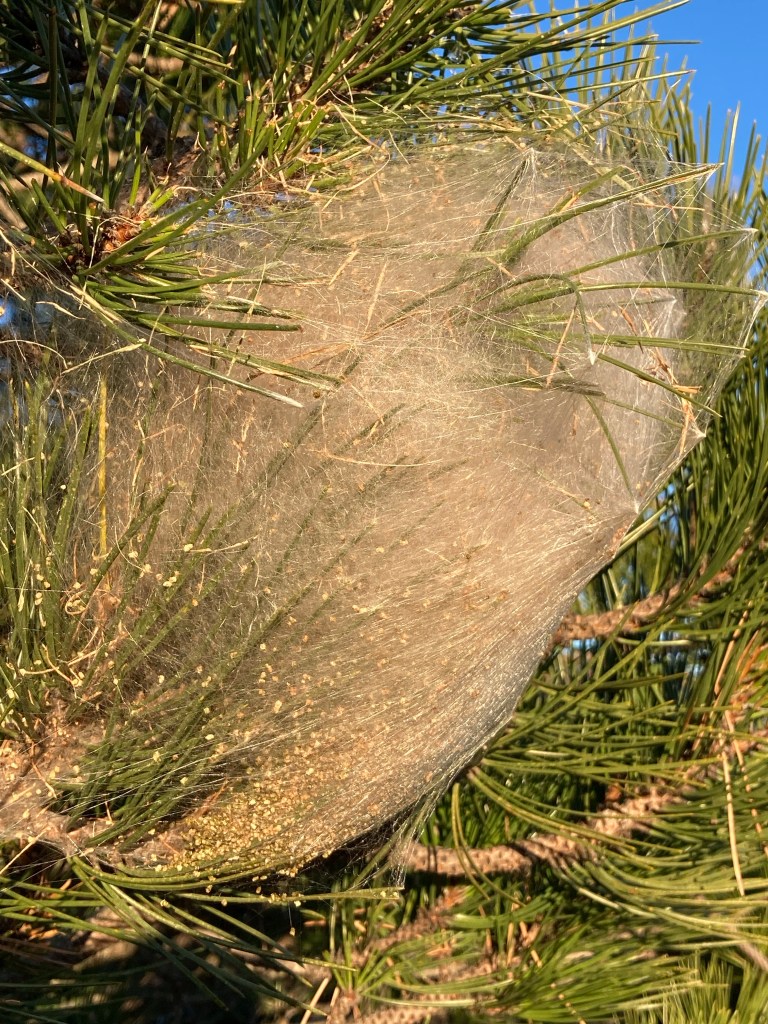
After purchasing a variety of cheeses,wine made in the local monastery and sitting down in the local square for coffee and cake we started the climb upwards to the reservoir. Twisting and winding our way up some very steep mountain roads with spectacular views (which was terrifying for myself as I do not like heights) we suddenly found ourselves on this amazing plateau which contained not only the reservoir, shepherds and their flocks of goats but also acres of market gardening poly tunnels. It was an amazing wild camping night with pitch black dark skies but incredibly cold. My interest was aroused by what looked like large clumps of cotton wool on the tips of some of the surrounding conifers, on investigation it turned out to be massive webs of either some giant spider or an insect of unknown origin. On our way back across the plateau we stopped to say hello to a local shepherd who spoke a little English and who’s main thread of conversation was Boris Johnson! Whom he appeared to find exceedingly amusing.

Goodbye Croatia

Our final destination was Dubrovnik having paid a fleeting visit to Split. The intention as we made our journey from Zadar to the Montenegro border was to spend a few days in and around both these towns enjoying their history as fortified old towns

Split in reality was built at the turn of the 4th century AD as the retirement palace of the Roman Emporer Diocletian, not as a conventional palace as its area was large enough to house a small community and military garrison. But it’s recent history as a venue for the blockbuster TV drama Game of Thrones has resulted in an over commercialism of the old town with the majority of shops becoming GoT merchandise venues turning it into a themed shopping mall.

Walking in to the old town of Split we found the narrow streets far to crowded for our liking and the historical area lost behind restaurants and market stalls, deciding this was not for us we abandoned Split and continued on our way.

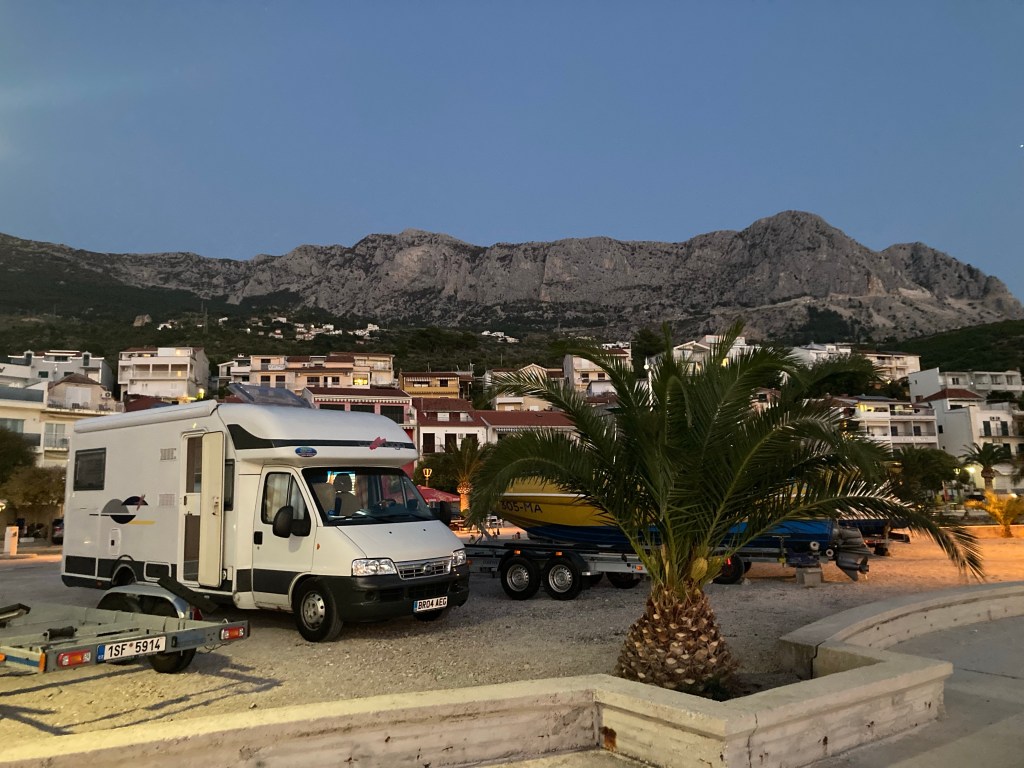
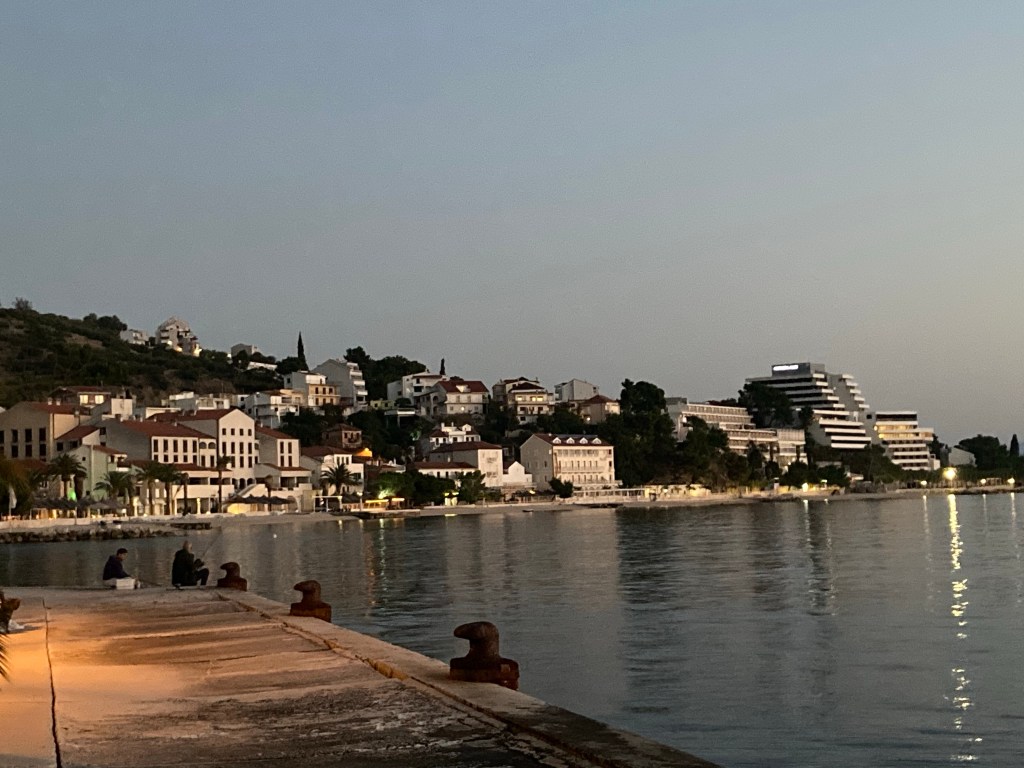
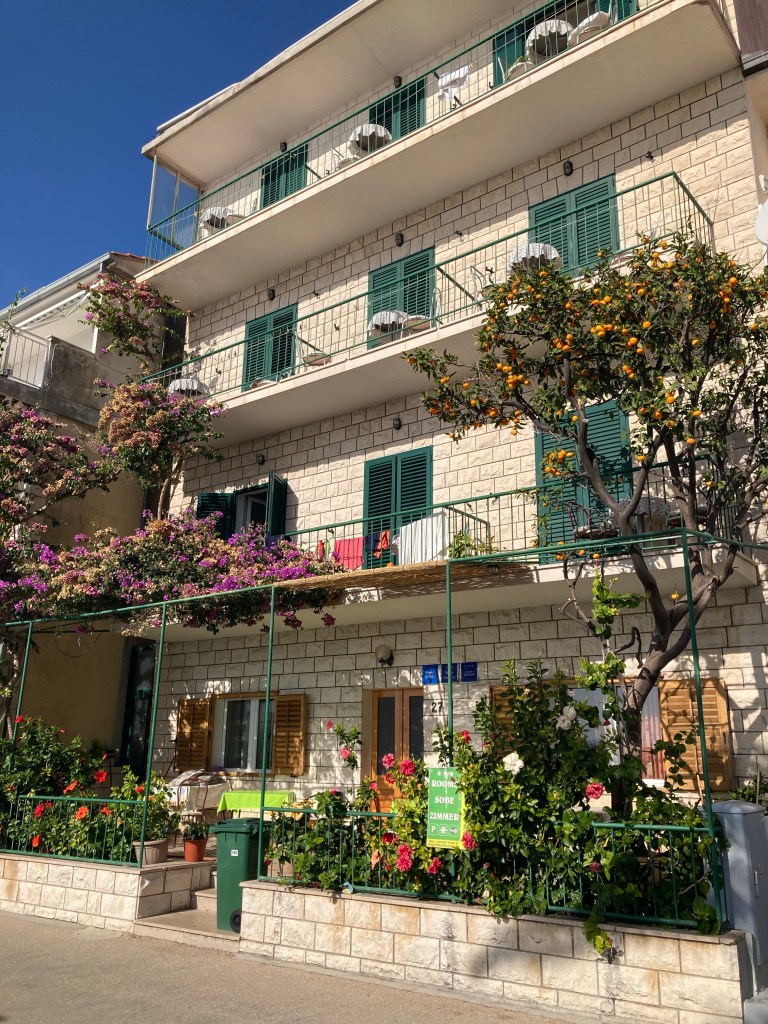
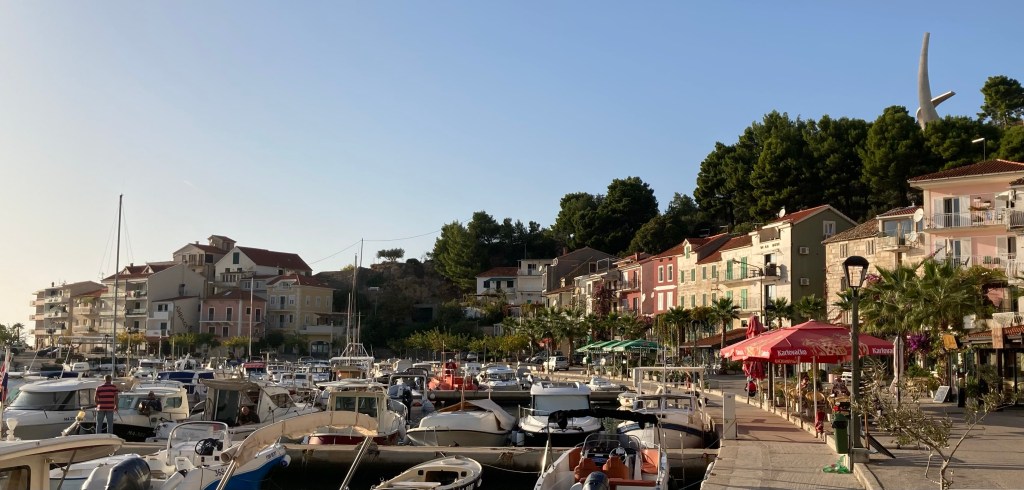
Driving down the scenic coastal road we came across a small wine tasting bar so obviously had to pull in for a taster or two. Continuing on our way three samples later we came across a small bay with a harbour and a couple of hotels at one end. Driving down into the village centre we found a free parking site adjacent the working harbour perfect for a couple of nights wild camping

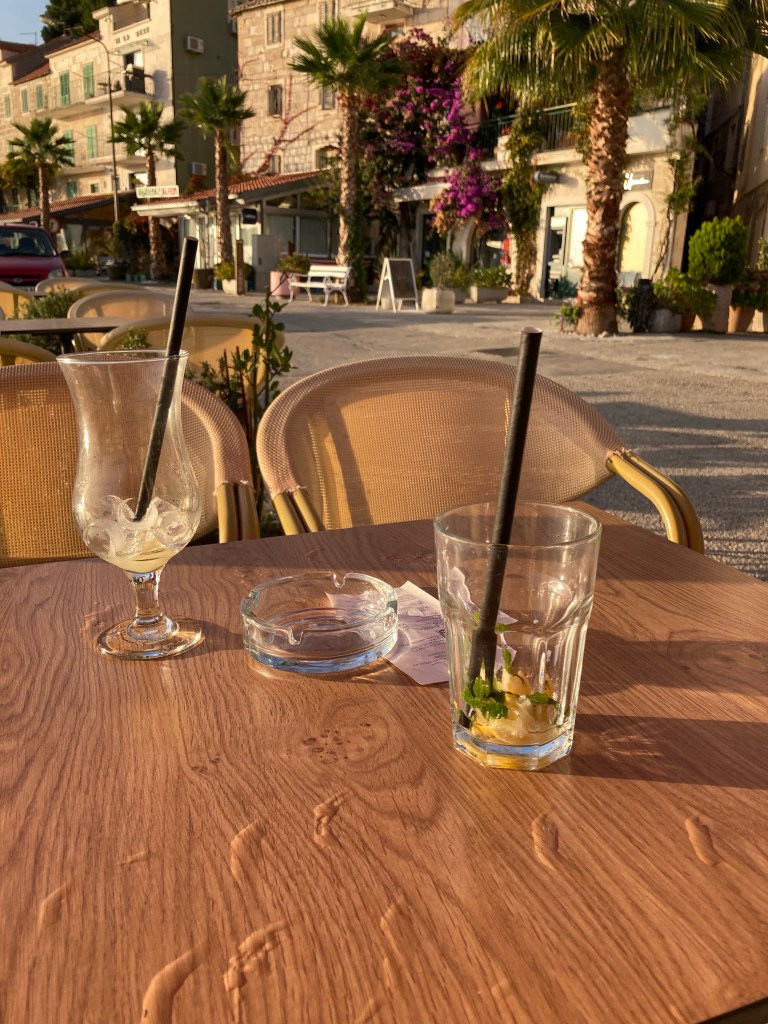
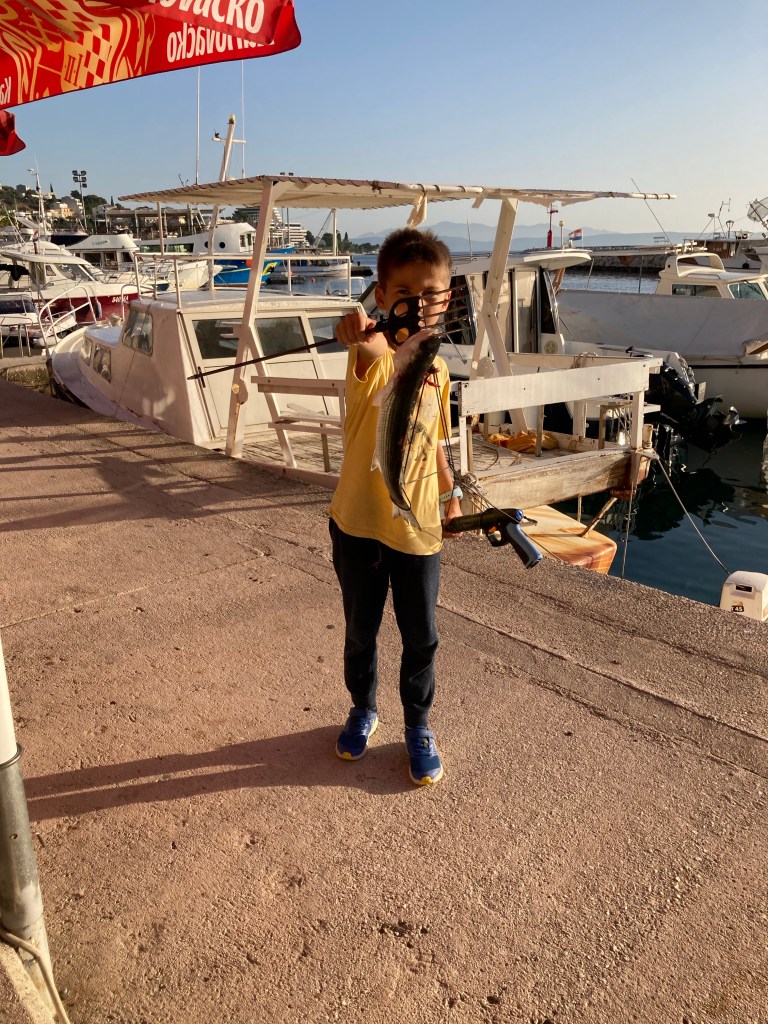
Our first night was spent with a drink at a harbour bar where locals were gathering before they set off to do their evening fishing. As we sat having our drinks a young lad came walking past our table speargun in hand. Within minutes he was back showing his grandad his prize catch. The next day we walked the length of the bay and around a headland into a picturesque collection of seafront houses before returning for a fish lunch and an afternoon on the beach. This time in Podgora was one of our best memories of Croatia.

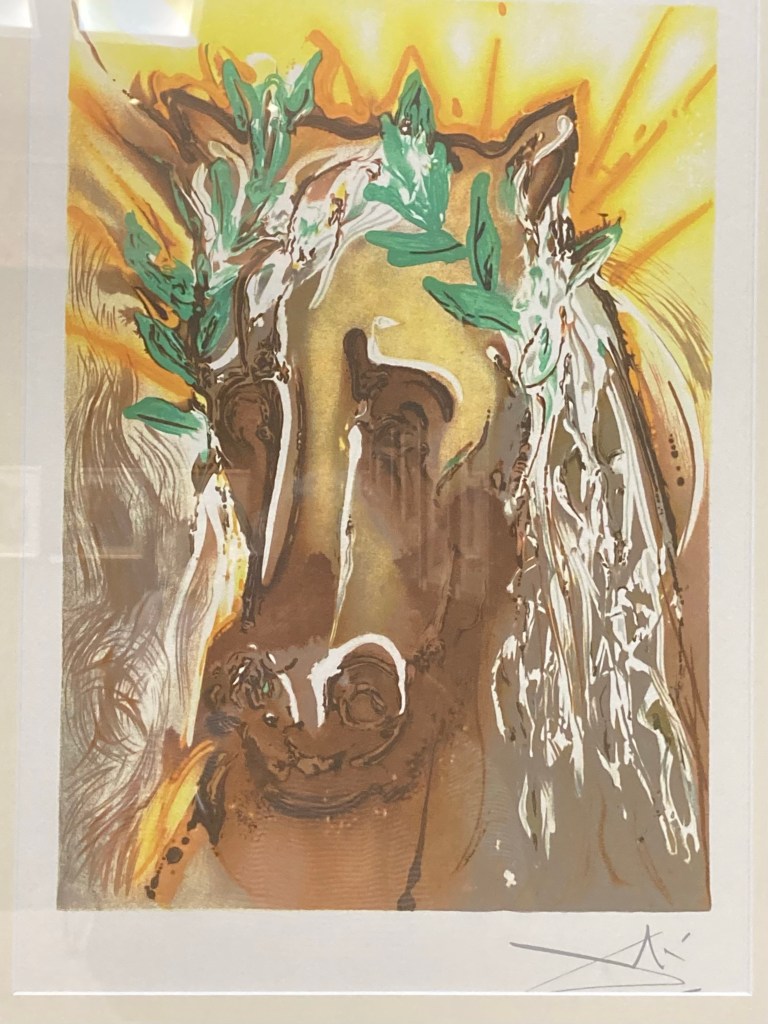
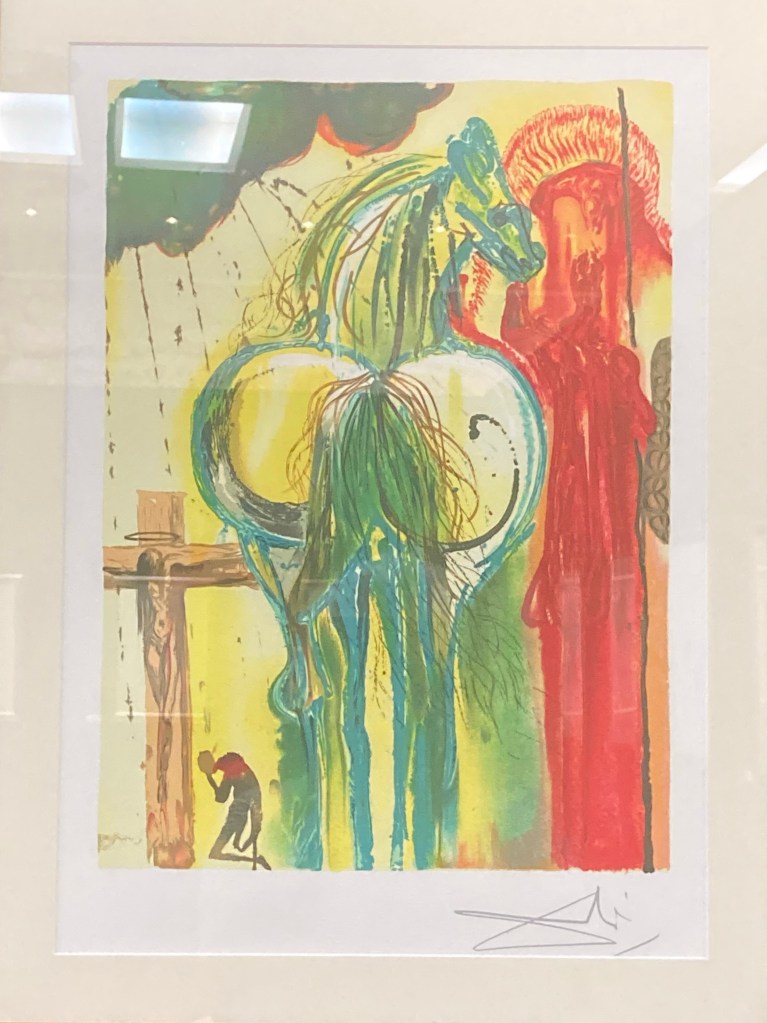
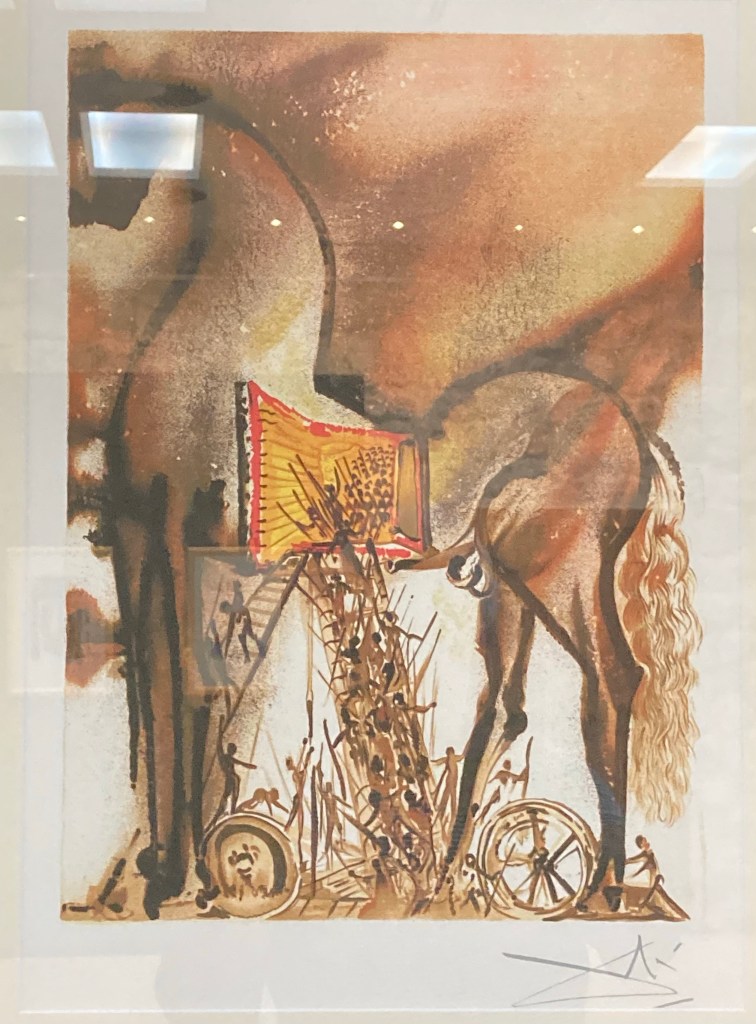
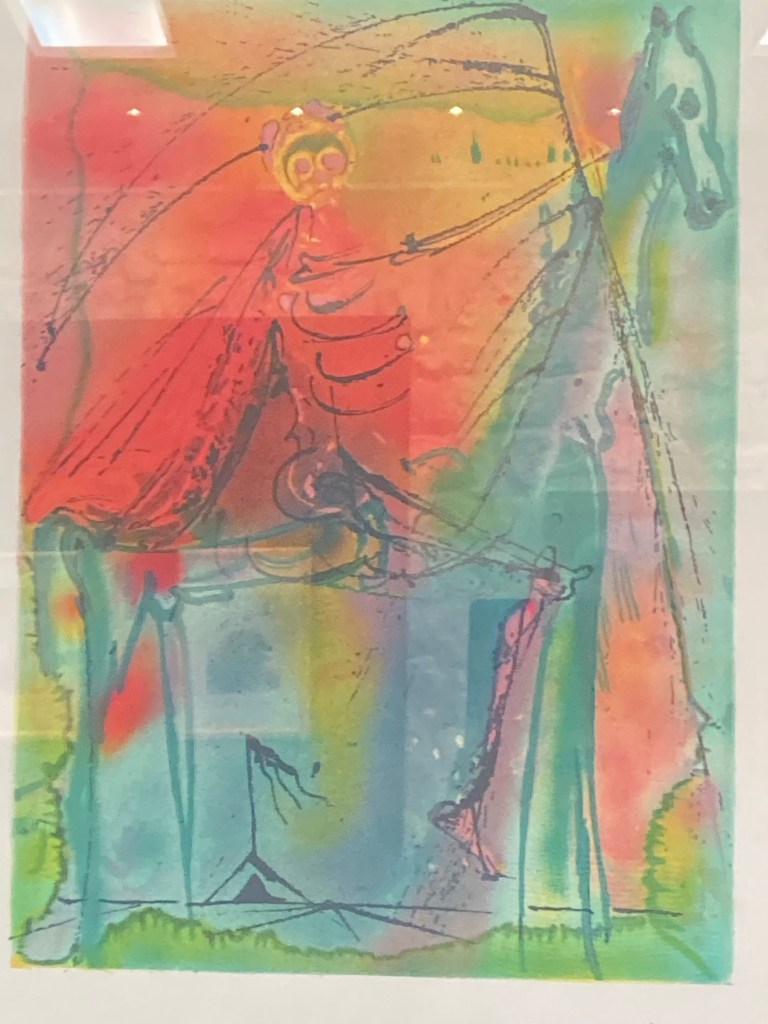
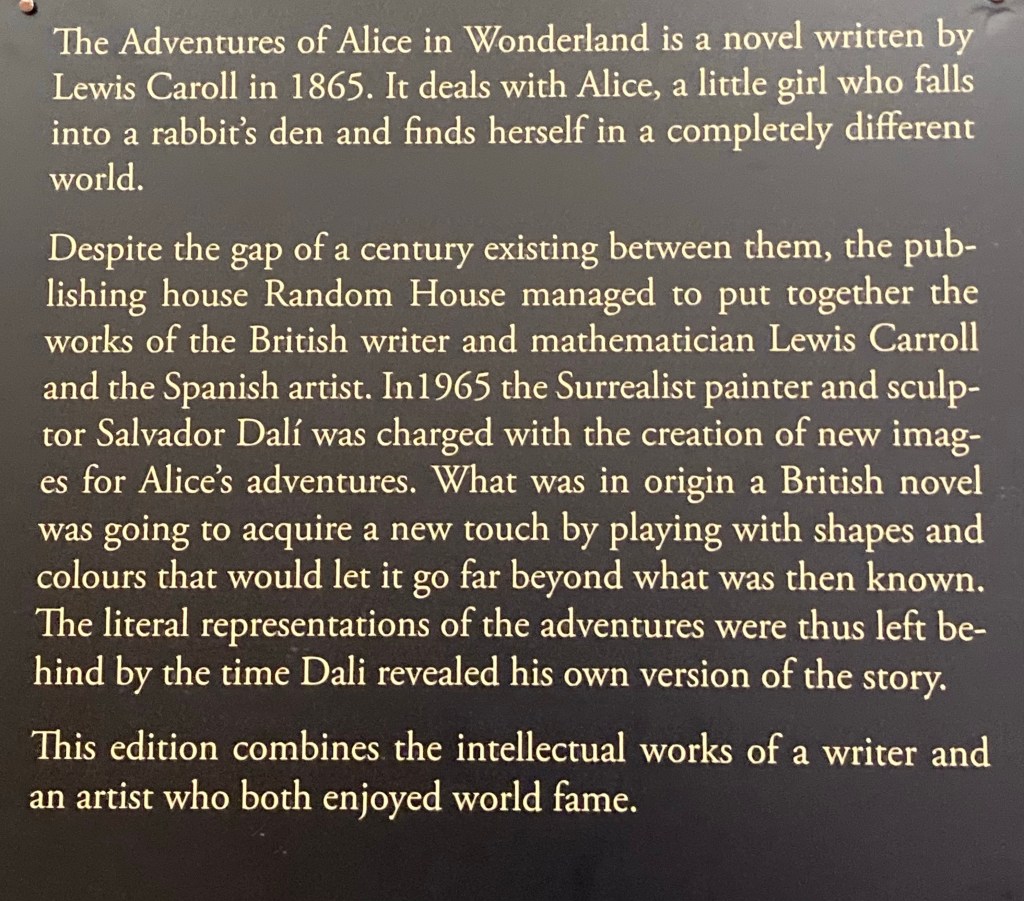
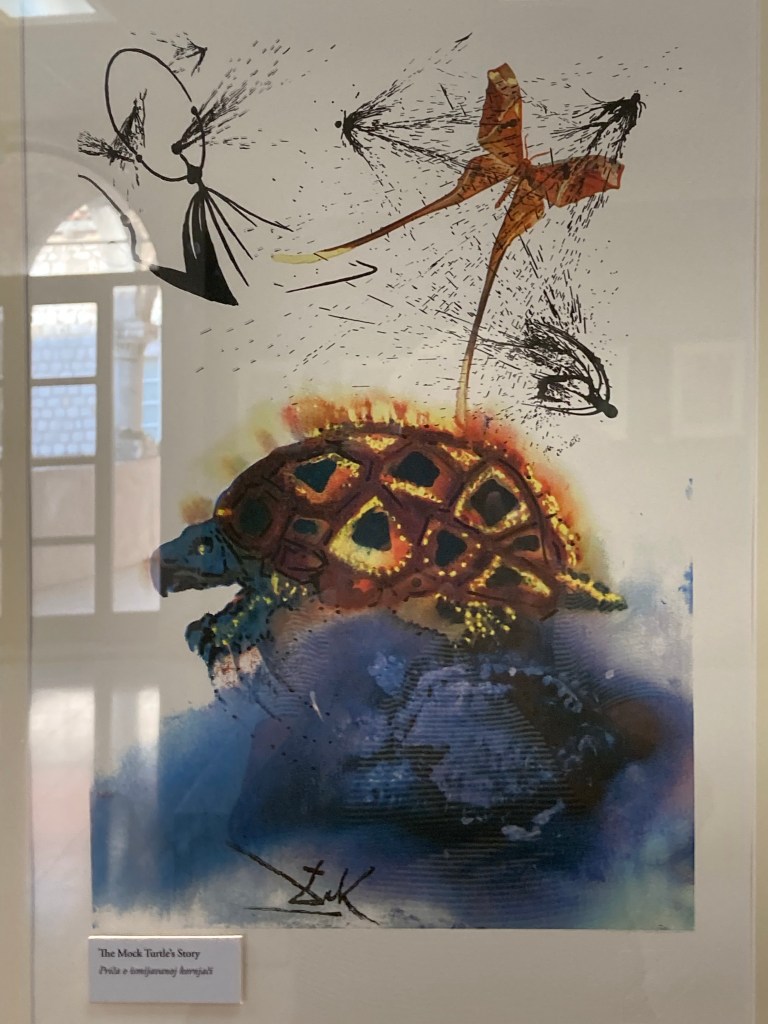
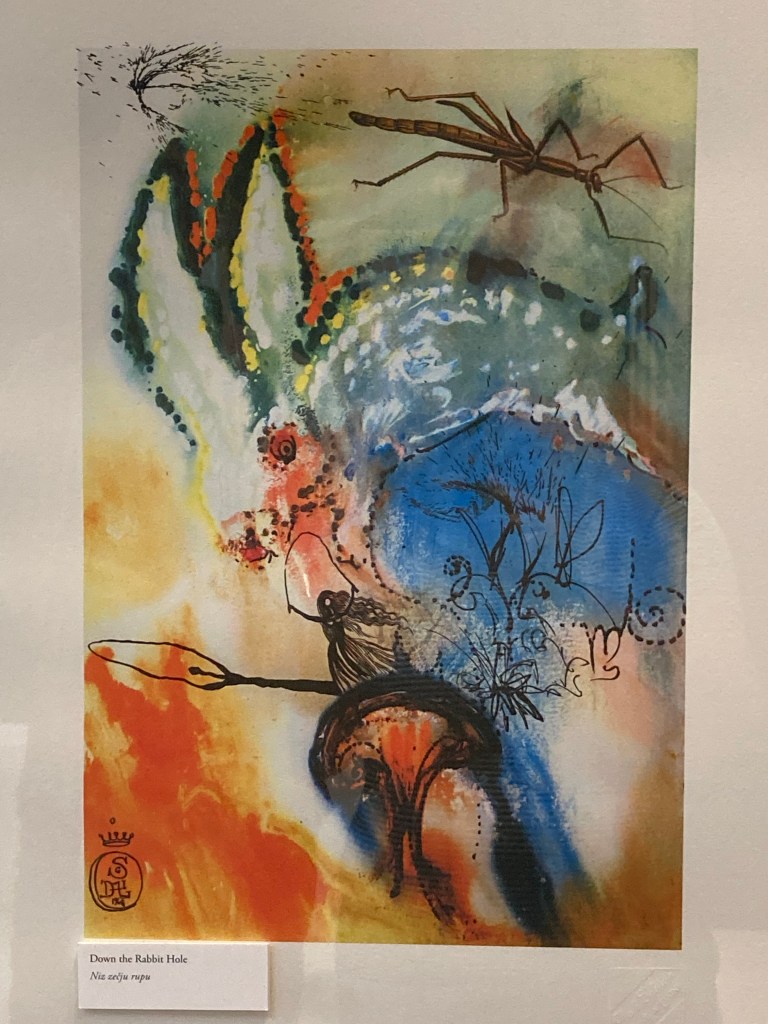
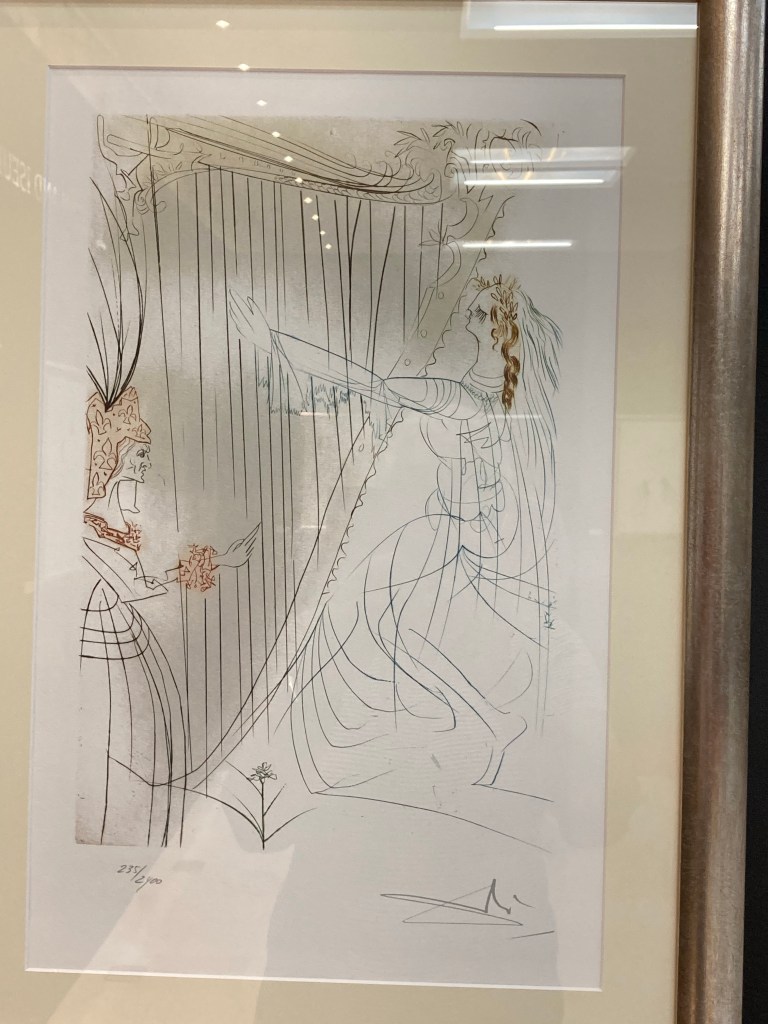
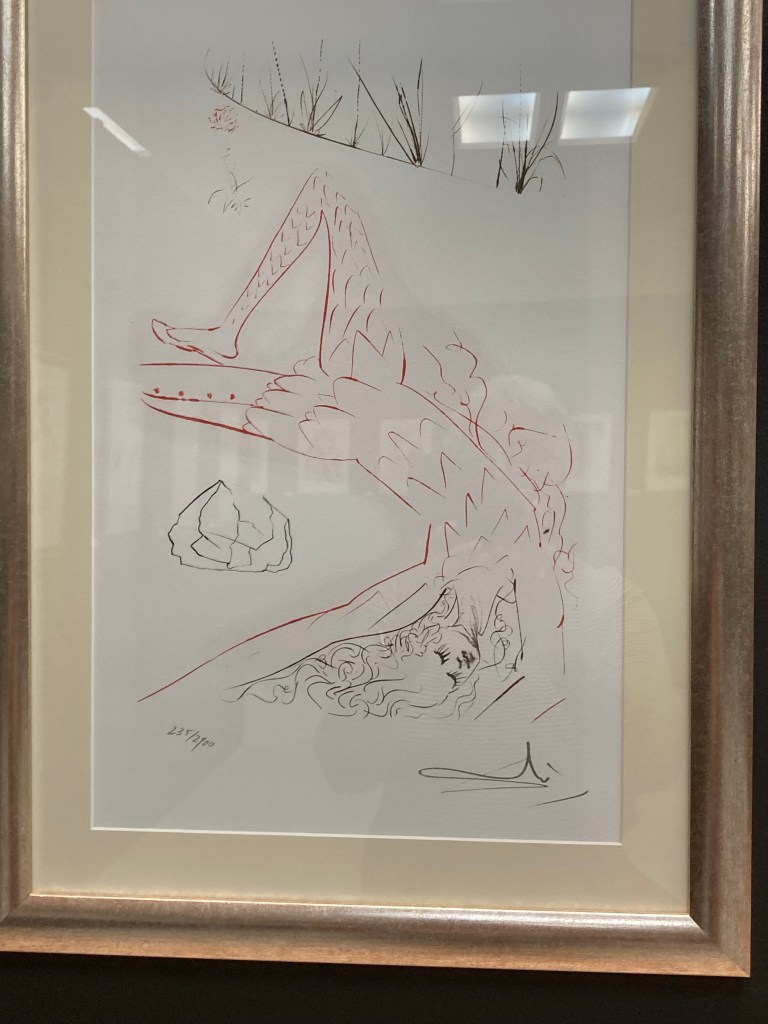
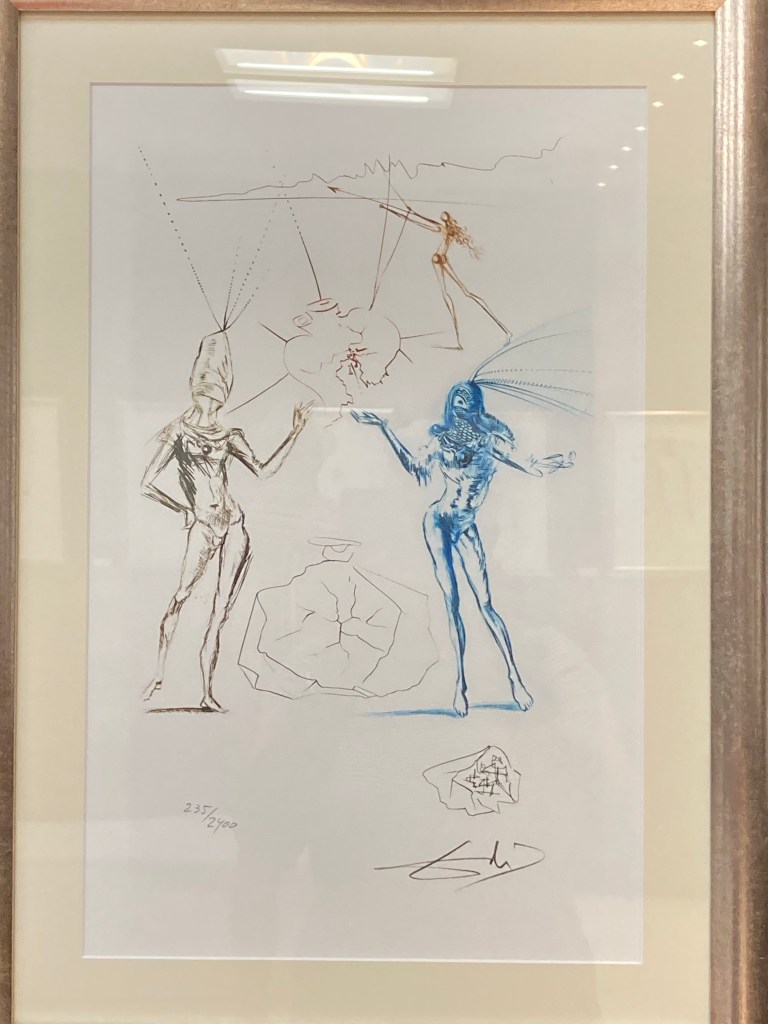
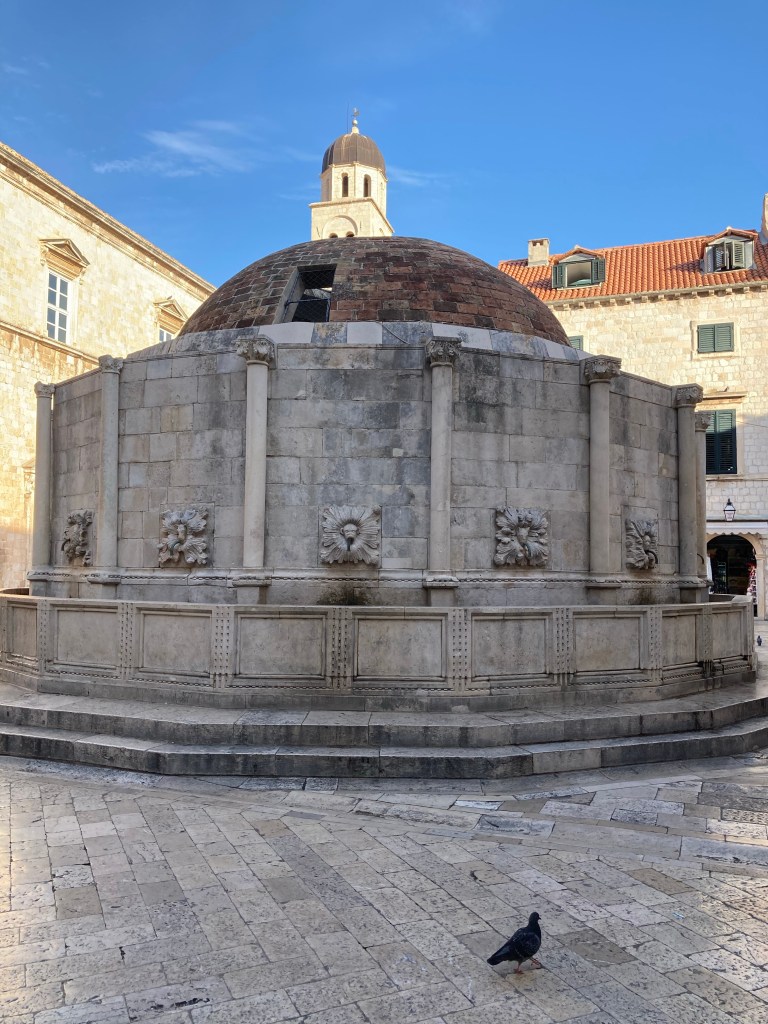
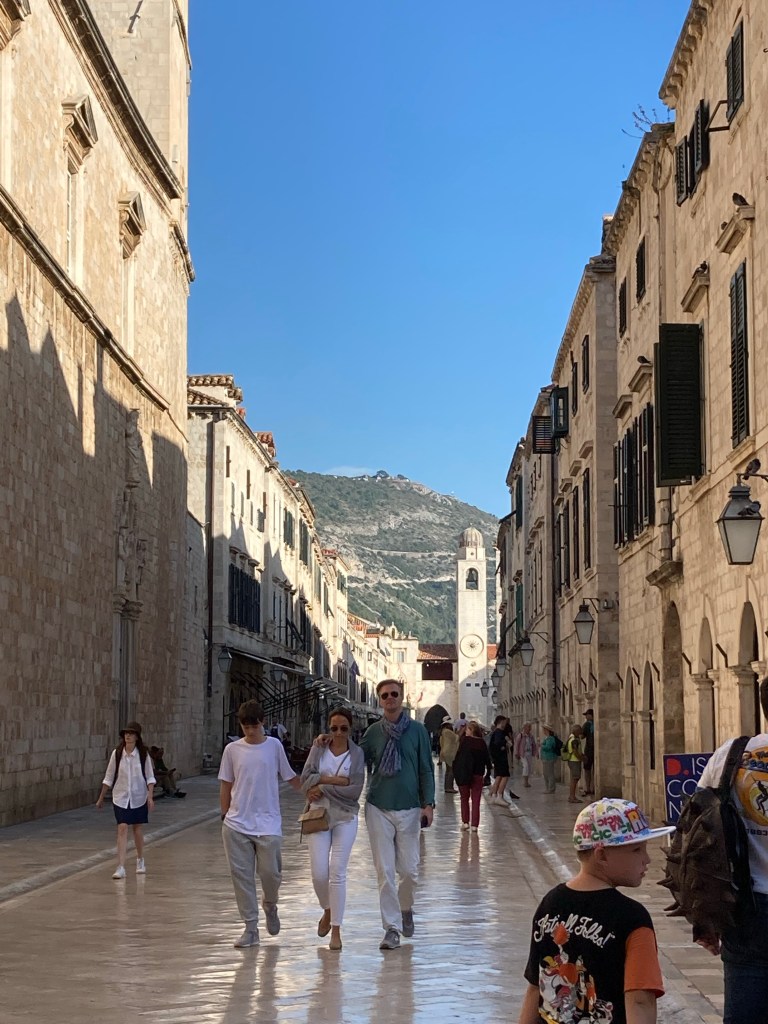
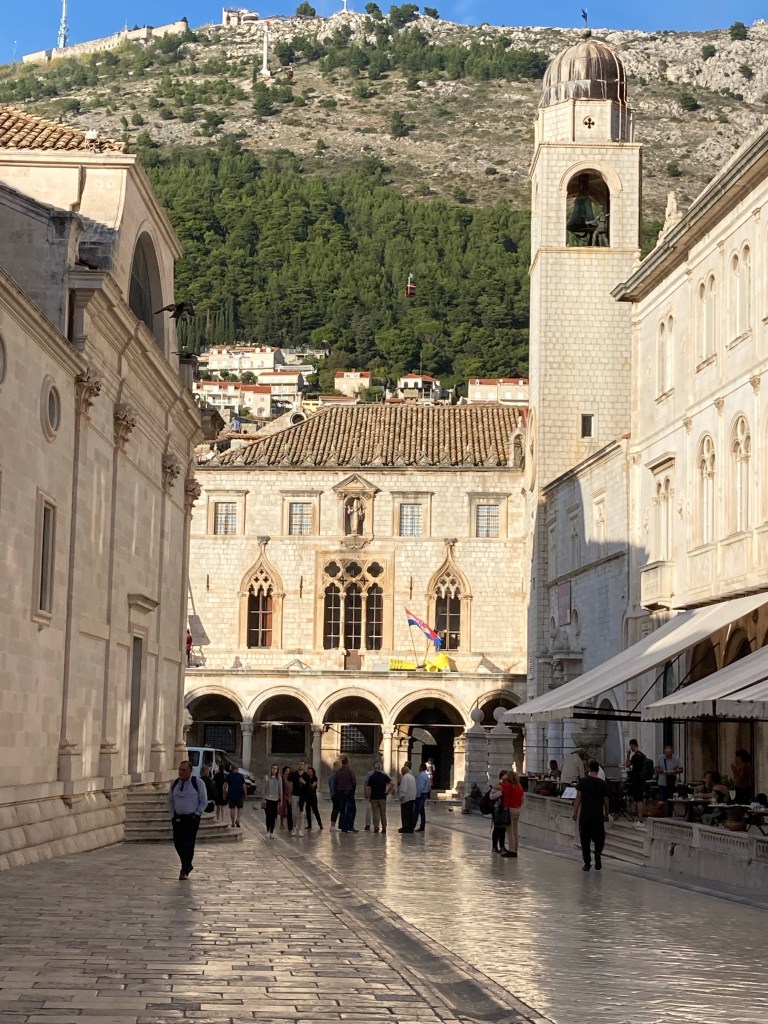
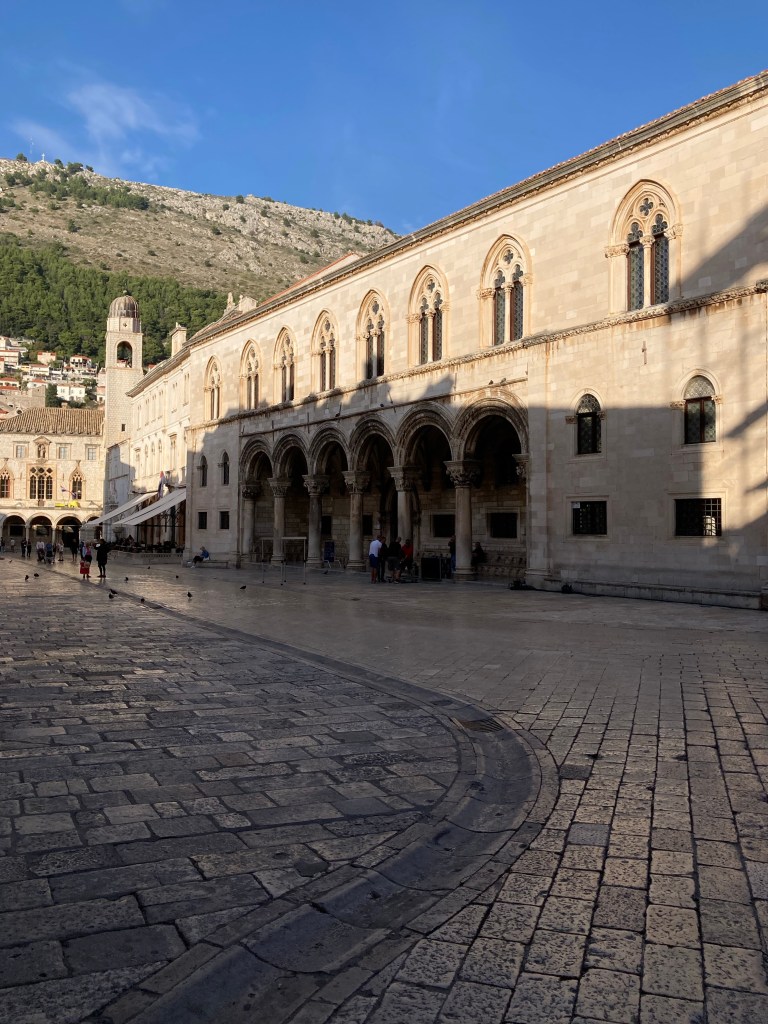
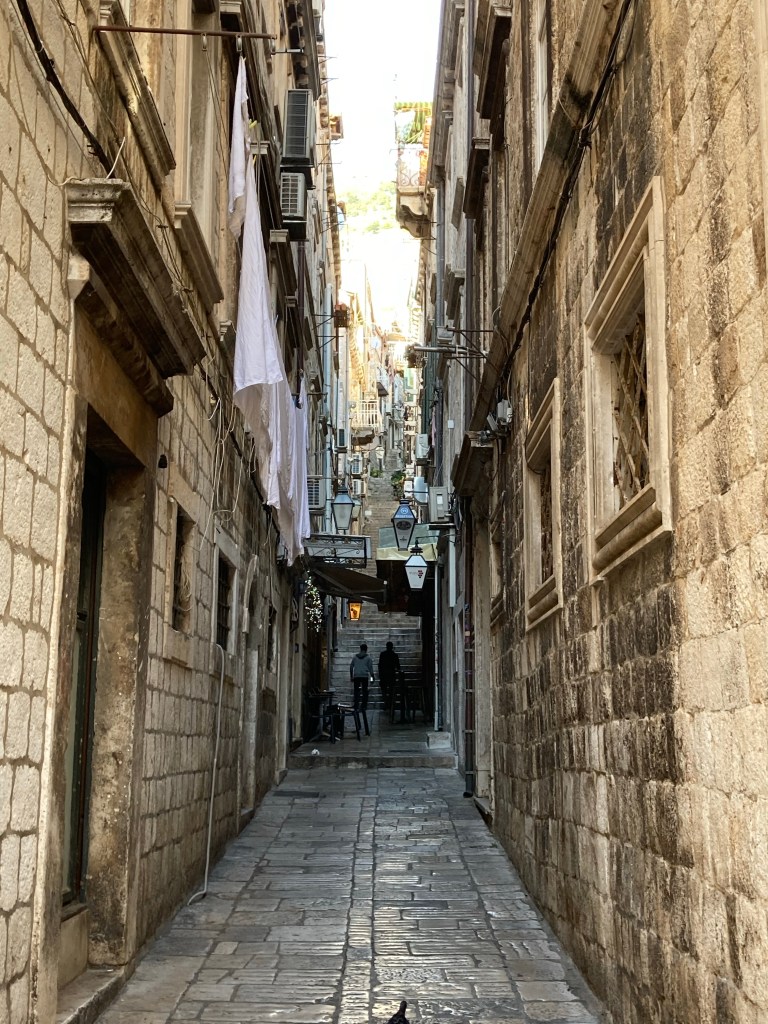
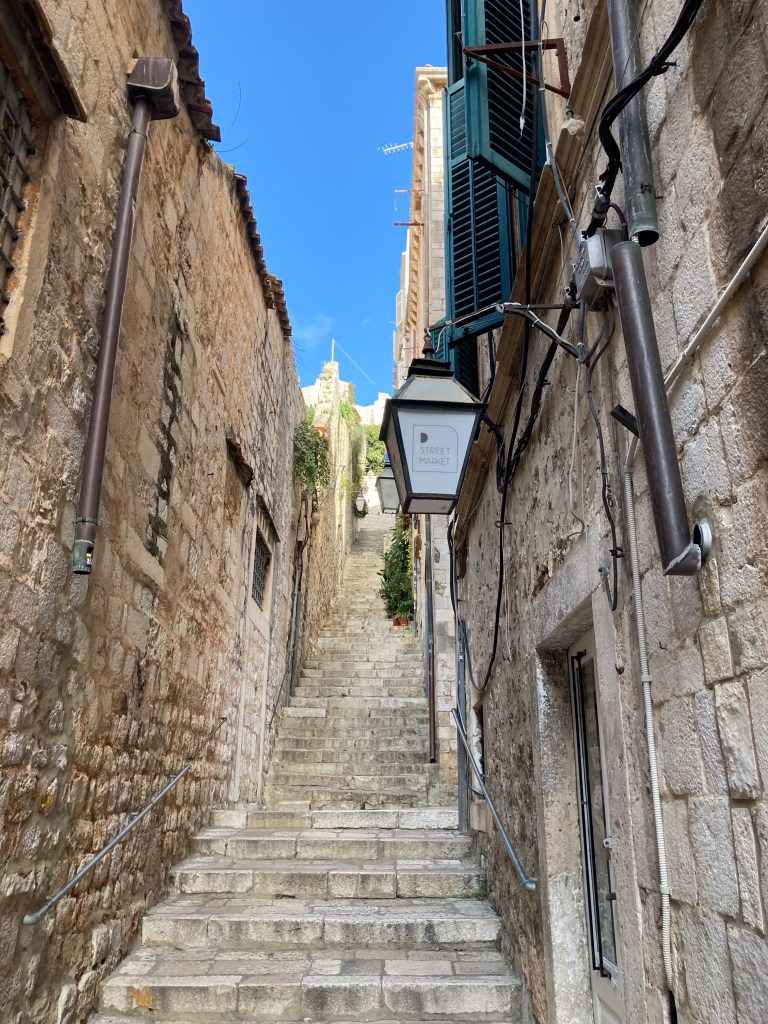
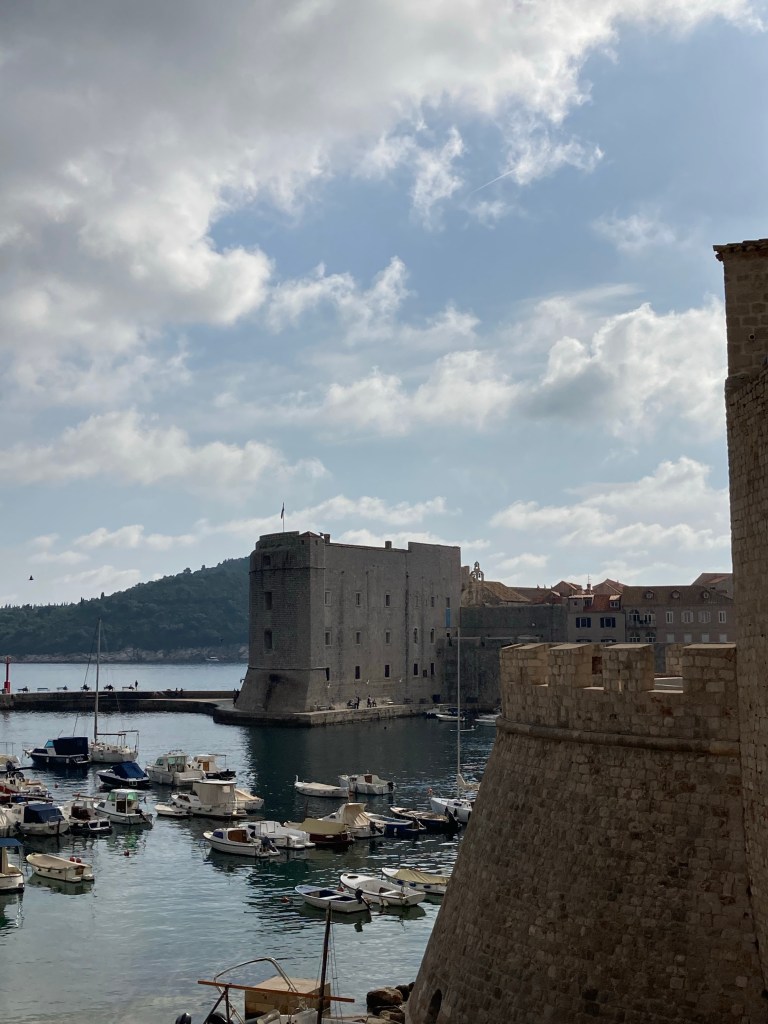
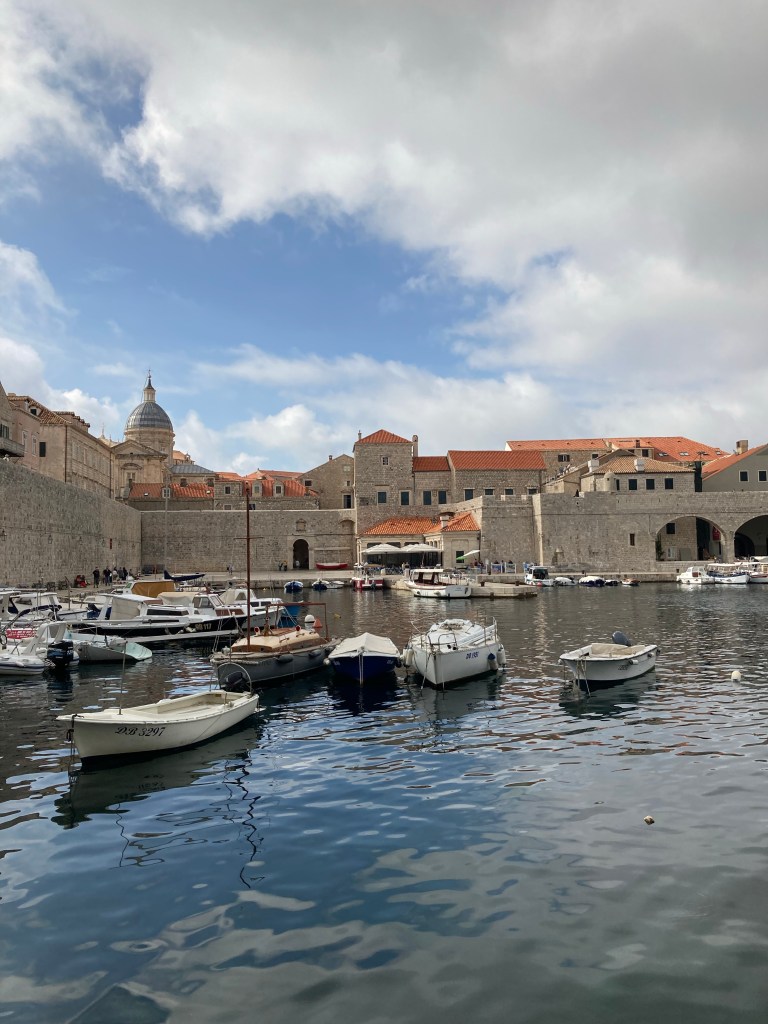
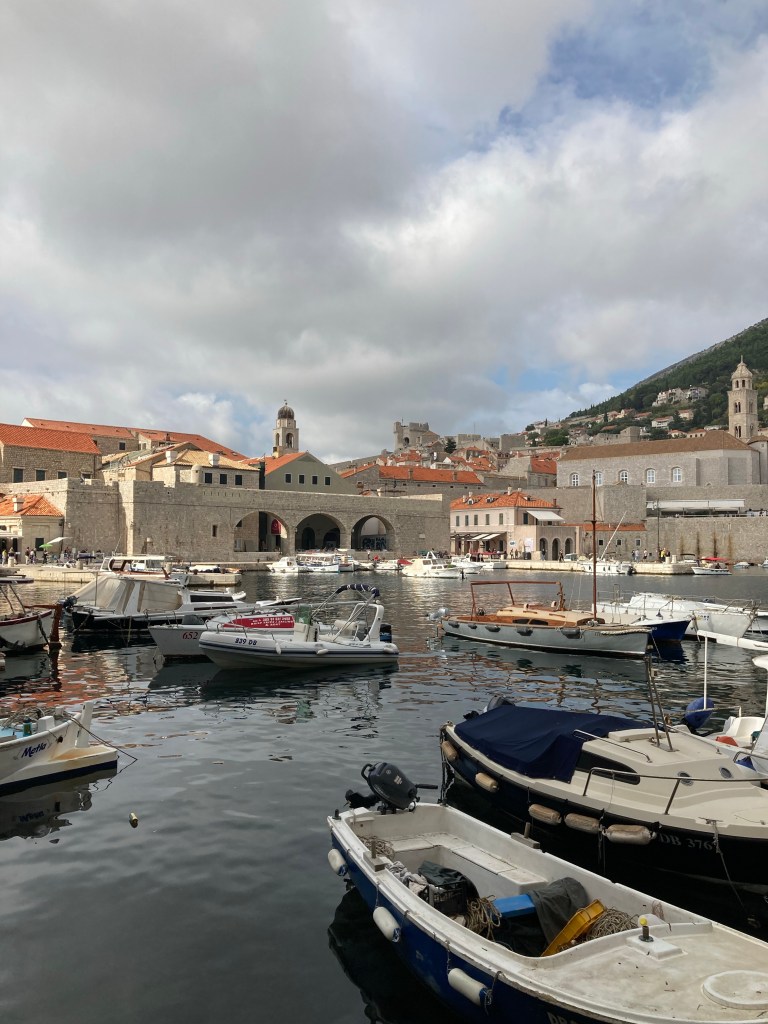
The old city of Dubrovnik is a fully intact walled town. Entering through the main gate you come upon a large plaza with a central fountain leading to a wide limestone paved avenue with typical narrower side streets on both sides. In the entrance area we were pleasantly surprised to come upon an exhibition of some of Salvador Dali’s work.

Dubrovnik like Split was also a major location venue for the Game of Thrones and yet the GoT commercial ventures was a small part of what the town had to offer making it a more pleasant experience. At the far end of town from the entrance was an Archway leading to the protected harbour

A Pathway through to Greece

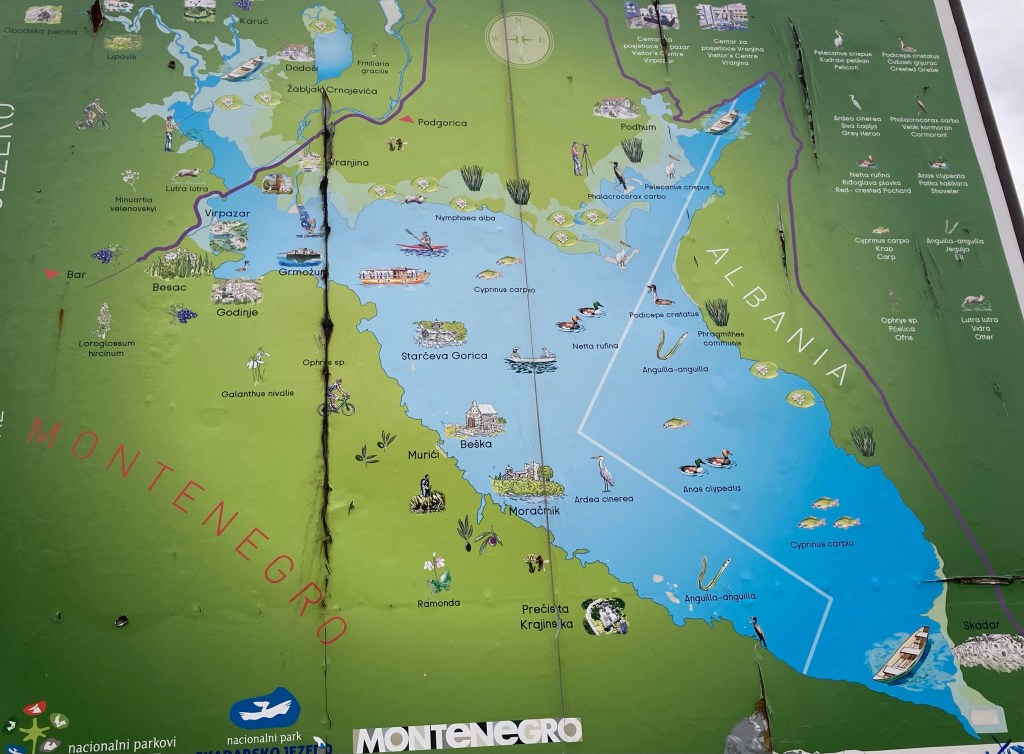
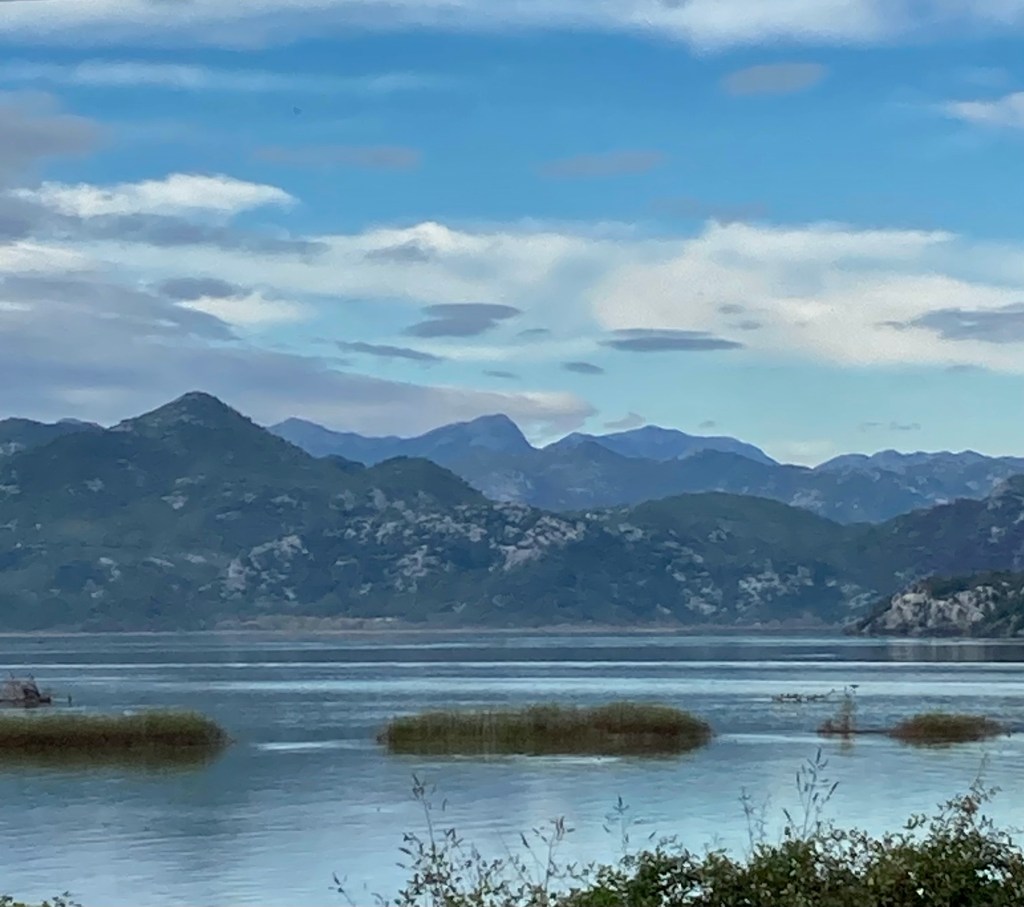
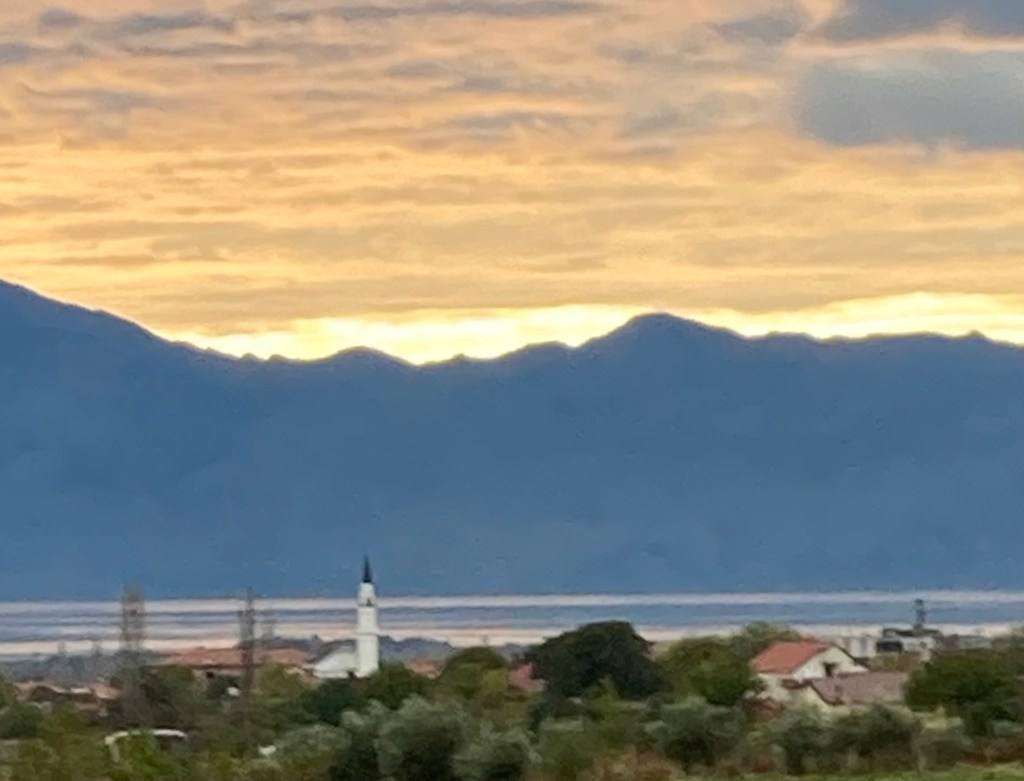
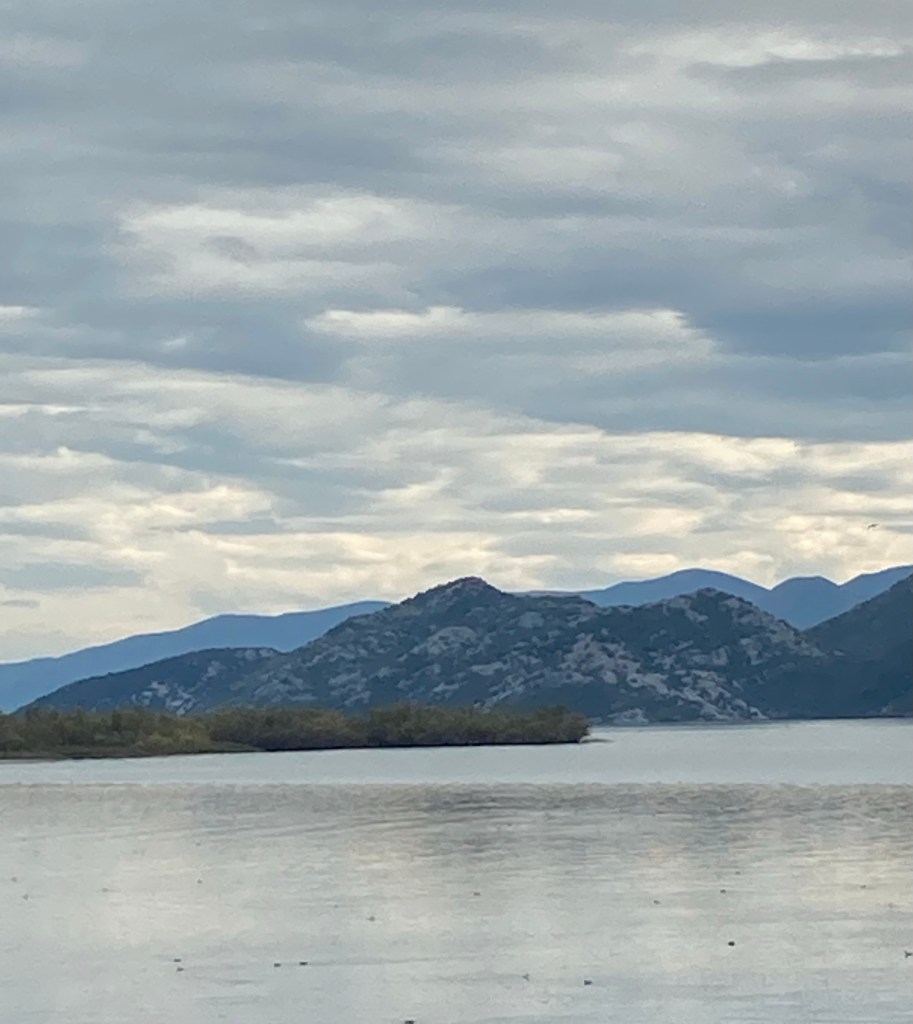
Montenegro greeted us with a severe weather warning and boy did we have a thunder and lightning spectacular throughout the night followed by a day of rain,.Greeted the next day by bright sunshine we hoped to enjoy a day birdwatching around lake Shkoder National park area sadly driving around the lake we could see no obvious footpaths. The border with Albania runs through the lake so being that close to the border we decided to cross and see if we would fair better on the Albanian side, however it soon became clear that we would need to hire a boat if we wanted to see any wildlife and being out of season that was not going to be easy so gave it up as a bad idea.

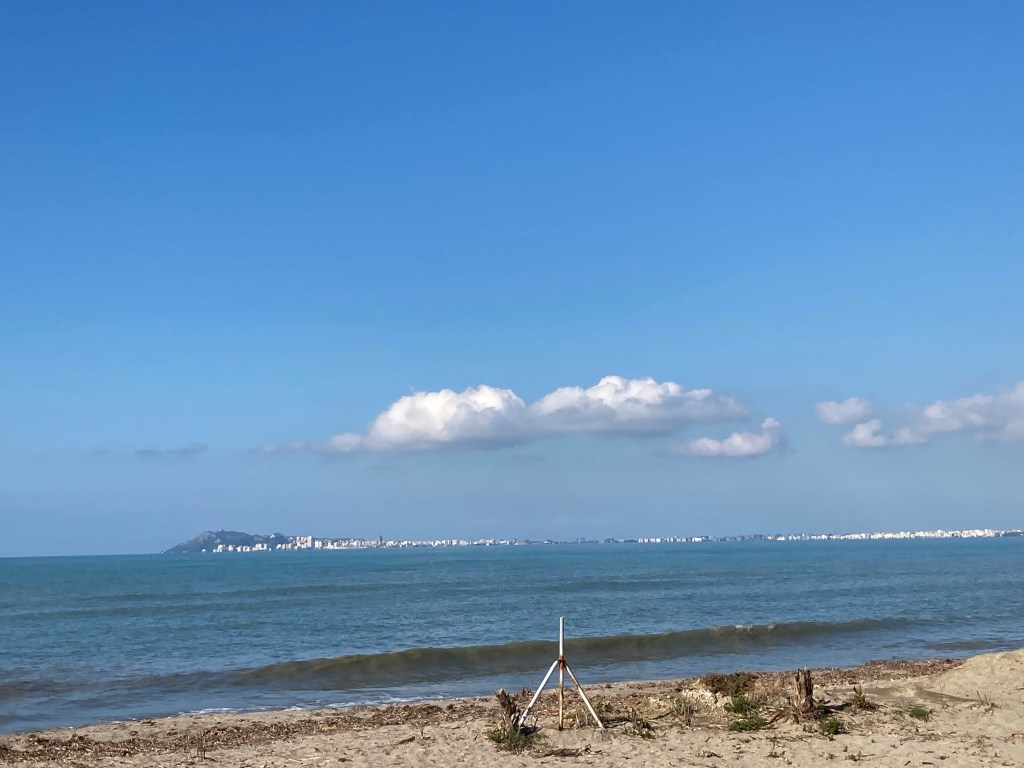
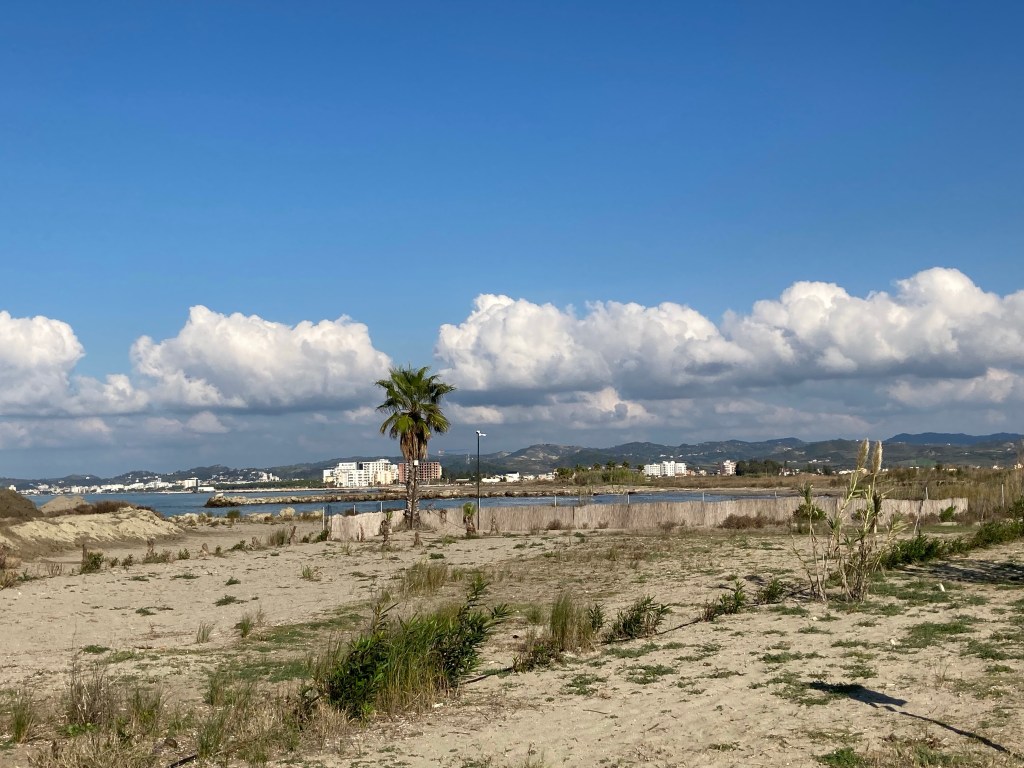
On a personal note we found driving through Albania very frustrating, the main road networks are in poor condition and local side roads are nothing but potholed dirt tracks. The lack of road sense by both drivers and pedestrians adds to the difficulty of a safe journey. The places of interest and historical sites seemed to have been consumed by the sprawl of locations getting bigger resulting in chaos around markets and shops with poor street parking making access in a motorhome difficult at best and otherwise impossible

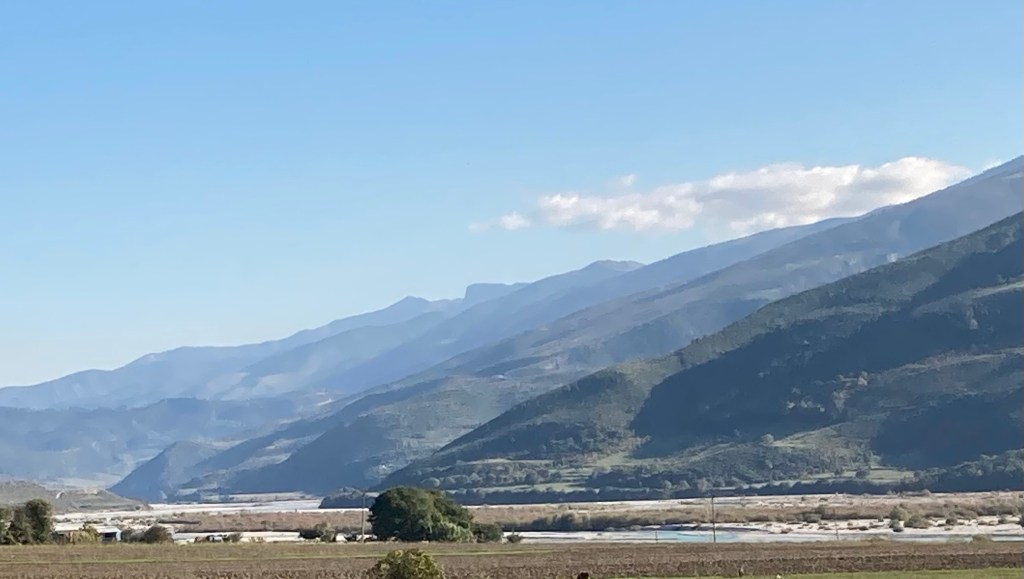
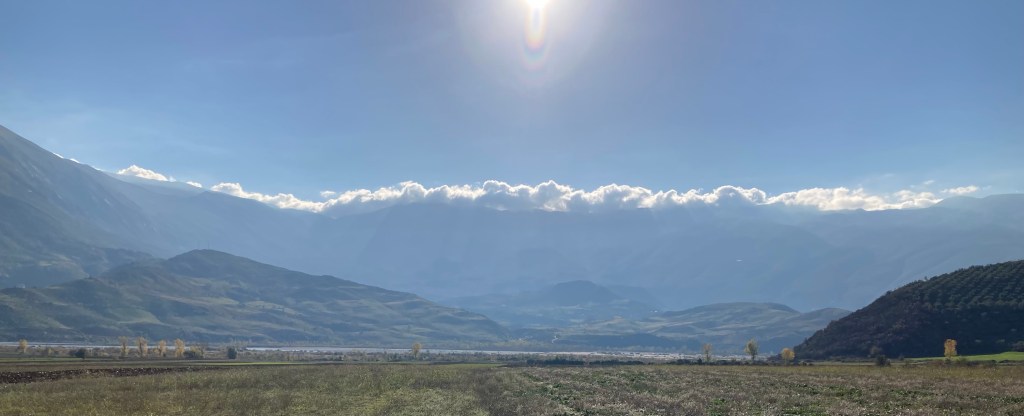
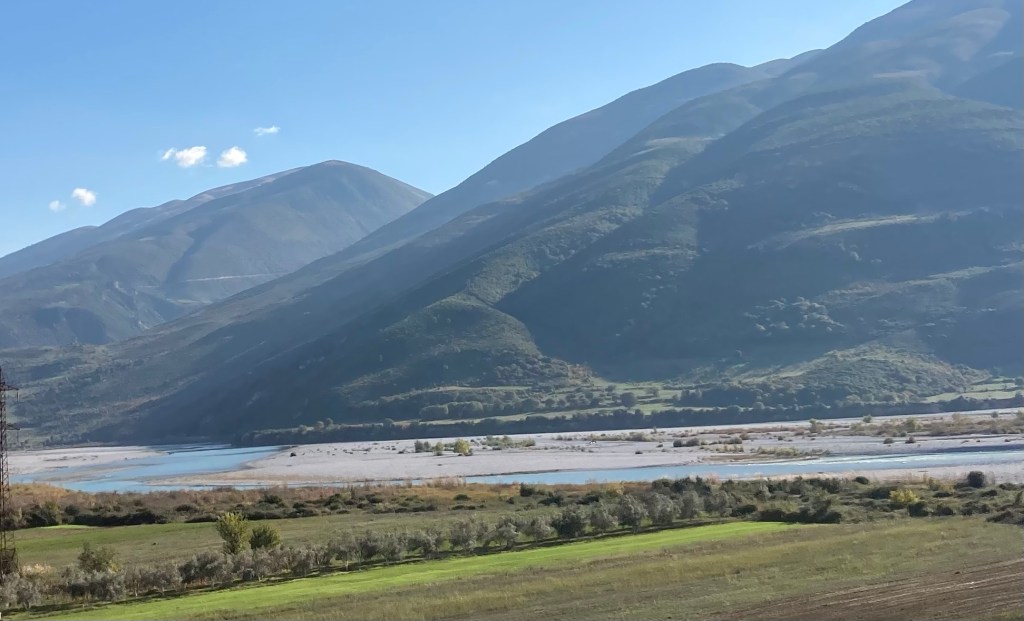
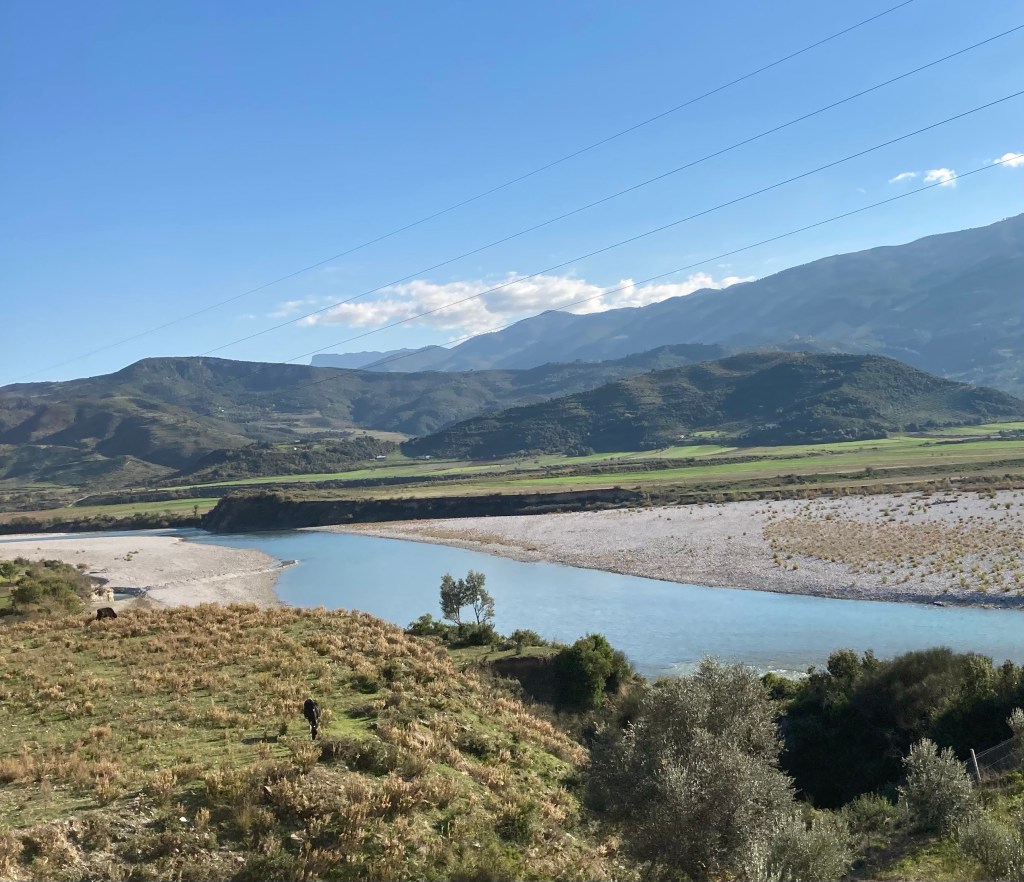
Albania as a country has so much to offer. The potential activities range from the miles of beach front and clear turquoise waters on the Adriatic coast, large areas of wilderness in the form of lakes, forests and coastal wetlands teaming with wildlife from bears, wolves, large wild cats pelicans and migratory flocks of birds, mountain ranges running the length of the country soaring skywards, not quite as tall or dramatic as the Alps but daunting and a challenge for any climber or hiker and wide rivers in the south with clear mountain water flowing deep after rains and full of trout that the fly fishing community would adopt immediately.

We appreciate their entry into the modern world is as recent as the late 1990s and adjustment takes time hopefully they can learn from the development mistakes of others where locations have been spoilt like Budva in Montenegro and Split in Croatia. Our final comment is that Albania is worth experiencing but is for travellers not holidaymakers at present.

Zadar

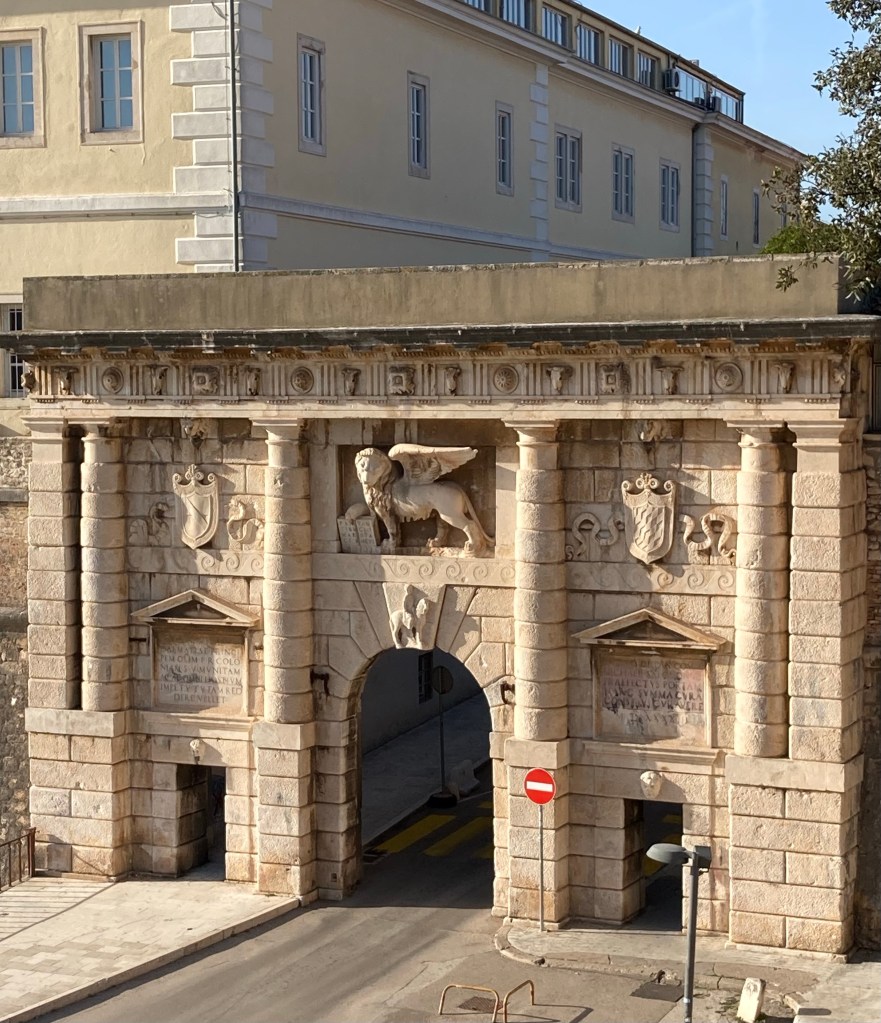
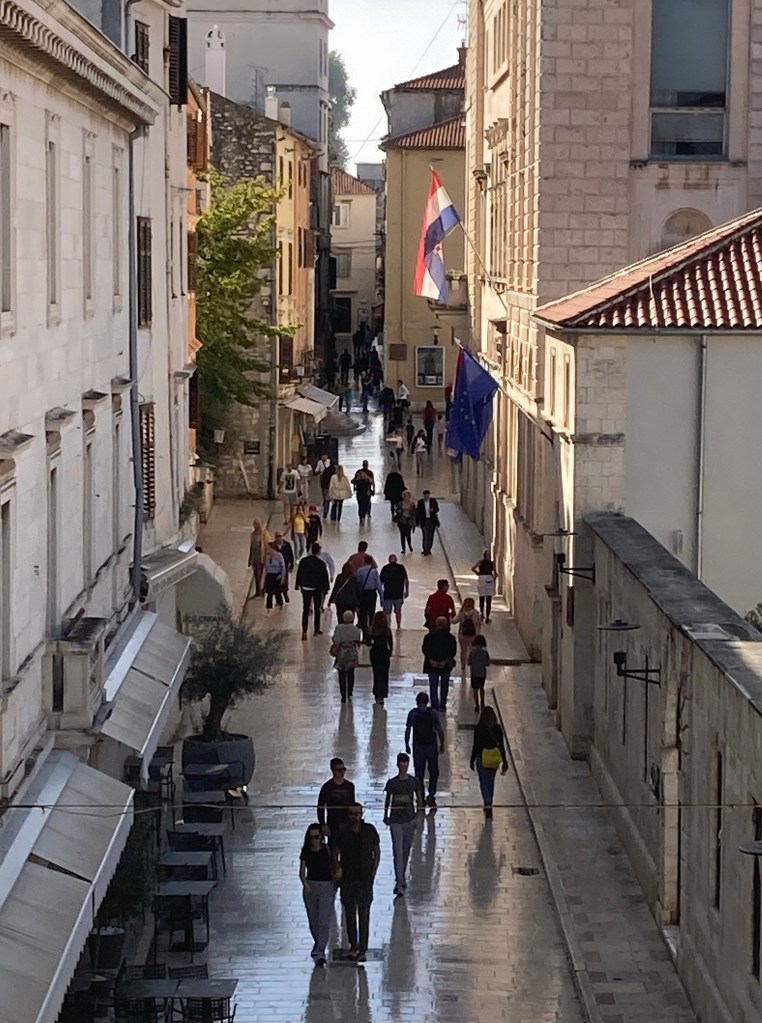
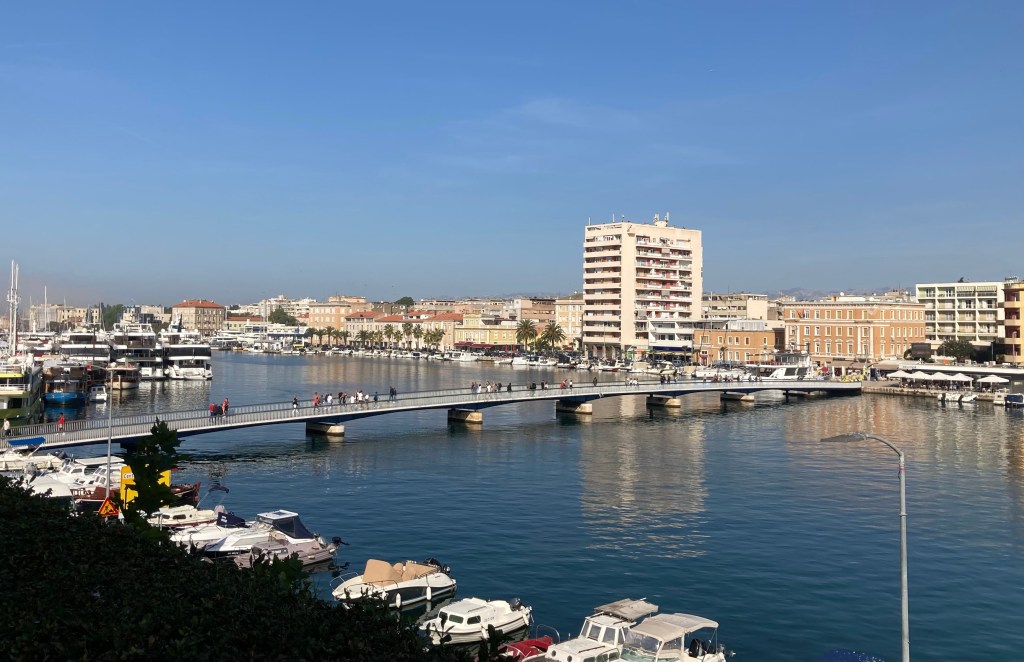
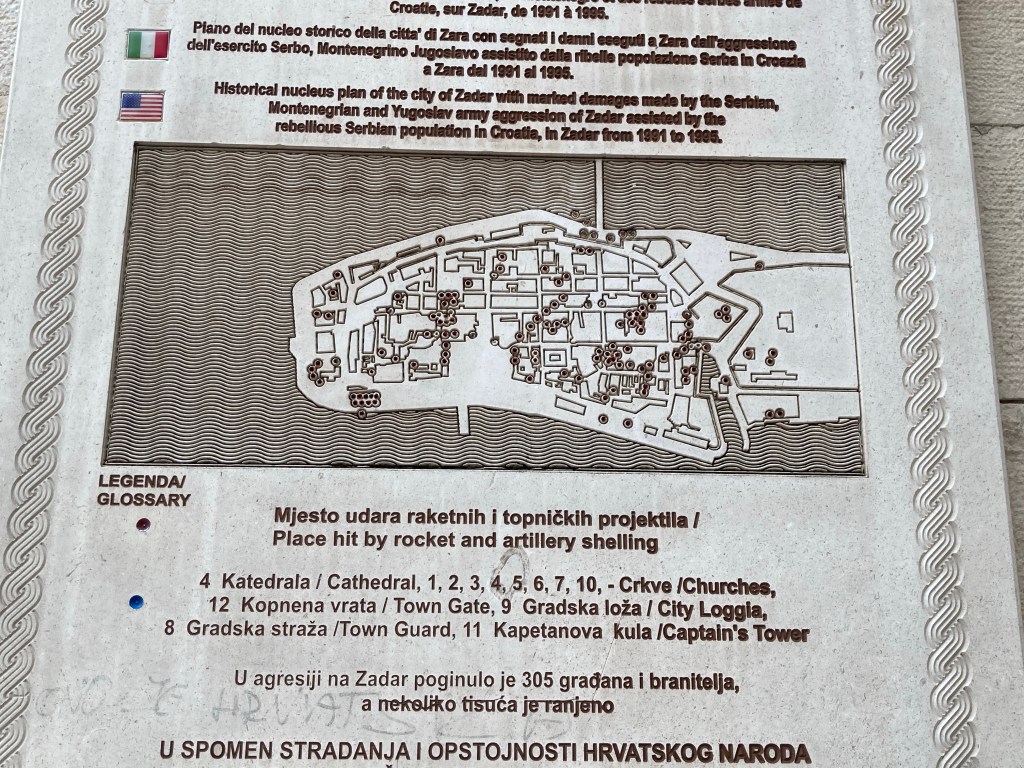
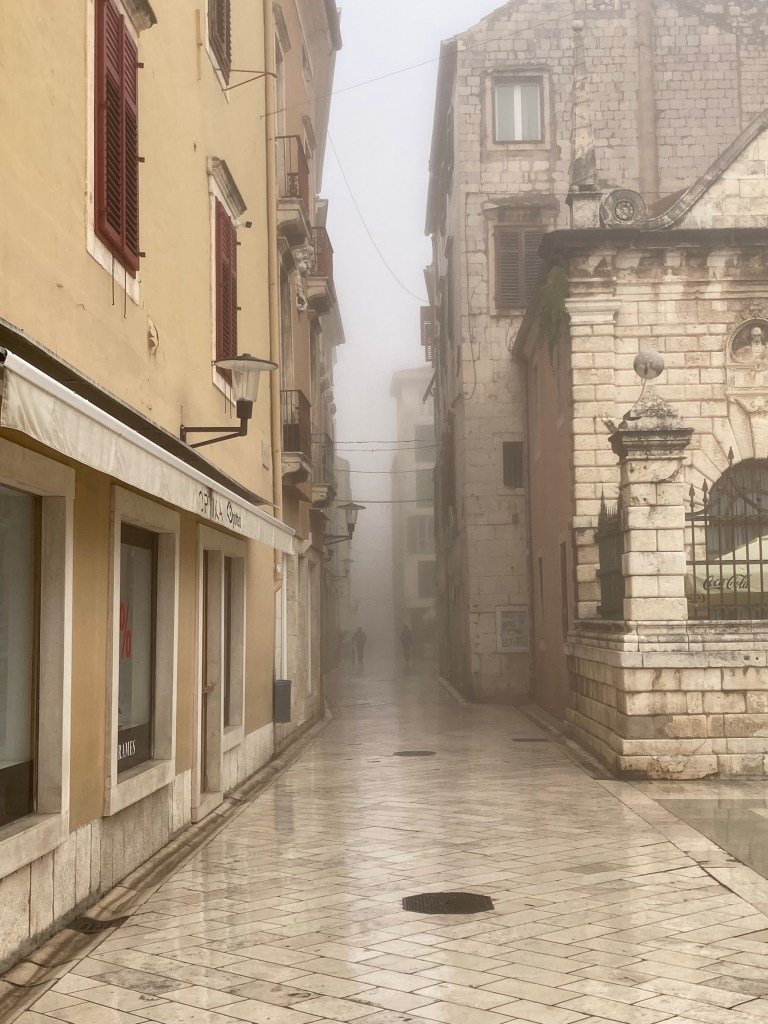
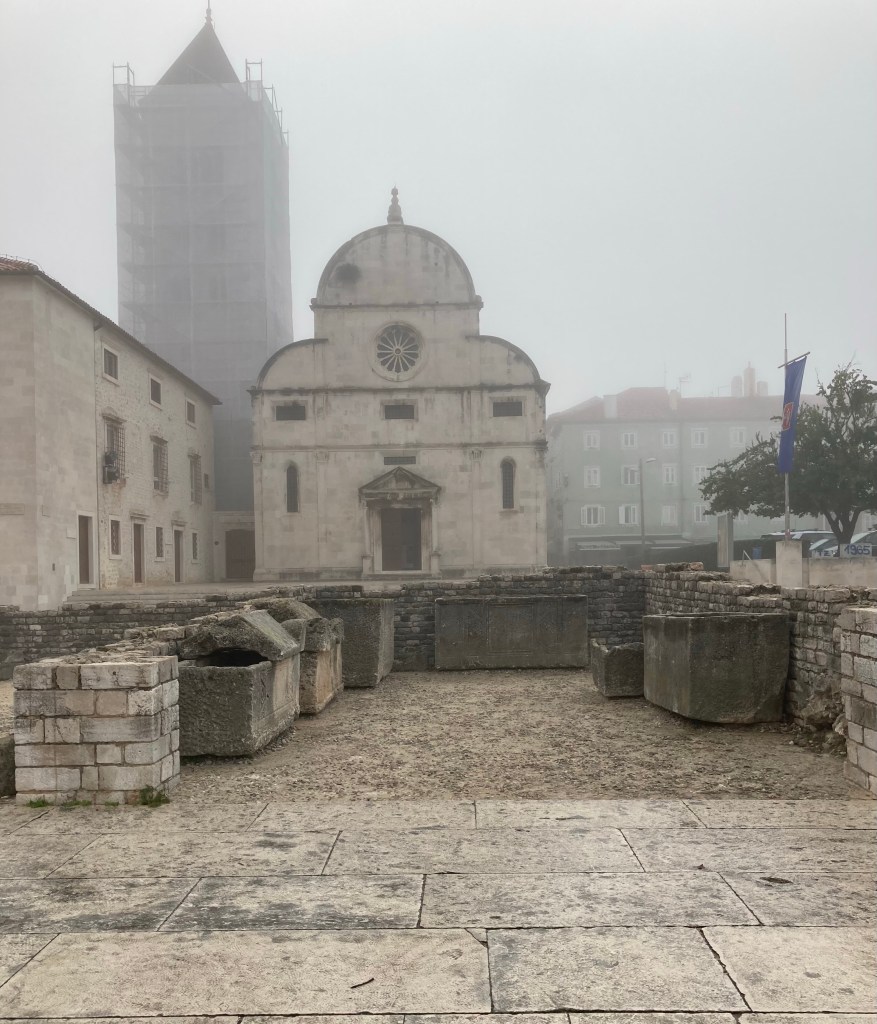
The oldest continuously inhabited Croatian city to which we were drawn to for its archeological museum. We were parked twenty minutes from the historical centre which initially gave the appearance of being an island accessed by an expansive footbridge that took you through the historical gate it was only at the end of the day having traversed the city and part of the historical wall we realised there was land access. The layout of the city was influenced by Roman rule and organised according to the typical Roman street system with a rectangular street plan, a forum, therme and a sewage and water pipe system in the form of a forty kilometre aqua duct. Despite having been heavily bombed during the Second World War and hit by Yugoslav rockets in 1991 it has been rebuilt and restored and is now a very attractive traffic free city.

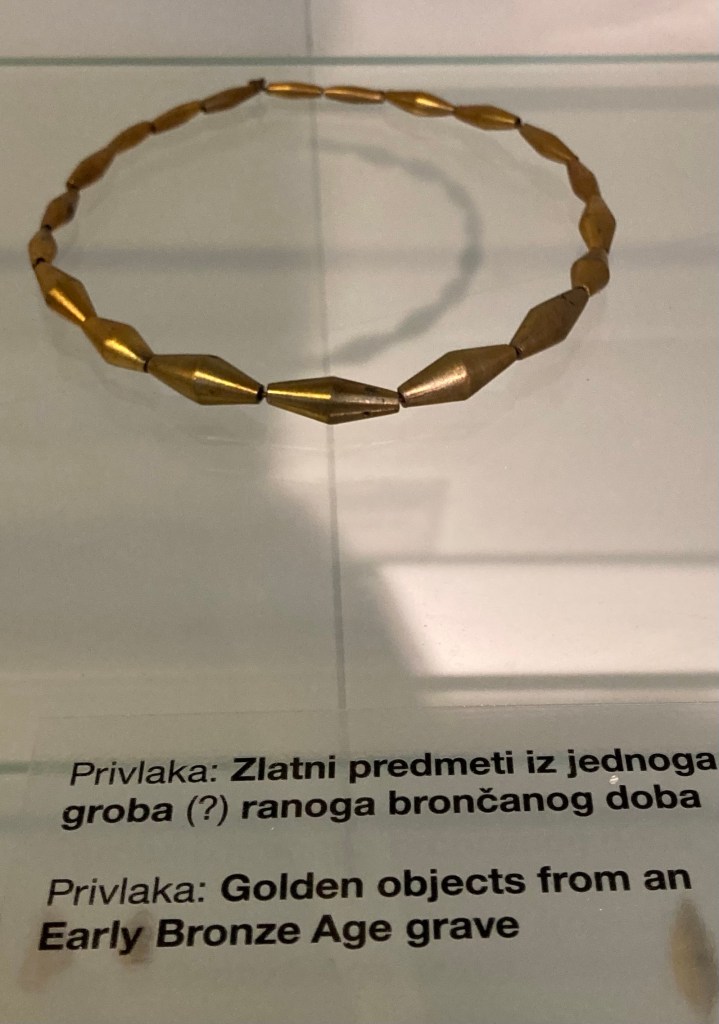
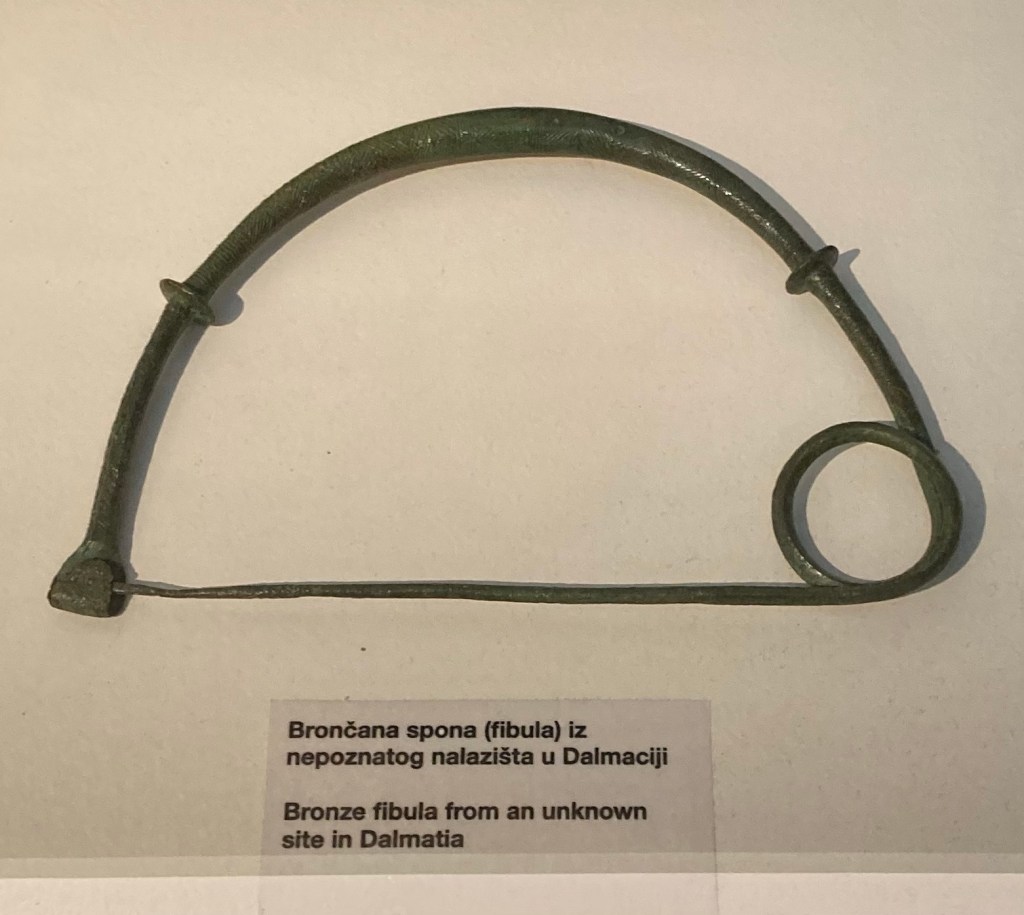
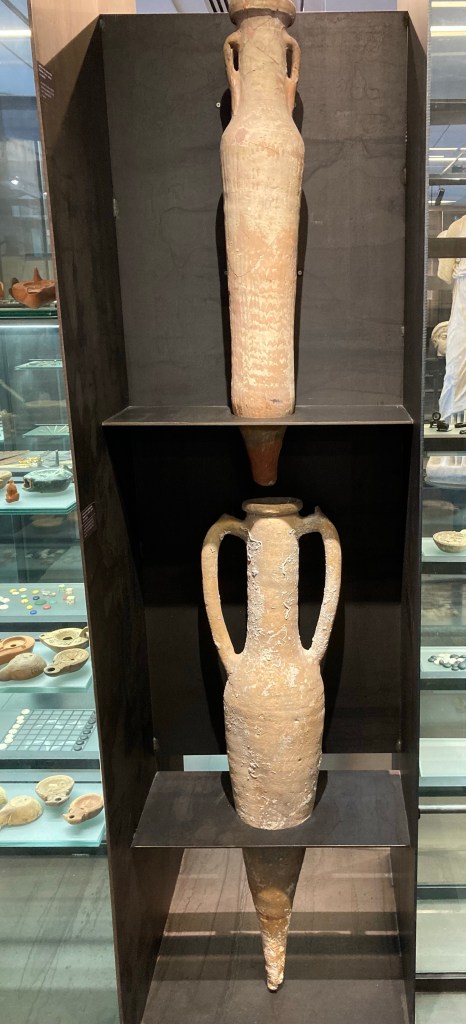
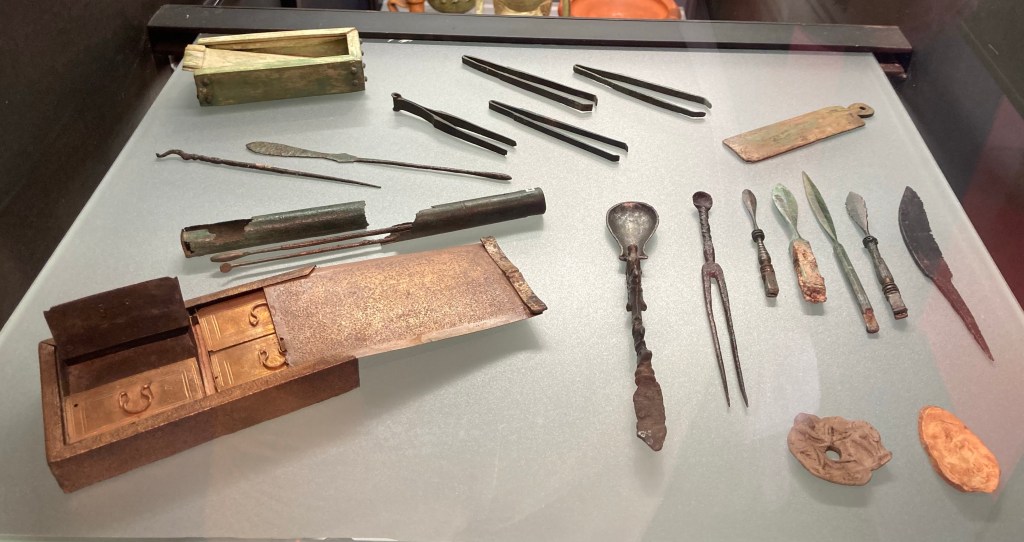
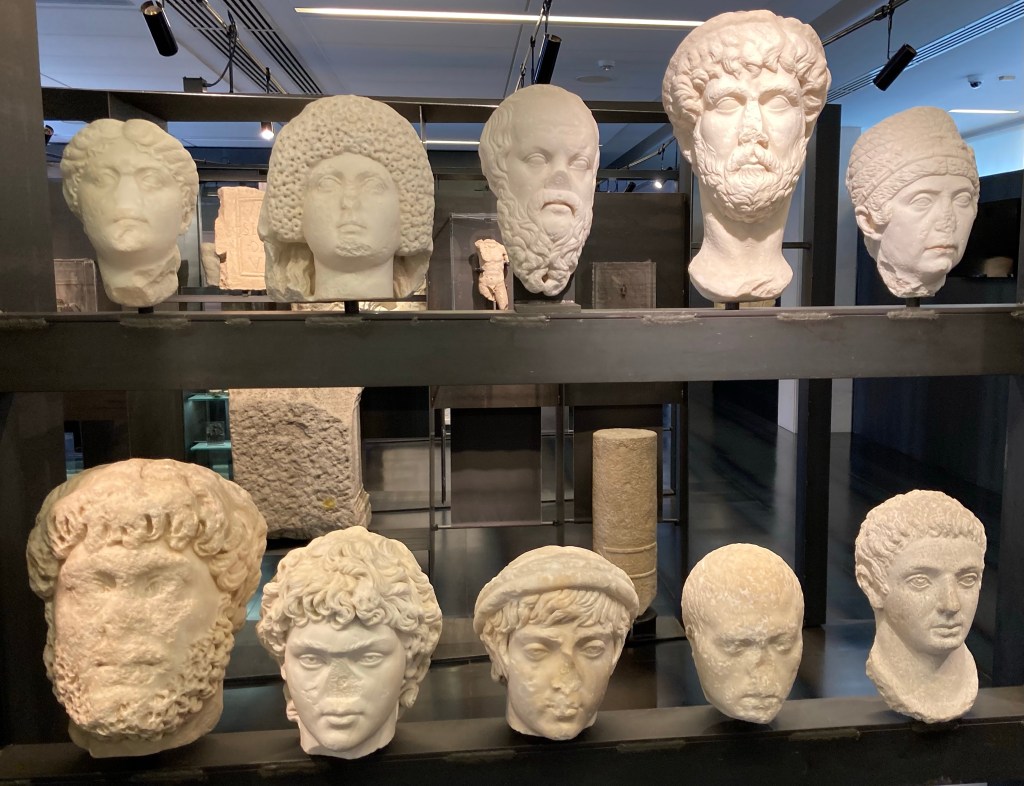
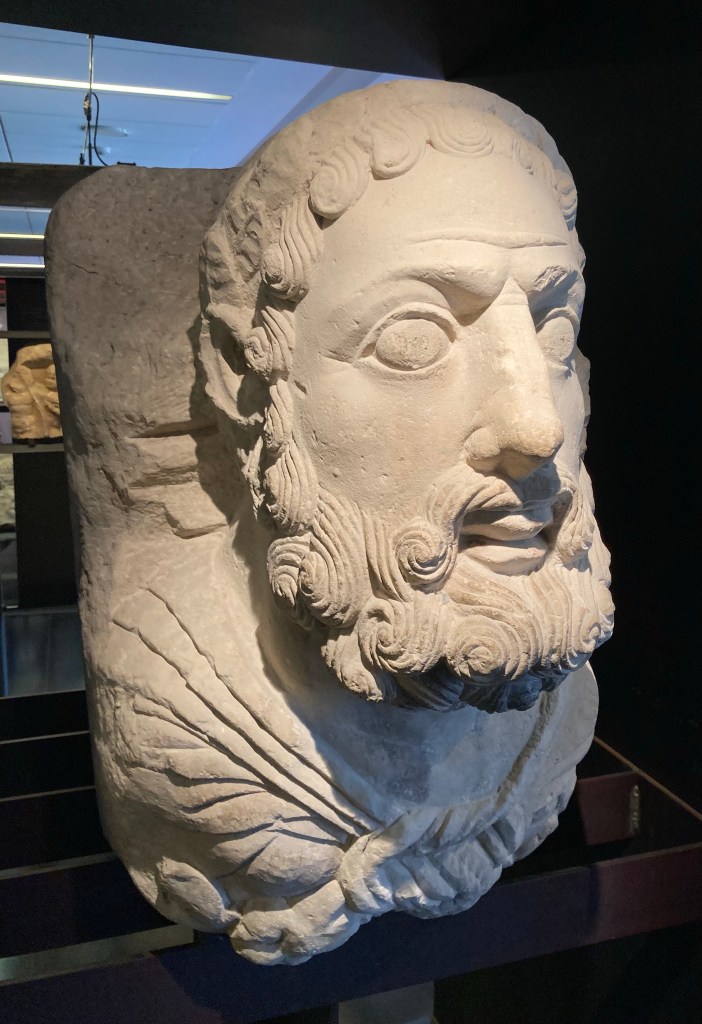
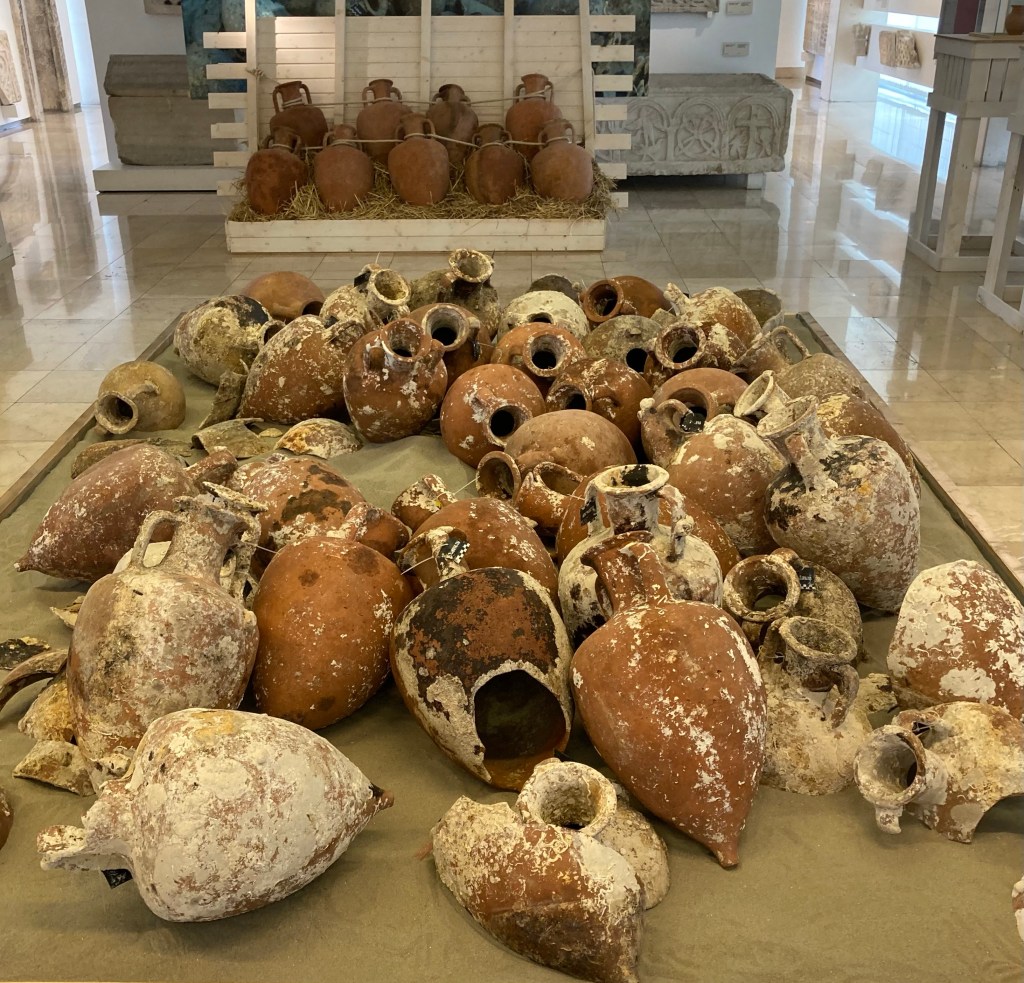
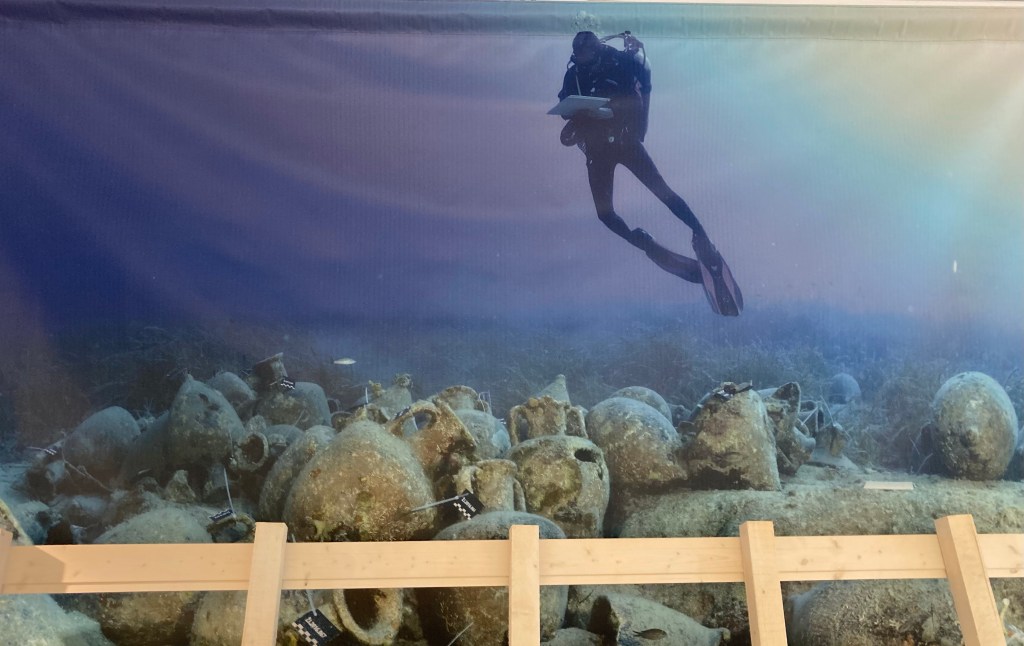
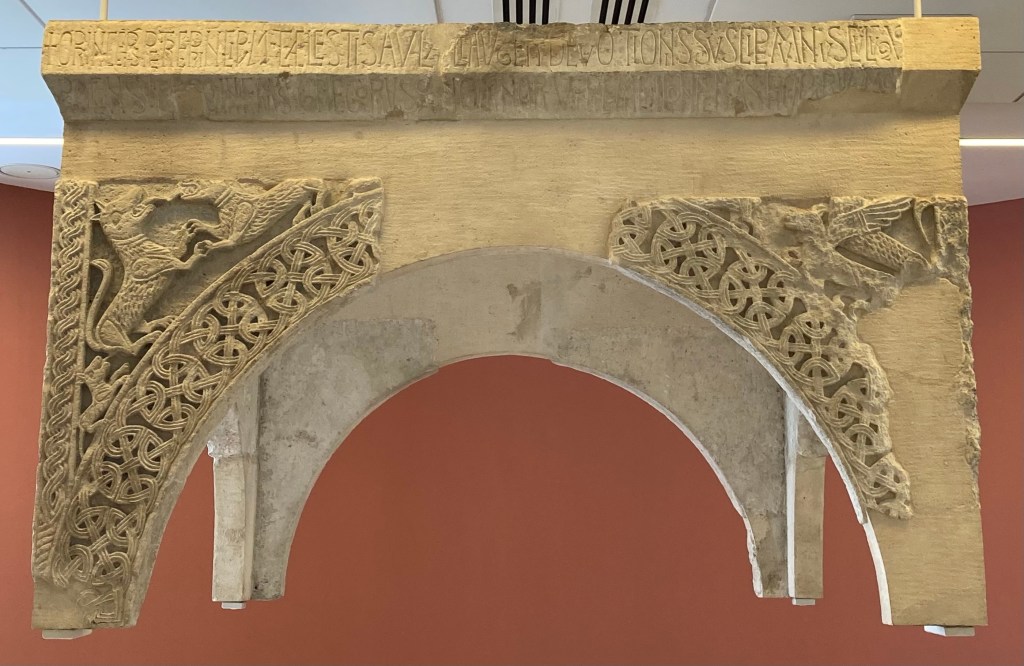
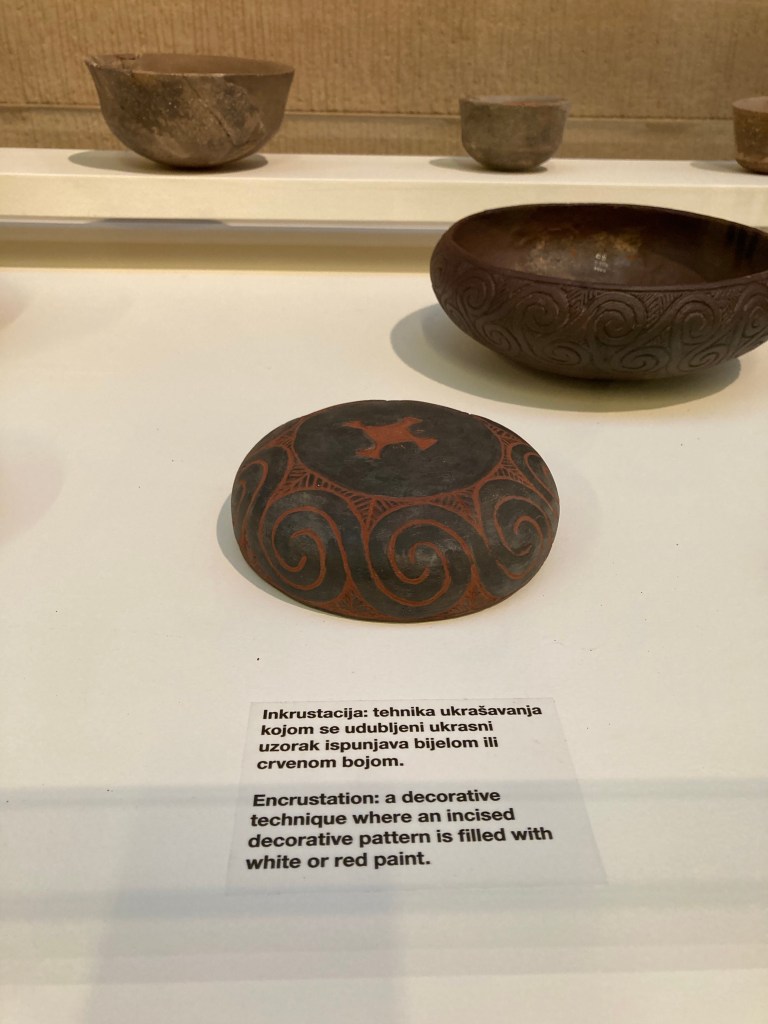
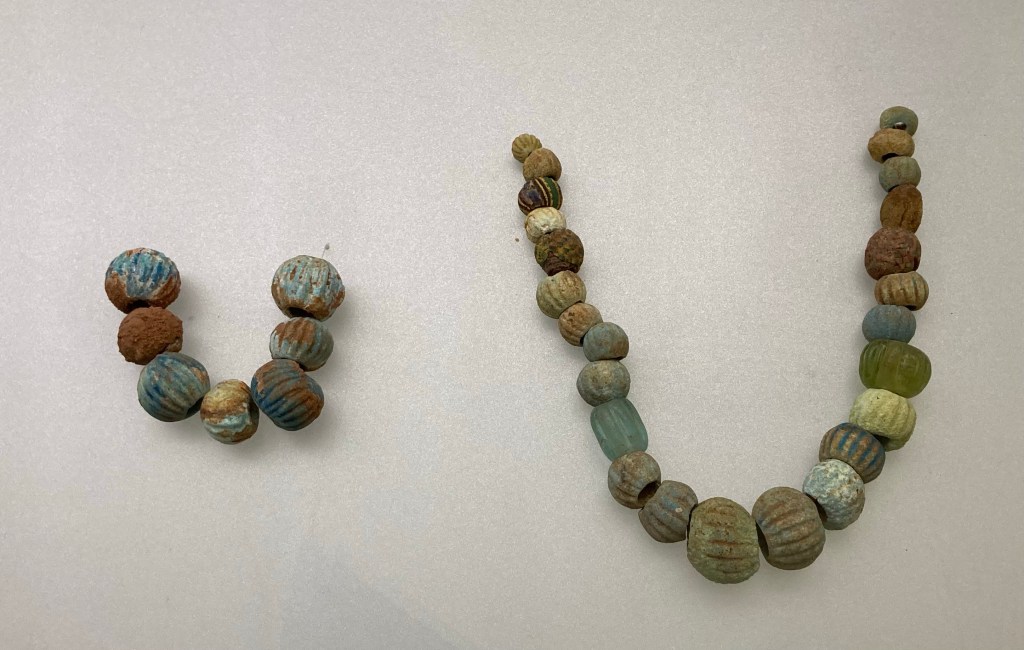
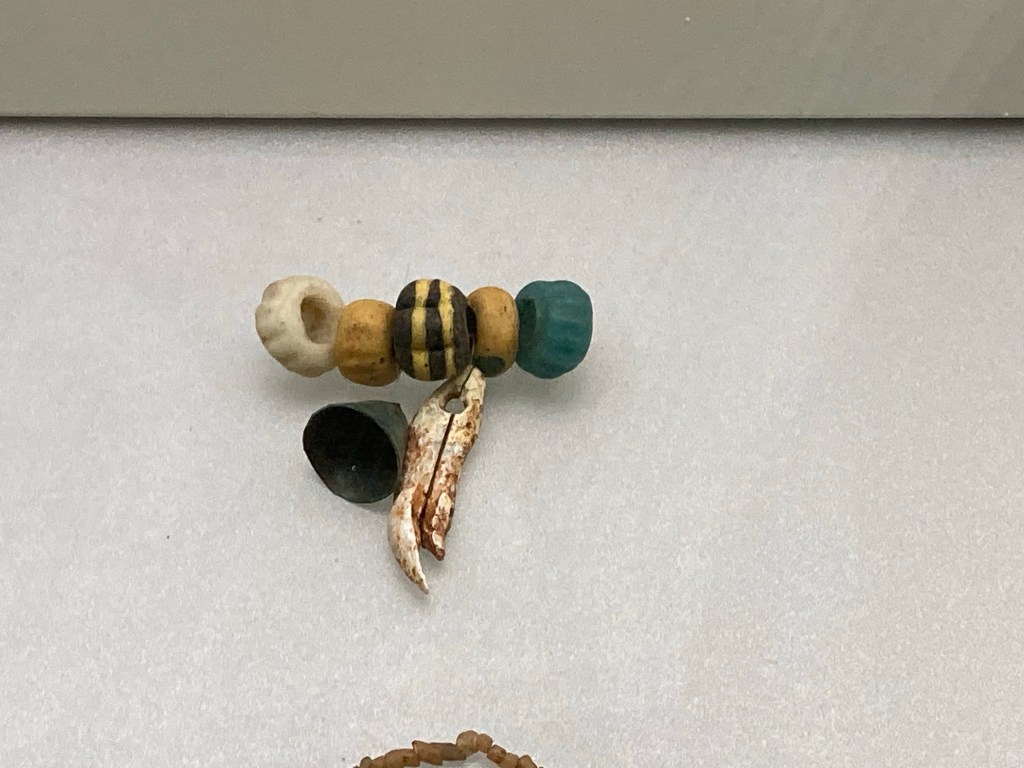
The archaeological museum was sited in a modern building occupying one side of the ancient forum. Spread over three floors was an extensive collection from the Neolithic period through the Roman occupation to the development of Croatian culture under the Byzantines. But it was the way the artefacts were chronologically laid out that made it easy to follow the historical journey also helped by the spacious display of the exhibits.It was one of the best museums we have visited and a must see for anyone visiting Zadar.

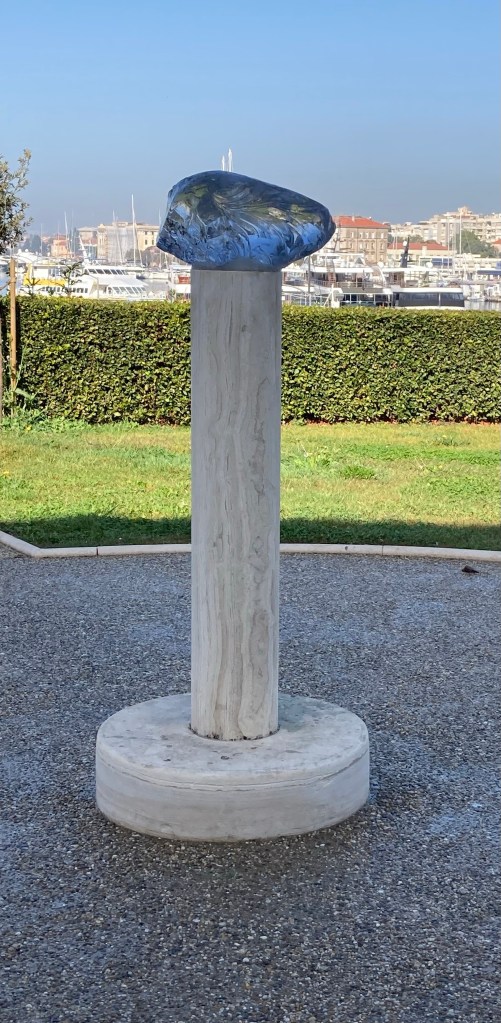
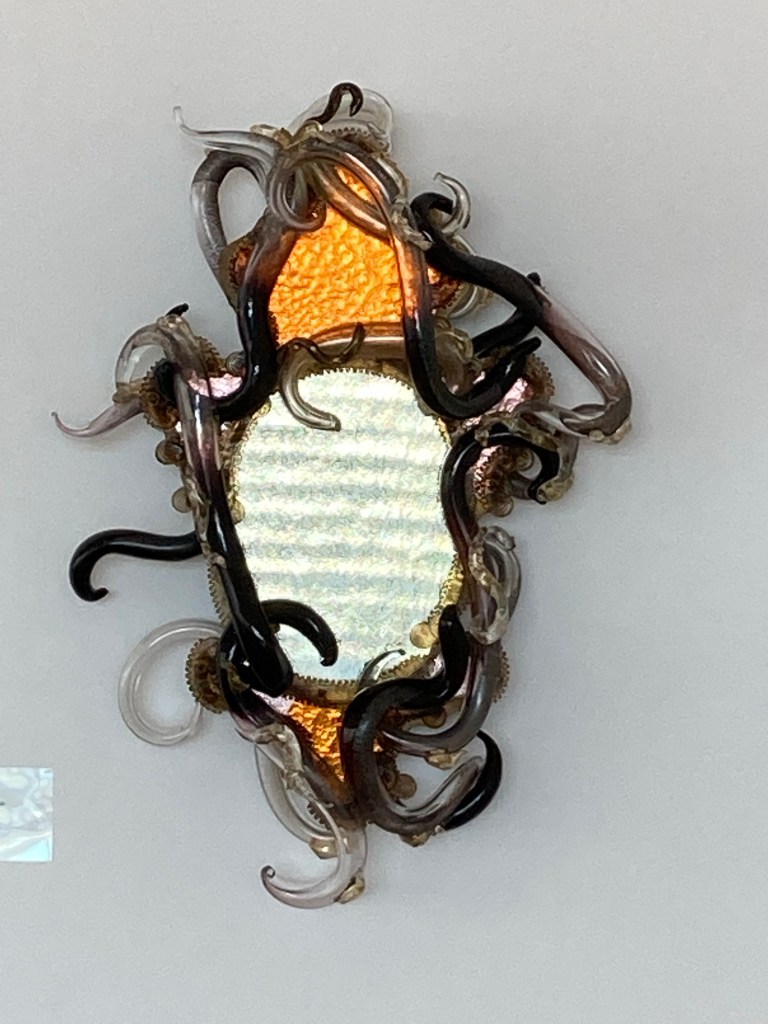
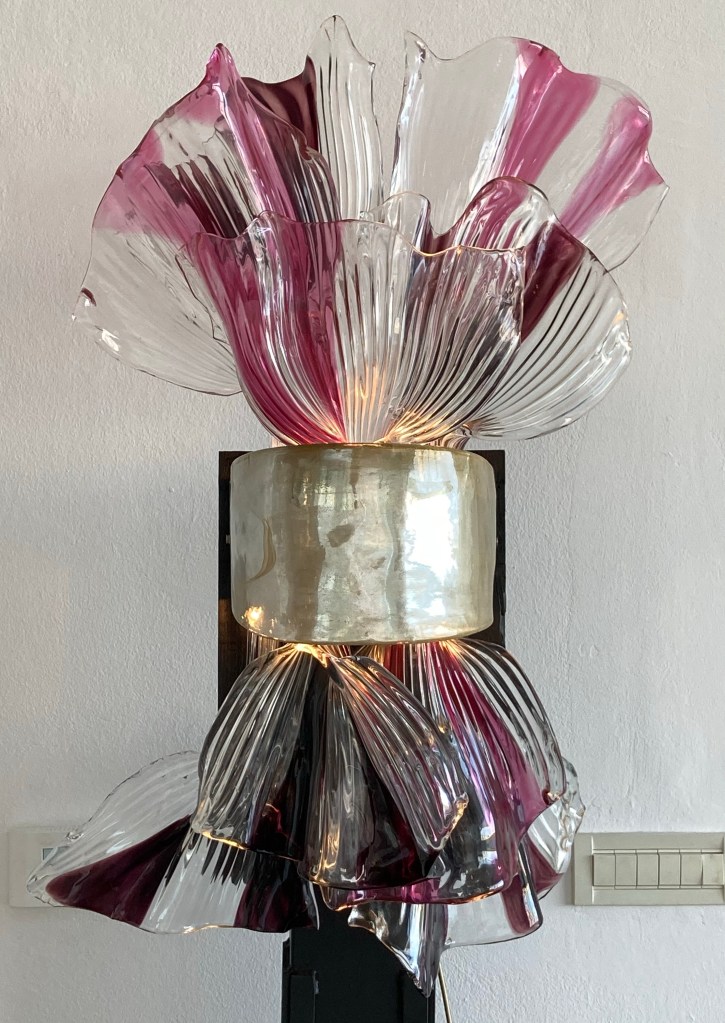
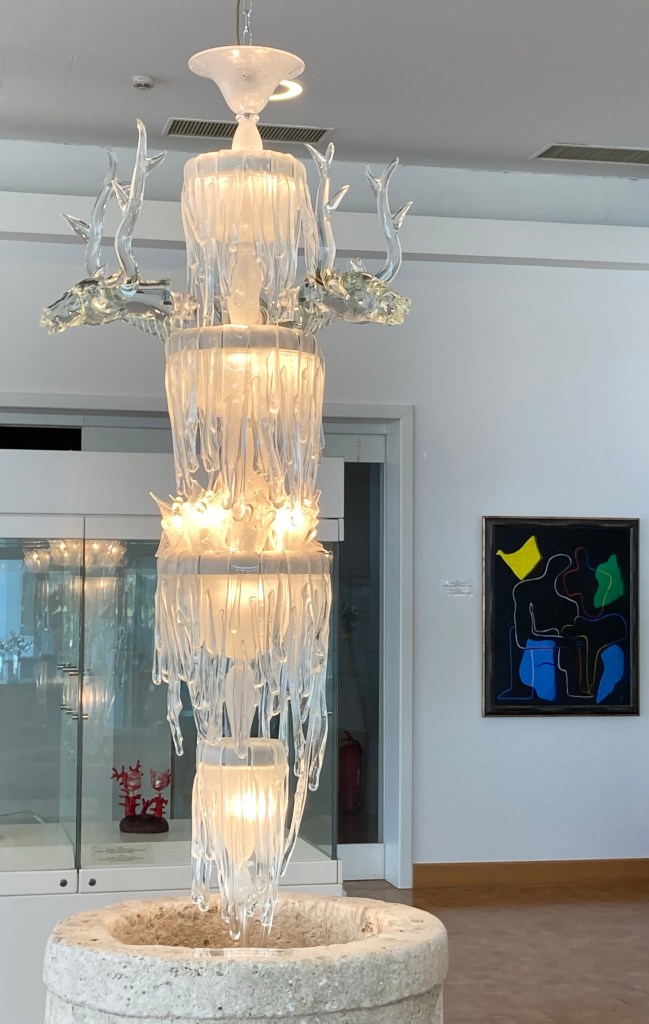
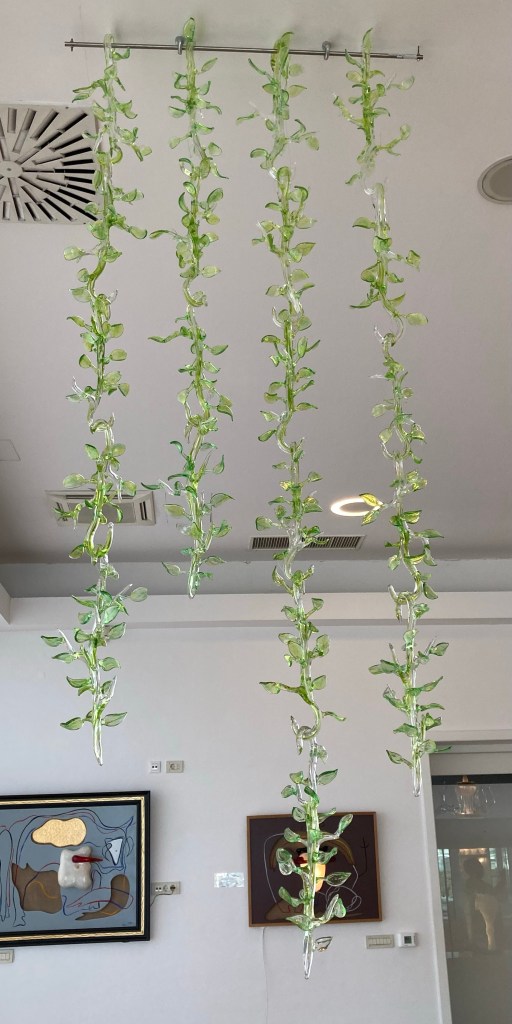
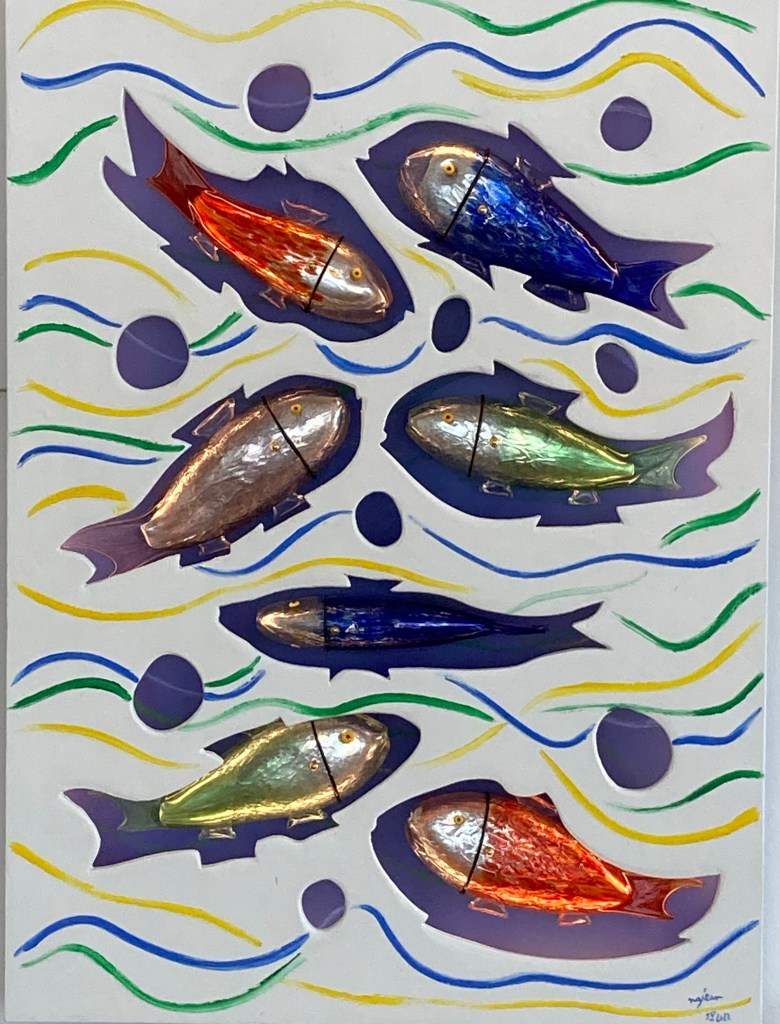
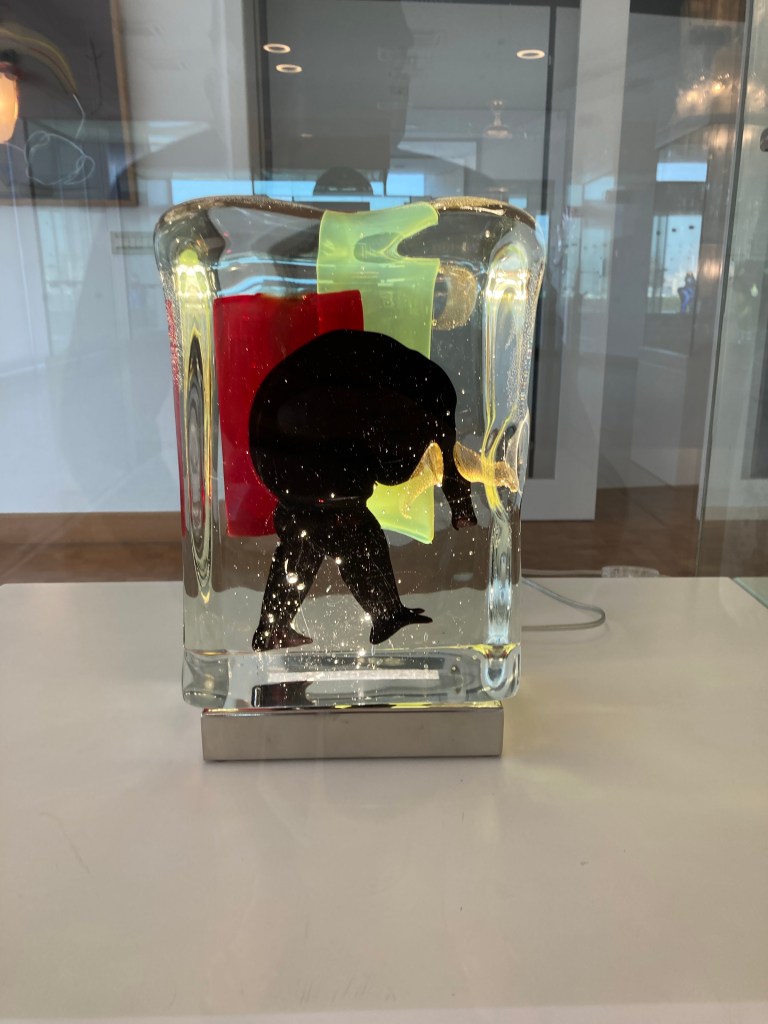
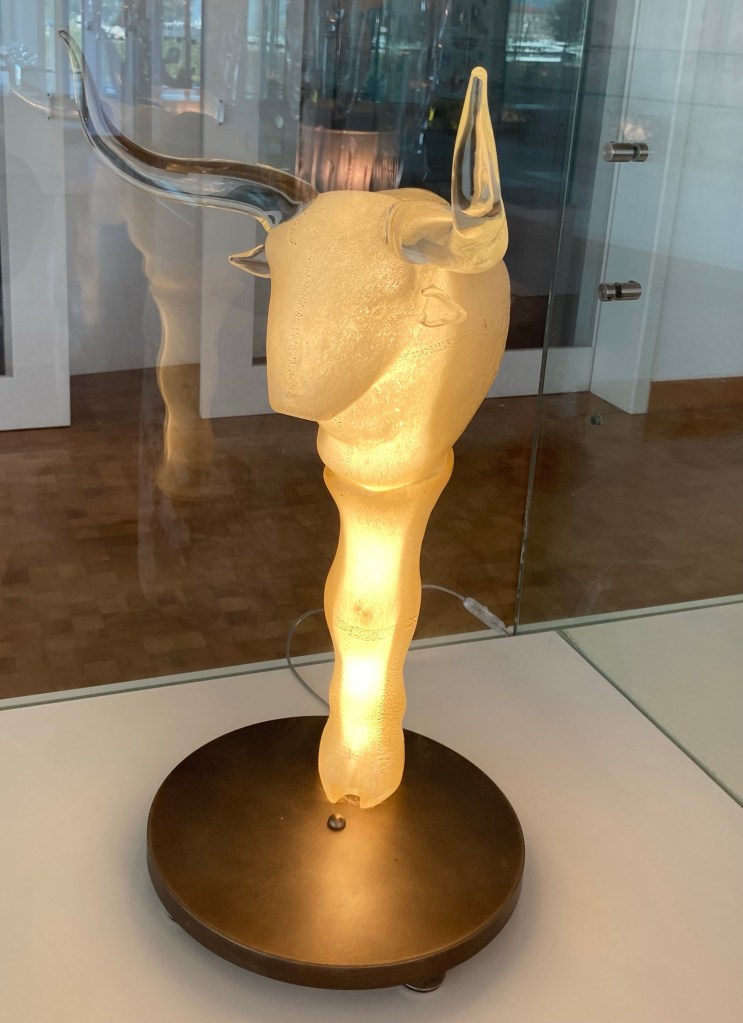
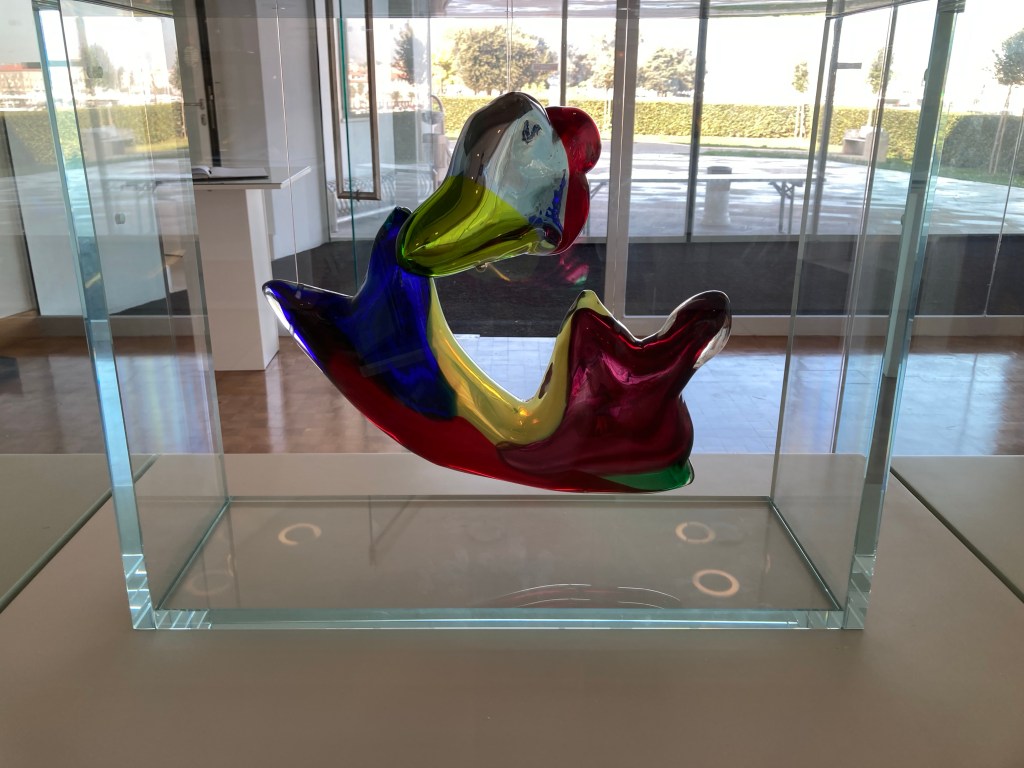
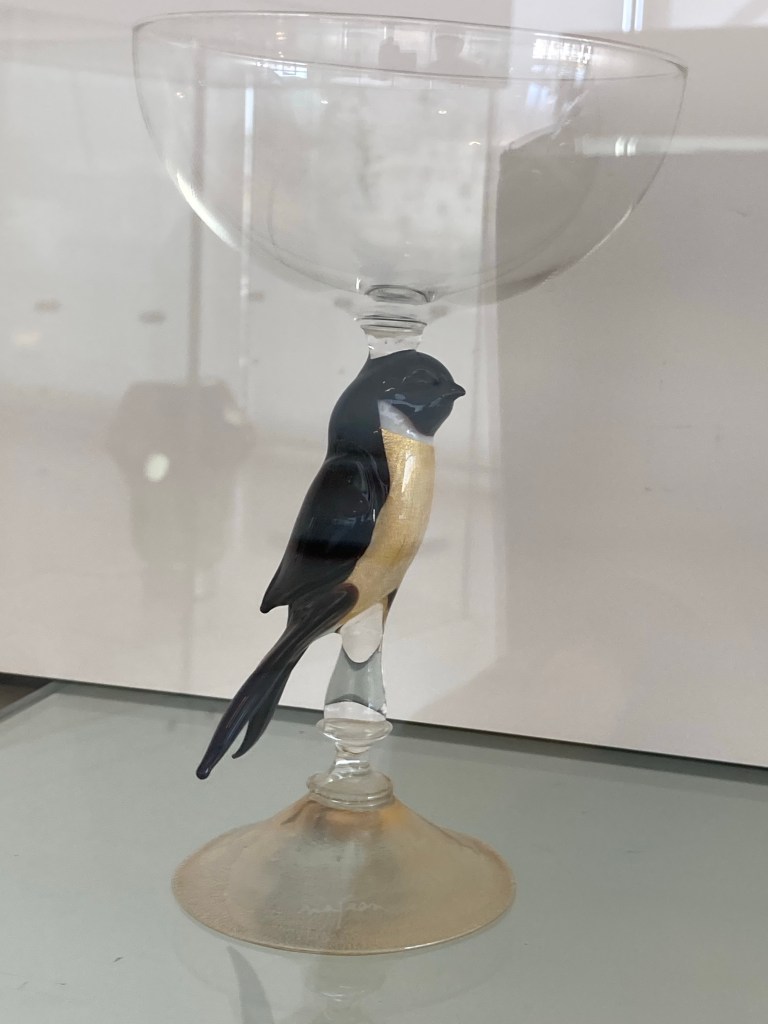
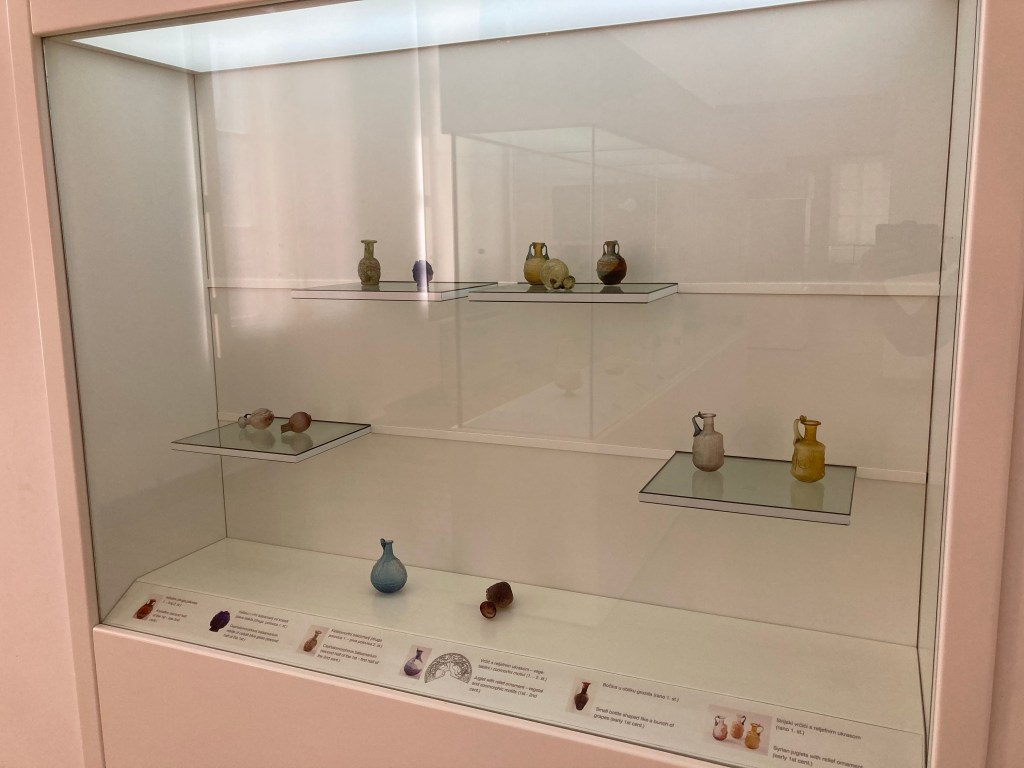
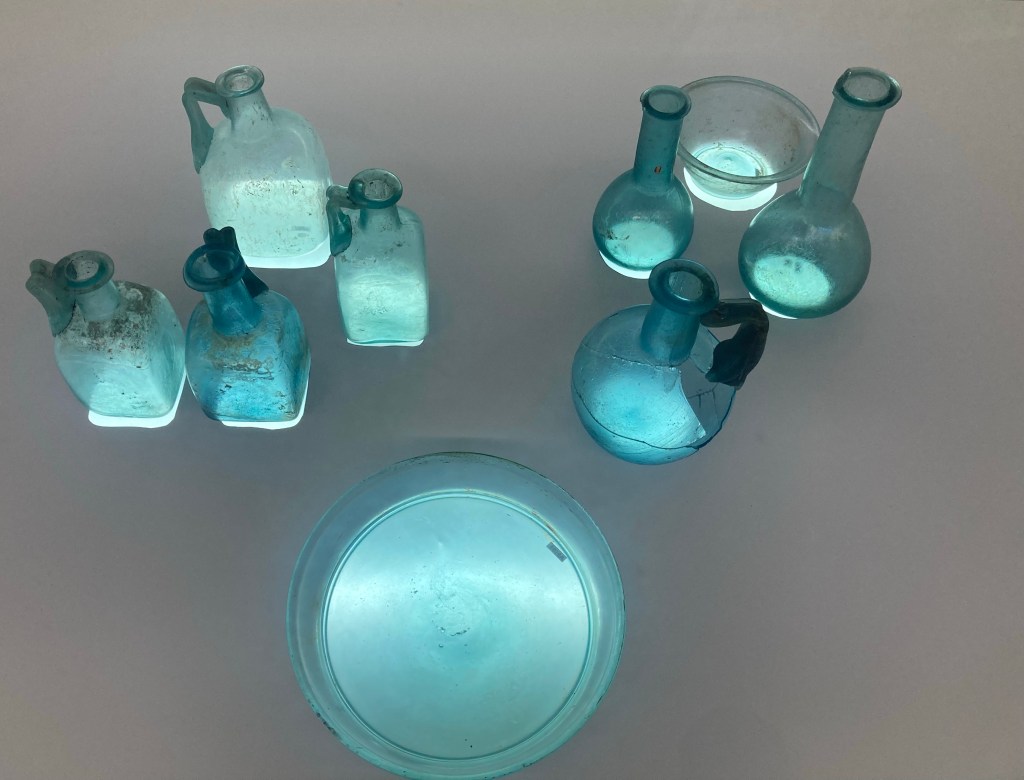
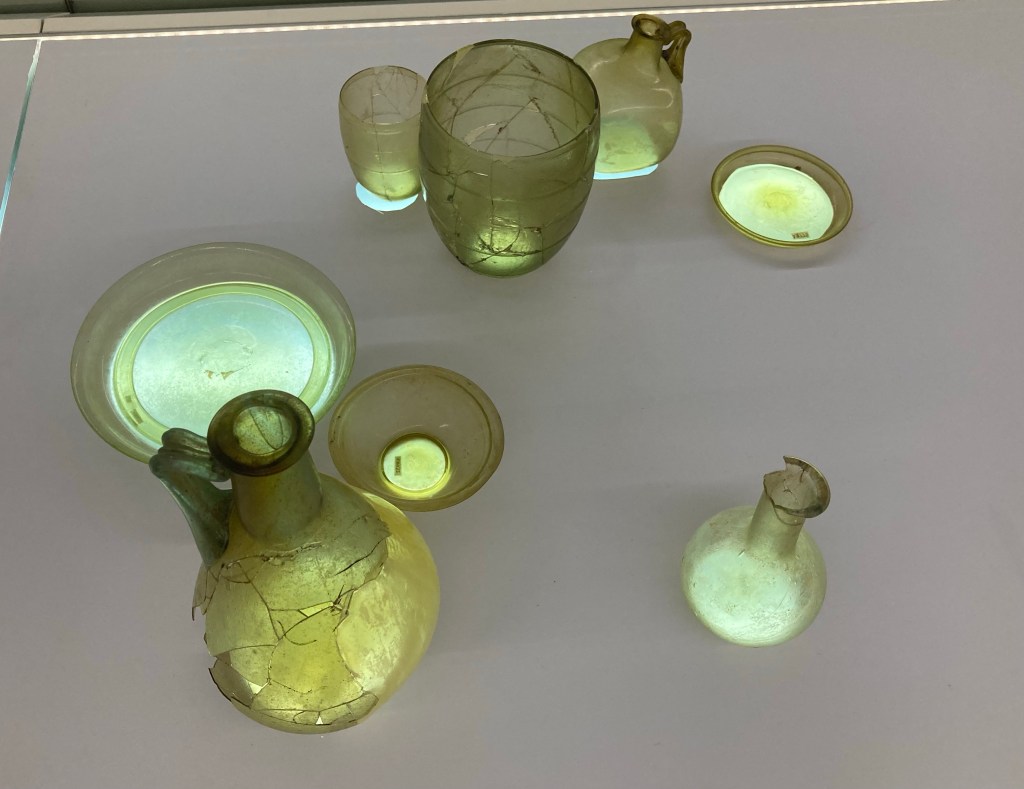
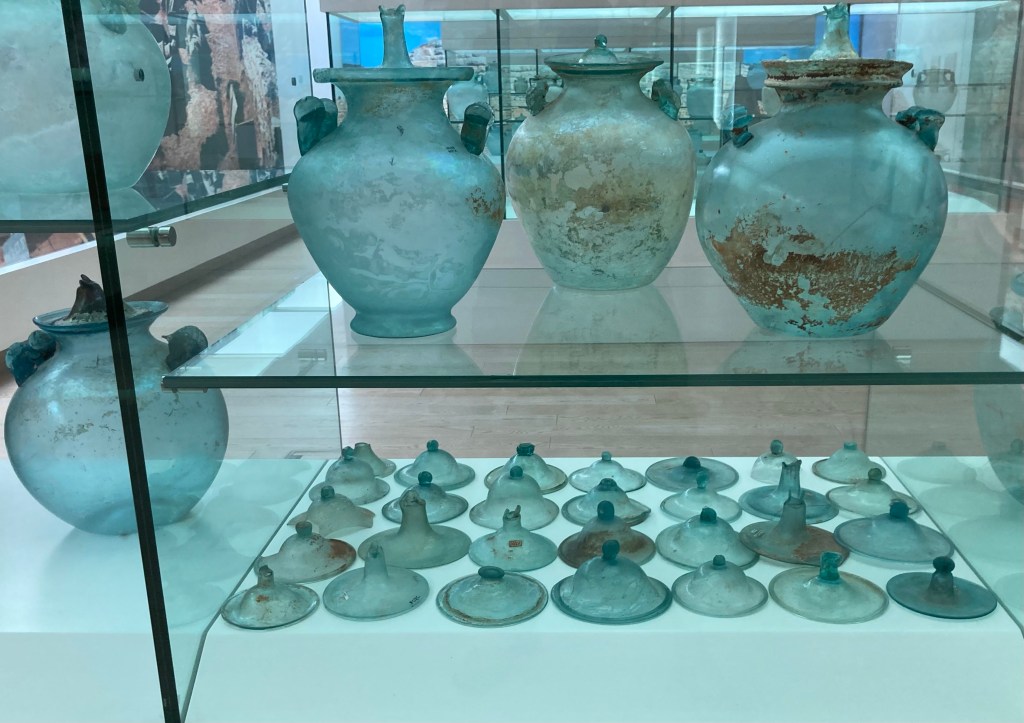
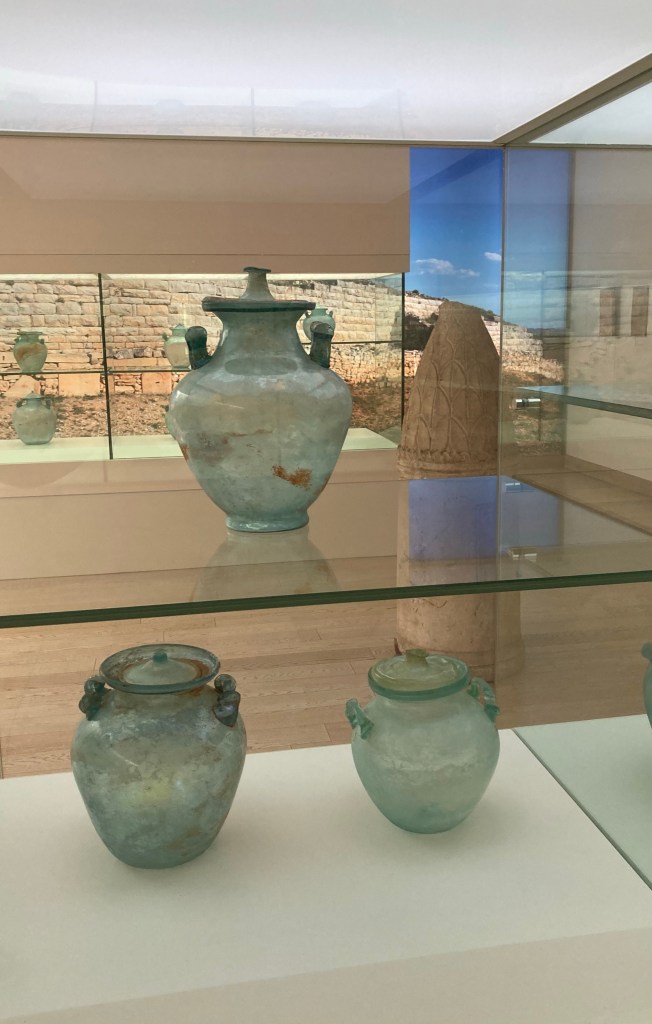
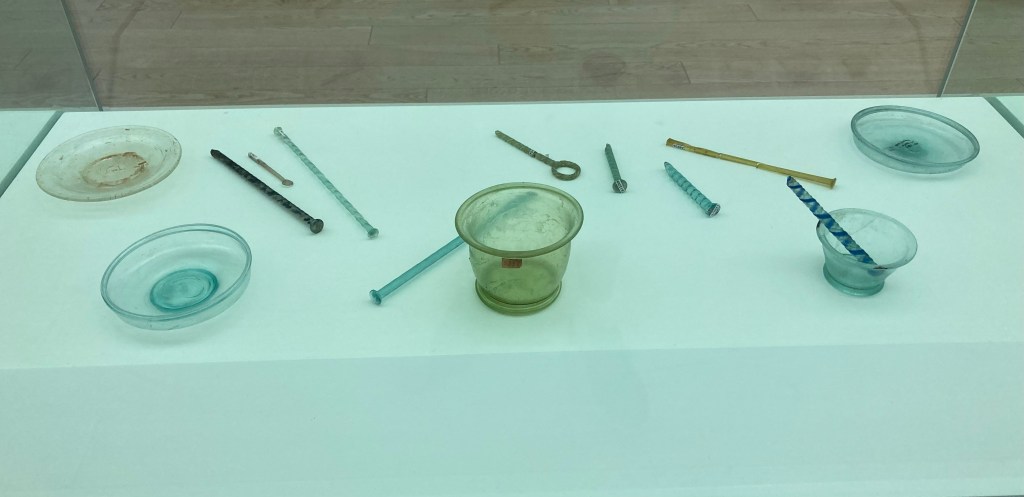
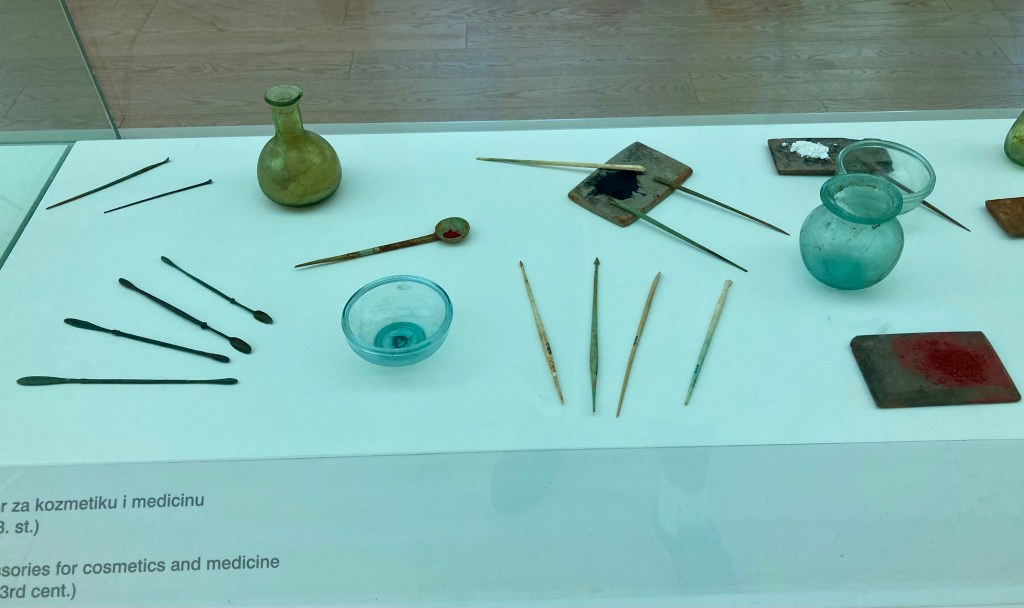
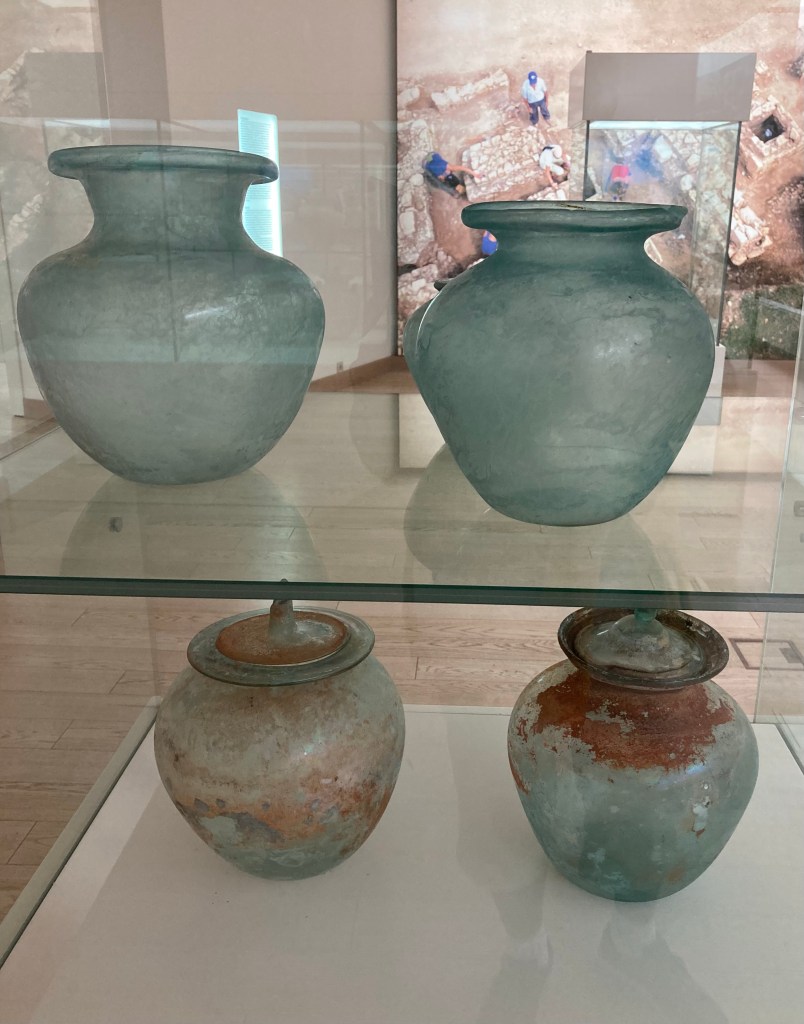
We also visited the museum of ancient glass which we came across by chance. It housed both ancient and modern glass, the oldest pieces going back as far as the 1st century BC.
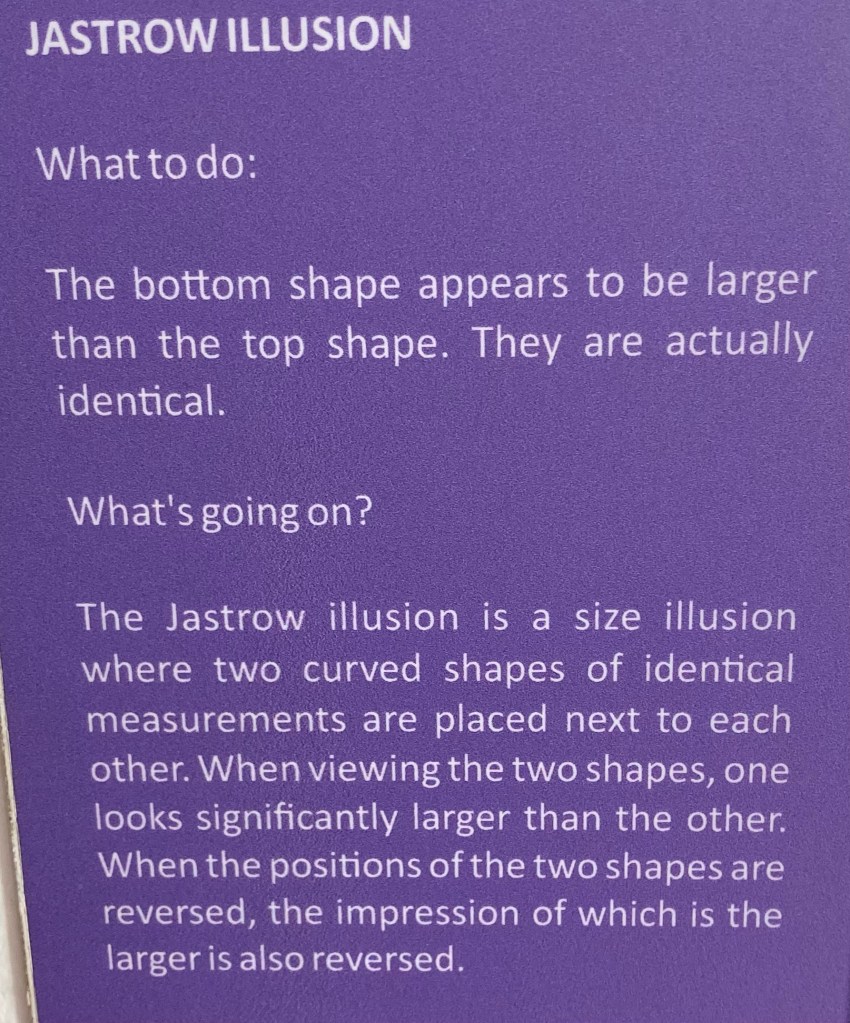
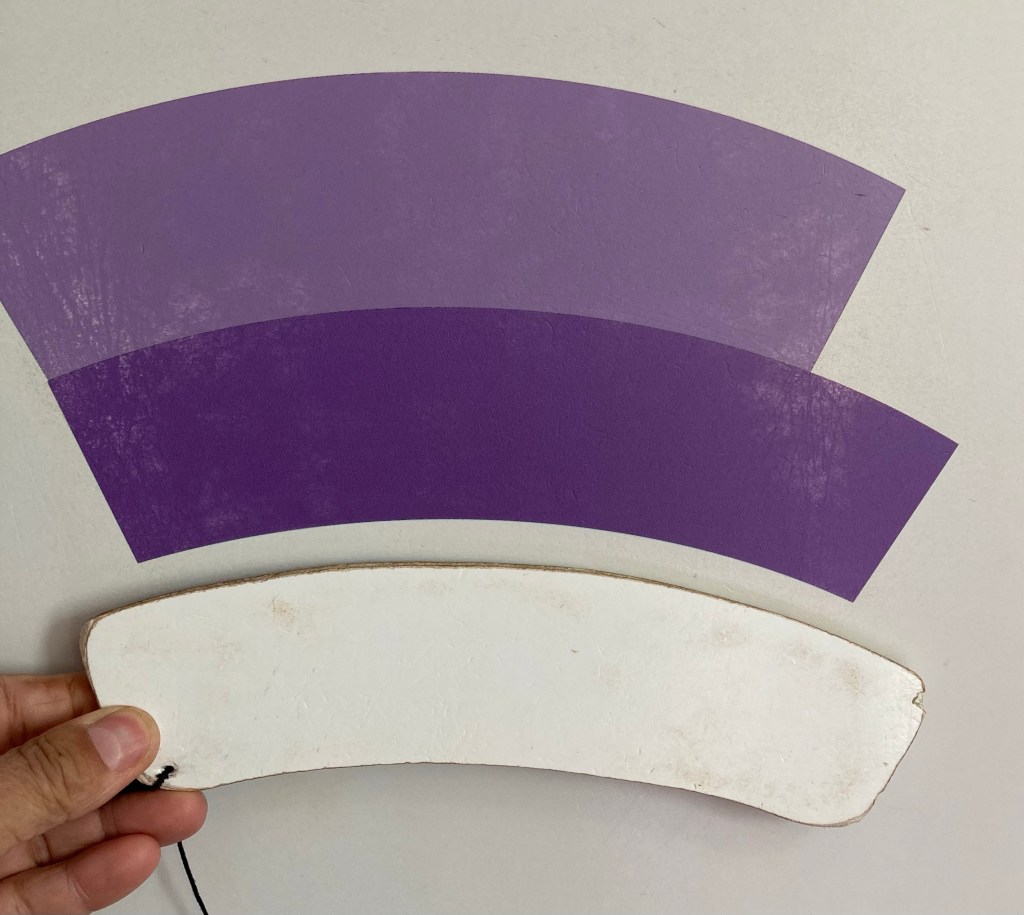
For some light hearted entertainment we then went to a museum of illusions? where the exhibits aim to trick your confidences in your own senses as nothing is what it seems. The original concept was launched in Croatia in 2015 and has expanded to thirty cities across the world. It certainly achieved what it set out to do.
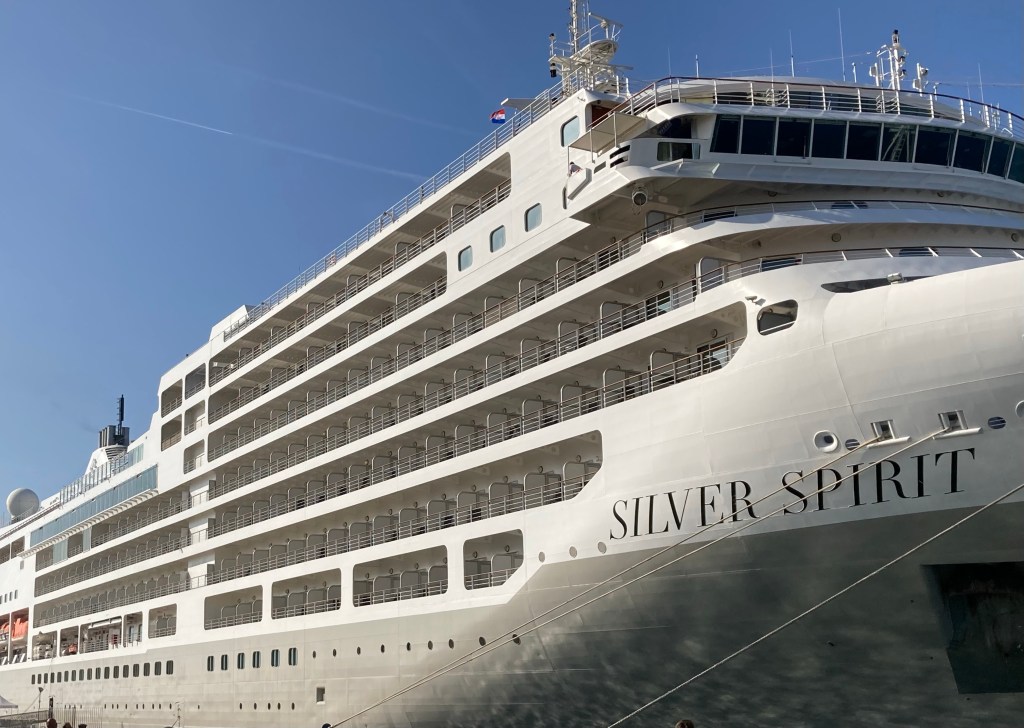
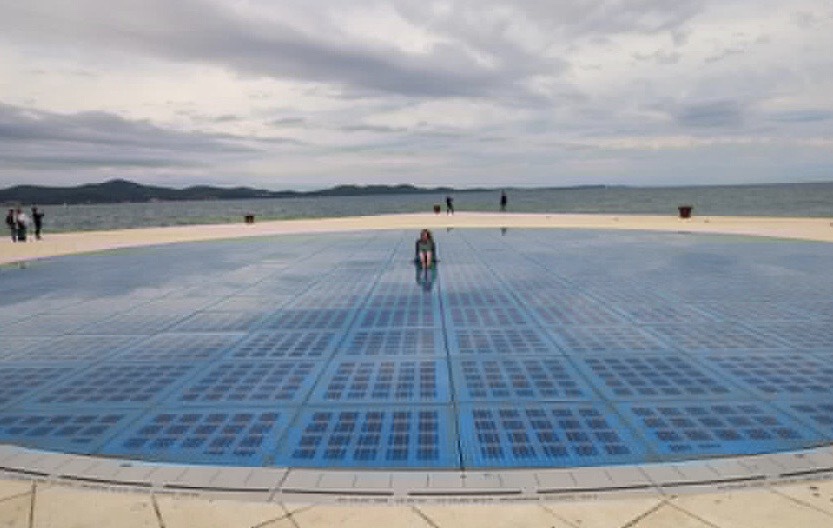
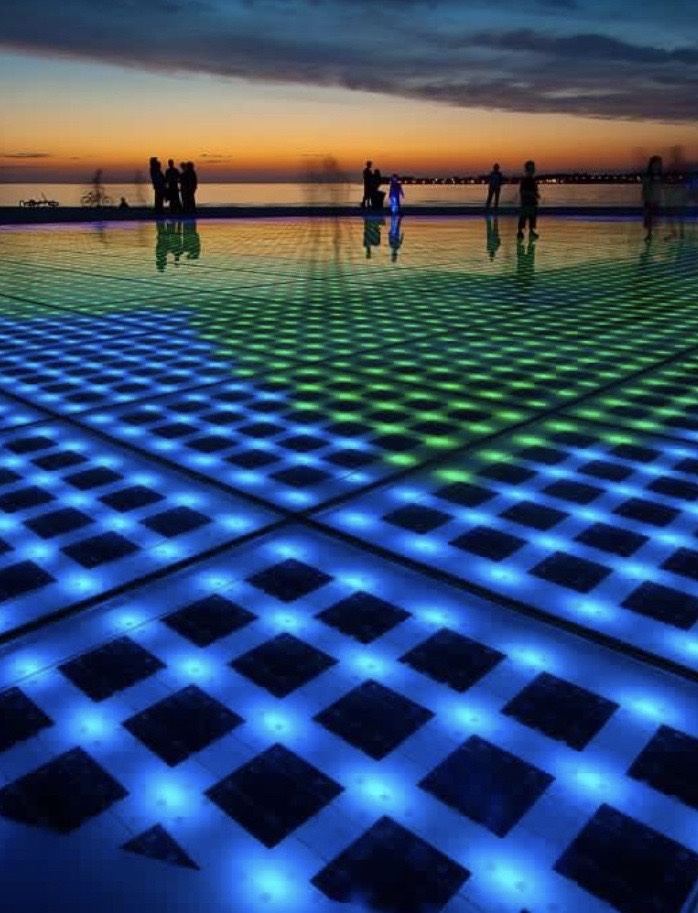
Part of our walk took us along the harbour where a large cruise ship was at anchor resting our weary feet we decided to sit and spend some time people watching. We then noticed a twenty two metre wide circle of glass set into the dock pavement which we initially thought were solar panels but could not fathom what they feeding. After some research we found that the panels contain three hundred coloured light modules to give a fantastic light show from sunset to sunrise and it collects enough energy during the day to power not only the light show but the entire harbour front lighting system. Wow!

The Istrian coast

There is a strong Italian influence in this area as at one time it was ruled by Italy between the two world wars and Italian is the second language for most Istrians . It’s landscape is very similar to the Tuscan hills of Italy dominated by Olive trees and Vineyards. It’s coastline broken with small islands and inlets provides seafood in abundance and a holiday Mecca for all types of water sports.

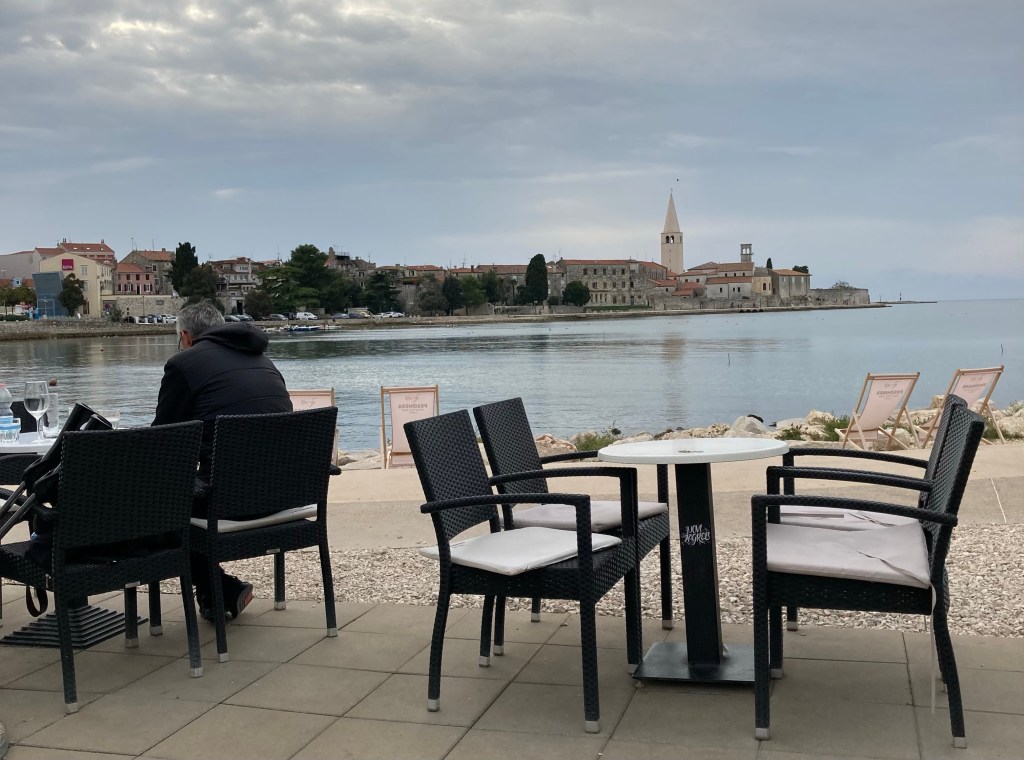
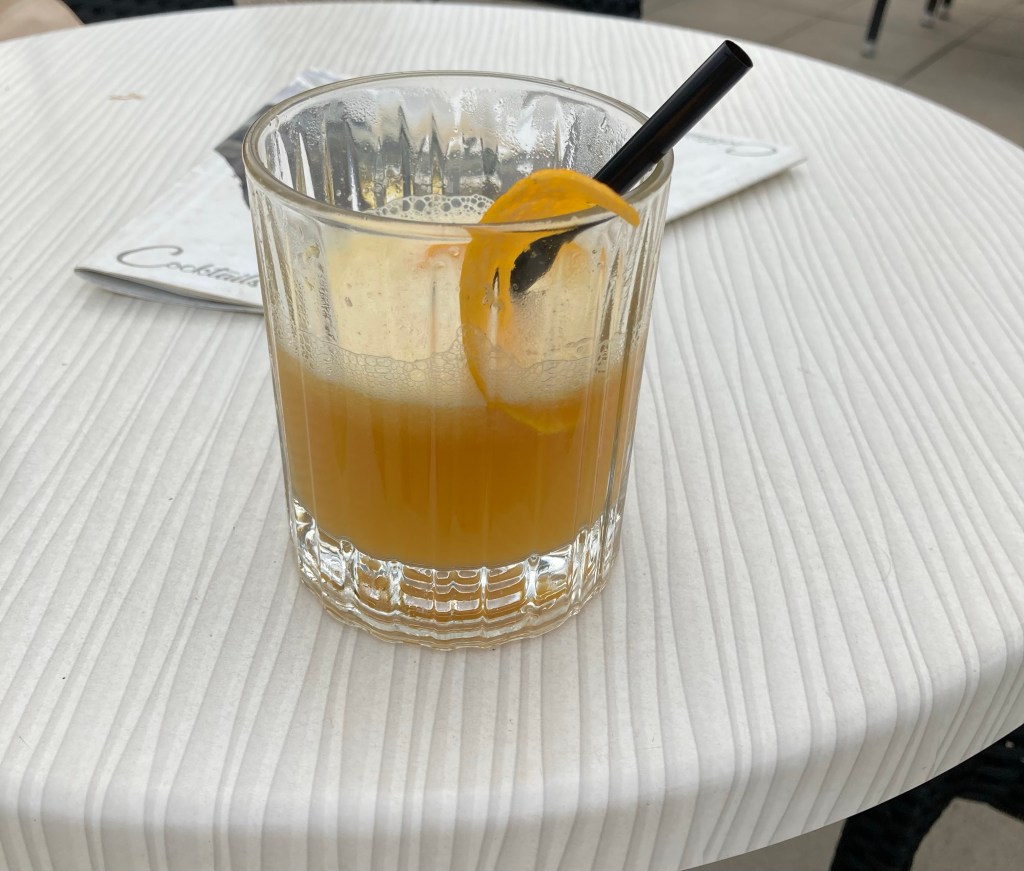
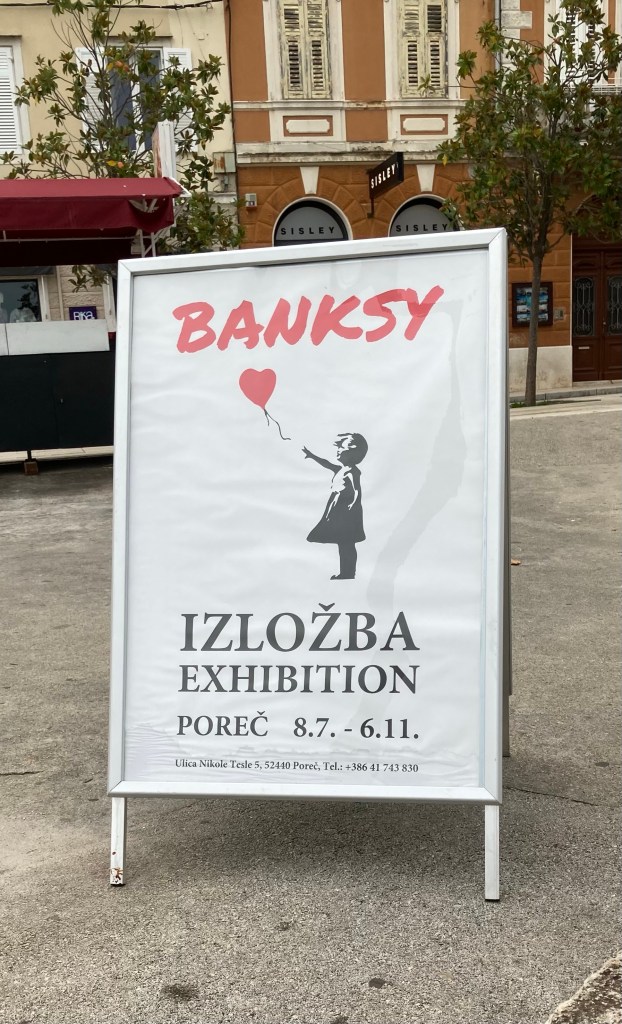
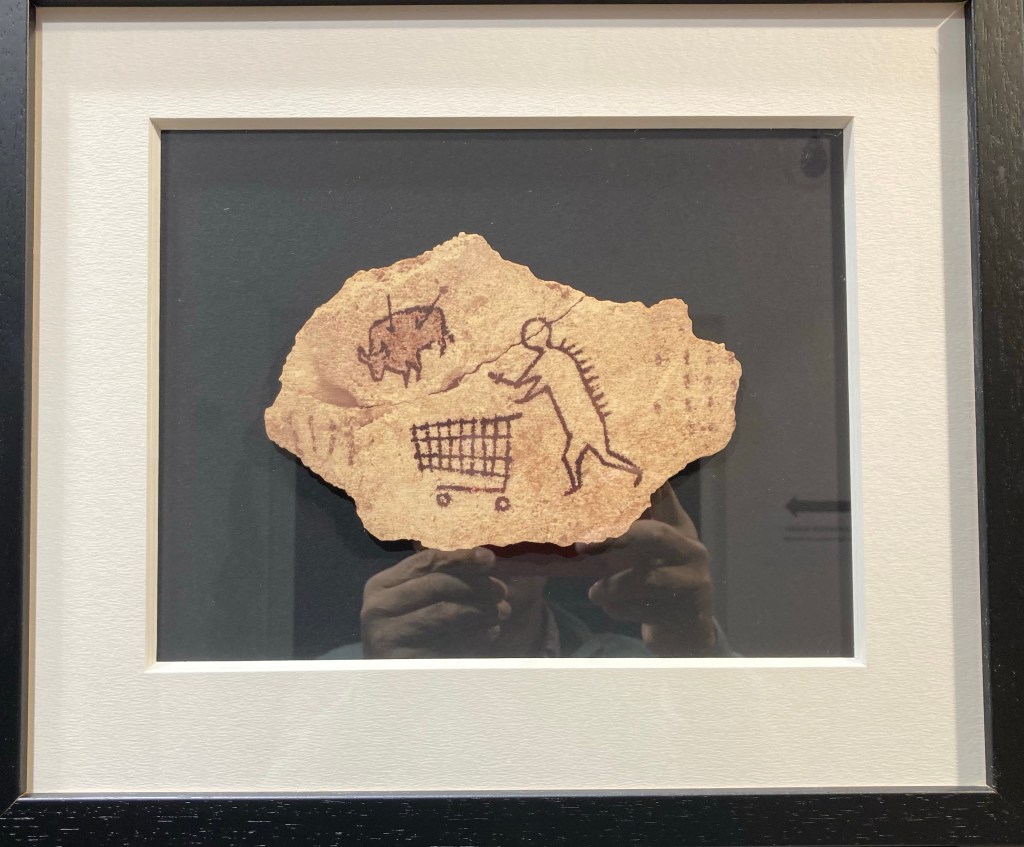
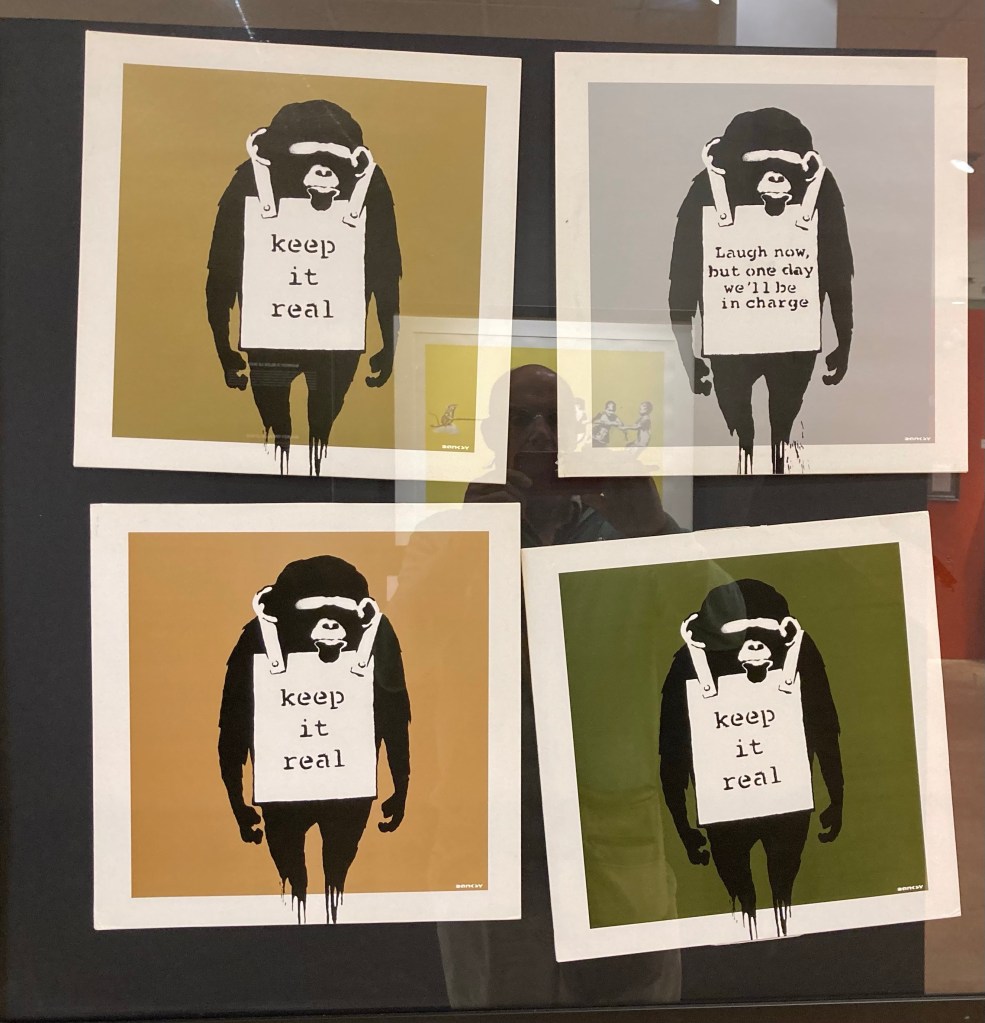
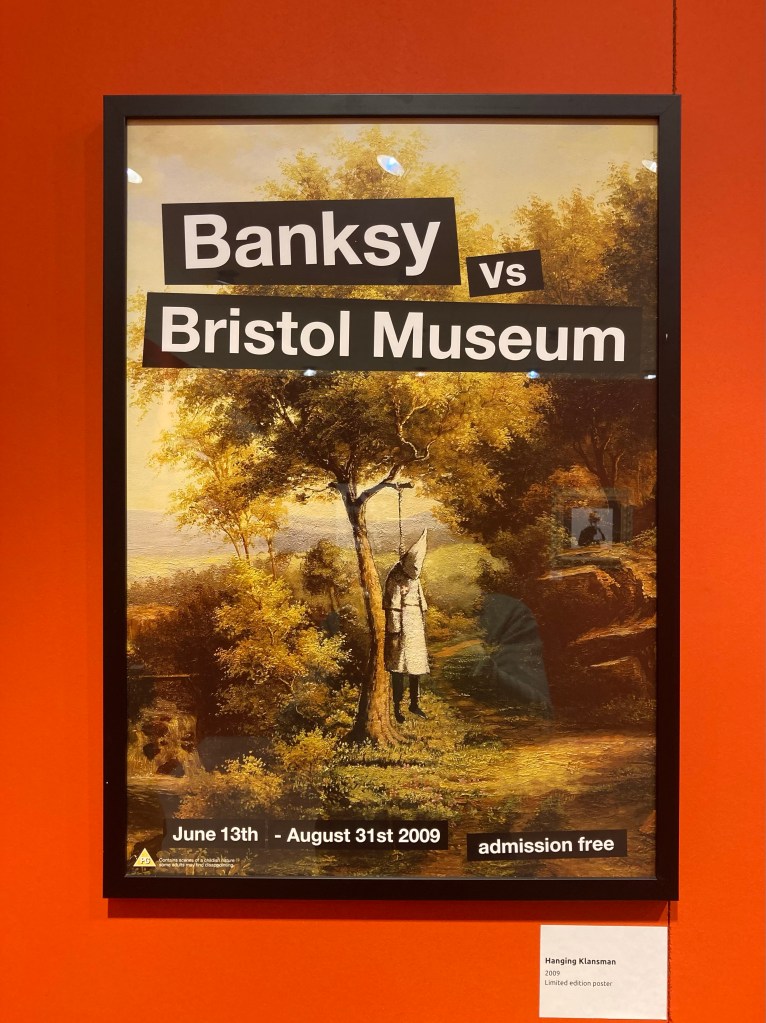
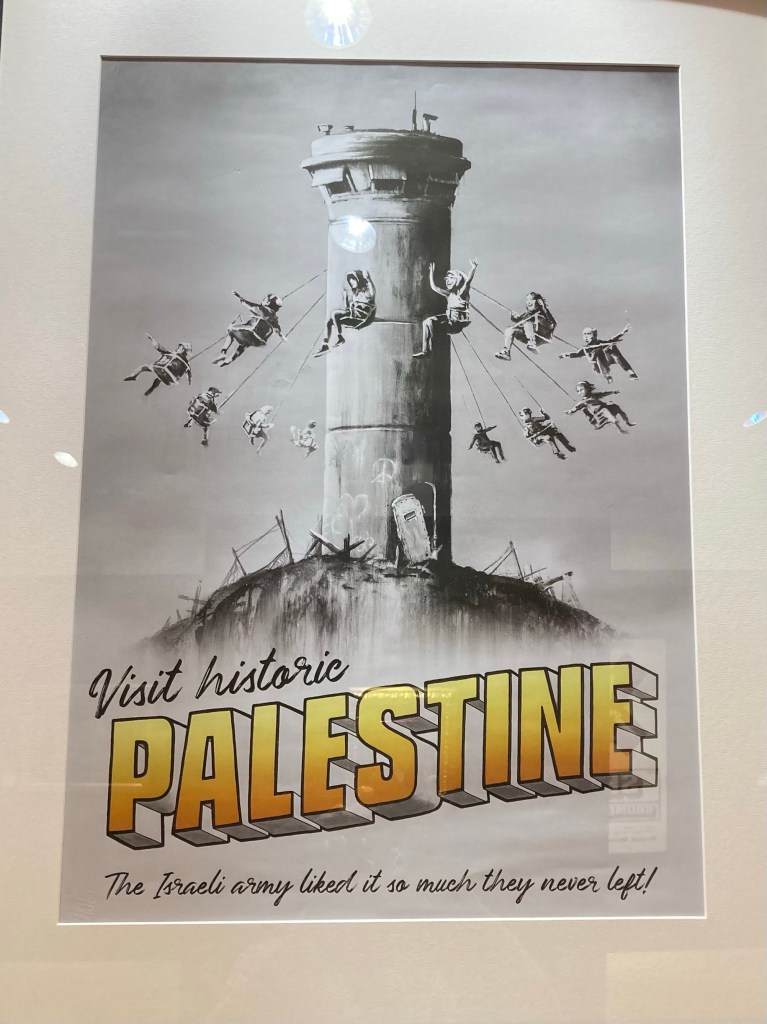
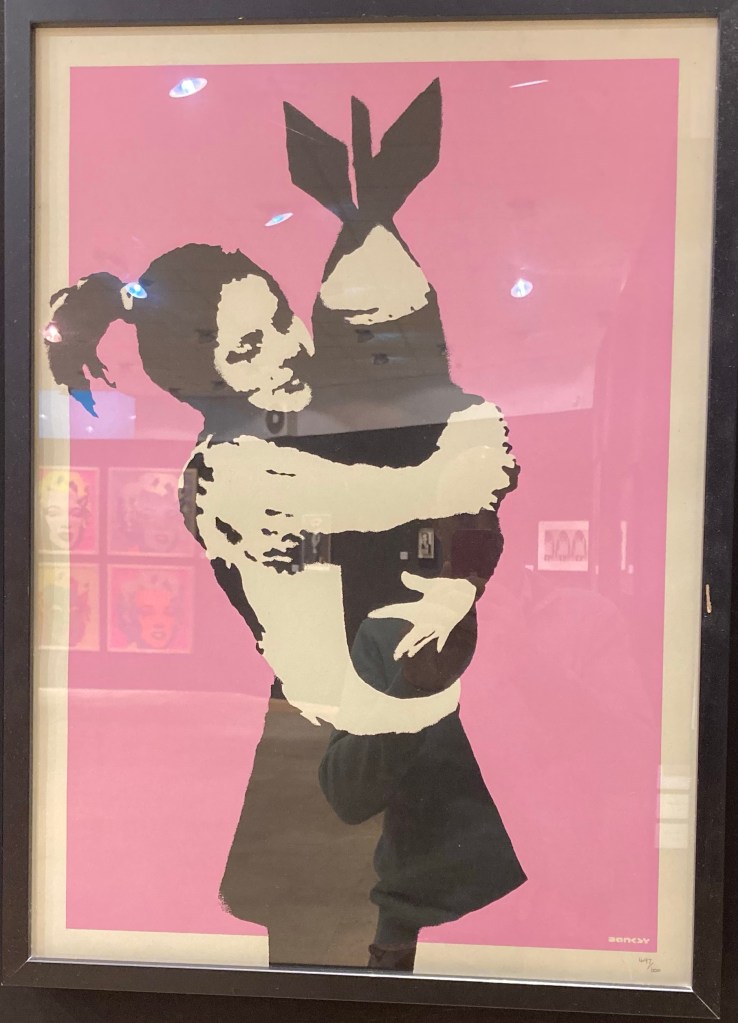
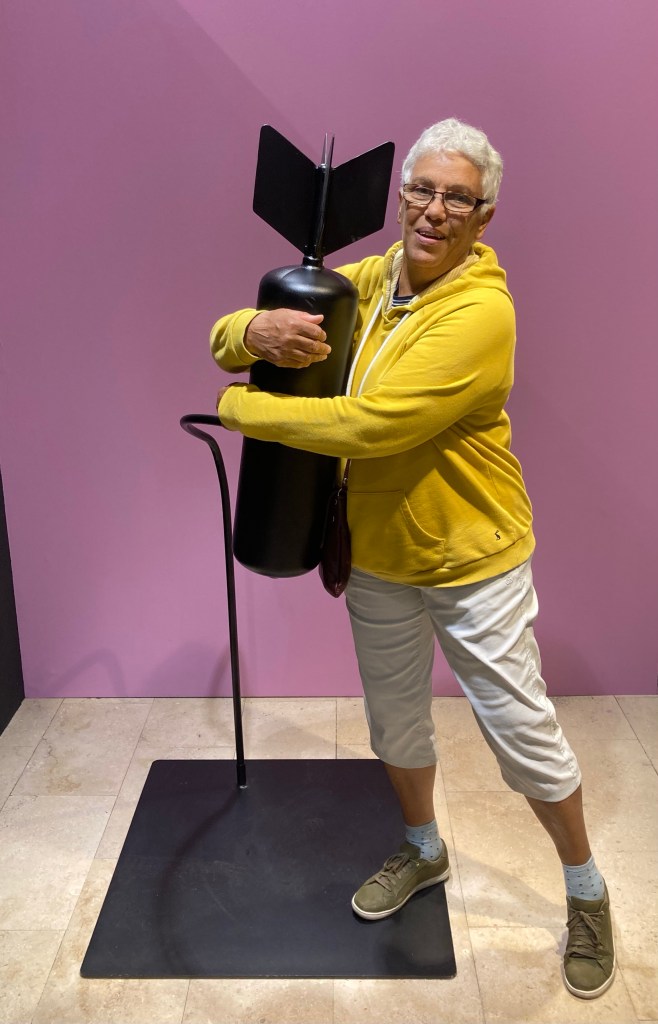
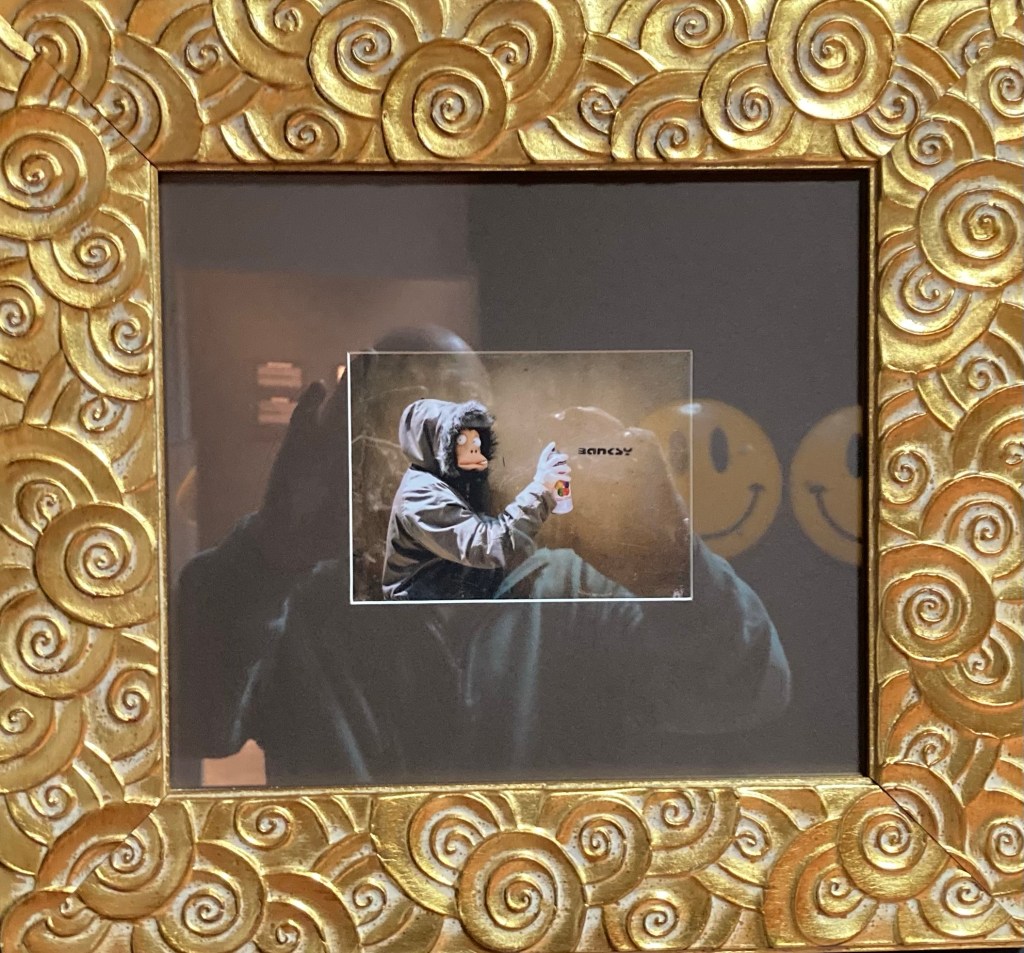
Our first evening in Porec we were parked on the outskirts of town and after a 20minute walk were sitting having cocktails and beers at a beach bar looking across the bay towards the old town. Feeling hungry we walked along the promenade and to our surprise stumbled upon a Banksy exhibition so obviously had to check it out.

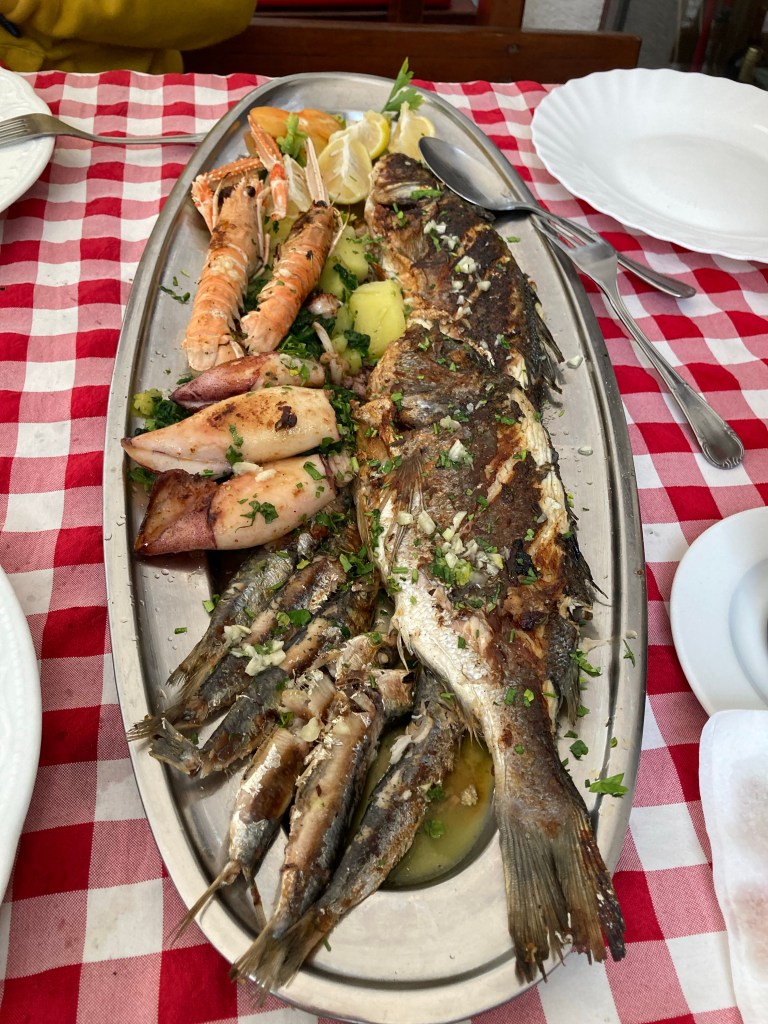
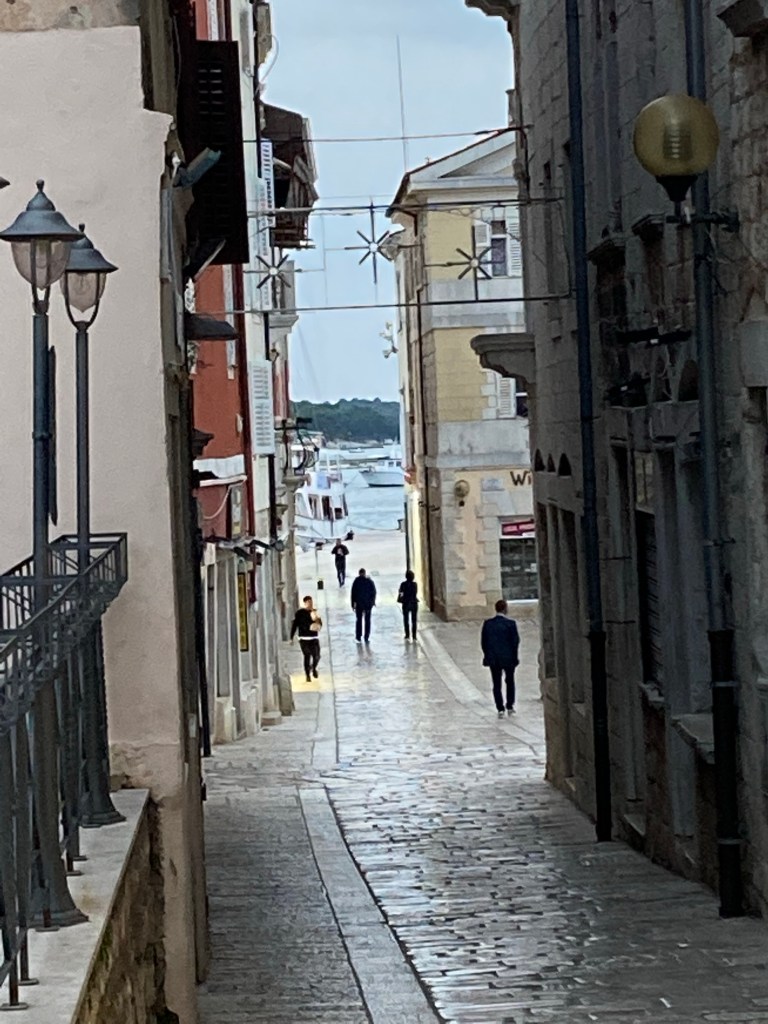
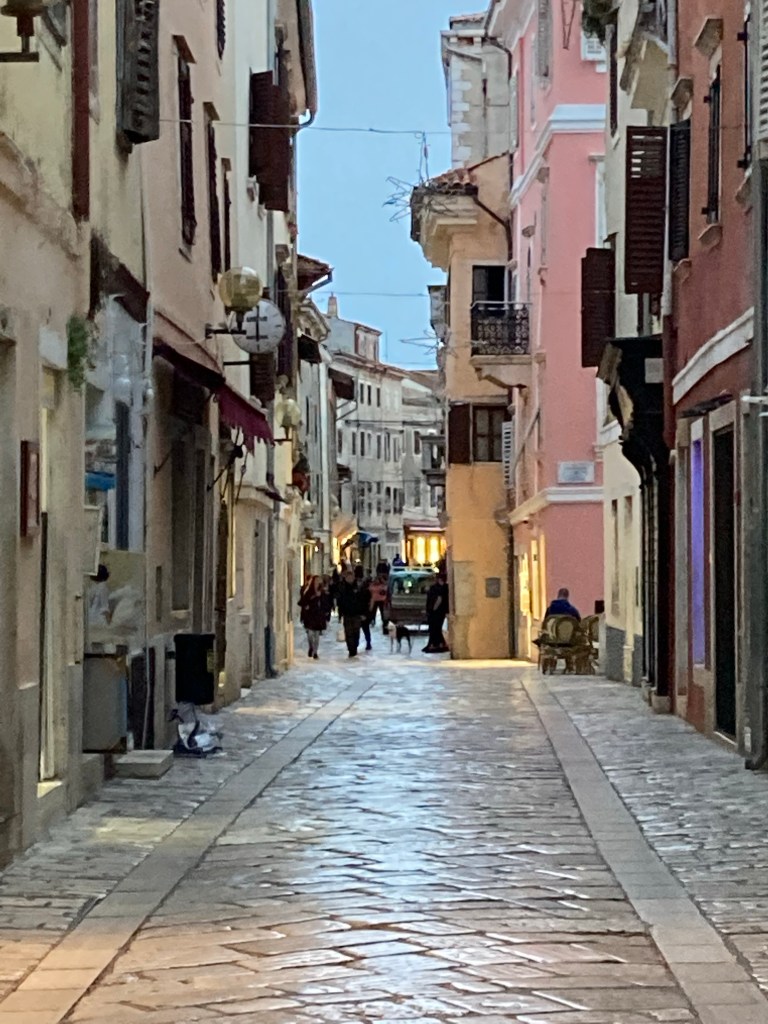
Afterwards we deliberately sought out a side street restaurant away from the mainstream tourist areas and found a little jewel of a restaurant with just one person doing the cooking and serving. Our mixed seafood platter for two was an excellent dish that showcased the Seafood of the Adriatic perfectly. Satiated we walked back through the quieter streets of the town getting slightly lost on the way.

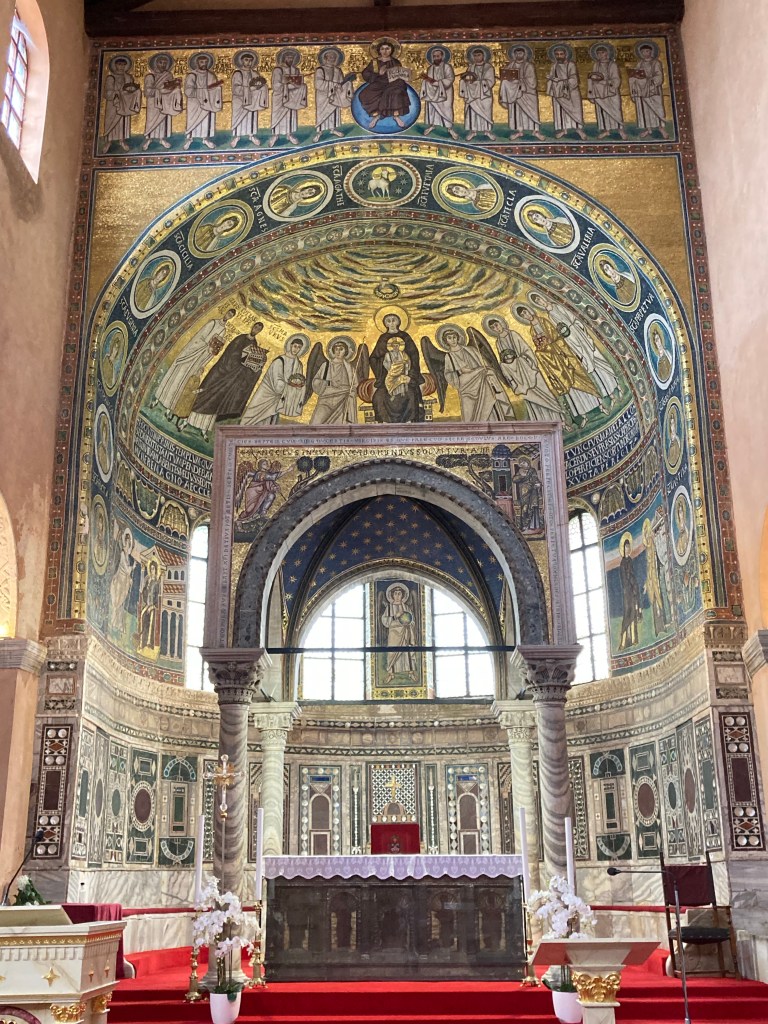
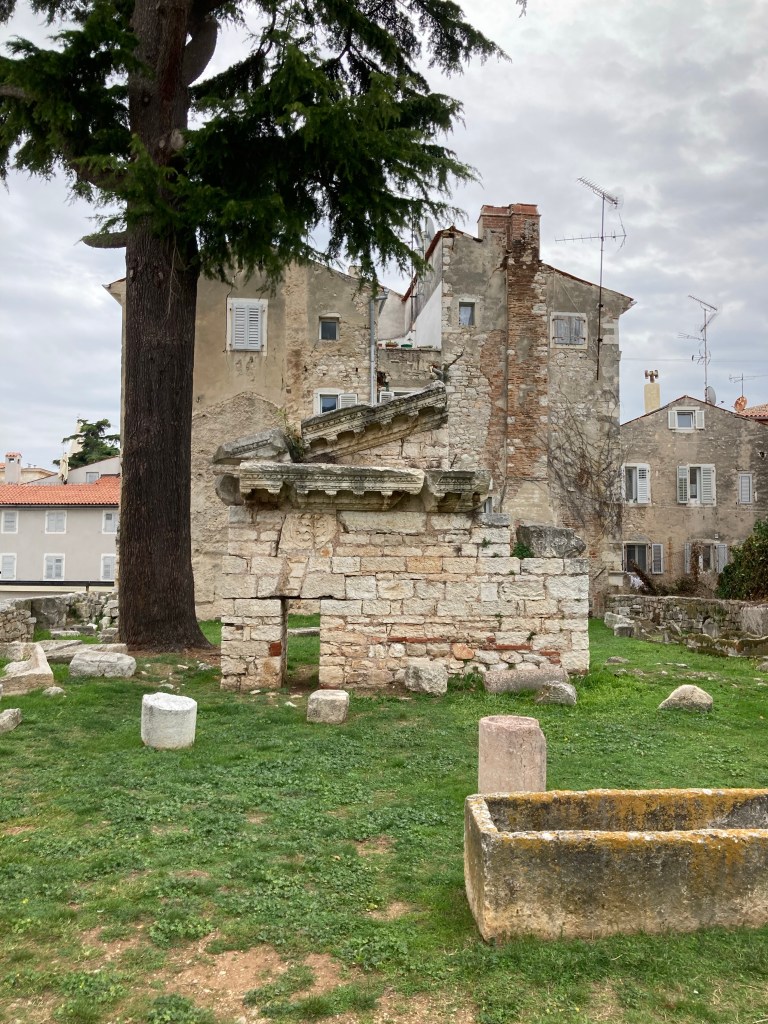
Next day returning to the old town we did the tourist trail taking in the Basilica and the Roman temples.

Our next destination was going to be Rovinj but some fellow travellers had mentioned a town called Vrsar was worth a visit so decided to visit on our way. Unfortunately three quarters of the way there we heard a scraping noise and thinking one of our stabilisers had dropped down we pulled over at the first opportunity. Only to discover the rear half of the exhaust had cracked and dropped. Luckily we had pulled off the road onto a private parking area for a restaurant which was closed for the season and as it was a Sunday with no garages open until the following day they allowed us to stay overnight. Monday morning saw the arrival of the local breakdown service who removed the dropped parts and organised a garage who could undertake the work of replacing the exhaust.

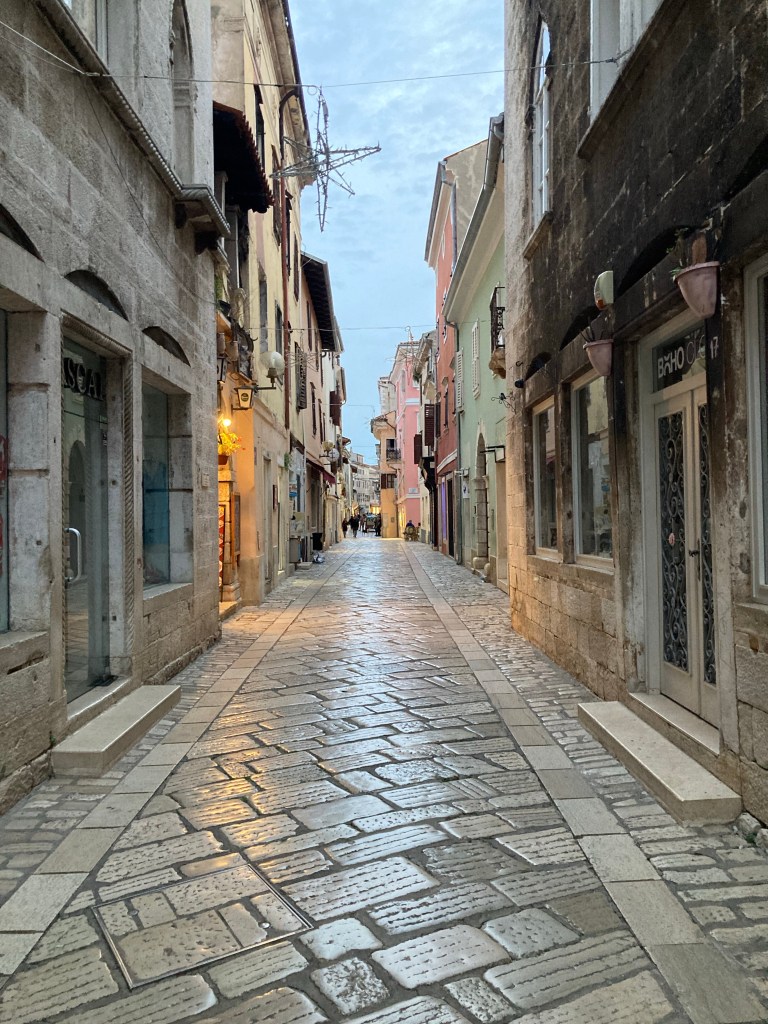
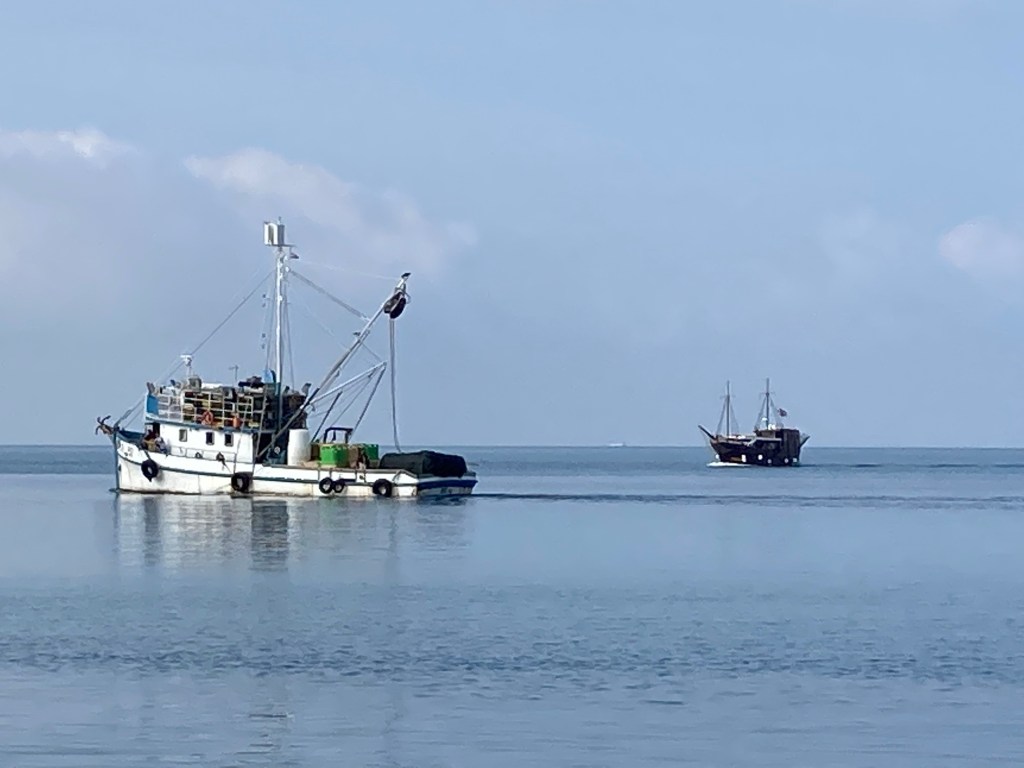
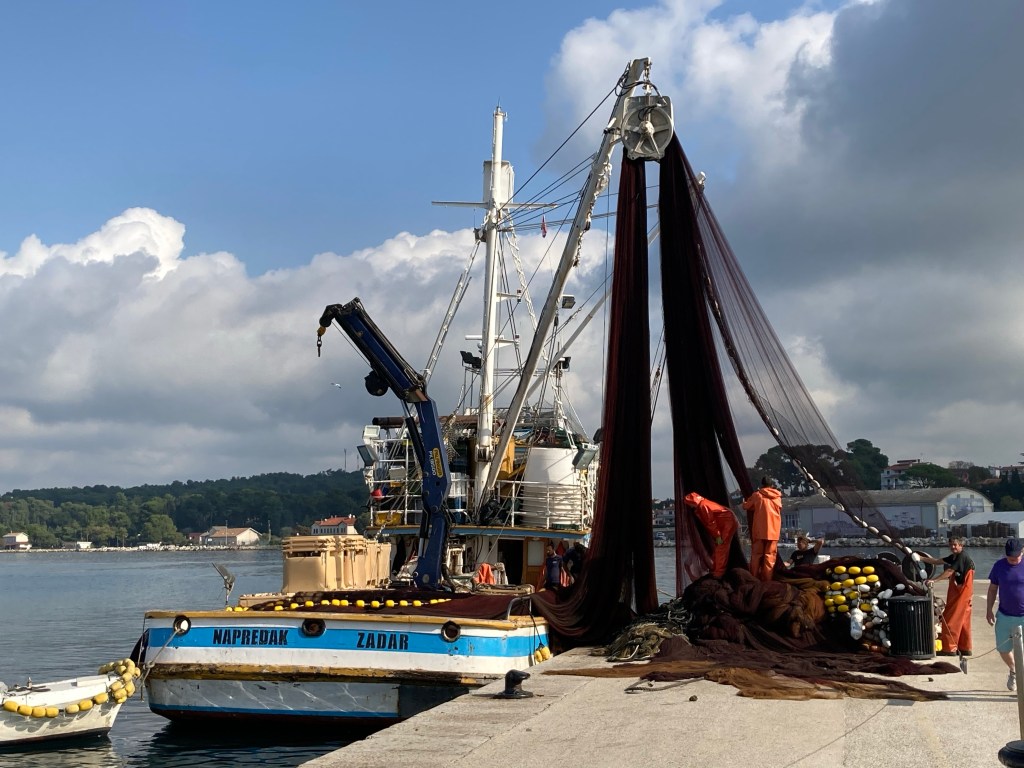
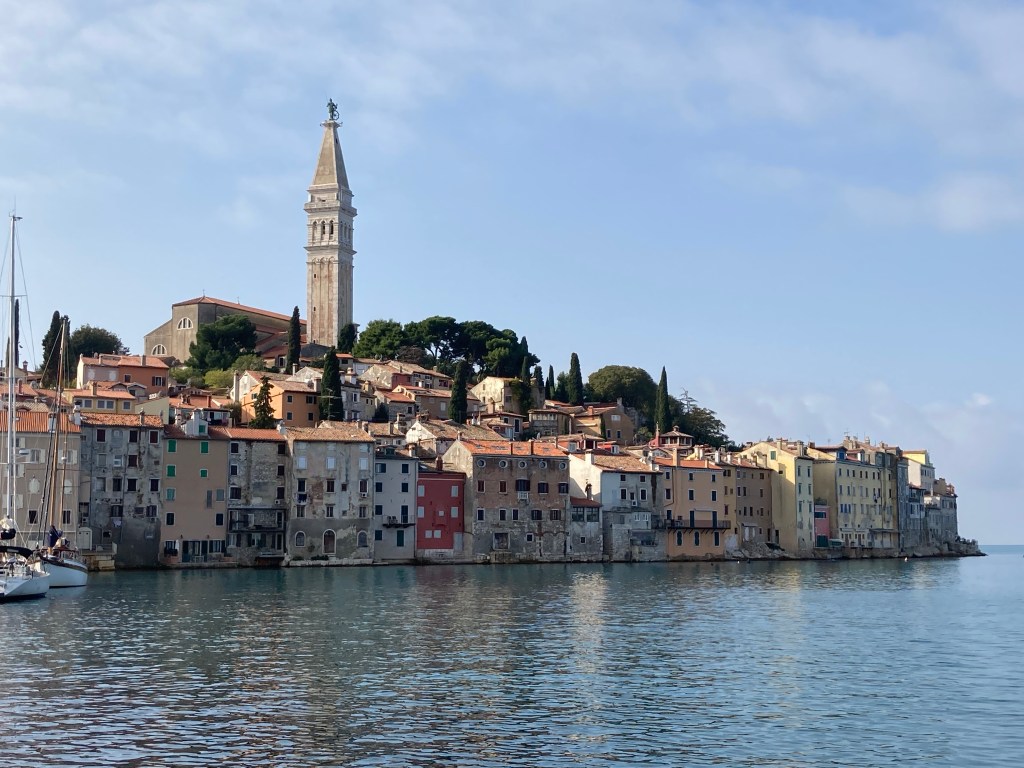
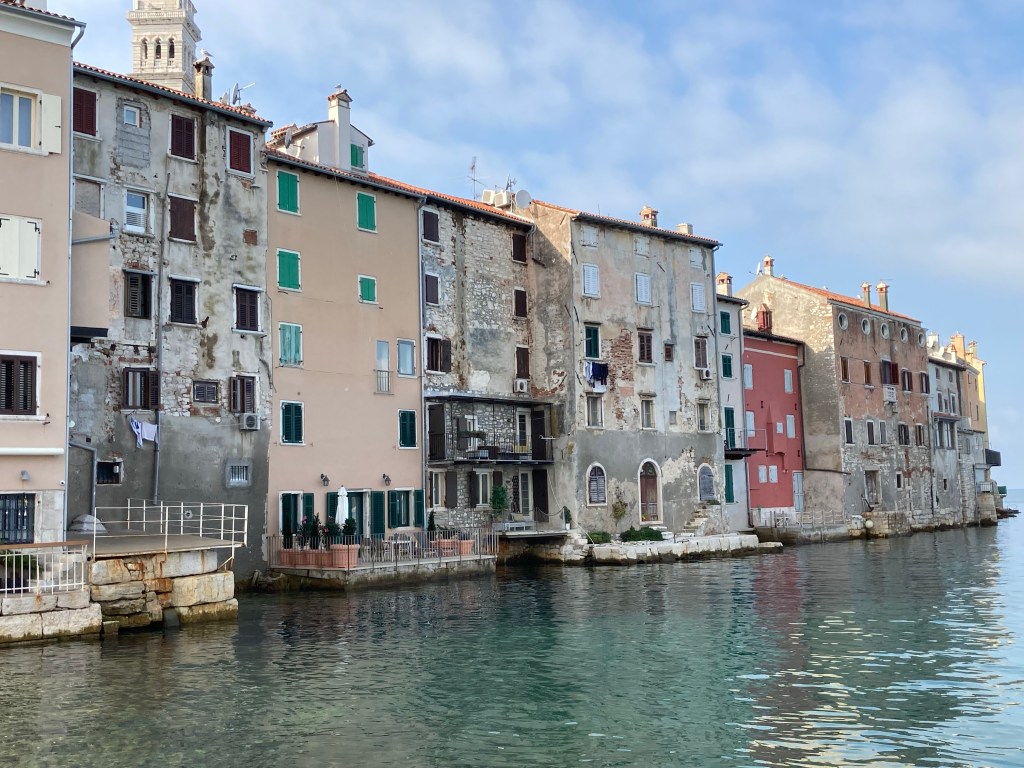
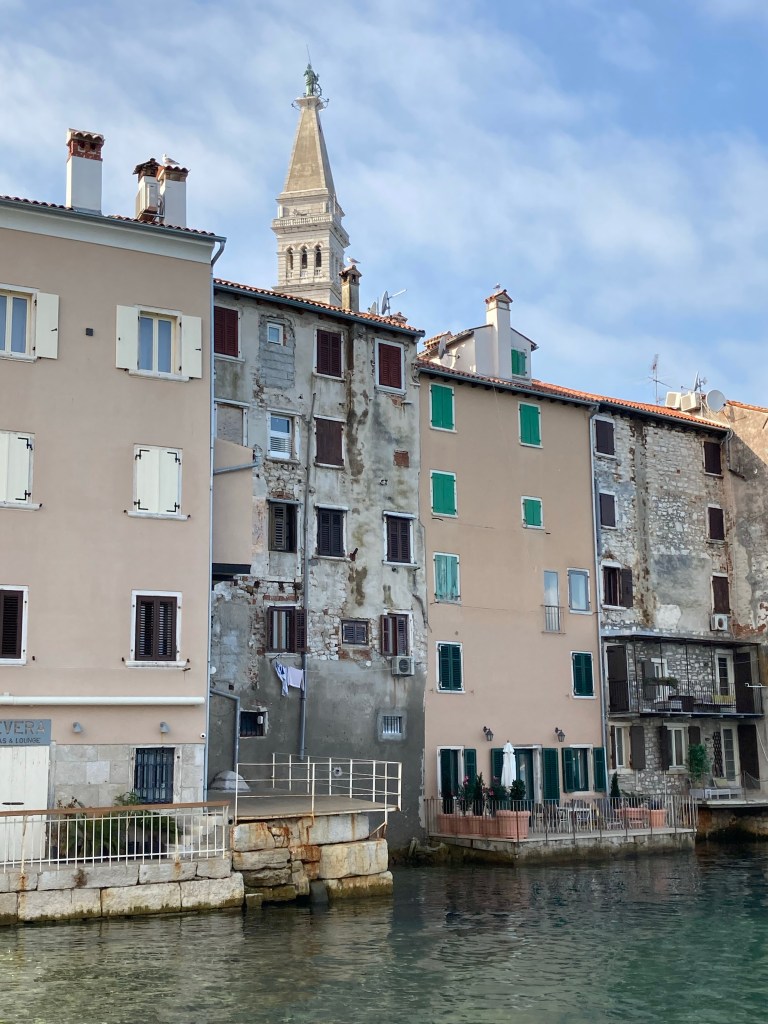
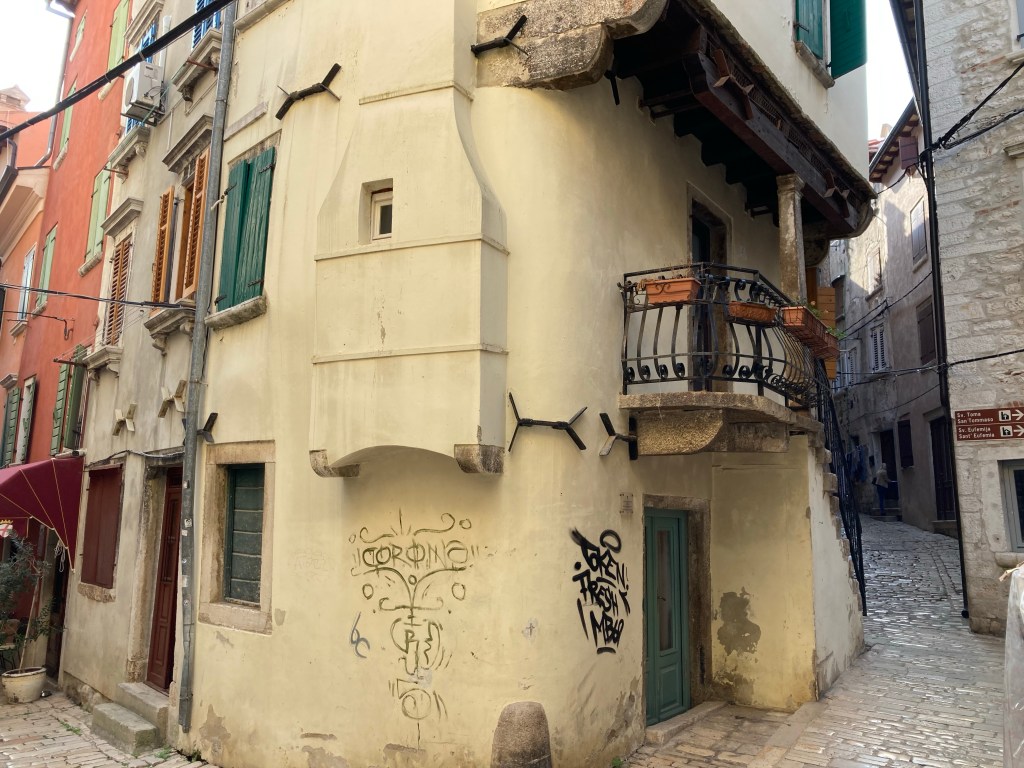
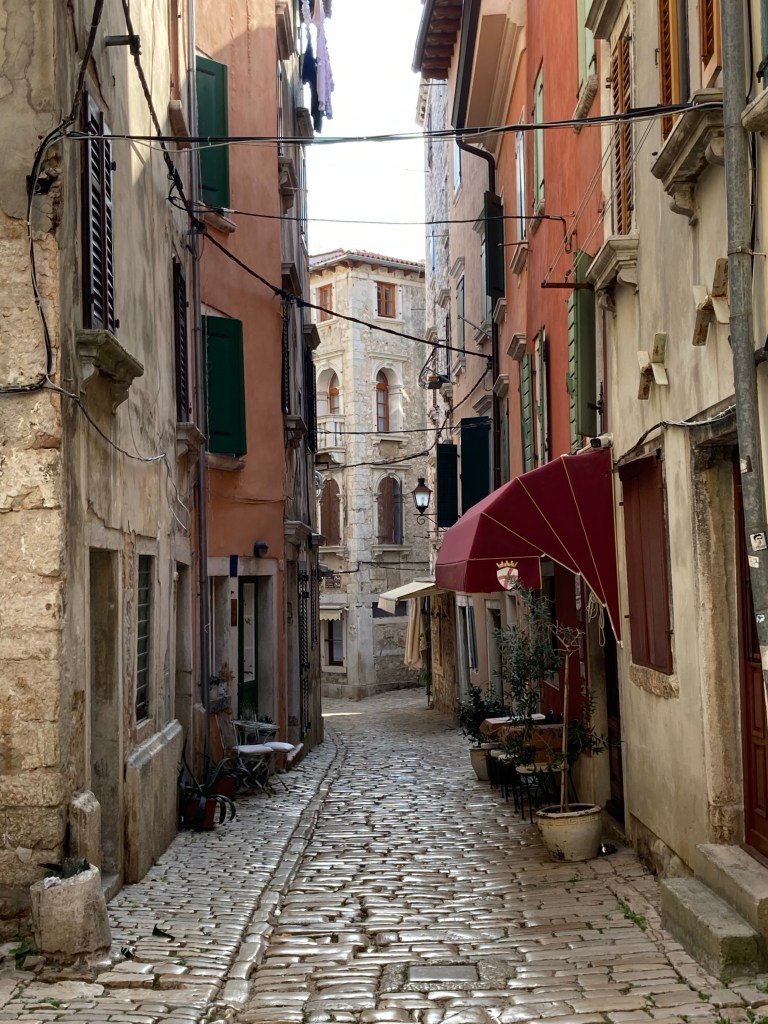
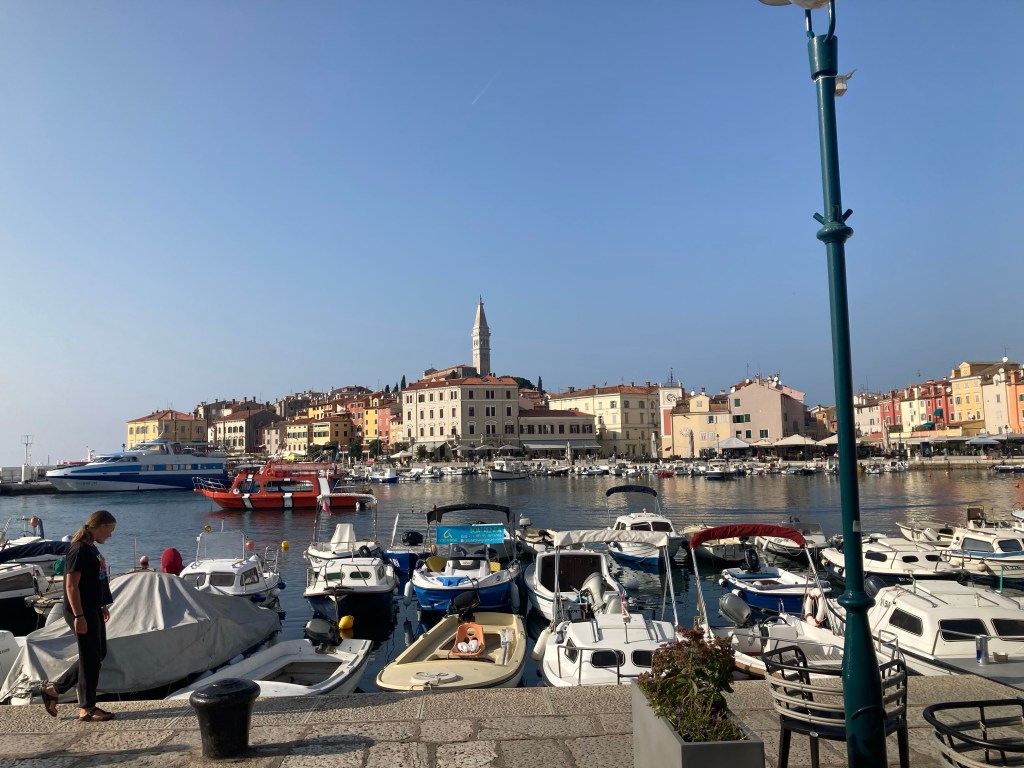
Back to being roadworthy we continued on our way to Rovinj which turned out to be a jewel of a town. The attraction was that it had retained the feel of being a working fishing village despite the influx of the tourist trade and its old town built on a hill with some of the buildings coming right down to the waters edge similar to Venice. It had retained it’s narrow streets and ancient buildings which gave it a real sense of history.

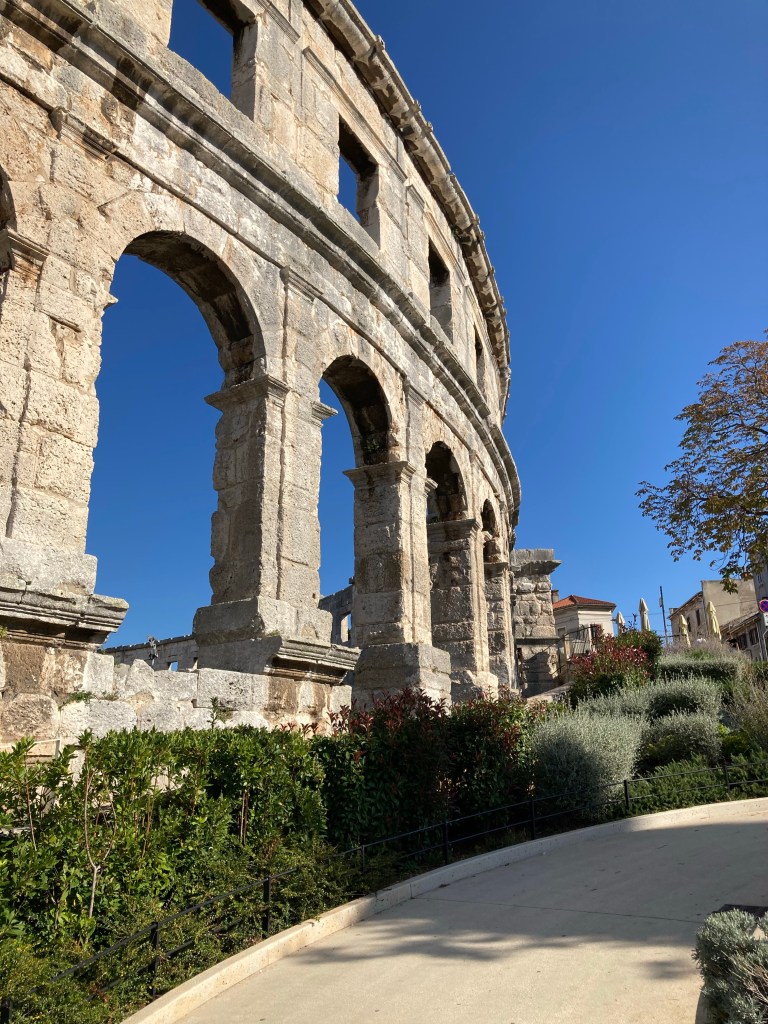
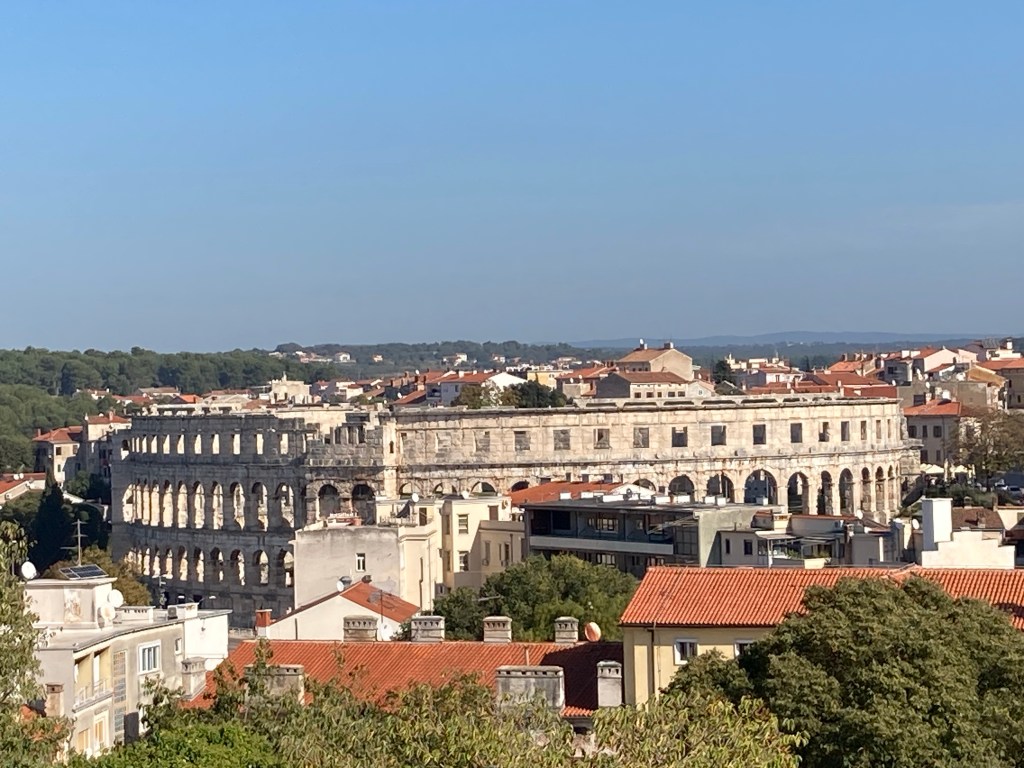
Our final town before leaving the Istrian peninsula was Pula its largest town by far with a thriving commercial area and tourist trade.

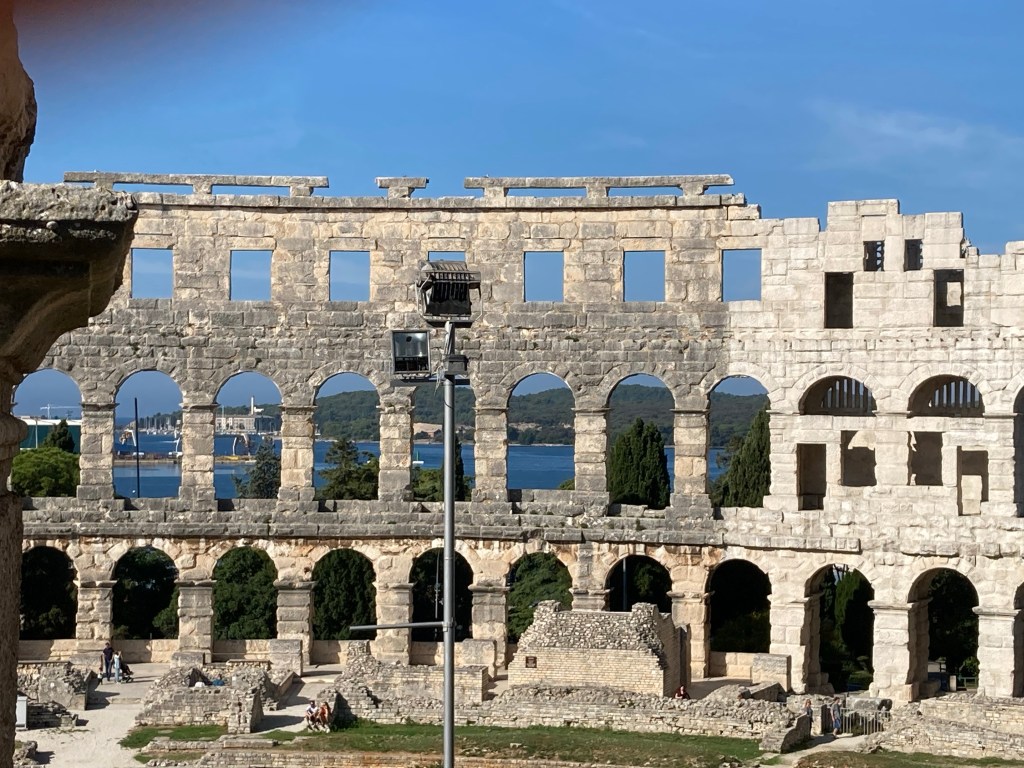
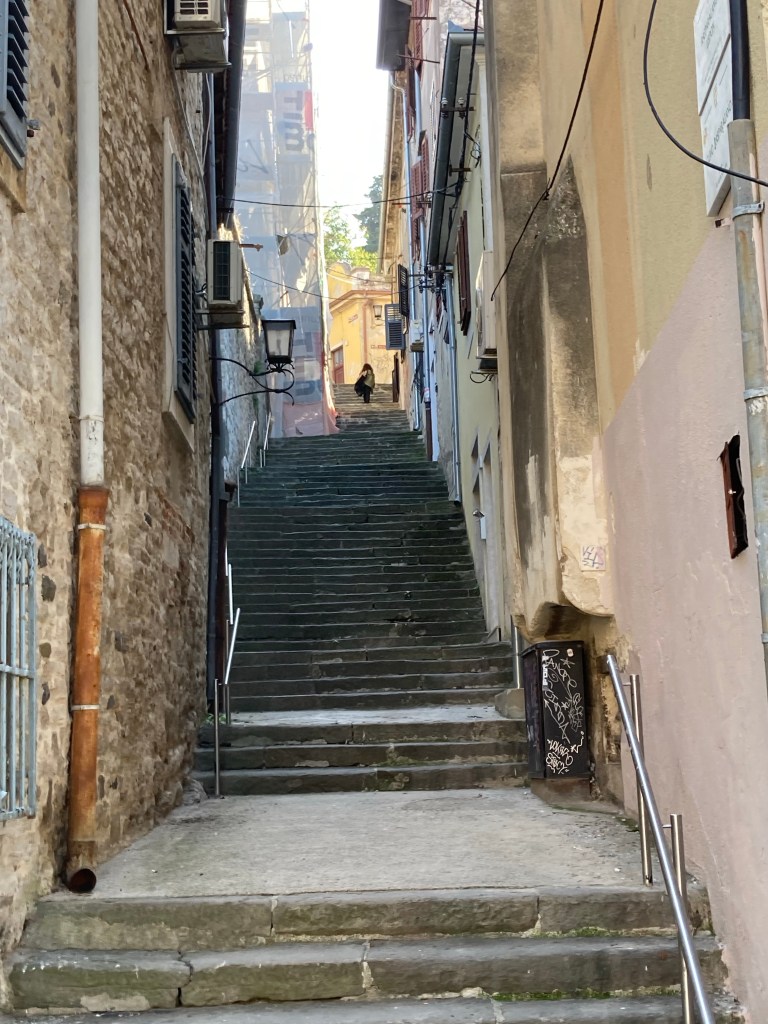
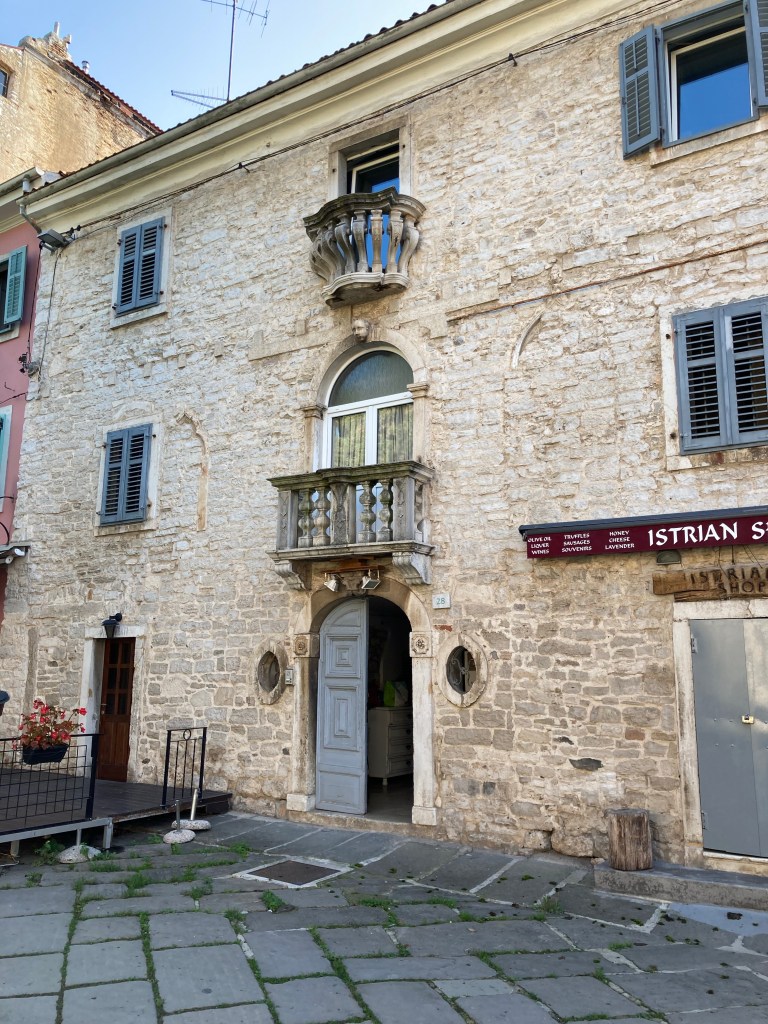
Parking next to the large Roman amphitheatre we took some photographs and continued through the narrow winding streets of the old town to the old fortified castle.

Land of the Truffle

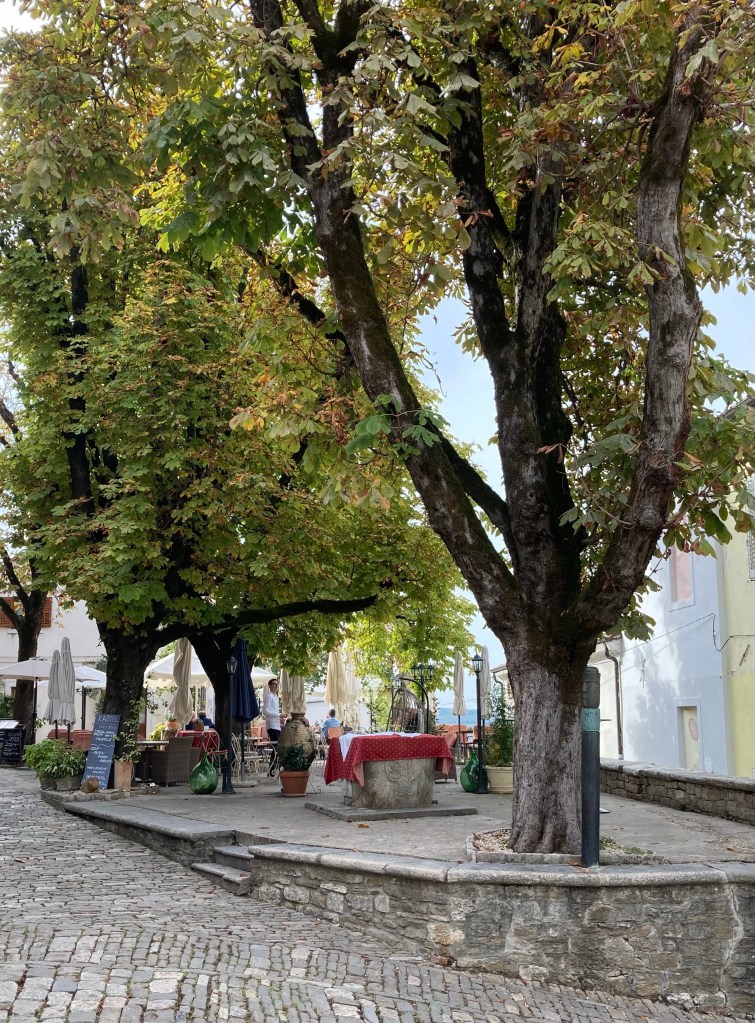
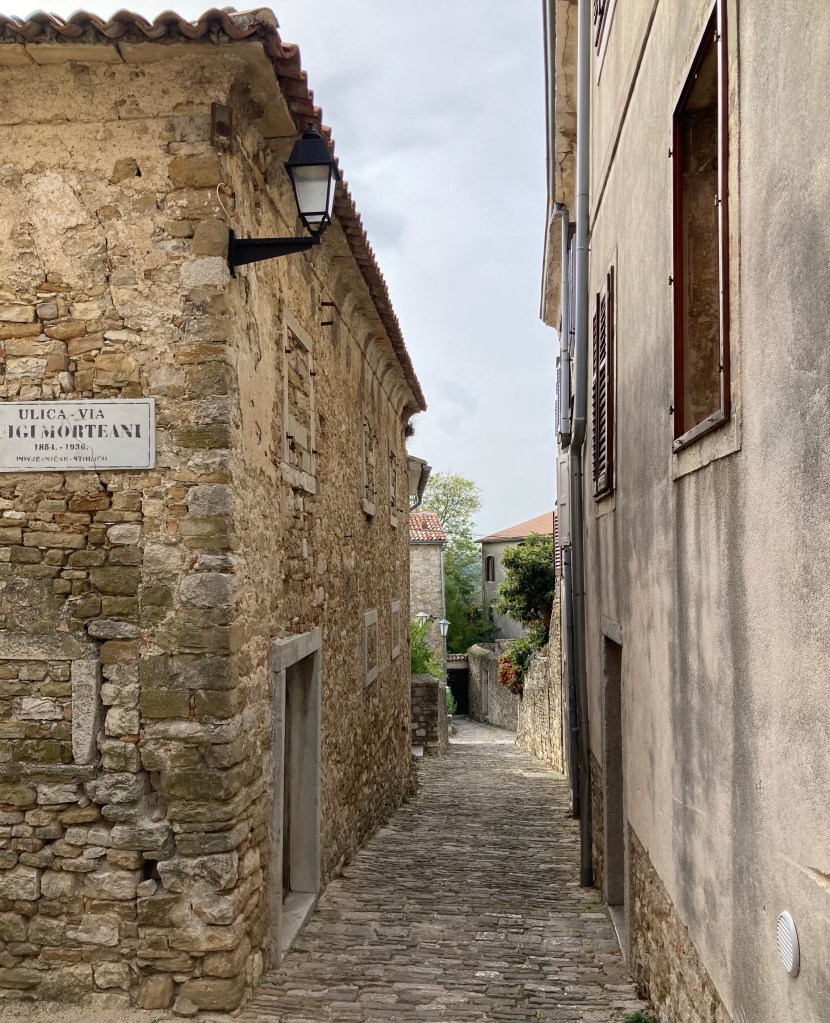
In preparing for our journey into Croatia we had found that there was to be a truffle festival to be held in an Istrian hilltop town called Motovun just inside the Croatian border with Slovenia.

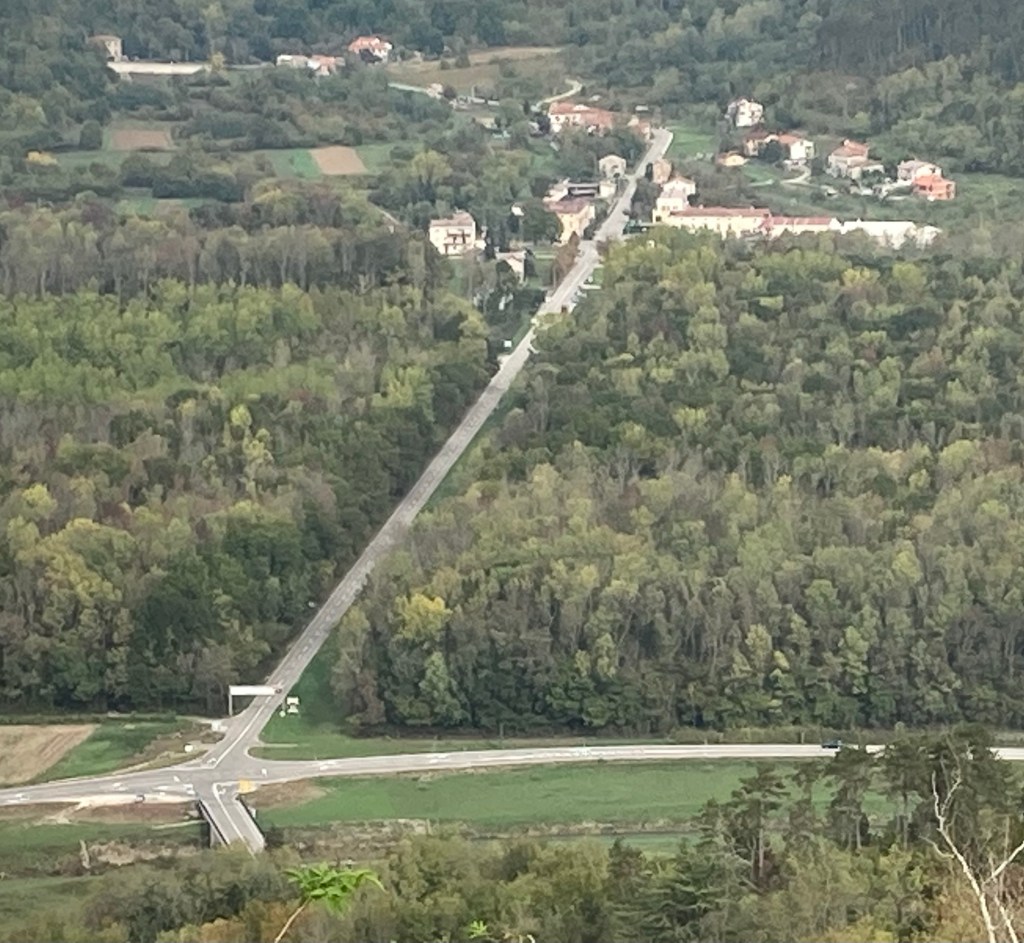
Our glorious satnav directed us there down a single lane road that was no more than a semi dirt track through a very rural farming area past occasional dwellings and an abandoned castle. All before warning us that our route took us under an aqua duct giving us only six inches clearance with the roof of the van.

The day after our arrival we took the bus up into the town expecting to enjoy the festival only to find that we were a day early. Walking around the town perimeter and main square we realised that the festival was not going to be a large occasion and the town did not offer enough to keep us occupied so decided to move on.

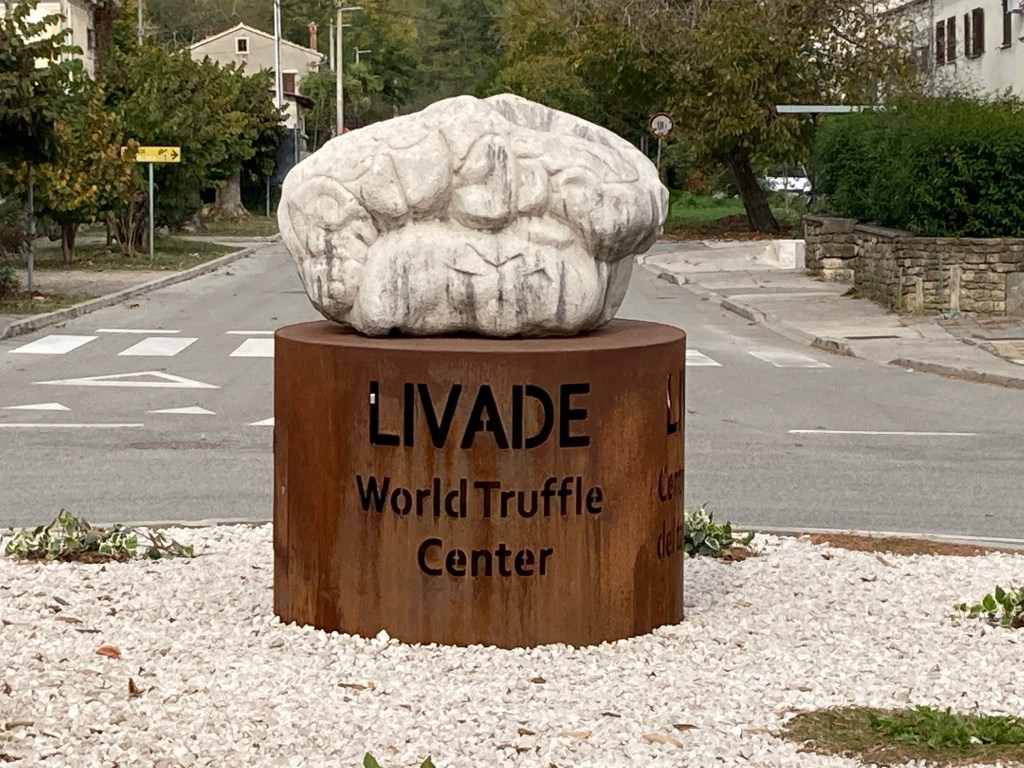
Surrounding our original destination was a vast area of ancient woodland making it the perfect location for the growth and hunting of truffles. The hunting traditionally took place with pigs but today they have been replaced by specially trained dogs. So whilst the hill town of Motovan were organising their festival, across the valley the town of Livade (self proclaimed world truffle centre) were organising theirs and we felt we could not leave the area without visiting.

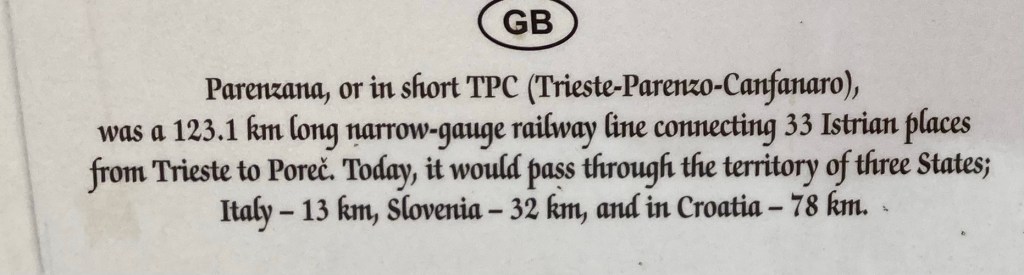
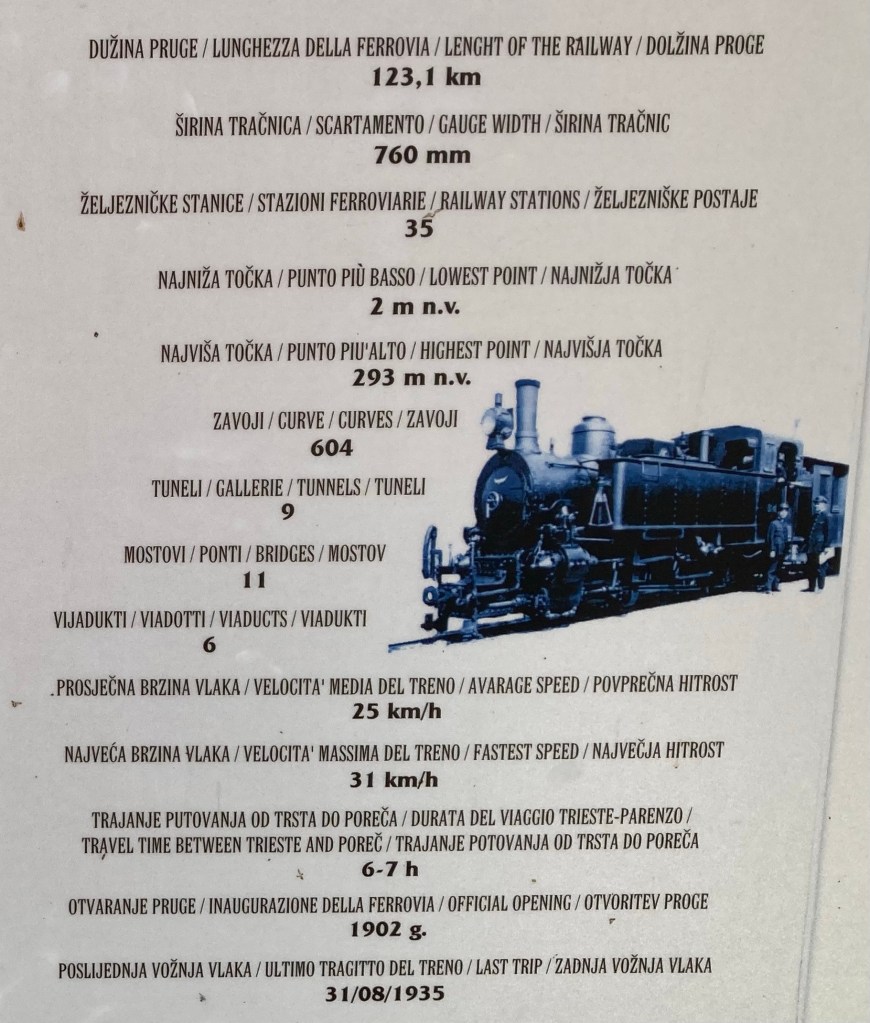
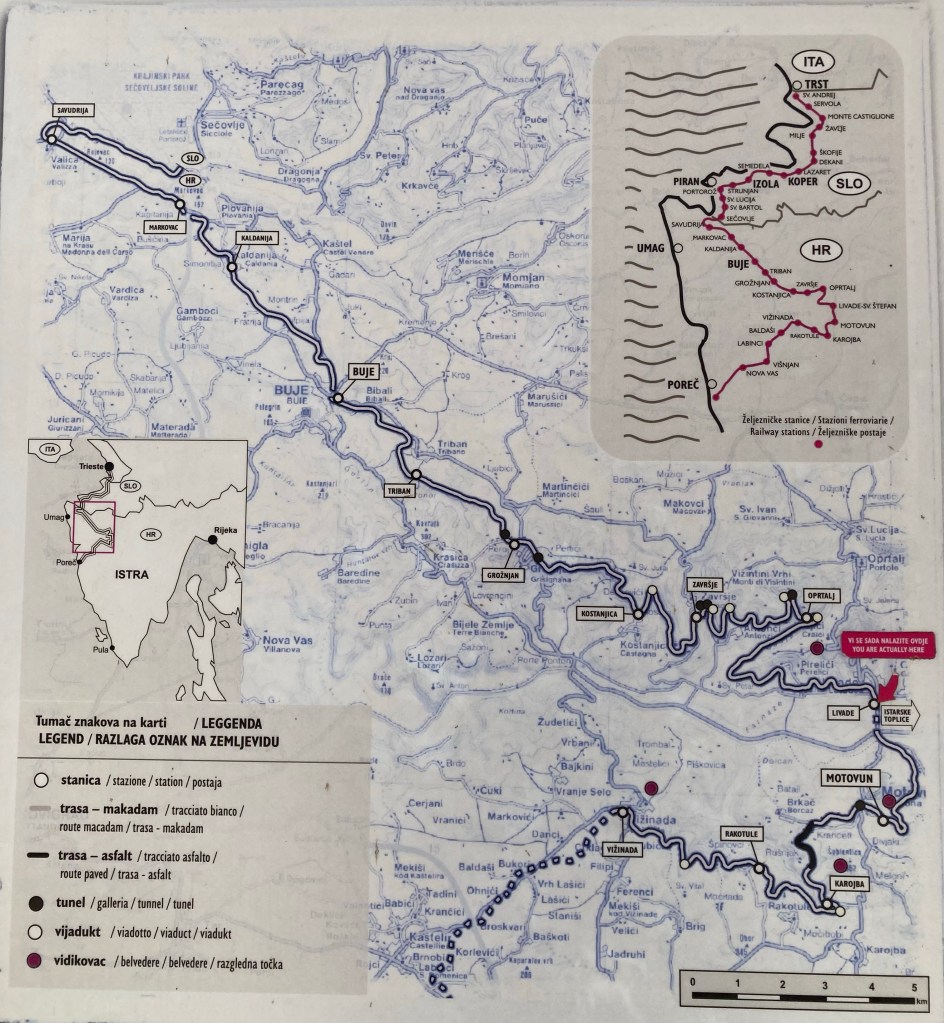
Parking to visit the truffle shop we came across an information board describing the historic narrow gauge railway line that ran a distance of 123km linking Trieste in Italy through Slovenia to the Istrian coastal town of Porec in Croatia, our next destination.

A little bit of Italy

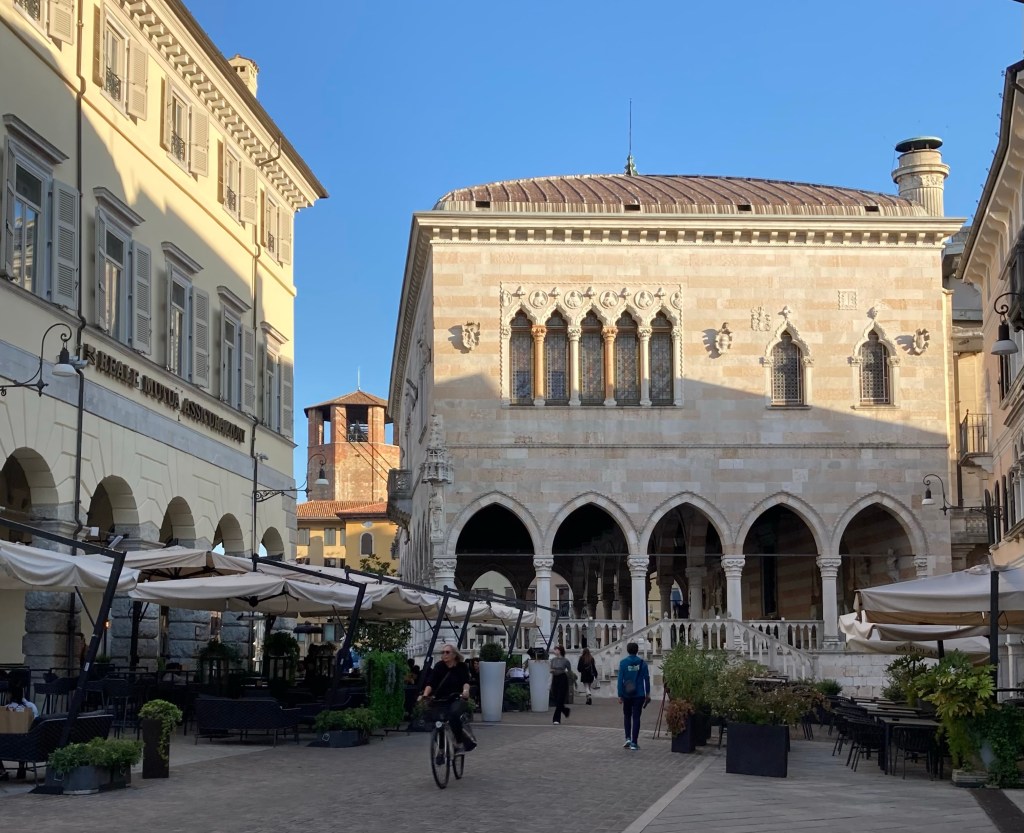
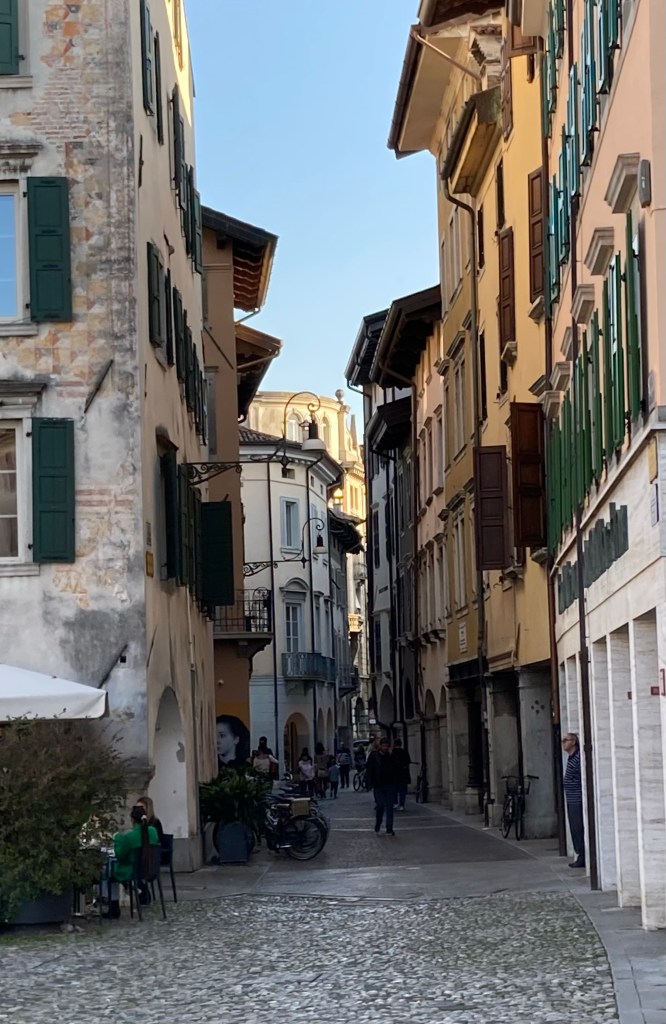
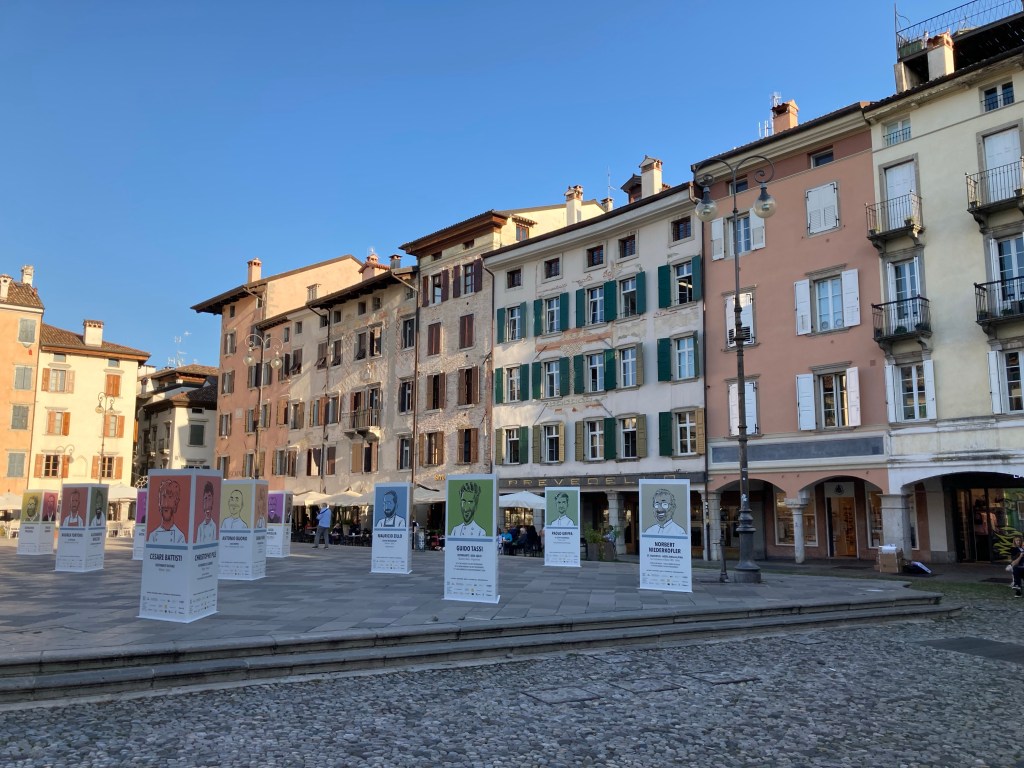
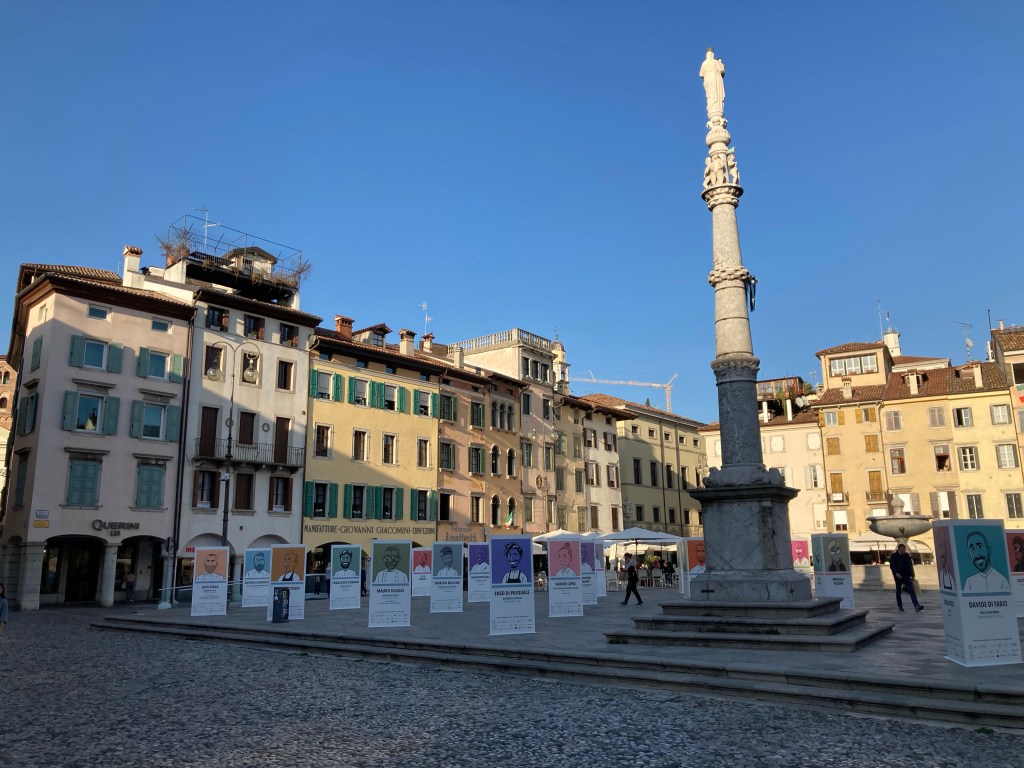
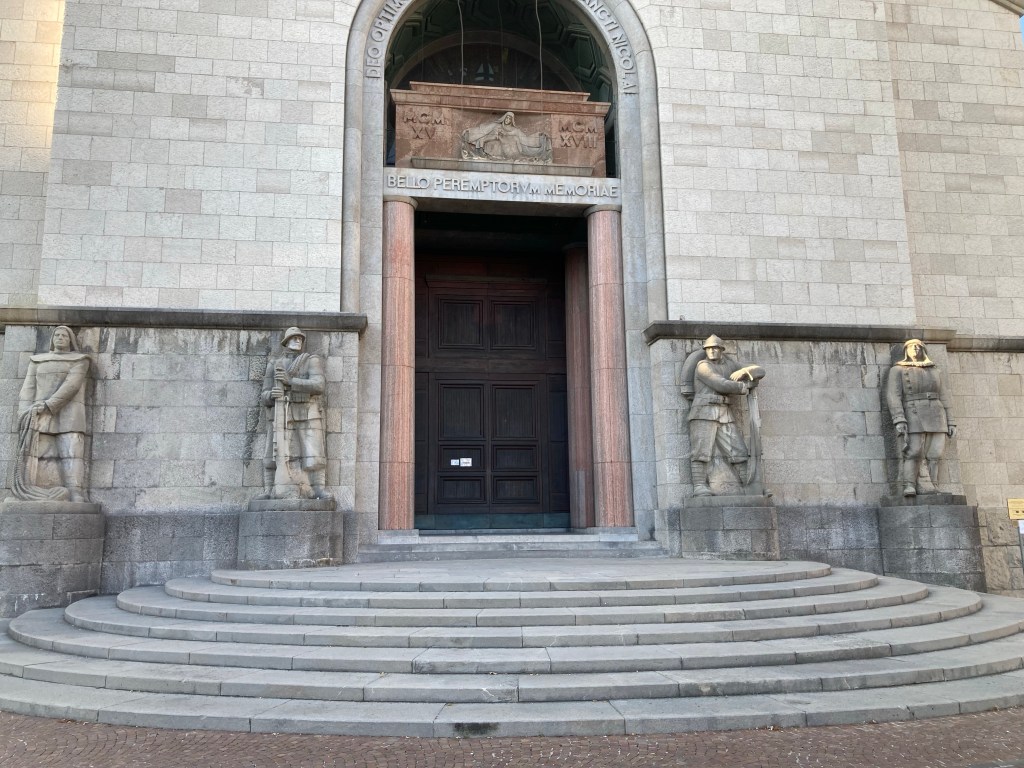
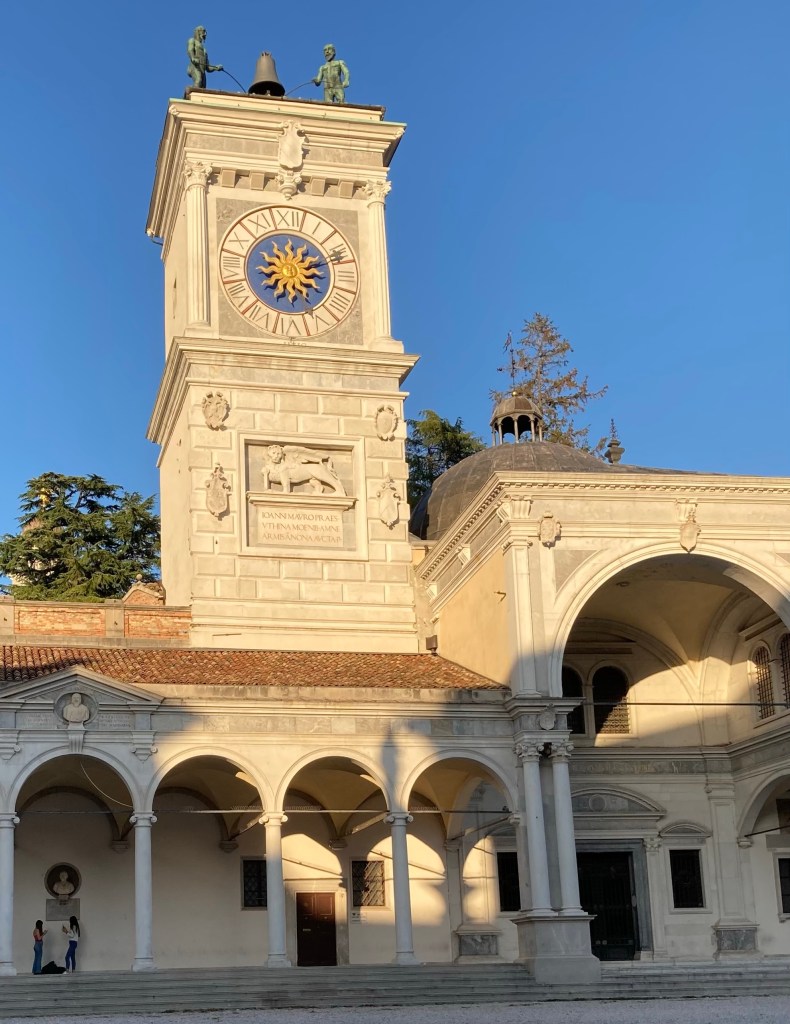
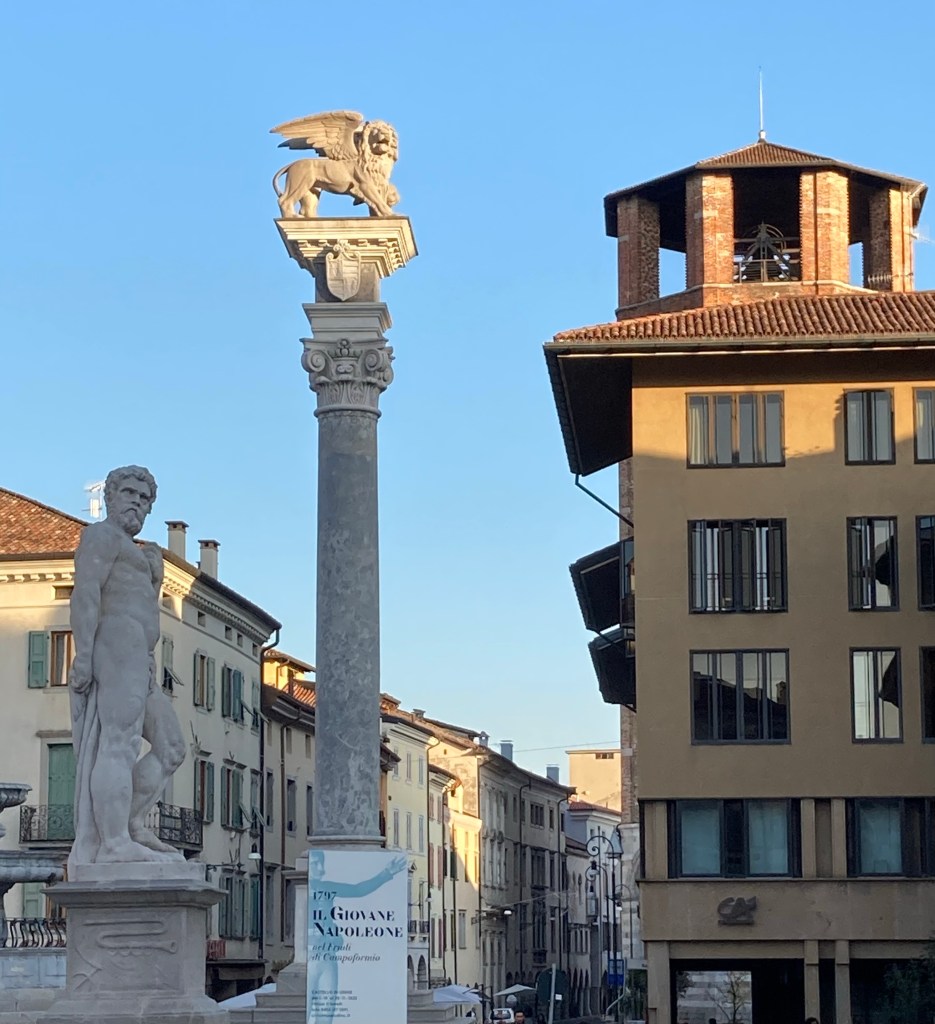
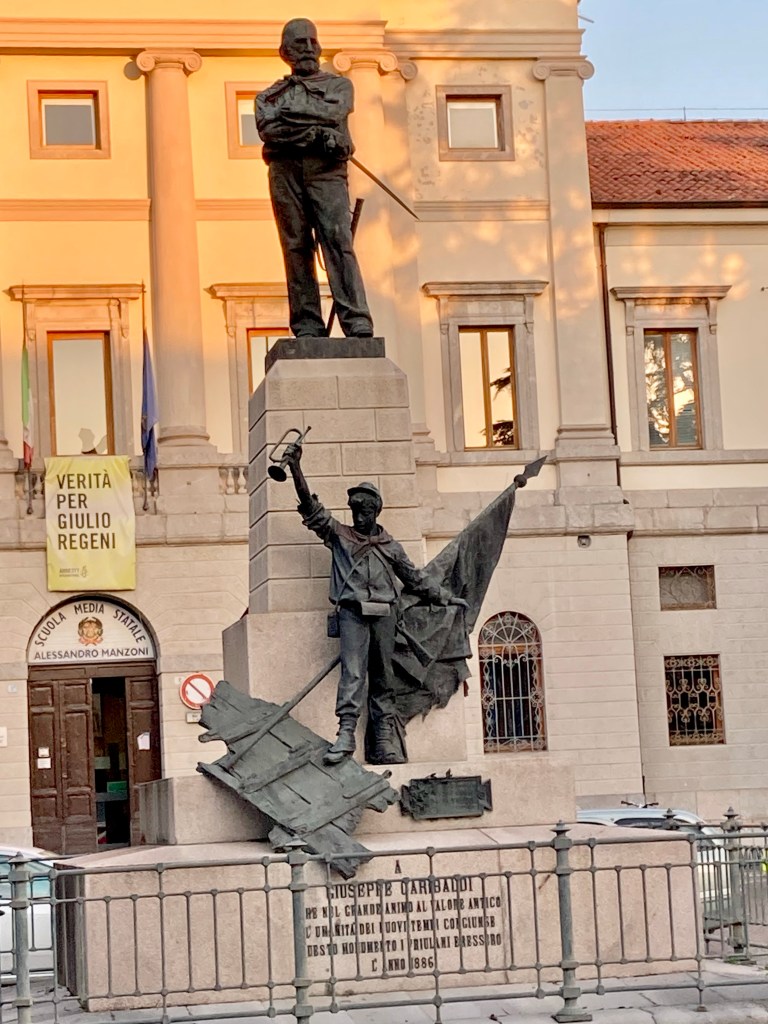
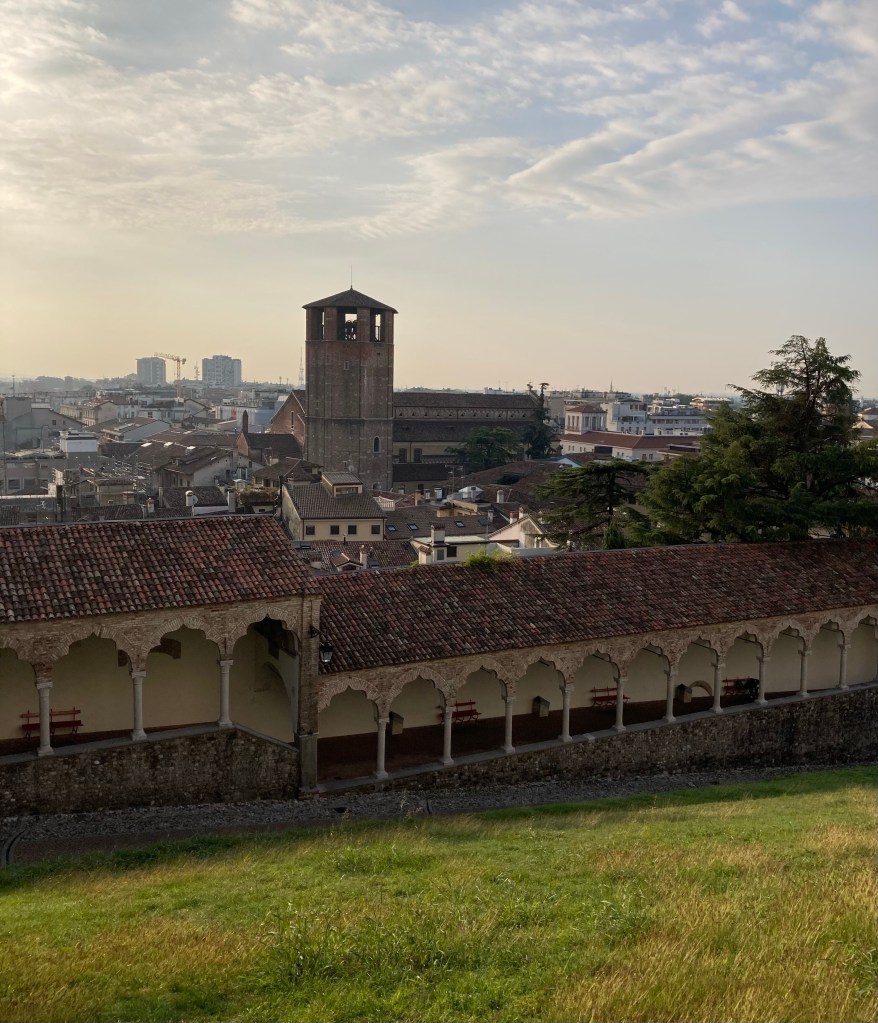
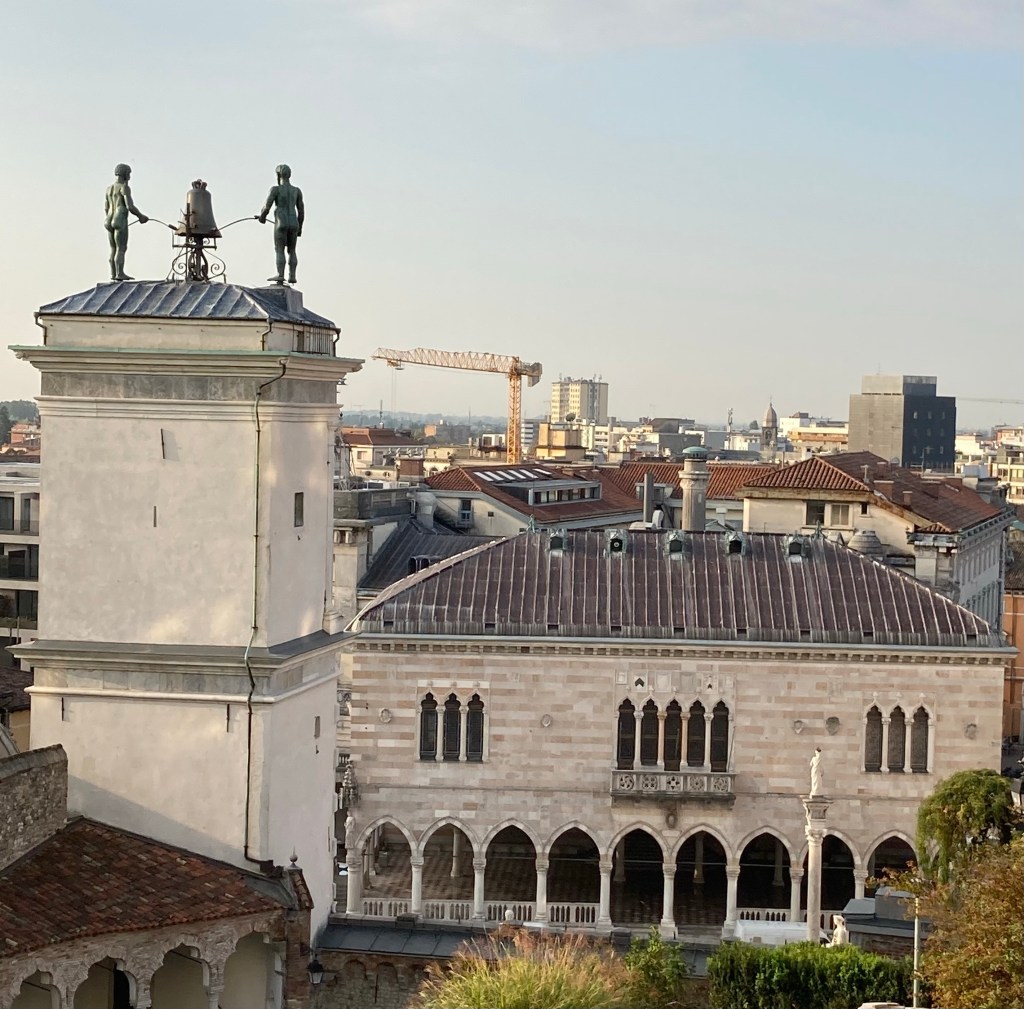
The very top east corner of Italy occupies the top of the Adriatic giving a very small land route between Austria and Croatia. There are two major cities Udine and Trieste, we chose to visit Udine for it’s historical interest.

Arriving in Udine late afternoon on a lovely warm day we walked into town for a drink. After a cold beer we meandered through the back streets and was tempted by a small courtyard restaurant so taking a seat we asked for a menu, excitedly we chose our starters and main course only to be disappointed when the waiter said they did not serve main courses until the chef came on at 7pm but we could order small tapas style starters 😪 choosing not to wait we decided to return to Vinnie and make a meal.

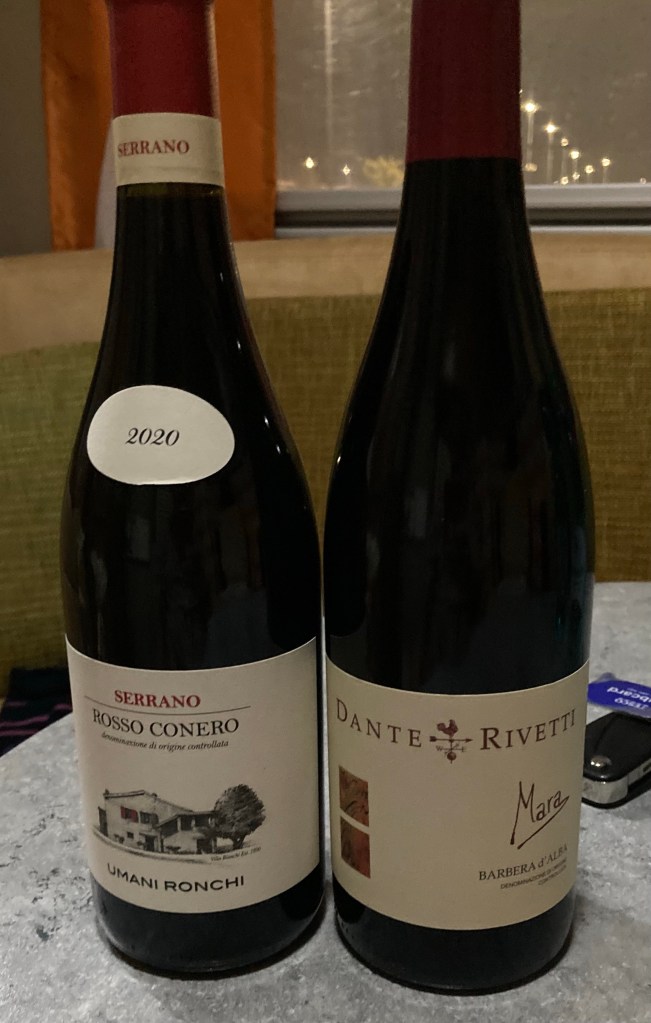
On route we found a small independent wine shop where Charles treated himself to two nice Italian red wines. Coincidentally there was a barbers next door so Charles nipped in for his obligatory travel haircut and I indulged in a Pakistani sweet donut that was offered to me whilst I waited (I got the better deal)

Returning into town early the next morning for an advertised 9am opening of certain parts of the castle museum (and after a long hike up a steep hill) we found it did not actually open until 10am. So back into town for coffee and pastries, some window shopping and an almost clothing purchase by Charles. We decided against a return to the museum and instead took Vinnie for a long overdue car wash and gas fill before continuing to Croatia.

A land of rugged peaks and crystal blue waters

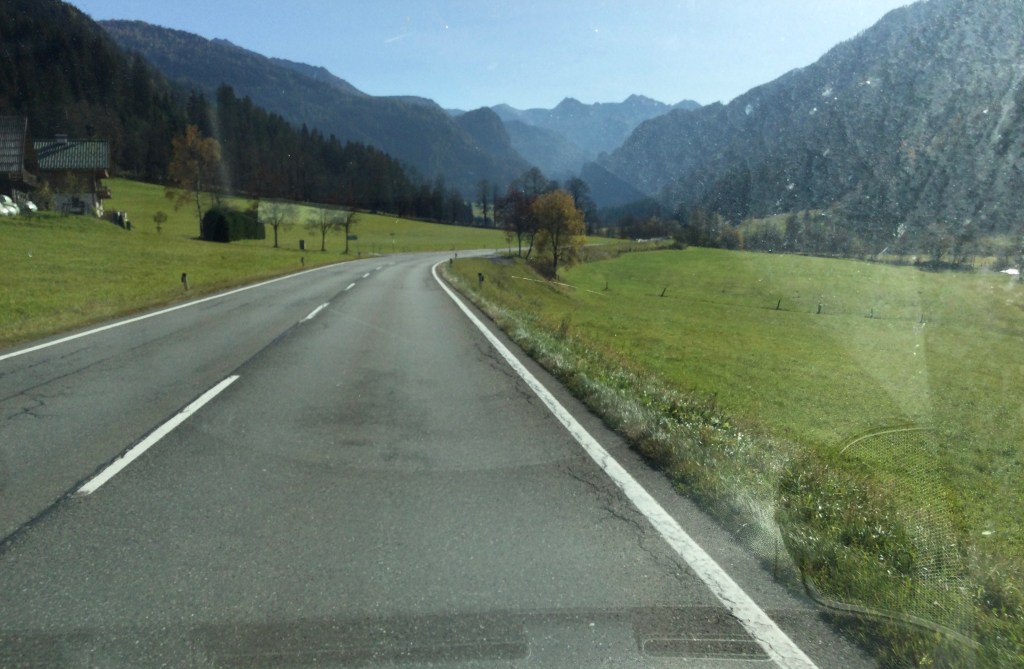
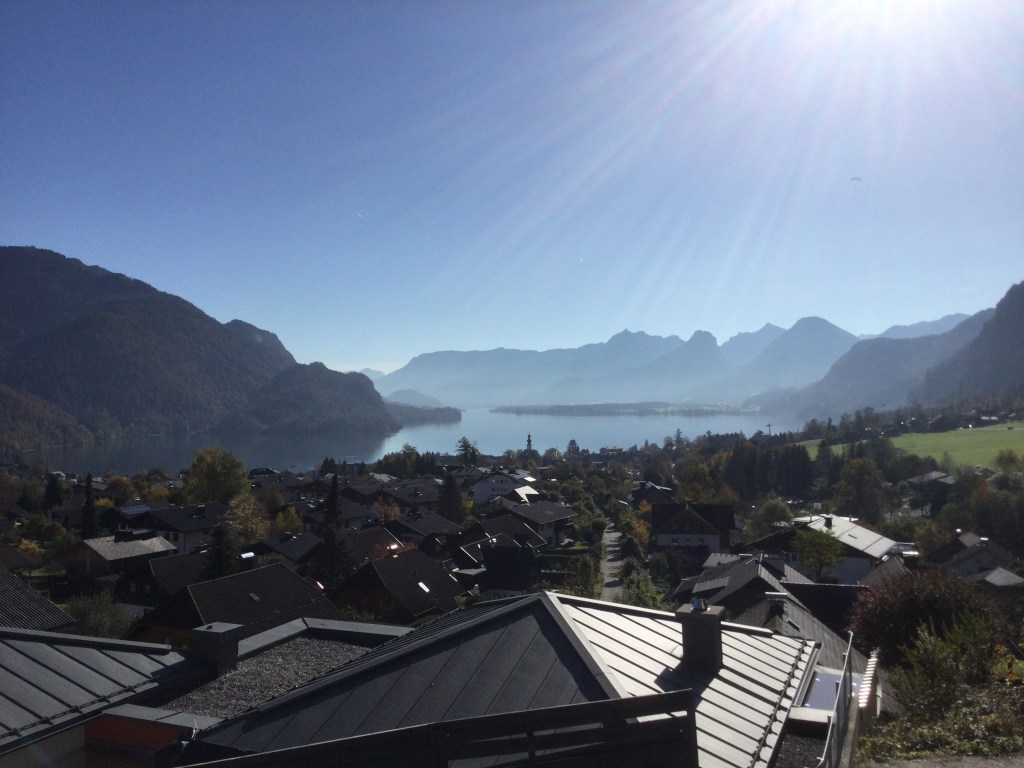
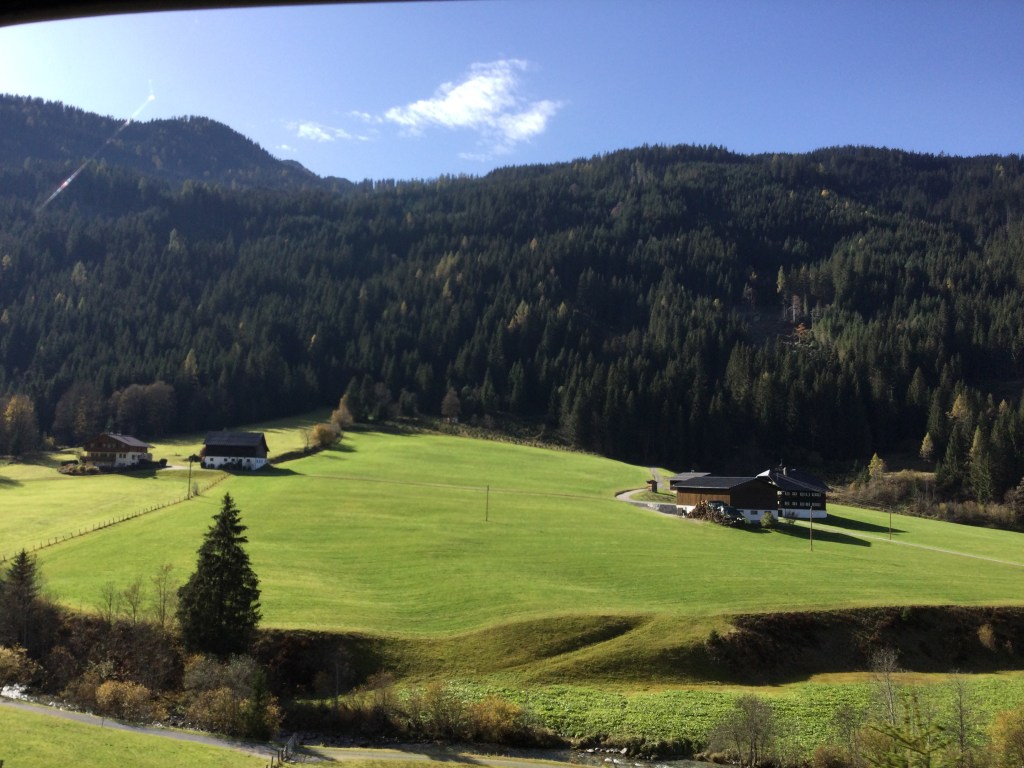
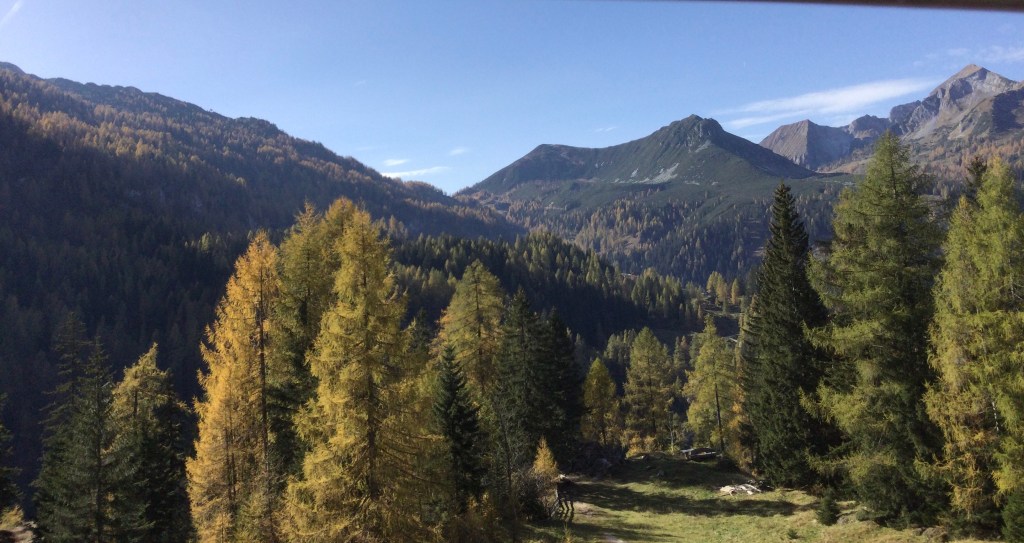
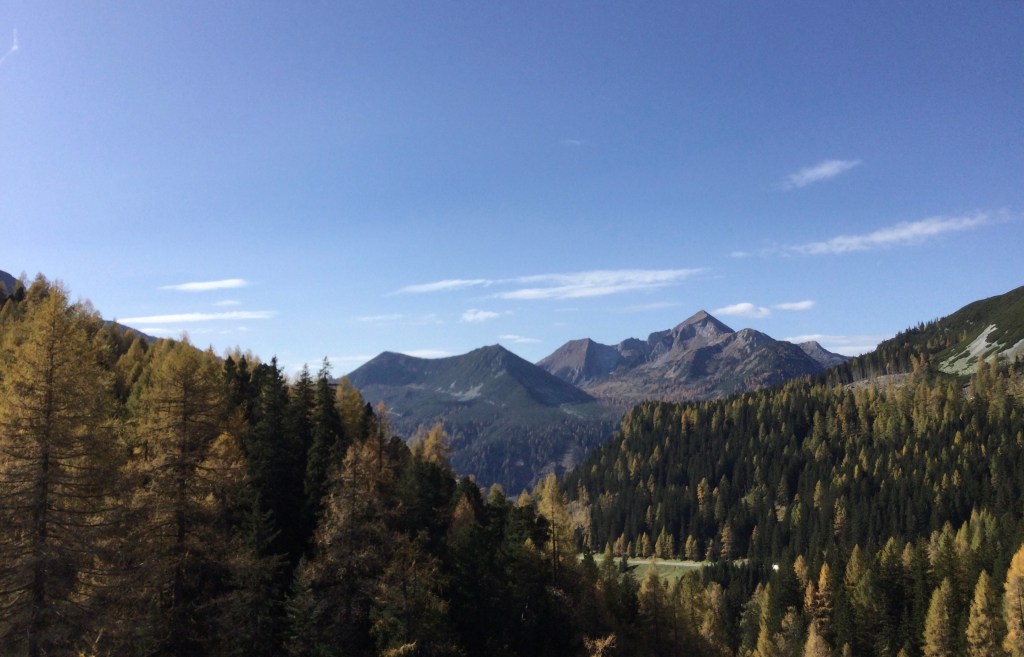
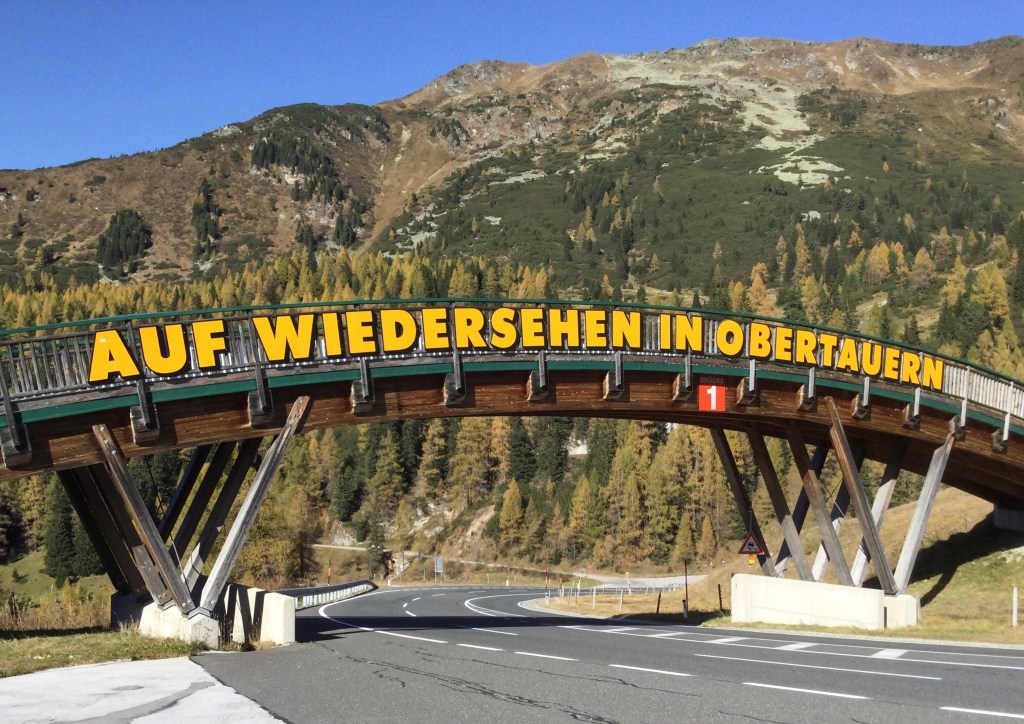
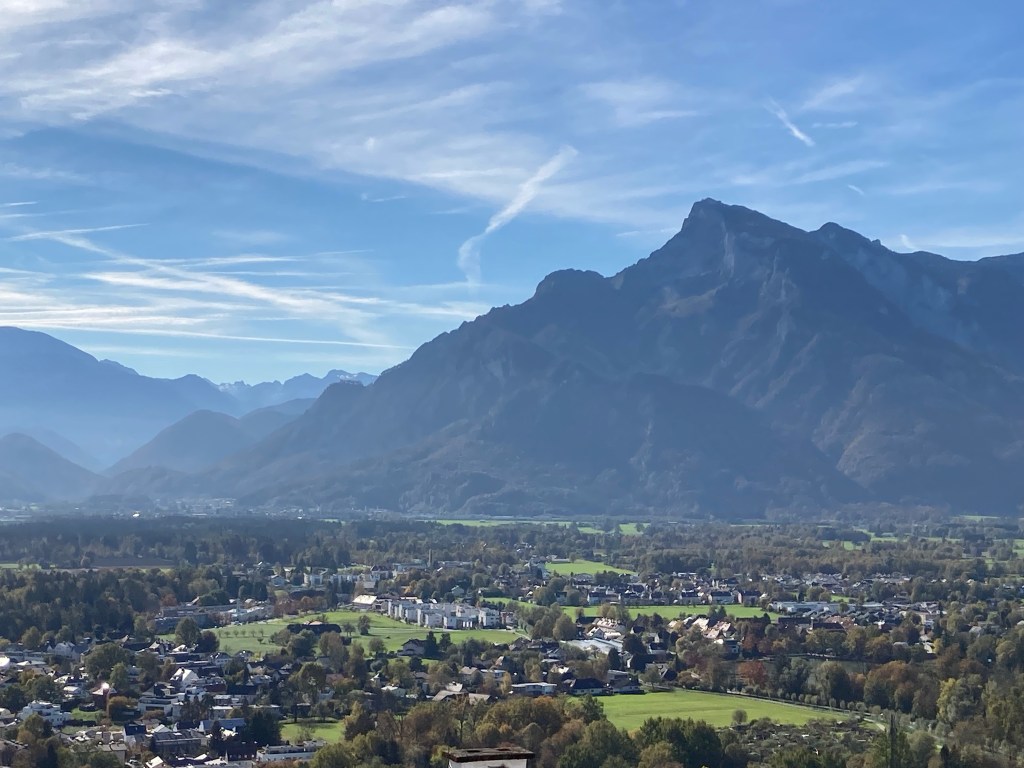
The autumnal colours were spectacular as we drove through Germany into Austria. The heading describes perfectly the landscape, mountains, water and wide vibrant green valleys it has to be one of my favourite places.

Salzburg

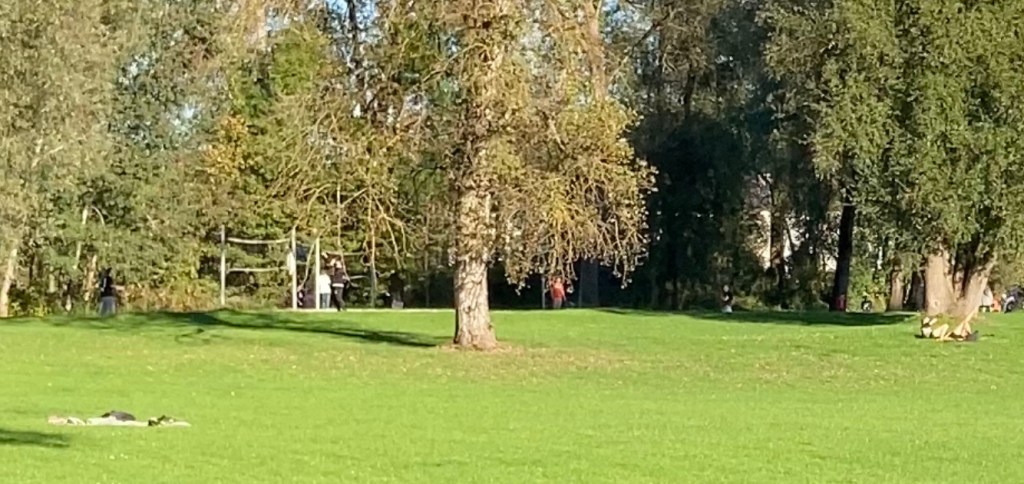
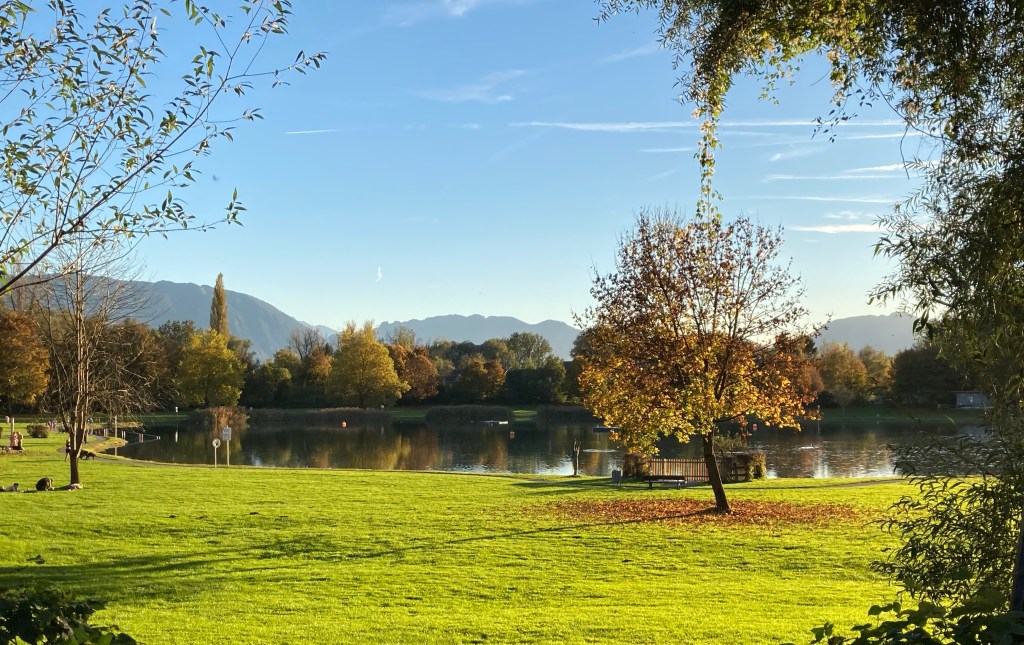
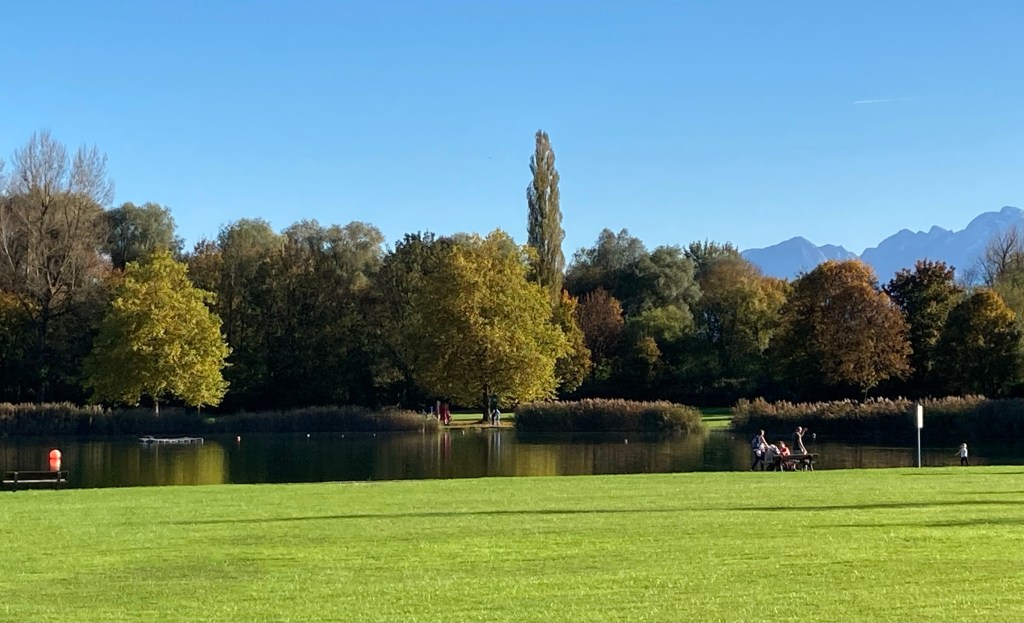
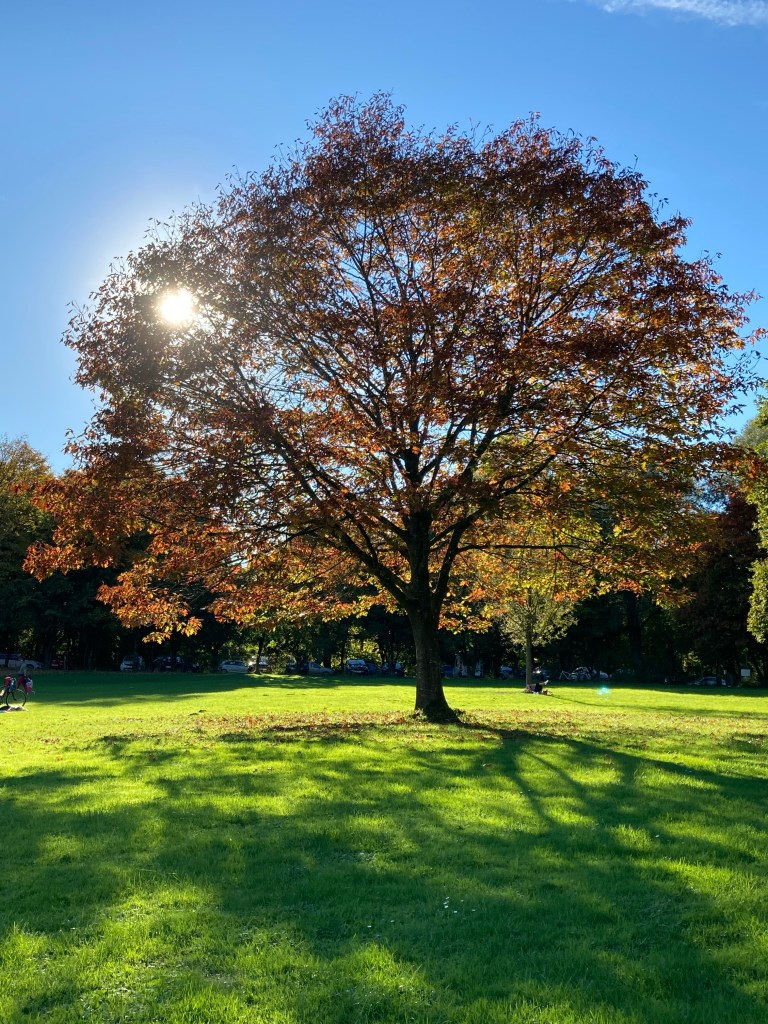
After a long drive we wild camped next to a public park with a swimming lake twenty minutes on the tram from the city. We arrived on a sunny afternoon so decided to leave the city centre to the next day. Carrying our chairs into the park we settled down to watching the locals who were swimming.walking leisurely around the lake, sitting chatting and children playing volleyball and enjoying the organised playground.

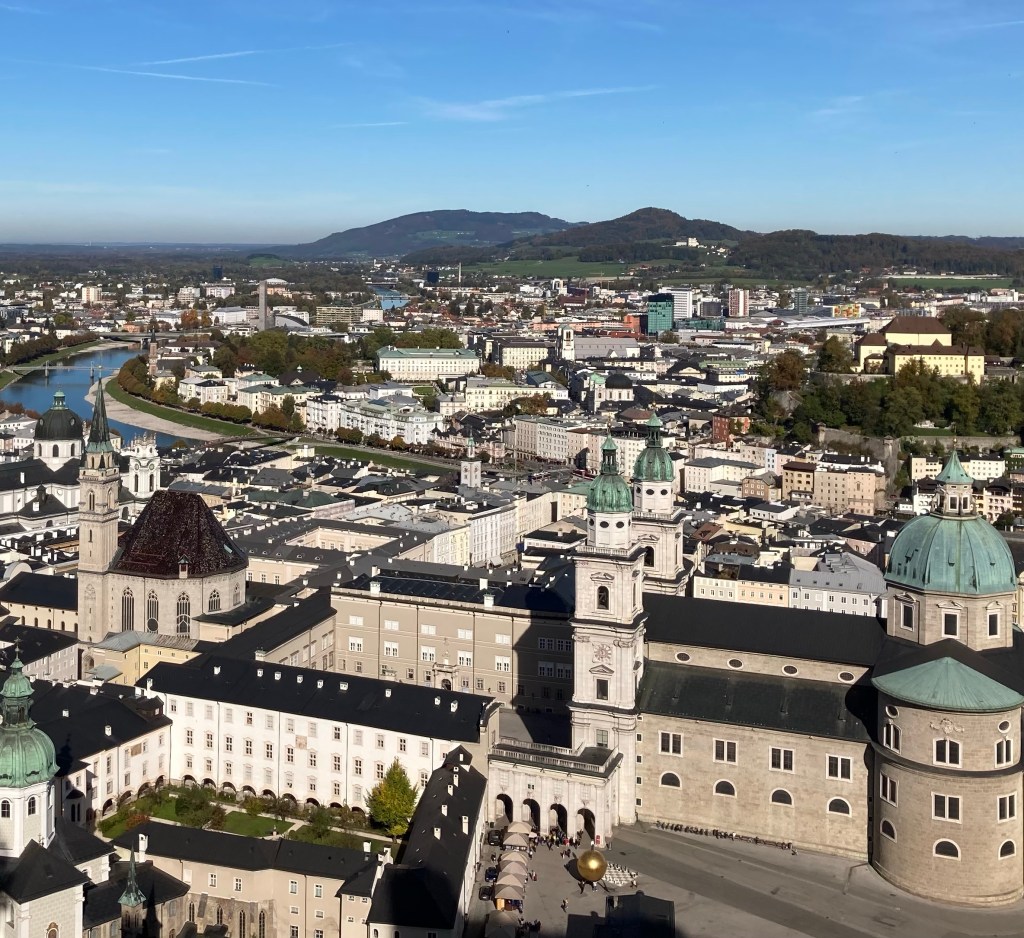
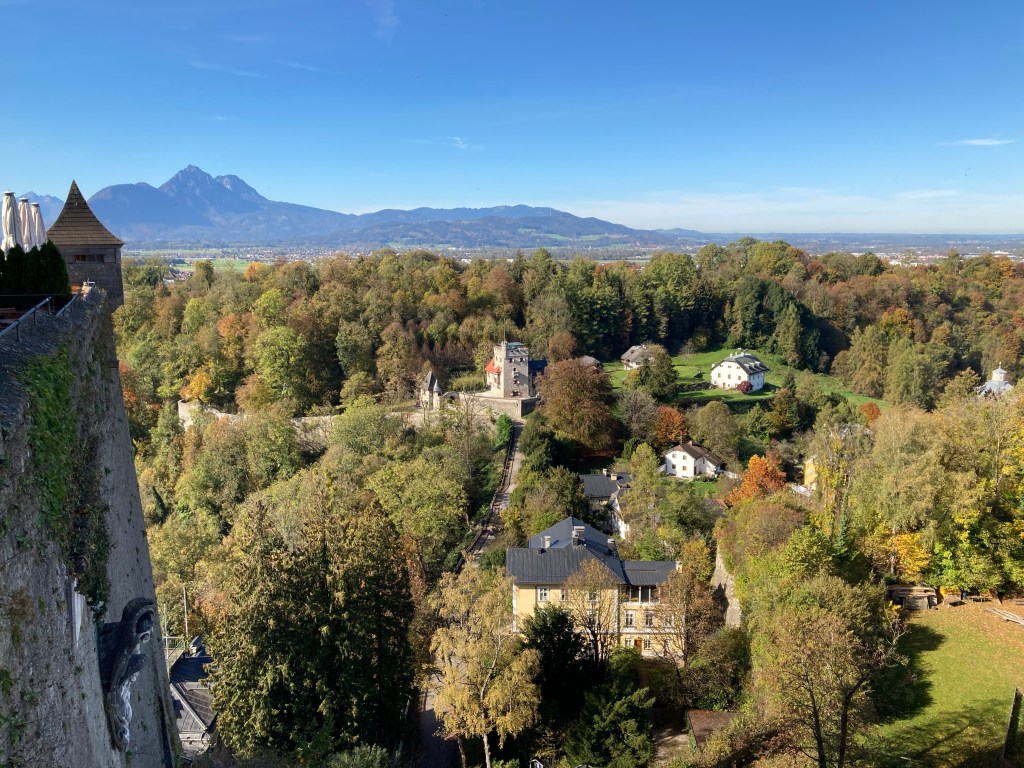
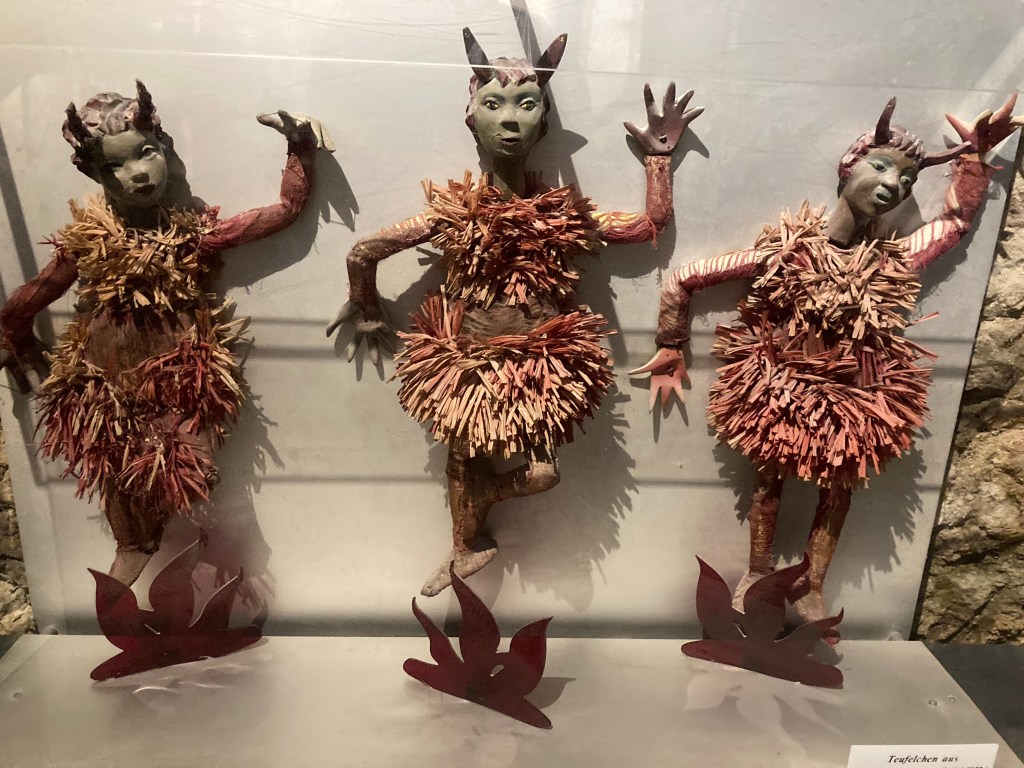
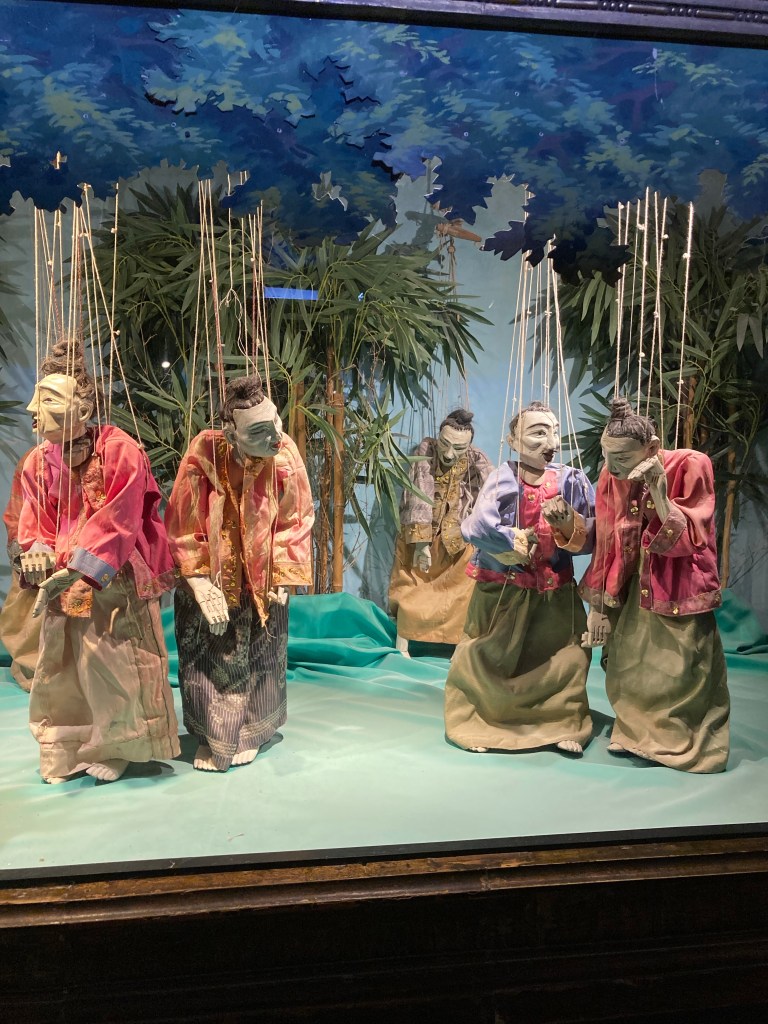
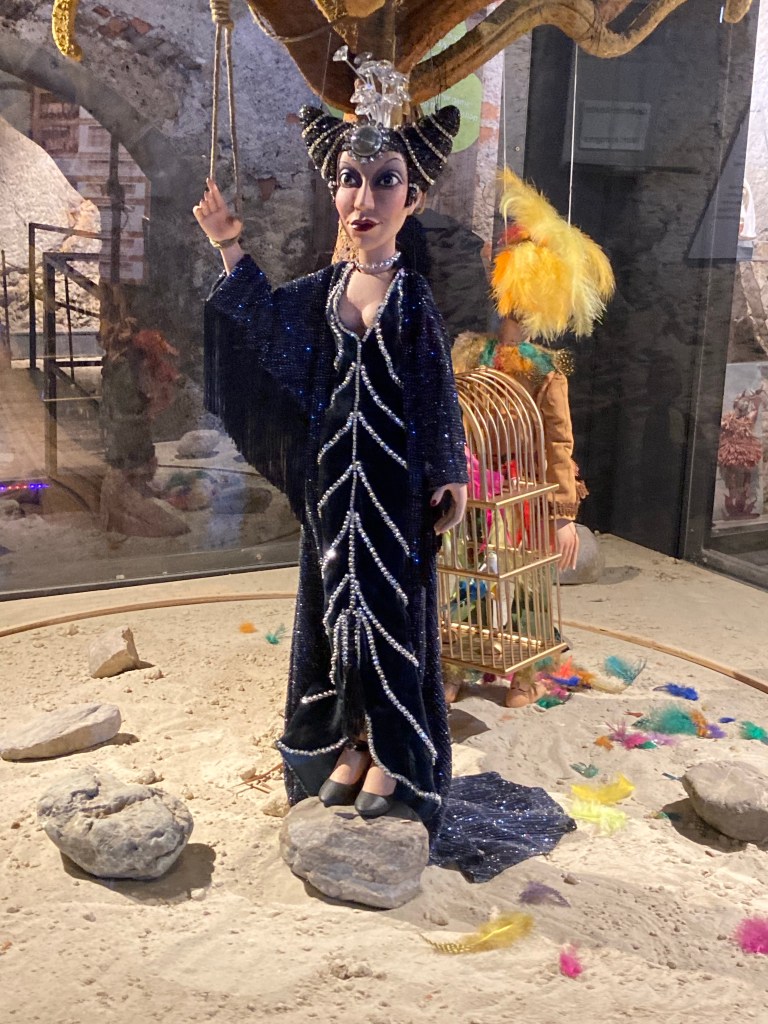
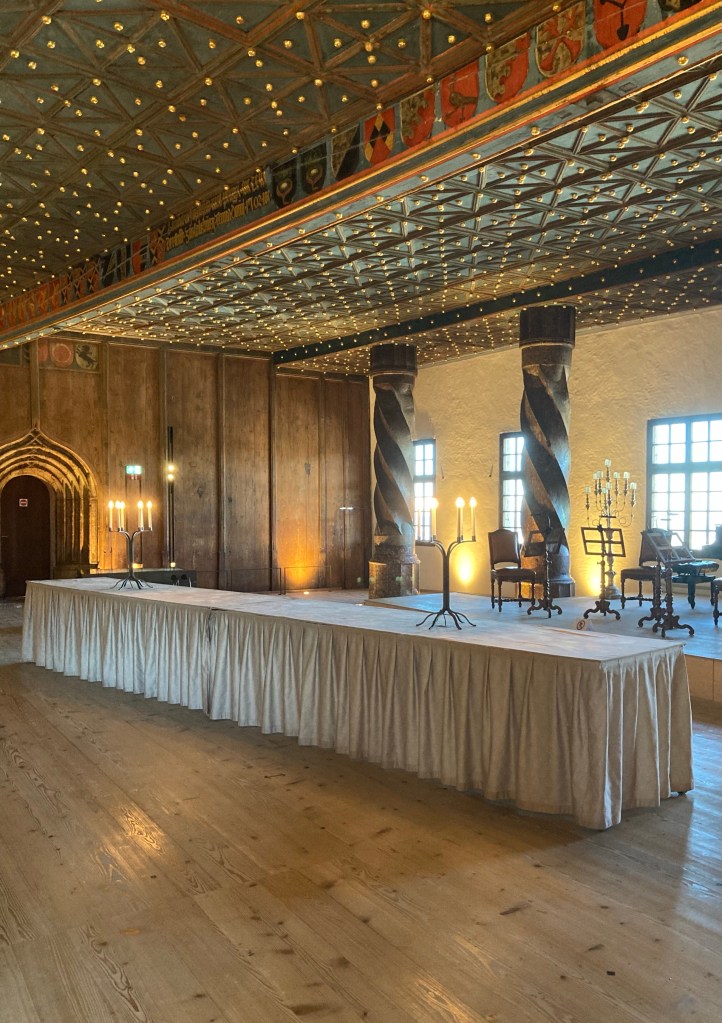
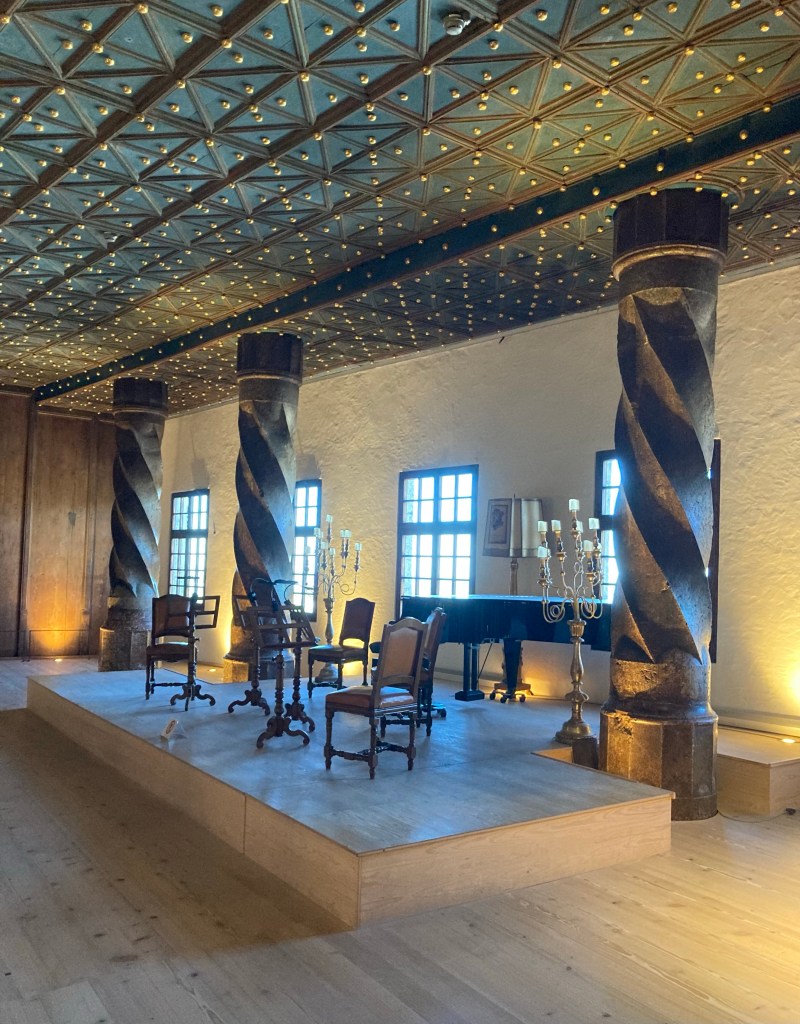
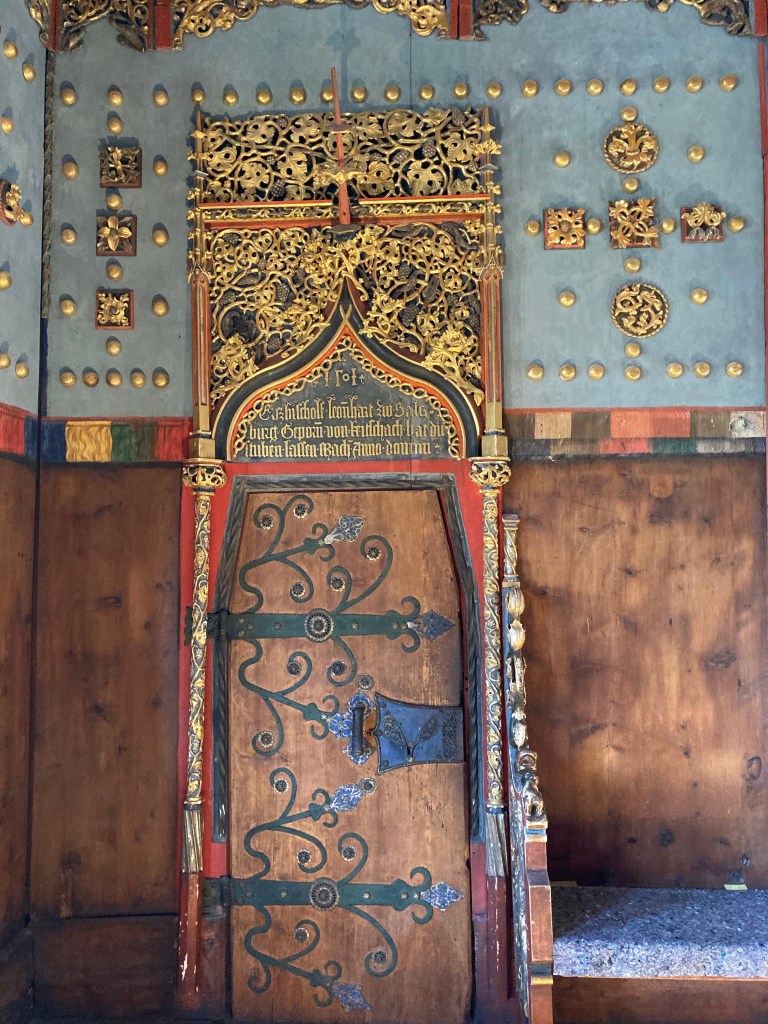
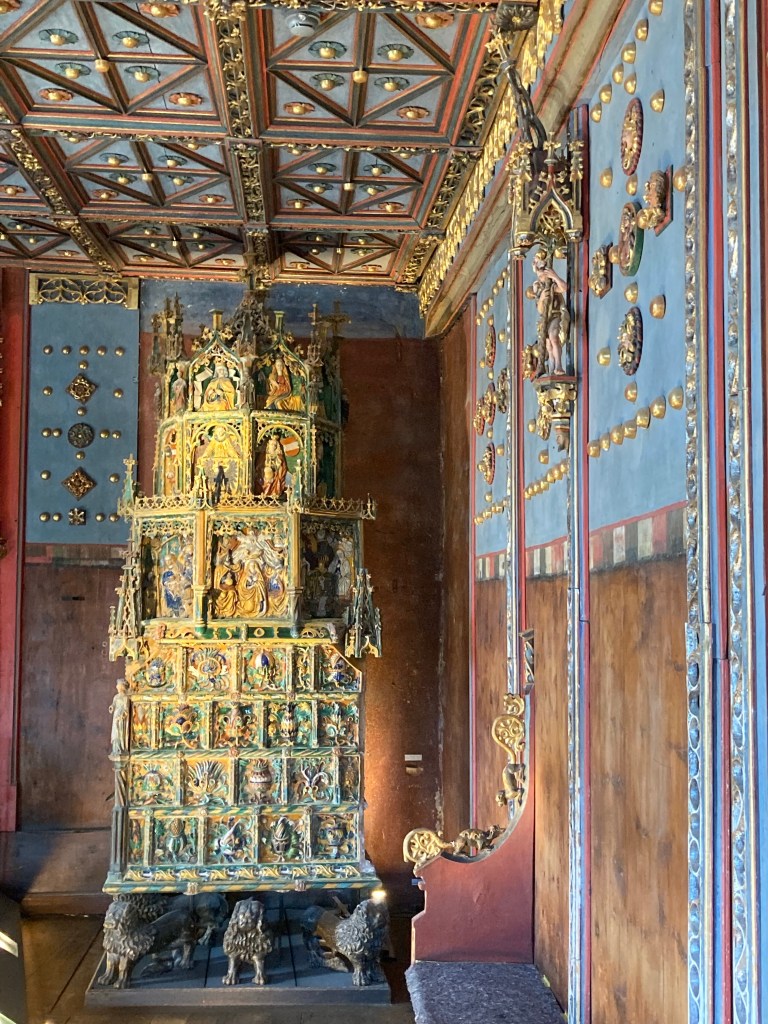
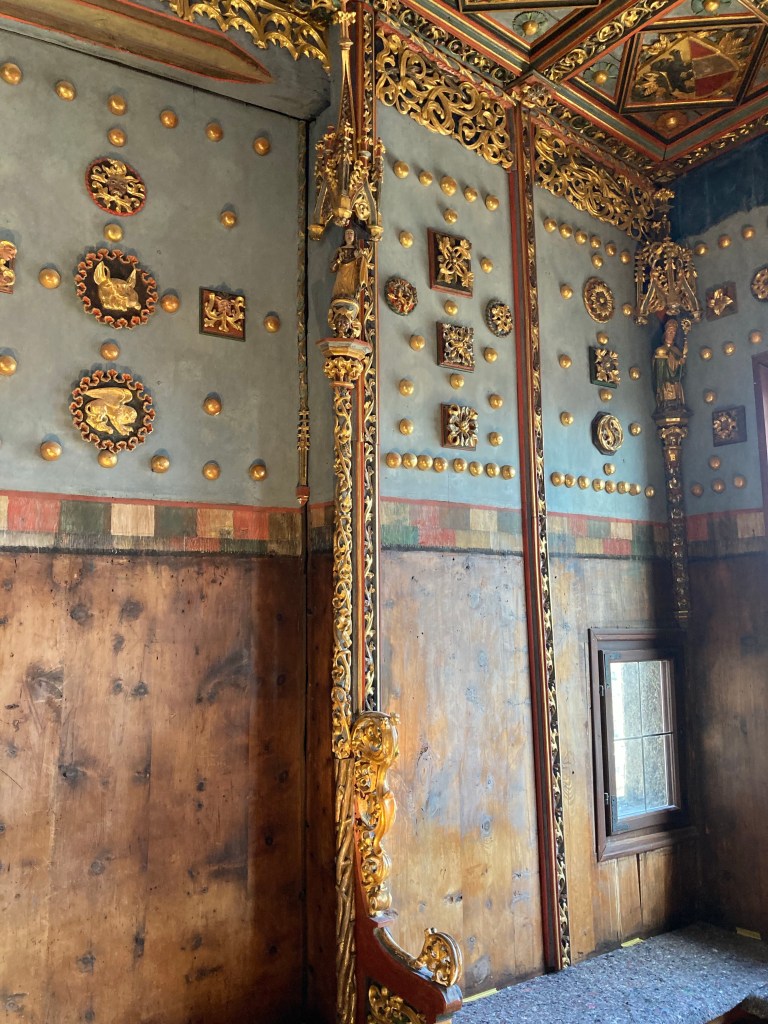
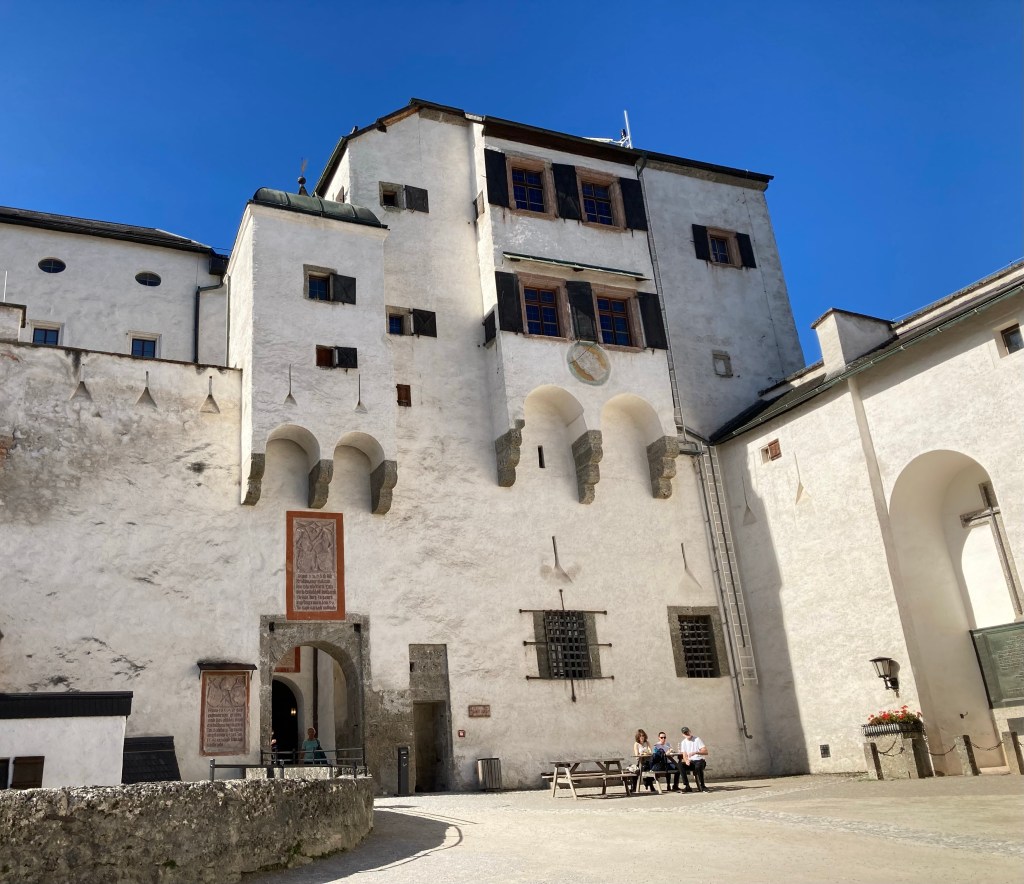
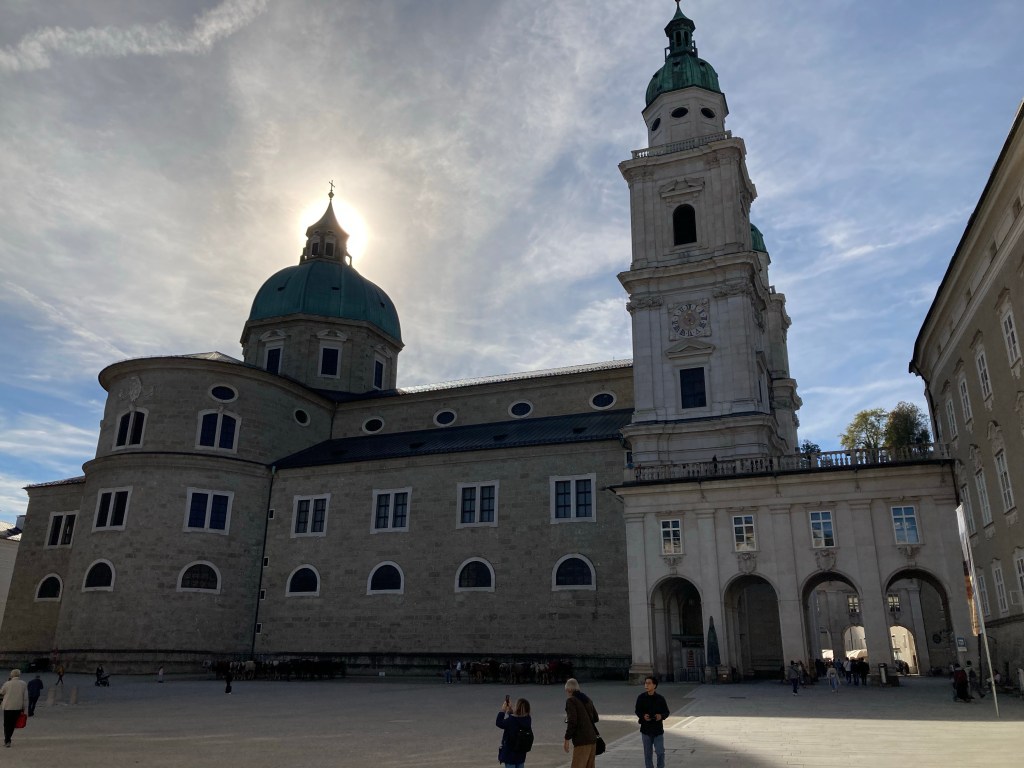
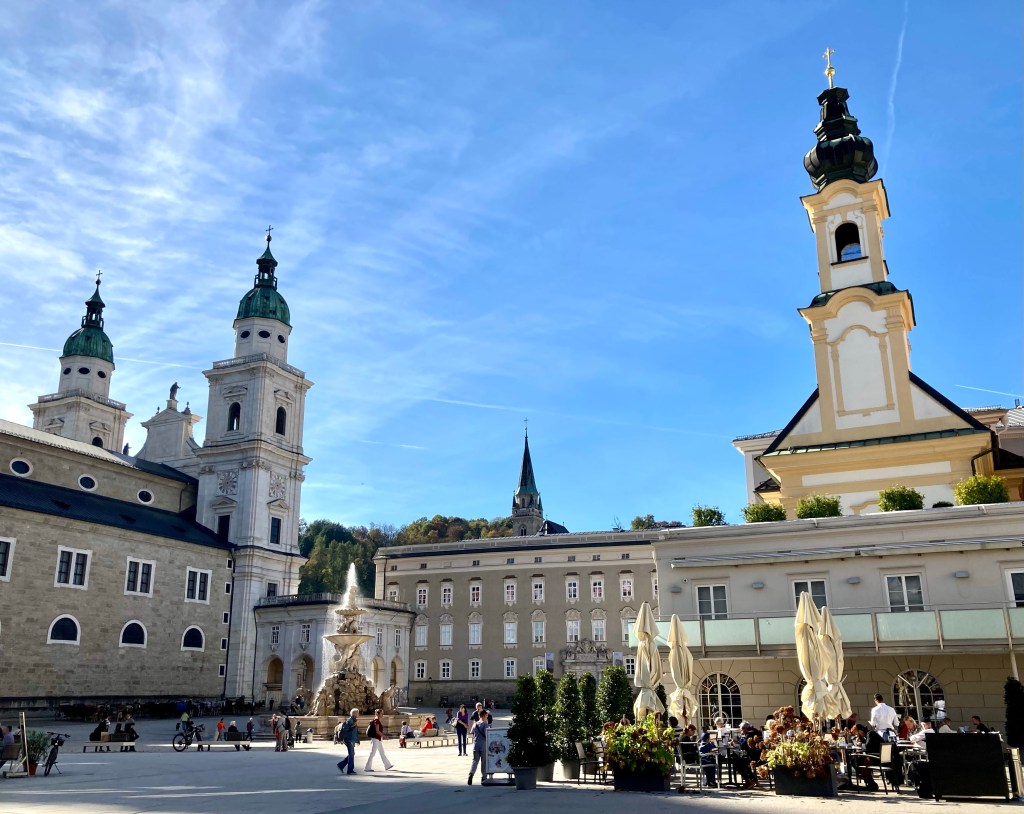
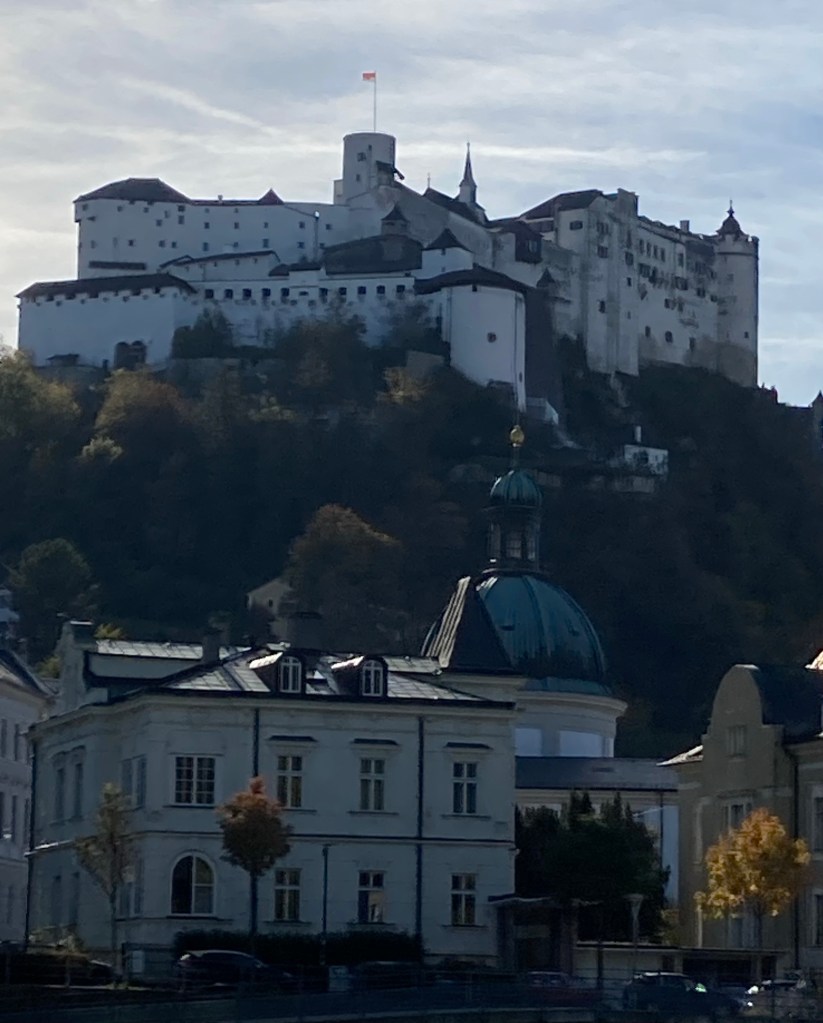
The following day we took the tram into town making our way into the main square where we took the funicular railway up to Hohensalzburg fortress which is a nine hundred year old cliff top castle sitting high above the rooftops of the Baroque city centre and is considered to be the best preserved of it kind in Central Europe. The views were spectacular and the inner courtyard gave a sense of history. Also housed there was a collection of puppets from when the castle had its own theatre.

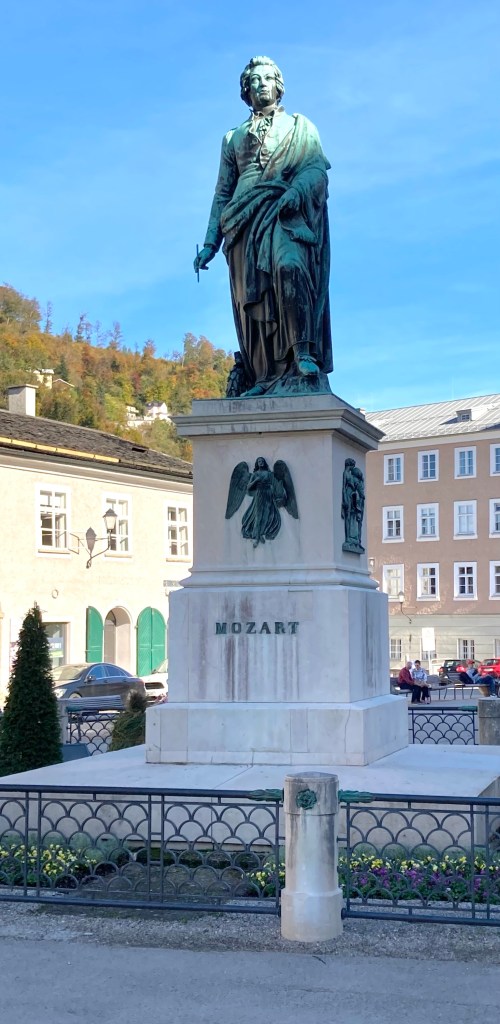
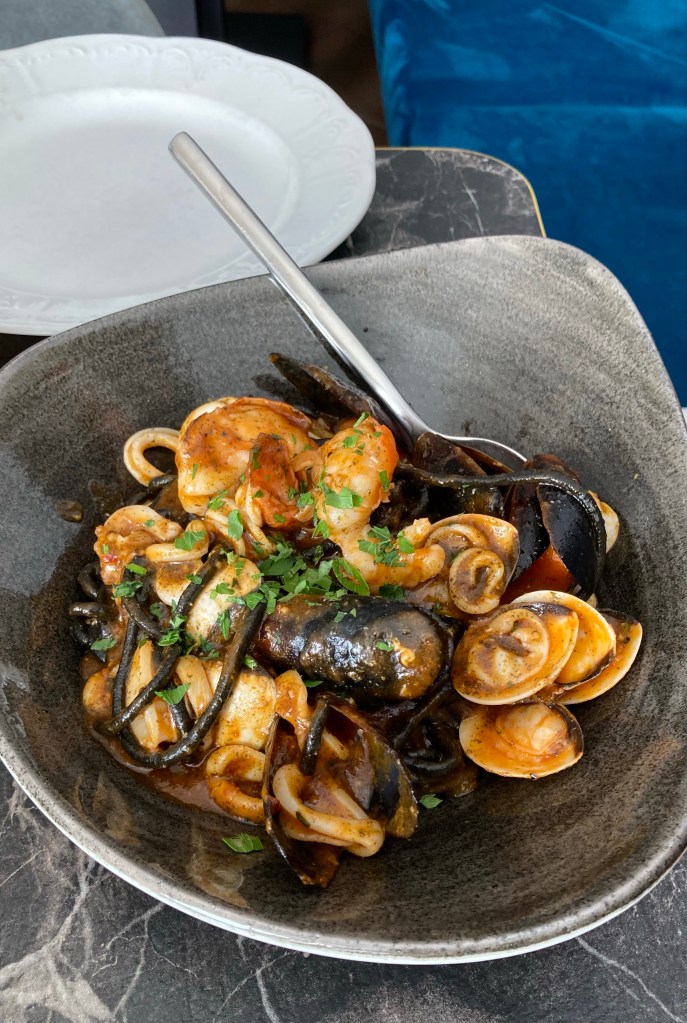
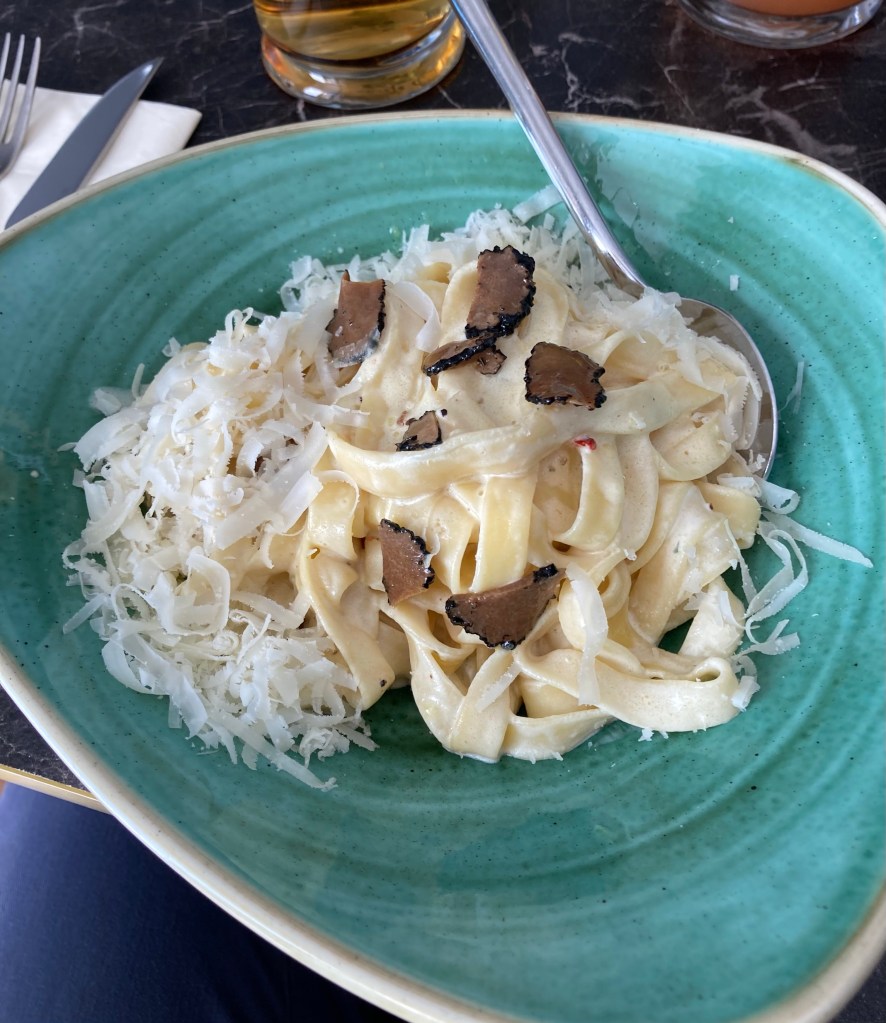
Returning to ground level we decided to find somewhere for lunch and explore the old towns backstreets and intimate courtyards for somewhere suitable. Heading towards Mozartplatz we came across a small cellar restaurant called Sto Bene where we had our best ever Italian meal outside of Italy cooked by an Indian chef !

Taking a leisurely stroll along the river we returned to the tram terminus for our return journey and looking back at the fortress on the city skyline we took our last photo of Salzburg. Returning to where we had parked Vinnie we were entertained by a group of what was obviously dog owners arriving for dog training classes??

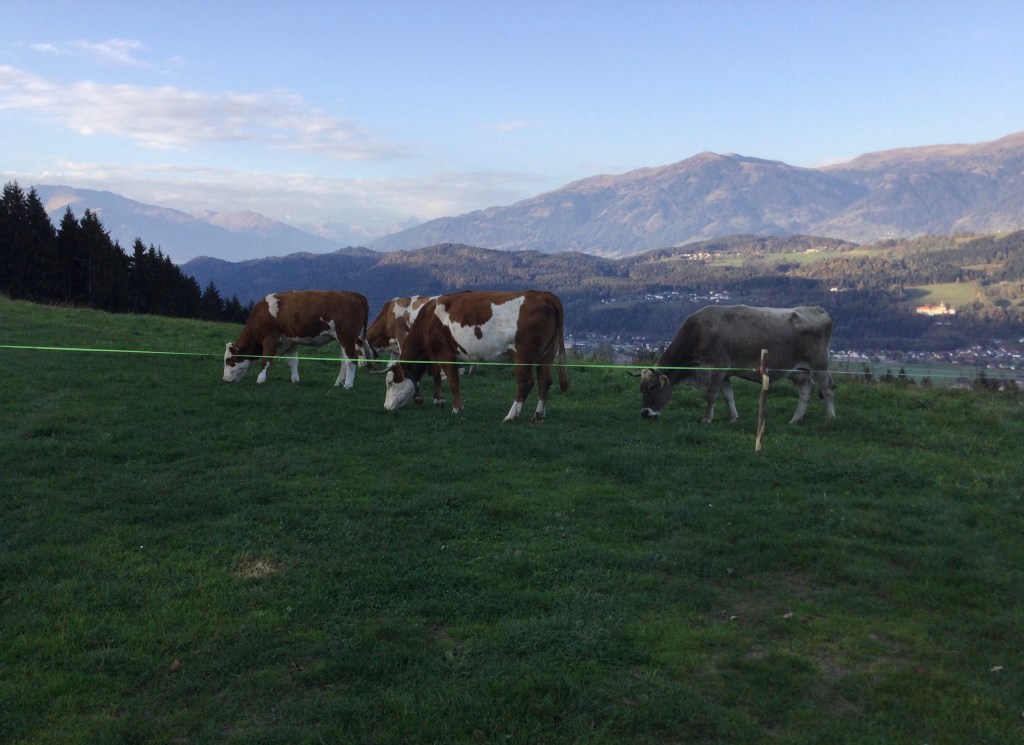
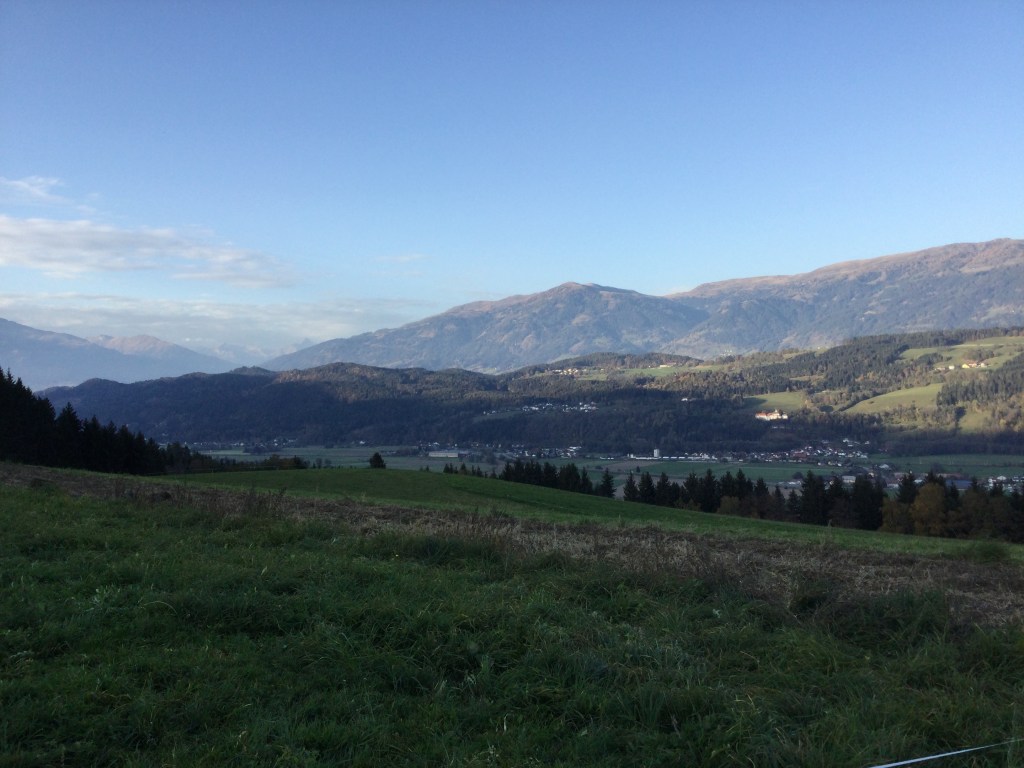
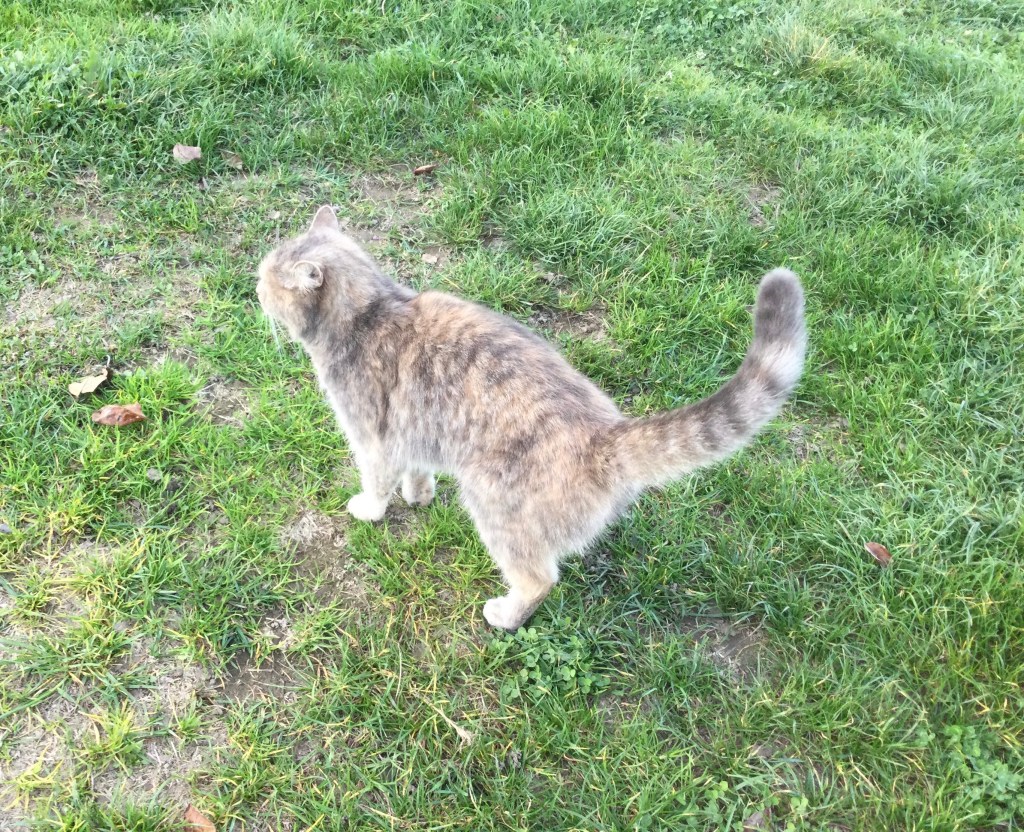
Breaking our journey towards Italy we found a lovely little campsite outside Ziebl based on a working farm with commanding views of the Alps over the river valley below (and two very friendly cats.)

A Tale of Four German Towns

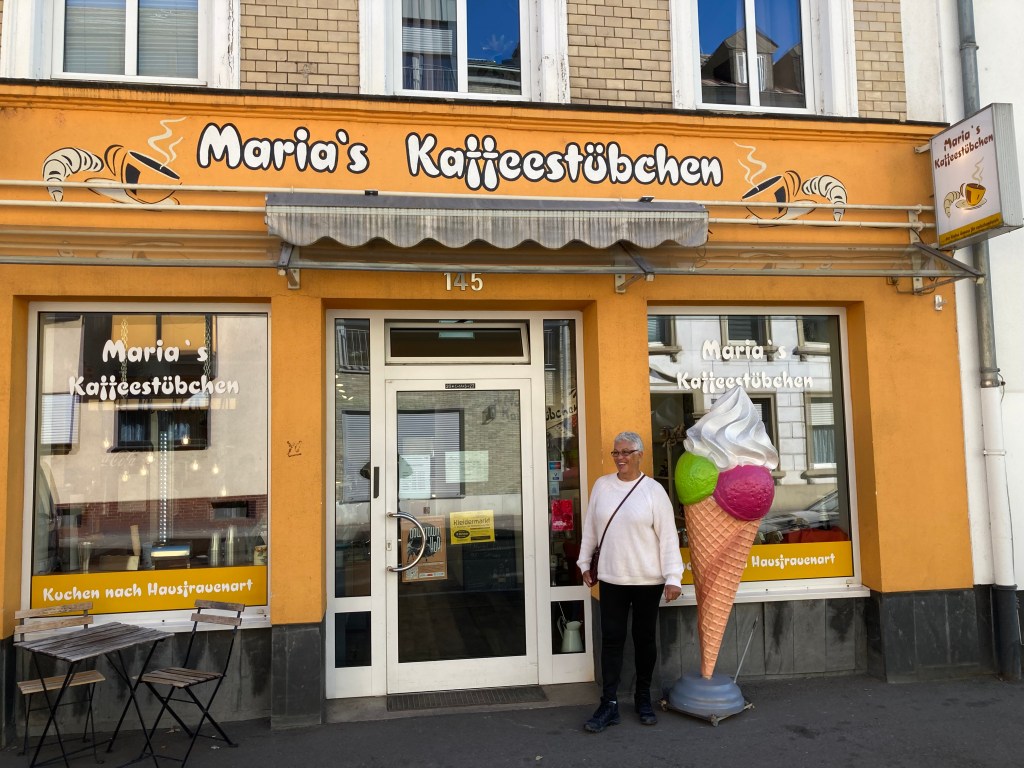
Leaving Belgium we headed in to South West Germany our first stop being in Trier parking next to the Moselle river. Walking into town on the Sunday morning we stopped off for coffee and cake at a delightful coffee shop called Maria’s Kaffeestubchen the service was first class and the coffee and cake was to die for.

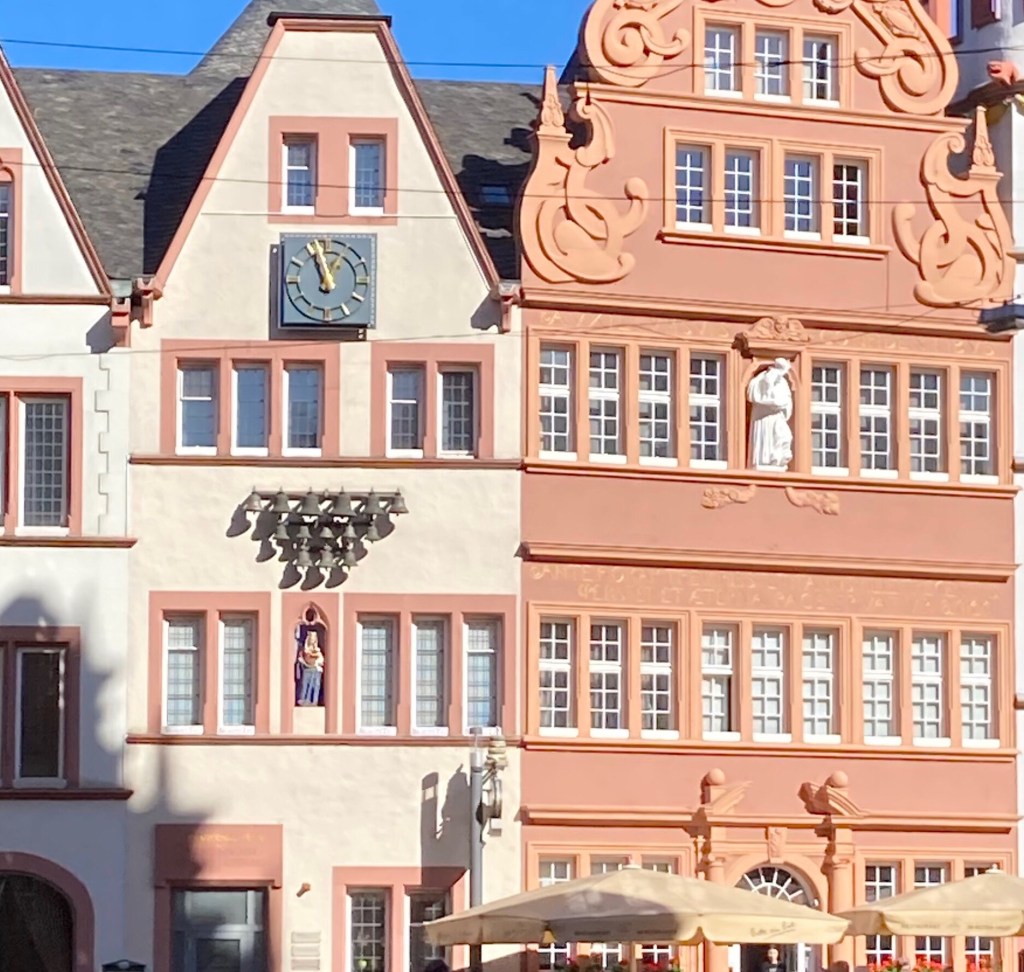
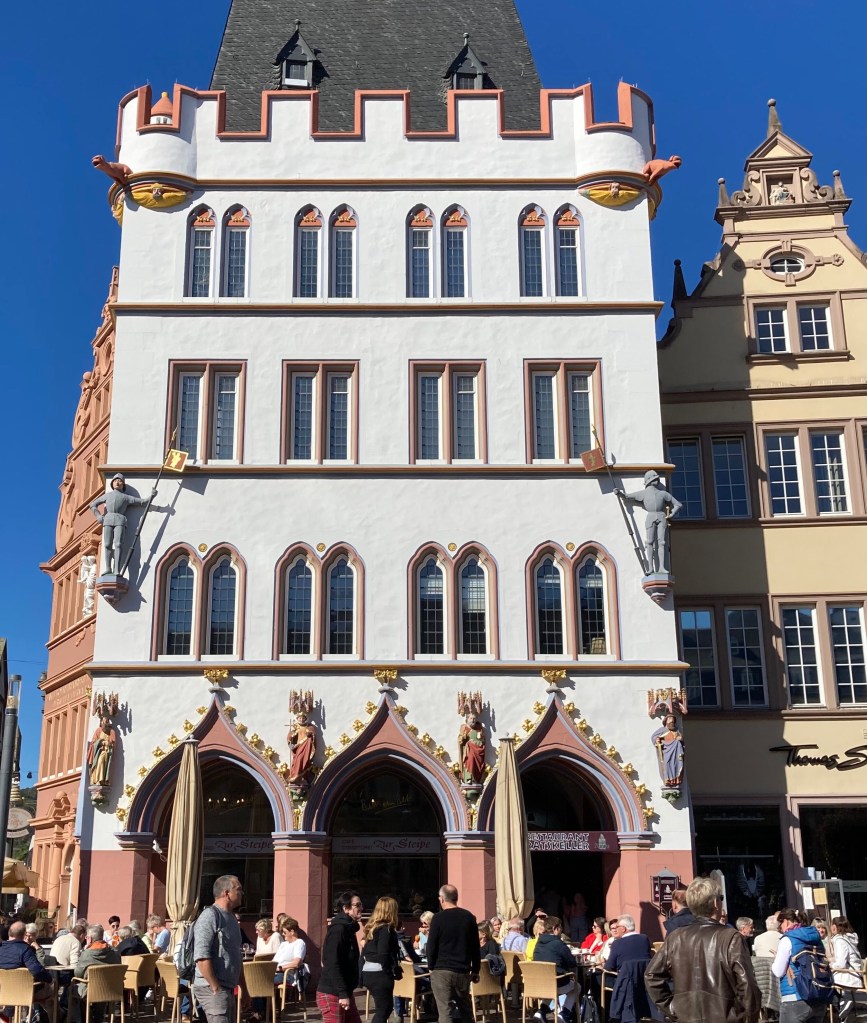
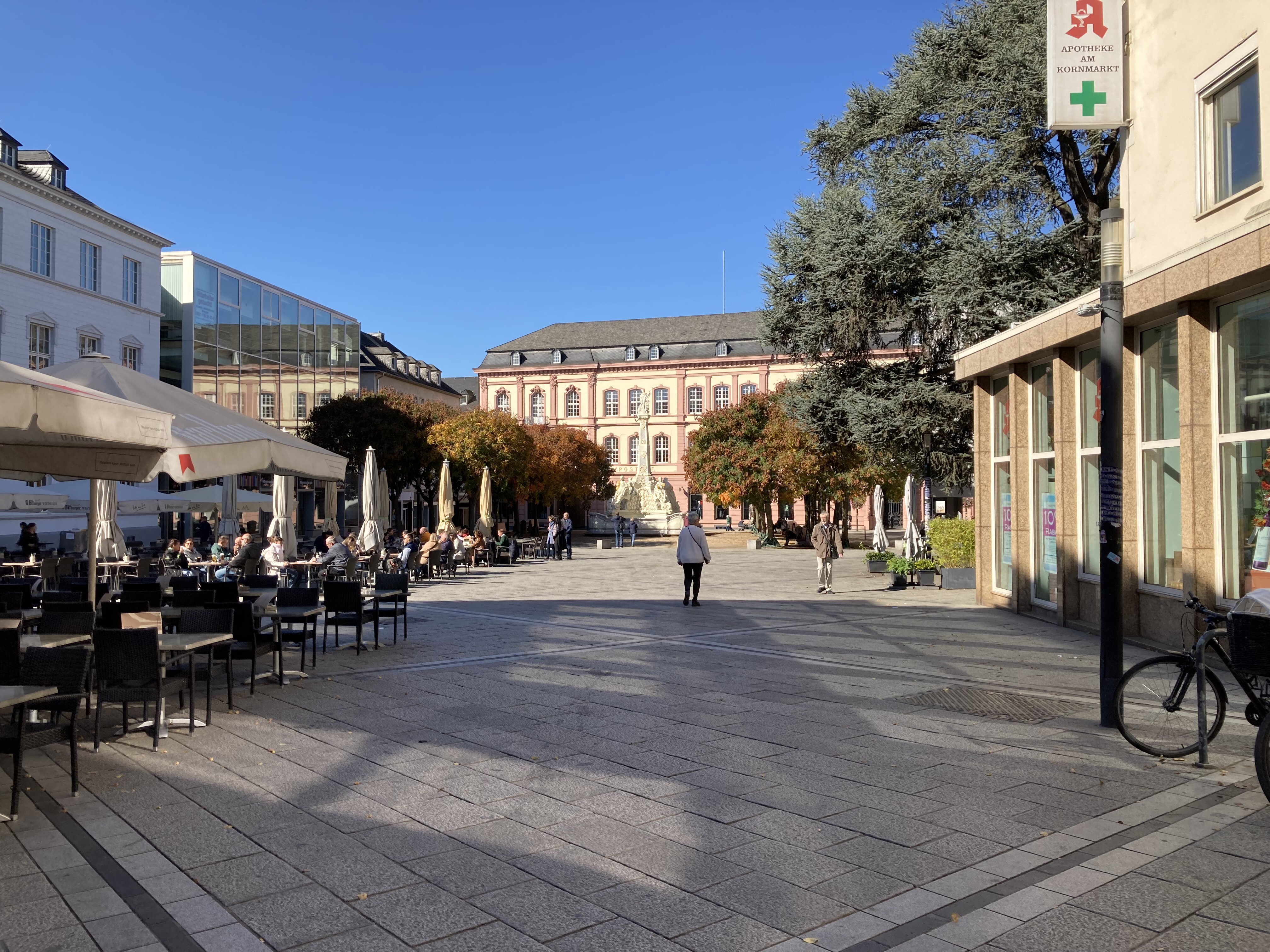
Continuing our walk into the town centre there was an obvious mix of tourists and locals, the tourists obviously on the circuit around the town and the locals socialising with friends and family in the coffee houses, wine bars and restaurants creating a relaxed atmosphere.

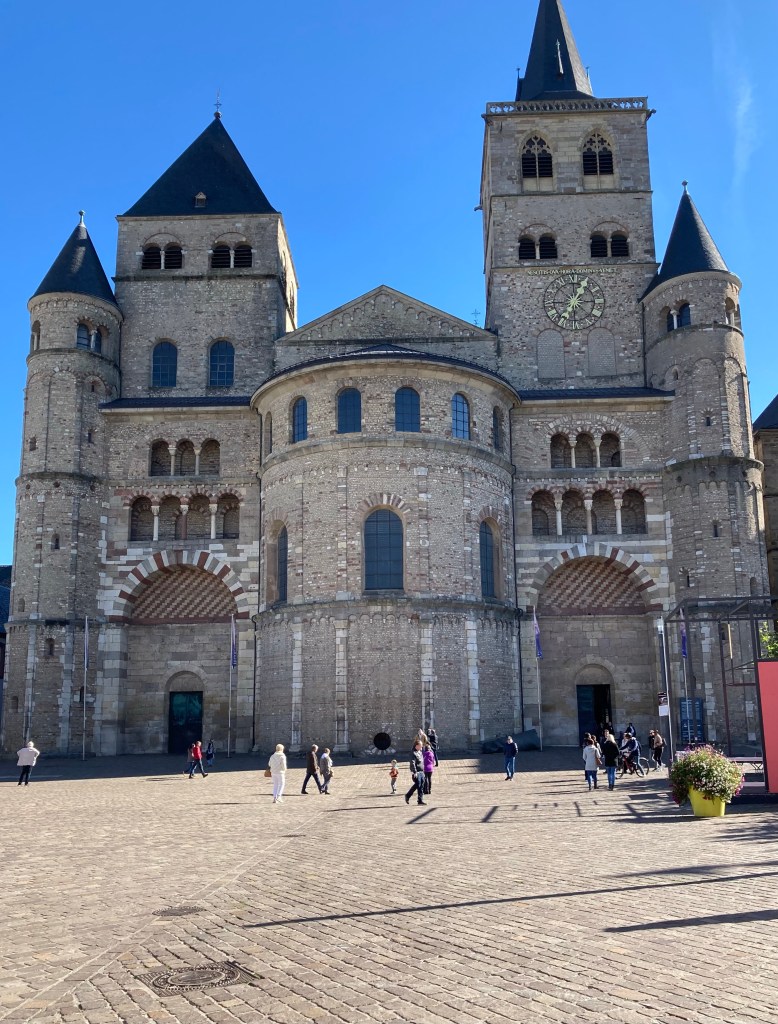
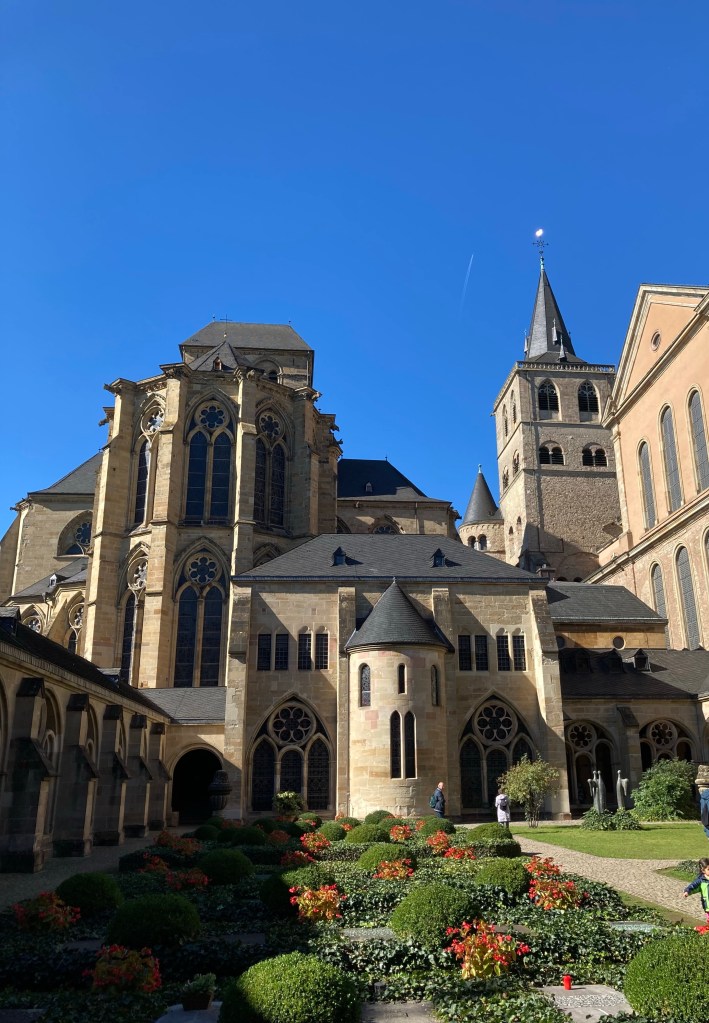
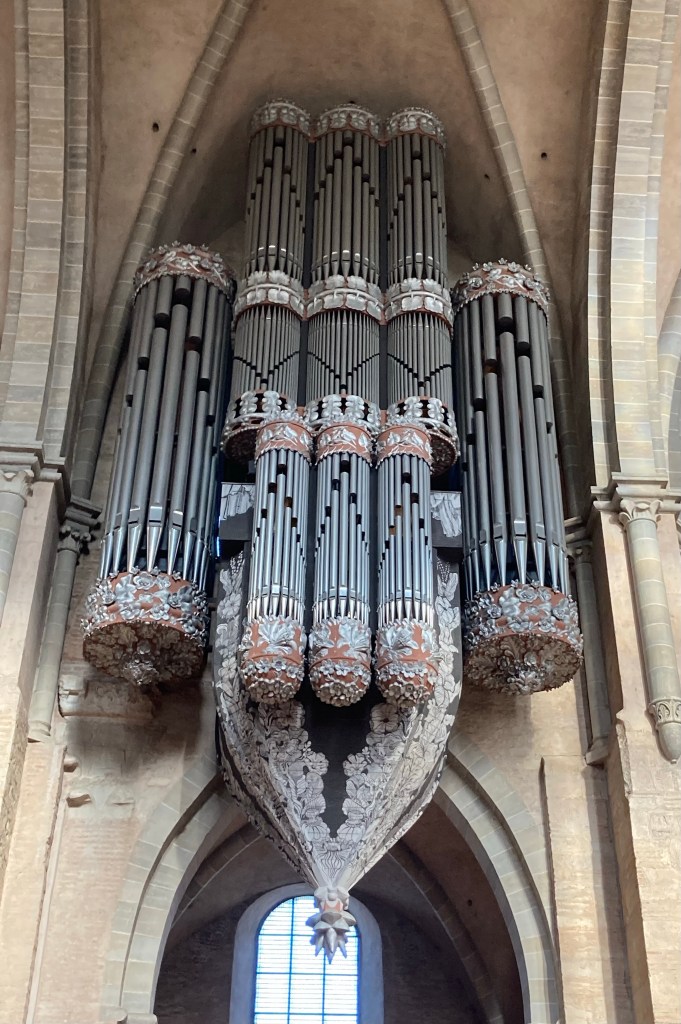
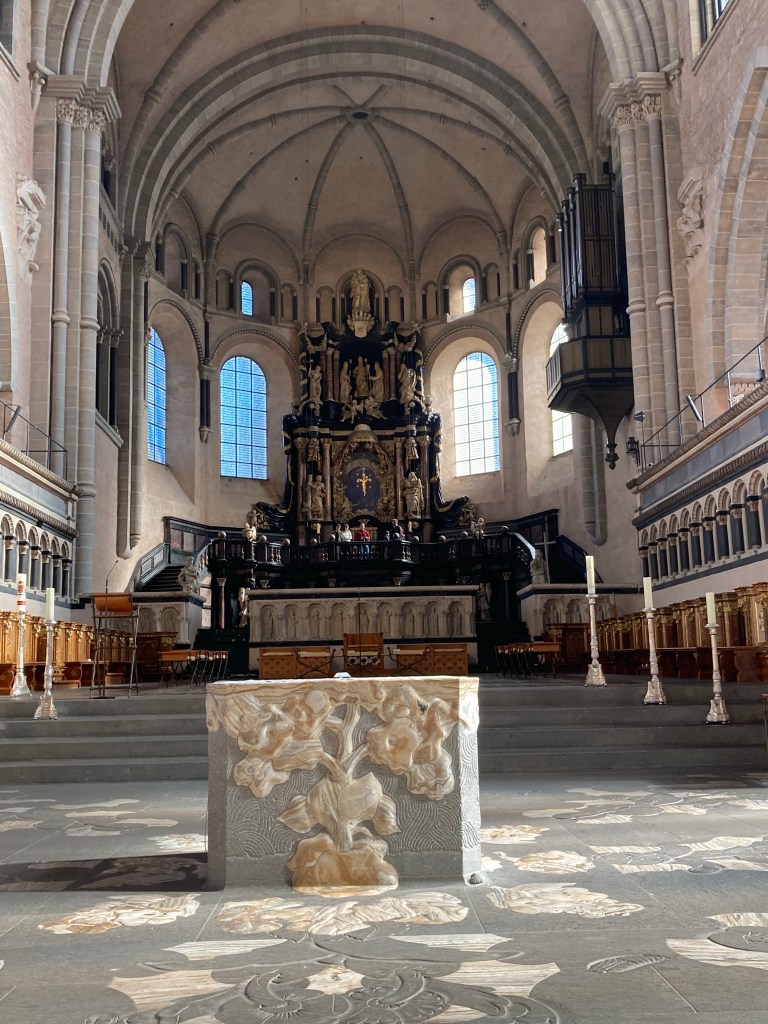
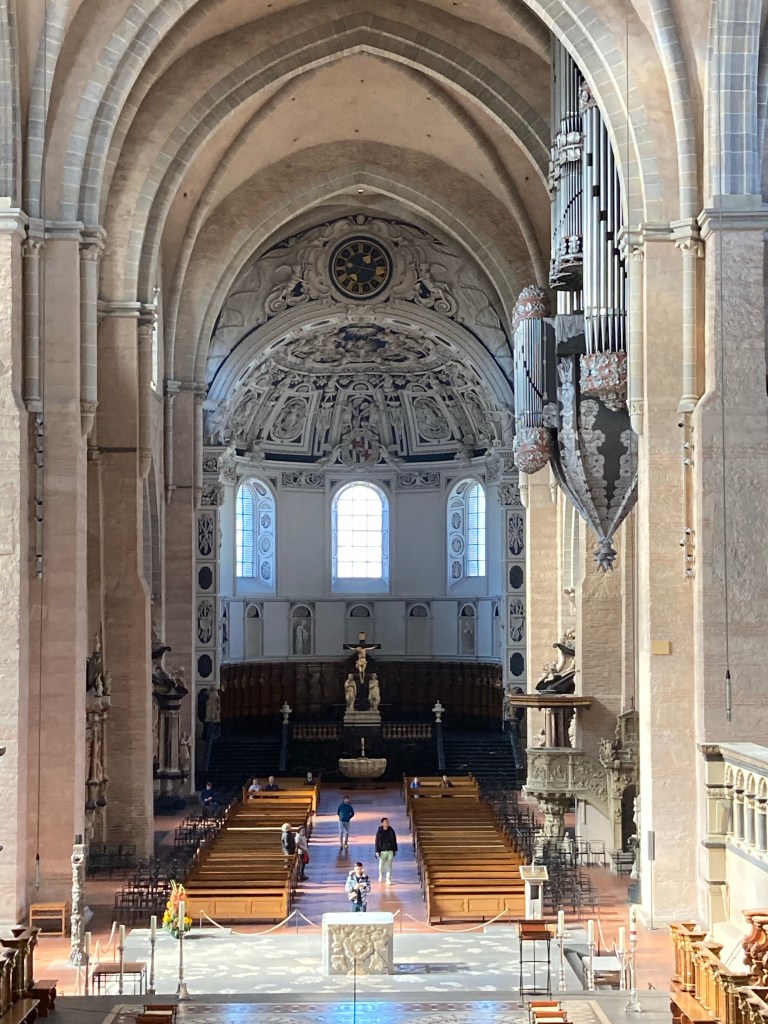
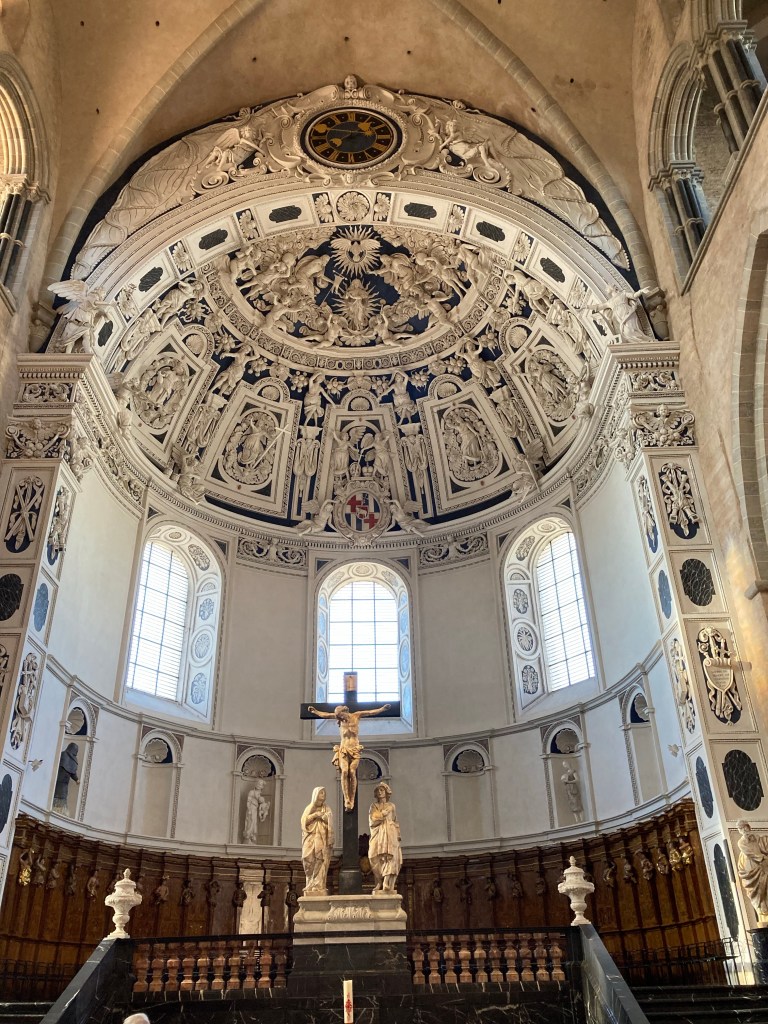
As tourists we chose to visit the main cathedral Domstadt St Peter and the adjacent museum. The cathedral is a UNESCO world heritage site being the oldest cathedral in Germany built upon the foundation’s of a group of ancient Roman buildings called Augusta Treverorum. The artefacts discovered during numerous archaeological excavations of the site were housed in the museum.

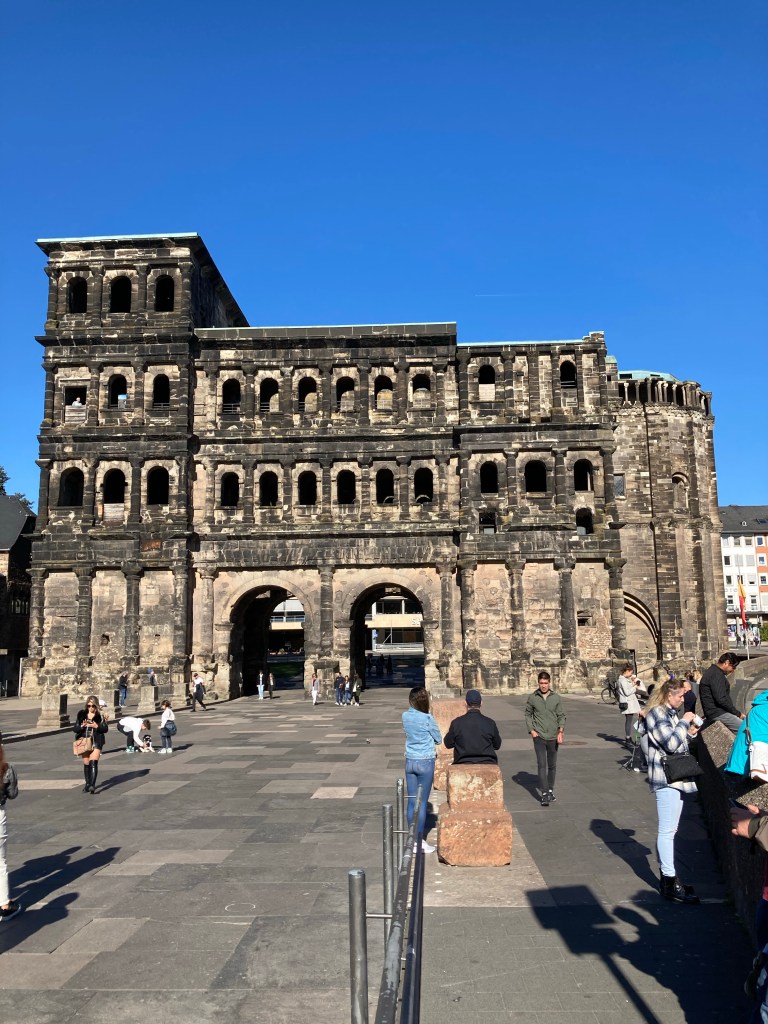
We also visited the site of Porta Nigra the original Roman gate to the city and walking back into the town centre we diverted through the original archway to what remained of the old Jewish quarter.

Jewish gate

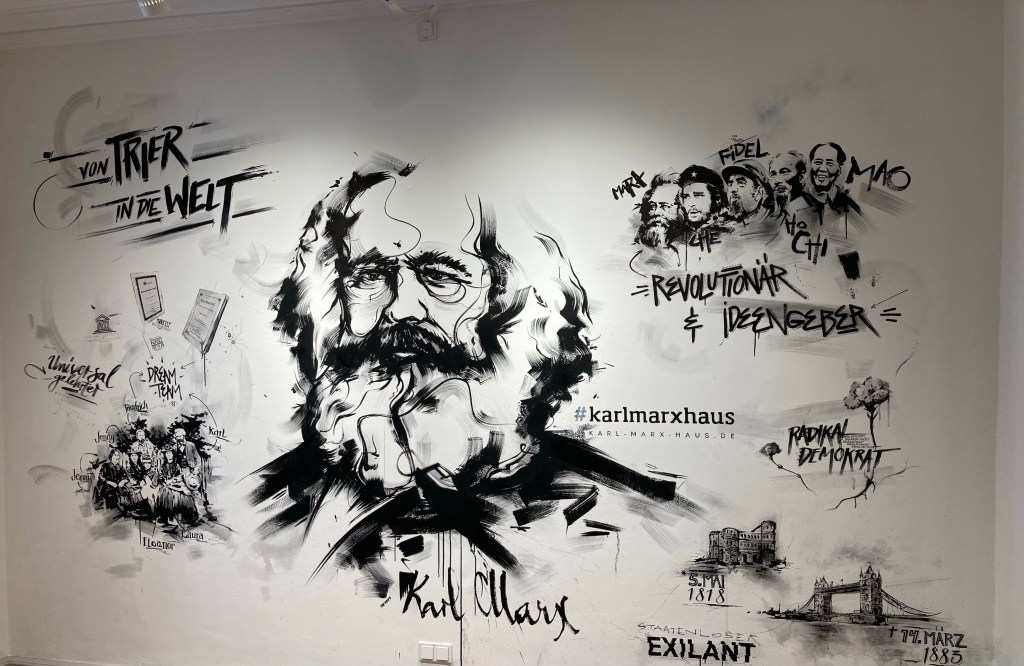
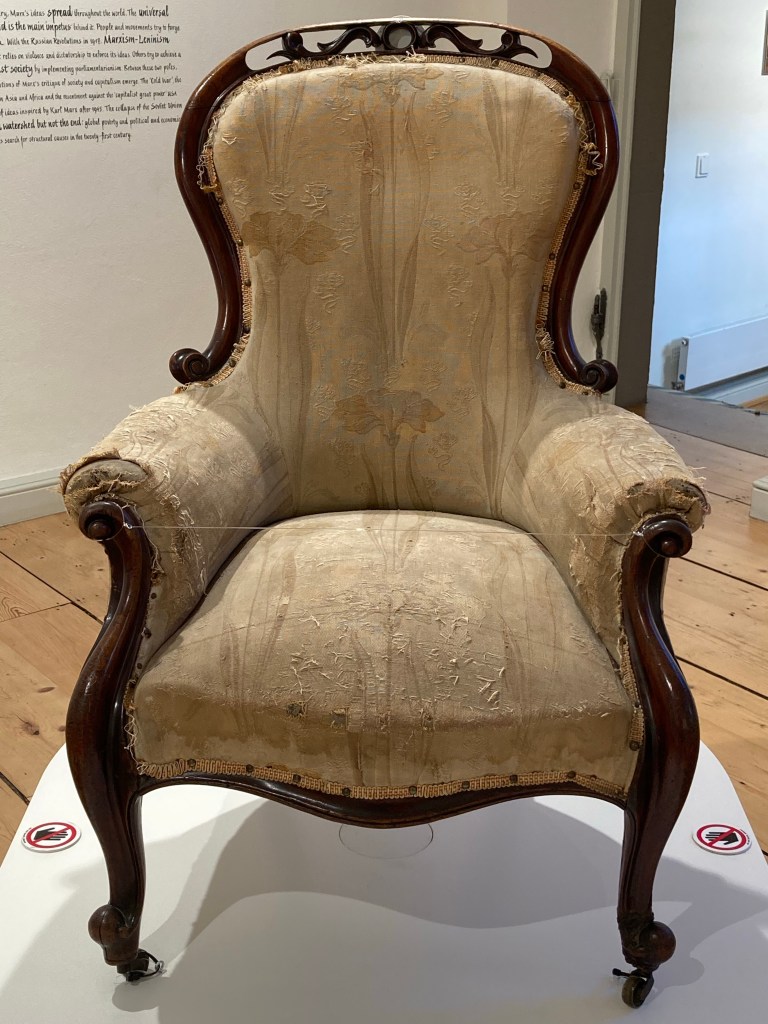
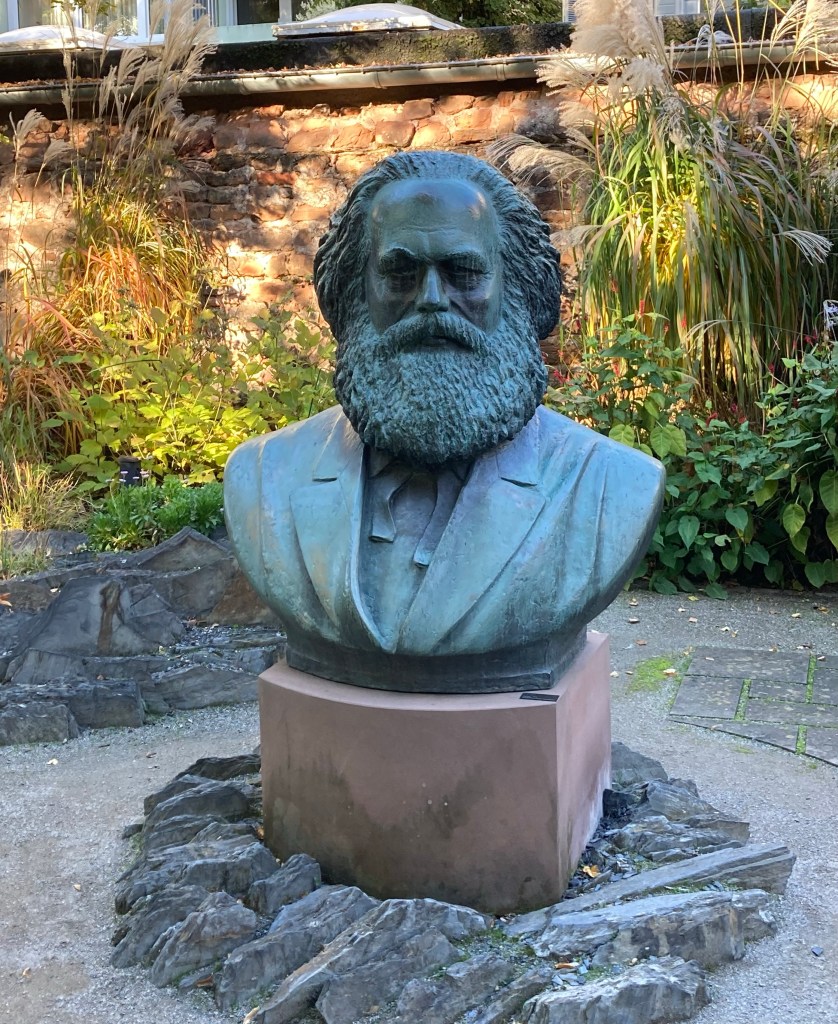
After stopping for a well deserved drink at an on street cafe we proceeded to Karl Marx birthplace which had been converted to a museum of his life. The exhibition was revealing in having always thought of him as the sole author of Das Kapital we discovered that others had contributed and that two of the three volumes were published posthumously after being edited and completed by his colleague and friend Friedrich Engels. The museum information claims that Marx thought his work as not being a finished theory and it begs the question as to would he have published the final volumes as we have come to know them or would he have developed his theories further? Is the Das Kapital we know his work or Engels?

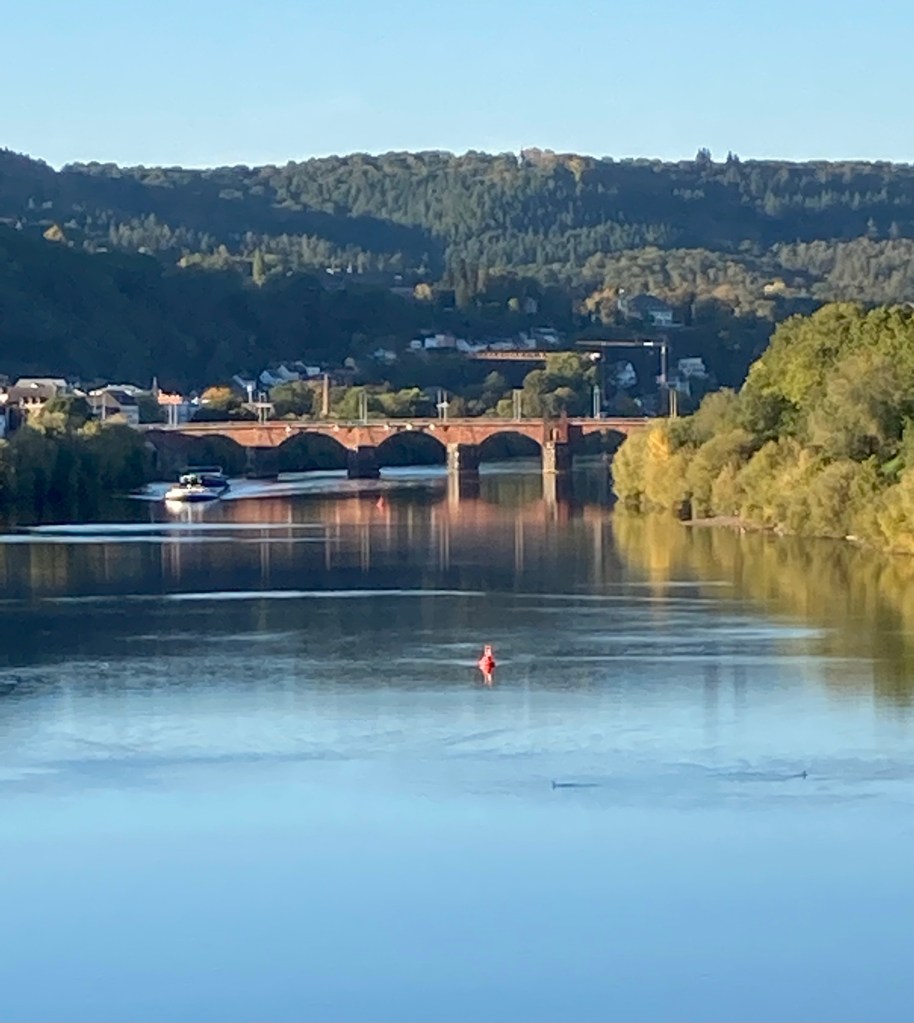
To end the day a final walk along the river back to camp looking back at the original Roman bridge which is still in use today. Wow those Romans!

Neustadt an der Weinstrabe

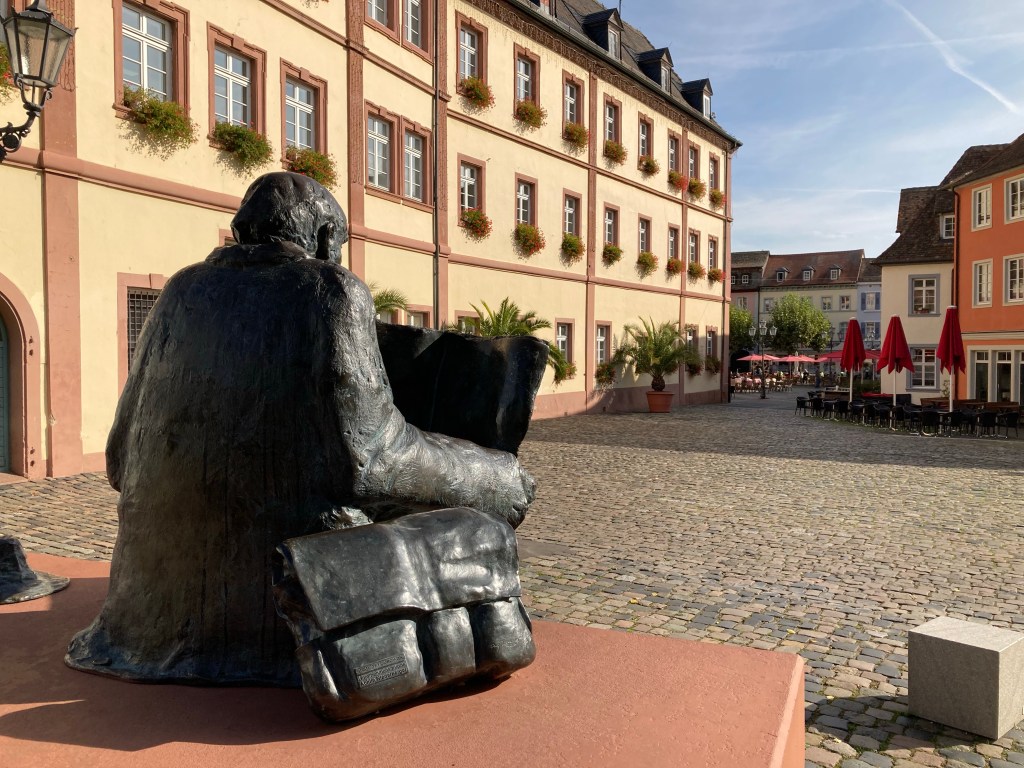
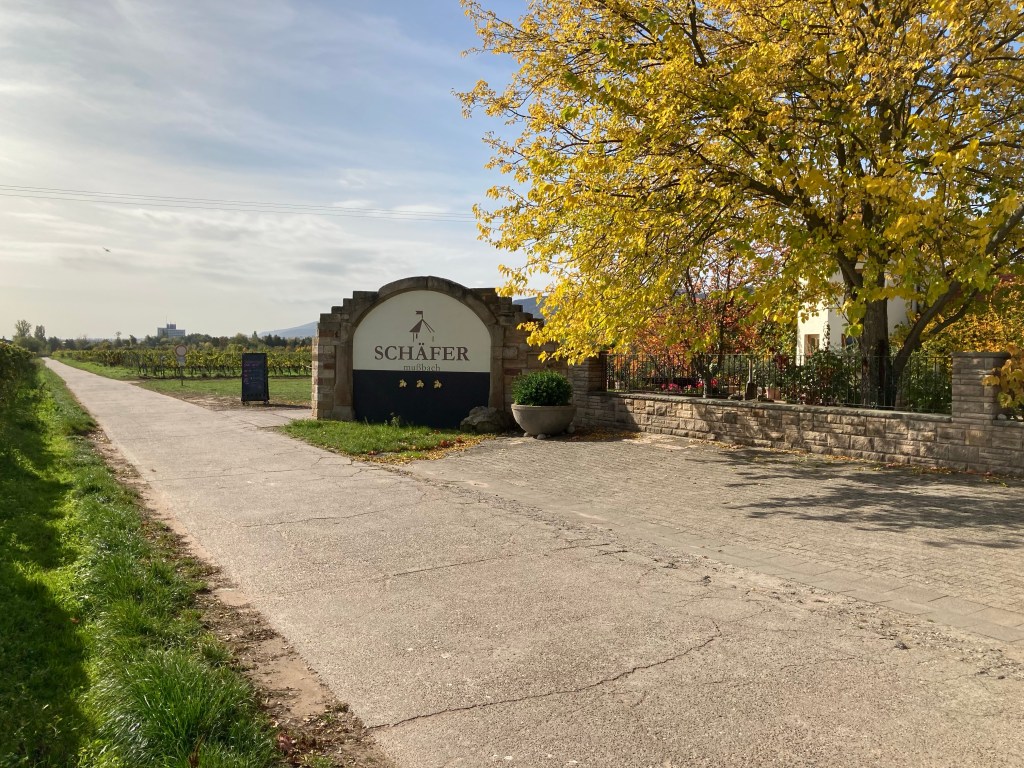
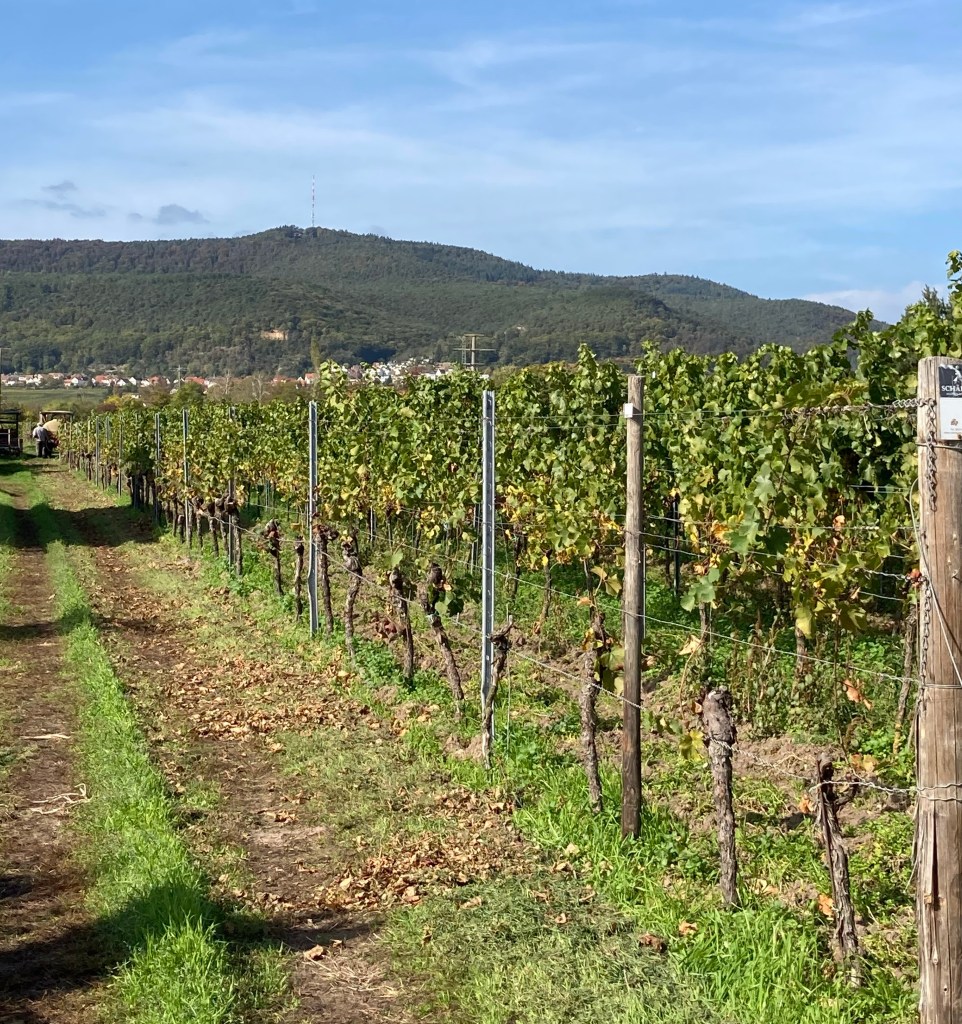
Next morning we set off for the wine growing region of the Rhineland Palatine arriving around teatime we decided to walk into town and do a reccy for the following day. Having meandered around and discovered there was a historical walking route which we could do we wandered into the main square and decided to dine out. We chose an outside table at one of the many restaurants and ordered some food and wine.Well the wine was divine so with his limited German Charles discovered the wines origin which was a vineyard en route for us so we scheduled a visit into our itinerary.

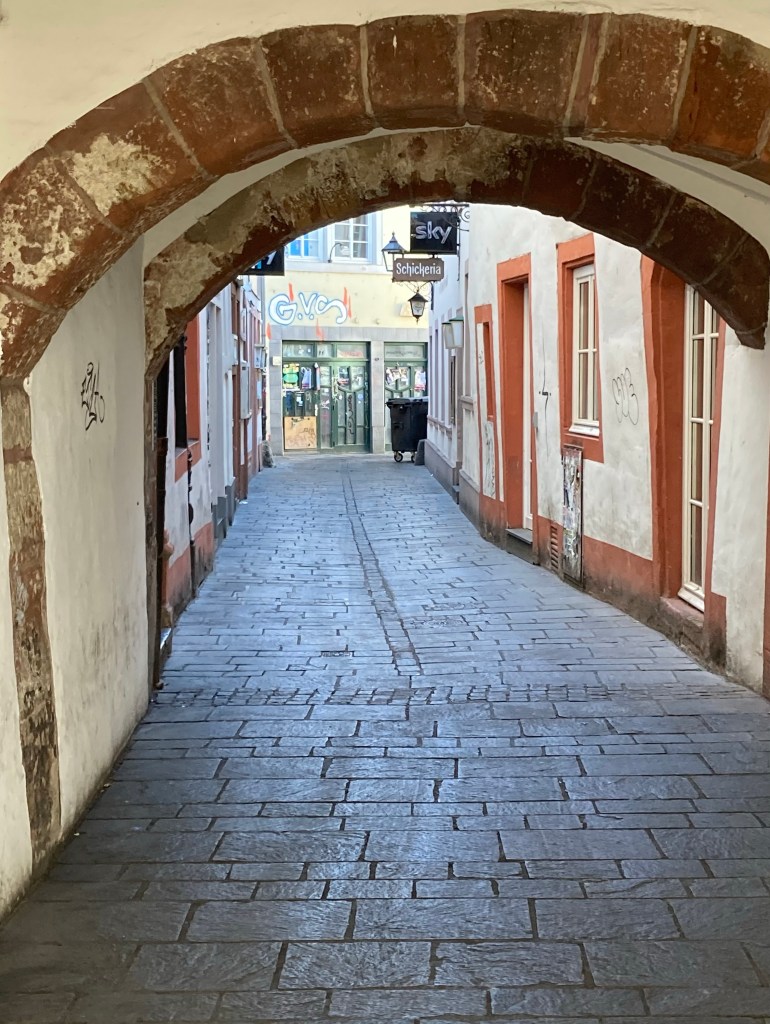
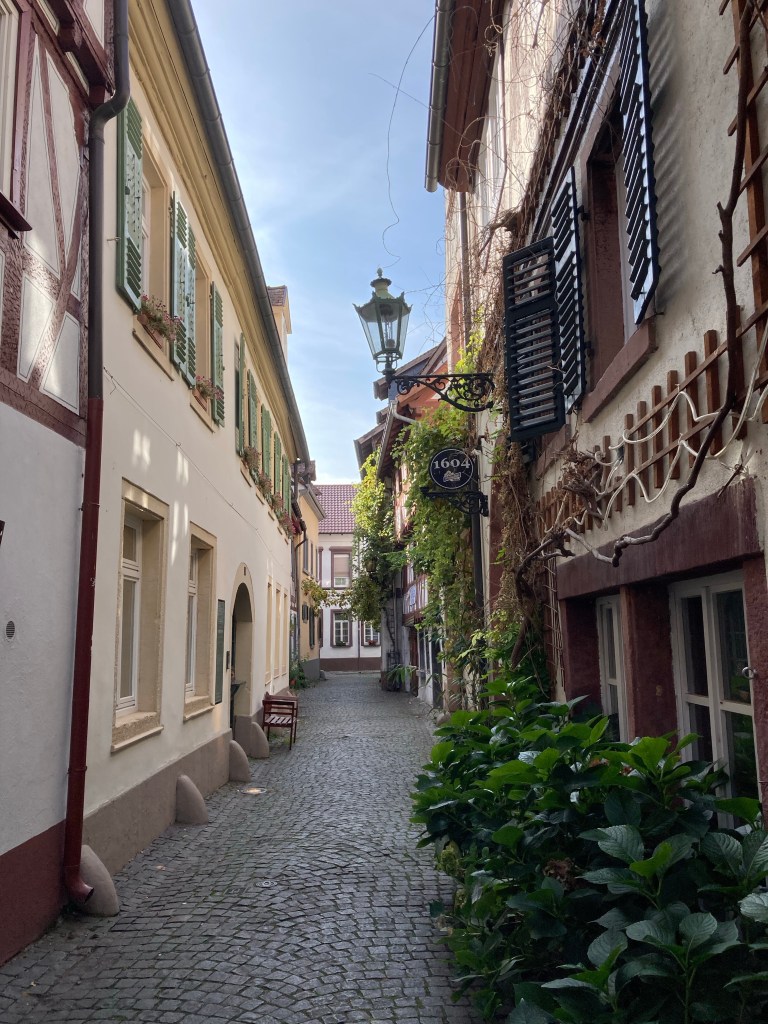
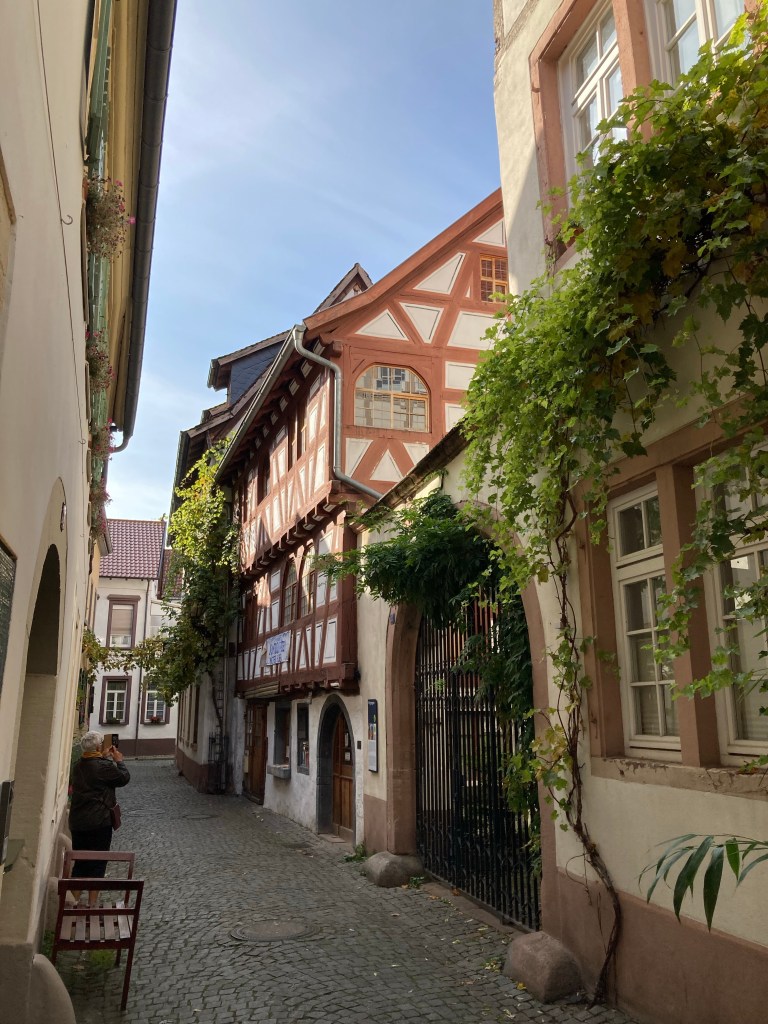
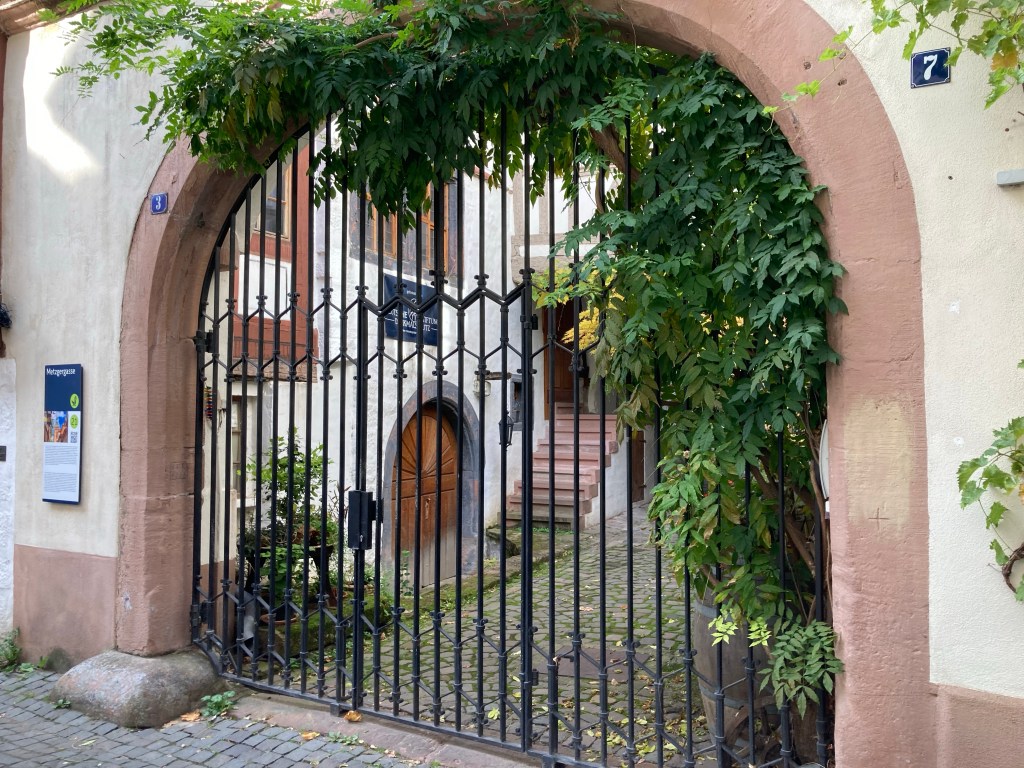
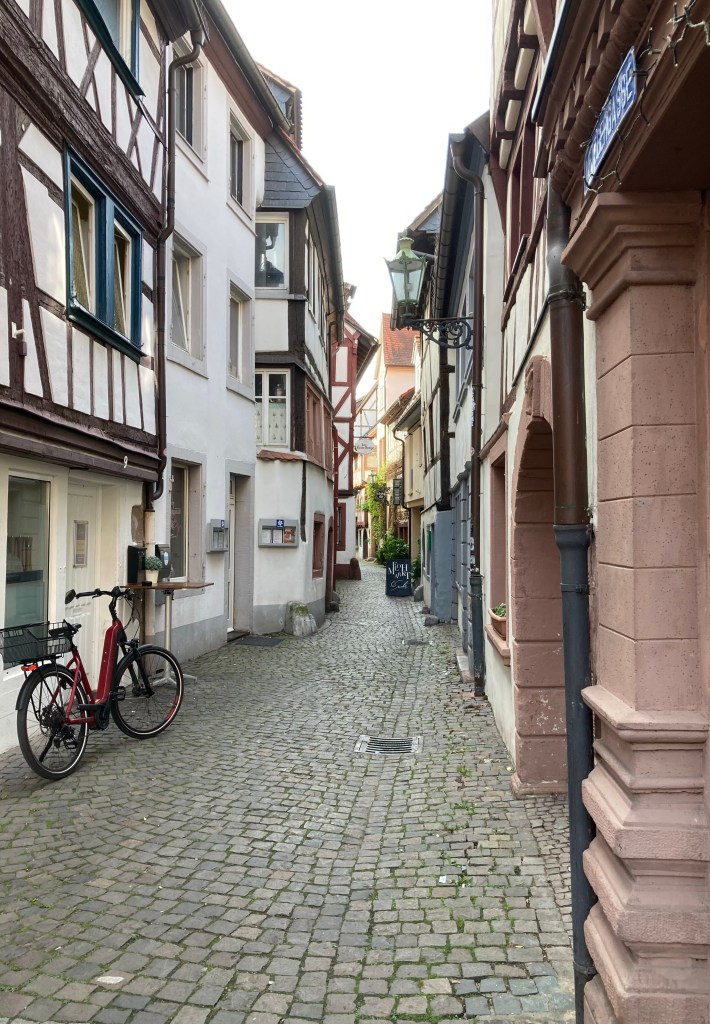
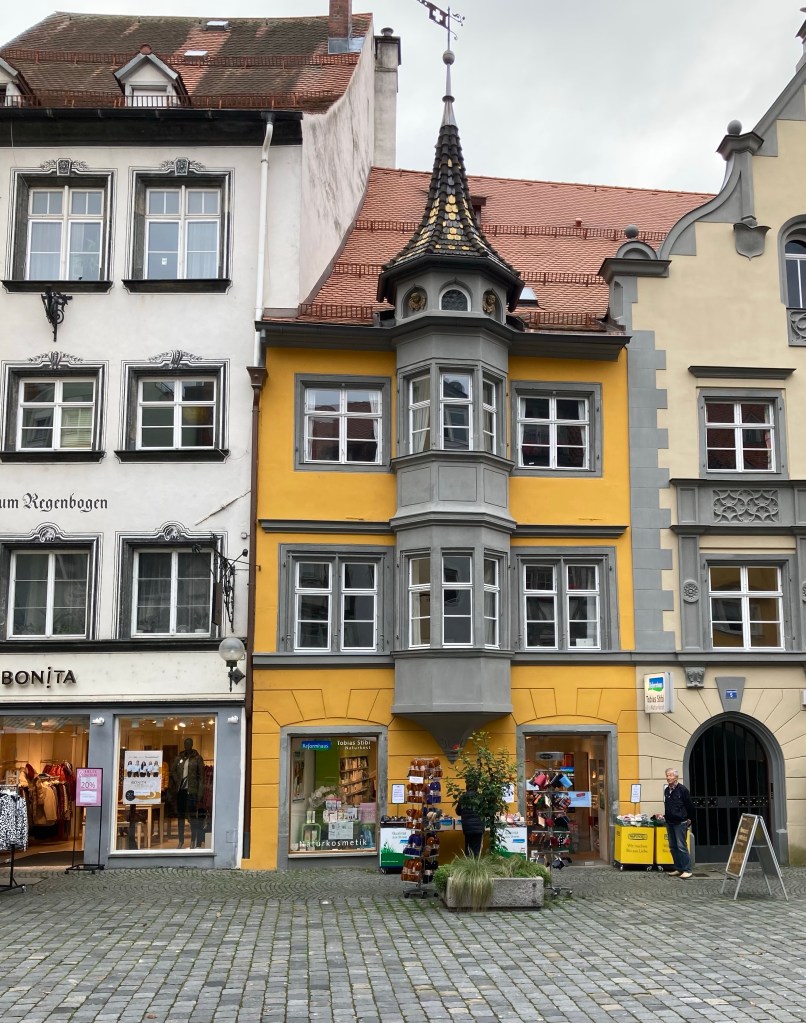
The following morning we went back into town to do the historical walk but gave up after finding ourselves walking in circles and getting frustrated, however we did find an ancient street called Metzgergasse alley as described in the pictures below. A visit to the vineyard sounded more welcoming so off we went, two cases of wine later we departed for Baden-Baden.

Baden-Baden

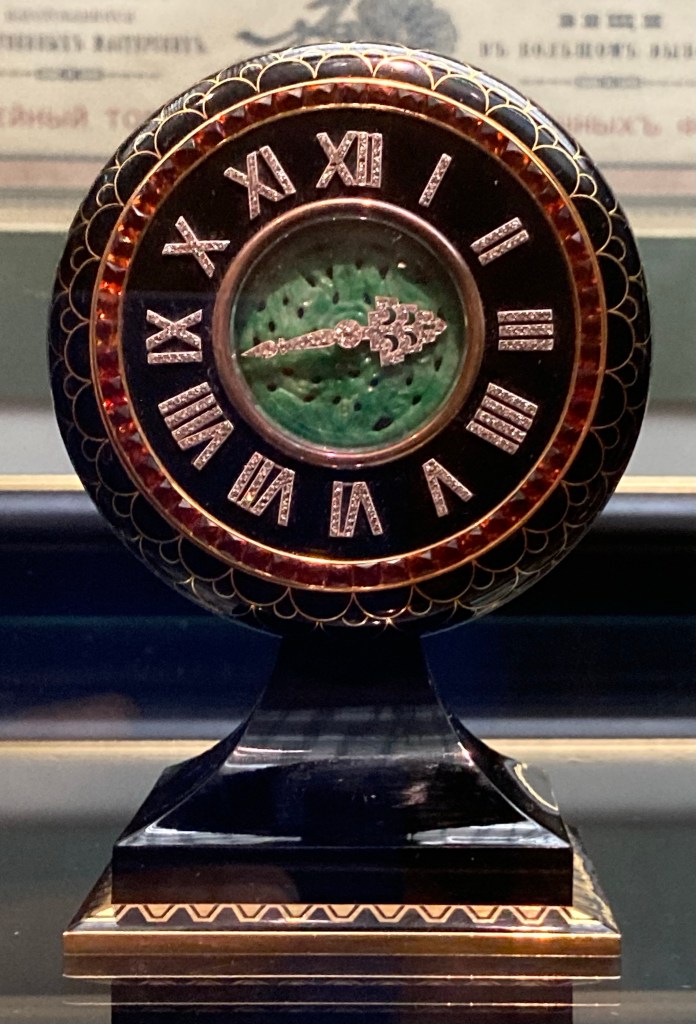
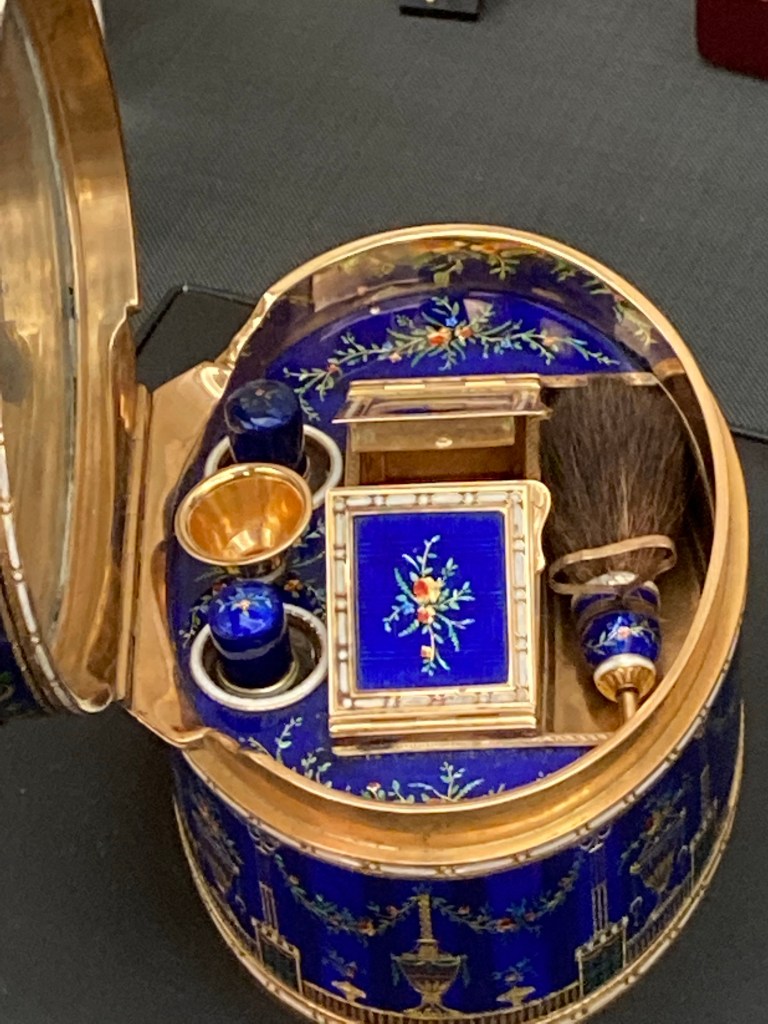
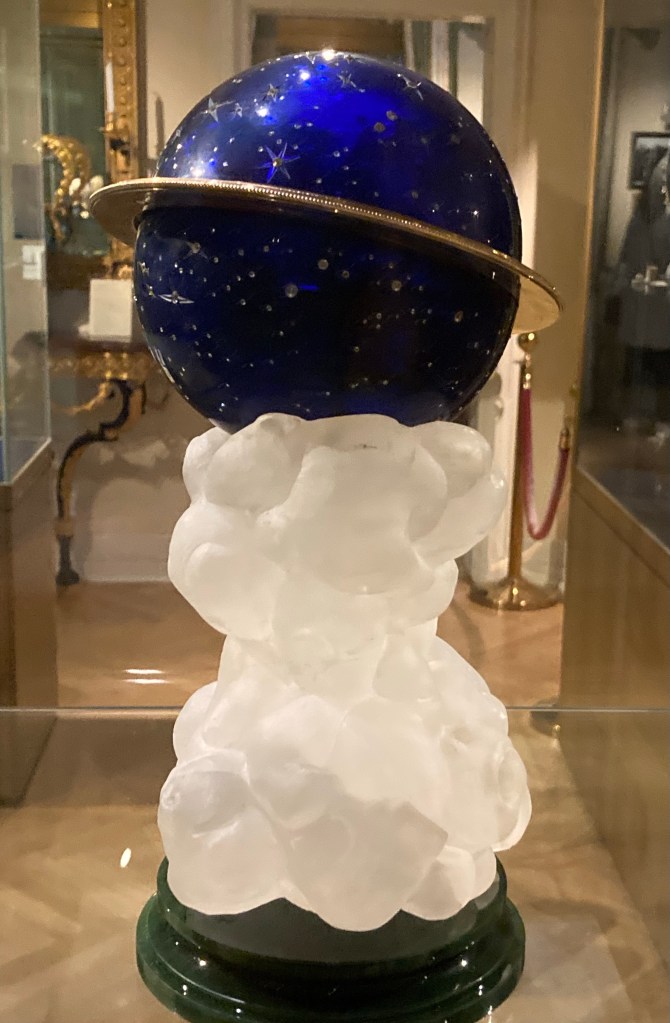
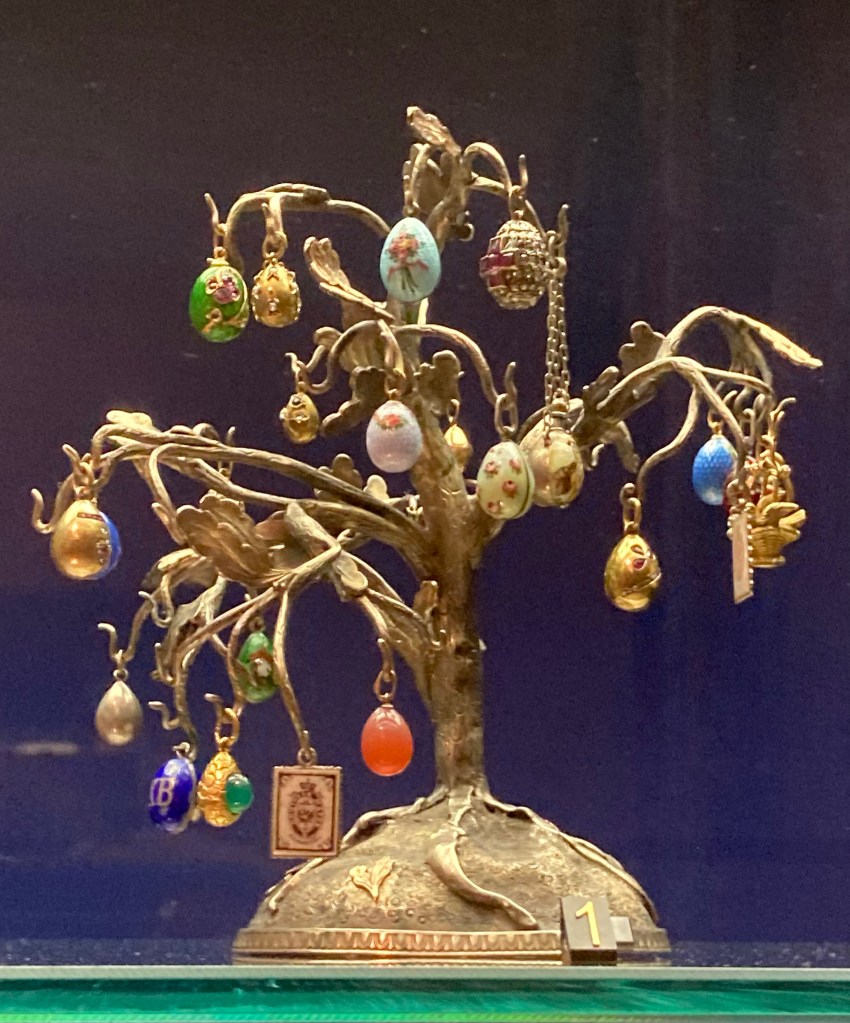
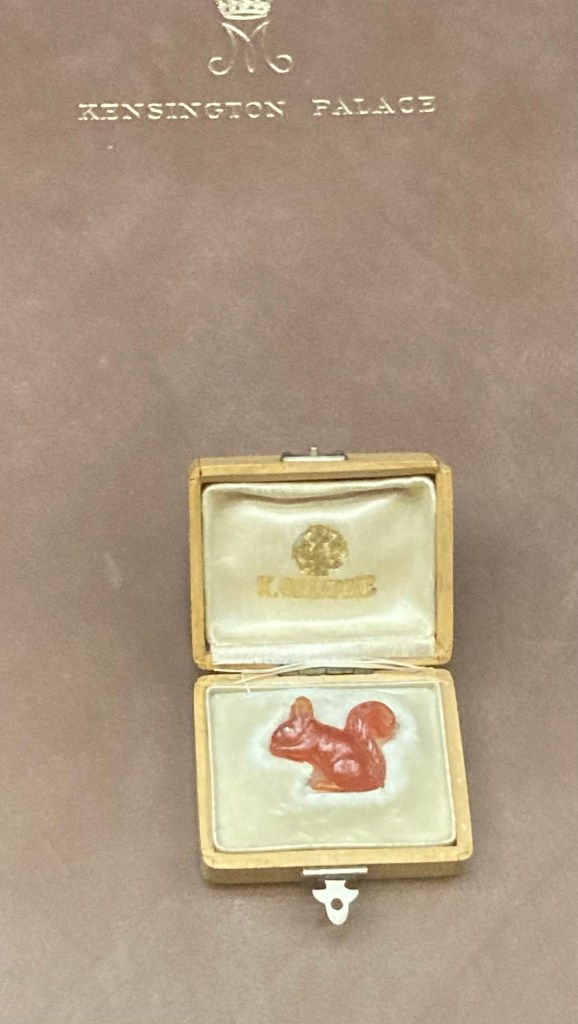
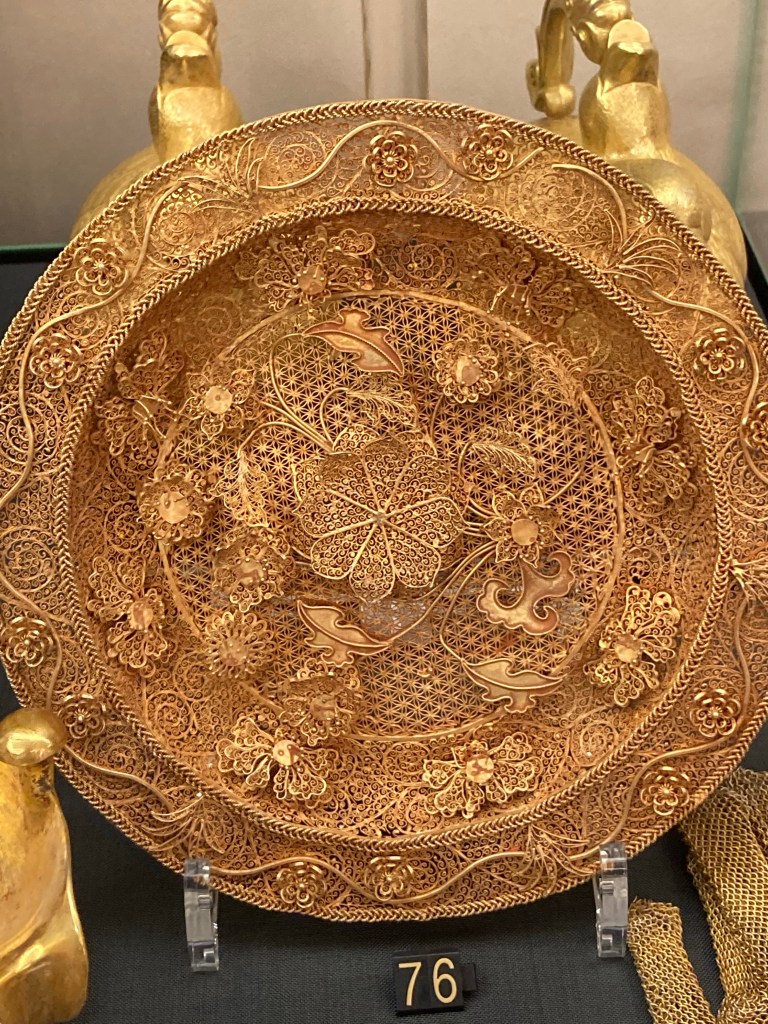
A town famous for its mineral waters in the same way in Britain we think of Bath and Buxton.The main spa attraction is built on the site of the original Roman baths, we chose not to visit the baths instead we visited the Faberge museum. The museum was set up by a Russian emigre who had amassed one of the largest private collections of Faberge artefacts. We learned that Faberge did not spend his time bent over a jewellers work bench but his job was to design and manage a very skilled workforce who made his reputation.

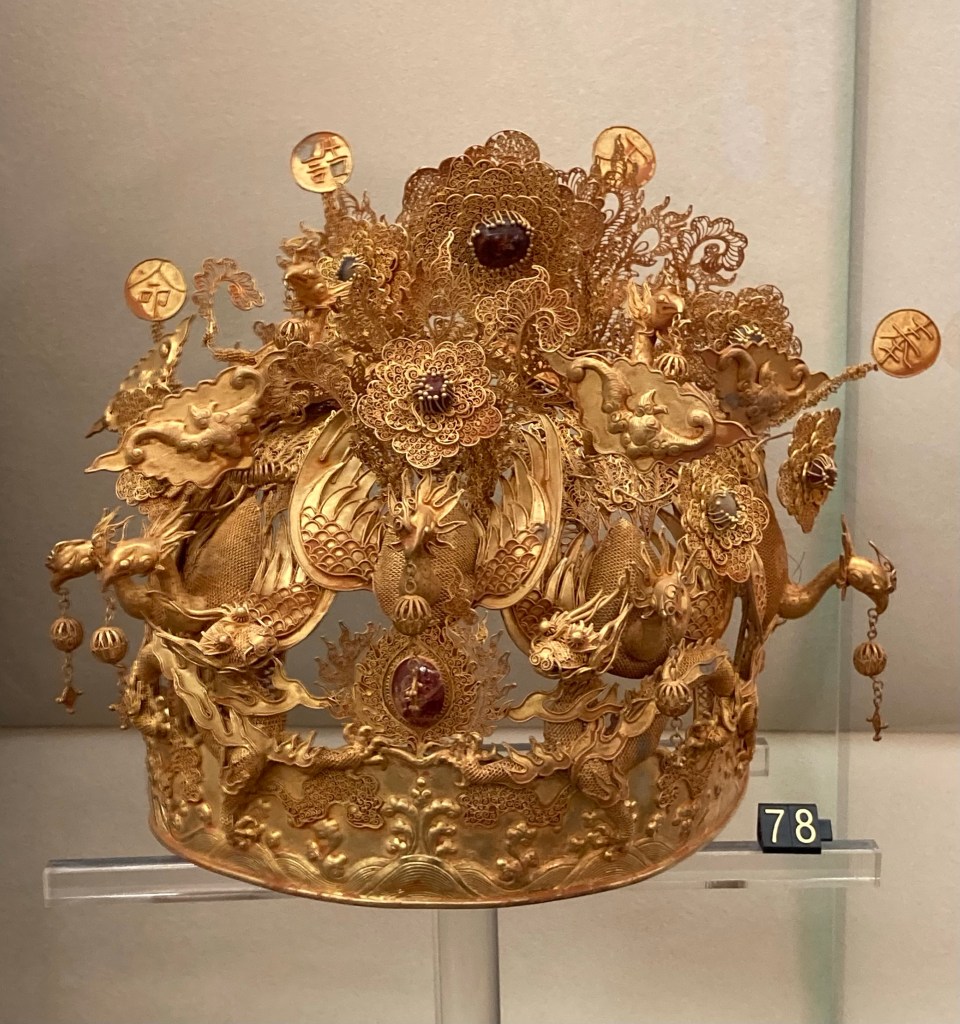
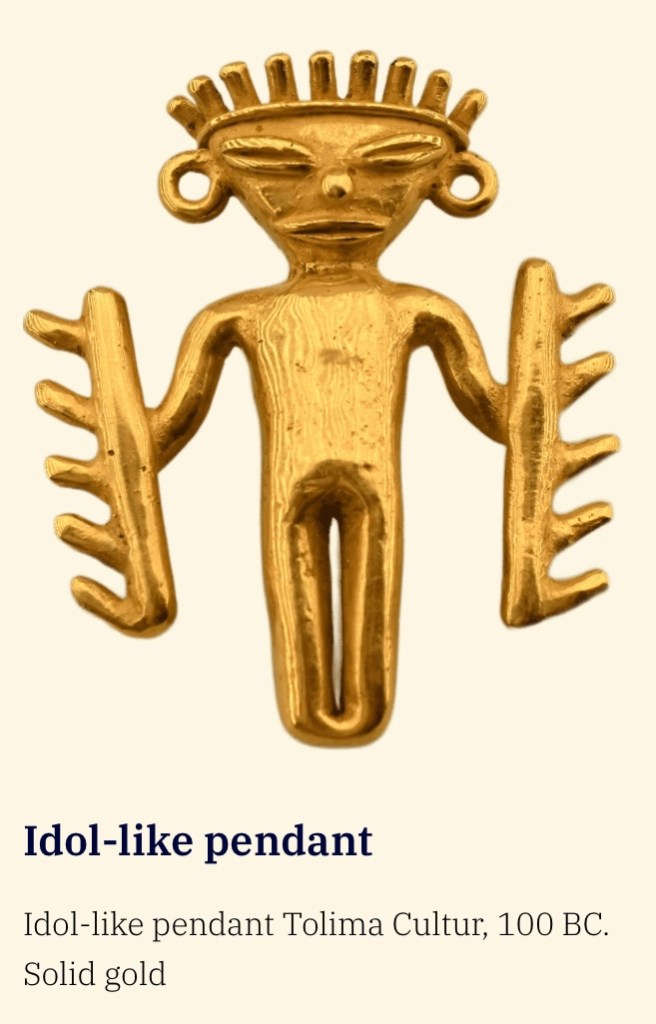
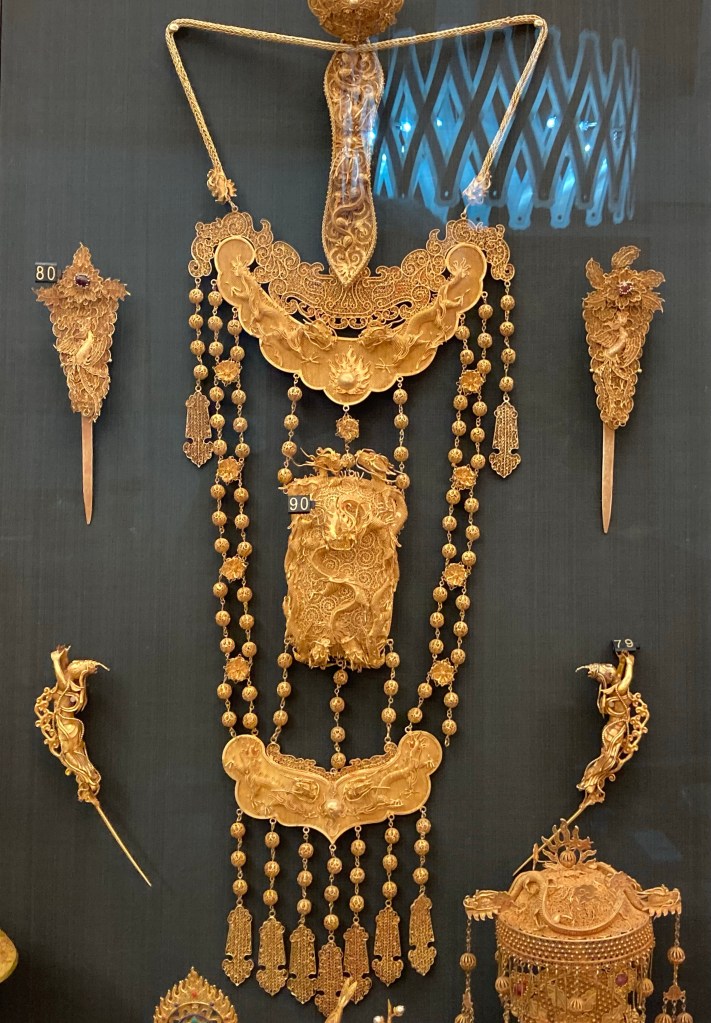
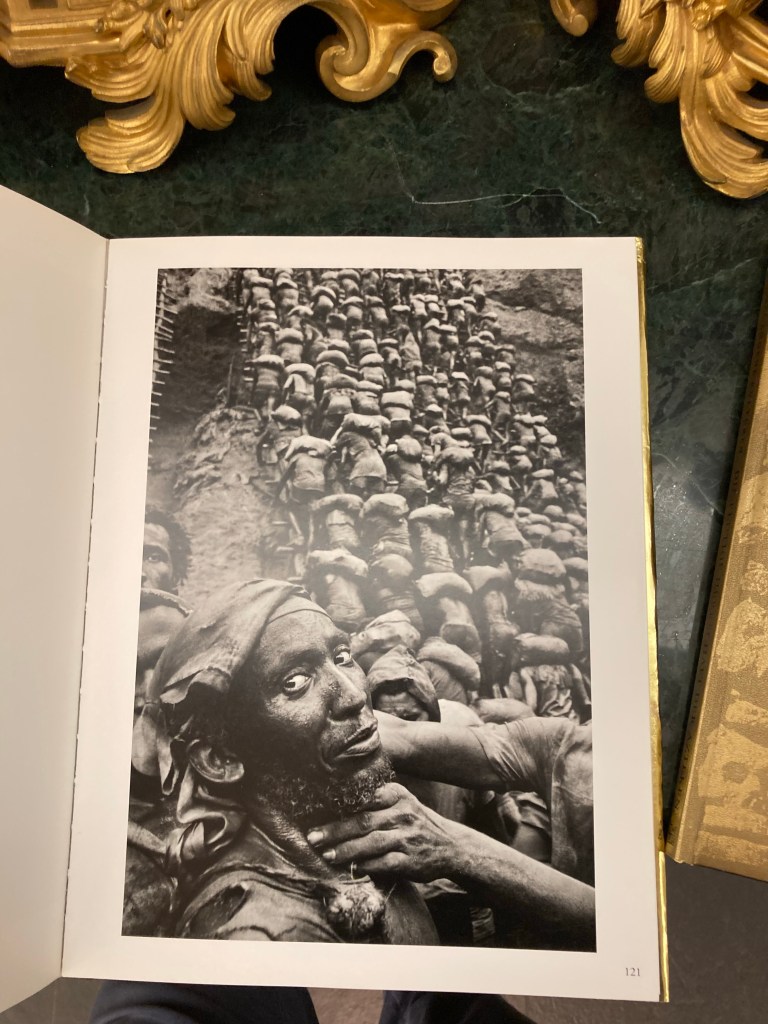
Amongst the collection there was a display of early Colombian gold which was absolutely exquisite for its variety of very simple but fine and ornate objects. There was also a book of photographs that captured the horrendous conditions of the work force that mined the gold.

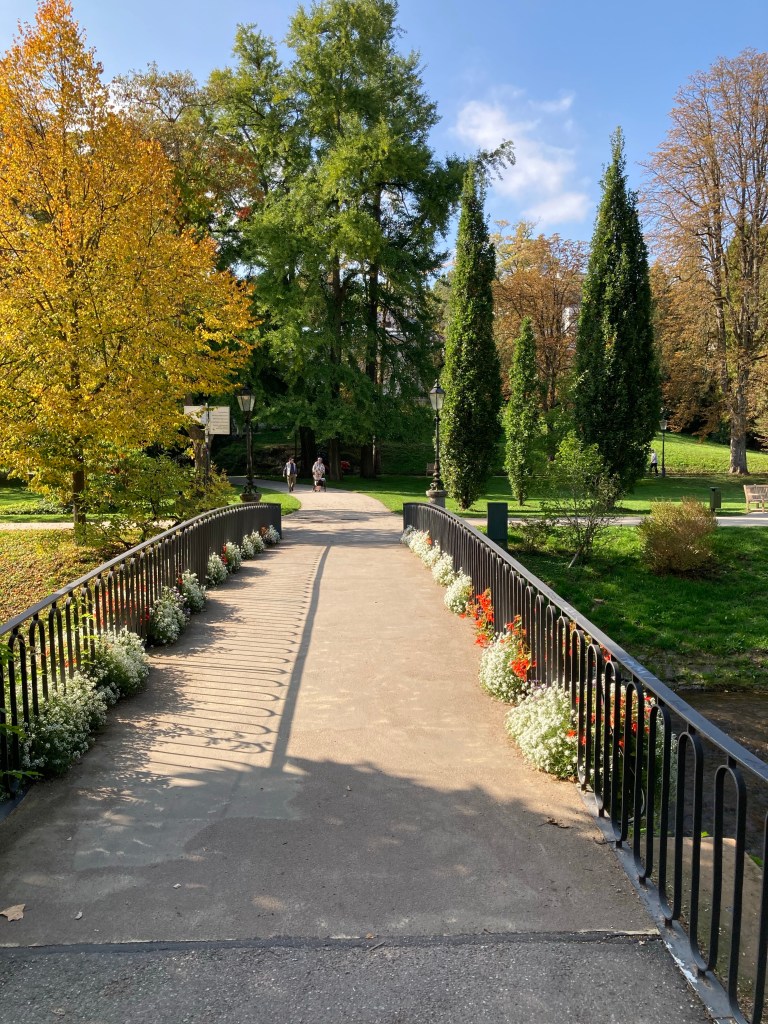
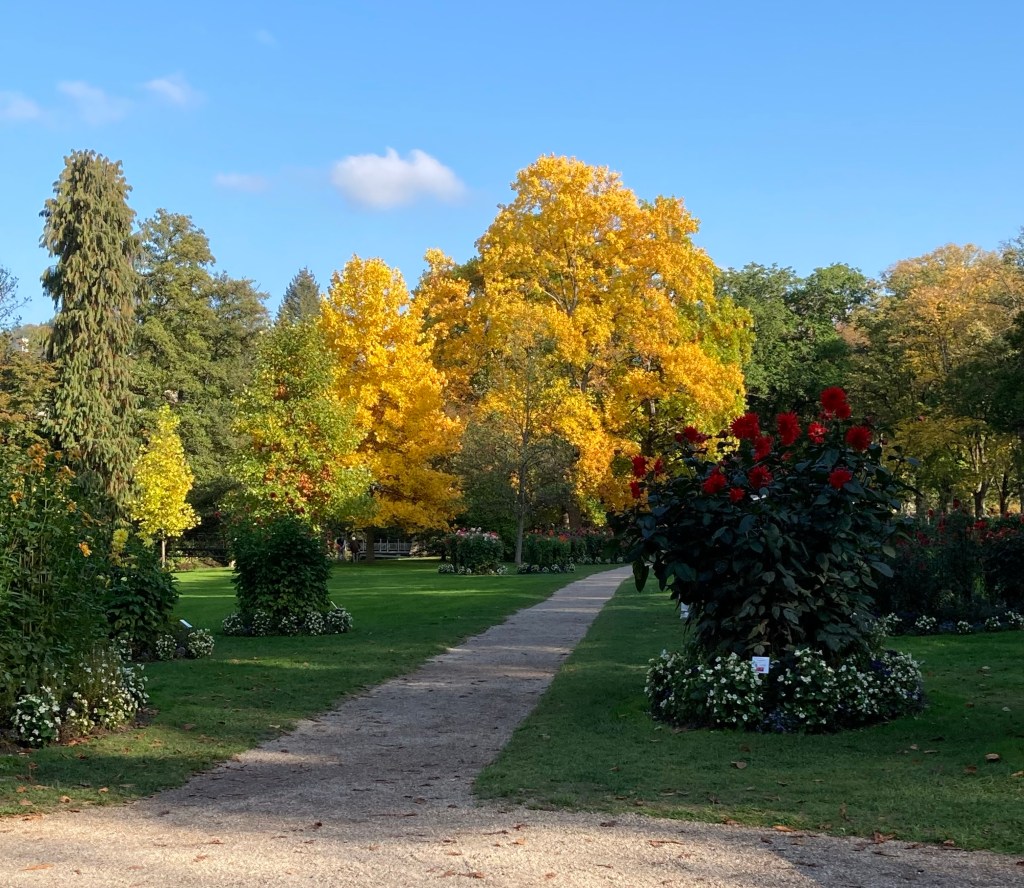
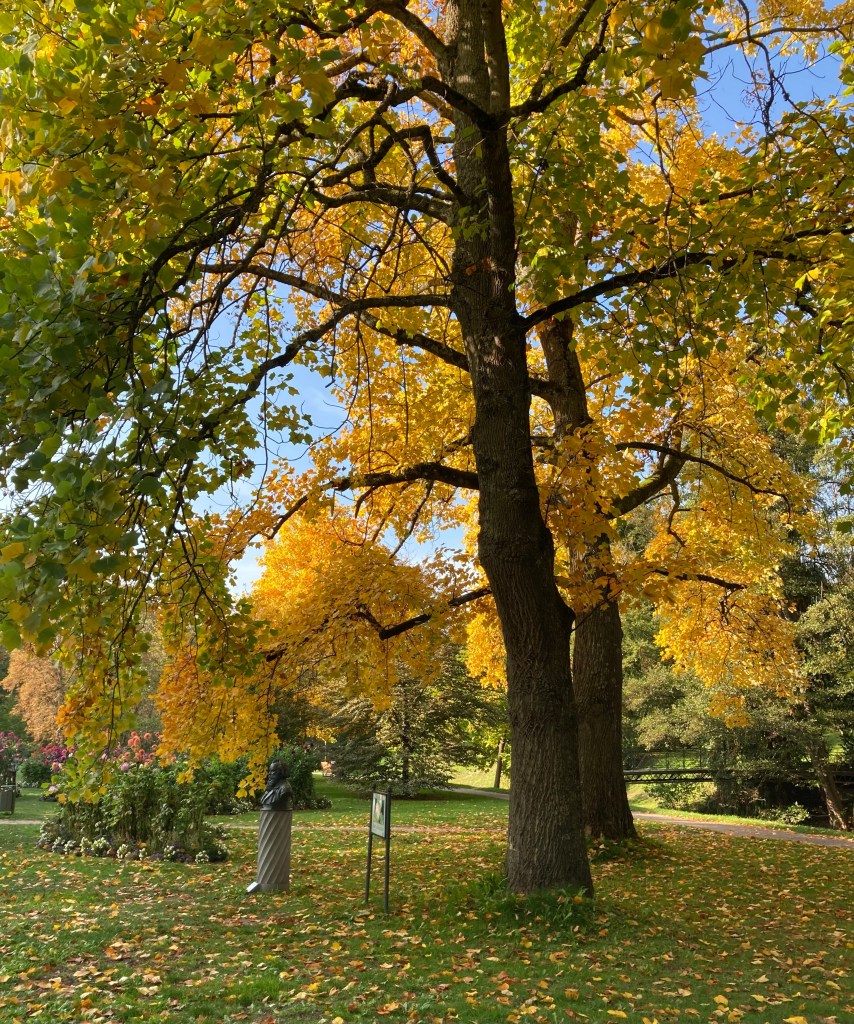
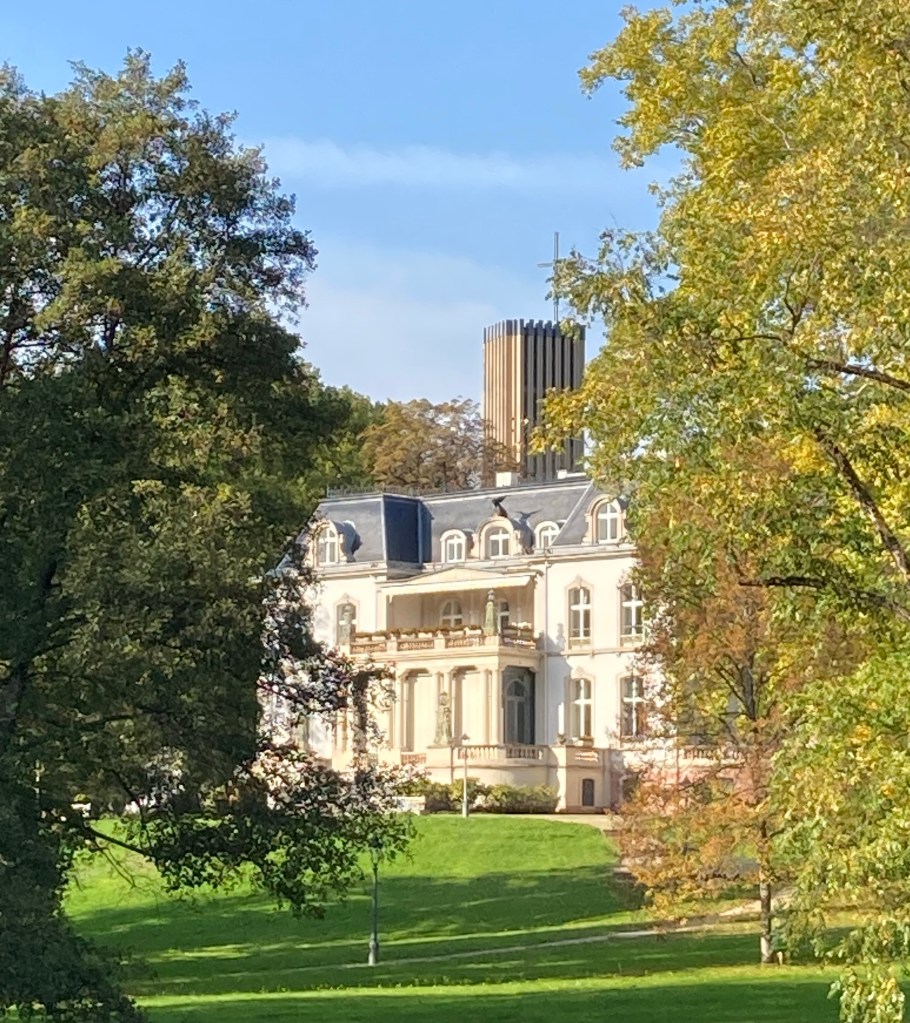
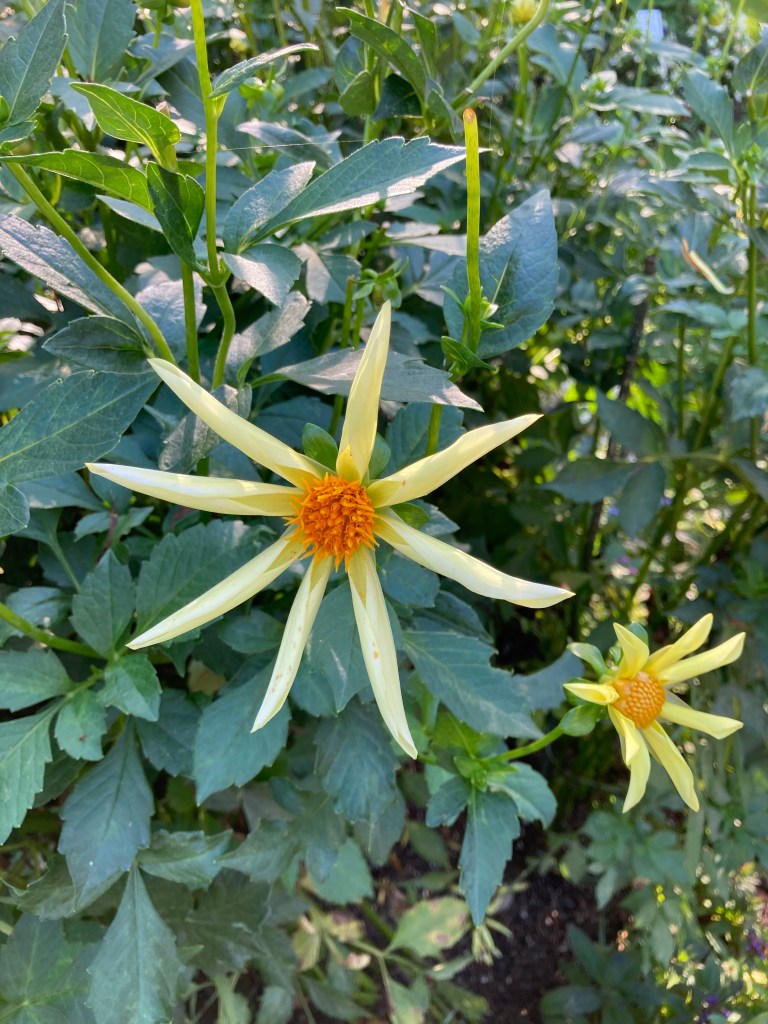
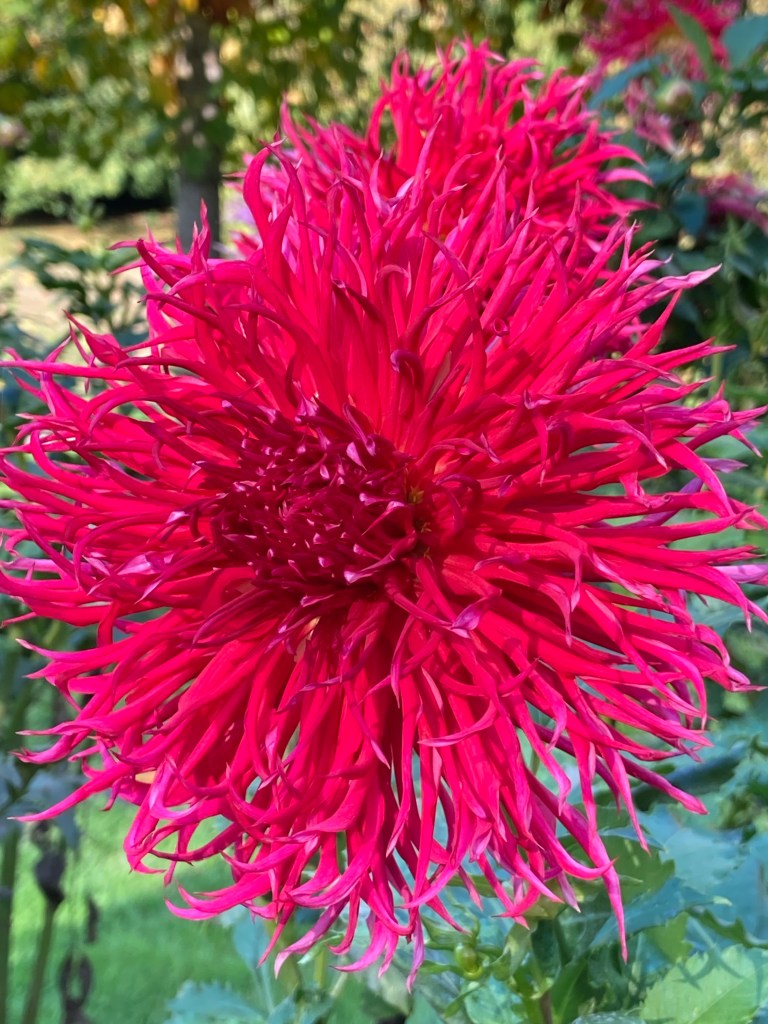
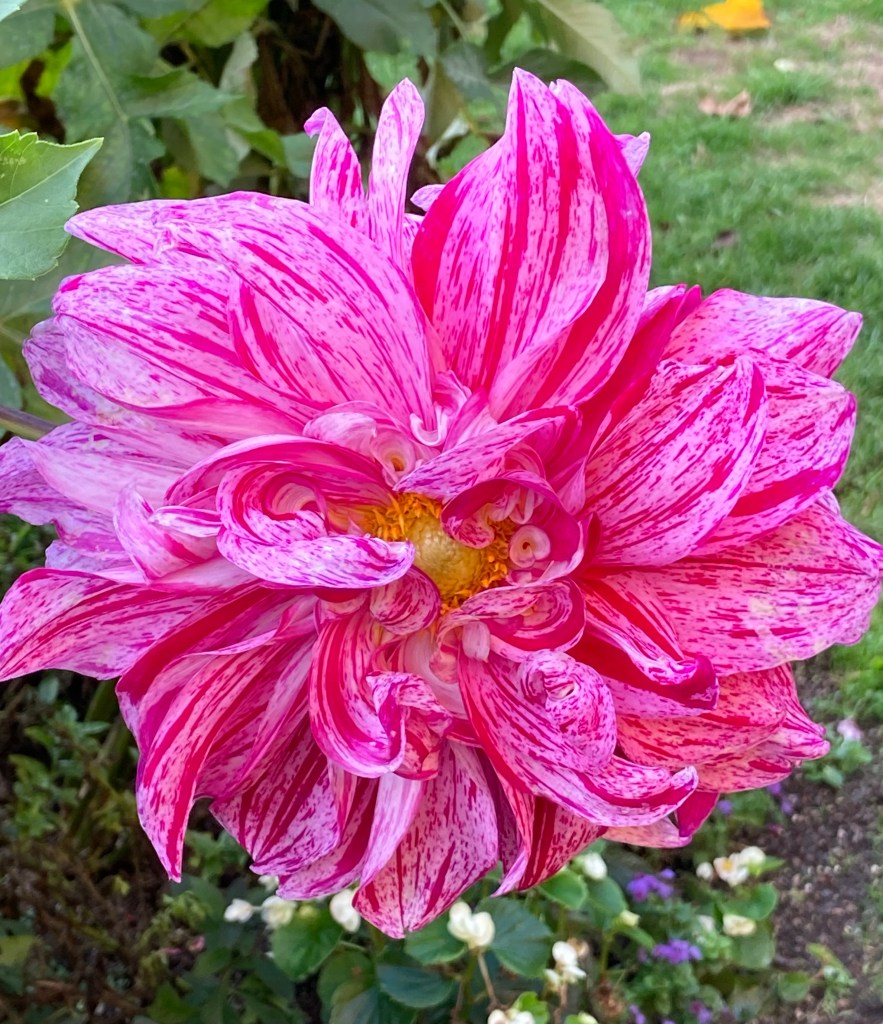
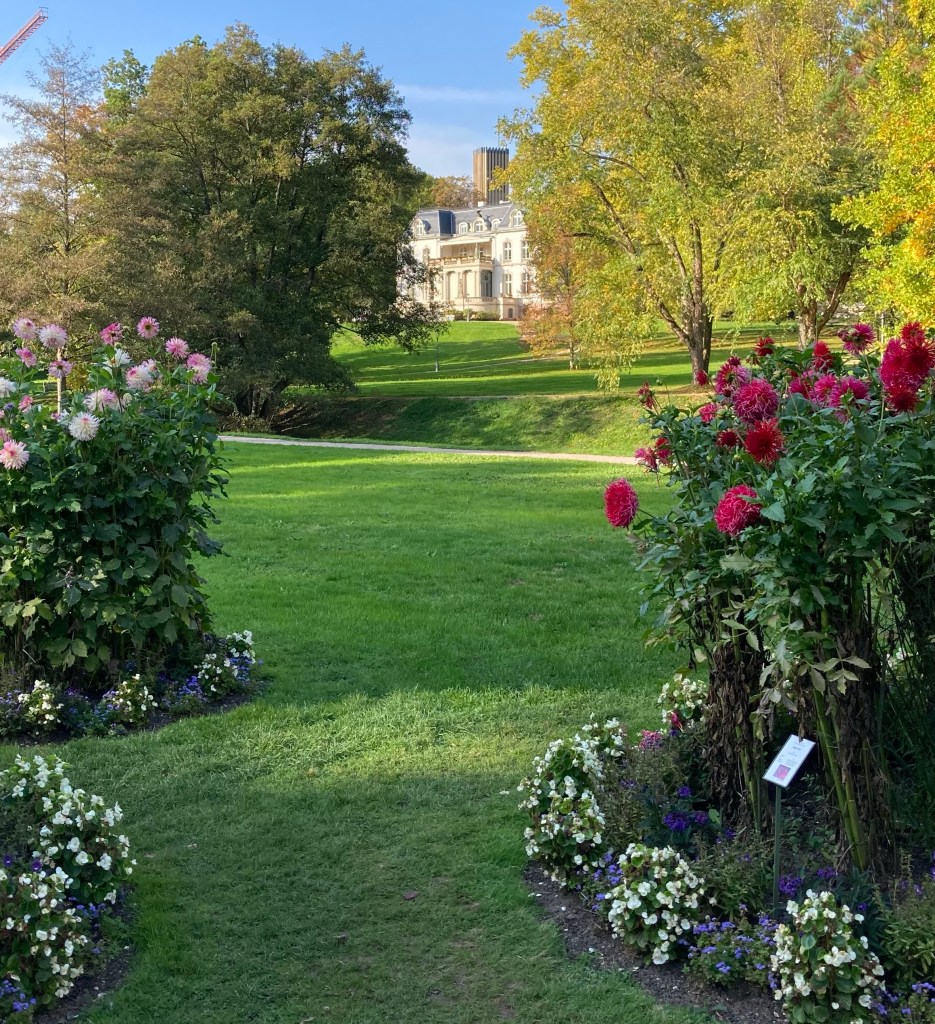
After the museum we decided to walk the famous Lichtentaler Allee which is a 2.5 kilometre long footpath dating back to the mid 1600s. Originally this path led from the Cistercian Abbey on the outskirts of town into the heart of the city centre. It was a delightful stroll along the river Oos with 300 variety of trees, and separate rose and dahlia gardens. The walk was flanked by very large spa hotels and private houses whose grounds came down to the riverbank.

Bodensee

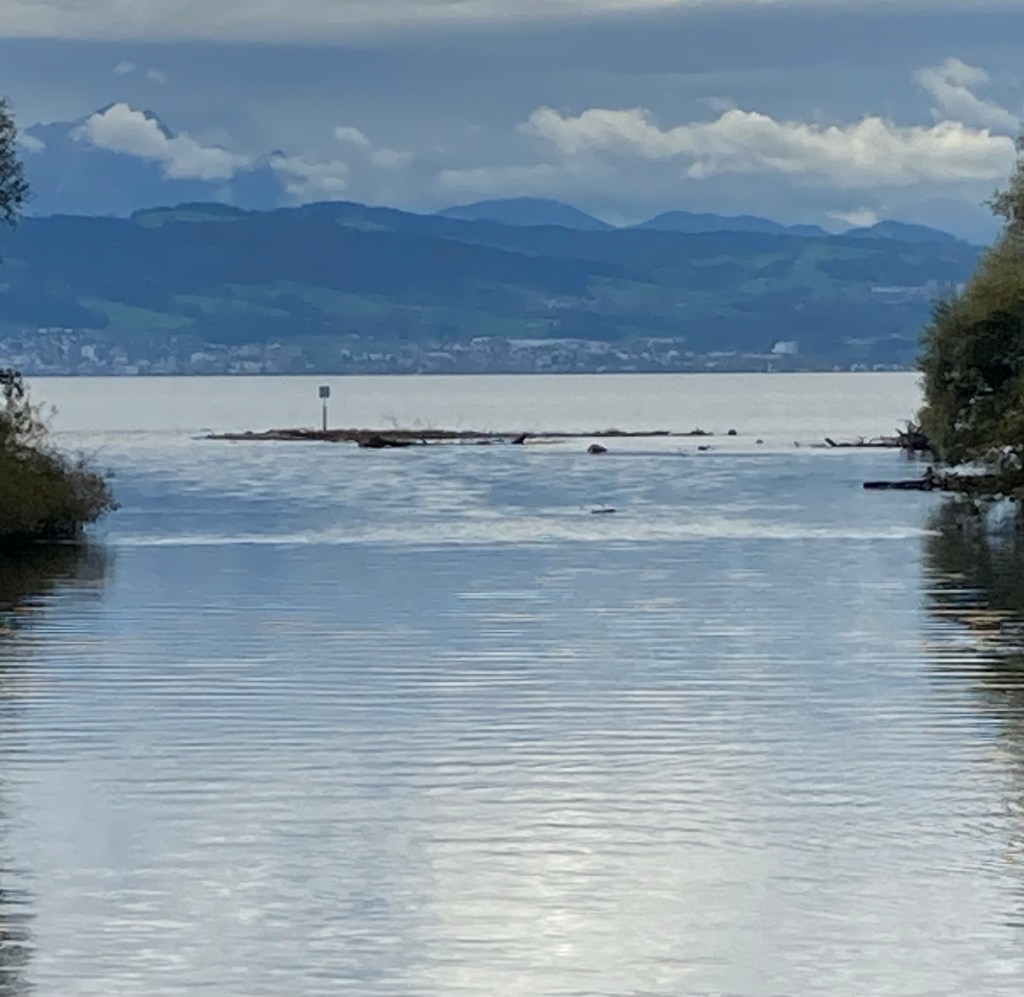
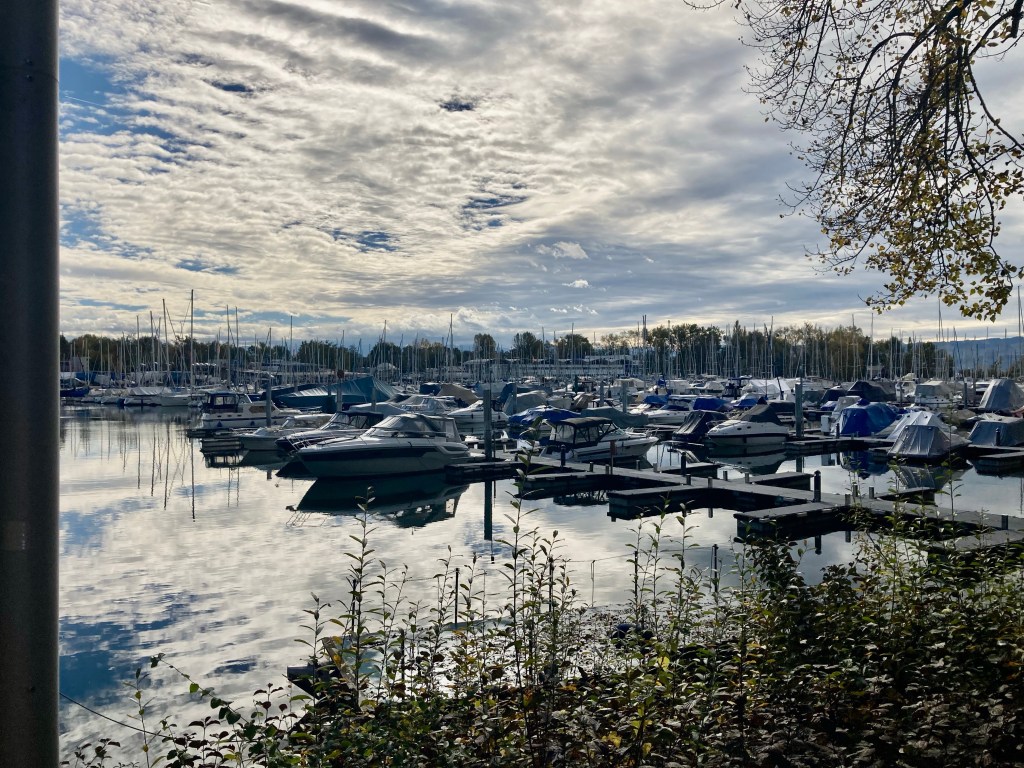
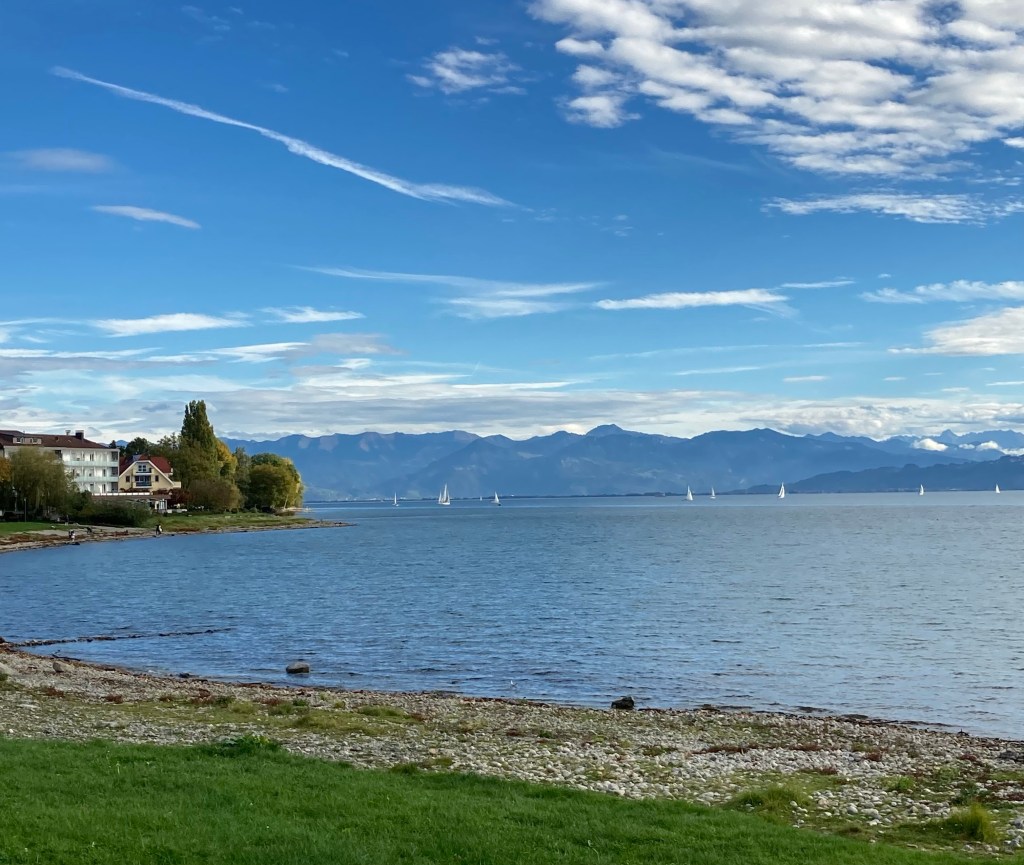
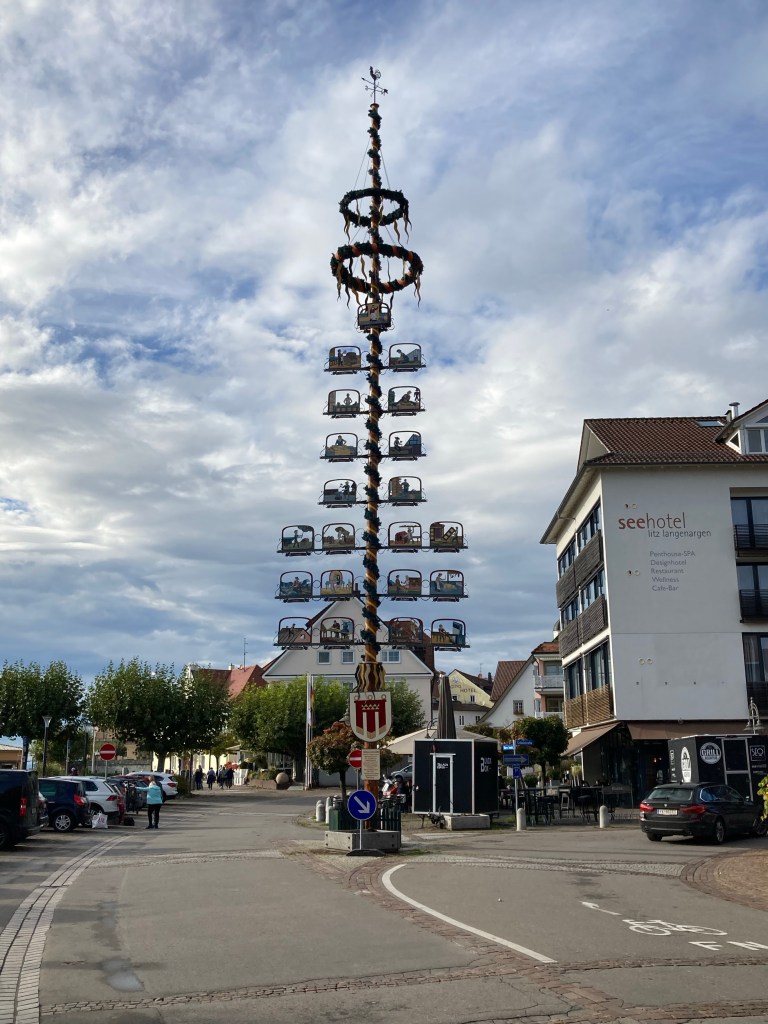
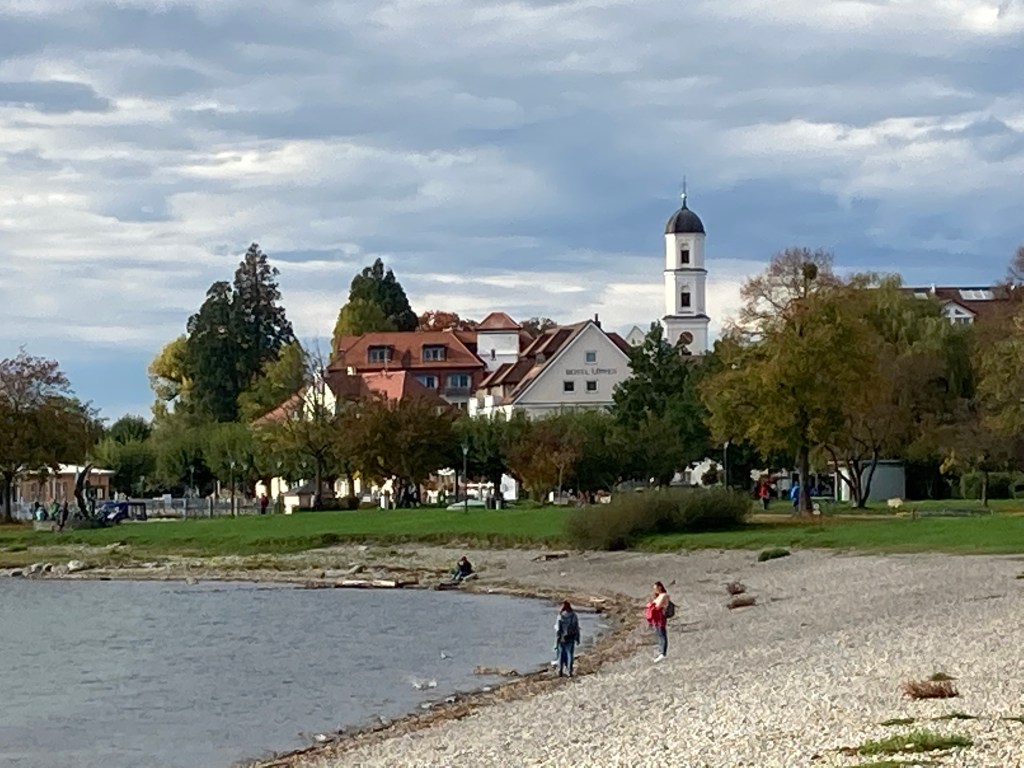
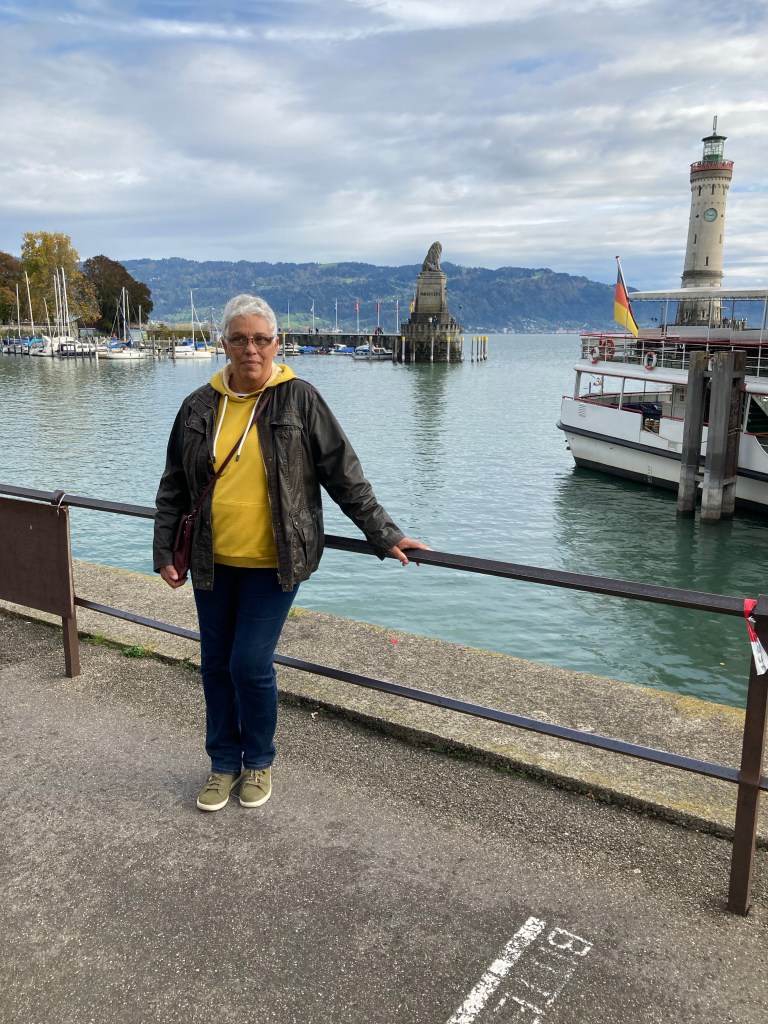
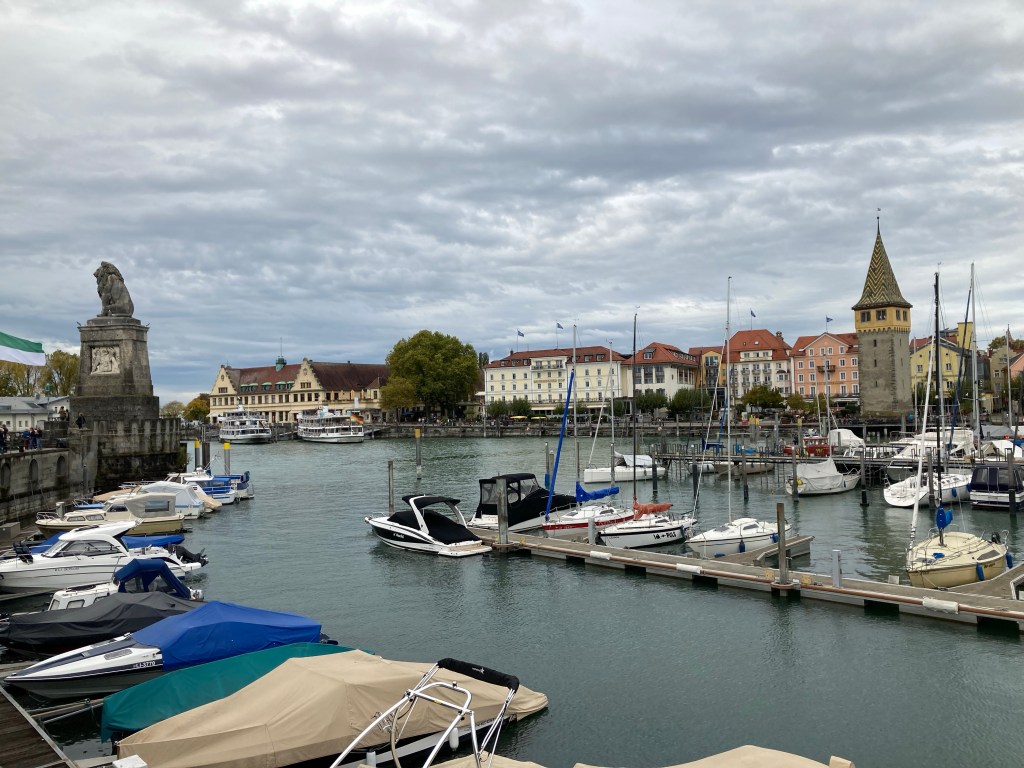
Bodensee is a very large lake bordering Switzerland and very popular as a holiday area.After two weeks on the road we felt this would be an ideal area to take time out to catch up with some domestics and have a break from travelling. We based ourselves just outside a small town called Langenargen to which we could walk within half an hour along the lakeside marina to take a train to Lindau island where we enjoyed a circular walk from the harbour around the old town window shopping and stopping for coffee and cake.

Besides being a lakeside holiday area the whole Bodensee region was one of vineyards and commercial fruit farms (apples, pears, cherries, and strawberries.)

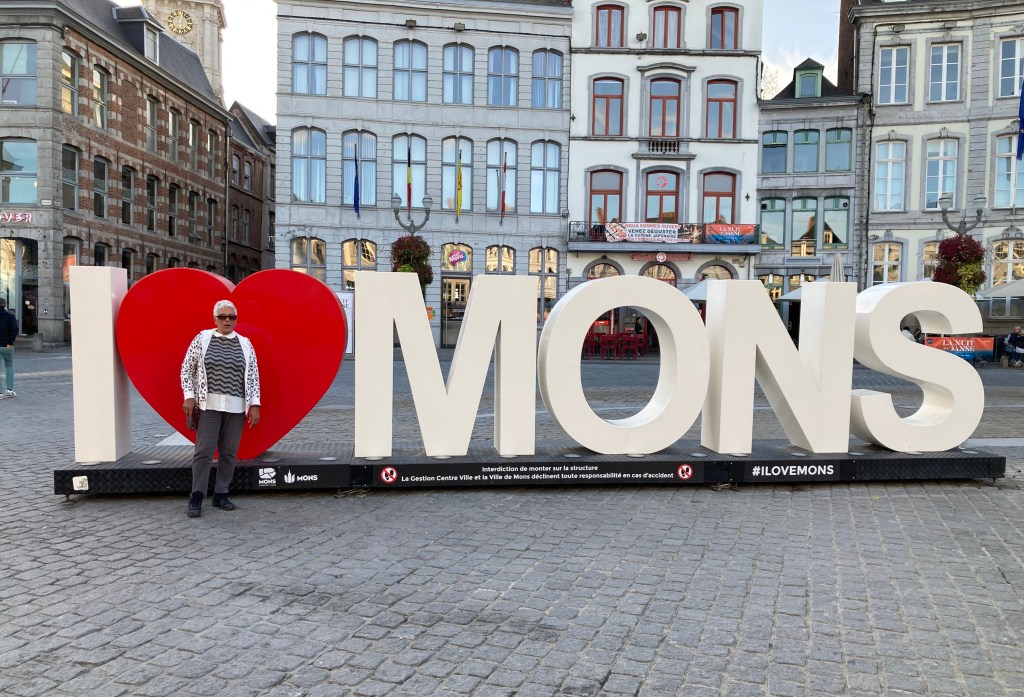
Mons

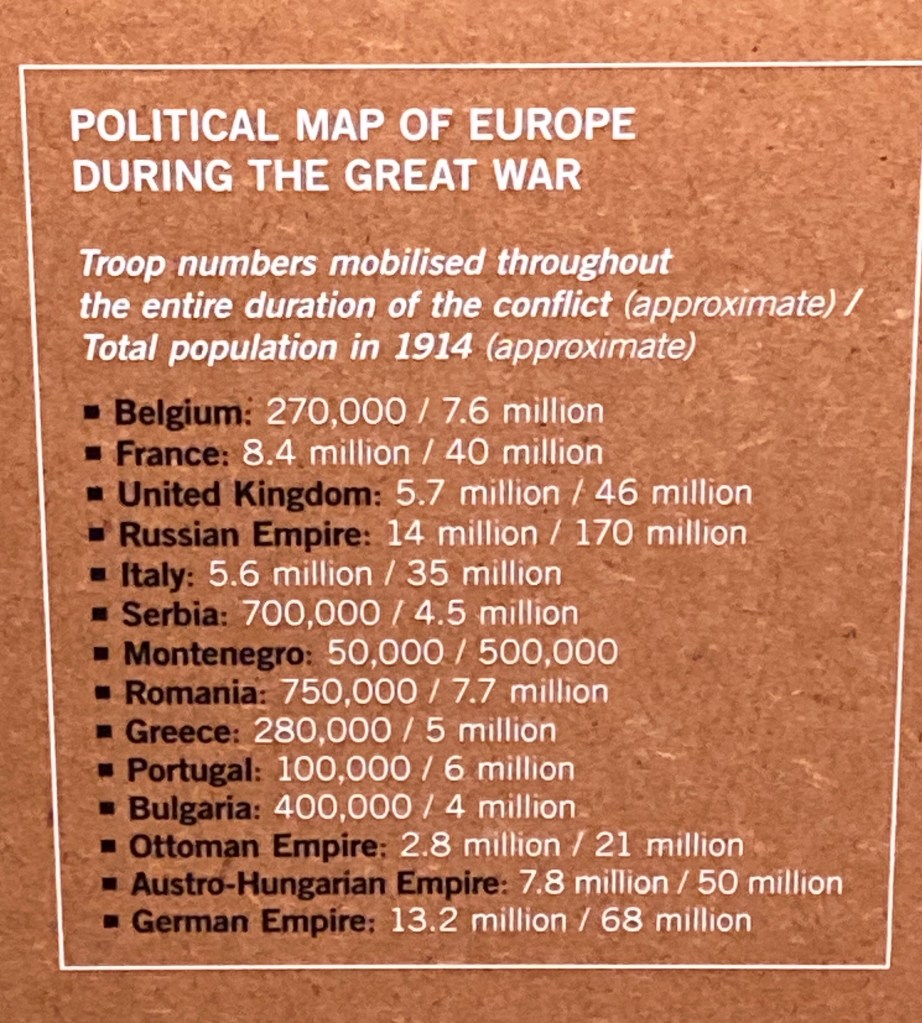
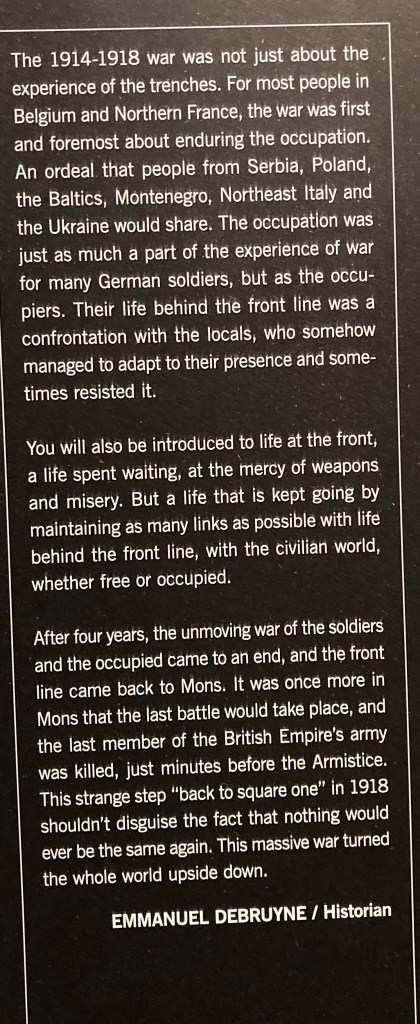
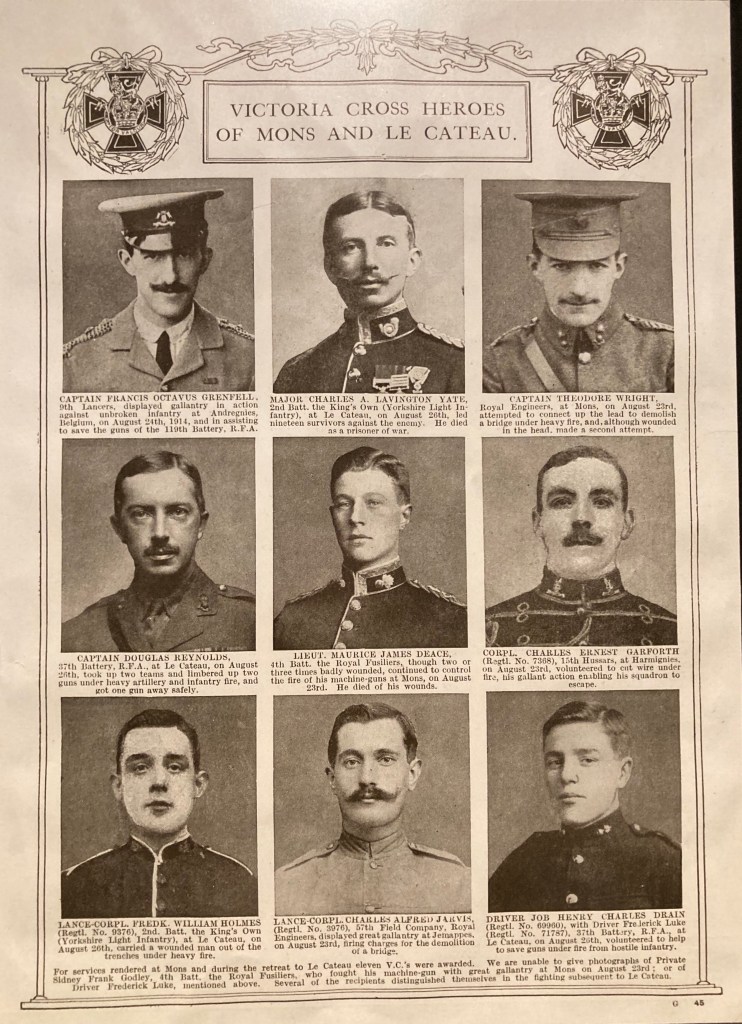
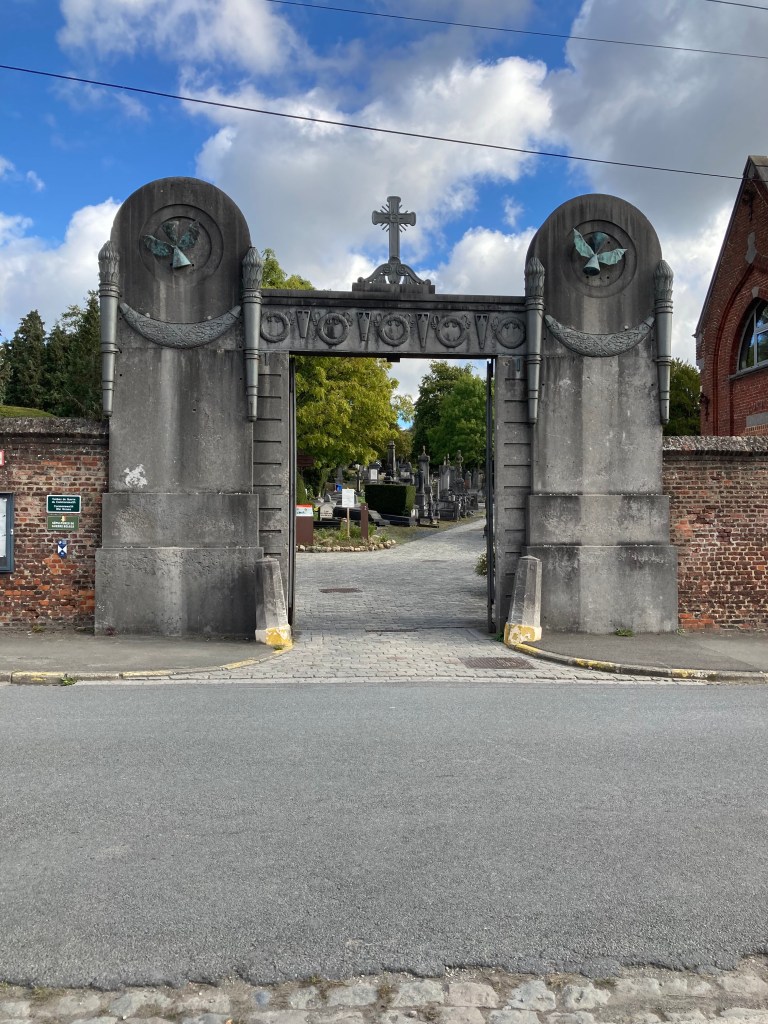
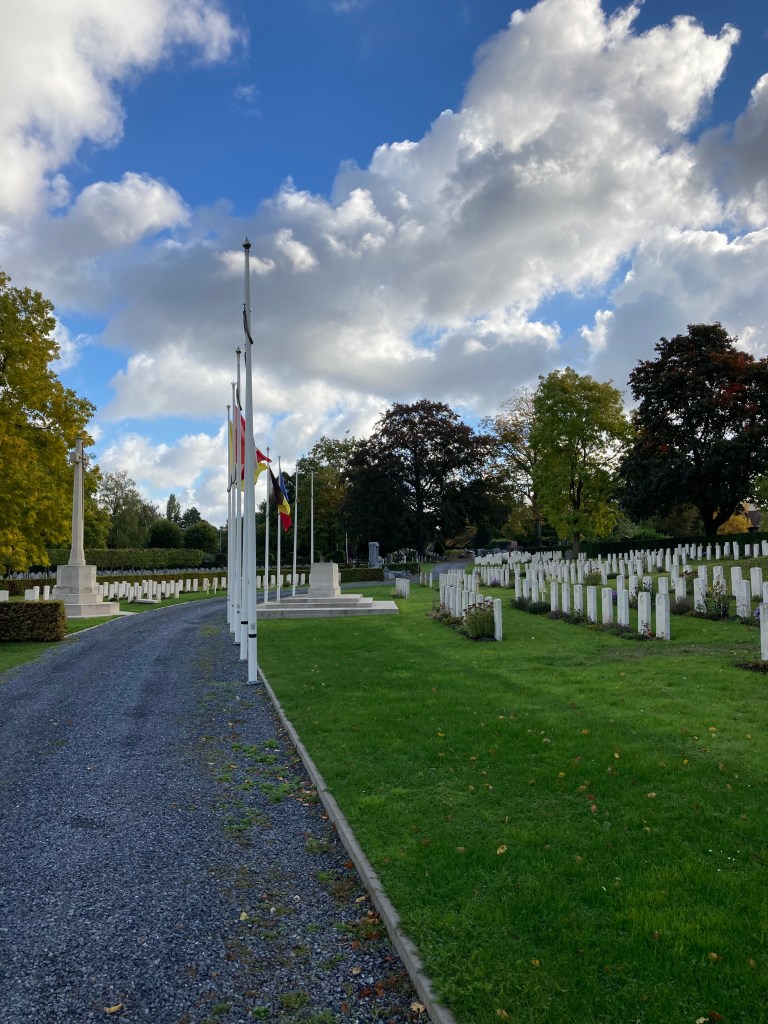
After our short time in France surrounded by war graves and sites we decided that before continuing southwards we should visit a war cemetery and Mons being so famous and close by we decided to stopover for a couple of nights. It was a good choice as we later learned that Mons is where the British entered the war and the first British bullet was fired.

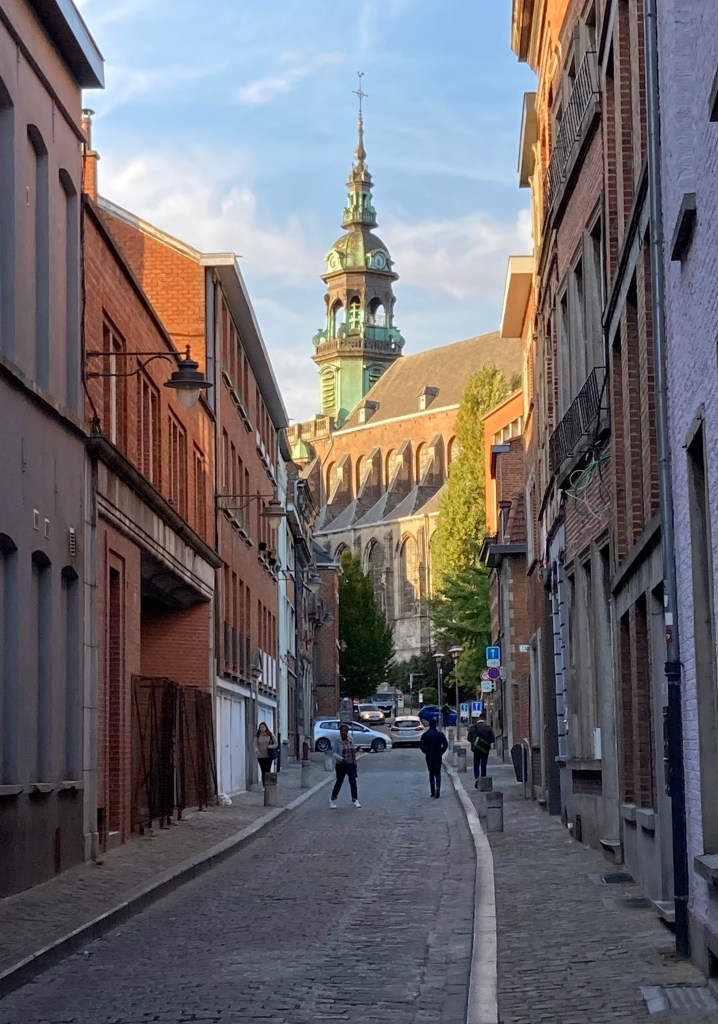
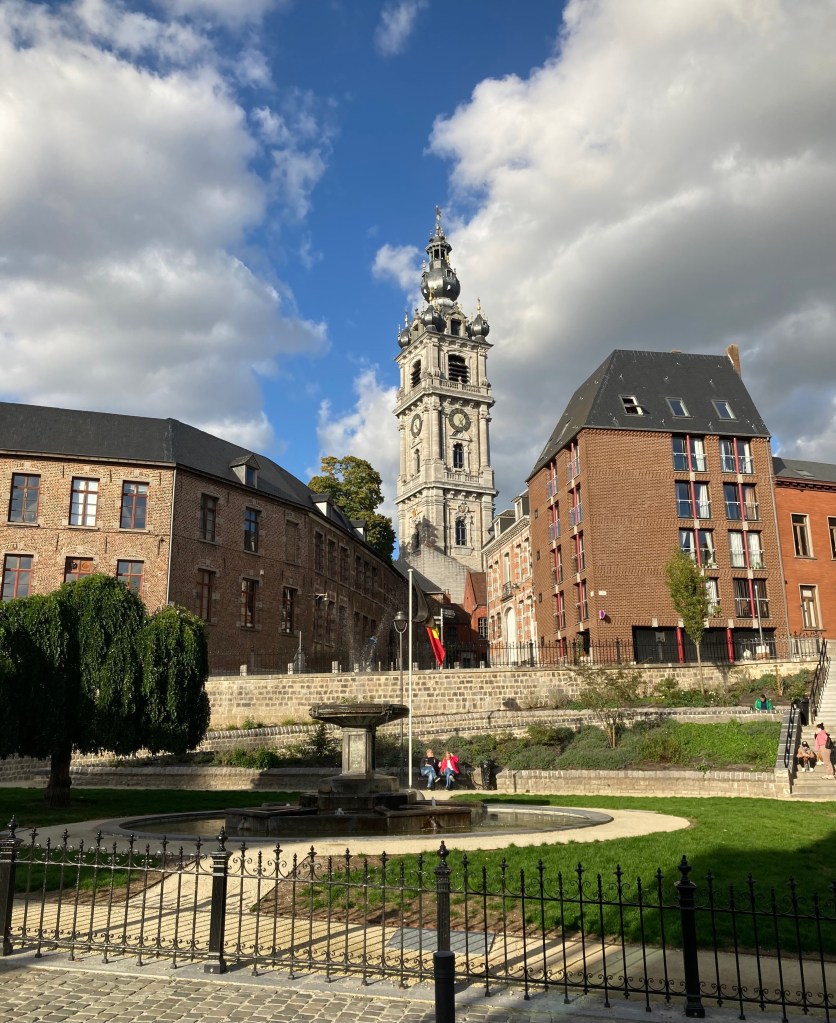
On arriving we realised that Mons had more to offer in the shape of numerous museums of interest, a cathedral and a very attractive town centre.

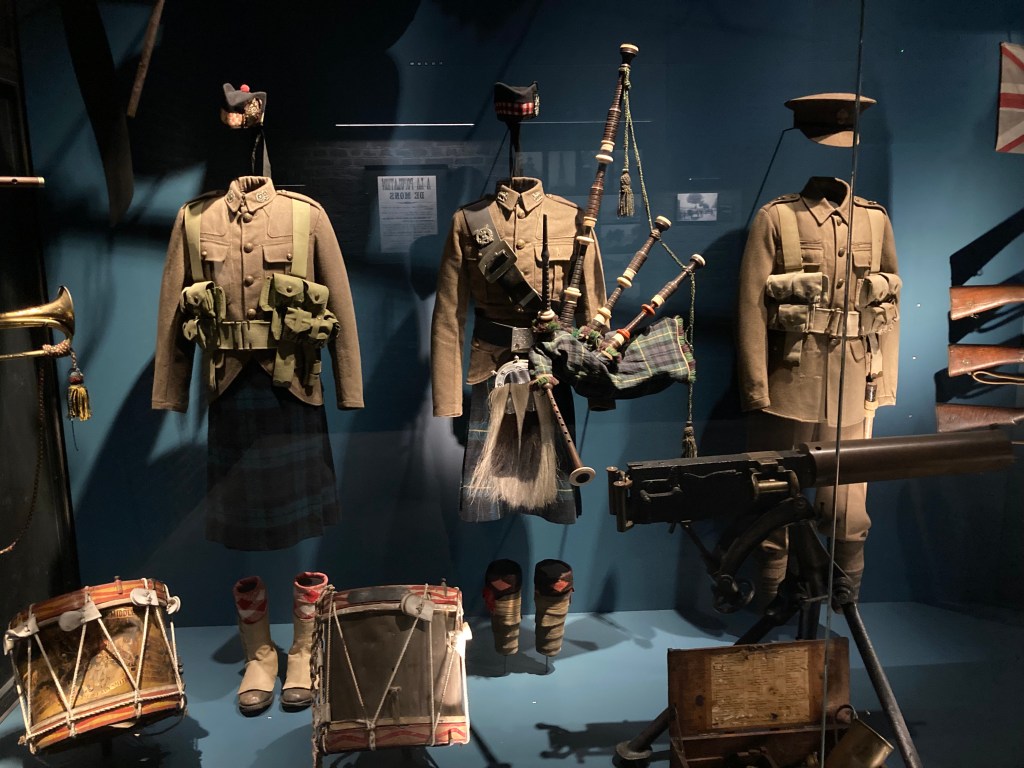
Our first visit was to the Mons military museum which was very informative as it not only covered both world wars it described the numerous historical battles for the control of Mons itself going as far back as the Middle Ages.

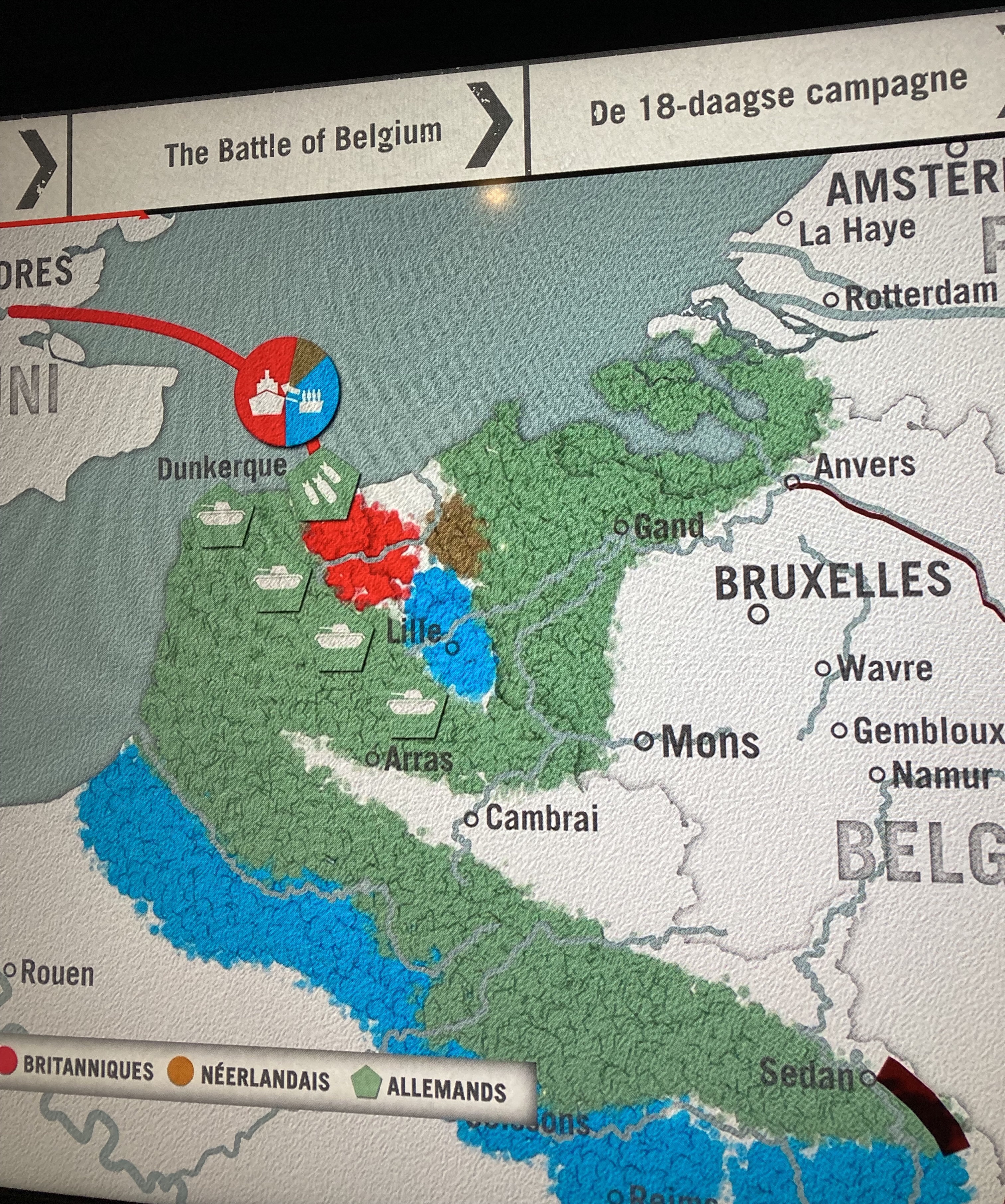
It had a very good visual display showing the moving lines of battle and how the allies were encircled and pushed back resulting in the evacuation at Dunkirk and an insight on the planning of the evacuation. A small exploratory force had been sent to test that the sand would take the weight of the vehicles and a group of soldiers were practising for the evacuation on the Welsh coast. They were spotted by German submarines subsequently attacked and many died, not something you learn in history books.

Sadly the other two places that interested us were not accessible to us, the Francois Duesberg clock museum was closed though it was published as being open and the Bam museum was restricted to members of the press only for a pre show viewing.

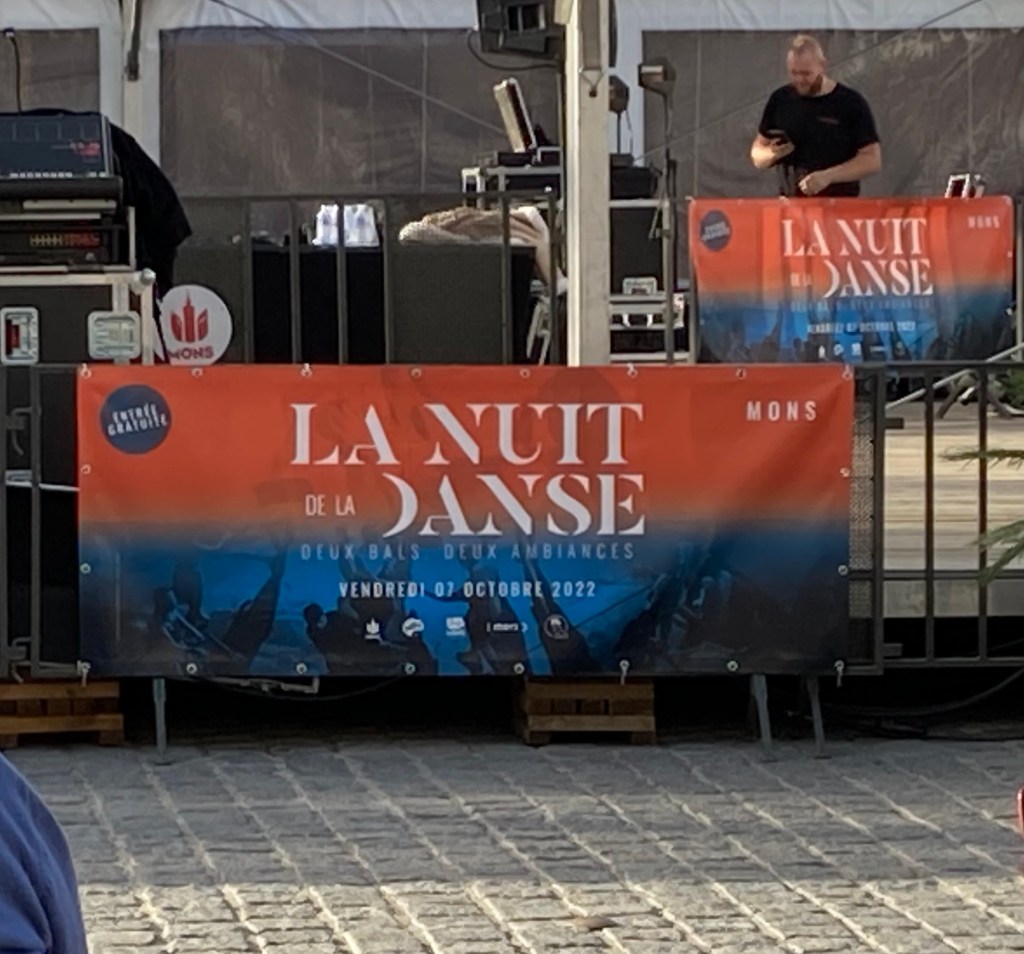
We had noticed there was an event called The night of dance in the main square that evening so to salve our disappointment we grabbed a pavement table for a few drinks and a meal whilst we watched the first couple of hours of the show before heading back to Vinnie.

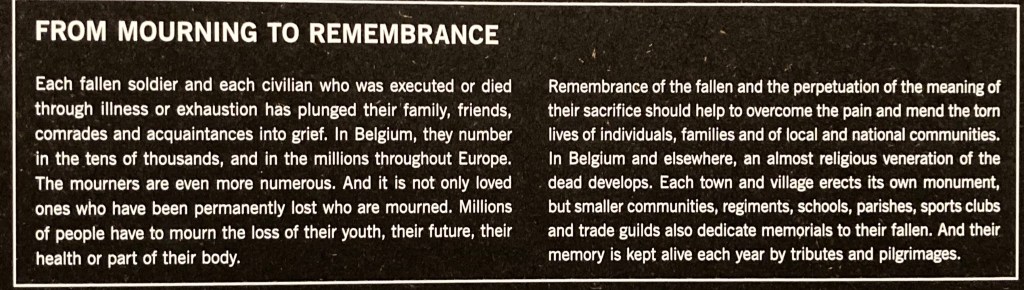
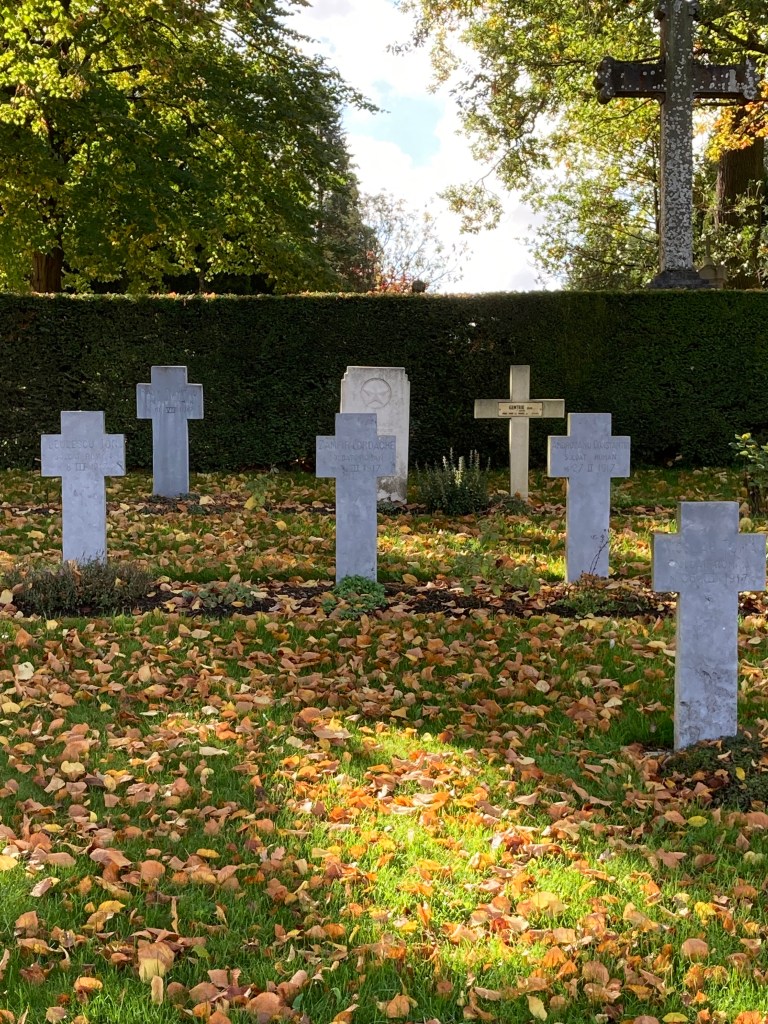
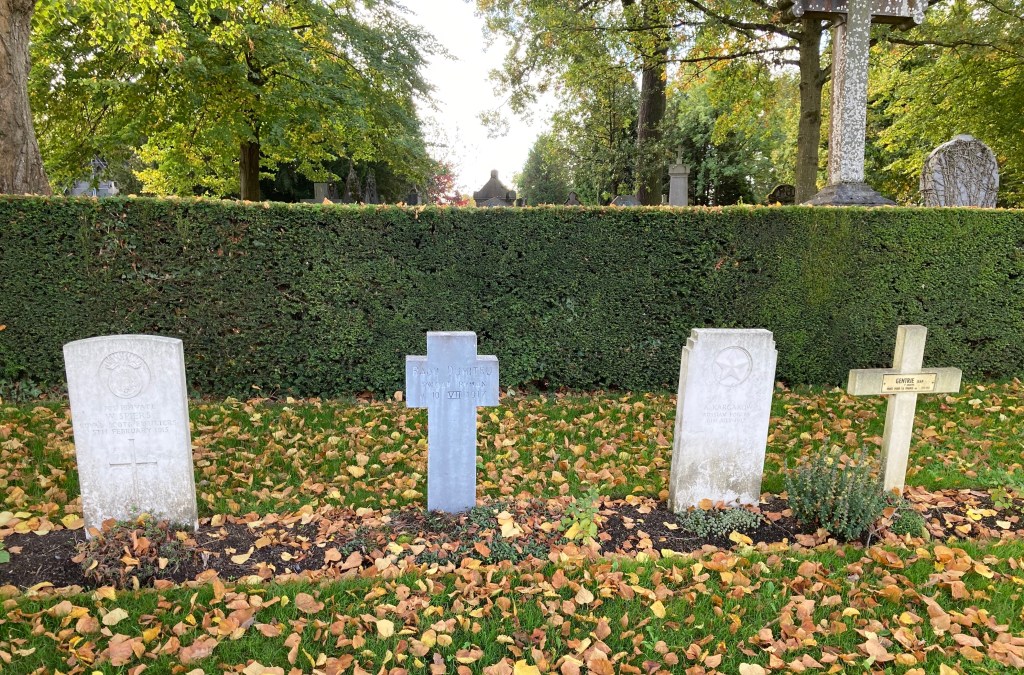
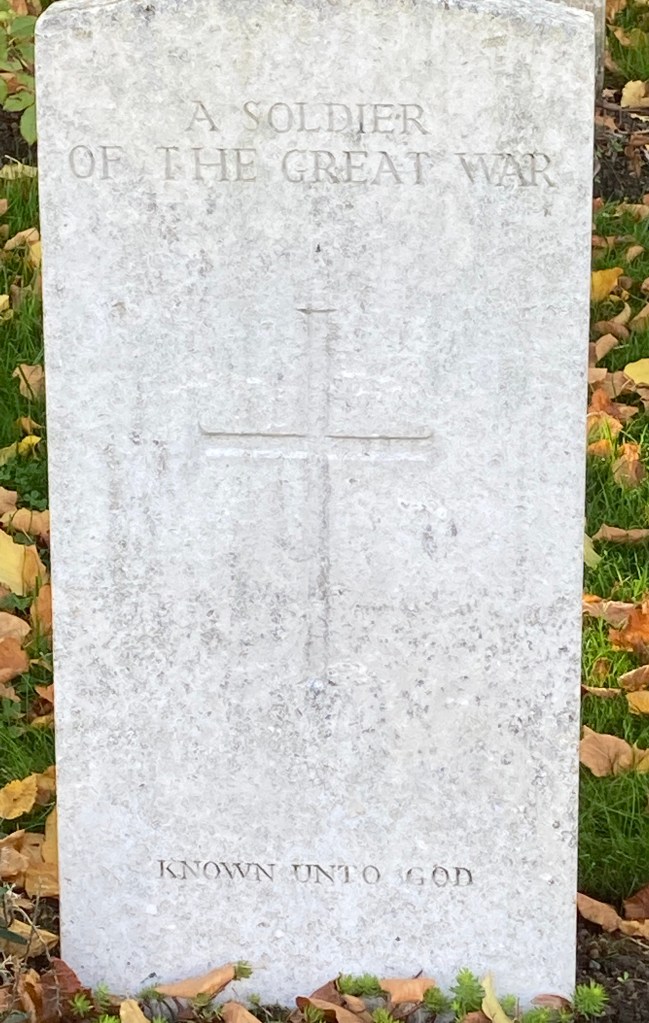
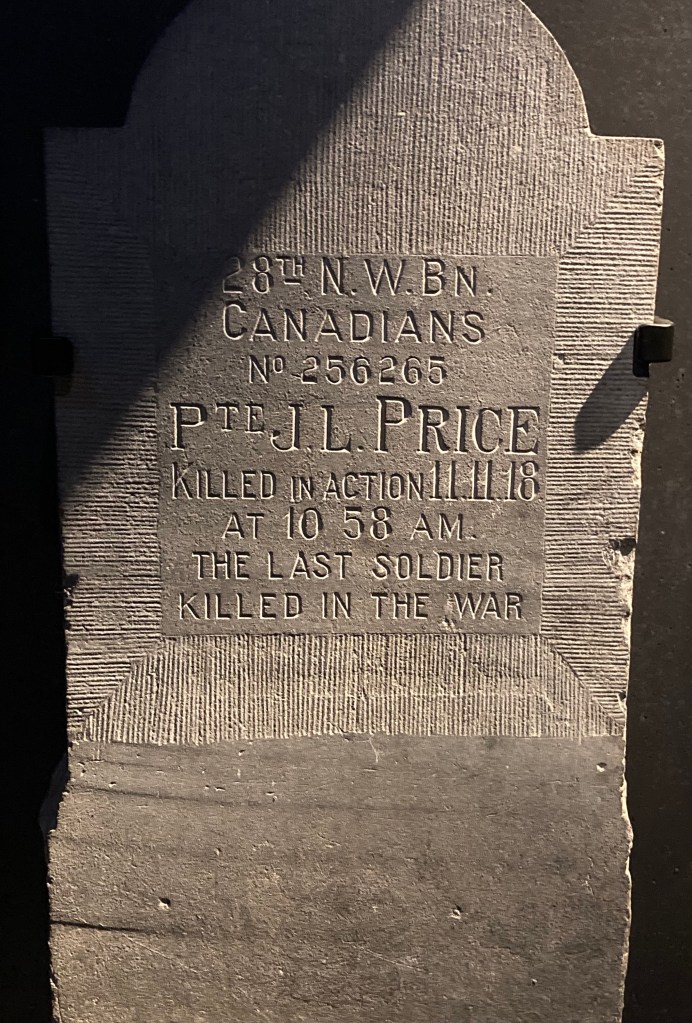
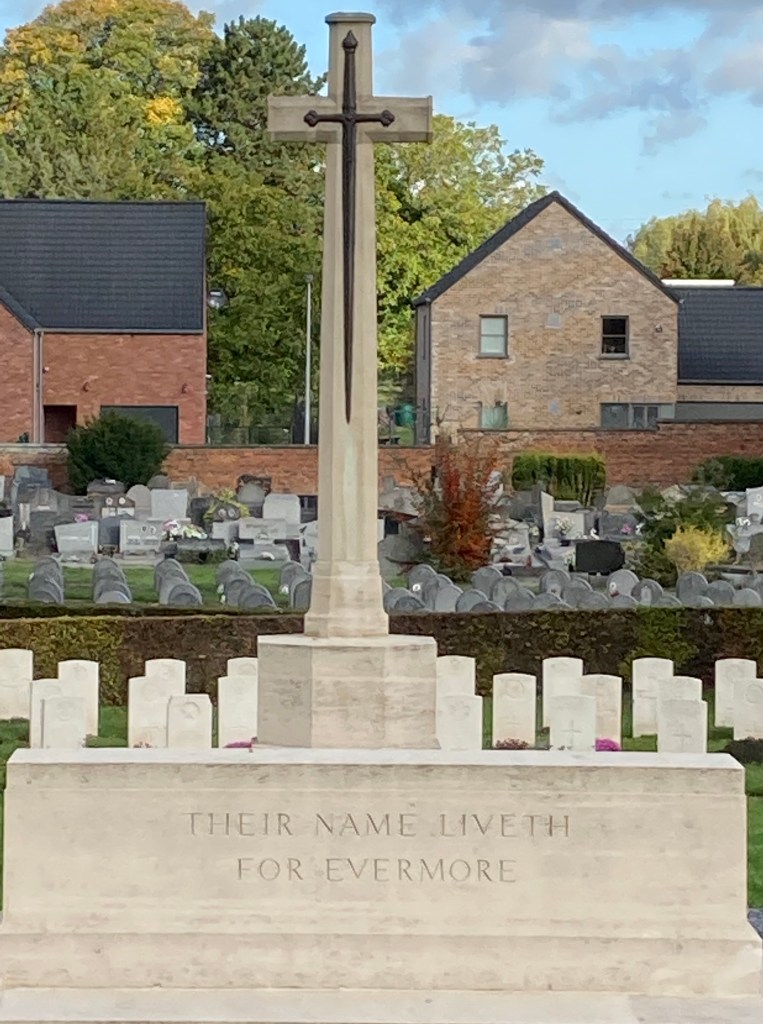
Before leaving the next morning we visited the Commonwealth war cemetery which also included other members of the allied forces ie: Polish, Russian, Romanian and American. It also contained the grave of Pte J.L.Price of the 28th Canadian regiment, the last soldier recorded as killed in the Great War a tragic two minutes before the Armistice surrender.