Category Archives: Destinations

Air & Water

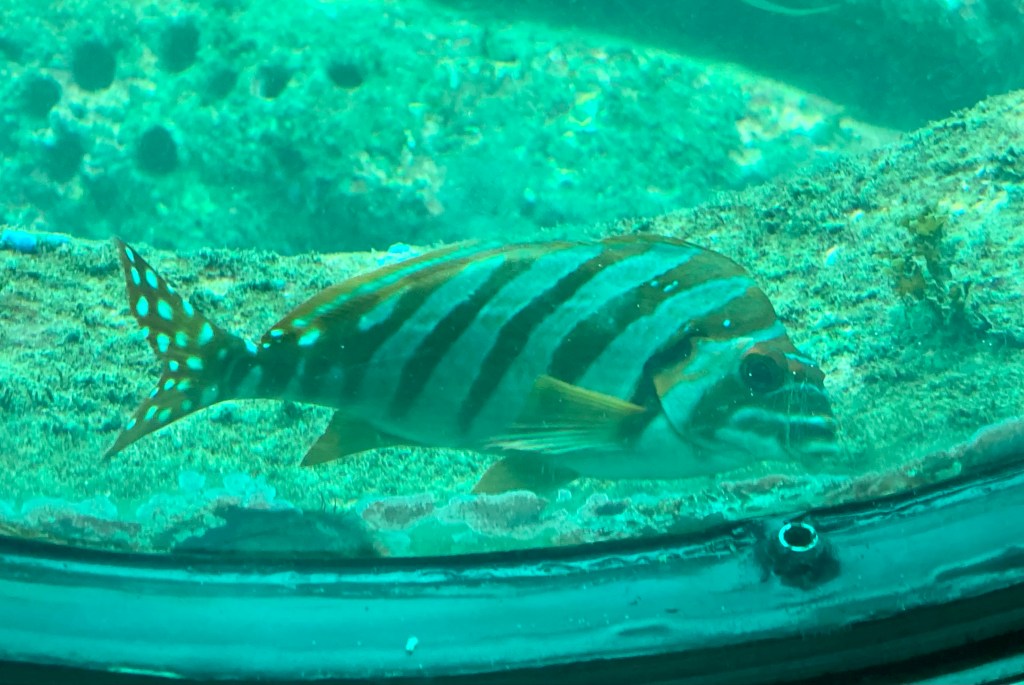
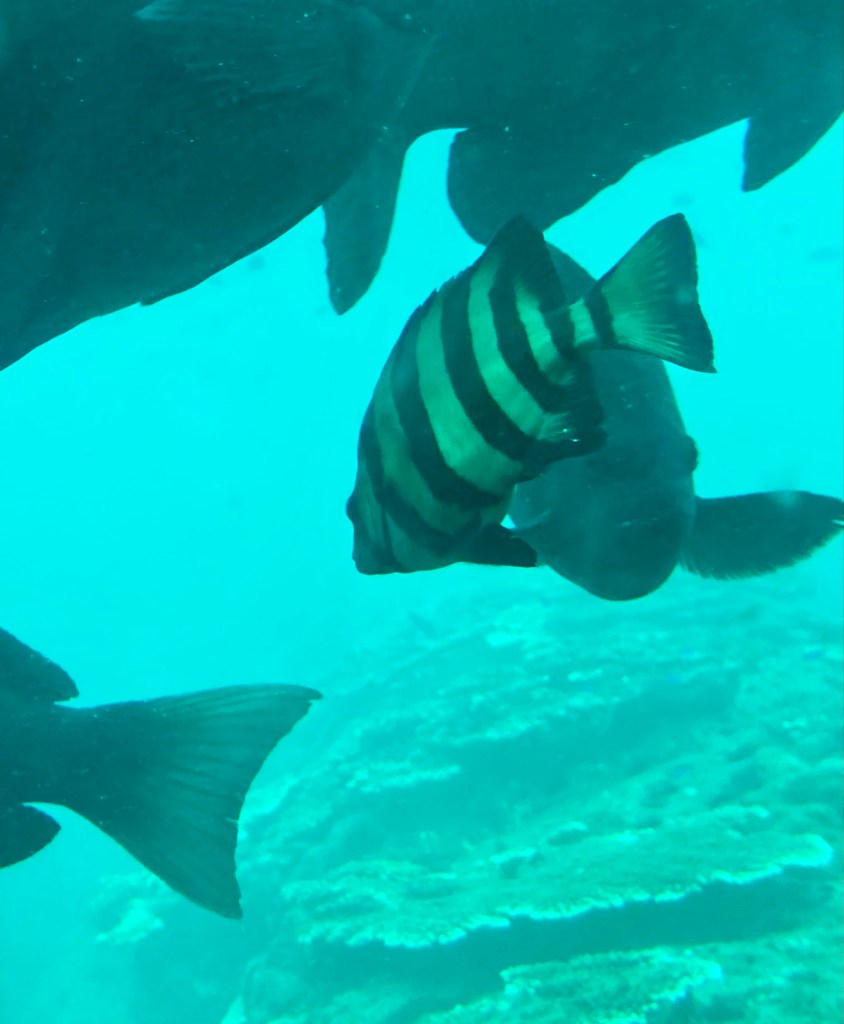
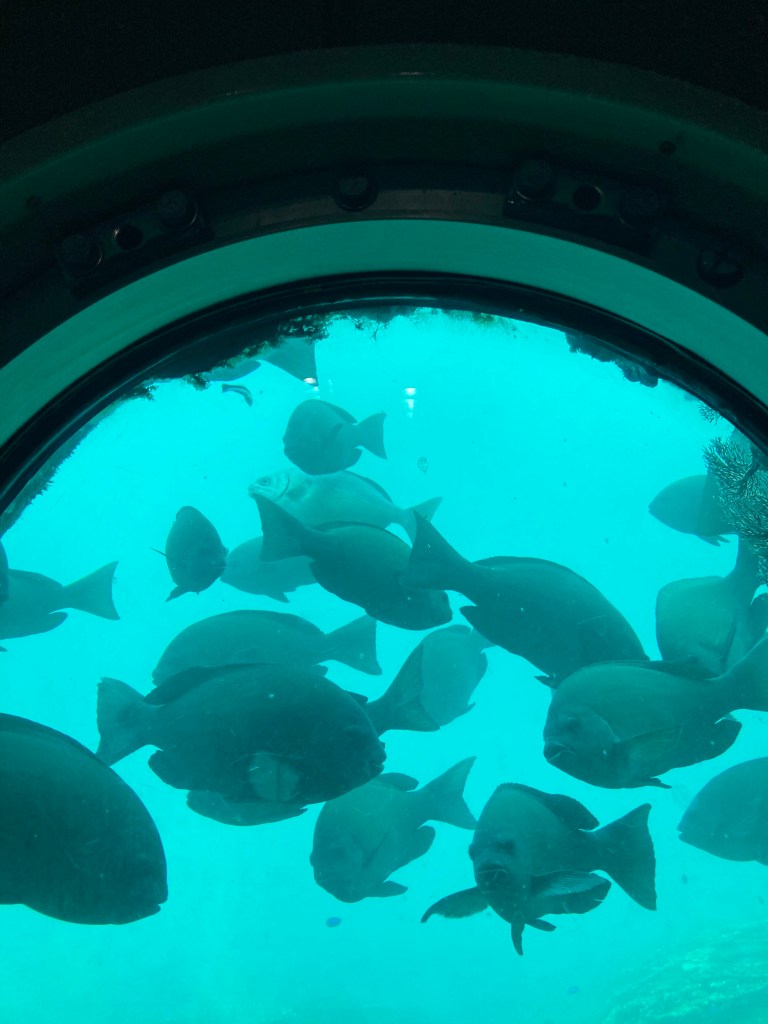
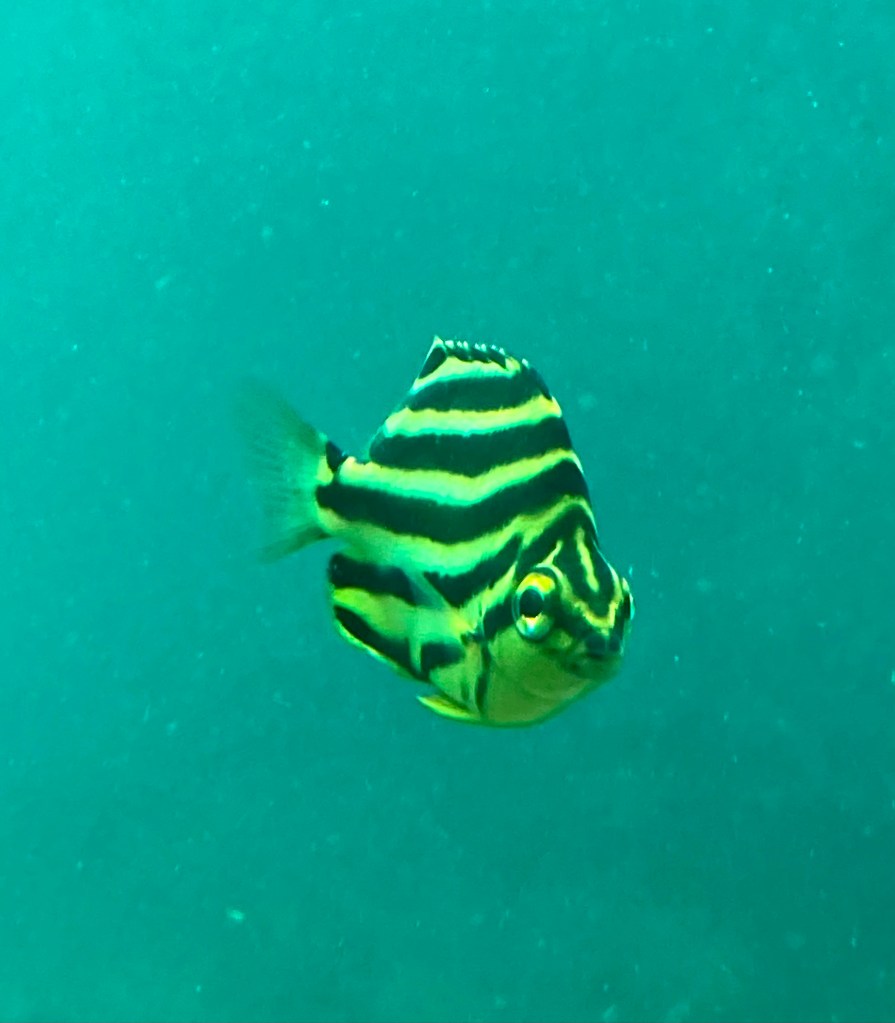
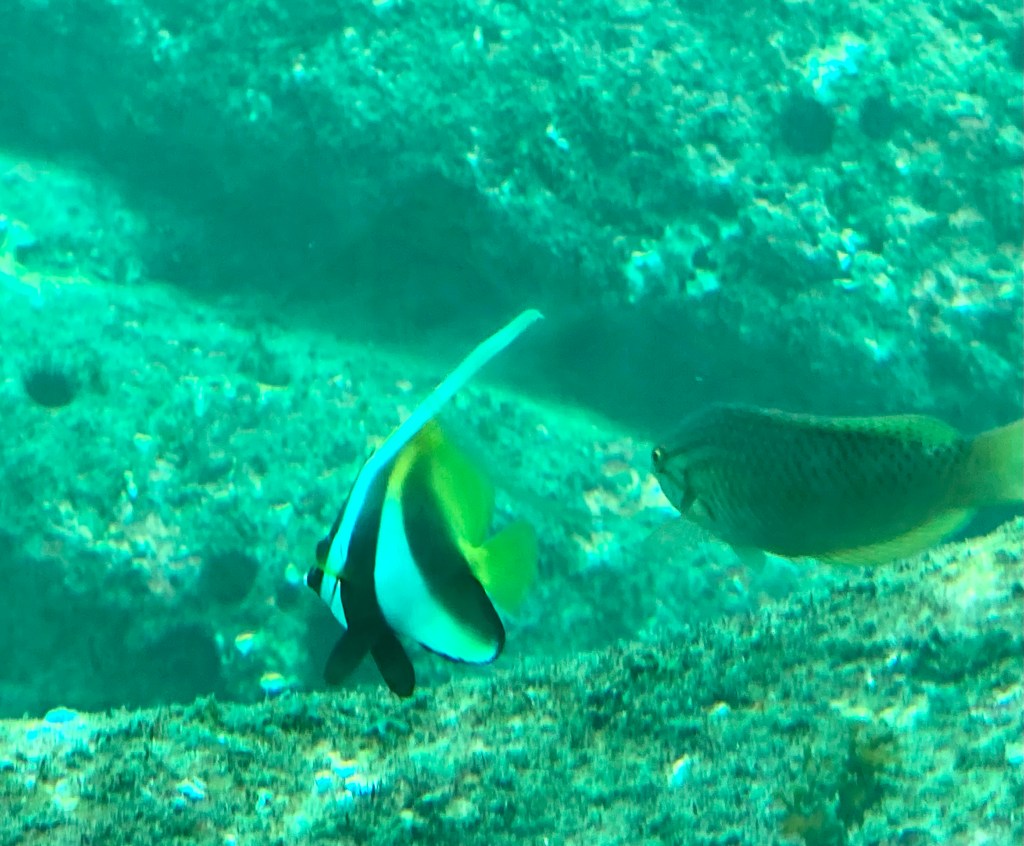
As qualified sports divers we have experienced swimming with the fishes but that was a long time ago so we were delighted to come across an underwater observation tower where we could observe fish in their natural environment without having to don wet suits and breathing gear. Built to celebrate the local area becoming Japans first National Marine park in 1972 it is popular for snorkeling and scuba diving due to an impressive coral reef teeming with fish and other sea creatures.

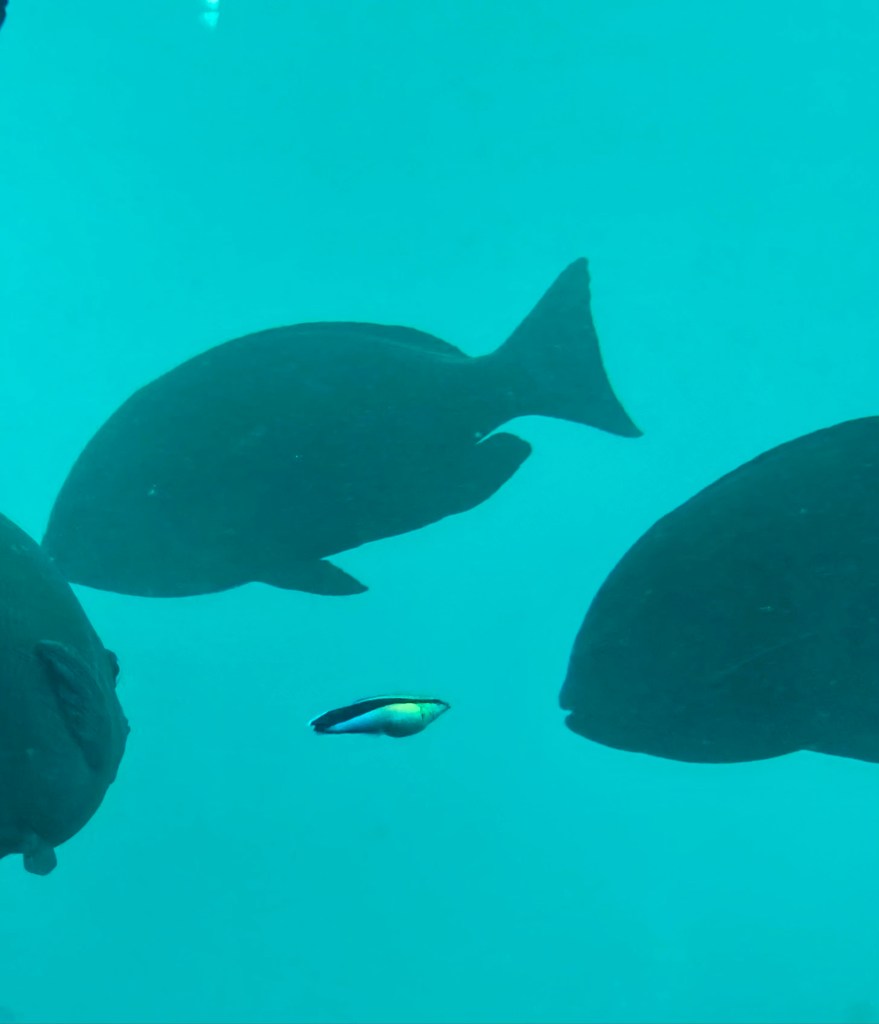
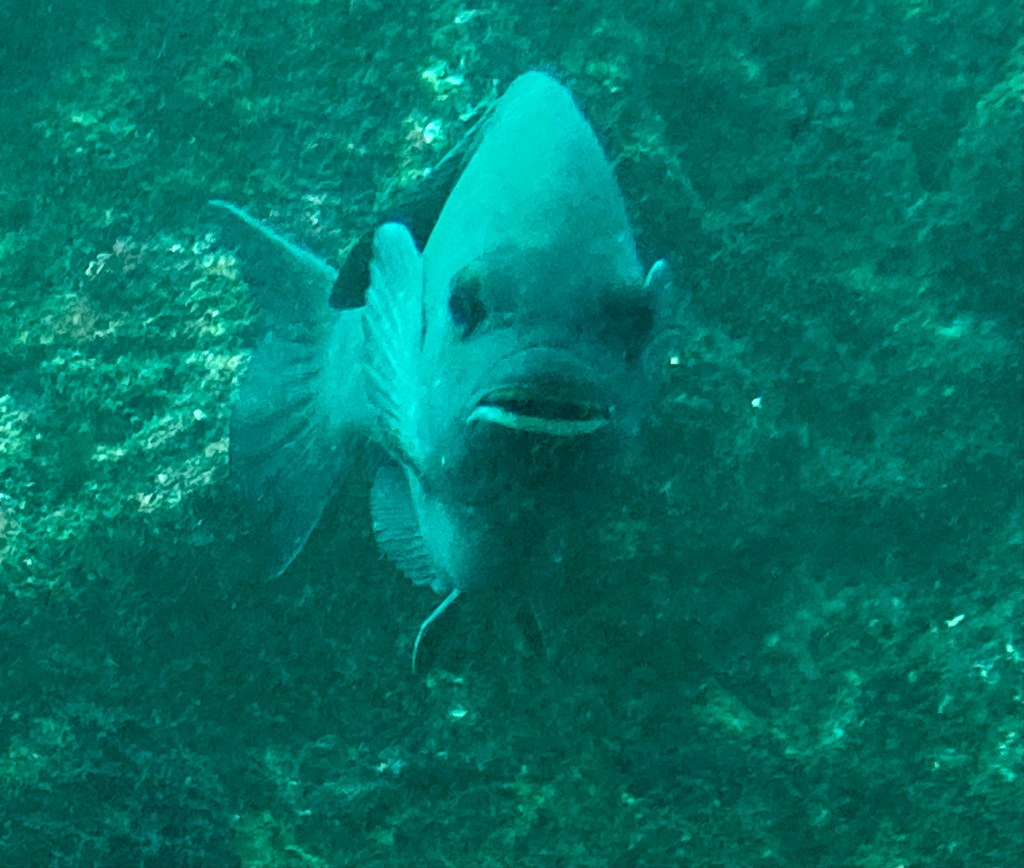
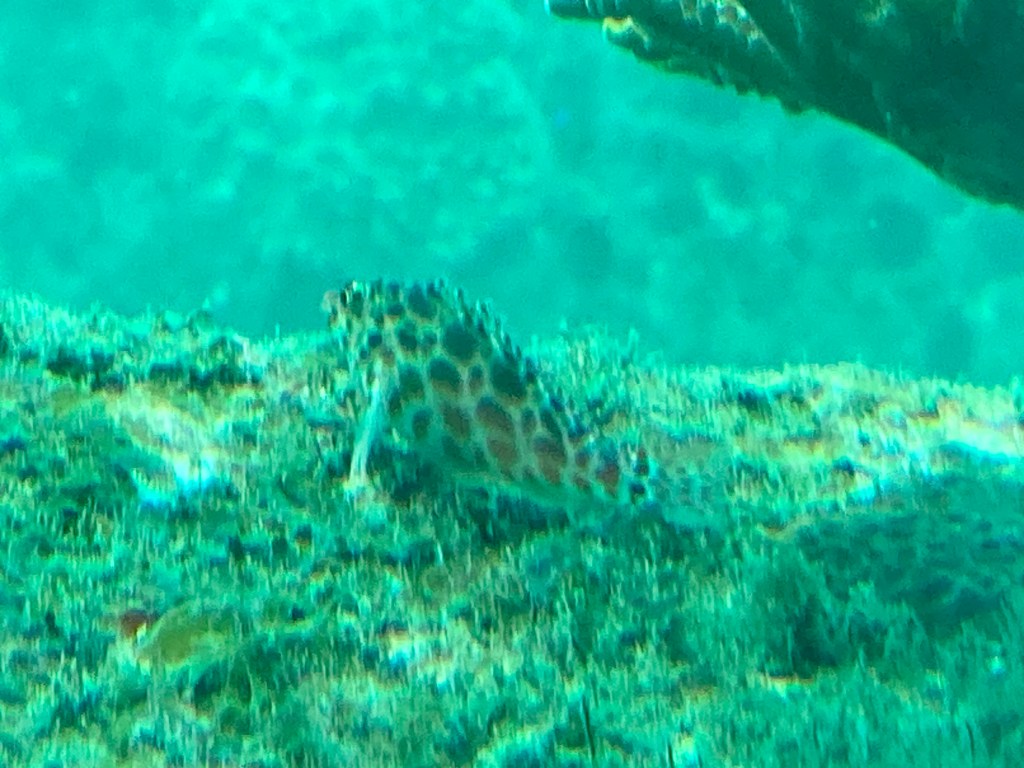
Descending internal stairs we found ourselves seven metres below water in a large circular room with portholes at different levels all the way around. We were mesmerised by not only the variety of fish but the dramatic rock formations, corals and shellfish clinging to the rocks. People came and went but we were so captivated by the variety of fish and the constant ebb and flow of both individual fish and large shoals that we totally lost track of time. Another gem to store in the memory banks.
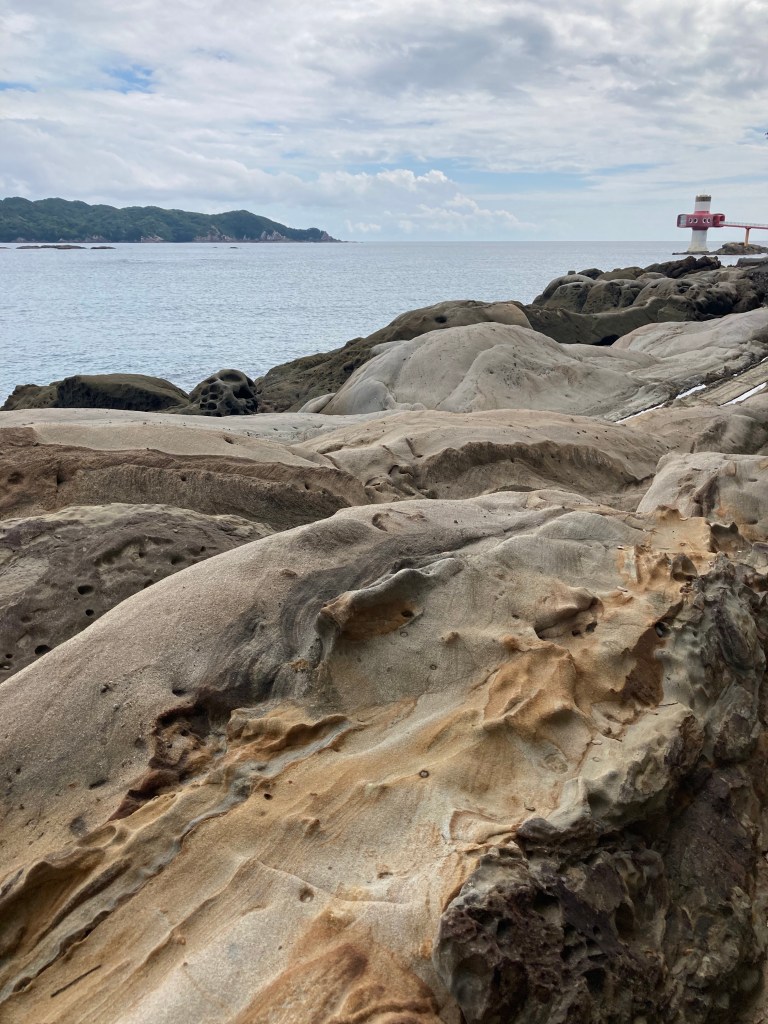
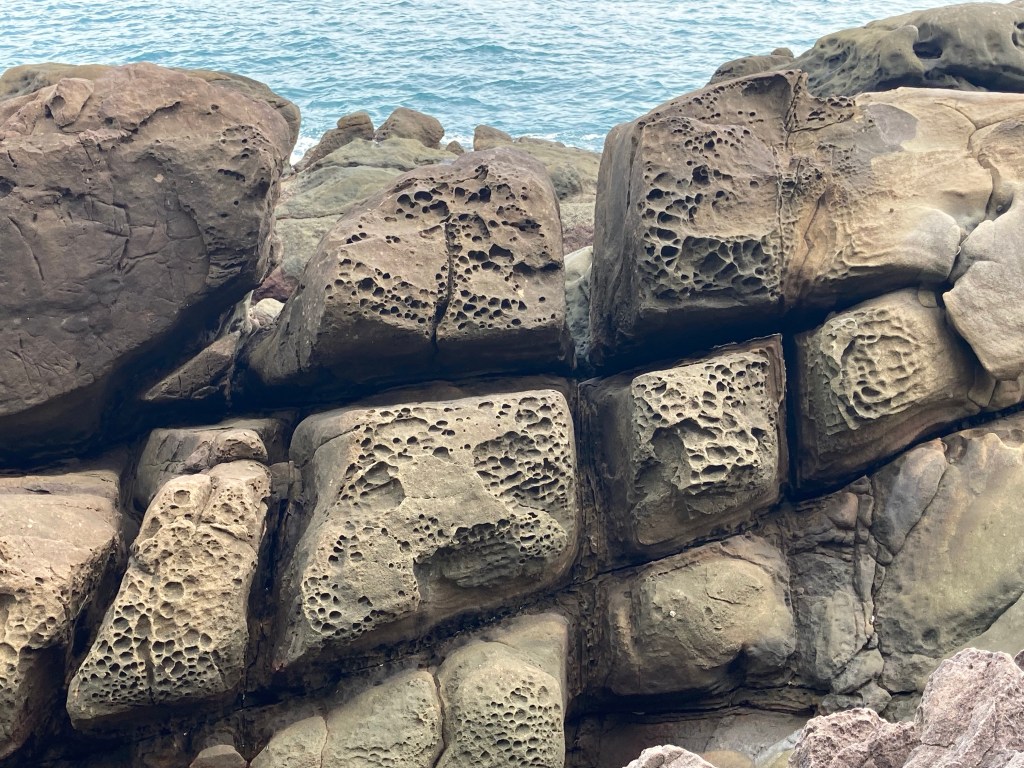
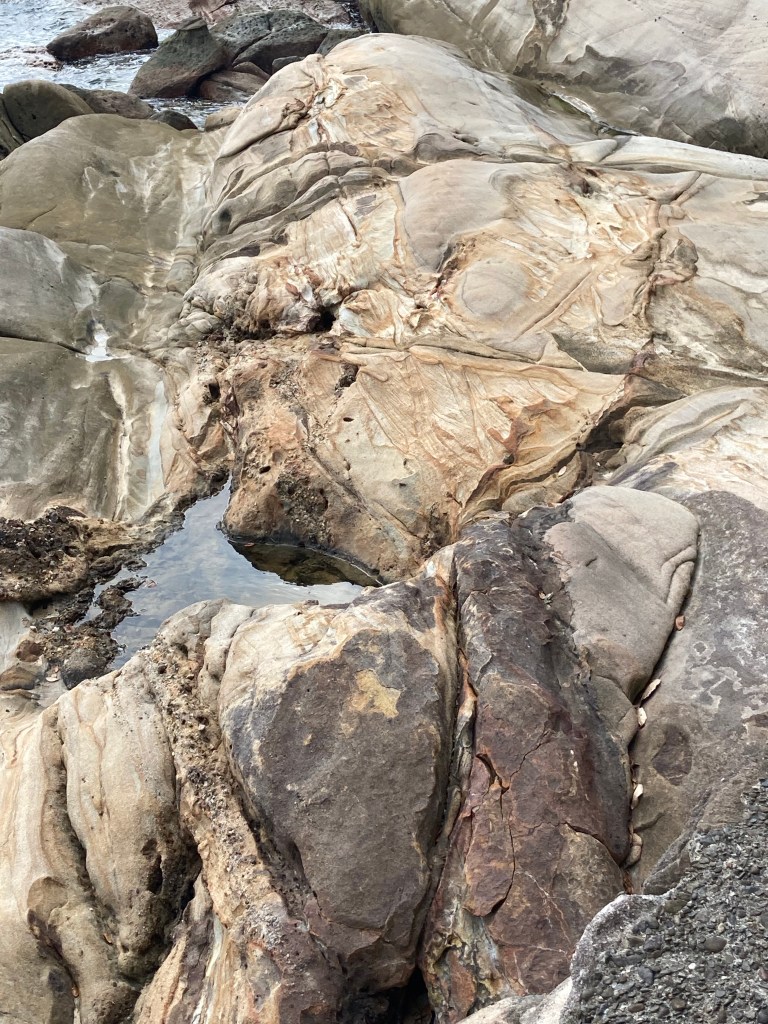
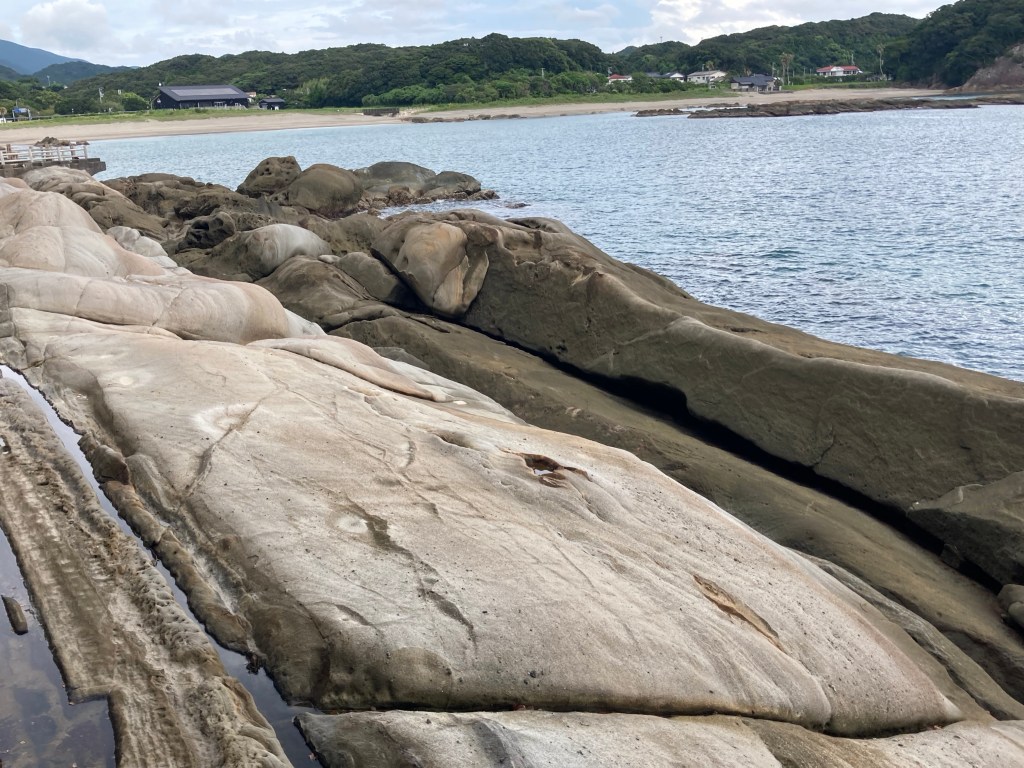
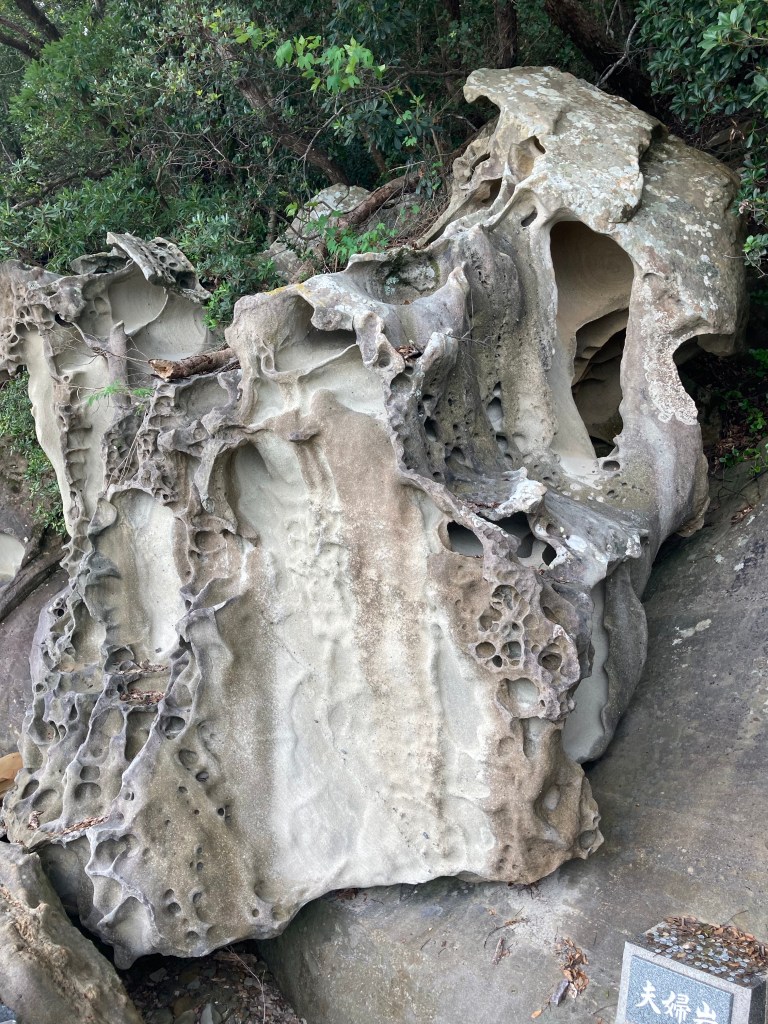
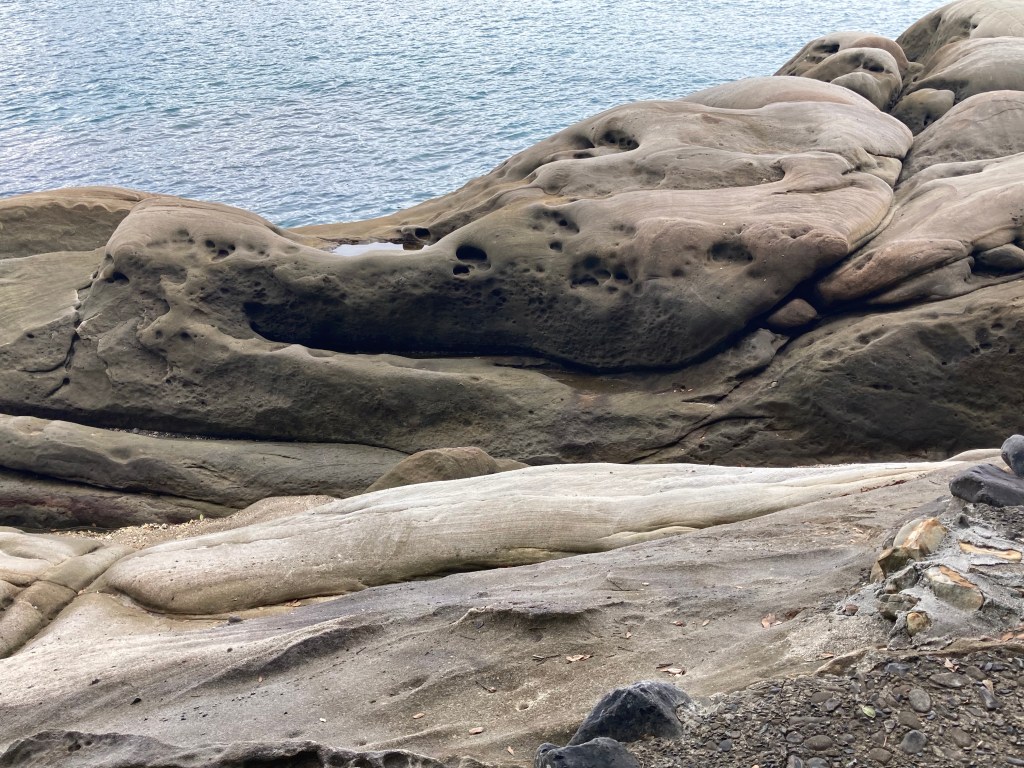
Walking back along the shoreline to the car park we began to appreciate why this area had been designated a marine park as the geology created a beautiful coastline that erosion by strong wind and waves had created interesting rock features in the approximately 5000-year-old sandstone
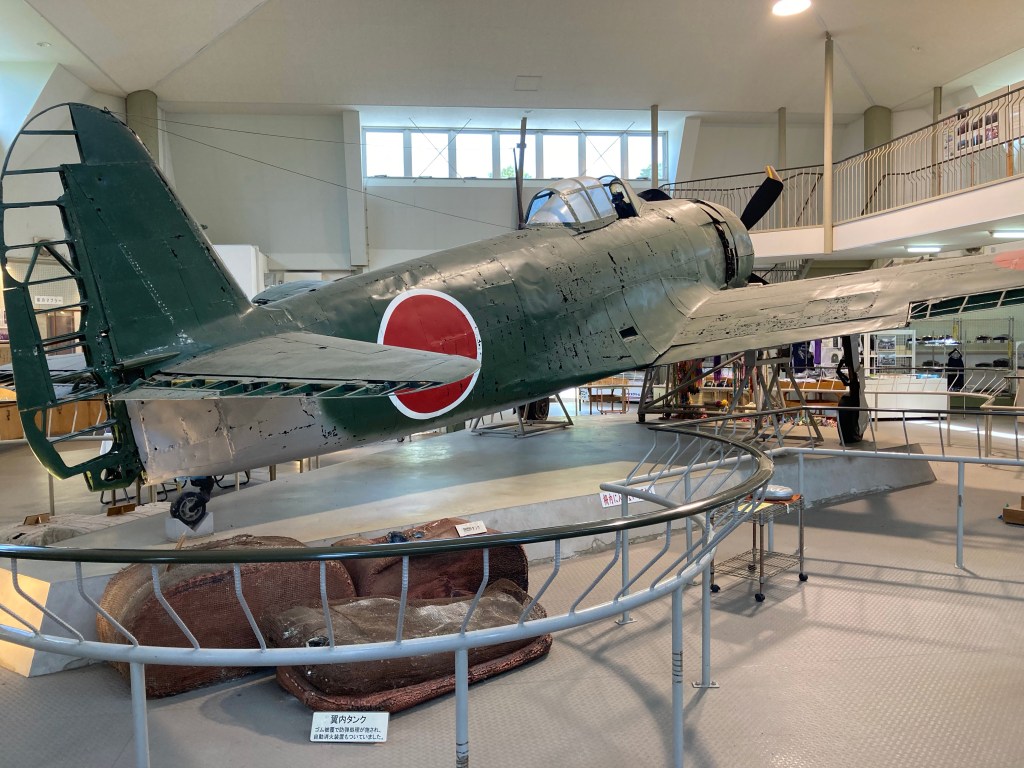
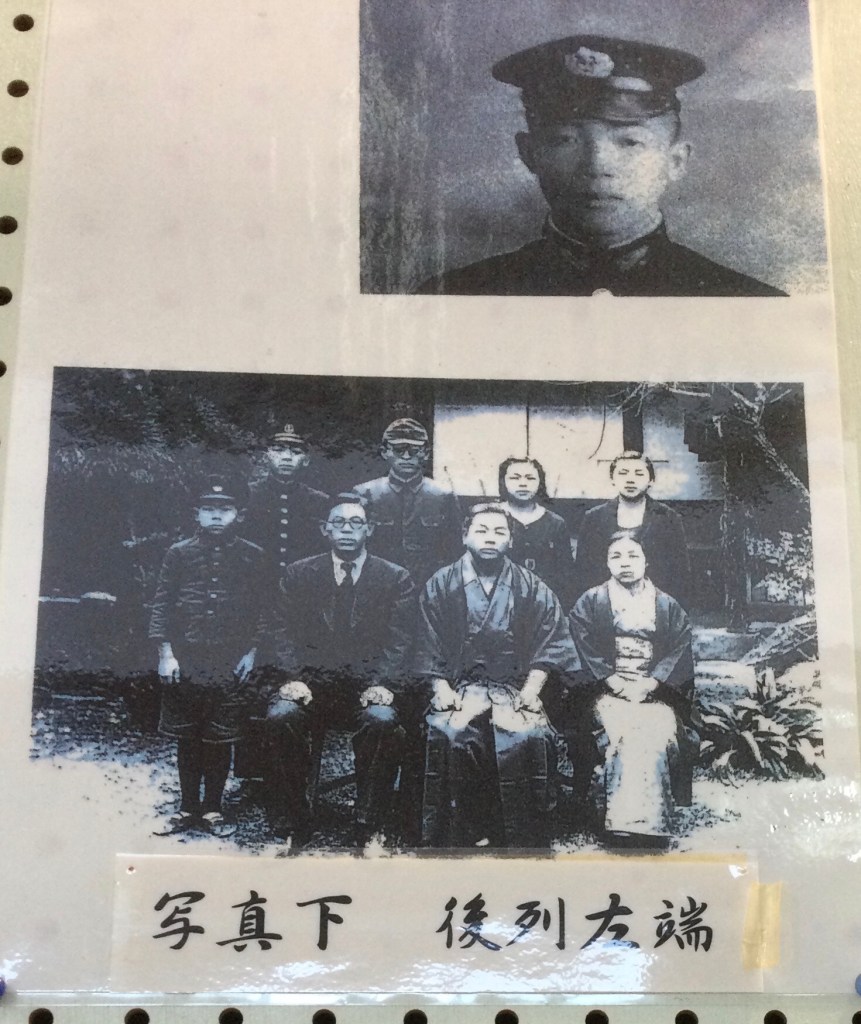
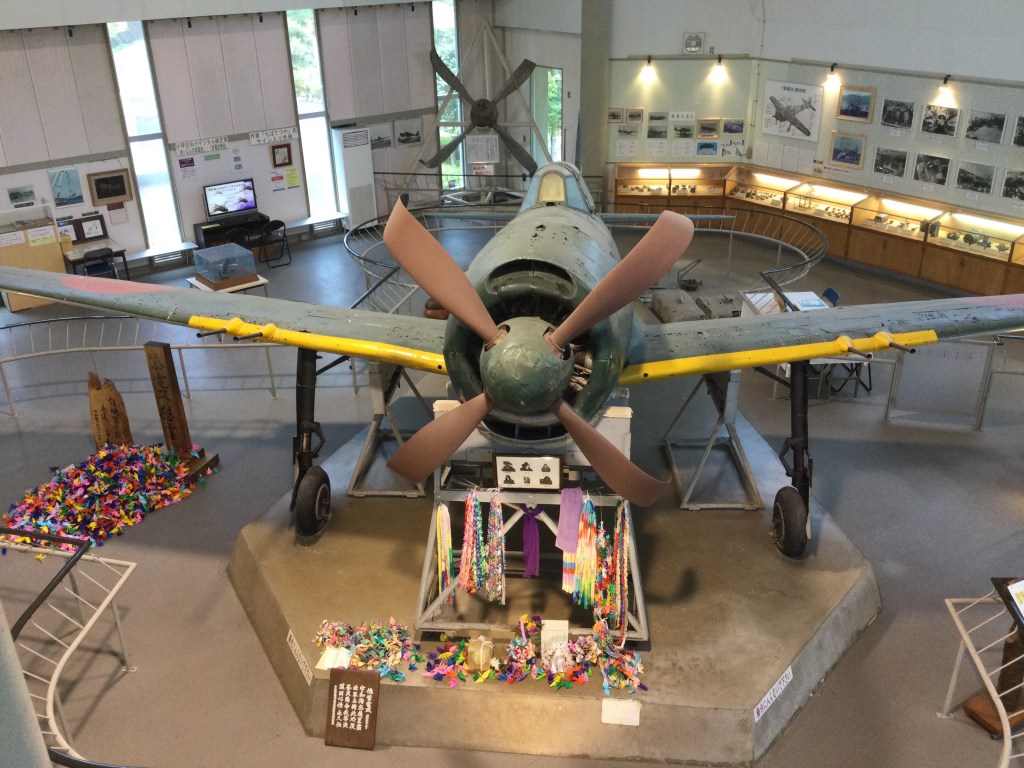
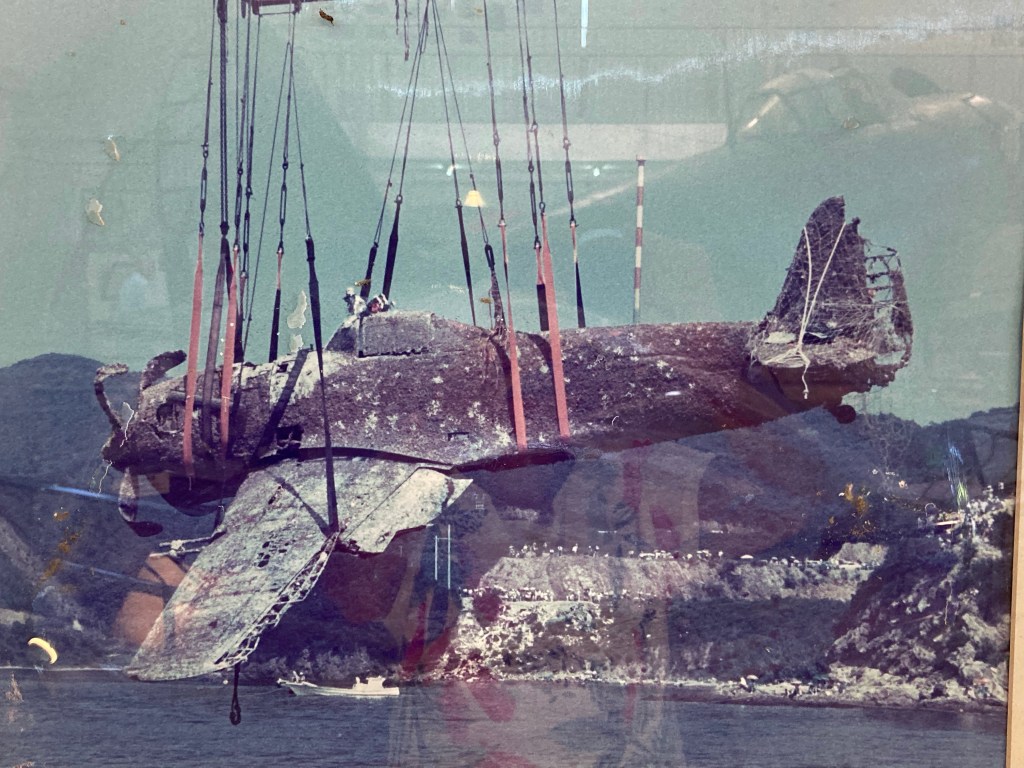
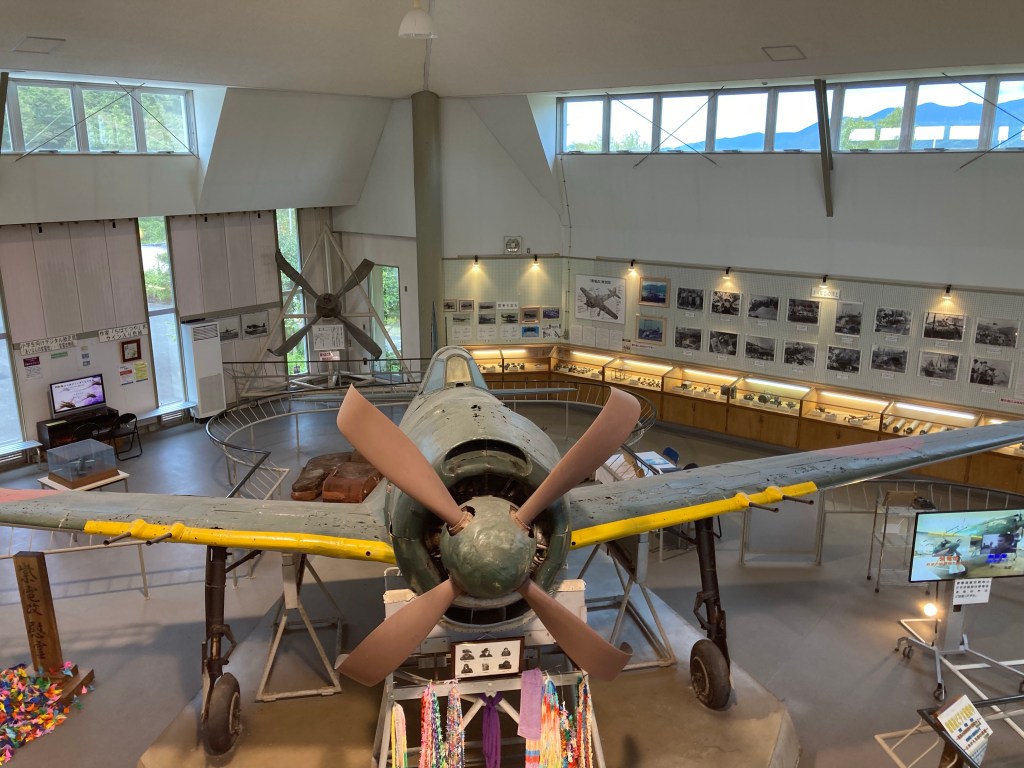
En route to the observatory we stopped off at a local war museum hoping to get an insight into Japans perspective of World War Two. However the whole museum was dedicated to a WW2 Japanese plane salvaged from the ocean with all its relevant parts and pictorial testimonials to some of Japans pilots who flew that type of plane. We came away thinking they had missed an opportunity to educate people more by not having a section that informed about Japans Pacific War at a national level.
Earth Celebration -Sado Island

What is the Earth Celebration event ?

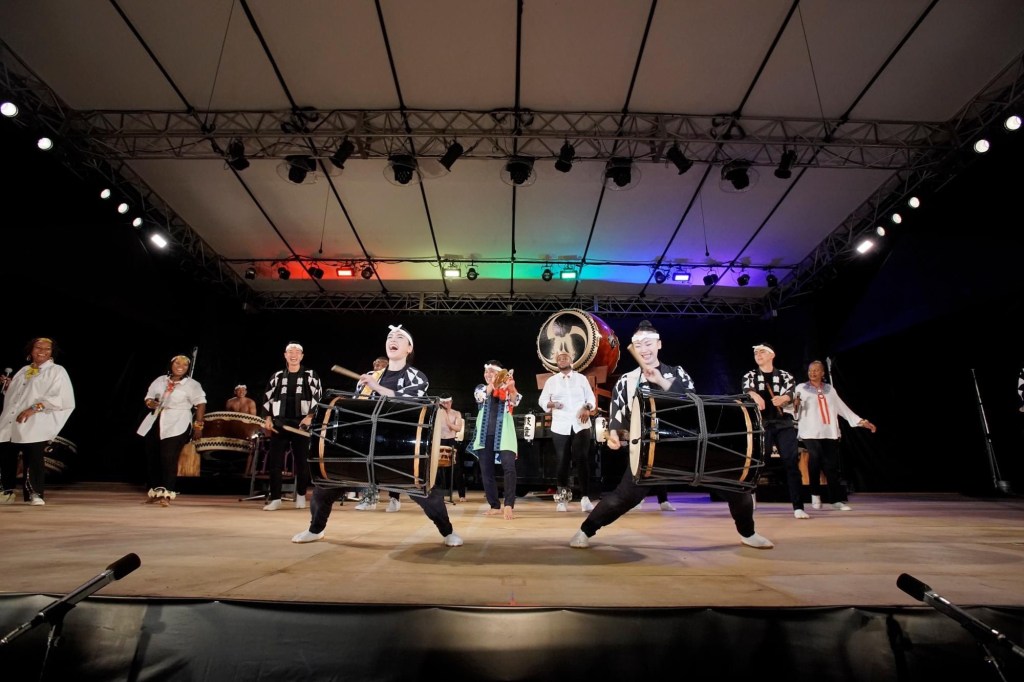
Kodo is a taiko drumming group based on Sado island which began in 1981 and a major founding member was Toshio Kawauchi who wrote in a 1983 newsletter that he would like to see an event that becomes an experiment in strengthening the community ties of all the worlds inhabitants, and through a mutual understanding of the music establish a new Earth culture that brings people one step closer to a world where people can truly live as human beings. Thus was born the Earth Celebration festival and its aim is simply to deliver his vision that “Under a star filled summer night sky, with the beats of the drum carried far away on the oceans roar the sound of Gamelon and sacred Shinto music fills the air.
Having followed the Kodo drummers since we saw them way back in 1987 when they visited Sadler’s Wells we have long held a dream to see them perform at their annual celebration on their home territory on Sado Island and this trip around Japan was partly about making that dream come true

Having, months earlier, stayed up until the early hours Charles managed to secure tickets for the 2 main shows we wanted to see so the first thing we did on disembarking the ferry was to collect our tickets from the site box office. We then headed to our pre booked campsite next to the beach on the outskirts of the town.

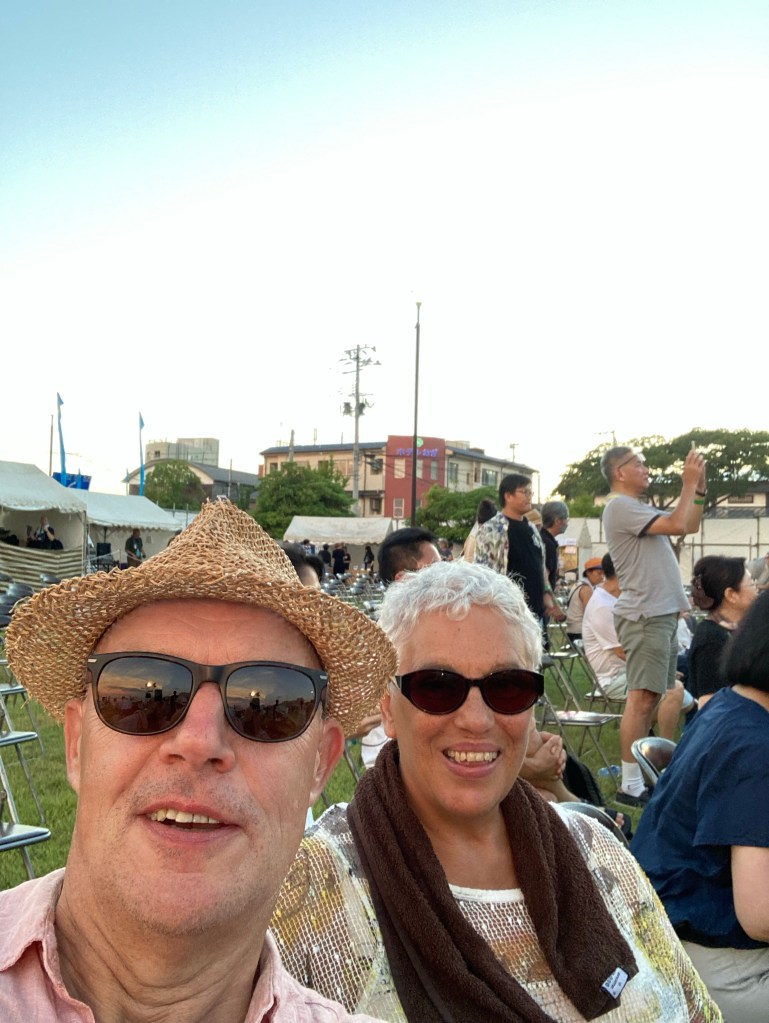
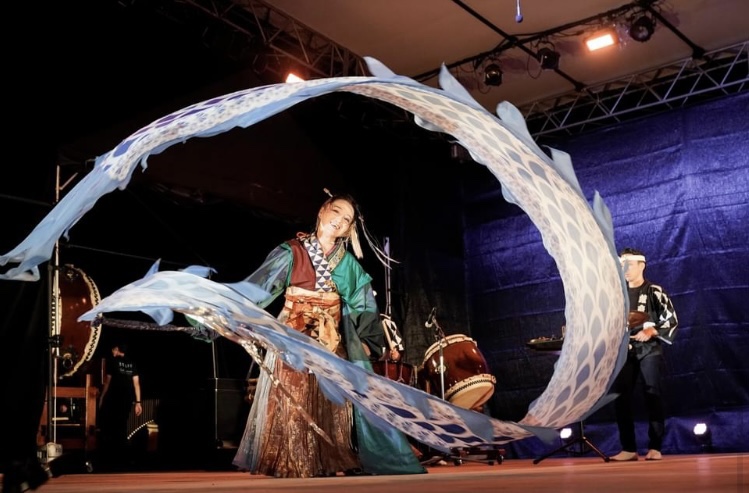
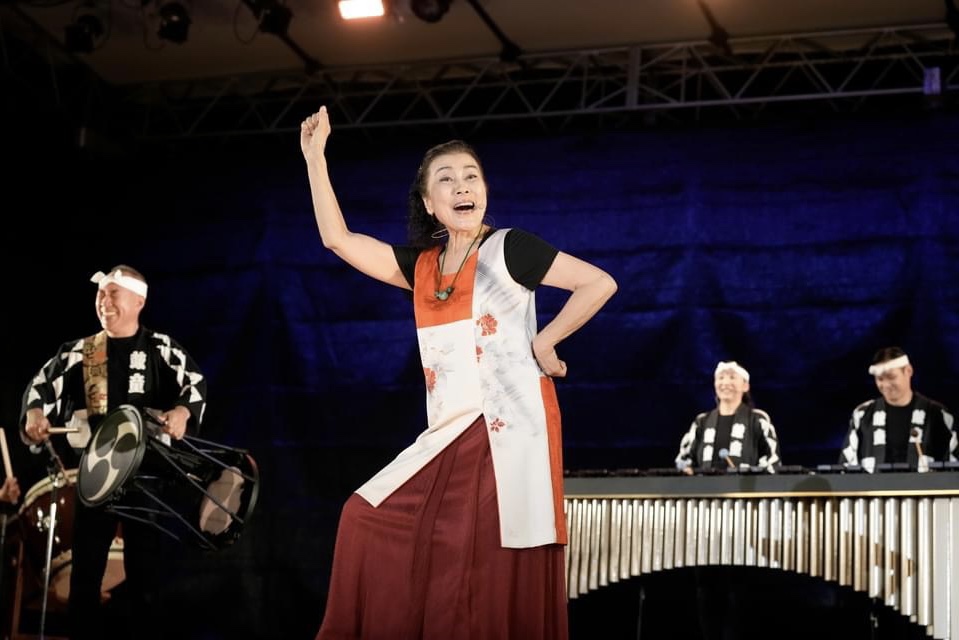
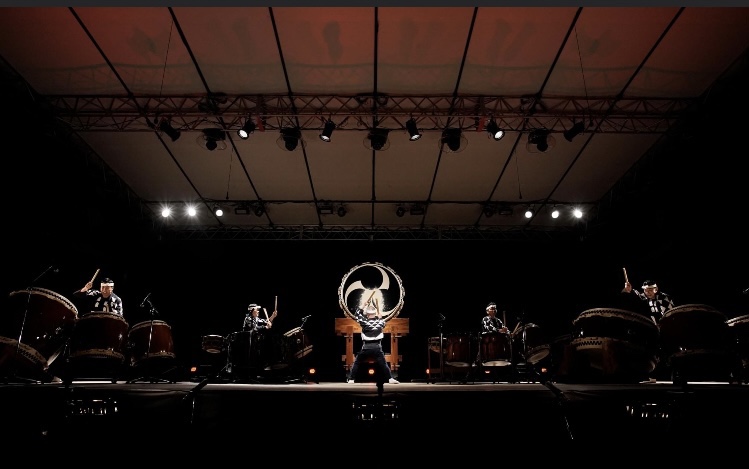
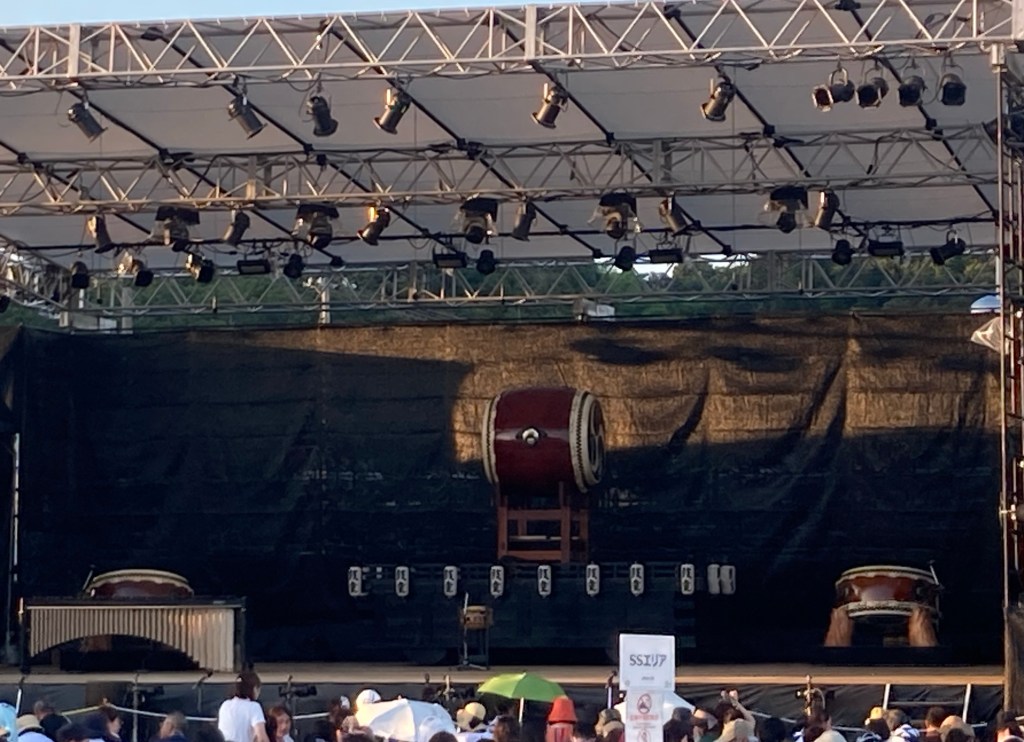
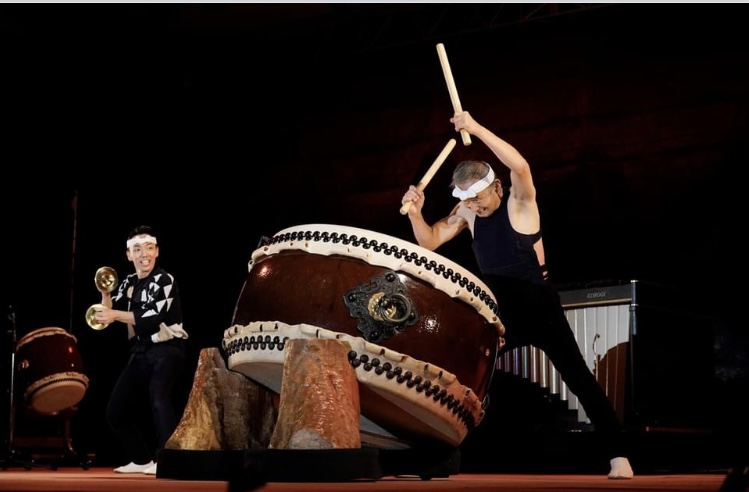
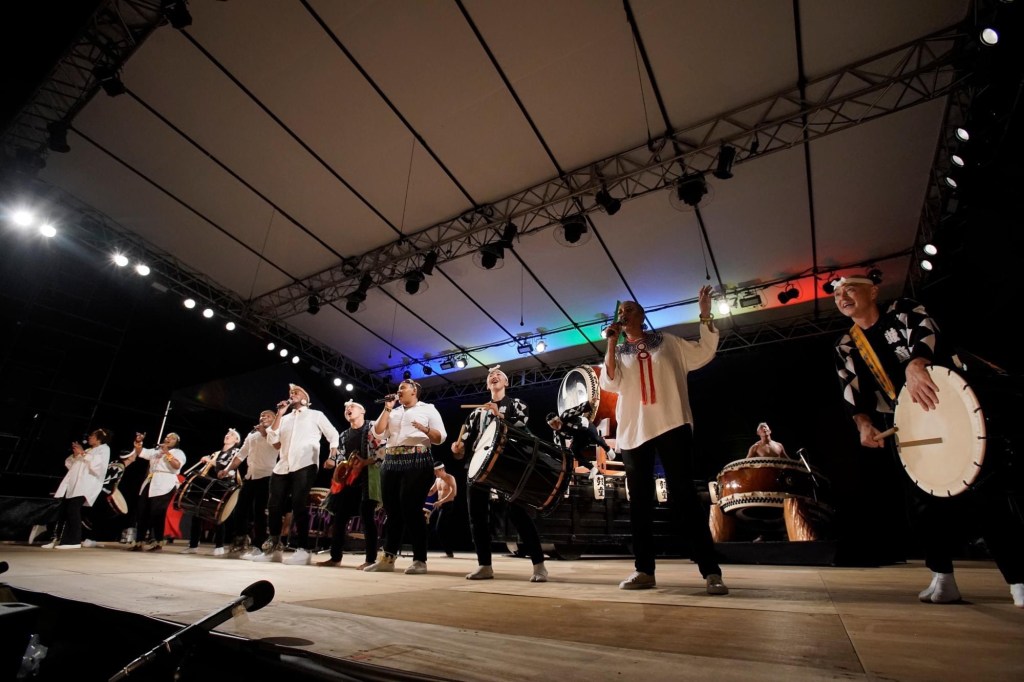
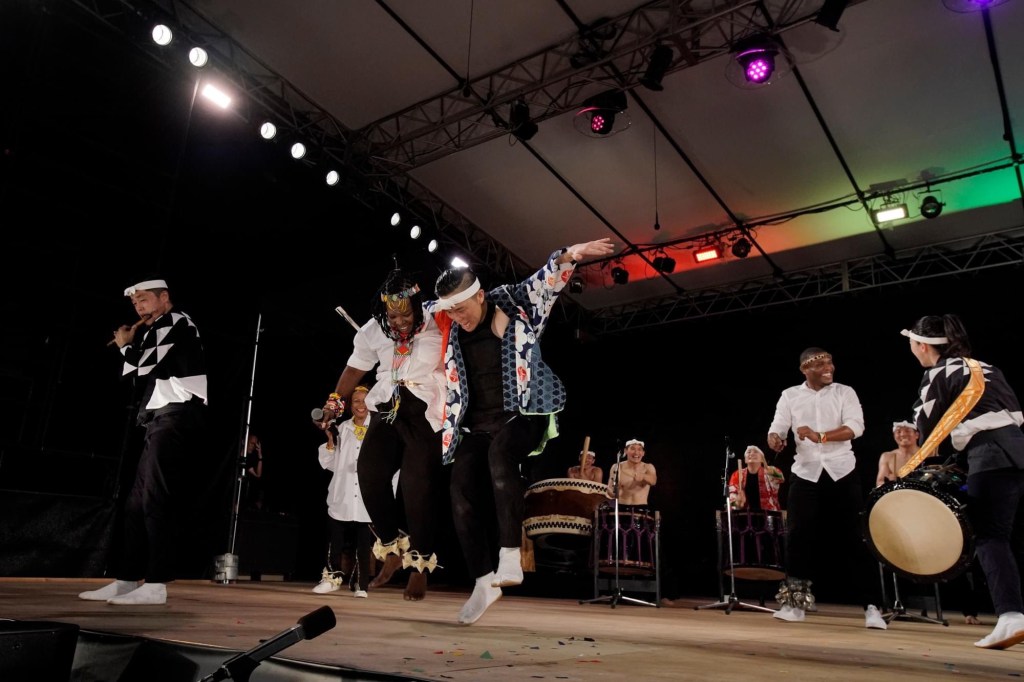
Our first show was the evening of our arrival using the shuttle bus service laid on from the campsite we arrived in Ogi Port about an hour before the show admissions began which gave us an opportunity to browse the various craft and food stalls. The show featured the Kodo drummers accompanied by singers and dancers whom I am sure were telling a story but not speaking Japanese I can’t be sure.

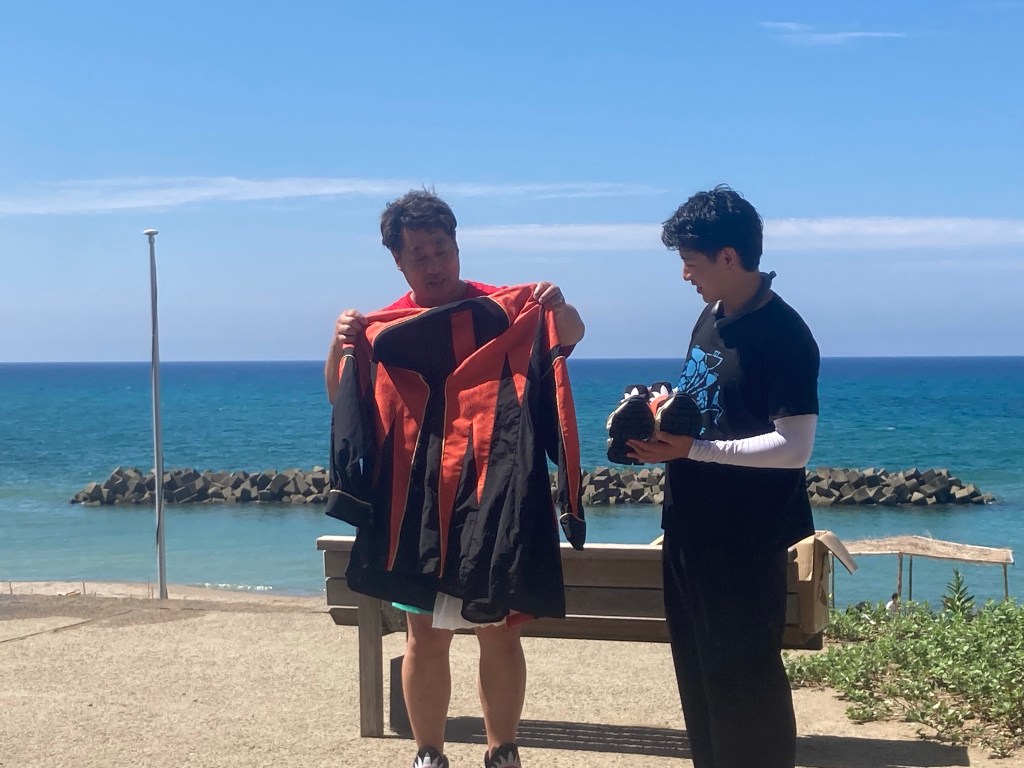
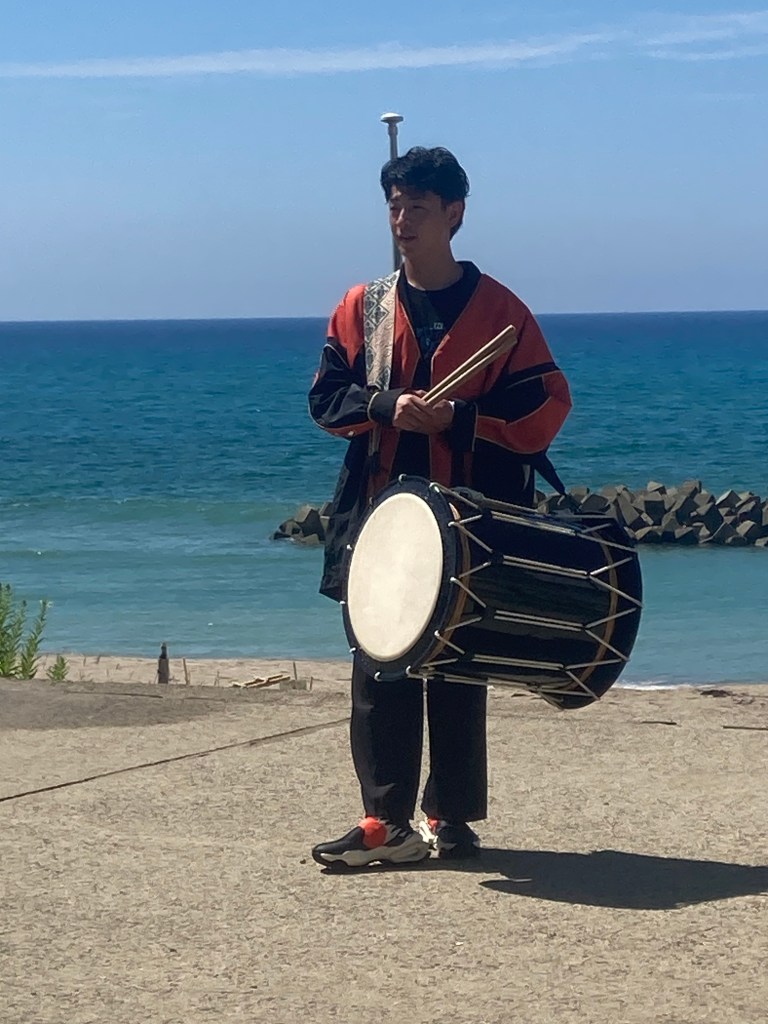
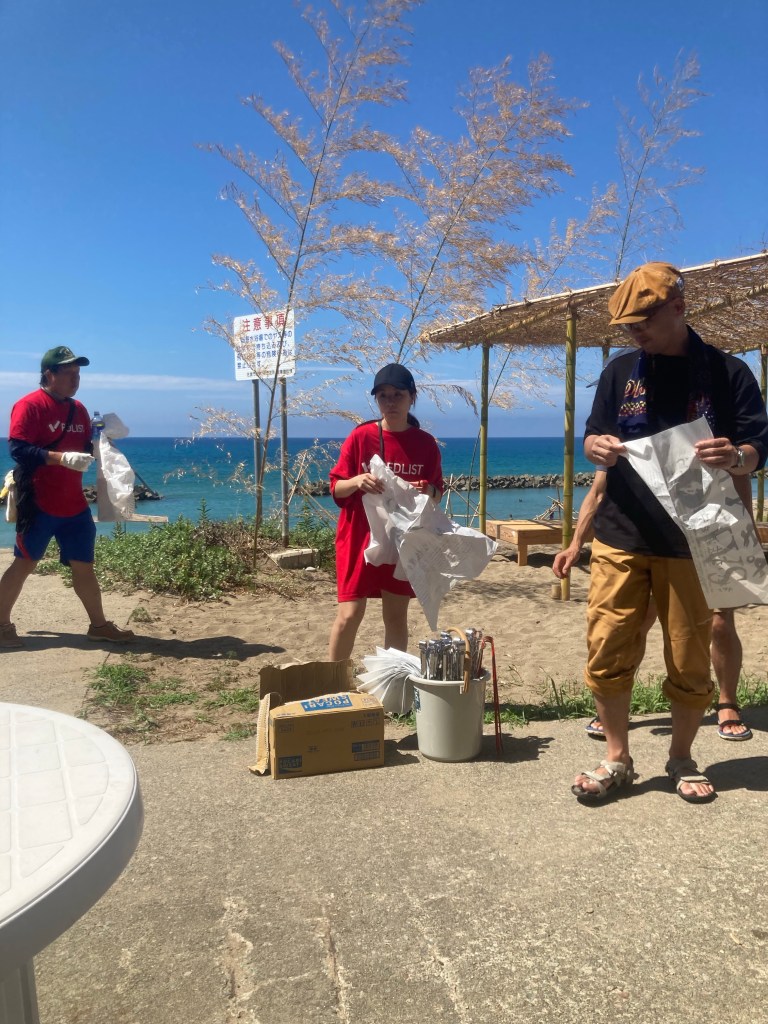
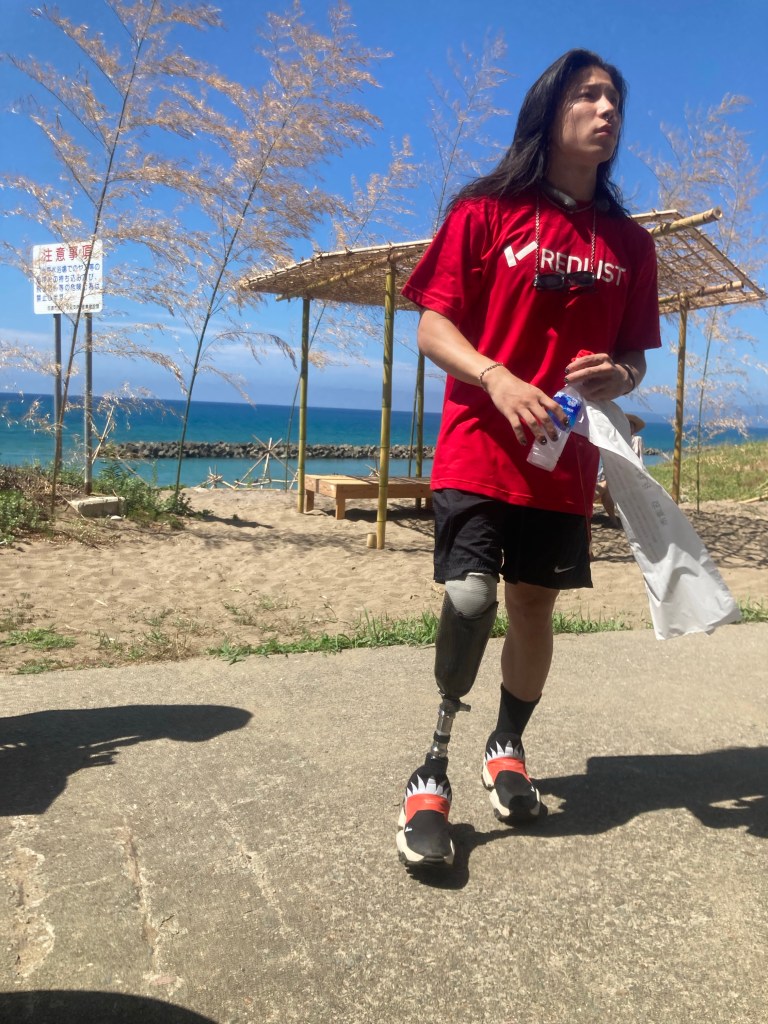
We were lucky enough the following day to be treated to a personal appearance from one of the shows drummers at the campsite, it appeared that he was being awarded the official outfit of “Redlist” a community group who are part of the wider Kodo collective, who after the demonstration led a beach clean up. We were so pleased we had decided to have a lazy day on site.

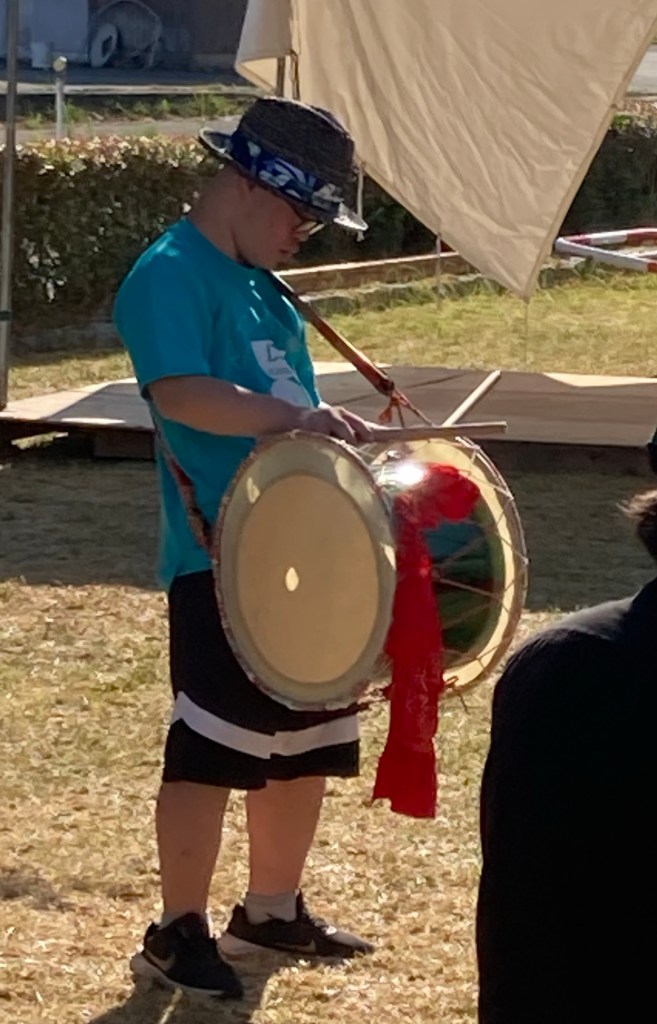
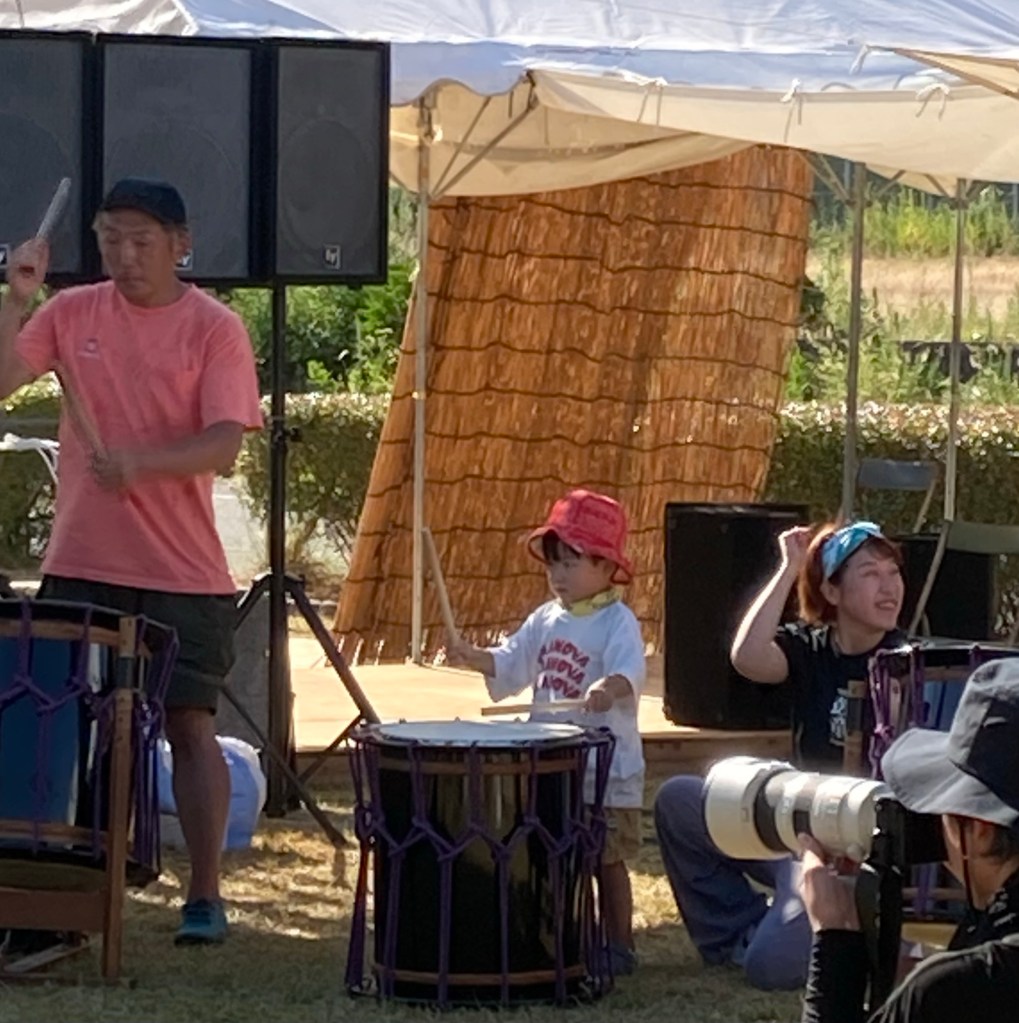
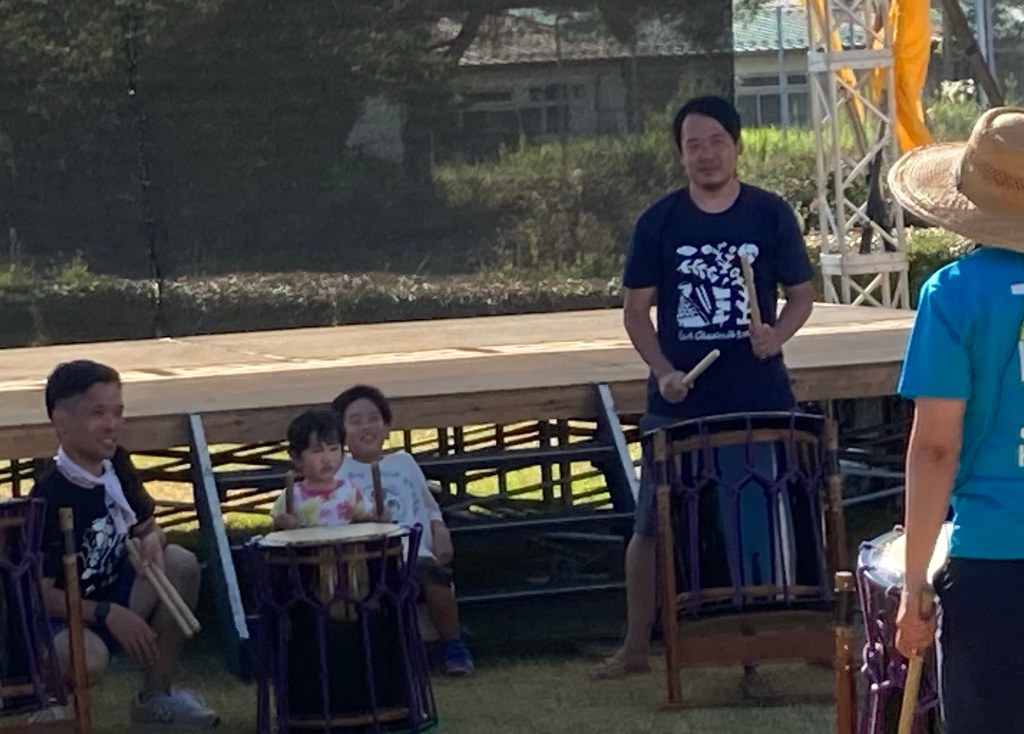
Part of the 3 day festival involved lots of day time cultural events around the town including drum workshops for those eager to try taiko drumming. This was open to all ages even really young children who brilliantly gave it a go as the photos show.

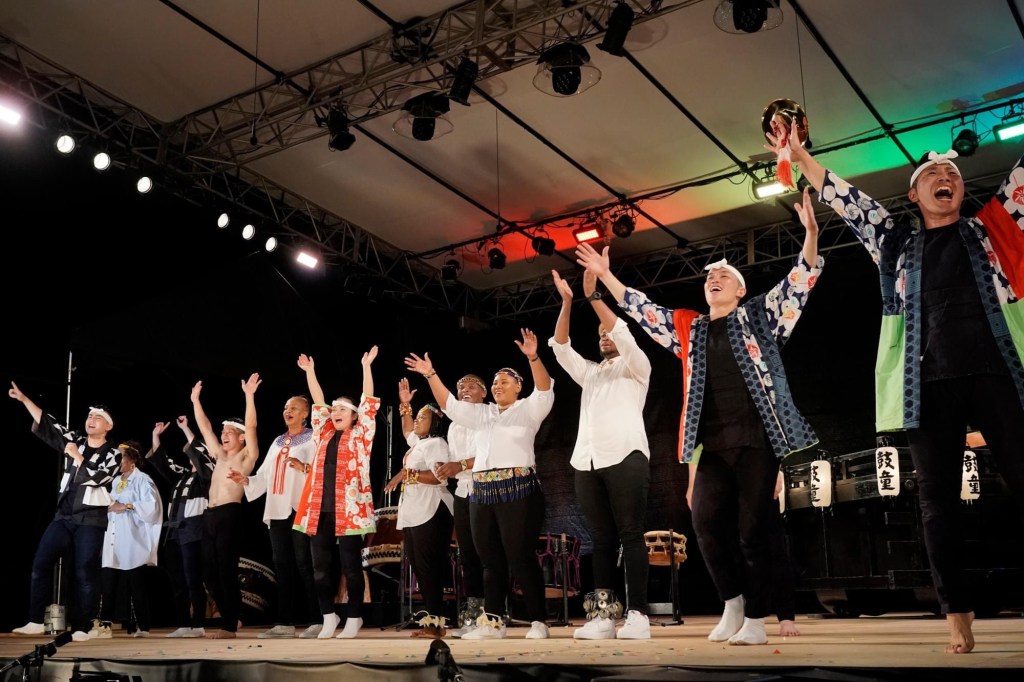
The grand finale on the Sunday evening also included an accapello group from South Africa, What a show this was Kodo at their best the energy was palpable and to see two totally different cultures come together and perform as one I think Toshio Kamuchi’s would feel his dream had come true.

NB as an aside I wanted to share a bit of Japanese history unbeknown to me. As part of our stroll through the various stalls we were approached by one of a group campaigning to repatriate Japanese citizens abducted by North Korea. The abduction of Japanese citizens took place over a six year period from 1977 to 1983 North Korea wanted them to train their spies in Japanese language and culture or to steal their identities so that their agents could masquerade as Japanese for espionage aimed mainly at South Korea. Although many have been abducted Japan has only identified seventeen.Since North Korea admitted abducting Japanese citizens in 2002 only five have been repatriated while discussions as to the whereabouts of the others are still ongoing. We were both shocked to hear yet it is still happening in various parts of the world and close to home we have the current situation between Russia and the Ukraine?

Wonderful Wilderness

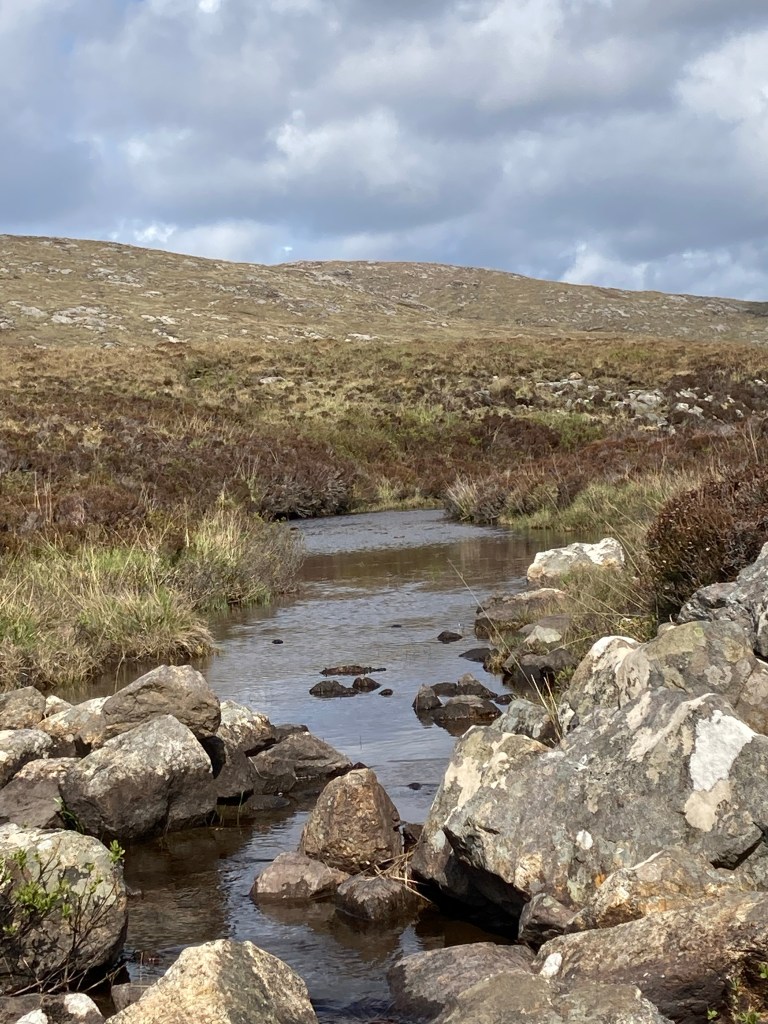
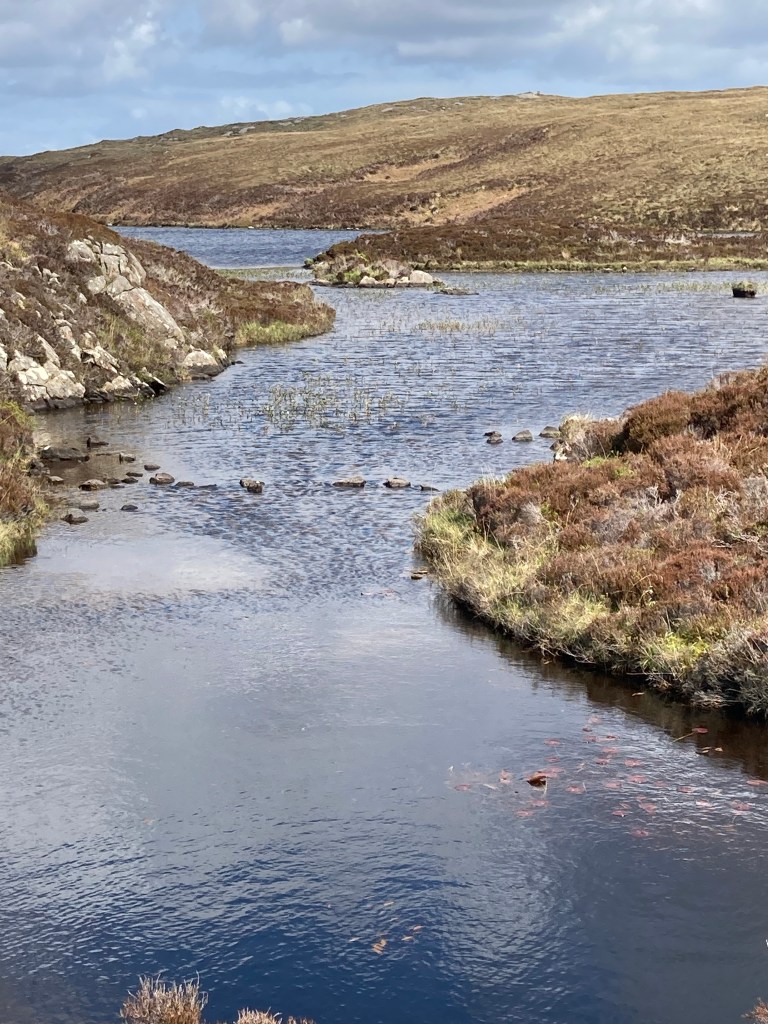
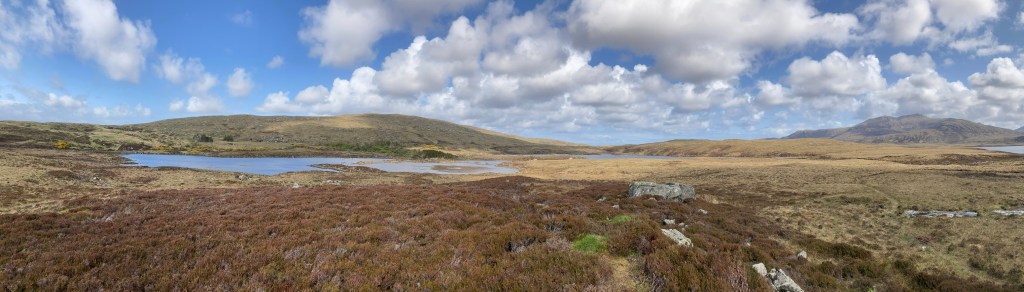
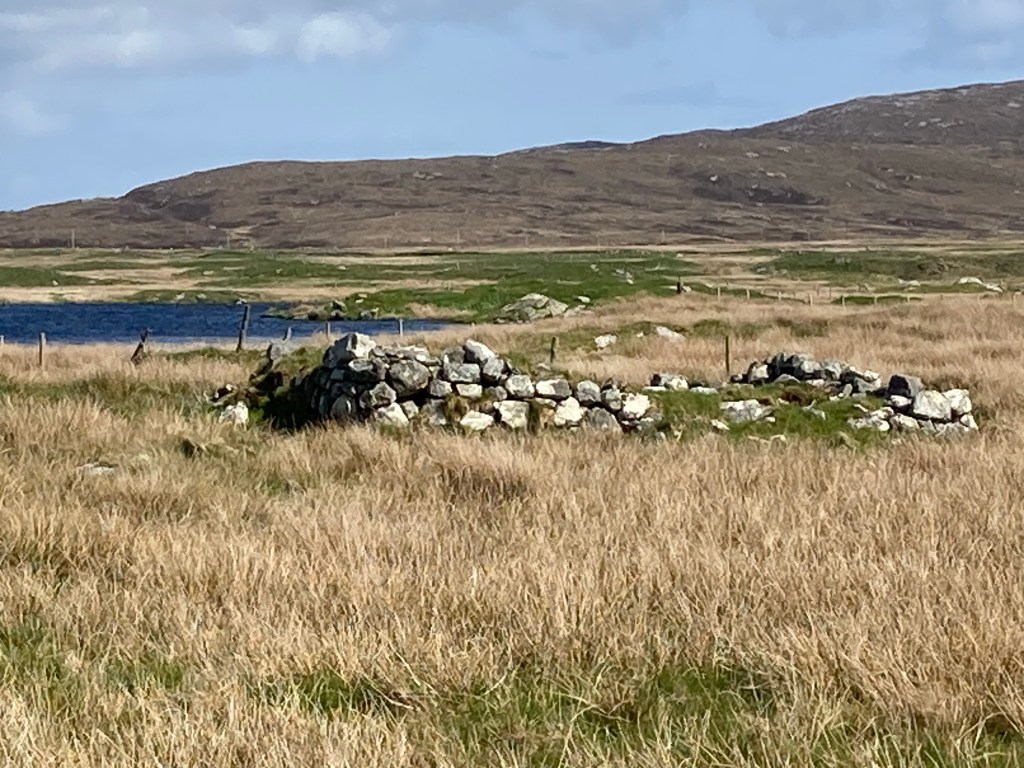
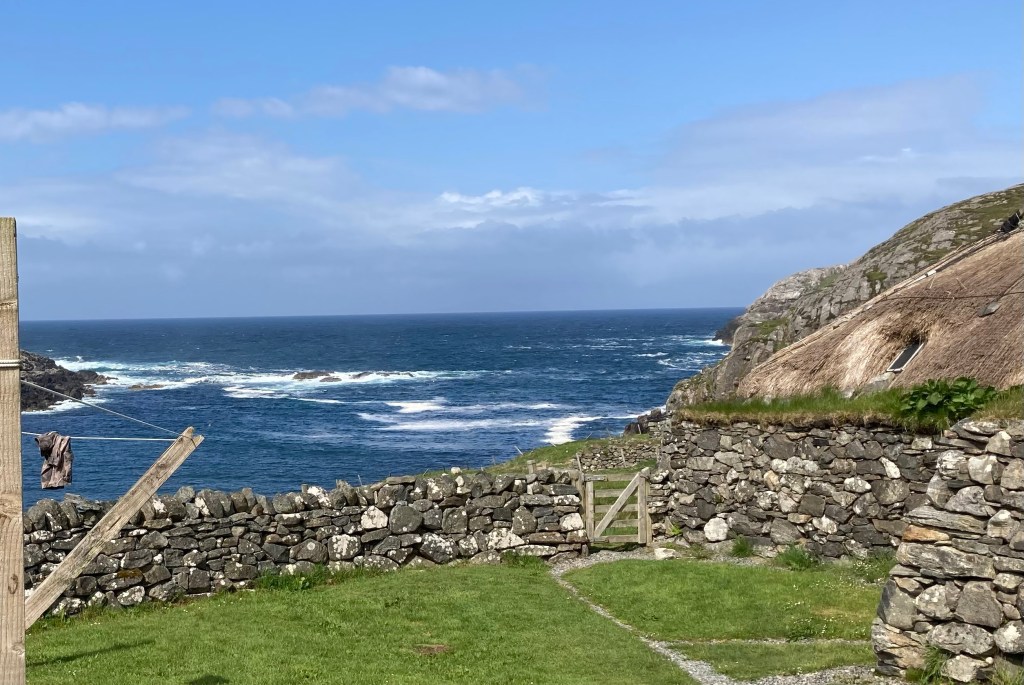
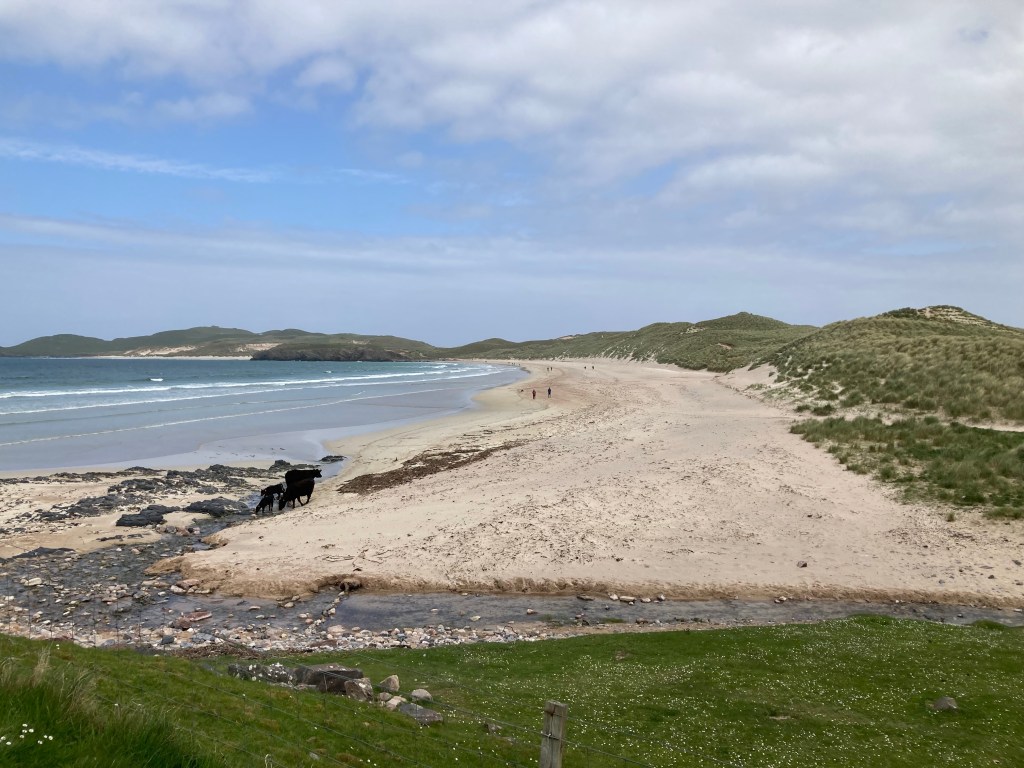
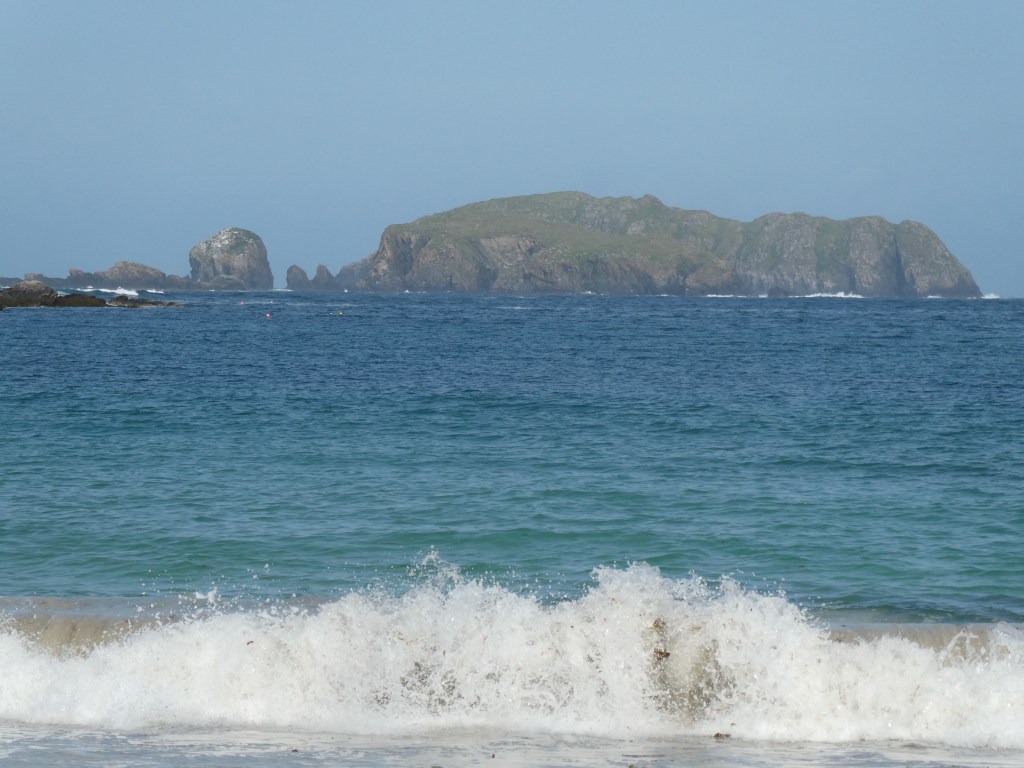
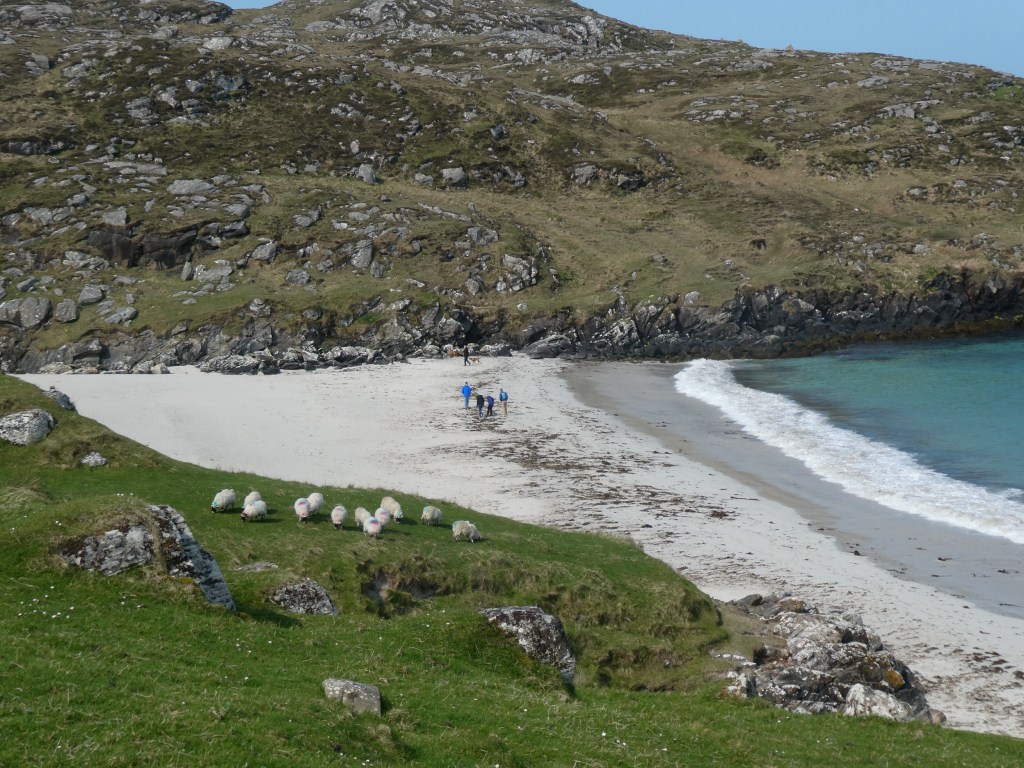
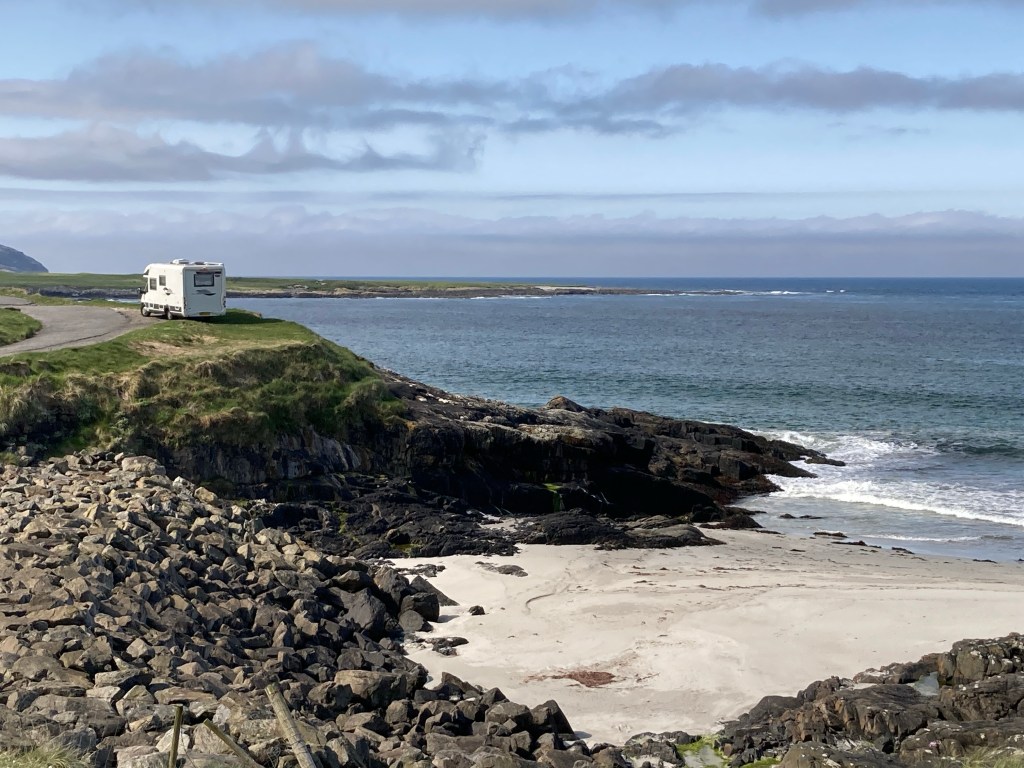
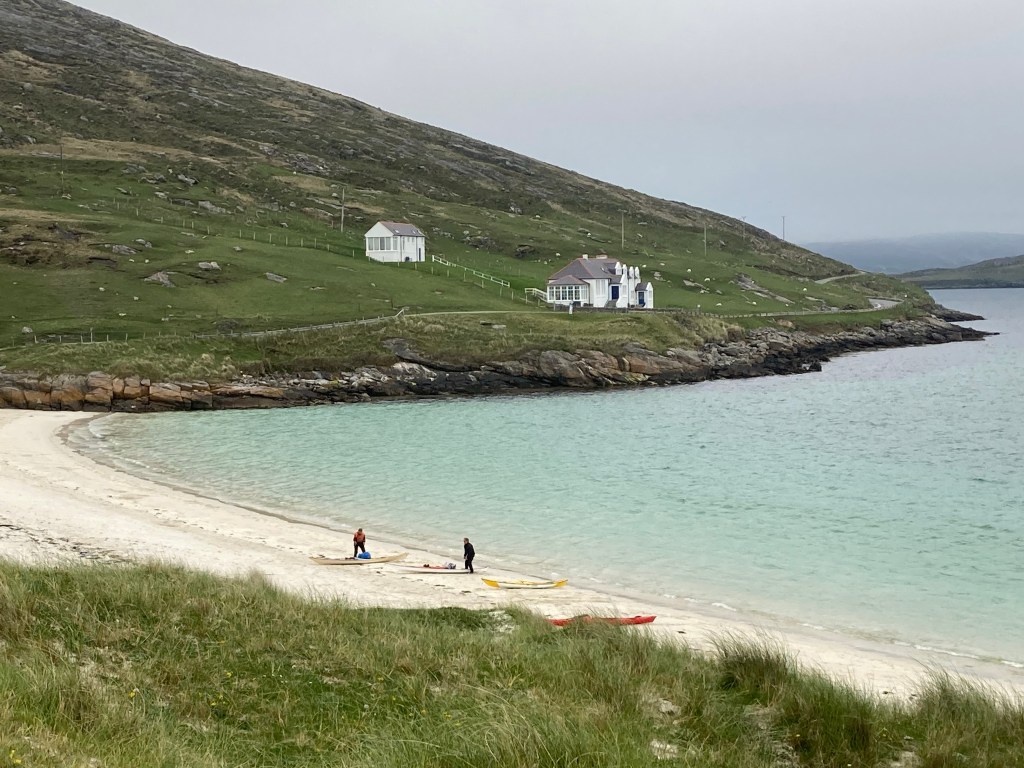
As we finally depart the Outer Hebrides it would be an injustice if we did not share some photos and words that try to capture what we have seen on our 12 day journey from Vesteray in the South through to Lewis in the North

Undertaking this journey as recent as the 1970/80s would have been completely different as not all the causeways in use today existed. This journey through the Outer Hebrides required 3 ferry crossings as we have travelled its length. Back then there would have been 13 to undertake if you had taken our journey. Maybe the land mass broken into islands gives a history that goes some way to explain the sense of similar but not the same that we experienced.

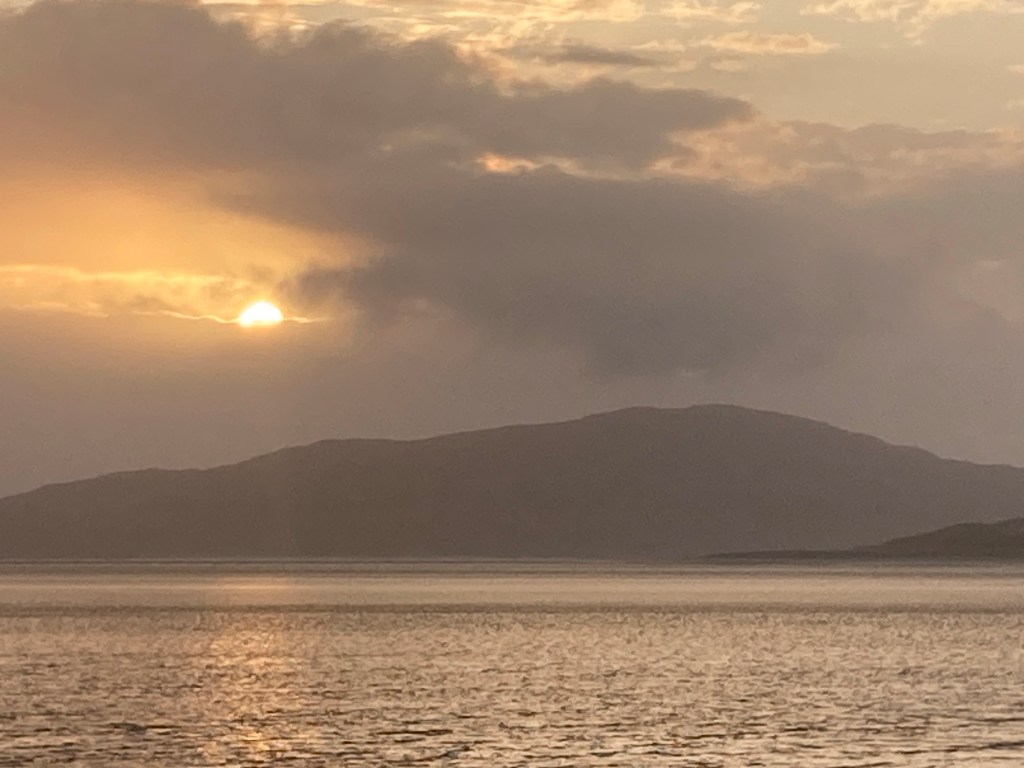
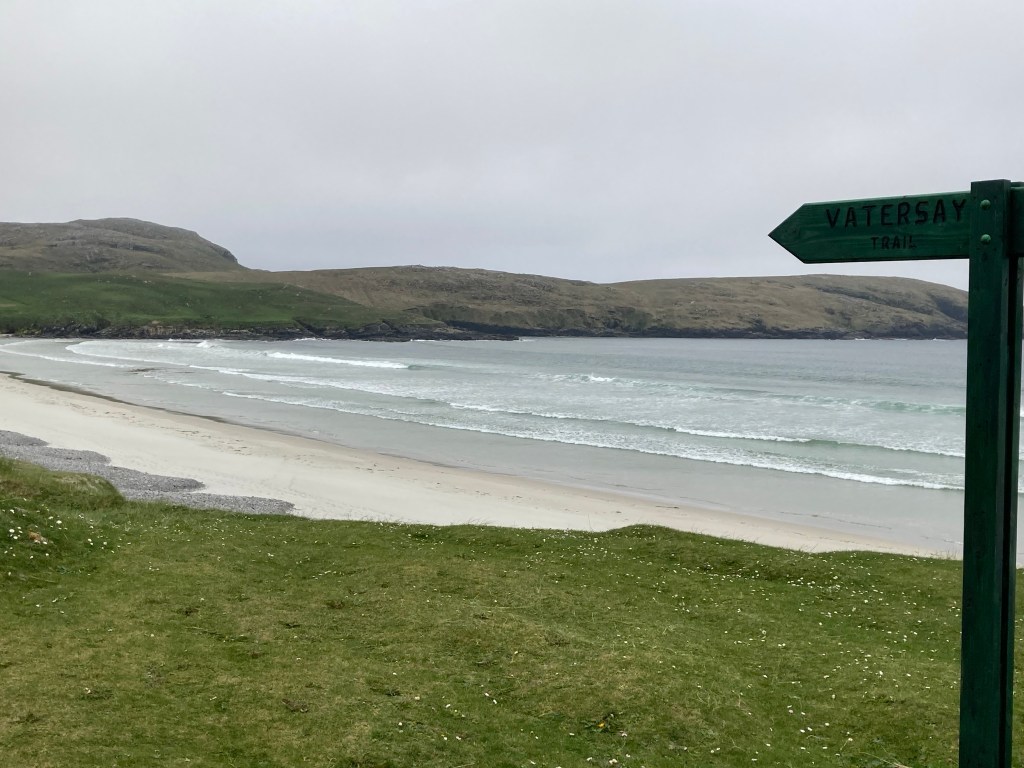
What they do all have in common though is a western shoreline that non stop provides a musical backdrop from waves crashing and wind sounding soft one moment and threatening the next. But then the majority of the western shoreline is looking out towards the eastern seaboard of America, Canada and Greenland so the wind and waves travel a long way.

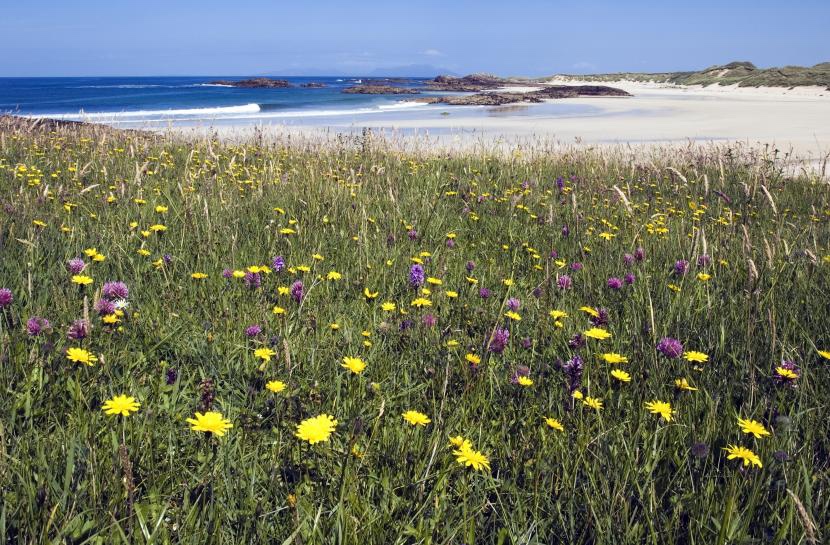
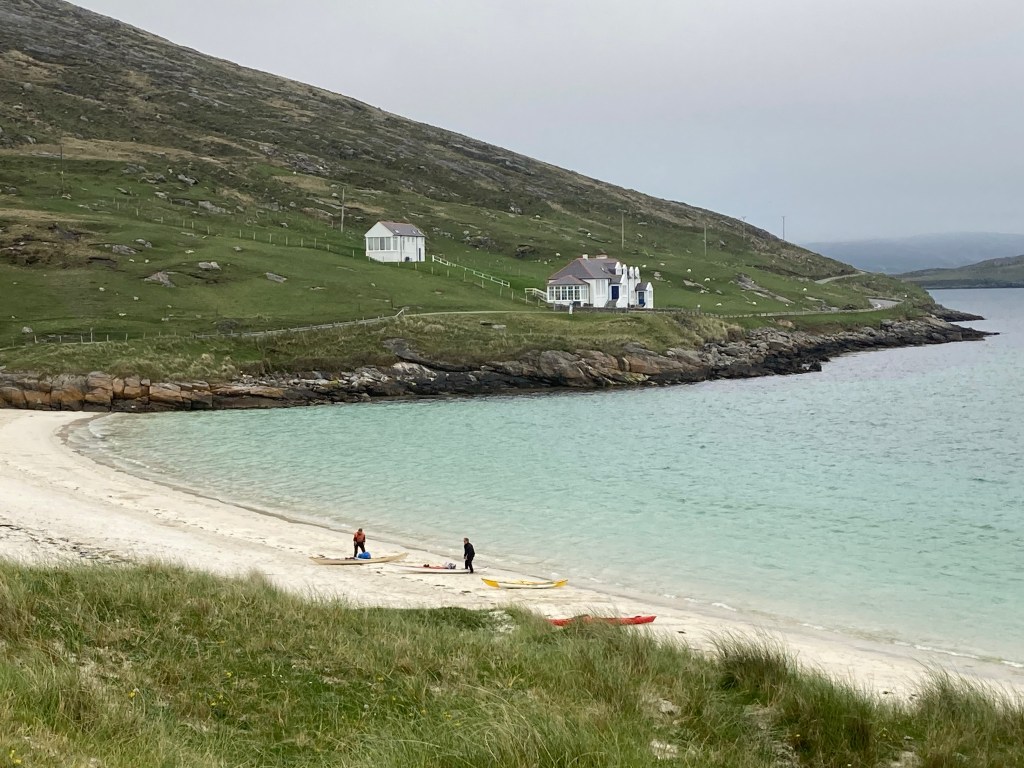
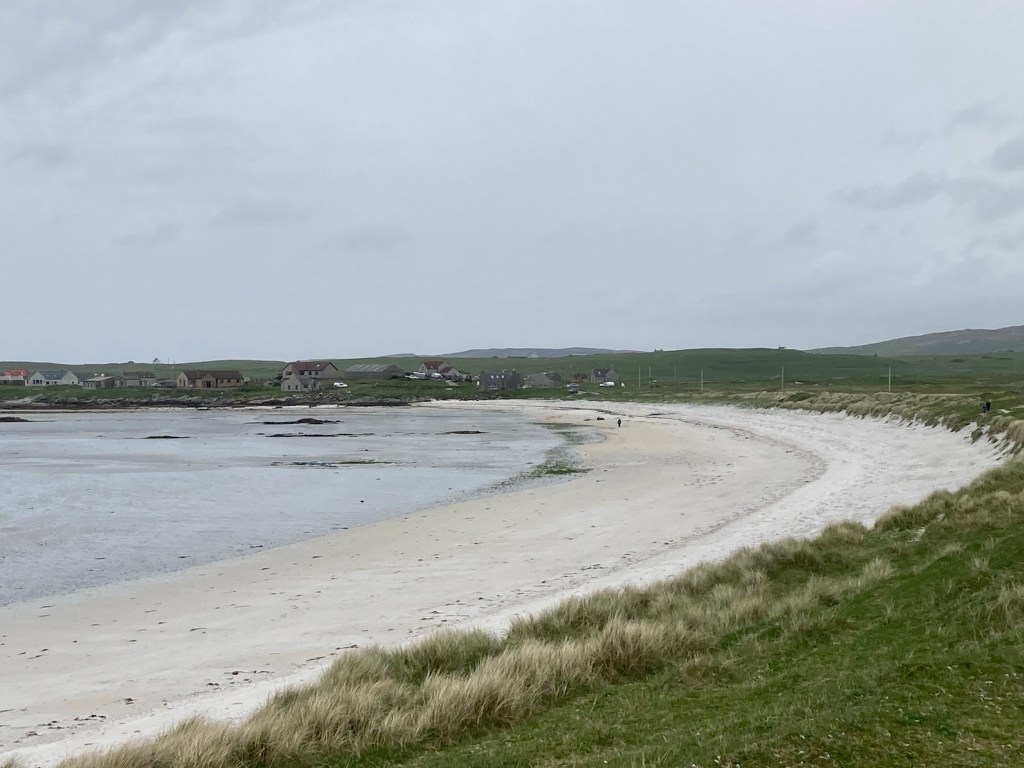
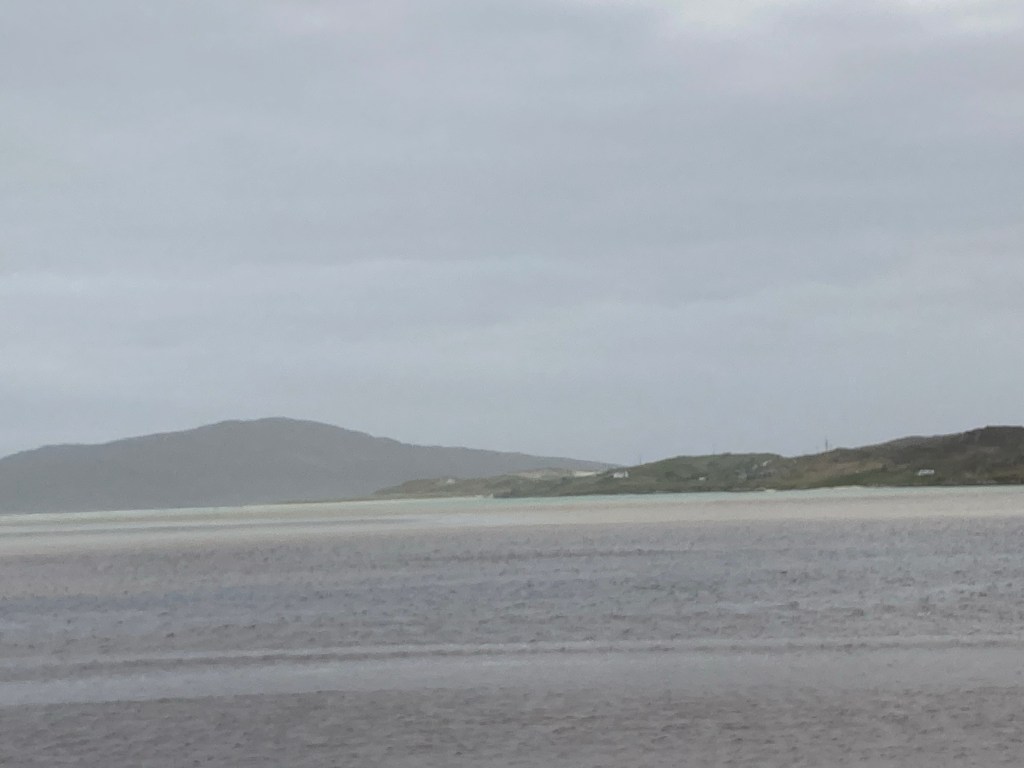
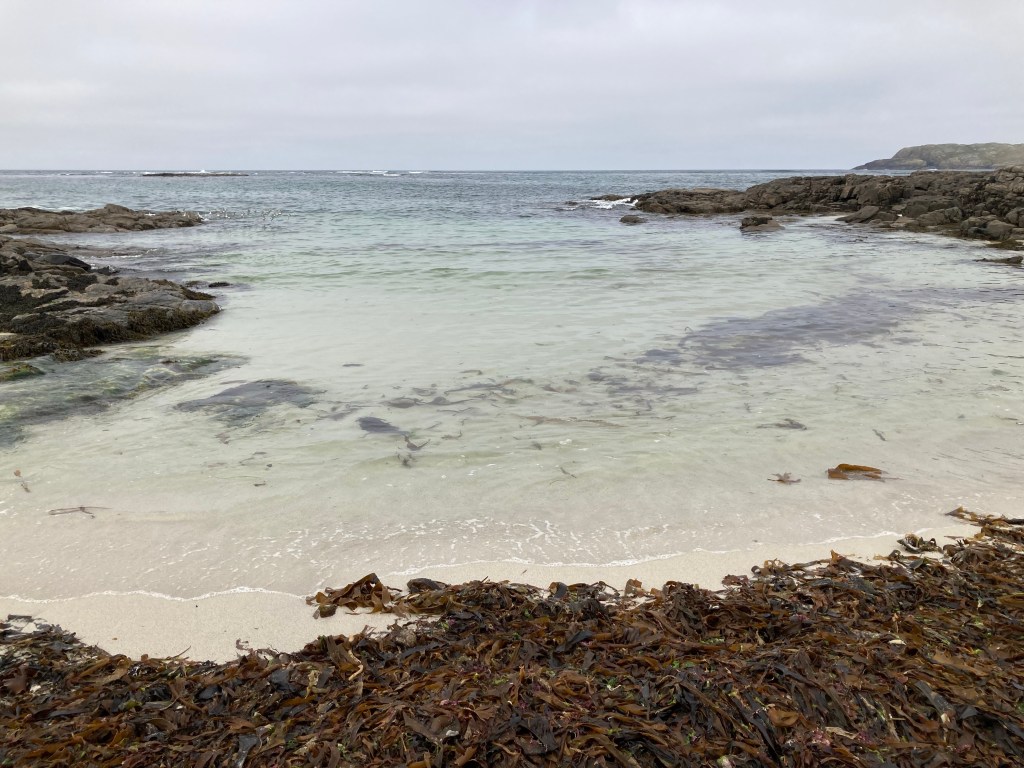
Surprisingly for a part of the United Kingdom we associate with rain and cold, the beaches are blessed with tropical looking seas that range in colour from an aquamarine green through to blue and sands that went from white to various shades of yellow. If only the sun was more consistent!

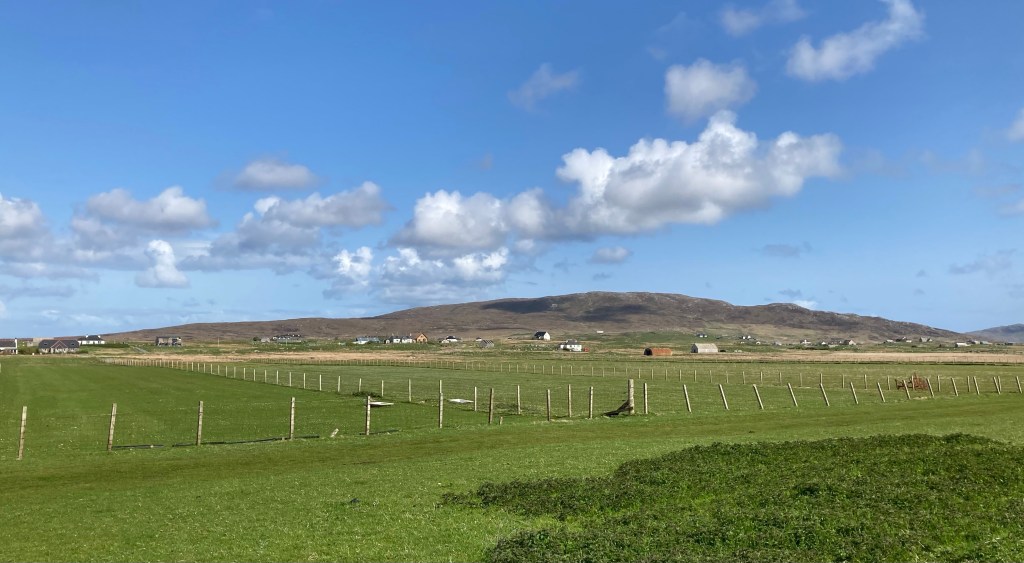
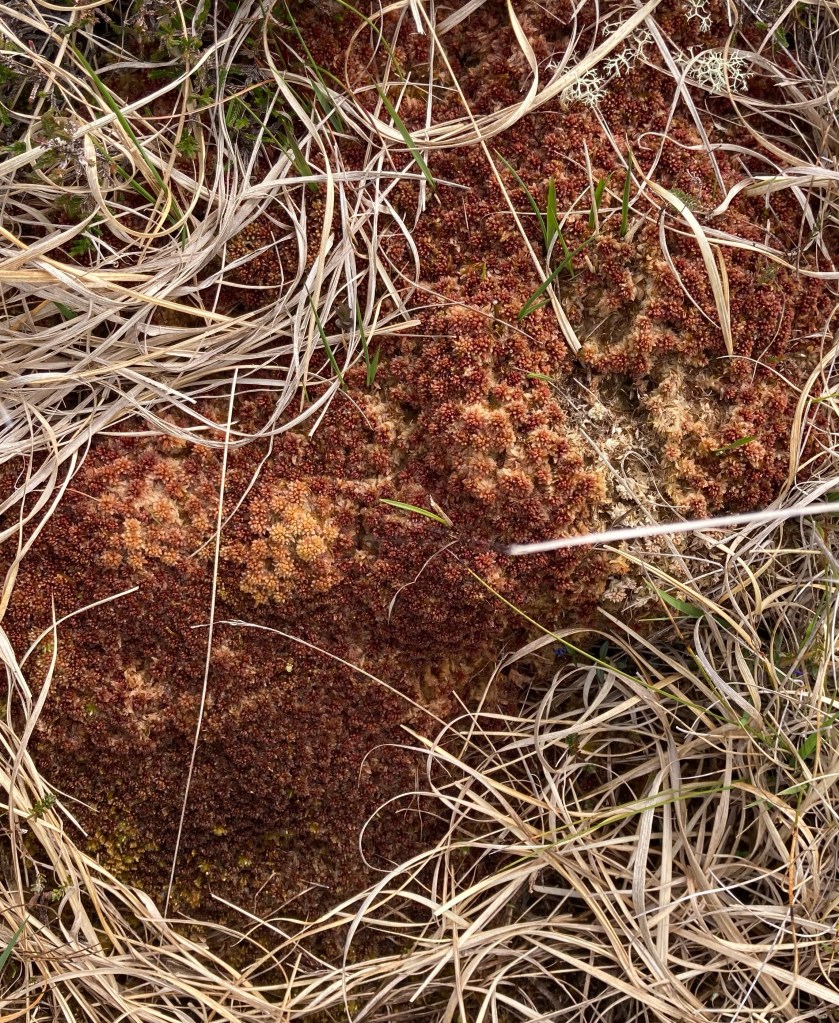
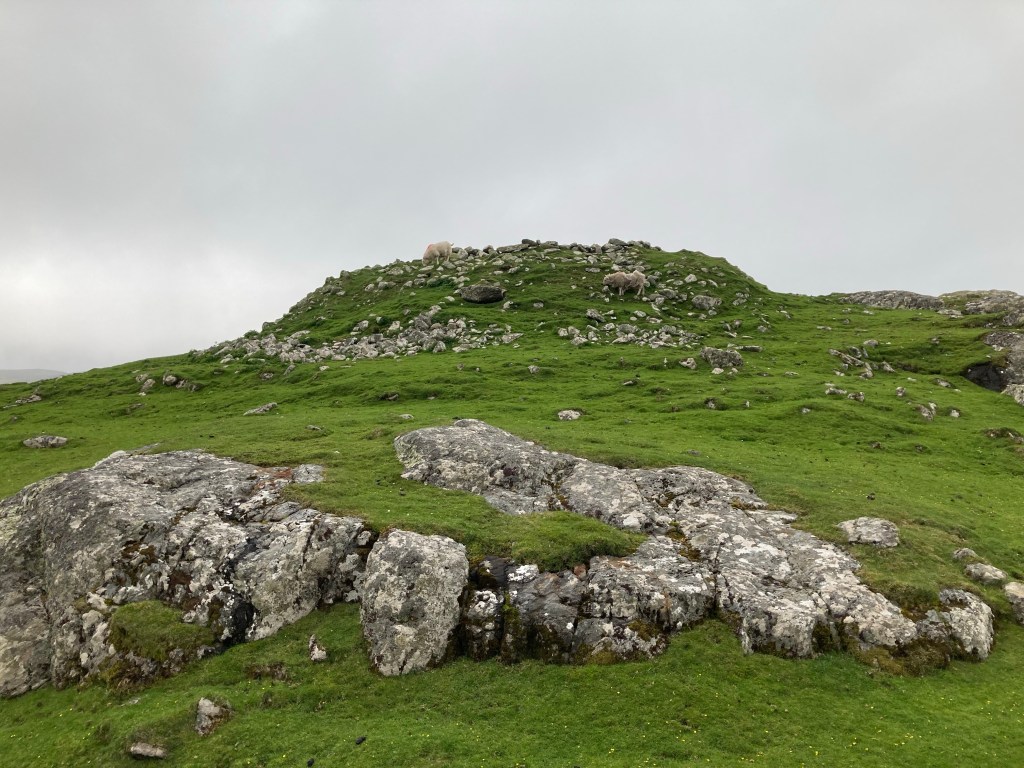
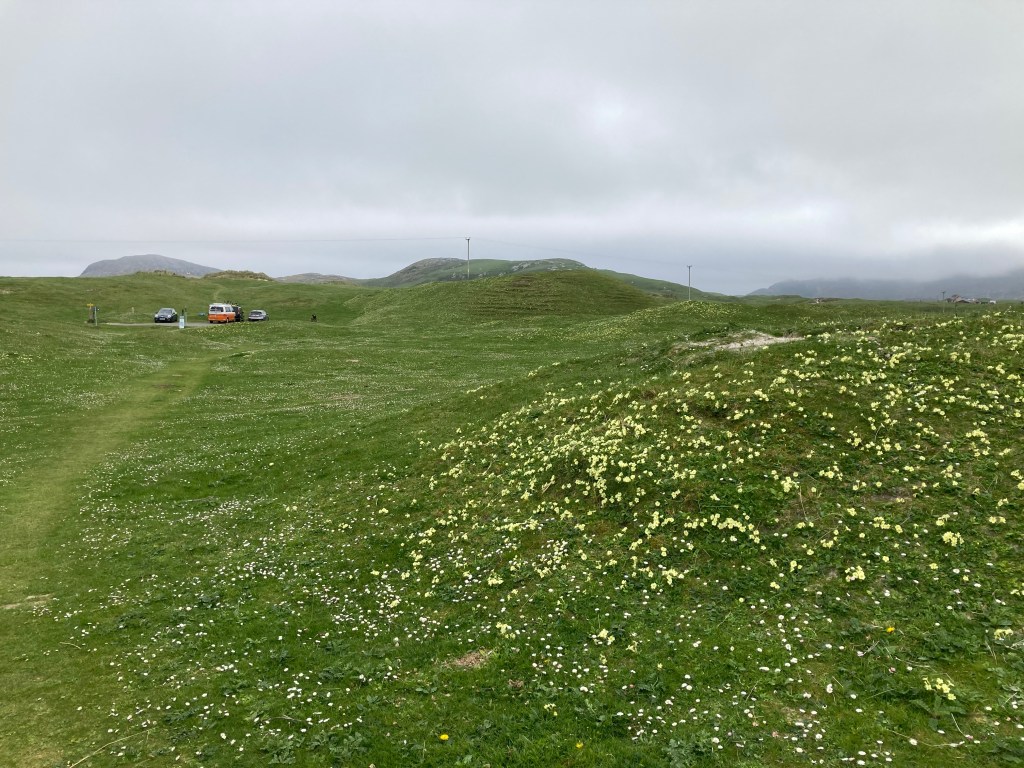
The landscape is just as varied being a mix of rocky outcrops and strong hill ranges in places, with peat fields and bogs extending as far as the eye can see, The peat fields still provide a source of fuel to the islanders with a common sight as we drove around being areas of peat cutting with turves laid out to dry. This dramatic landscape of hill, moors and bogs is then fringed with low lying coastal crofting areas that contain the amazing Machair.

Machair is a Gaelic word and is more than a habitat, it is a blend of:

  • low-lying coastline
  • sand partly consisting of shell fragments
  • the effects of strong winds
  • just the right amount of rainfall
  • the involvement of people and their grazing animals

Scotland’s machair is best developed on the Uists, Tiree and Barra.

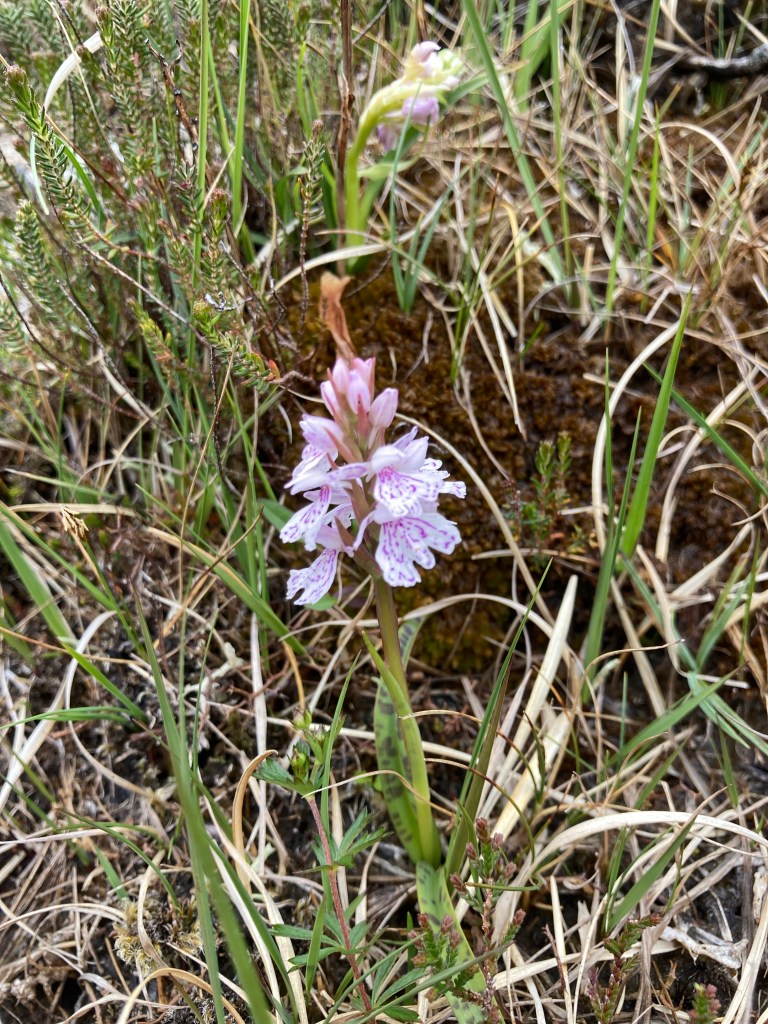
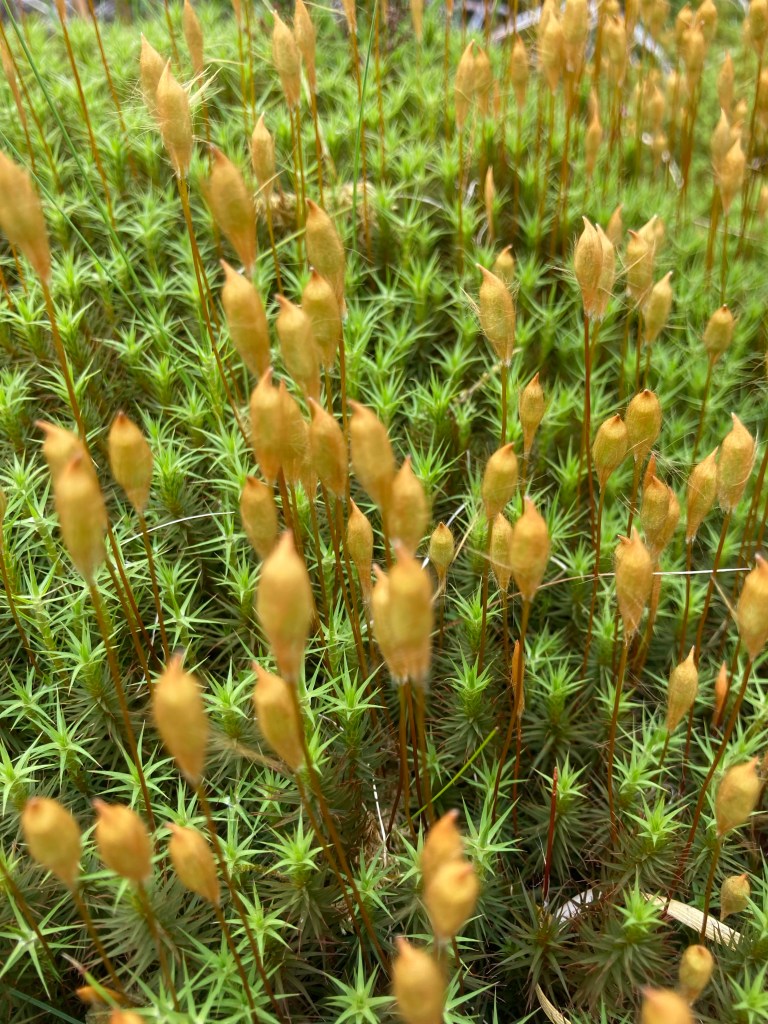
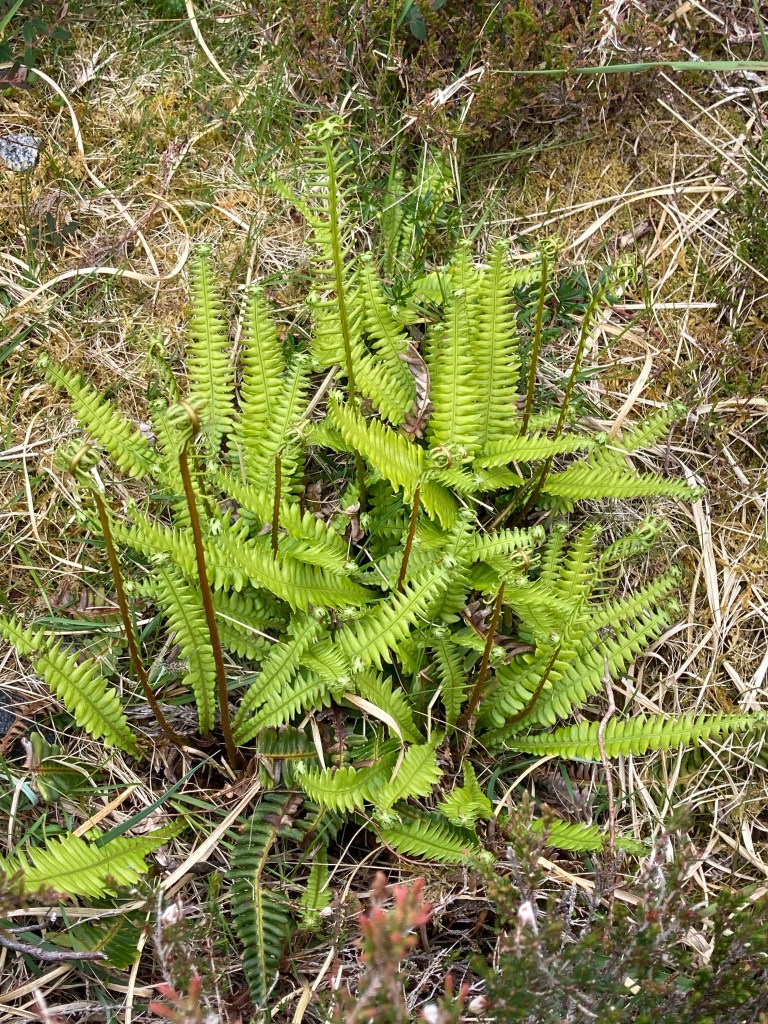
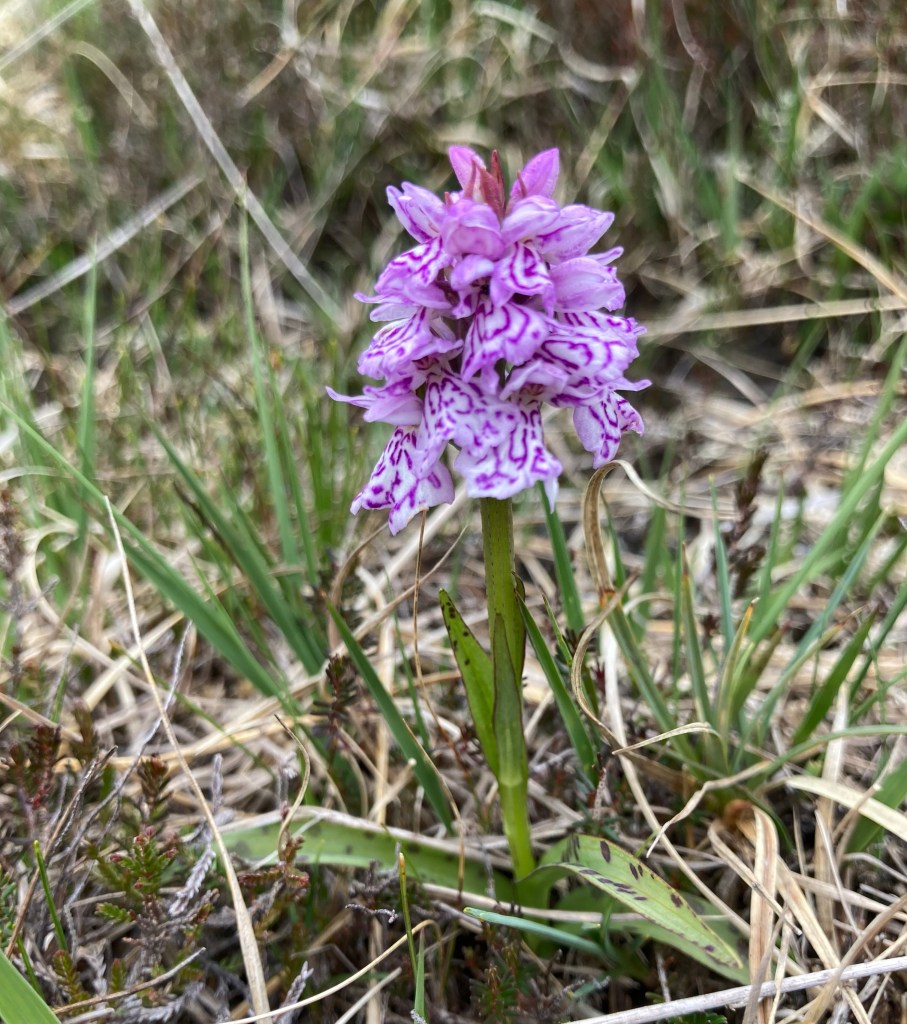
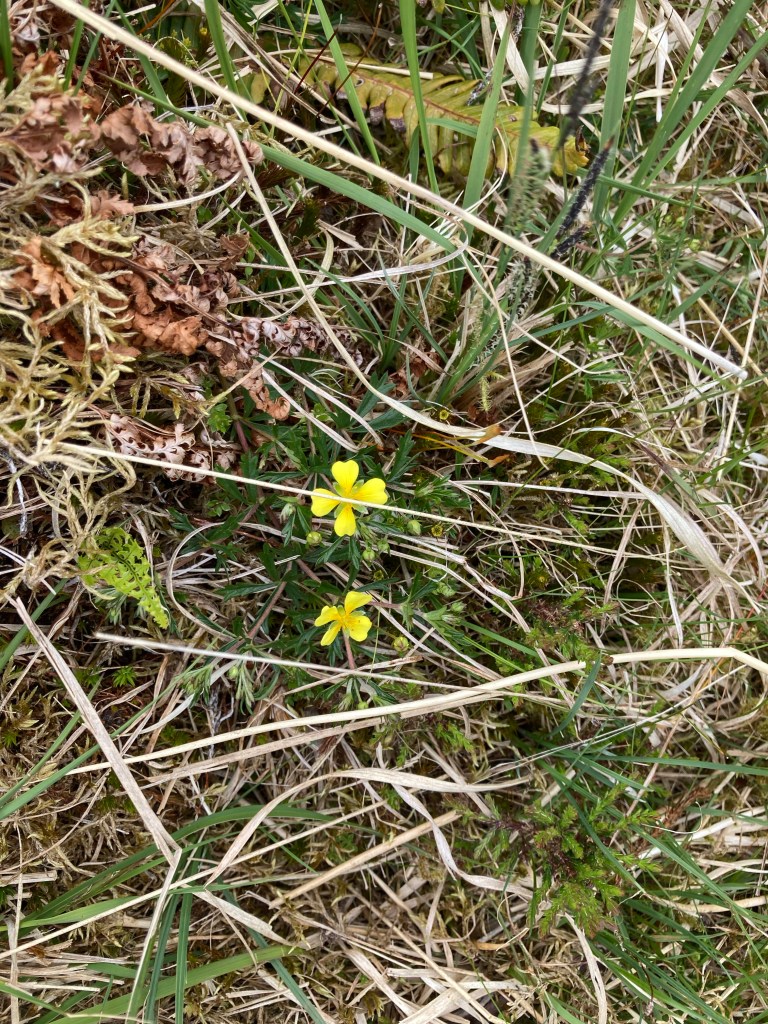
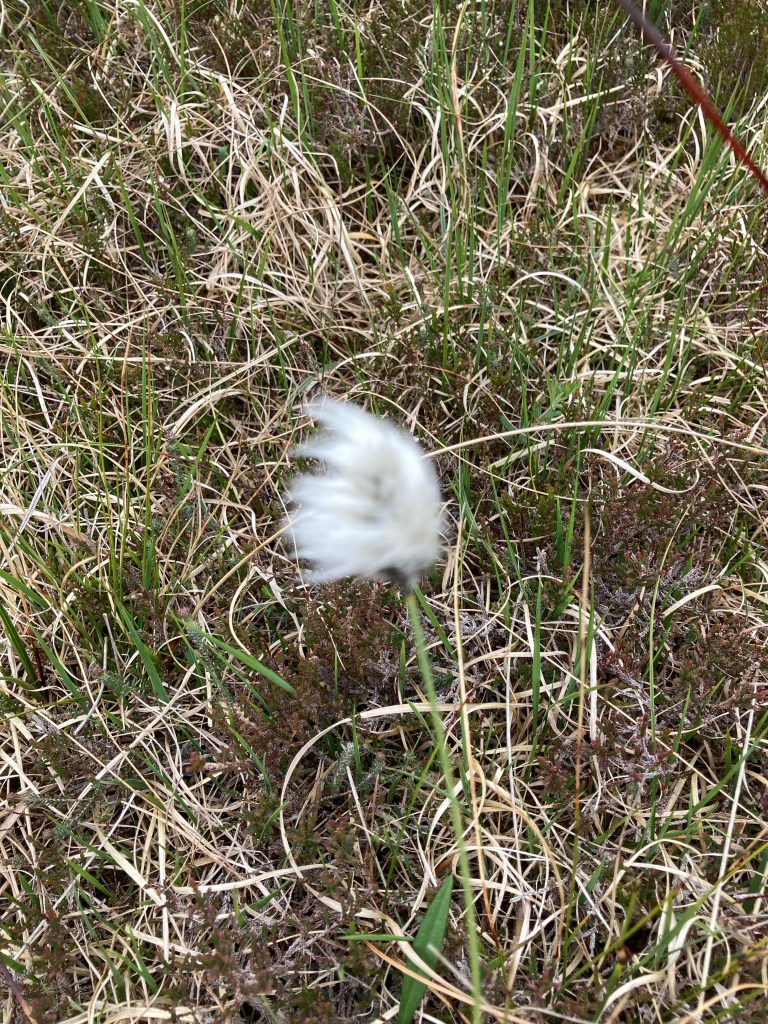
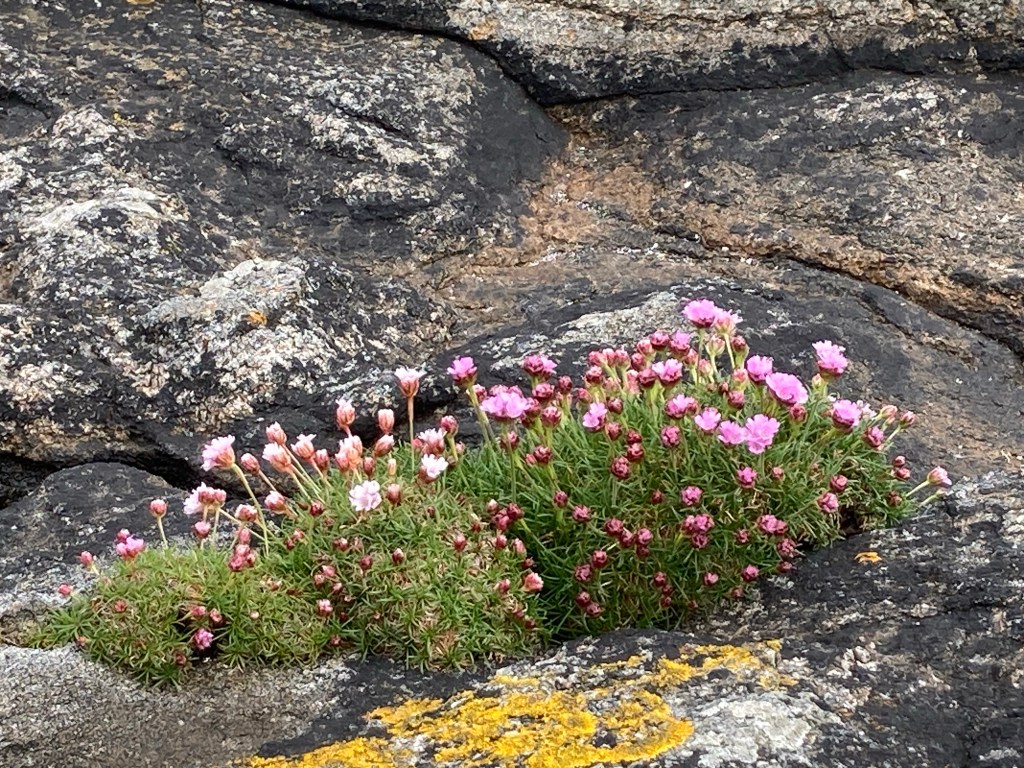
Plants of the Hebridean Landscape included

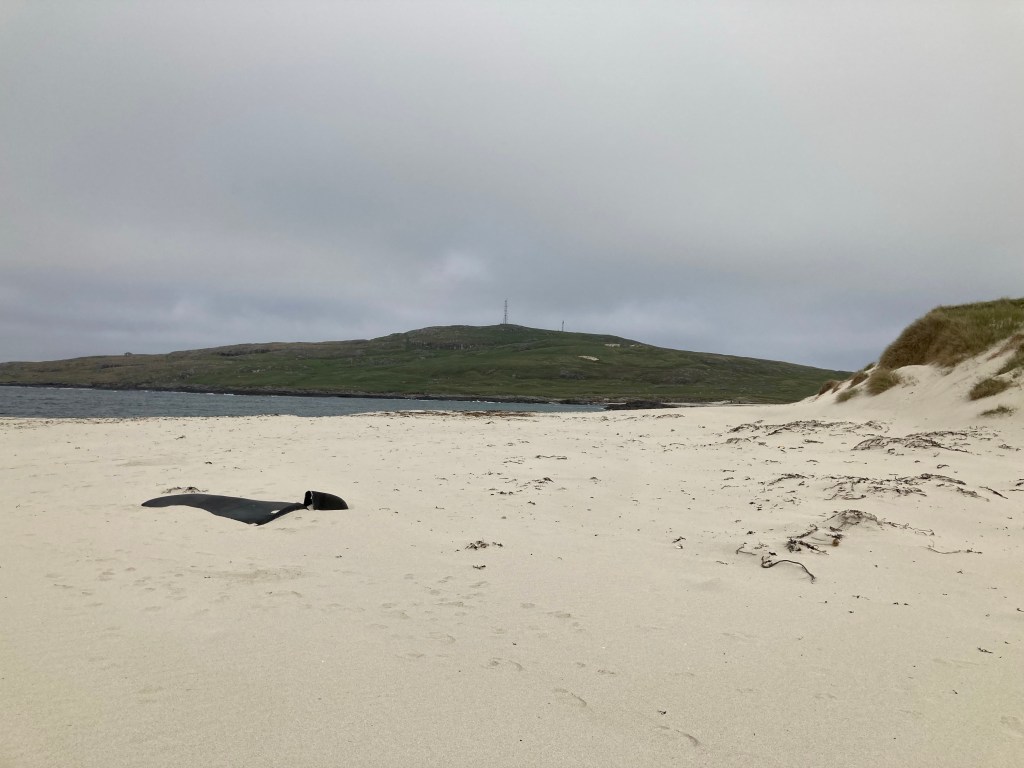
Numerous Beaches and bays all of interest

Birdlife

Mammals

Bottom end of the outer Hebrides

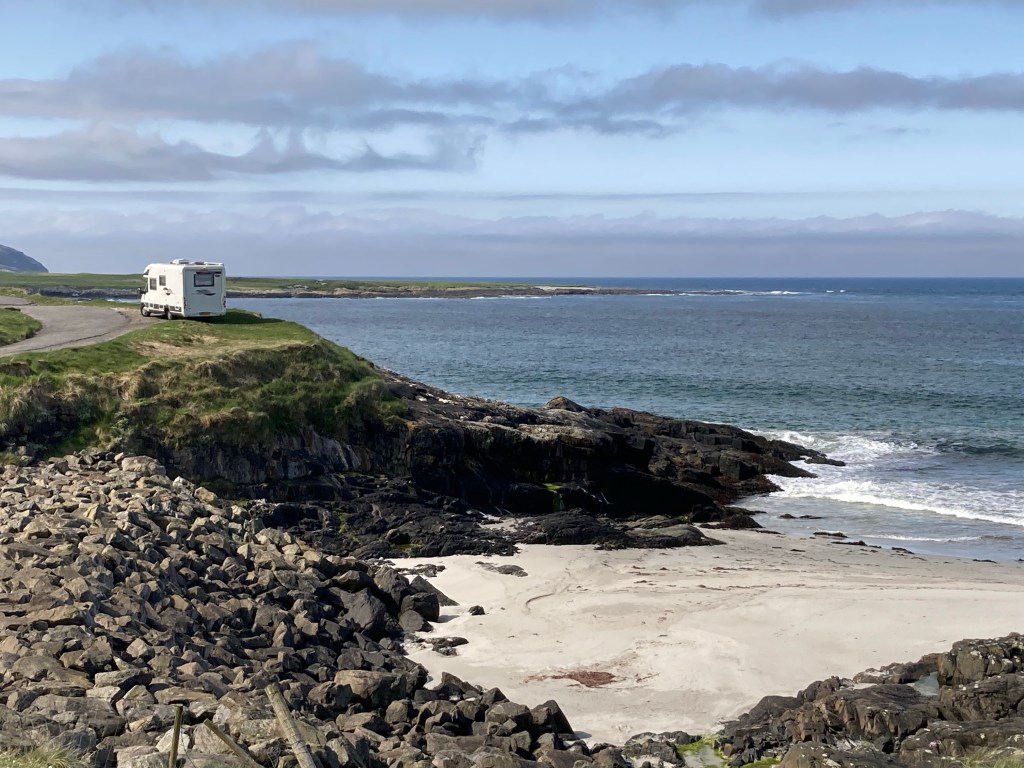
Taking the ferry from Oban we landed on the island of Barra in the early hours of the evening and headed for a designated wild camping space on the western side of the island. Wow had we struck lucky wild crashing waves greeted us and spectacular views over the bay we loved it so much we spent a couple of nights here.

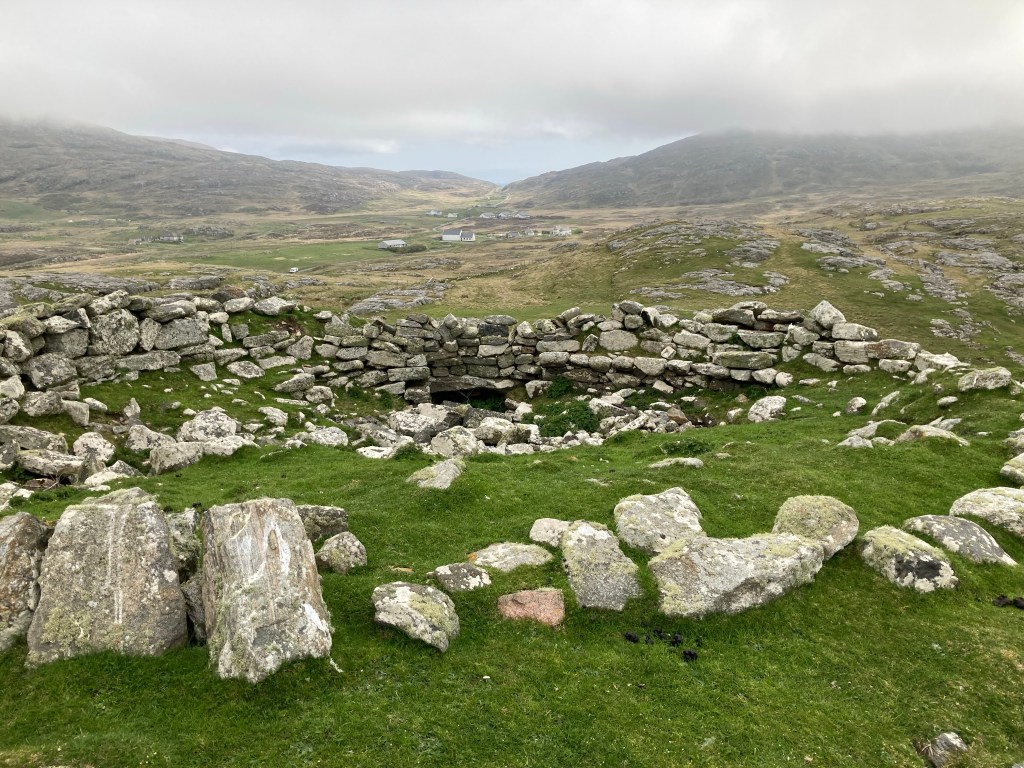
Taking a day time hike we discovered an Iron Age fortified house on top of a hill then dropping down onto the beach found ourselves in close proximity to nesting terns and ringed plovers. To avoid disturbing them we diverted into the sand dunes to find our way back to Vinnie.

The following morning having read a lot on social media about the most southerly populated Outer Hebridean island of Vesteray that has the unique feature in the middle of the island where it narrows to sand dunes with back to back beaches.We decided it was worth a visit but on arrival due to the weather conditions decided it was not for us and decided to head to the north of the island.

En route we passed the ferry terminal and with all the upheaval with ferries and when trying to book our ongoing ferry for Eriskay which was linked by a Causway to south Uist had found there was no access to a booking service on line until the Tuesday four days hence, we decided to go in to the ferry terminal and try and book direct. Finding there was no office service and no staff we thought let’s try our luck and see if we can get on the next ferry out which was leaving within the hour. Yes, no problem on we went with no ticket and no one wanting to take our money either on the ferry or as we drove off the other side so a double bonus of the ferry and a free ride 👍 The only regret was not getting to see the northern end of the island but we have learned that the ferry service in and around the islands are unreliable so you take your chances when you can.

A Gateway of Flowers

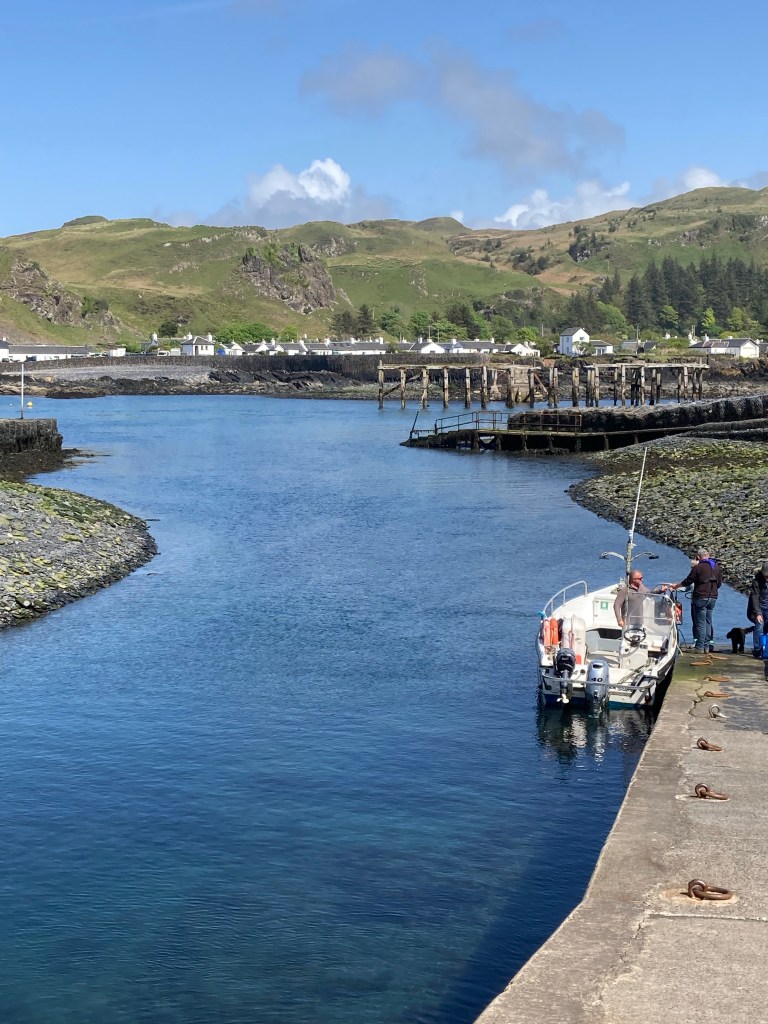
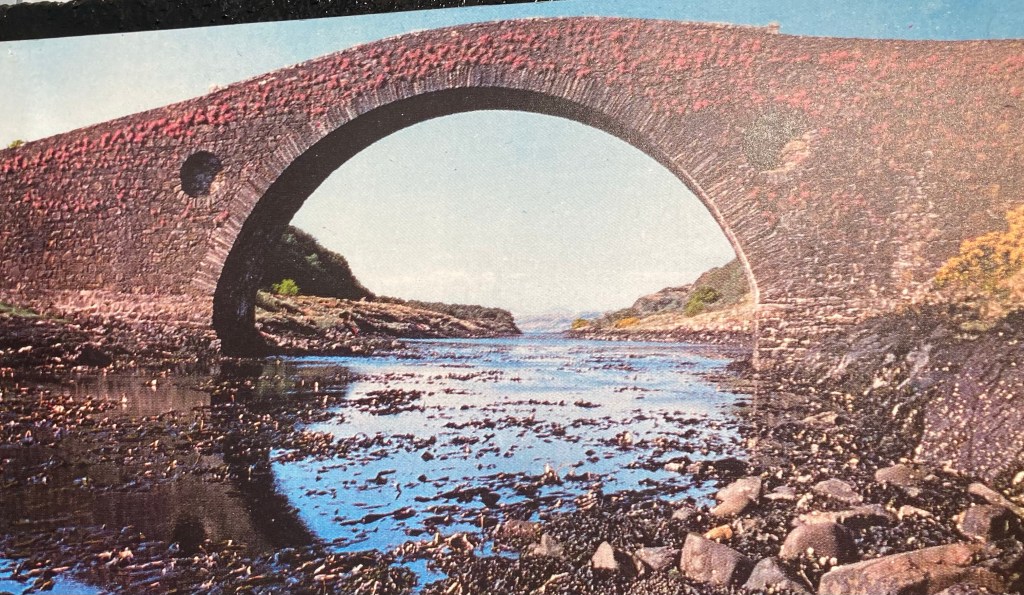
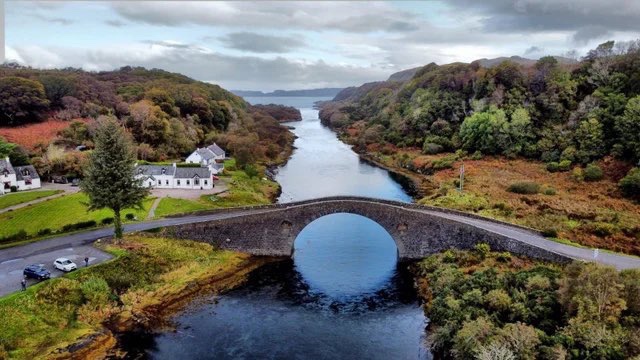
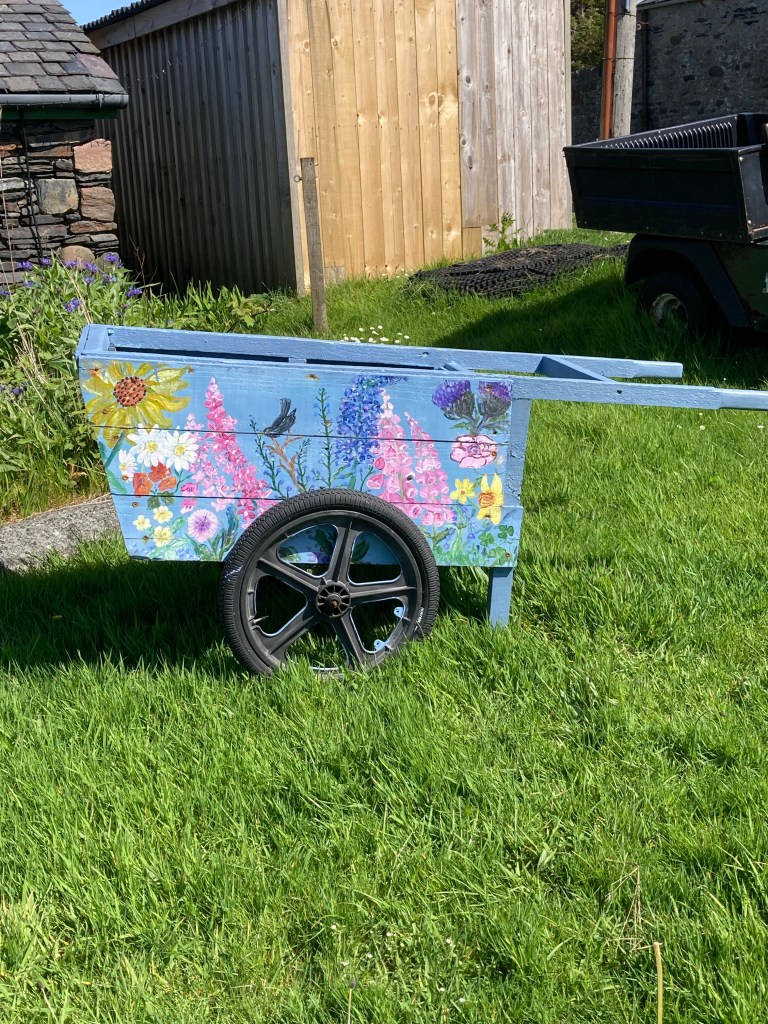
Charles had seen on social media an article on the lesser visited island of Siel around forty minutes south of Oban. Linking Siel to the mainland is the Clachan bridge which spans the Clachan sound, both ends of the sound spill into the Atlantic Ocean giving the bridge its more common name “The bridge over the Atlantic”. In the month of May the bridge becomes a blaze of colour due to the fairy foxgloves that come into full bloom.

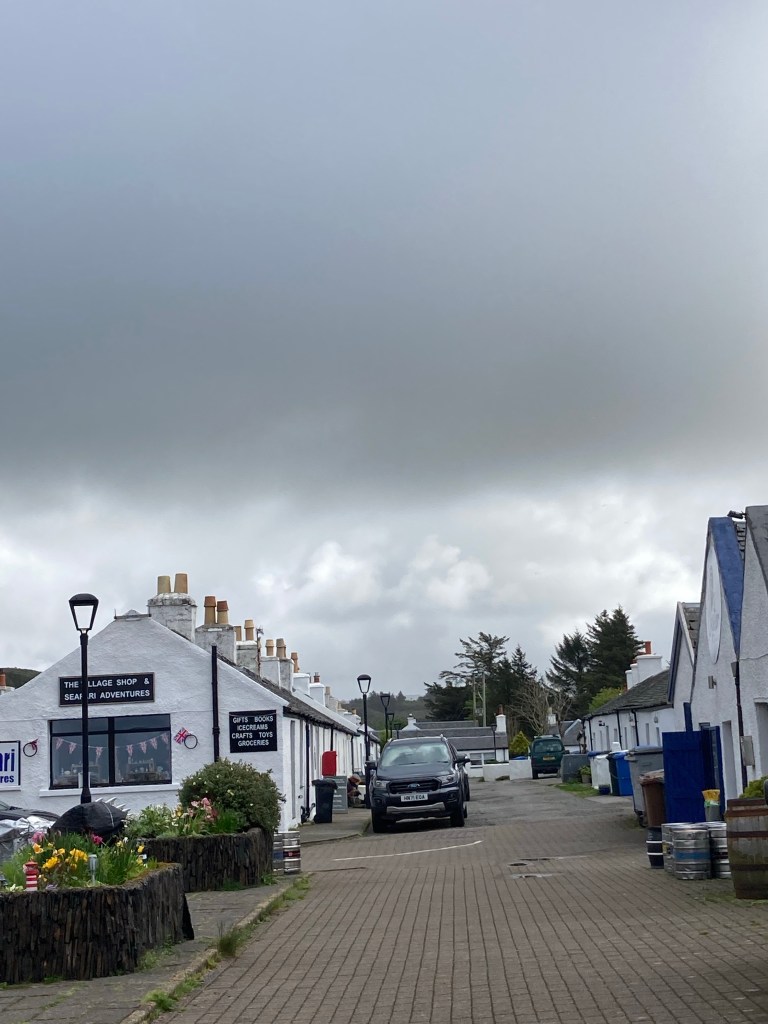
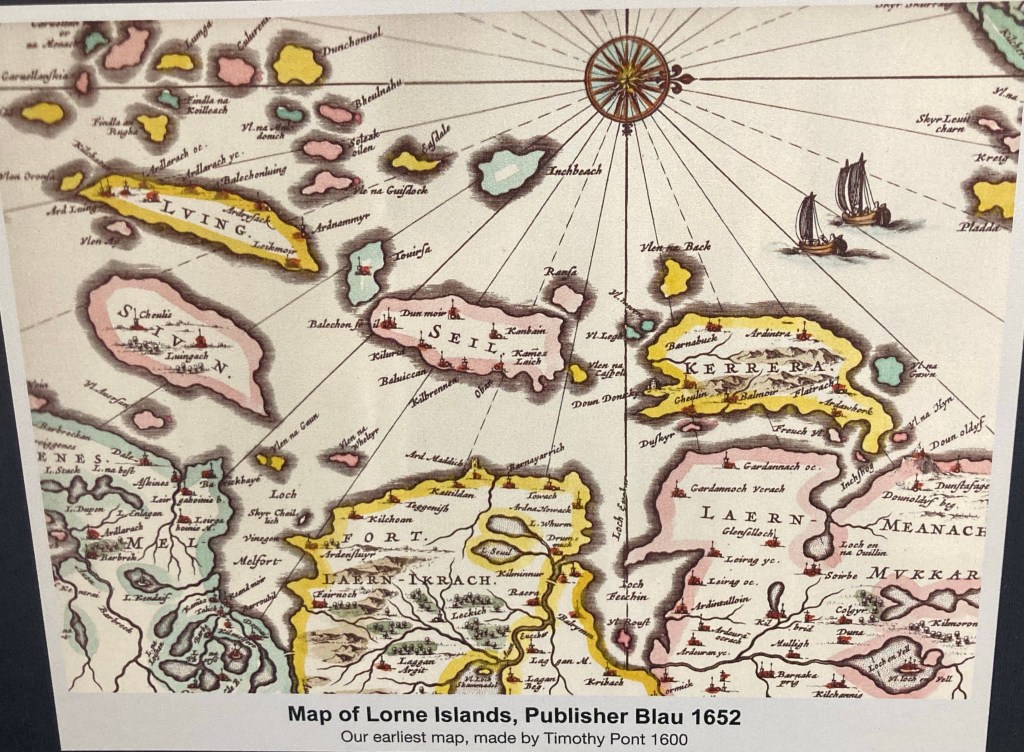
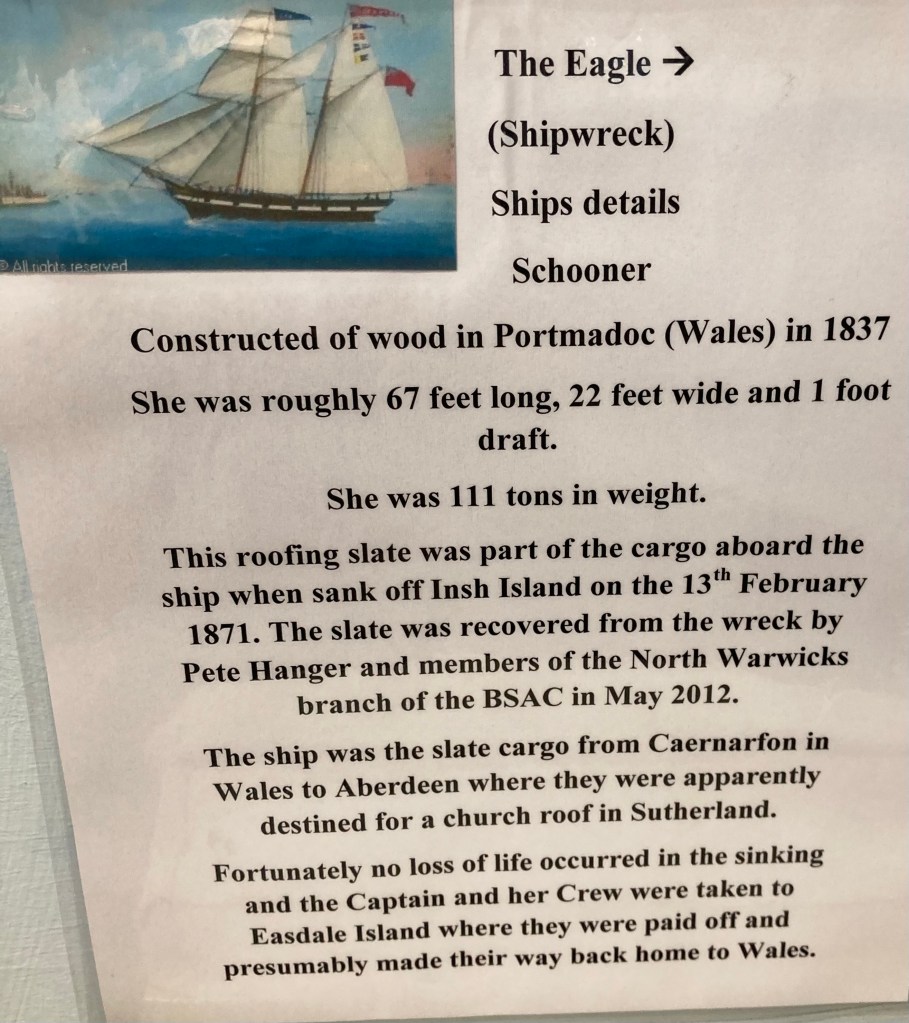
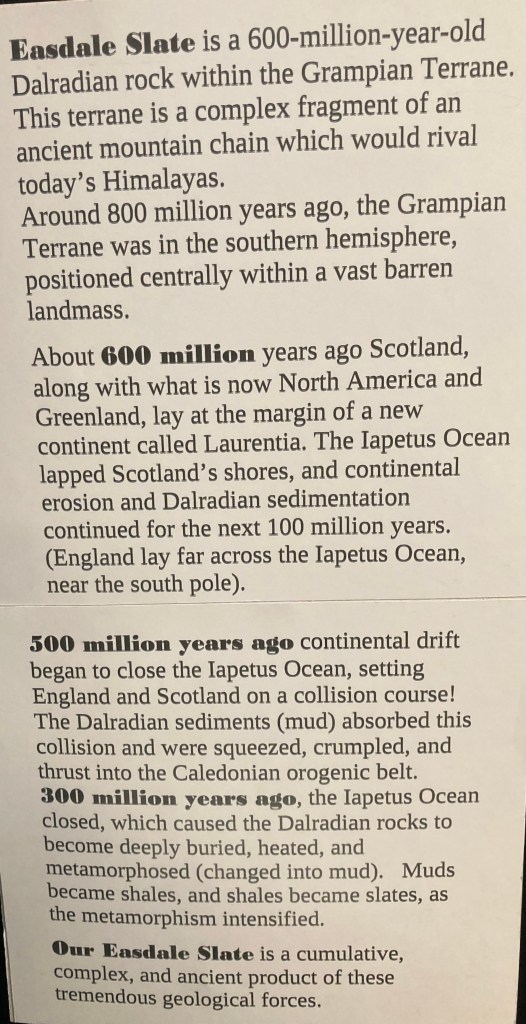
Historically Siel and its neighbouring islands ( known as the slate islands) were the major producers of slate roofing tiles distributed around the world. We stayed at Elenabech a Scottish heritage site consisting mainly of old Quarrymen’s cottages with a small two roomed museum, shop and pub. Yet again we were impressed by the amount of information and the displays within the museum.

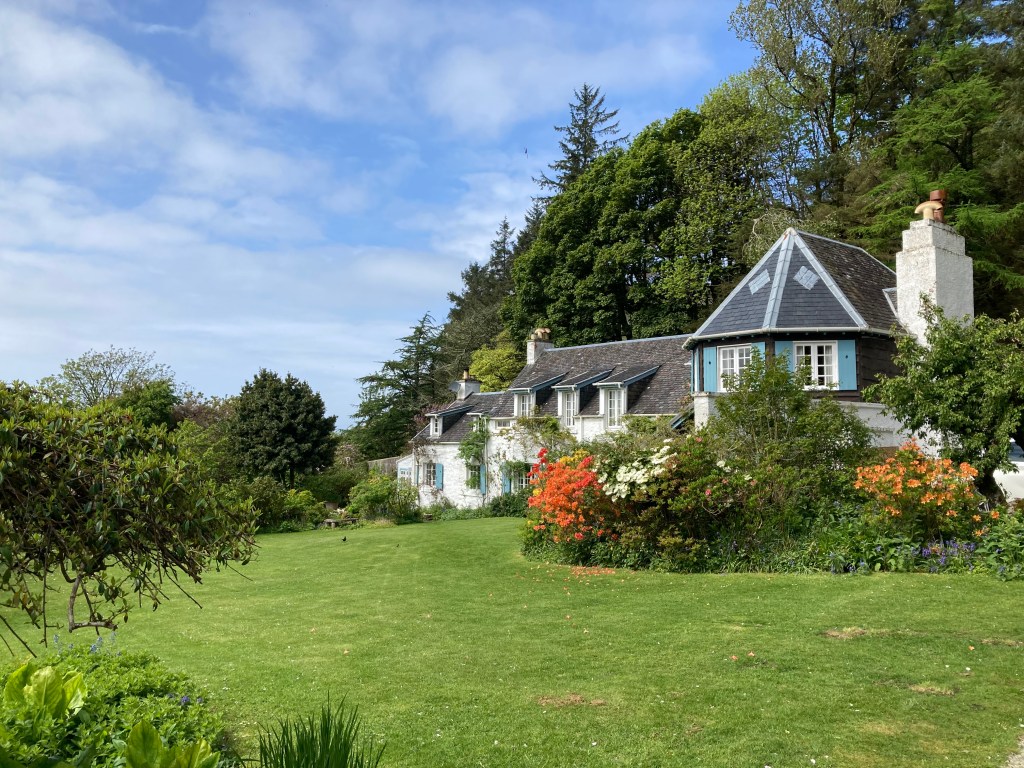
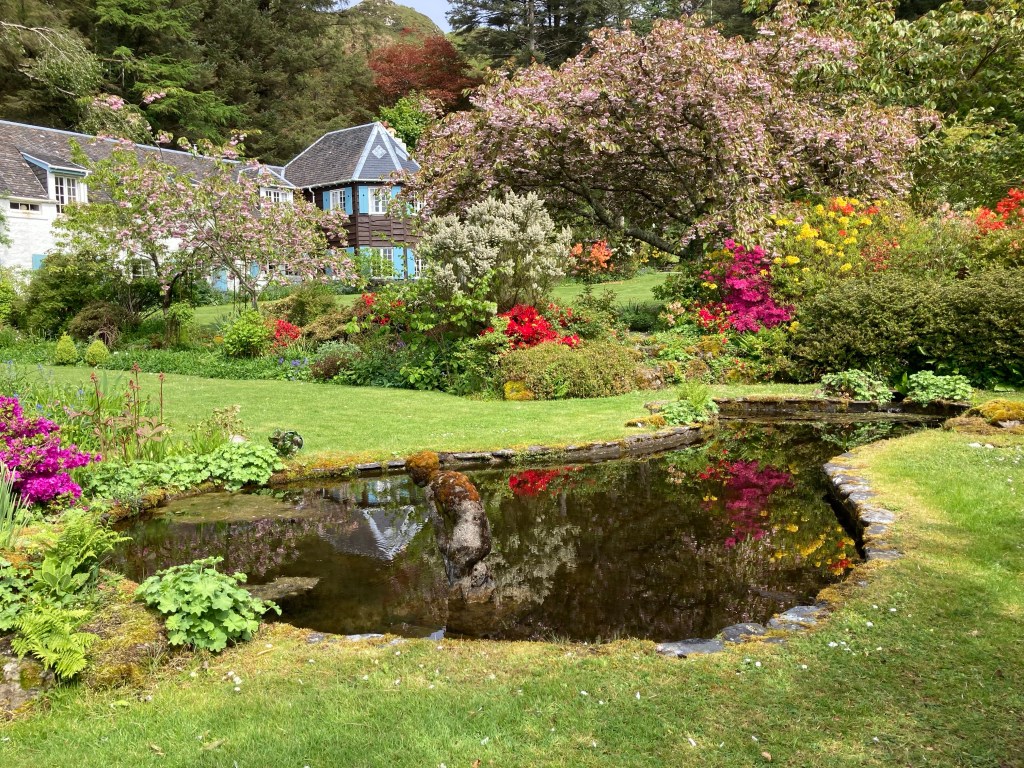
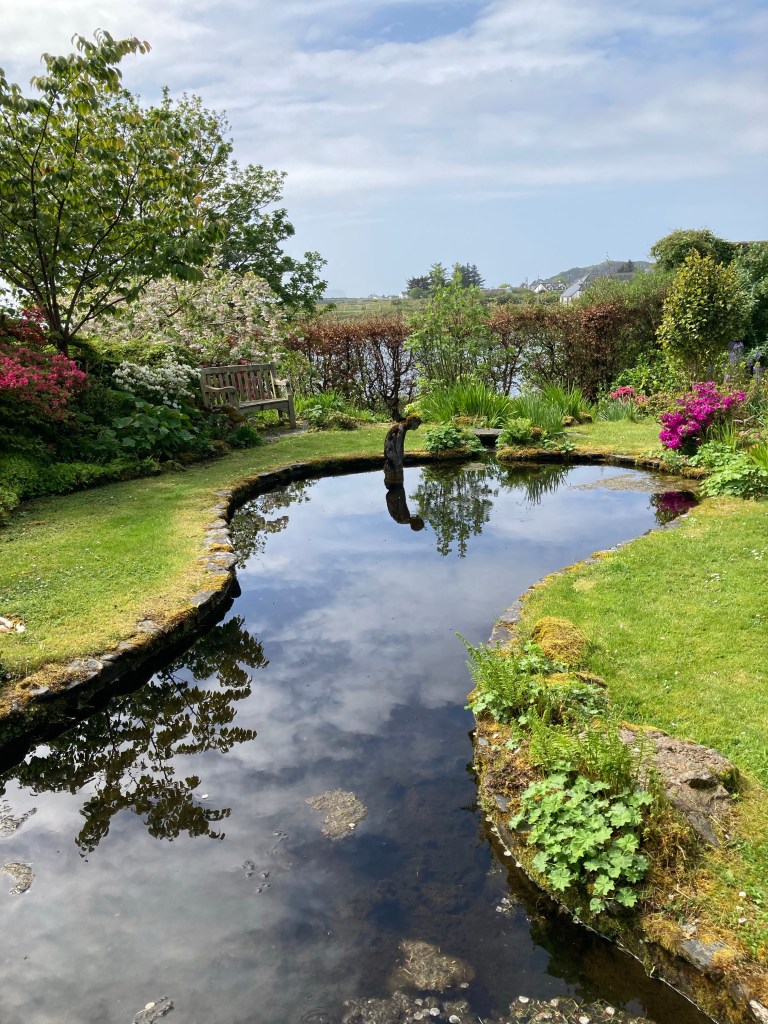
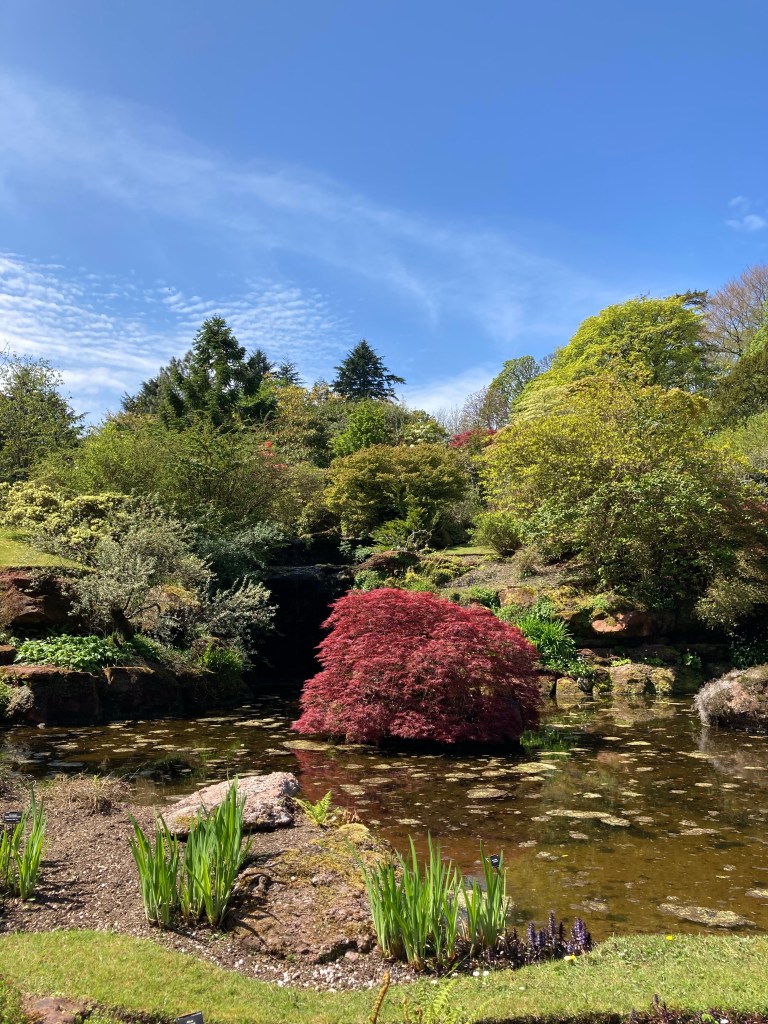
A short walk out of the village, An Clana house was hosting an open garden in aid of cancer. What a beautiful setting for a very understated house and garden overlooking the water with a backdrop of pine trees.

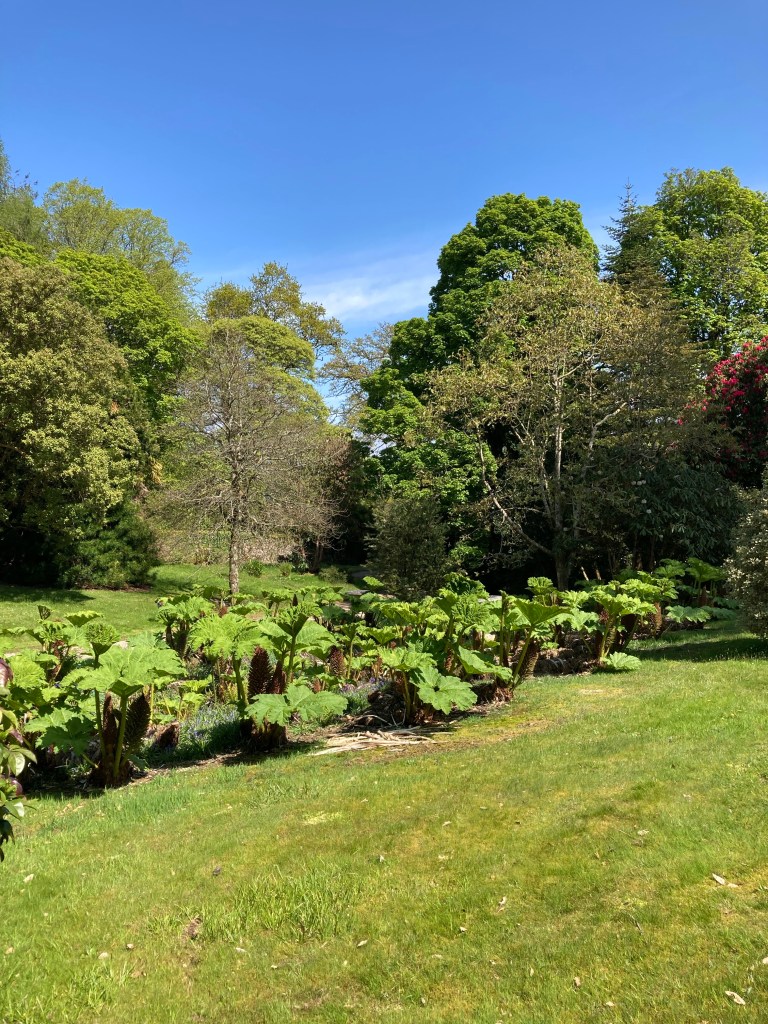
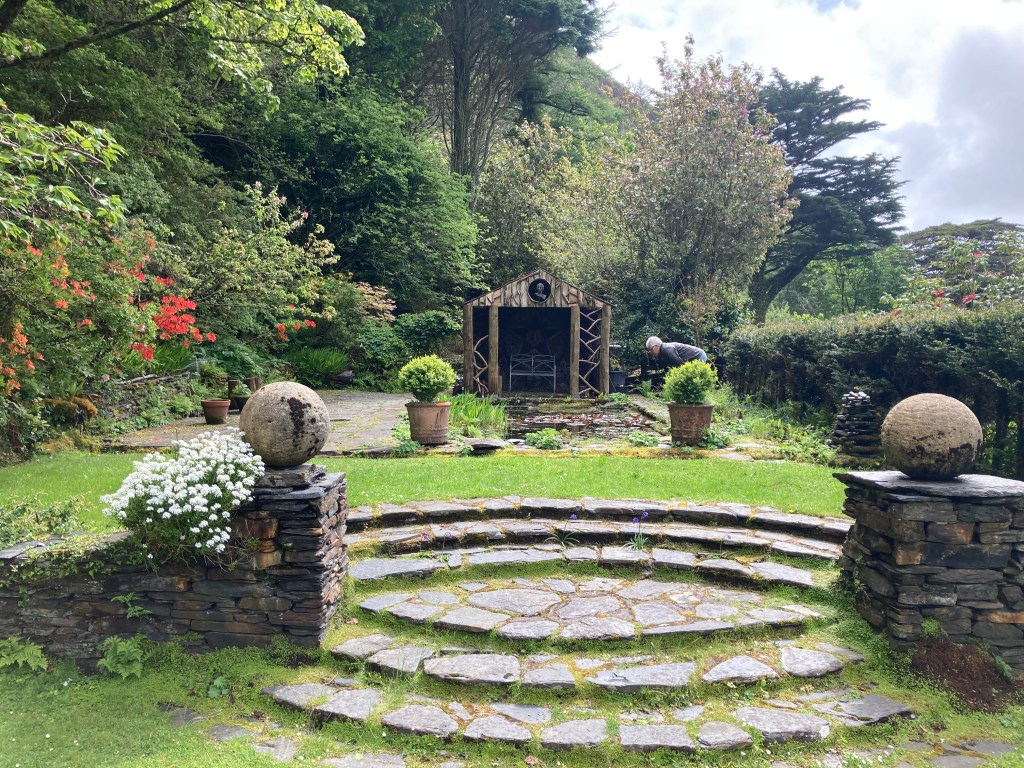
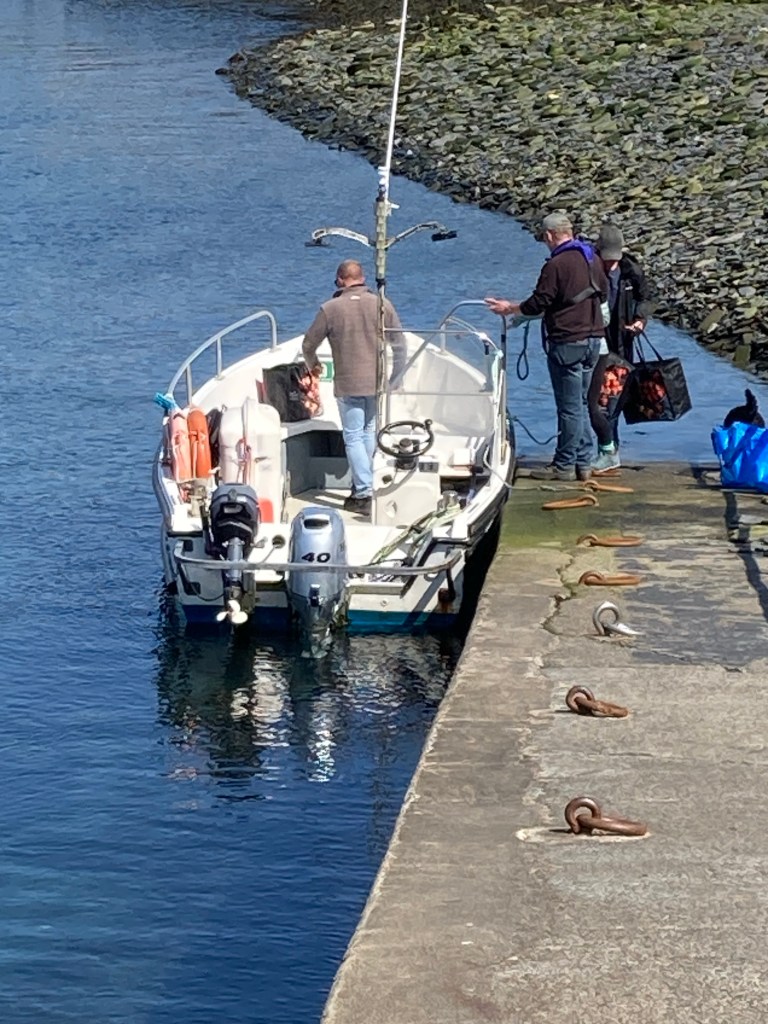
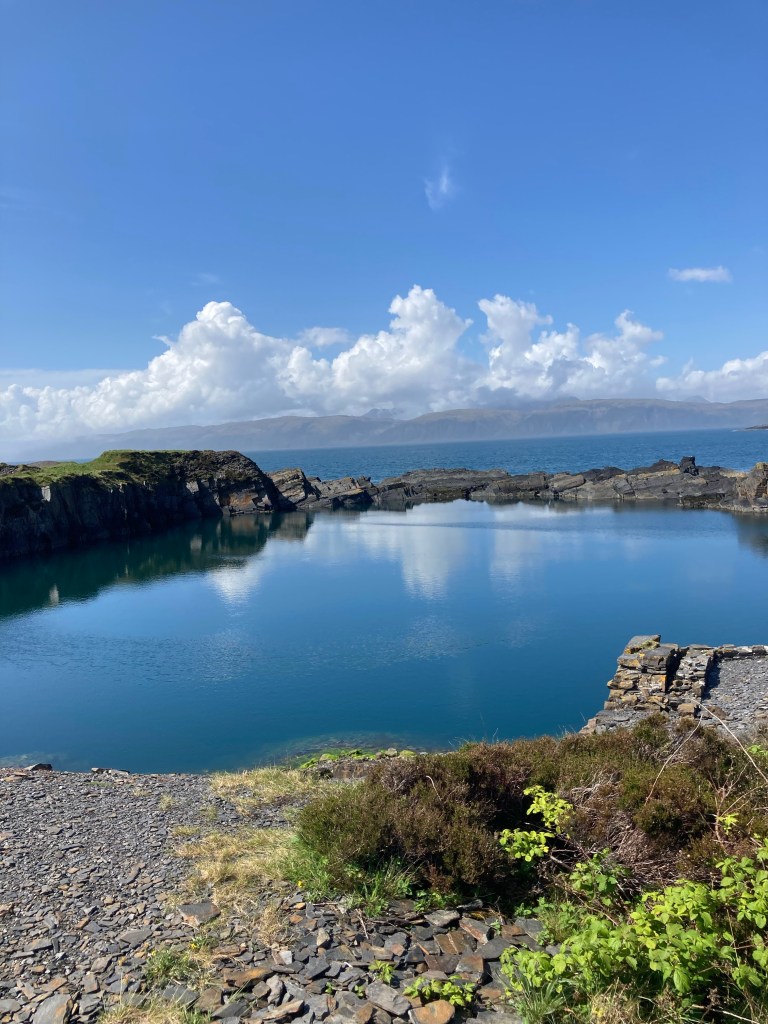
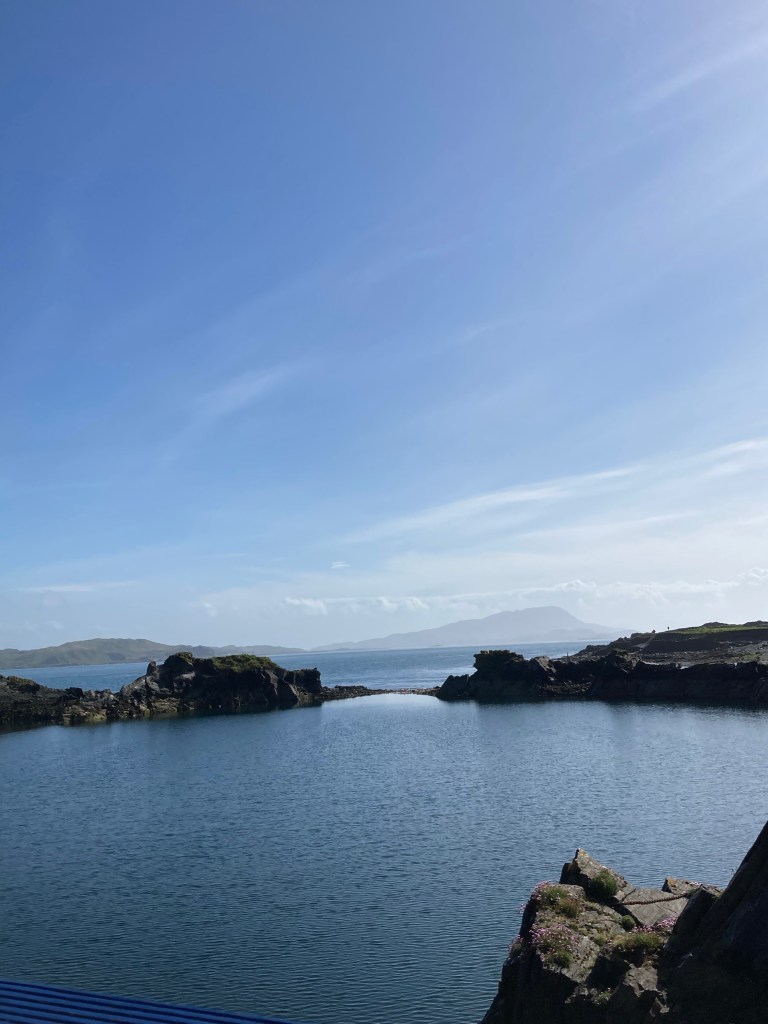
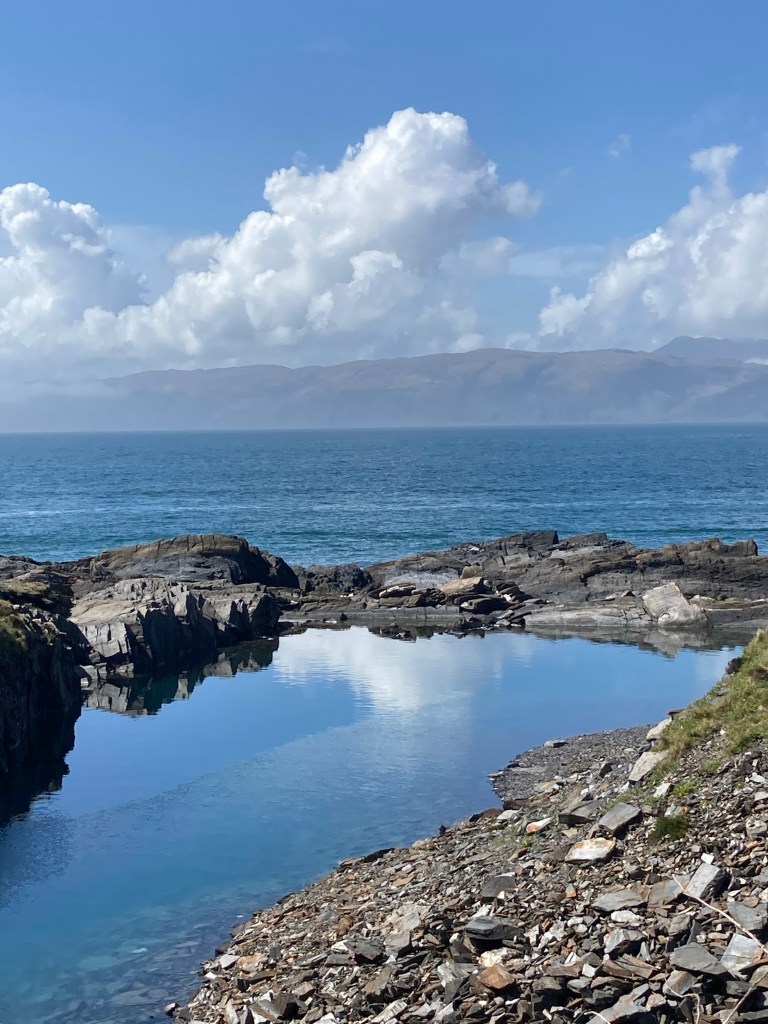
A short boat ride across the water from the harbour at Elenabech took us to Easdale island where nature had started to reclaim the old quarry workings. With a population of fifty two people there were few houses again mainly old quarrymen cottages with a few new builds. As there are no cars or roads on the island it was a pleasure to take a walk around the island which had many paths around the perimeter of the old workings.

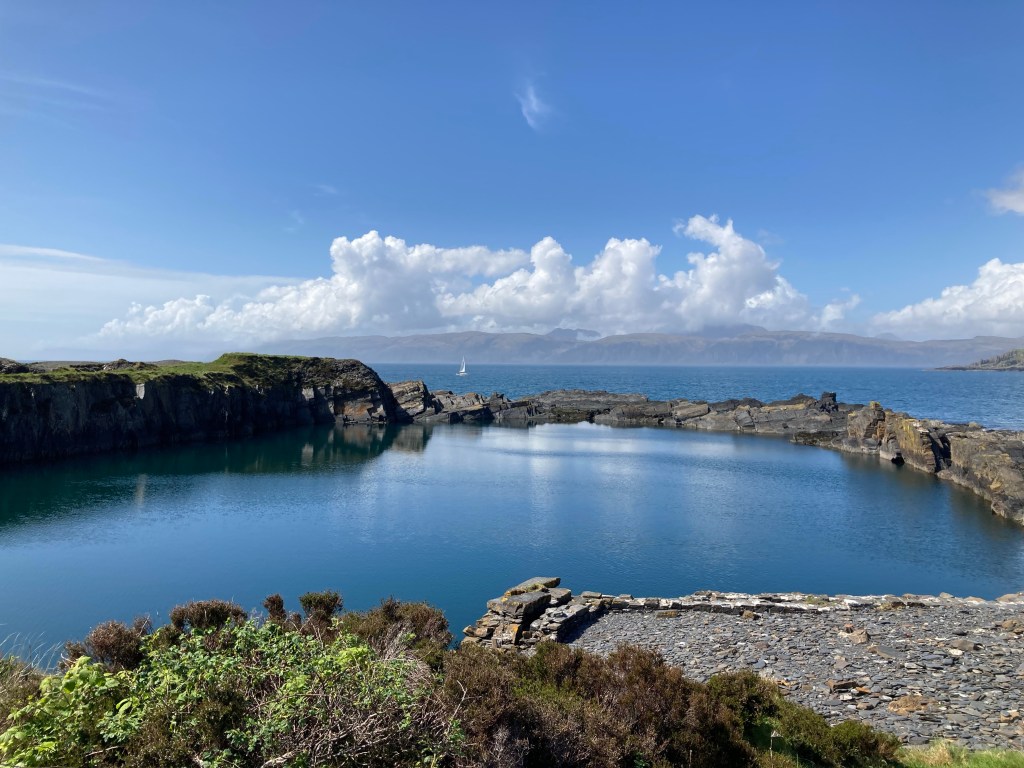
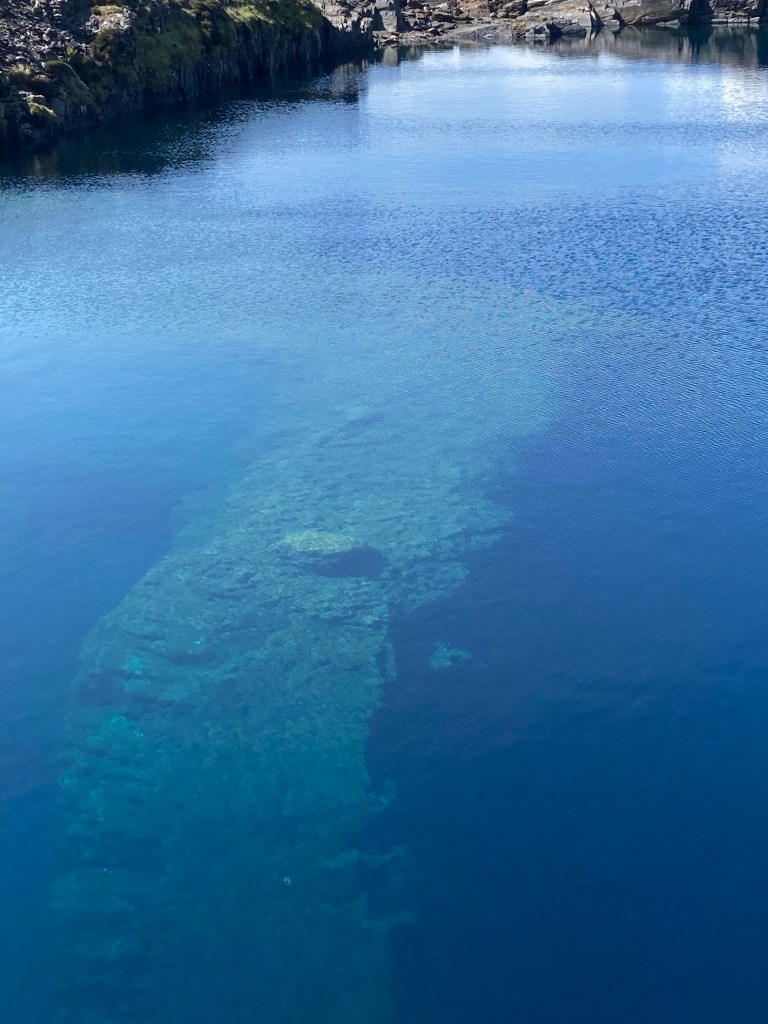
These 2 locations along with a number of near neighbouring islands had been the heart of this Scottish slate industry around the mid 1800’s and at its height employed 250 people. It was competition from other slate producers in the U.K. and Spain and severe winter storms breaching the quarry walls that destroyed the industry. The mining on these islands was by digging into the island rock to a depth in places of up to 200 feet below sea level and leaving the edge of the island reduced in thickness which is where the breach occurred. One such quarry had contained a volcanic lava extrusion in the slate seam but they had quarried around it leaving a eerie shape in the flooded quarry.

Lincolnshire into Norfolk

After meandering our way through the Lincolnshire Wolds in Vinnie (our treasured motor home) we found ourselves wild camping at an RSPB reserve called Frieston shore just north of Boston.

What a find! It is a mixture of coastal lagoon and wetland area with easily accessible walks along footpaths flanked by hawthorn hedgerows and sea defence grassed banks.

Our parking spot gave us a clear view over the coastal lagoon and its inhabitants which were many and varied, swans, egrets, goosanders , pink footed geese, black bellied ducks, oyster catchers, and the inevitable Canada geese and mallards.

Walking between the lagoon and the wetlands we enjoyed the company of blue and great tits, robin and Jenny wren but the delight was sighting a family of goldcrests a yellow browed warbler and a pair of stonechats.

Our early morning walk the following day took us around the complete perimeter of the wetland area which consisted of large grassed meadows, fields full of sunflowers and drainage ditches which created an amazing habitat for wildlife. We were accompanied throughout our walk by several large flocks of goldfinches feeding off the hawthorn berries and sunflower heads in a quiet corner sitting on top of a spray of hawthorn we spotted a yellowhammer who after a lot of calling was joined by his mate. At the furthest outward point of our walk we turned towards the coast and sea defence embankment by walking alongside the tree lined boundary of the North Sea prison out of which flew a sparrow hawk. As we walked back along the embankment we spotted flocks of field fare on the shore side and on the wetland side we had egret mallards and at one point a marsh harrier and kestrel flew in together.

The one bird we have not mentioned is the endangered tree sparrow which thankfully is thriving here in great numbers .

After a night wild camping in a lay by outside Burnham Overy Staithe, a place renowned for its mussels, we visited Pensthorpe Waterfowl Park known as the natural centre of Norfolk.

Well worth a visit if you are a lover of nature, conservation, wildlife and the outdoors. There are easy to follow footpaths around numerous lakes, meadows and woodlands giving you the opportunity to see a large variety of waterfowl in their natural habitat, as well as nationally important conservation pens housing red squirrels, cranes, bearded tits, avocets and corncrakes.

The wildlife areas are complemented by formal gardens designed by Chelsea gold medal winners and a wooded area housing a sculpture park.

The weather on the day of our visit was overcast and wet but this did not detract from our enjoyment of the day.

The end of the road

So here we are back at home desperately trying to overcome the jet lag and feeling the need to finish chronicling our travels.

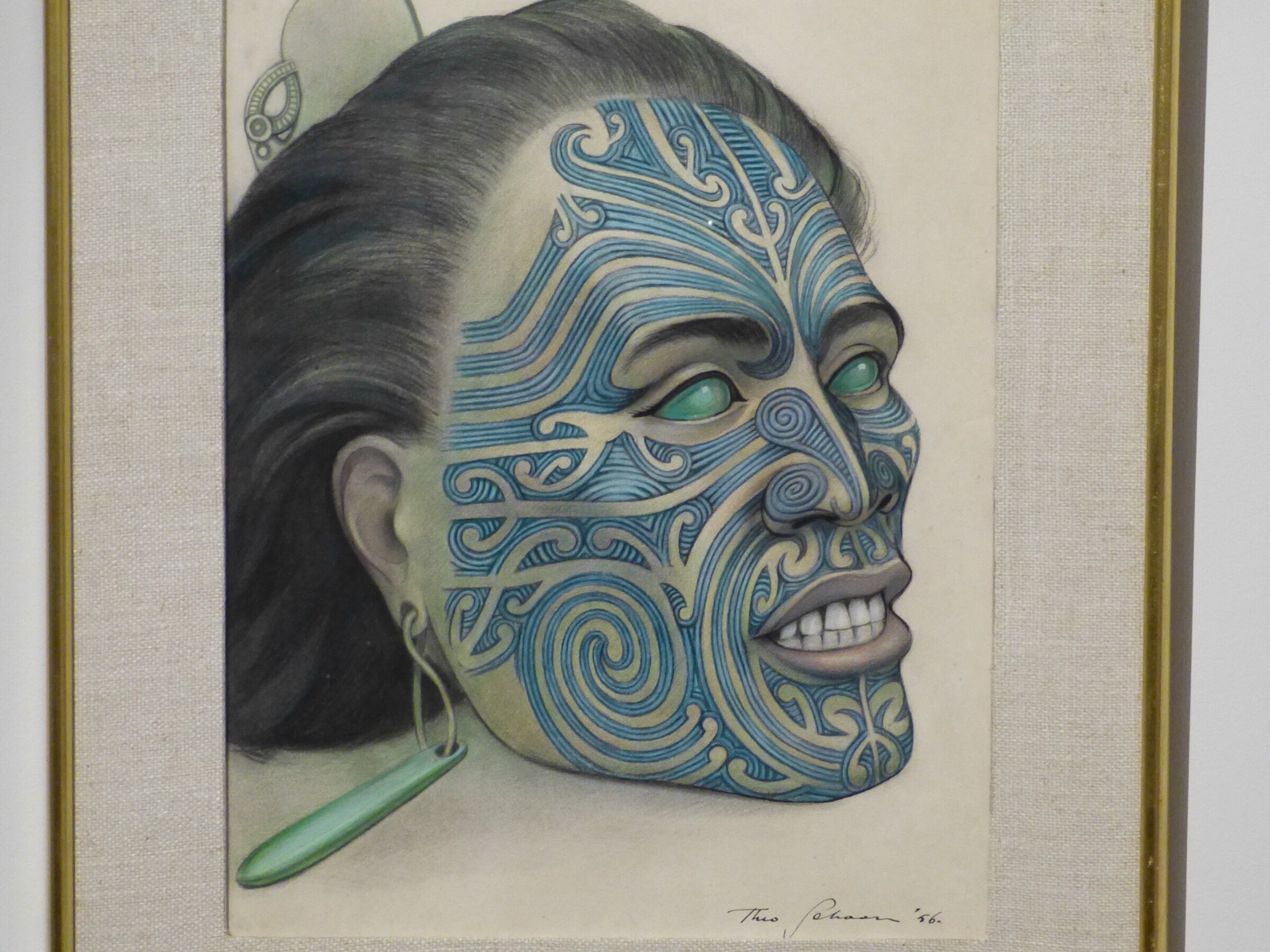
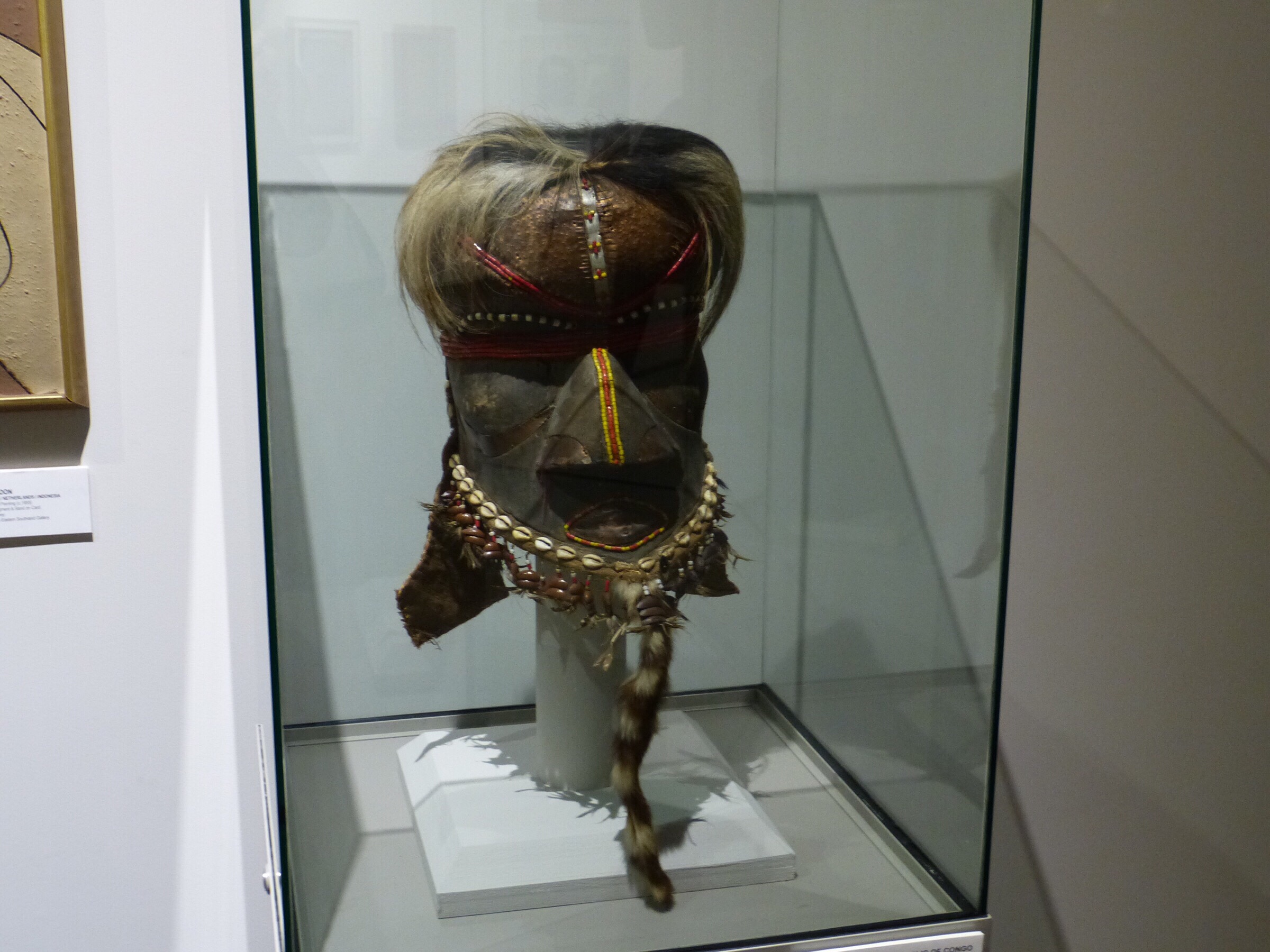
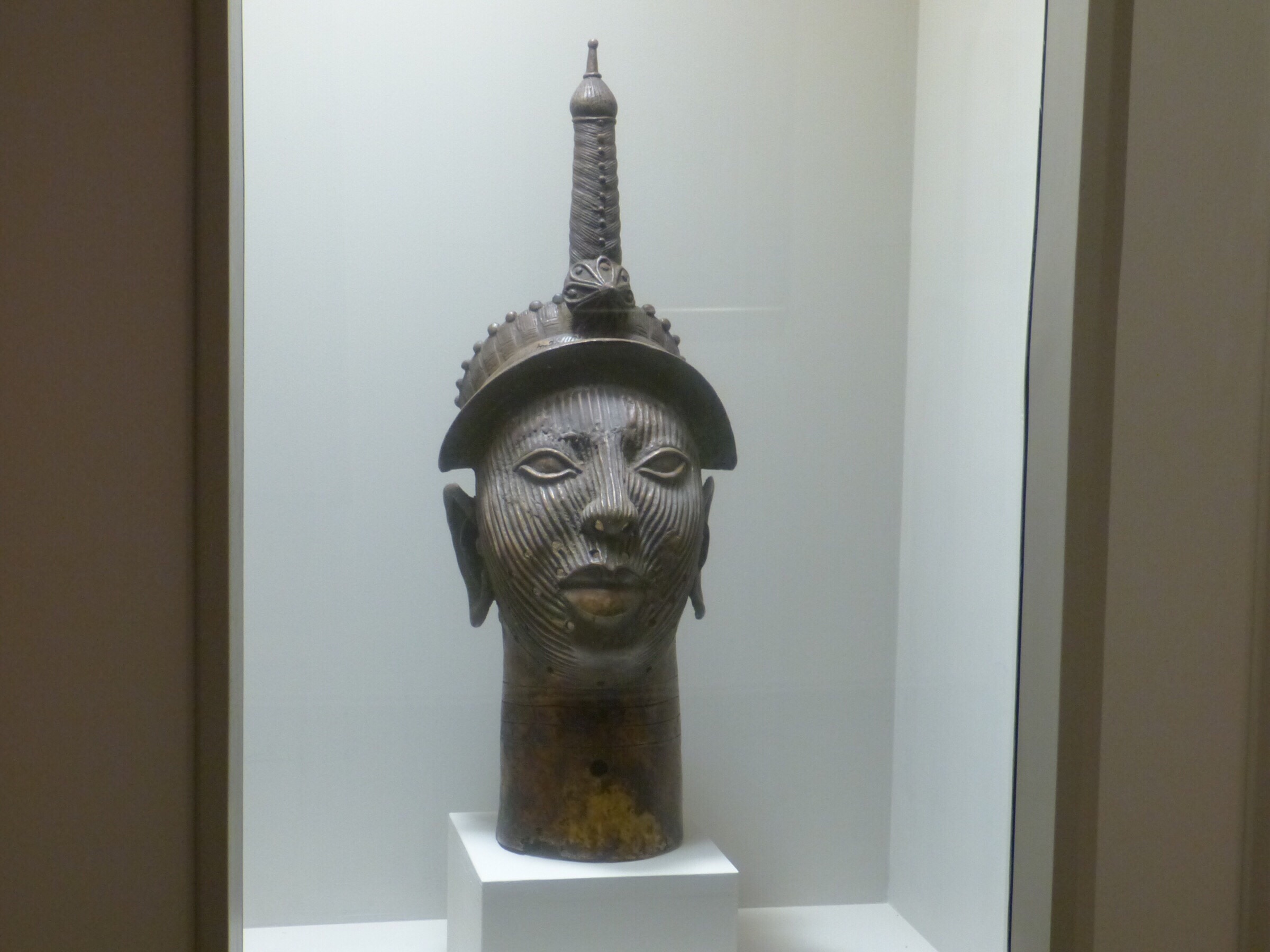
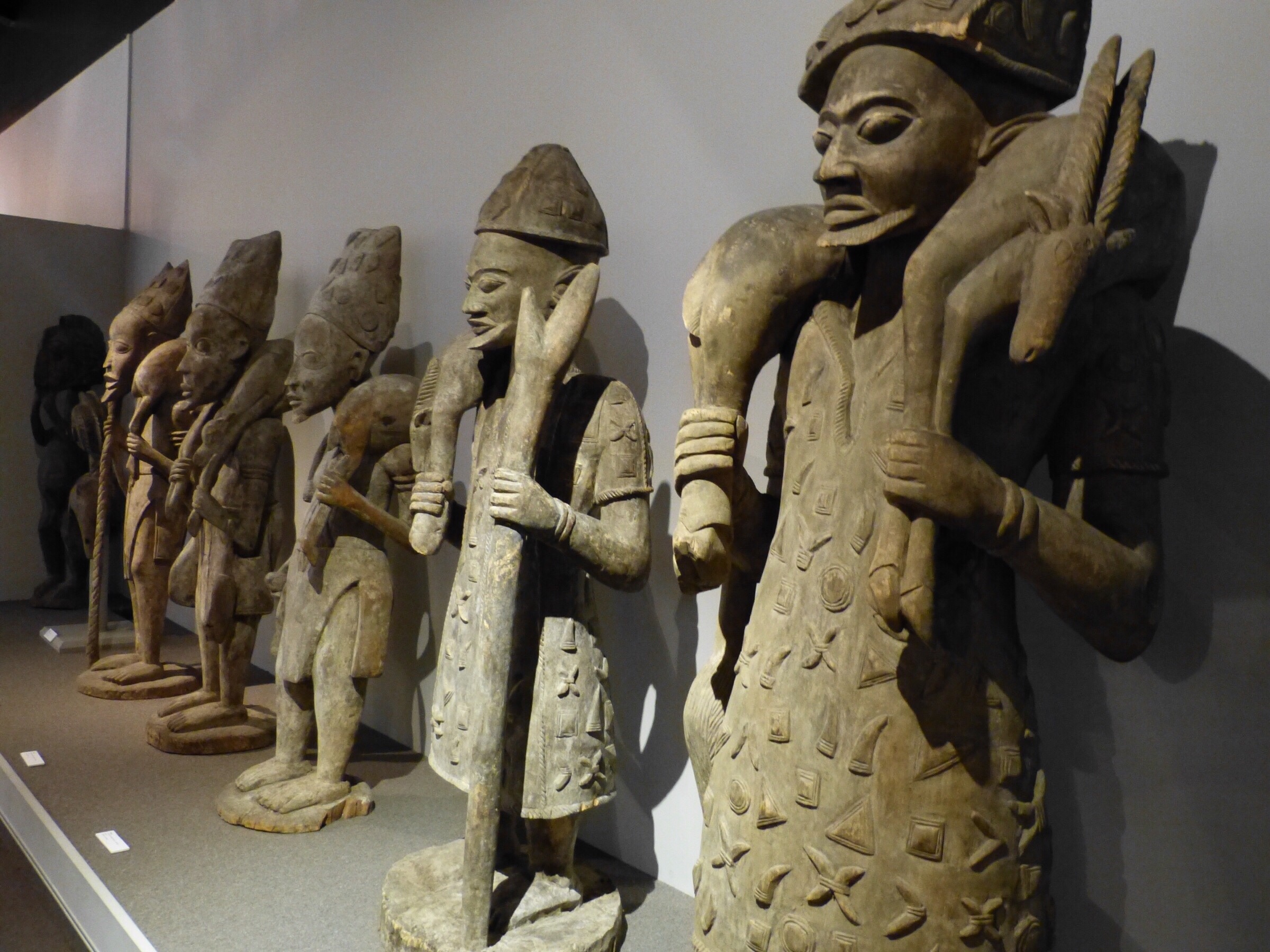
We had hoped to get as far south as Stewart island but time was against us so we headed to Dunedin on the east coast and not to far from Christchurch our final destination.Stopping overnight at a place called Gore, not a planned stop but tiredness got the better of us so we just headed for the next convenient place. A lucky choice as the following morning we visited the local gallery which happened to be the home of the John Money collection (the name meant nothing to us at the time) Money was born in Morrinsville , studied education and psychology and ended up as a research fellow at the John Hopkins university in Baltimore. He always maintained an interest in the arts and was an avid collector he befriended the artists Theo Schoon and Rita Angus who’s work featured largely in the display as well as his own collection of African art and carvings.

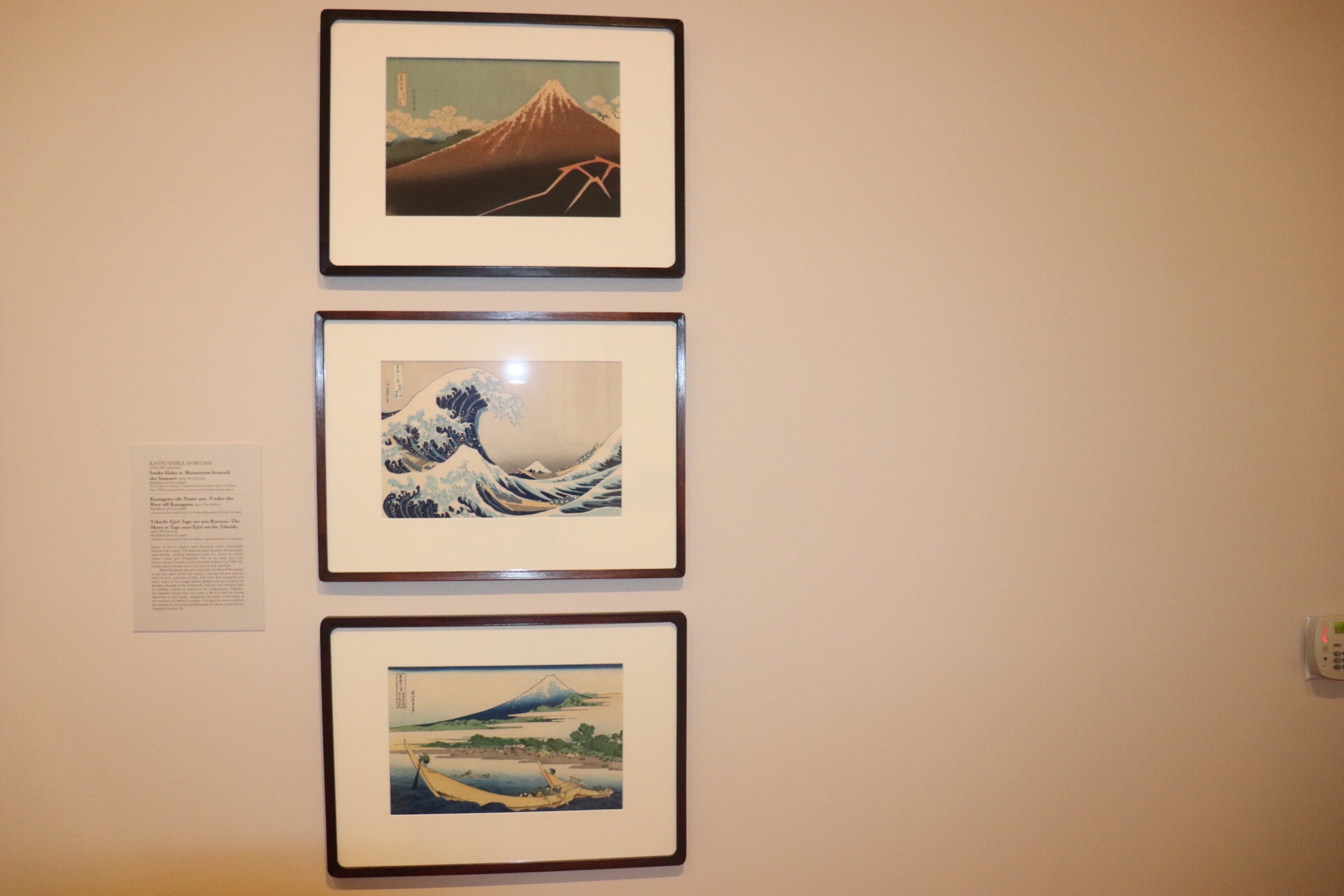
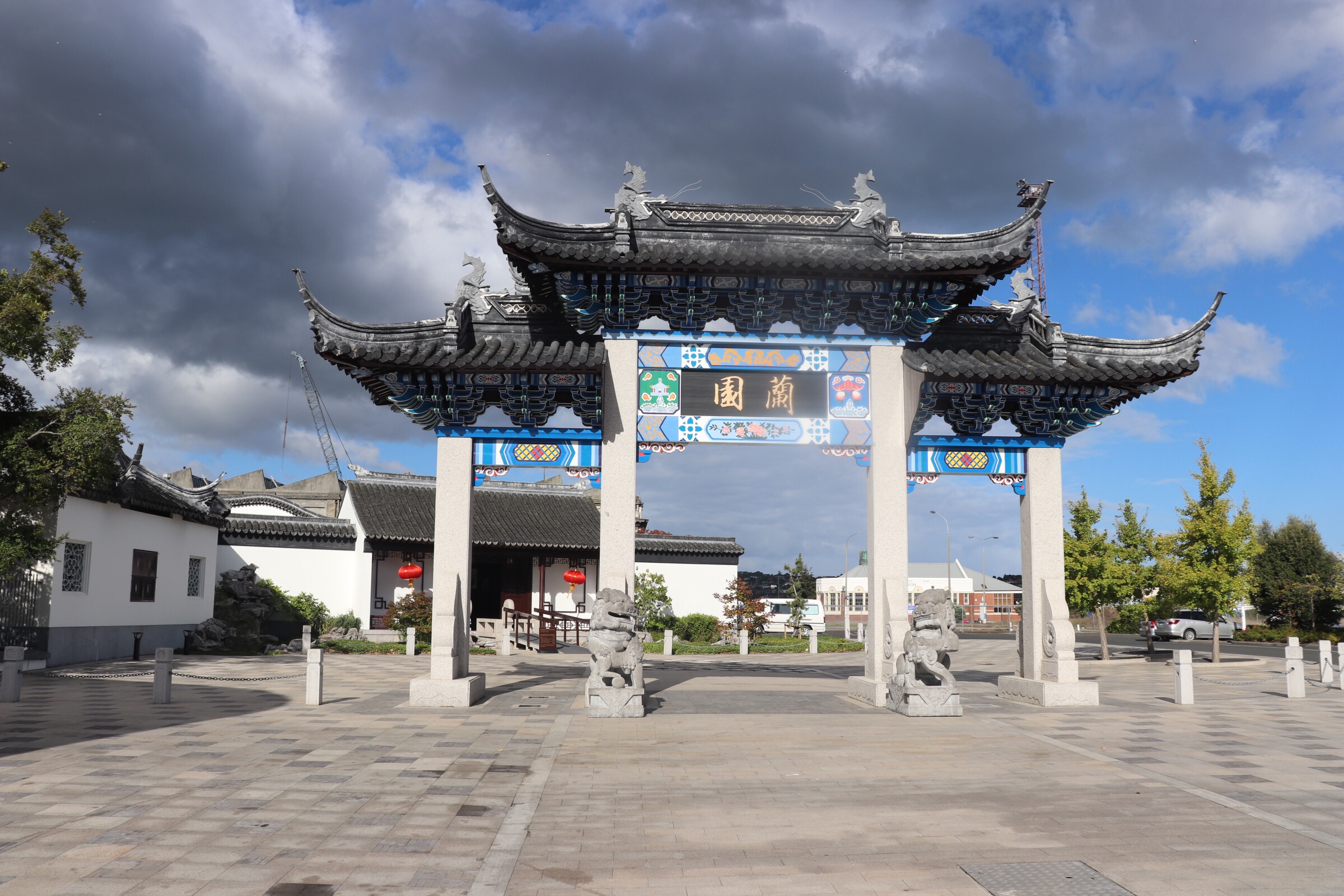
We eventually arrived in Dunedin (which is Maori for Edinburgh) and instantly liked it, everything appeared to span out from the main square on which sat the Cathedral, Art gallery and a great choice of eateries. Having lunched we headed towards the Chinese garden but were drawn in to the Otago settlement museum so had to give the gardens a miss until the following morning.

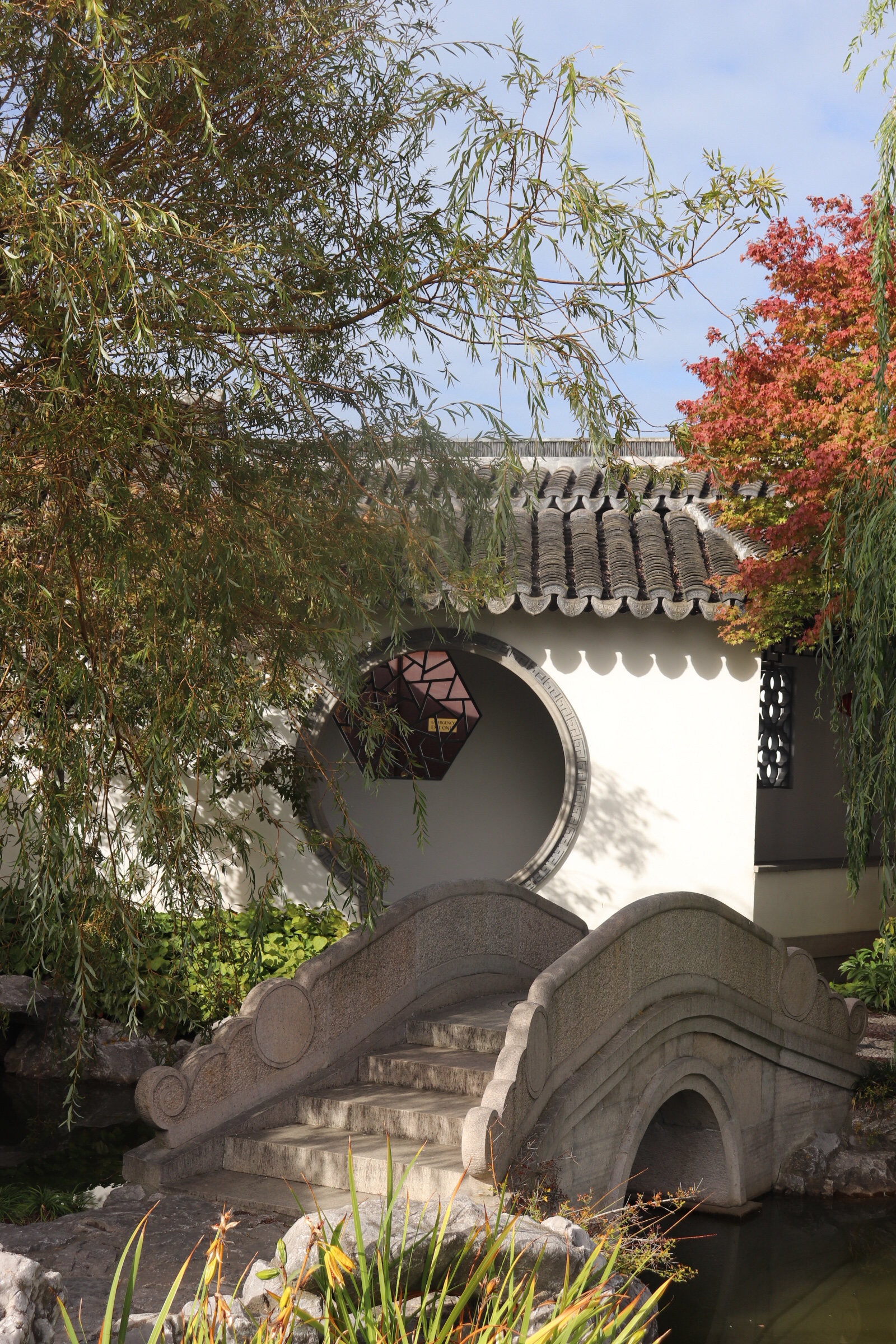
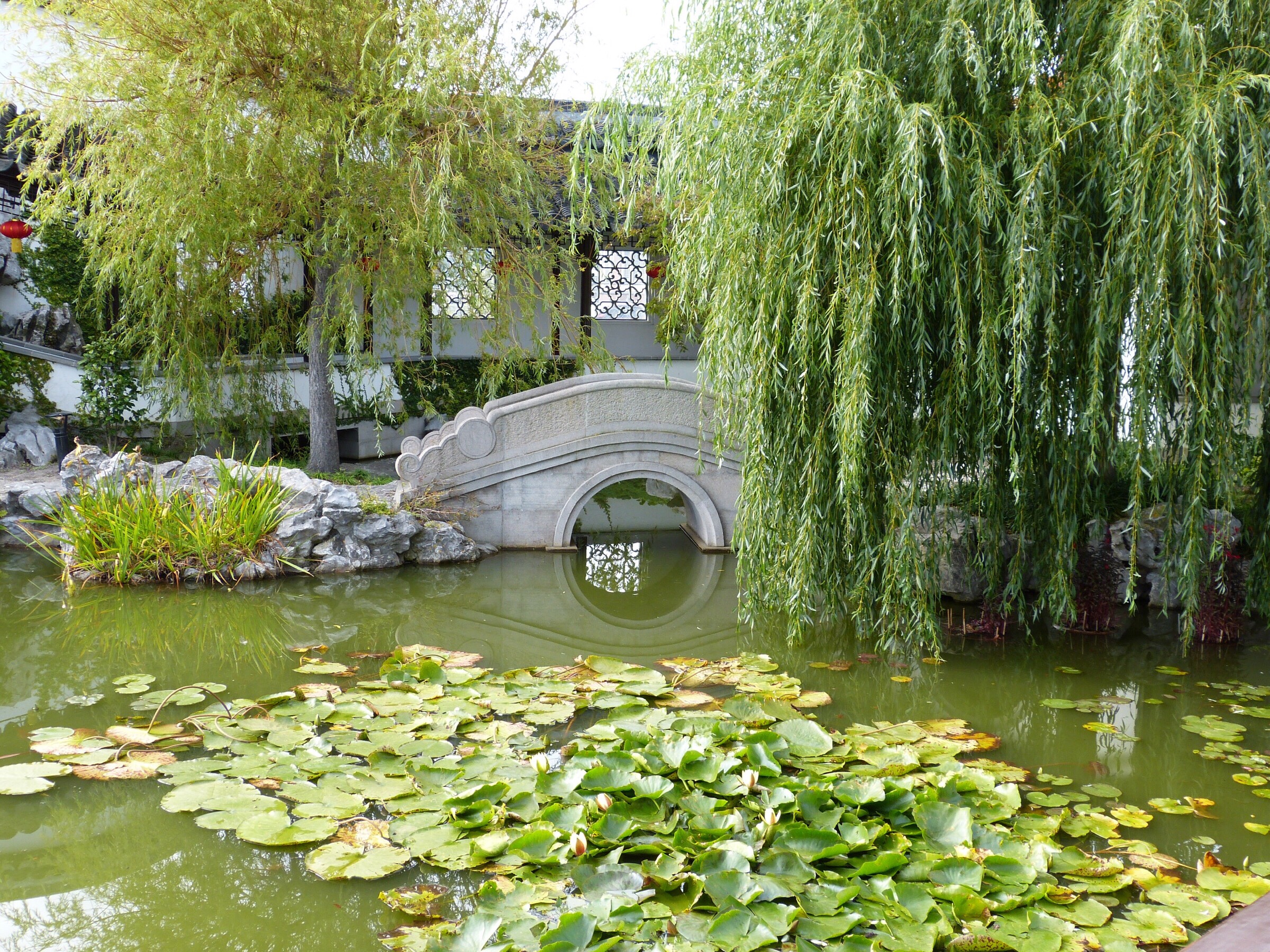
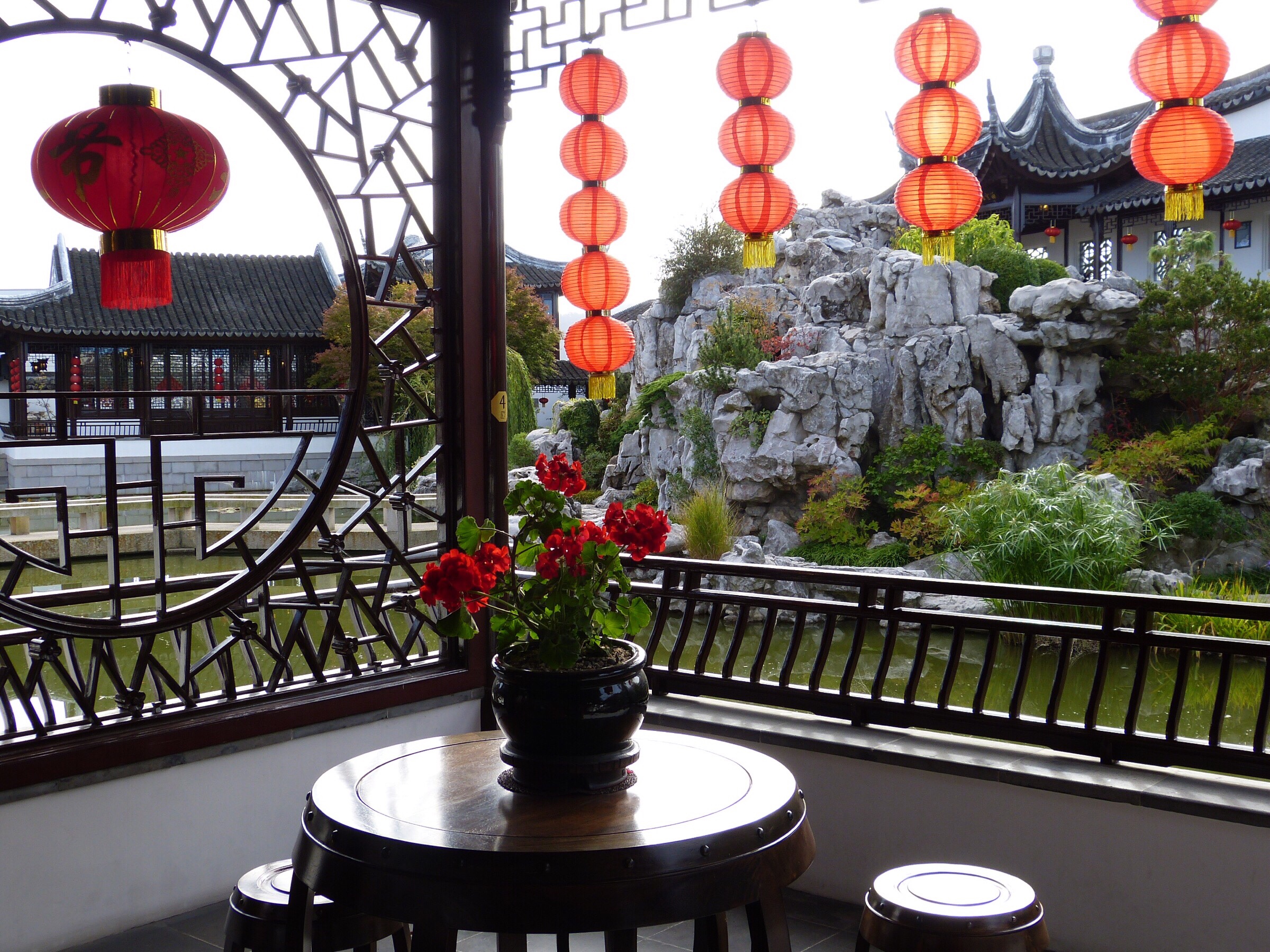
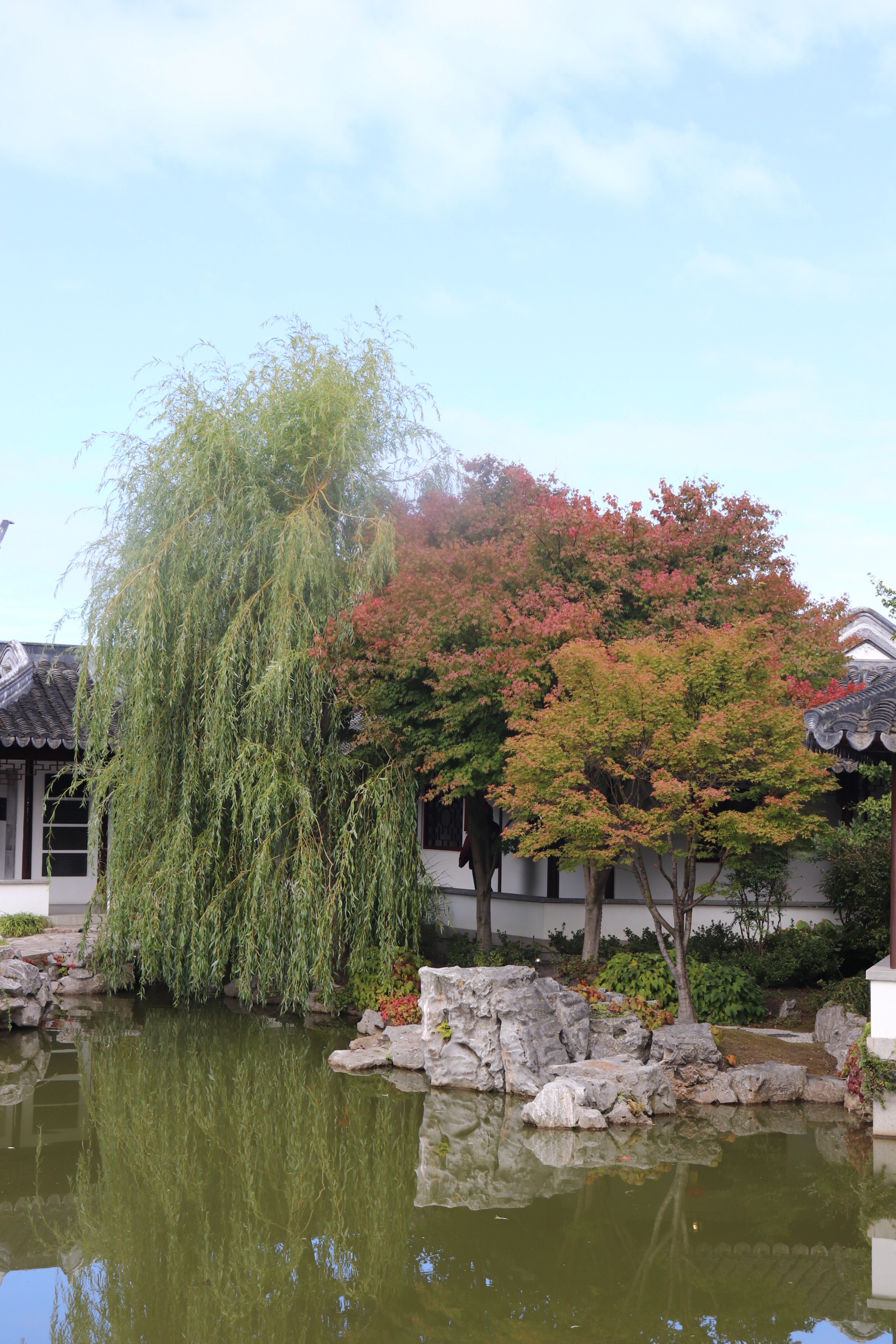
The gardens were built in recognition of the contribution to the town by the Chinese settlers who had originally come as gold miners diversifying into market gardening when the gold ran out and eventually into fruit selling and laundering. The garden had been prefabricated in Shanghai dismantled and then reassembled in Dunedin.

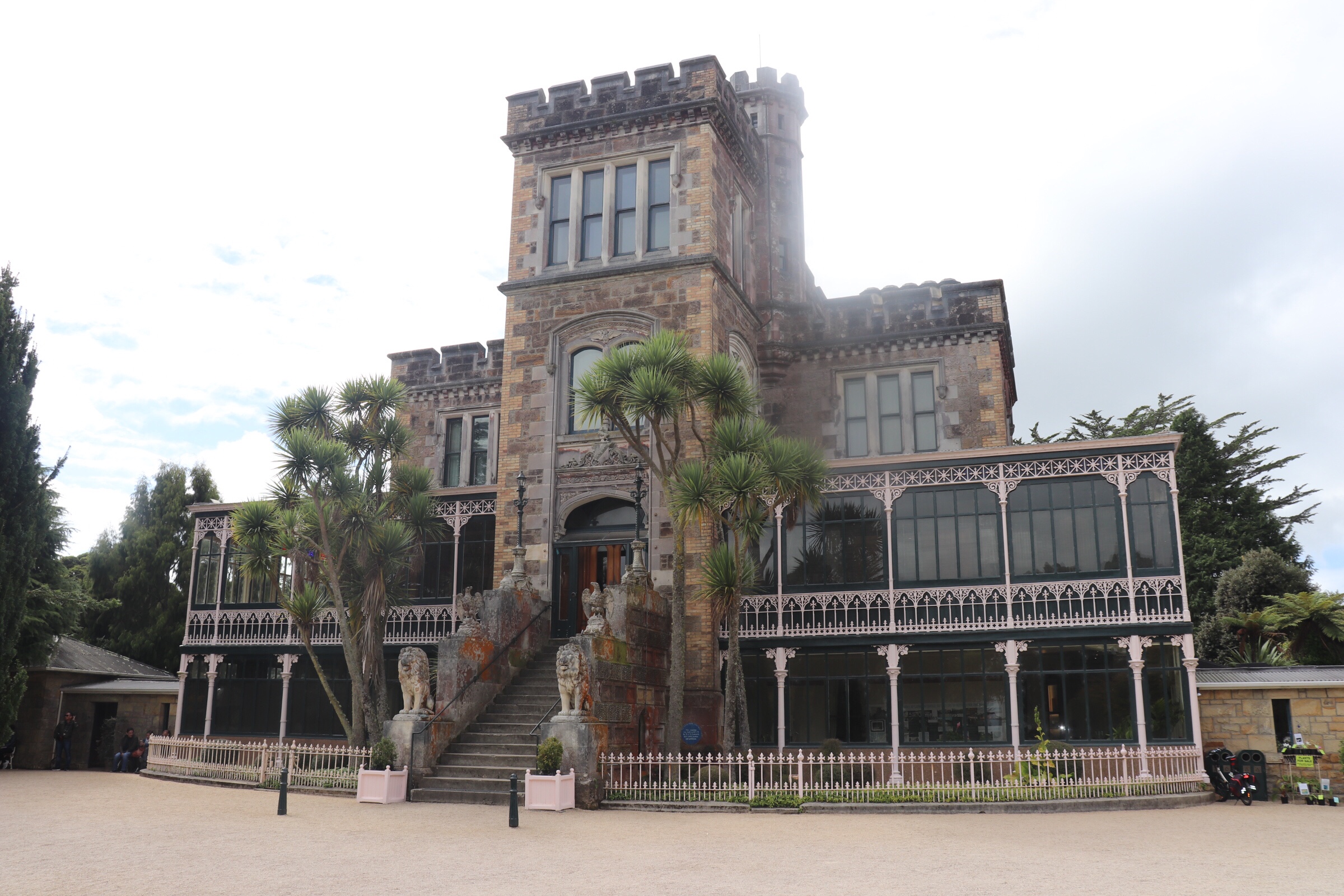
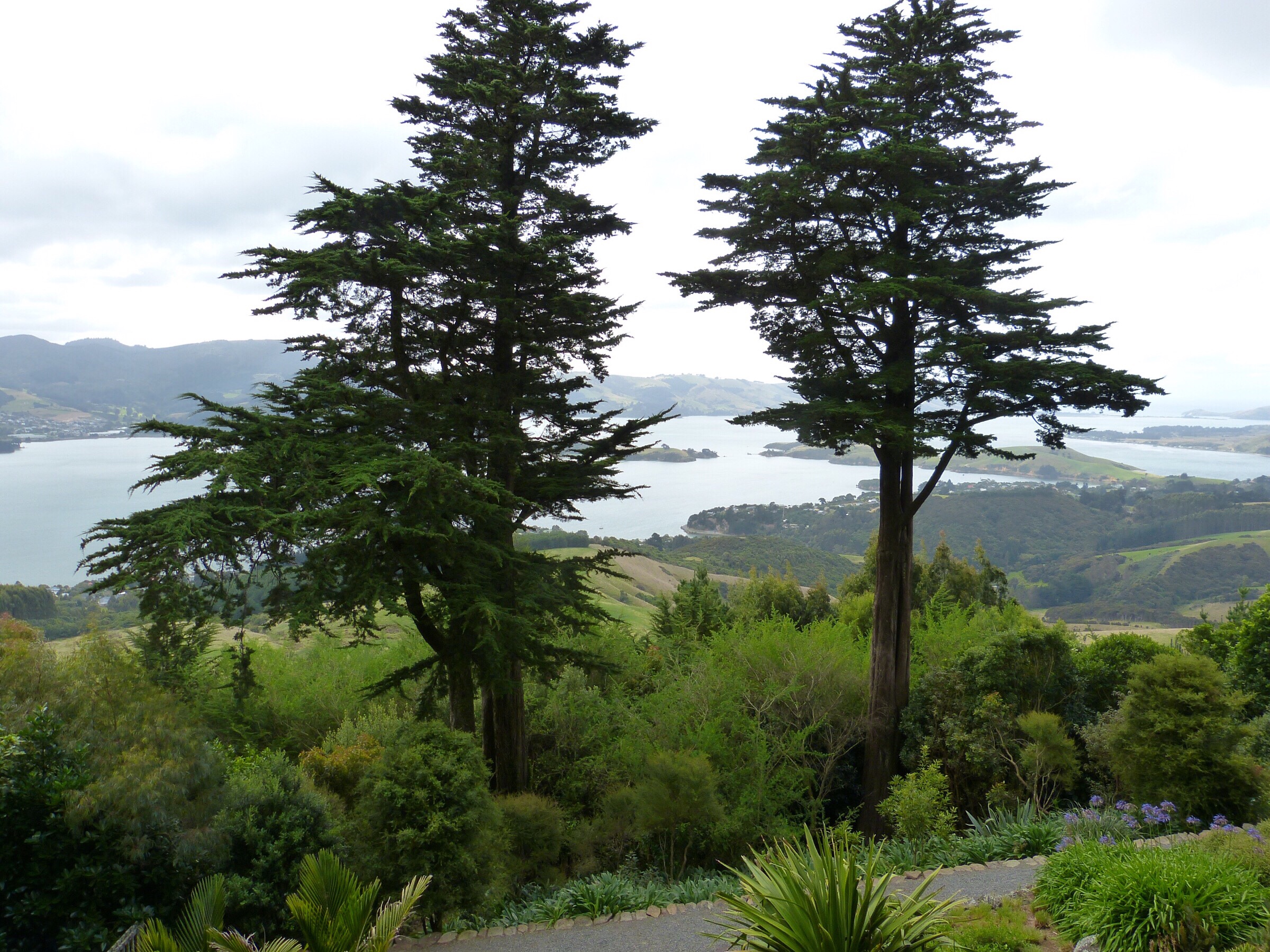
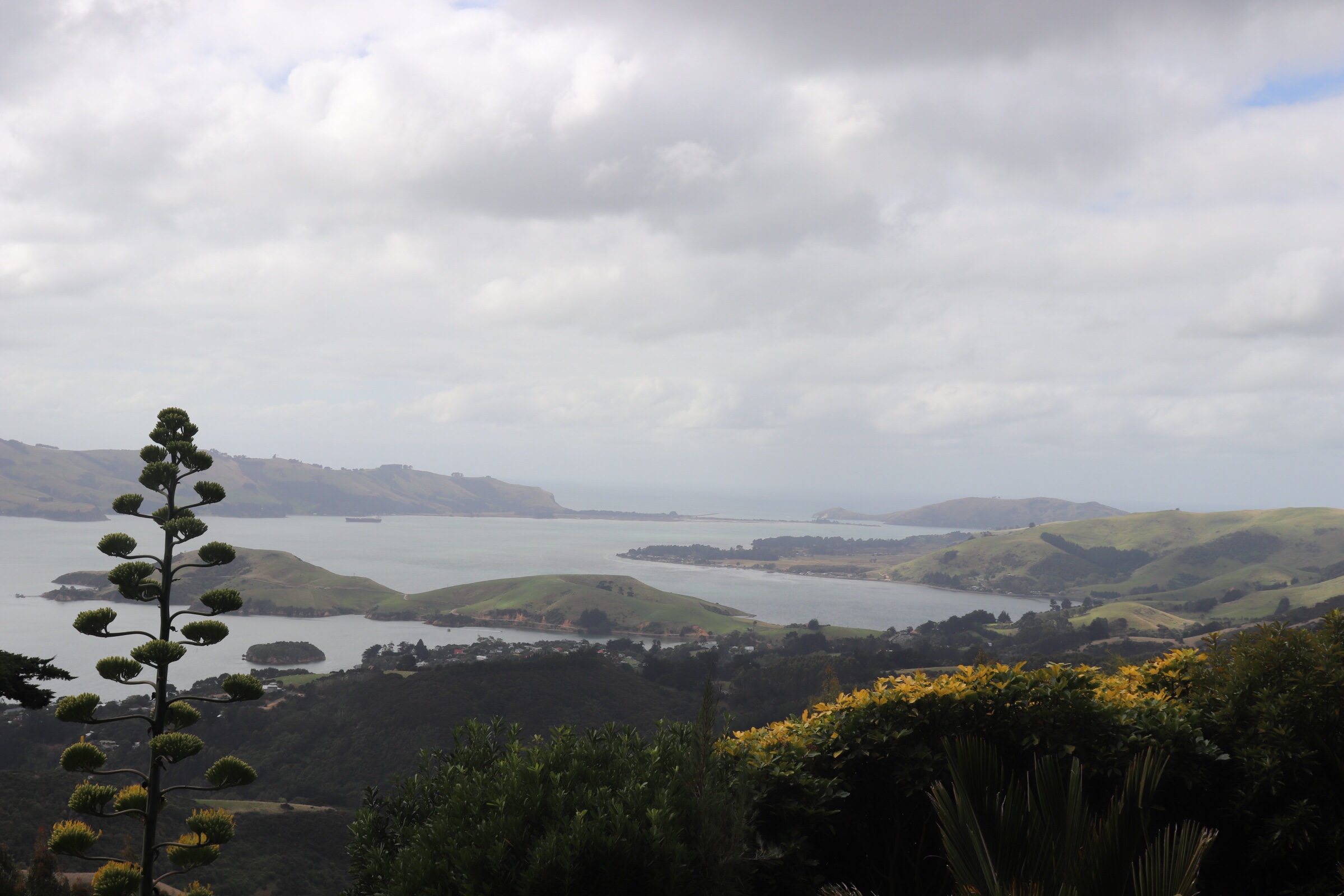
After a leisurely stroll around the garden we headed to the Otago Peninsula to visit Larnach castle built in 1871 by William Larnach a wealthy banker and member of parliament for his wife, set on a hill it had great views of the Peninsula.

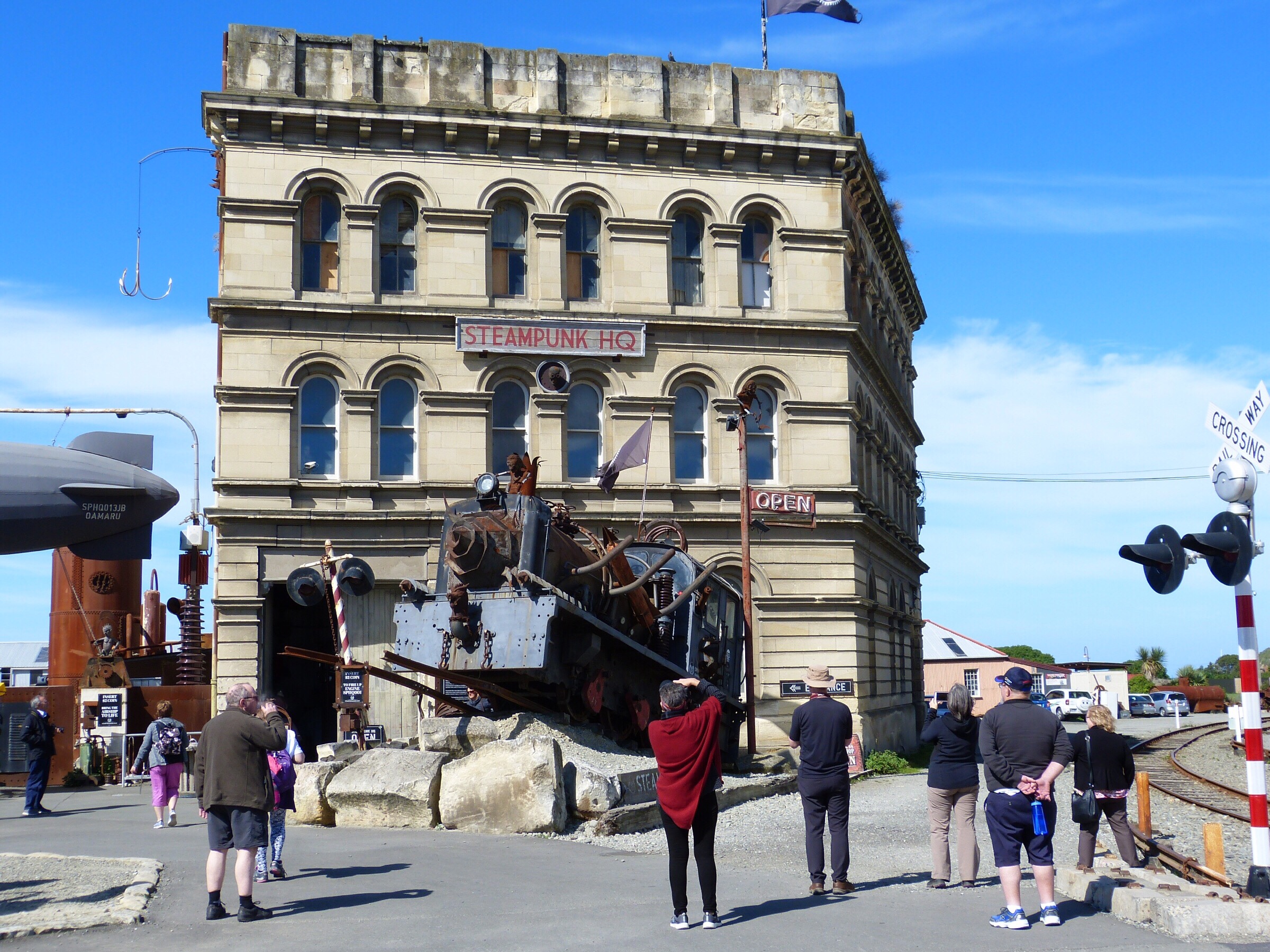
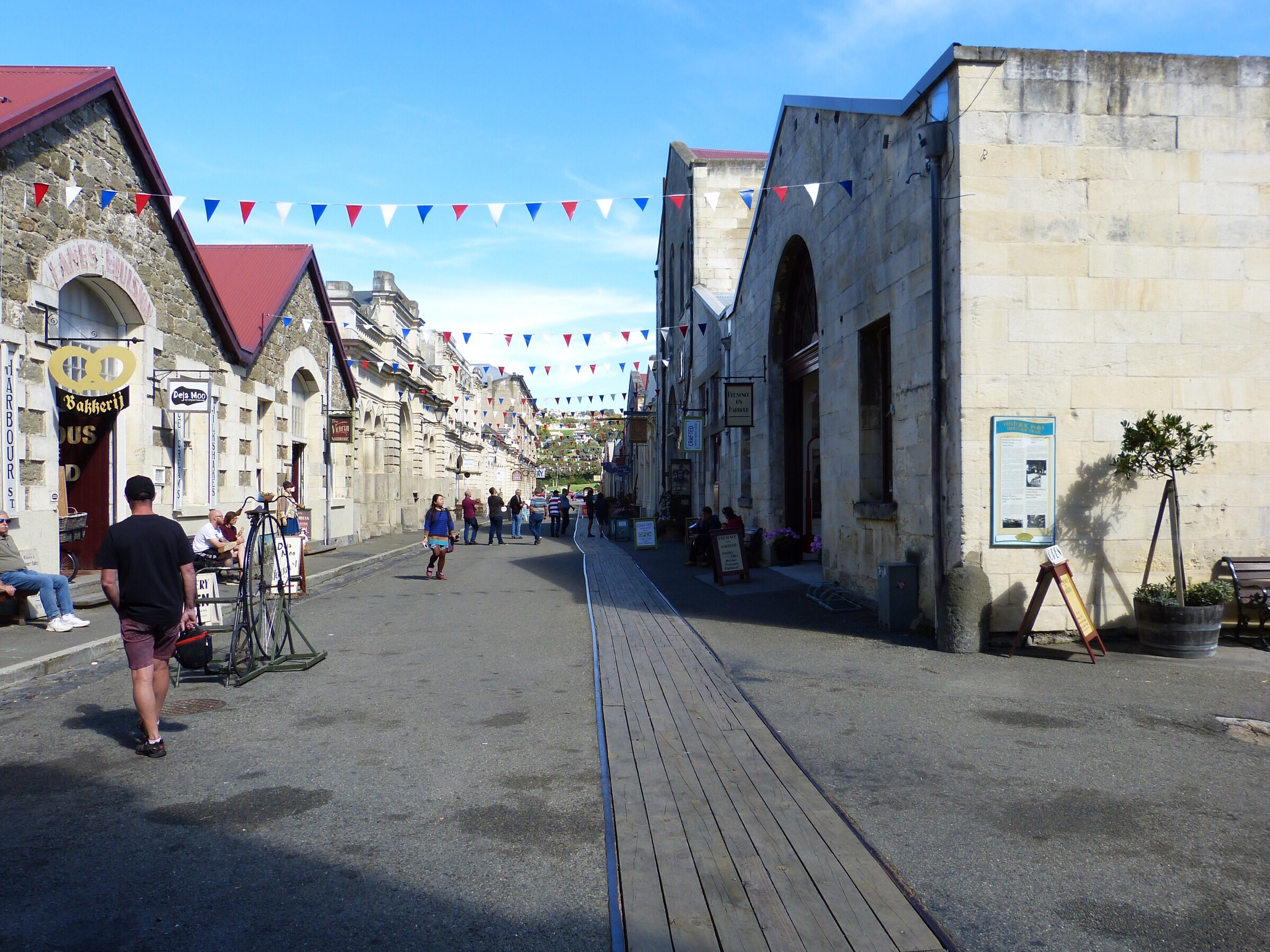
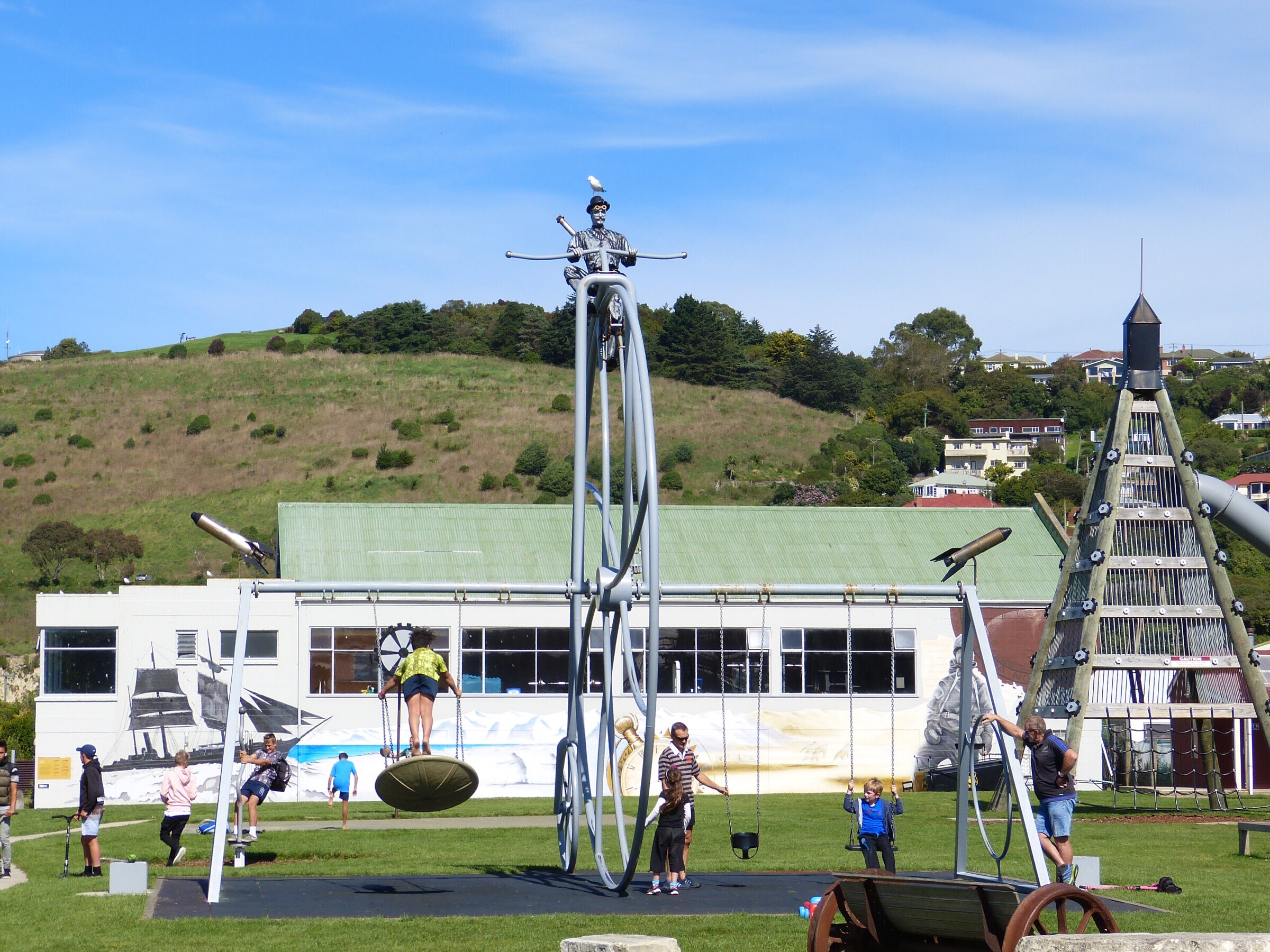
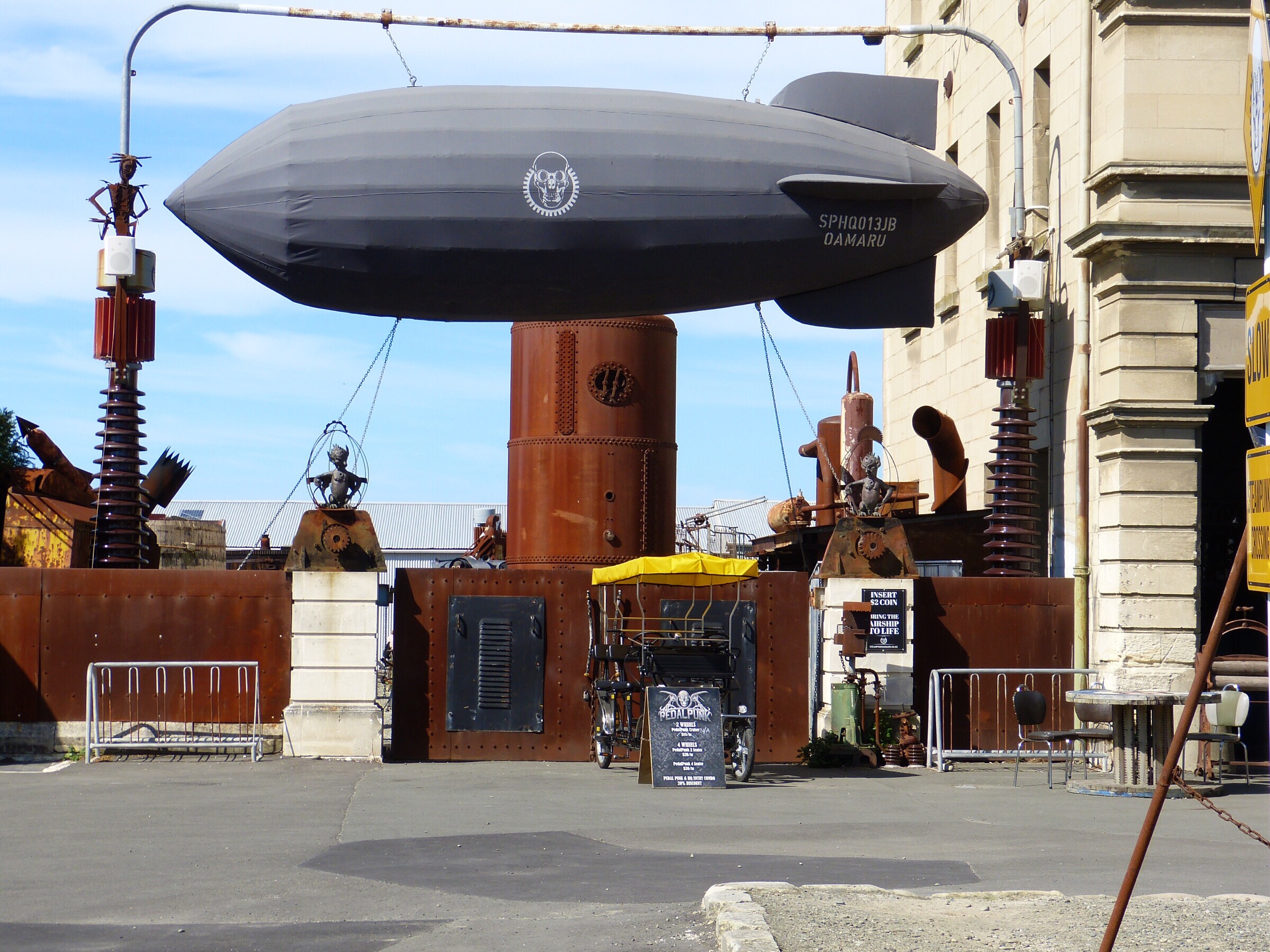
Our last stop before heading to the airport was the coastal town of Oamuru known as the Steam Punk capital, what a funky place all happening around a couple of blocks of preserved Victorian commercial buildings we lost ourselves in the quirky shops for the afternoon.

Later in the evening we strolled along the promenade to the Little Blue Penguin colony, which is a conservation centre where you pay to sit in stands from which you can watch the penguins come ashore. They spend the day about 15 kilometres off shore feeding then at dusk come ashore to spend the night. They arrive in small groups known as rafts, no more than a foot tall first one little head pops up between the rocks followed by another and another, after cleaning and oiling themselves they waddle their way across the grass to the enclosure where the centre has provided individual shelters for them, one of the cutest things I have seen and a highlight of the holiday. Unfortunately no photos as cameras and phones are banned.

So that is it folks our adventure has come to an end 😢 what a great time we have had crossing at least four time zones, meeting some great people en route and taking in some spectacular scenery, our only regret is we did not give it more time.

Now to planning the next one. 🤔 Watch this space.

North or south?


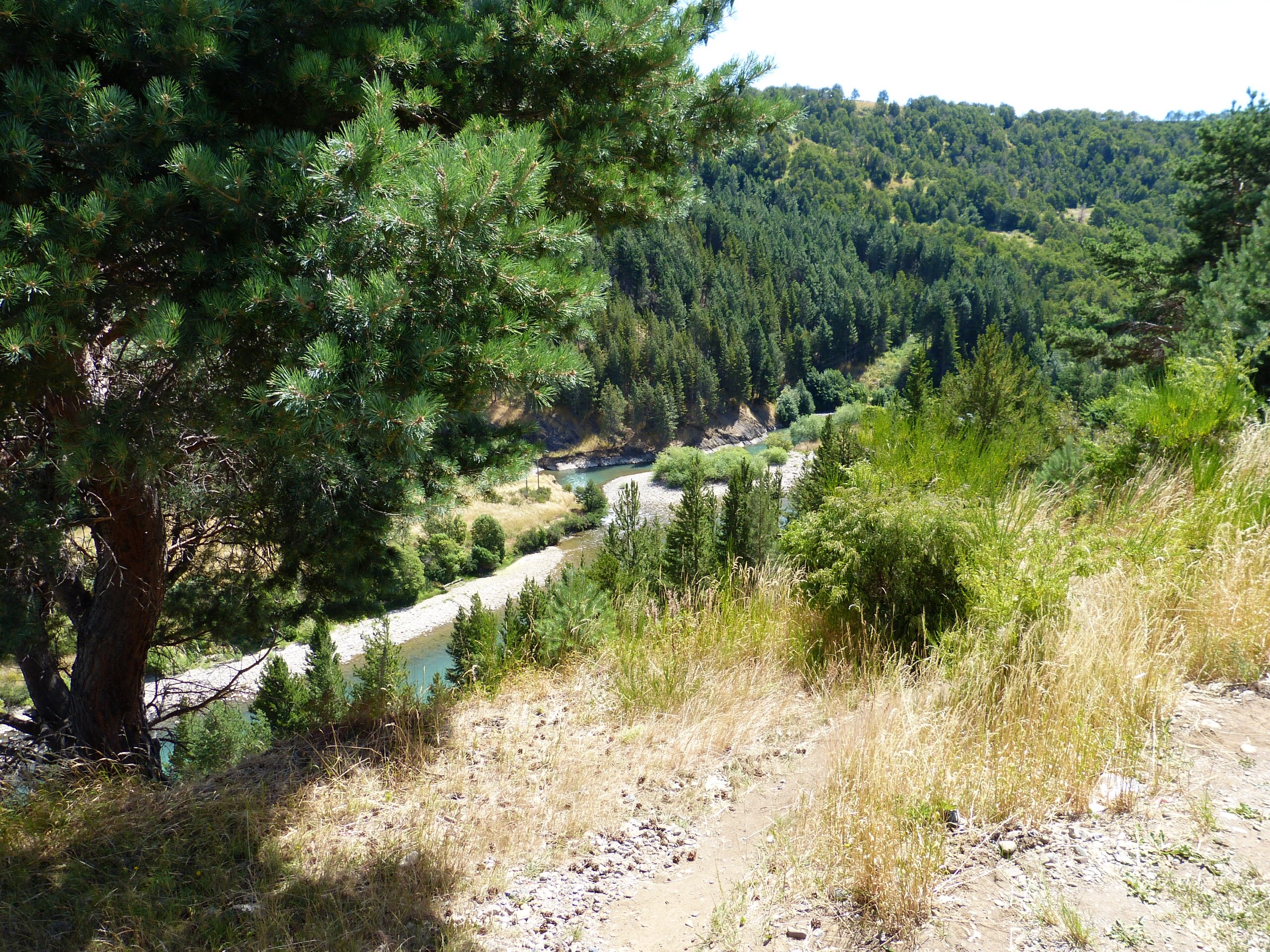
Choices to be made, do we meander our way back to Santiago through the vineyards of Southern Chile or head south into Northern Patagonia? The latter won out and we headed south to the town of Coyhaique, although we quickly learnt not the best place for 60+ year olds whose bodies don’t bounce and bend as well as they used to.

Not being in to white water rafting, kayaking and mountain trekking we struggled to find a tour that would get us out and about although our enquiries did discover a half day tour of 7 lakes and small villages (more fitting to our capabilities) but alas no one was running that tour for the days we were there, the only tour on offer was a fourteen hour trip to see a hanging glacier but as It only gave us two hours in the National Park where the glacier was we decided against it.

So we had to entertain ourselves which meant exploring the town and its perimeter taking in the views from a purpose built path.

6F5C79A6-F0A3-409F-9AB0-1B45247968F9


We had flown into the region arriving at the nearby airport on the Argentinian border at Balmaceda. If we had been able to get a boat reservation we would have sailed down the coastline from Chiloé and enjoyed an 18 hour sailing down past rugged coast and fjords and wide river estuaries aplenty. The boat sailed into a port 50 miles from Coyhaique and we decided to travel on the local bus down to one of the ports to get a taste of the coastal area.

Taking a bus to Port Aysen we bumped our way over a part made road passing through a lush green valley that appeared to have carved its way through the mountain.The bus deposited us in town and we wandered down to the estuary edge and followed it as far as we could before cutting our way back through the town to the square where we spent a pleasant half hour watching a group of teenagers playing tag football before making our way back to the bus.

Back in Coyhaique for our final day and no public transport to places nearby, so we joined the locals in the main square where we passed a pleasant afternoon soaking up the sun laying on our backs cloud watching and people watching, whilst being entertained by a band playing to raise funds for a child with cancer.

It once again highlighted how important public spaces are to communities across Chile and how they as a family and community make use without any misuse or intolerant behaviour. In our experiences over the years this is not peculiar to Chile but a common legacy across the Spanish influenced world and reinforces how they shaped their settlements with public space in every community they established.

With hindsight we should have done our homework better and perhaps given more time to explore this area of Chile using the buses to travel down to Coyhaique stopping to explore on the way, a lesson learned.